Hudson’s Bay, one of Canada’s oldest and most iconic department store chains, is at a crossroads as reports indicate that nearly half of its stores could be closing amid financial turmoil. In an interview, Liza Amlani, Principal and Co-Founder of Retail Strategy Group, shared her insights on the challenges facing the retailer and the broader implications for the Canadian retail landscape.
Founded in 1670, Hudson’s Bay has long been a staple in Canadian retail, but the shift toward e-commerce, changing consumer habits, and a lack of investment in store infrastructure have left the company struggling. According to sources within the commercial real estate sector, the company is considering closing as many as 50 locations, leaving uncertainty about the future of its remaining stores.

“It’s inevitable that stores will close,” Amlani said. “Whether a new buyer steps in remains to be seen, but if the bankruptcy process proceeds without one, we could see all of them shuttered.”
Real Estate Challenges and Investment Needs
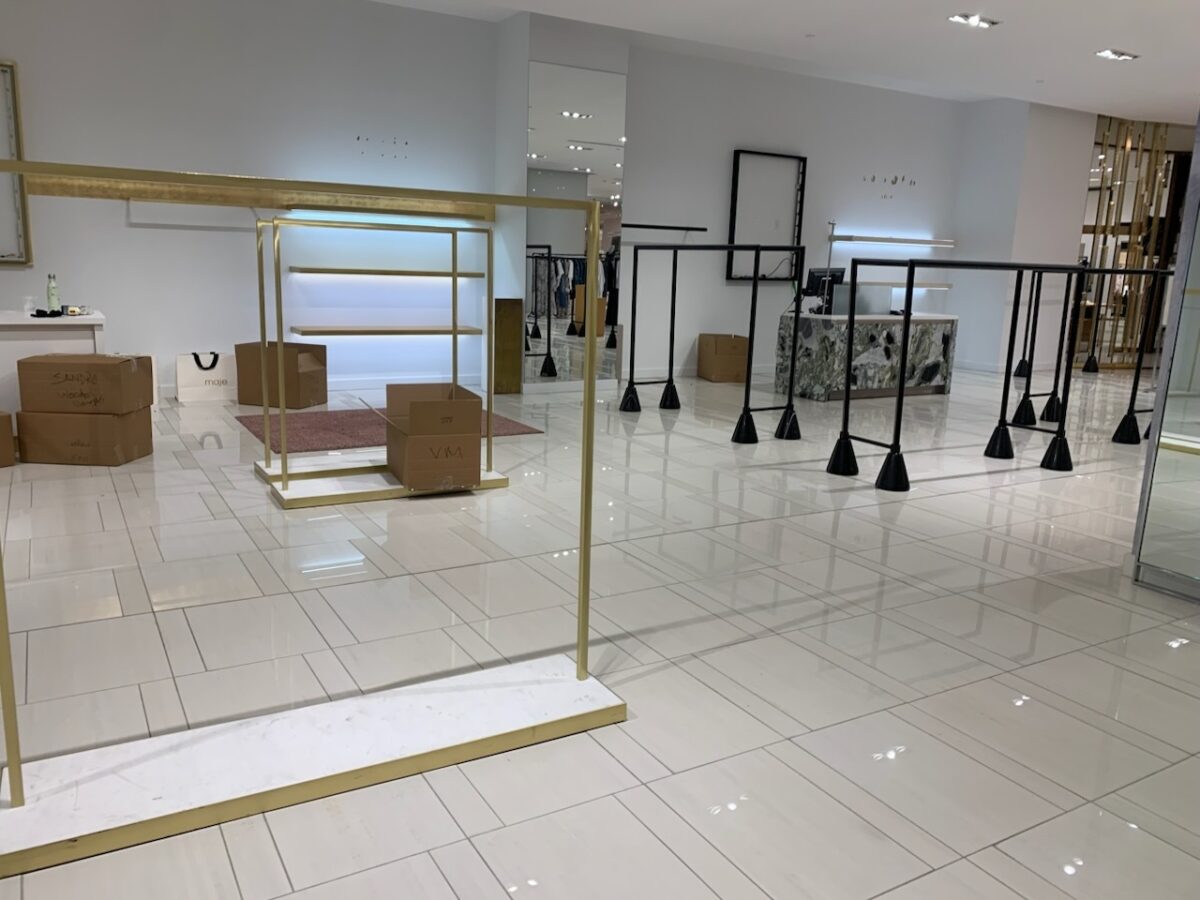
The physical footprint of Hudson’s Bay presents a significant challenge. Many locations are in large, multi-floor buildings requiring substantial capital to maintain and modernize. “If The Bay can’t compete from an operational standpoint, how could they possibly succeed in today’s landscape?” Amlani questioned. “Stores need investment, not just to look nice but to function effectively.”
Amlani also noted that Hudson’s Bay’s current ownership structure, led by Richard Baker and his real estate-focused approach, has prioritized property value over retail reinvention. “The ideal scenario would be closing half the stores and reinvesting in the ones that remain. The Queen Street flagship, for example, does not need to be that big,” she added.
Store renovations could cost millions of dollars per location. Without major reinvestment, these large-format stores will continue to struggle against smaller, more modern retail footprints.
The Struggle with E-Commerce and Brand Perception
While some retail analysts suggest that Hudson’s Bay could survive as an online marketplace, Amlani remains skeptical. “E-commerce is important, but physical stores create customer engagement,” she said. “Look at successful department stores like Marks & Spencer in the UK—when you invest in stores, you naturally invest in other areas of the business.”
She also criticized Hudson’s Bay’s outdated website, which she described as “as flat and uninspiring as its stores.” “Compare it to any best-in-class department store, and you’ll see the difference,” Amlani said. “Even their category landing pages lack excitement.”
Visual Merchandising Failures: A Lost Shopping Experience
One of the major criticisms Amlani has is Hudson’s Bay’s lack of proper visual merchandising. “The in-store experience doesn’t excite customers,” she explained. “It doesn’t entice them to buy, and in some cases, it’s outright confusing.”
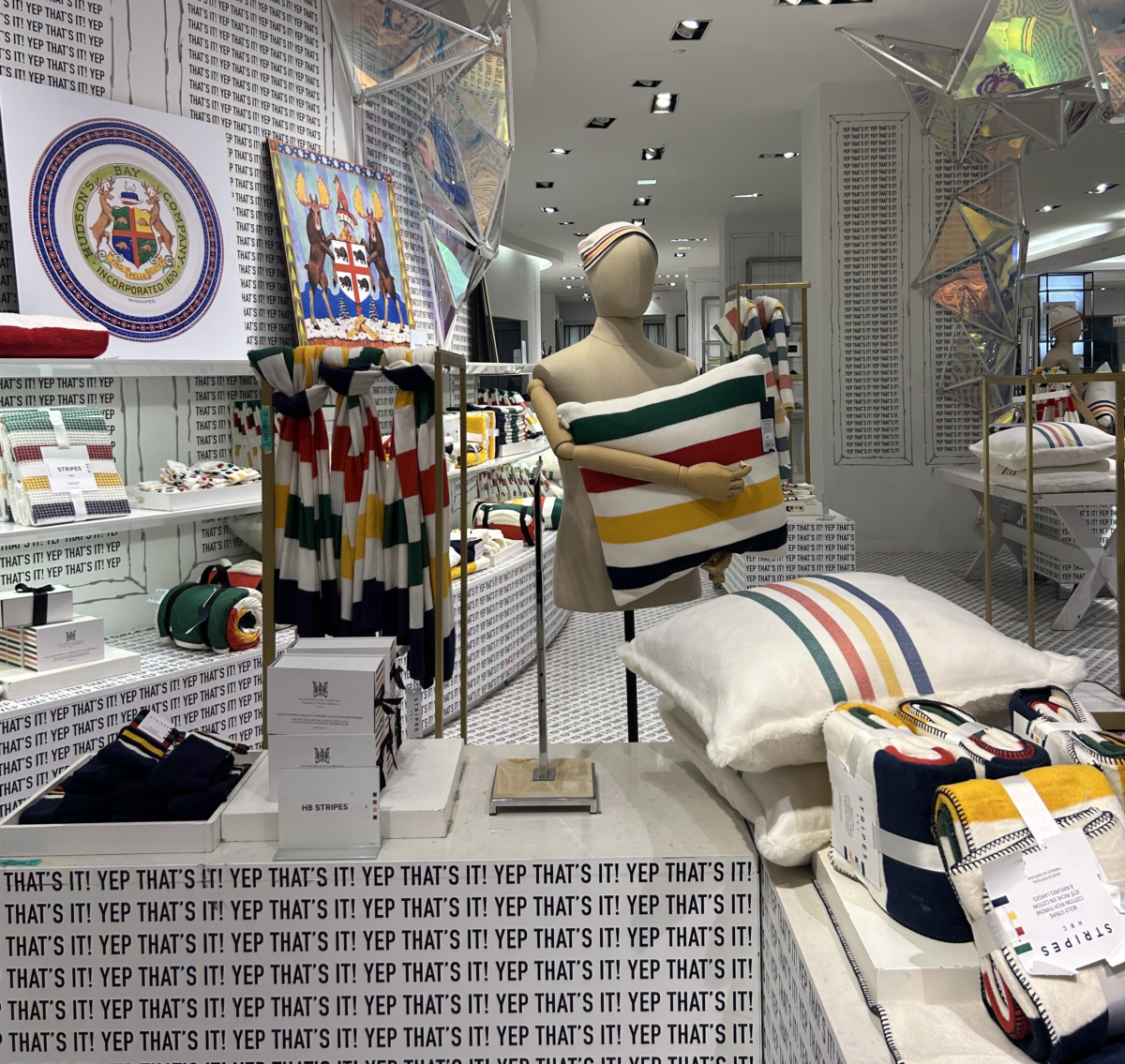
She pointed to specific in-store missteps, such as the “Yep, That’s It” branding on the walls and floors, which had no clear connection to Hudson’s Bay’s signature Stripes program. “What does that even mean? It’s a waste of prime retail space,” Amlani said.
Another glaring issue is the iridescent lanterns used as decorations in key sections. “They take up valuable floor space and don’t serve any merchandising purpose,” she noted.
Job Losses and Industry Impact
If half of Hudson’s Bay locations close, the impact will be severe. The company employs around 9,300 people, and thousands more work in roles supporting its operations, including supply chain, logistics, and brand concessions.
“This is going to affect a lot more people than we realize,” Amlani said. “Beauty and fragrance counters, logistics partners, even marketing and visual merchandising teams—so many jobs are tied to this business.”
Additionally, regional brand teams that work specifically with Hudson’s Bay could face layoffs. “Many global brands have set up Canadian offices to work with Hudson’s Bay. If the retailer goes under, those jobs disappear, too.”
Brands Pulling Out & Unpaid Vendors
A growing number of brands have already started pulling their products from Hudson’s Bay locations, concerned about unpaid invoices.
“Many vendors likely haven’t been paid, and we’re seeing brands opting to take back inventory rather than risk deeper markdowns,” Amlani explained. “The worst thing for a luxury or contemporary brand is to have its product discounted at 70% off. It destroys the brand’s value.”
For instance, she pointed out that Self-Portrait, a high-end fashion brand, was heavily marked down in Hudson’s Bay stores. “That’s the kind of thing that makes other brands wary of working with you,” she said.
Saks Fifth Avenue and The Room: Future Uncertain
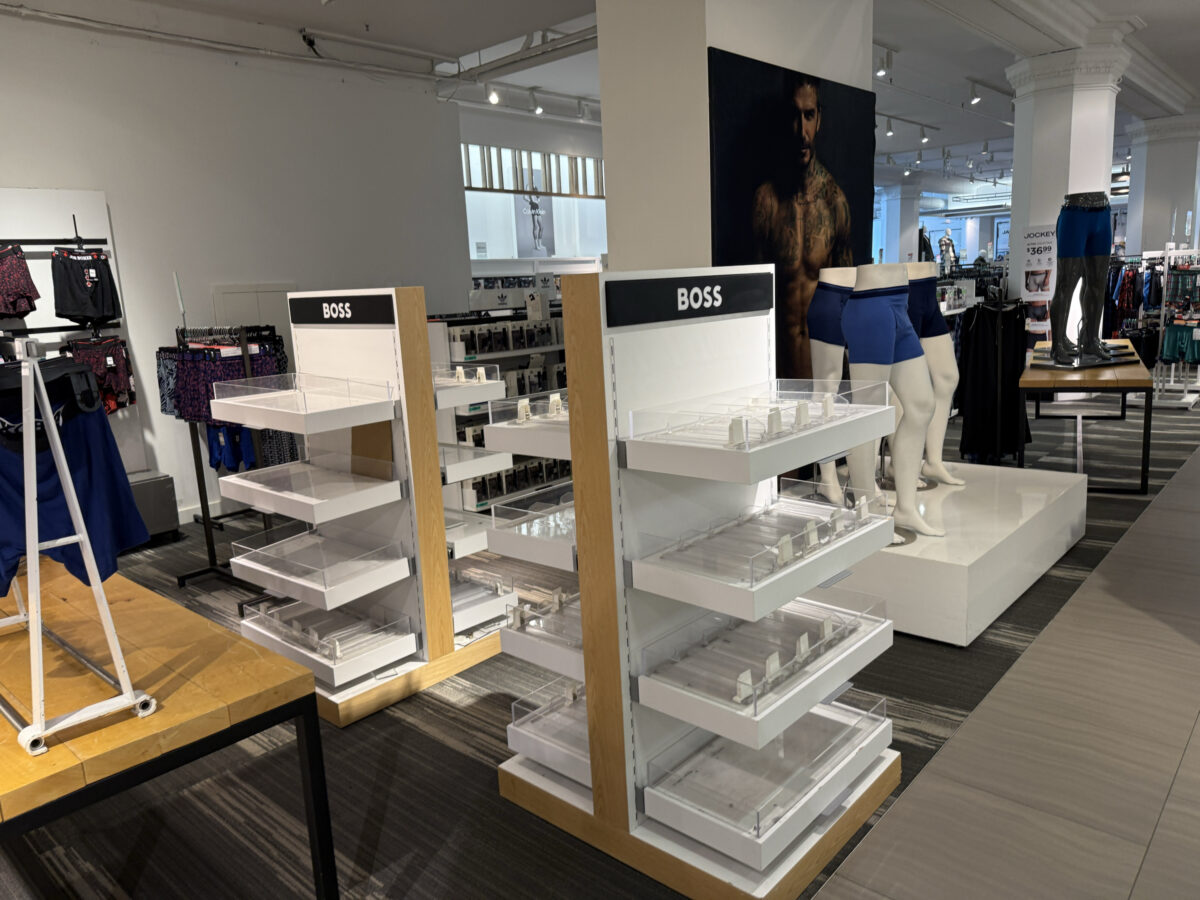
With Hudson’s Bay’s restructuring, there are also questions about the fate of Saks Fifth Avenue in Canada, which operates under a licensing agreement. Amlani noted a lack of investment in Saks stores, with minimal staffing and dwindling customer traffic. “I saw one sales associate on an entire floor,” she revealed. “That’s not sustainable.”
Additionally, The Room, Hudson’s Bay’s luxury concept, appears to be on borrowed time. “The strategy never made sense,” Amlani remarked. “Luxury customers weren’t going to The Room when they had better options elsewhere. It was doomed from the start.”
The Future of Shopping Malls & Anchor Stores
Hudson’s Bay’s struggles also raise questions about the future of shopping malls in Canada, as department stores have traditionally served as anchor tenants.
“In the 20th century, malls were built around department stores,” Amlani explained. “But today, shoppers go to malls for specific brands—Apple, Lululemon, Sephora—not to browse a department store.”
Some malls, like CF Chinook Centre and The Well in Toronto, are adapting by focusing on experience-driven retail. “Malls need to innovate beyond traditional department stores,” Amlani said. “It’s no longer just about retail—it’s about services, dining, and community spaces.”
Final Thoughts: Is This the End for Hudson’s Bay?
Hudson’s Bay is set to face a key court hearing on March 17 that will determine store closures, vendor settlements, and the company’s overall restructuring plan. Amlani remains skeptical that a buyer will step in.
“If a buyer steps in, maybe they can salvage what remains,” she said. “But without a clear plan to modernize, it’s hard to see Hudson’s Bay surviving in its current form.”
Ultimately, the decline of Hudson’s Bay serves as a cautionary tale for Canadian retail. “The demand for great retail experiences is still here,” Amlani concluded. “But Hudson’s Bay lost its way. If this is truly the end, it’s an unfortunate but predictable outcome of years of mismanagement.”