

For years, Oakridge Park has taken shape across Vancouver’s west side as one of the most ambitious retail and mixed-use developments ever undertaken in Canada. On May 28, the project will officially open to the public, marking a pivotal moment not only for Vancouver retail, but also for the continued evolution of shopping centres into fully integrated urban districts.
The redevelopment of the former Oakridge Centre at West 41st Avenue and Cambie Street has transformed a longtime regional shopping mall site into a sprawling mixed-use environment that ultimately will include retail, residential, office, civic and public spaces connected directly to the Canada Line SkyTrain network. The opening retail phase includes approximately 500,000 square feet of retail and dining space within a broader 650,000-square-foot shopping component.
Yet Oakridge Park is being positioned as far more than a luxury shopping destination.
The project combines international fashion brands, contemporary retail, public gathering areas, entertainment programming, wellness offerings, office space, housing and civic infrastructure within a single high-density development that city planners have identified as Vancouver’s second major town centre outside of downtown.
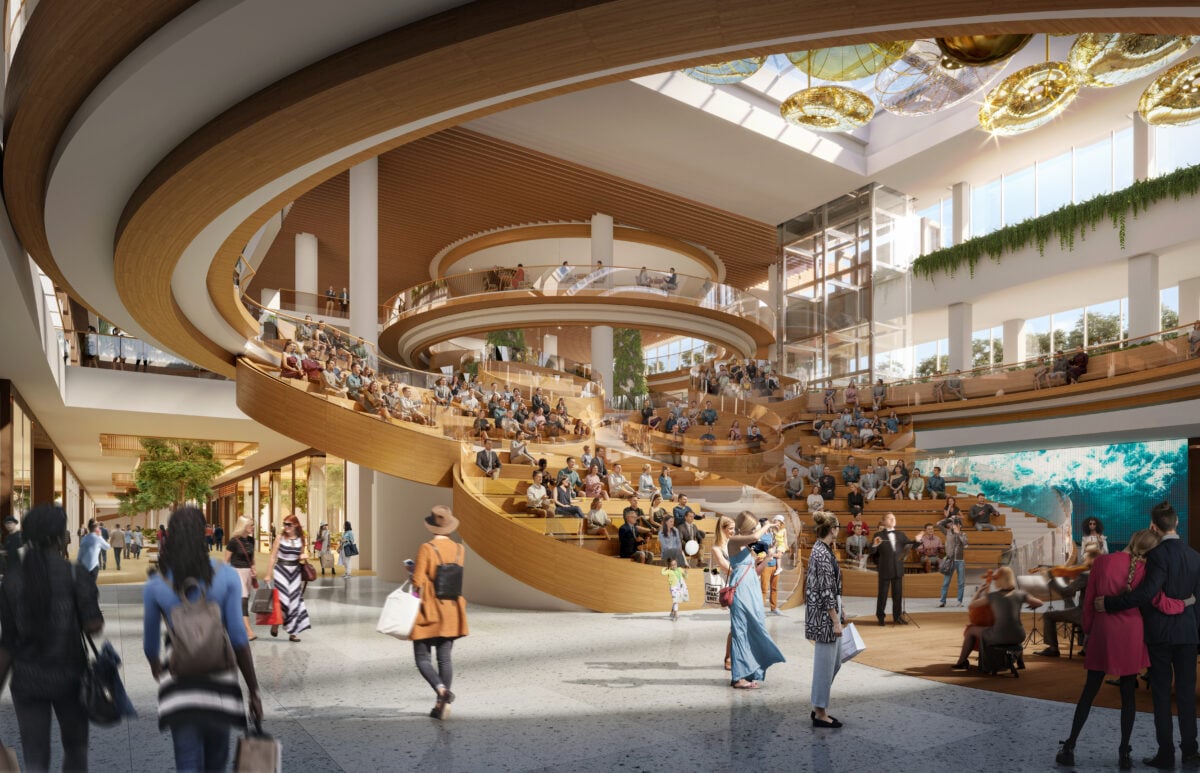
“The official opening of Oakridge Park marks a significant milestone in bringing our long-term vision for this destination to life,” said Chrystal Burns, Executive Vice President, Canadian Retail Experience at QuadReal Property Group. “We set out to create more than a retail centre, we wanted to build a place where world-class shopping, dining, culture and community come together.”

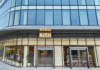
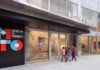
A recent walkthrough of the property revealed soaring skylit atriums, architecturally ambitious storefronts, integrated public art and expansive indoor-outdoor gathering spaces designed to blur the line between shopping centre, cultural venue and public realm. Natural light filters through large glass ceilings while open public corridors transition toward parks, food-focused social spaces and performance areas intended to encourage visitors to spend time throughout the development rather than simply move between stores.
That emphasis on experience appears central to Oakridge Park’s long-term vision.
Burns said the project was conceived around the idea that physical environments increasingly need to offer emotional and social value alongside commerce, particularly as technology continues reshaping how consumers shop and interact.
“With so much global instability, social screen anxiety and AI starting to do the things that used to define us, what’s going to make us unique is our own human experience,” Burns said in an interview with Retail Insider. “What’s going to matter in real estate development is creating spaces and places where people can create human experiences. We experience things, we feel things, we use our senses.”
Her comments reflect a broader shift taking place across the retail real estate industry as developers increasingly focus on placemaking, entertainment, wellness and emotional engagement in an effort to keep physical environments relevant in an increasingly digital world.
Luxury Retailers and Contemporary Brands Shape Vancouver’s Evolving Retail Landscape
Oakridge Park’s retail lineup reflects Vancouver’s growing prominence within the global luxury retail market and further strengthens the city’s position as an important gateway for international brands entering Canada.
Luxury fashion houses opening within the project include Chanel, Louis Vuitton, Prada, Valentino, Moncler, Loewe, Brunello Cucinelli, Maison Margiela, Max Mara and Miu Miu, alongside jewelry and watch brands such as Tiffany & Co., Rolex, Chaumet and TAG Heuer.
The retail mix also incorporates contemporary fashion, beauty and lifestyle retailers including Aritzia, Harry Rosen, Sporting Life, Sephora, Browns Shoes, Veronica Beard, Sandro and Maje.
Rather than functioning solely as a luxury retail concentration, Oakridge Park has been designed to encourage daily activity through a combination of shopping, dining, wellness and public gathering spaces integrated throughout the site.
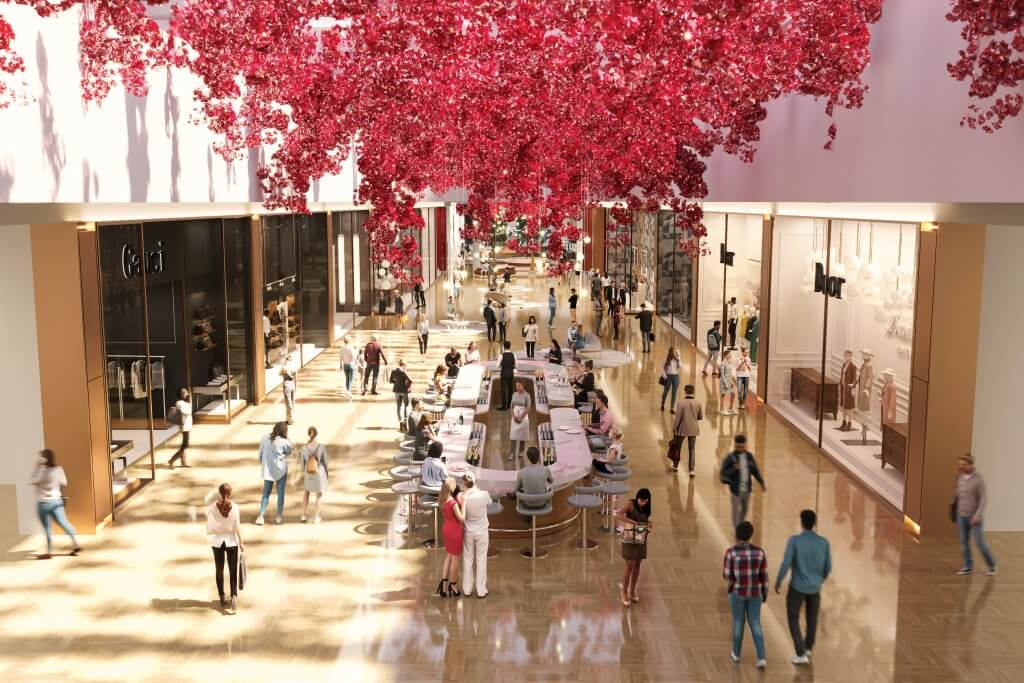
“It’s not just a collection of shops,” Burns said. “The whole is so much more than the sum of its parts”
The project also signals an evolution in how luxury retail is developing within Vancouver. While the city’s luxury market has historically concentrated along the downtown Alberni Street corridor, Oakridge introduces a more transit-oriented and mixed-use model where luxury retail exists alongside residences, office space, parks and civic amenities.
That combination remains relatively uncommon in Canada and reflects broader global trends toward denser urban retail districts designed around experience and daily living rather than purely destination shopping.
Time Out Market and Cultural Programming Intended to Drive Daily Engagement
Food, entertainment and recurring cultural programming are expected to play a major role in shaping how visitors interact with Oakridge Park.
Time Out Market Vancouver will open simultaneously with the retail component on May 28, bringing a large-scale curated food hall concept to the development. The approximately 50,000-square-foot market includes roughly 10,000 square feet of outdoor patio space overlooking Oakridge Park’s public park areas.
Participating culinary concepts include Feenie’s, Lunch Lady, Via Tevere, Kishimoto, DownLow Chicken and Heritage Asian Eatery, among others.
The opening period will also feature extensive programming throughout late May and June, including live music performances, floral installations, portrait illustrations, barre classes, pilates sessions and family-oriented activities.
“We want to activate that so that people come every day to create those experiences, to create those memories,” Burns said. It’s not only about buying things. This is more about the experience, the music, the art — being part of your community and culture.”
Oakridge Park incorporates multiple indoor and outdoor stages throughout the site, including within its atriums and adjacent park areas. Burns said larger-scale fashion and entertainment activations are also expected later this year.
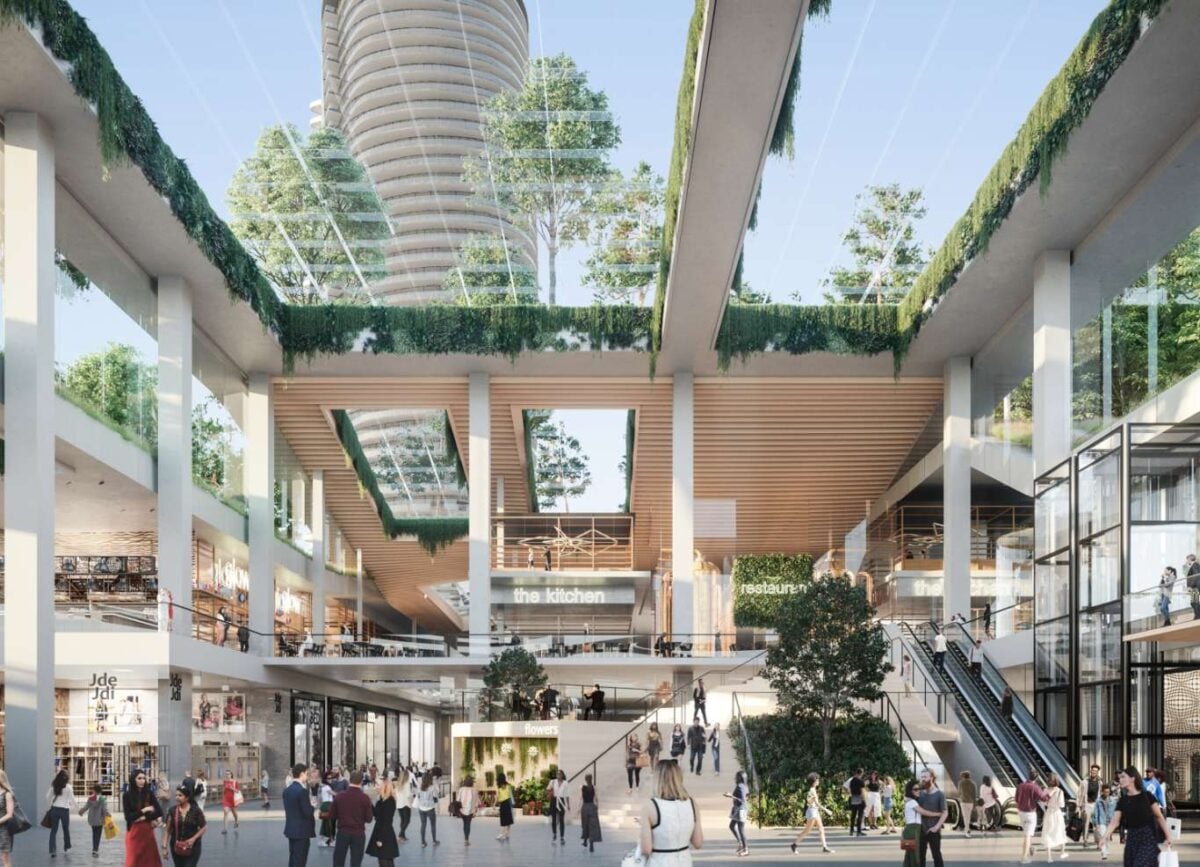
Former Hudson’s Bay Space Reflects Structural Shift in Canadian Retail
Future phases of Oakridge Park will continue transforming portions of the former Hudson’s Bay space into new retail, wellness and lifestyle concepts.
Burns confirmed that Altea Active will relocate and significantly expand into approximately 55,000 square feet on the upper level of the former department store space, with construction expected to begin this summer ahead of a planned Spring 2027 opening.
Additional contemporary and lifestyle-focused retailers are also planned for the lower level as leasing continues.
The transformation of former department store space into wellness, lifestyle and experiential concepts reflects one of the most significant structural shifts occurring within Canadian shopping centres following the decline of traditional anchor-driven retail models. Across the country, landlords increasingly are repositioning former department store space for mixed-use purposes that generate more consistent daily traffic and longer visitor engagement.
Oakridge Park Emerging as Vancouver’s Second Town Centre
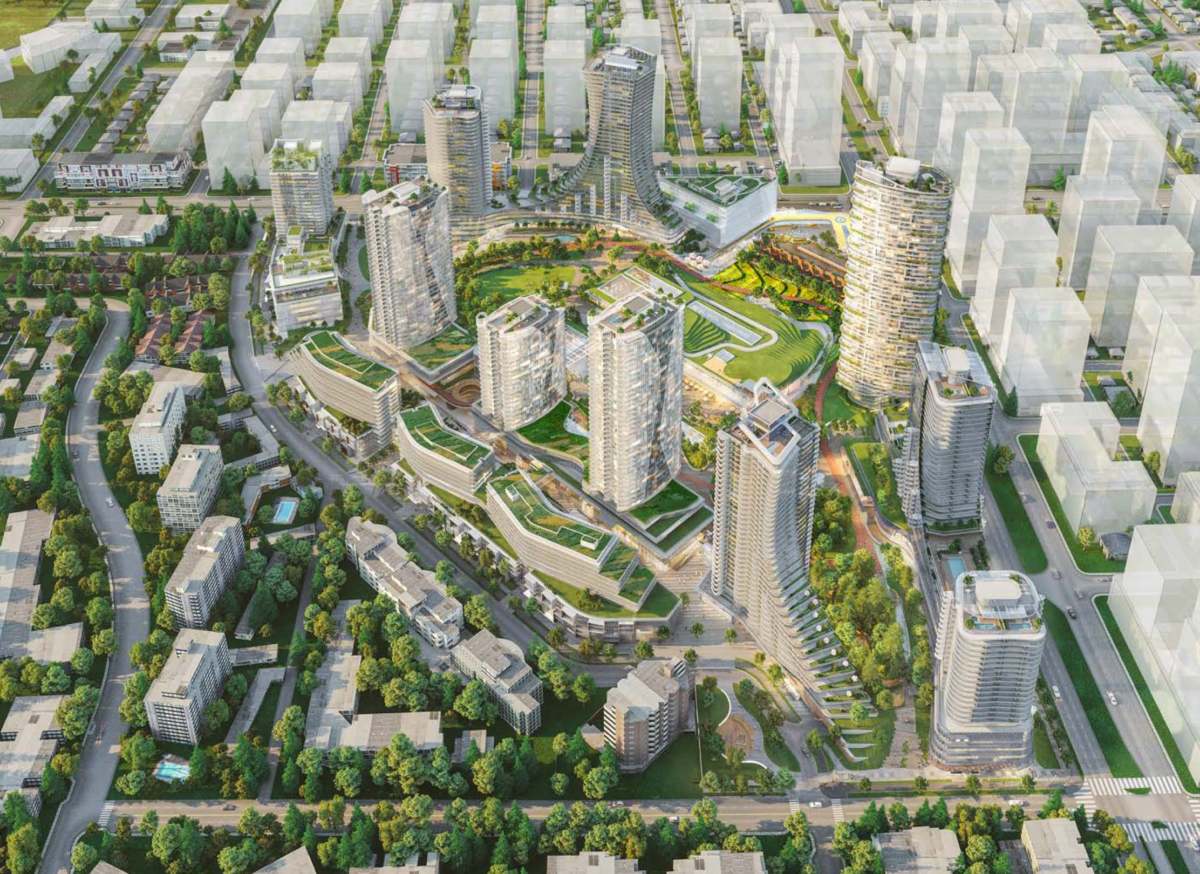
Beyond retail, Oakridge Park is being developed as a dense mixed-use urban centre anchored by transit connectivity and civic infrastructure.
The project will eventually include more than 3,000 residential units, approximately 720,000 square feet of office space, a nine-acre rooftop public park, community centre, daycare facilities, seniors programming and what is expected to become one of Vancouver’s largest public libraries.
Burns noted that the City of Vancouver has identified the Oakridge area as the city’s second major town centre outside of downtown Vancouver.
“The city of Vancouver has actually designated it the second town centre and the only other town centre to downtown,” Burns said.
The project’s direct integration with the Oakridge-41st Avenue Canada Line station is also expected to become one of its defining long-term advantages. An enclosed underground pedestrian connection linking the station directly into the development is expected to open shortly after the initial retail launch.
“It’s fifteen minutes on the train to downtown, and it’s fifteen minutes on the train to the airport,” Burns said.
As additional residential towers, office components and future retail phases continue opening over the coming years, Oakridge Park is expected to become one of Canada’s clearest examples of how major shopping centre sites are evolving into full urban neighbourhoods where commerce, housing, culture, wellness and public life increasingly exist side by side.





This is going to be exciting. Can’t wait to see the photos of what it looks like. I am sure it won’t disappoint.
What the shopping centres today are missing are things that made people spend longer times at the mall… Indoor trees and gardens and water features / water fountains with ample seating to sit and relax and enjoy your drink, snack, or ice cream. Also missing are the lavish Christmas / Holiday Displays with Santa houses and castles with countless lights and decorations with animatronics that people could enjoy and families can appreciate and take a lot of memorable photos.
Today, malls all look the same, have the same stores, same food in the food court and they wonder why they are not doing as well as they probably could. They need to differentiate between one another, have different stores, some unique ones and mom and pop shops and pop-up stores to have people coming back and seeing what’s new.
This is the same example as our Canadian Owned Radio Stations. They play the same songs over and over again. Owned by a few corporations who stick to the same top 40 playlist and there’s no variety. You used to hear a song once or twice a week, maybe there was a top 10 at 10pm or something, but that was it! You either was able to hit record on your tapedeck, or you had to go out and buy the record or cassette.
We are in a repetitive society. One does something, they all follow. Nobody wants innovation anymore. Copy and paste is our way of living now. We need to be different once again. That will make the people have to go to different malls to buy things they are looking for, go to different malls to see what is new and enjoy the holidays once again, stay longer and spend more.
Lol none of those things you said are inside
Wonder what the state of it will be when it opens and how many stores will actually be open. Living 1 block away from Oakridge, it looks far from complete. Think they are just trying to open within their self-imposed Spring 2026 deadline because they know it’s been forever and don’t want to delay opening yet again…
Per Daily Hive Vancouver from journalist Kenneth Chan the majority of stores in Phase 1 along with Time Out Food Market will be open from day 1
Lol 2 weeks to load up merchandise in all the stores id be very surprised as I’ve only seen one so far.