

As Canada’s retail sector navigates uncertainty and reinvention, a bold new voice has entered the conversation with an ambitious vision for its future. Ruby Liu, Chairwoman of Central Walk and the entrepreneur behind a proposed new department store chain that bears her name, is preparing to reshape Canadian retail by rethinking what a store can be — merging retail, entertainment, food, and culture into one dynamic destination.
In an exclusive interview with Retail Insider conducted in Mandarin and translated by Linda Qin, CEO of Central Walk, Liu shared her philosophy on retail, the importance of experiential shopping, and her belief that Canada must draw from successful Asian retail models to reinvigorate its outdated shopping environments.
From Mall Operator to Visionary Retailer
Liu’s influence in Canadian retail has already taken root. Central Walk currently owns and operates three major shopping centres in British Columbia — Mayfair Shopping Centre in Victoria, Woodgrove Centre in Nanaimo, and Tsawwassen Mills near Vancouver. Under her direction, these centres have experienced revitalization, especially Tsawwassen Mills, which has undergone a transformation through the introduction of innovative entertainment and community engagement programming.
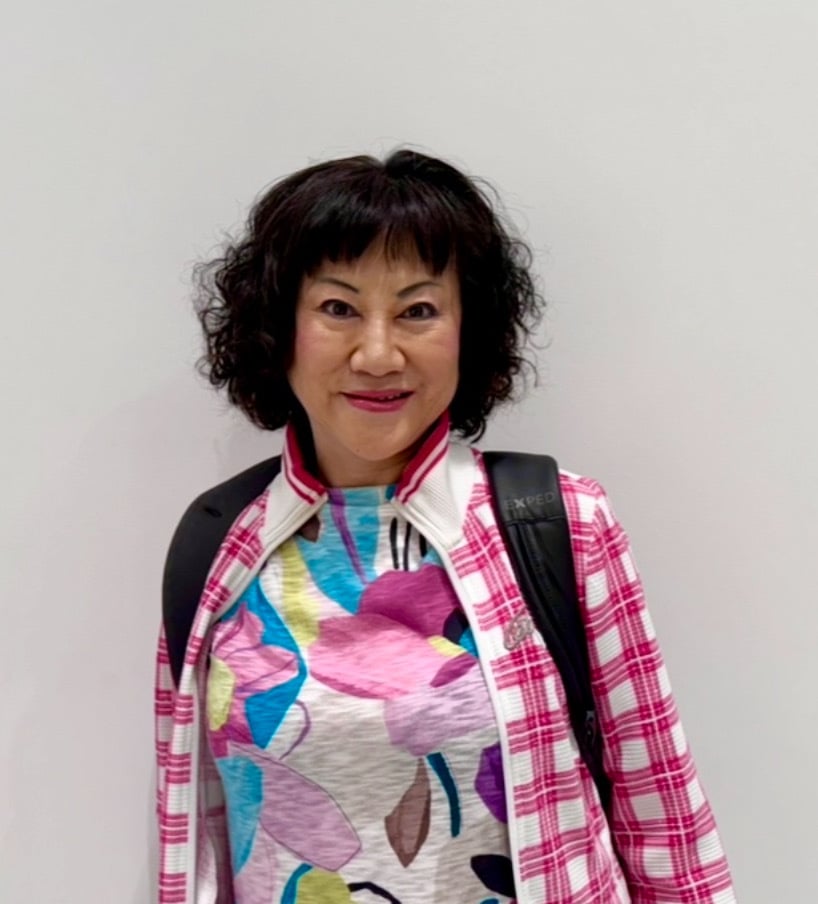
“Tsawwassen Mills is located in a town with just 30,000 residents, and even with a wider surrounding area, we’re talking about a population of roughly 110,000,” Liu explained. “It’s not an easy place to succeed. But we’ve brought in entertainment, new ideas, and created reasons for people from an hour away to visit. That’s how we know this model works.”
This track record forms the foundation for Liu’s next major undertaking — the launch of a department store chain named Ruby Liu. She has submitted a bid to acquire 28 former Hudson’s Bay store locations, with final court and landlord approvals pending. While the specifics of the stores cannot yet be disclosed, Liu was eager to outline her broader vision for the Canadian retail landscape.
A New Retail Model for a New Generation
“Canadian consumers have been exhausted,” Liu said. “They go to different shopping malls, and everything looks the same. There are no unique experiences, no meaningful marketing promotions or events. The whole system lacks creativity.”
Liu believes that the next generation of Canadian retail must break from convention and follow more innovative international examples — particularly those found in Japan. “Japanese department stores are leading the way in attracting people back to physical retail,” she said. “They have events, educational sections, pop-up stores, and endless fresh ideas that draw people in.”
In contrast, Liu views the Chinese market as having gone too far into the digital realm. “China has pushed e-commerce very hard. It’s a powerful system, but it removes the human connection,” she explained. “Japan has found the balance, and that’s what we want to replicate and improve upon.”
Challenging the Doubters
Some landlords and industry observers have questioned Liu’s qualifications, particularly as she lacks a traditional retail background. But she dismisses those doubts with conviction.
“Success doesn’t always come from formal training,” she said. “Look at people like Elon Musk — they succeeded by understanding people and thinking differently. I know consumer behaviour inside and out. I know what works.”
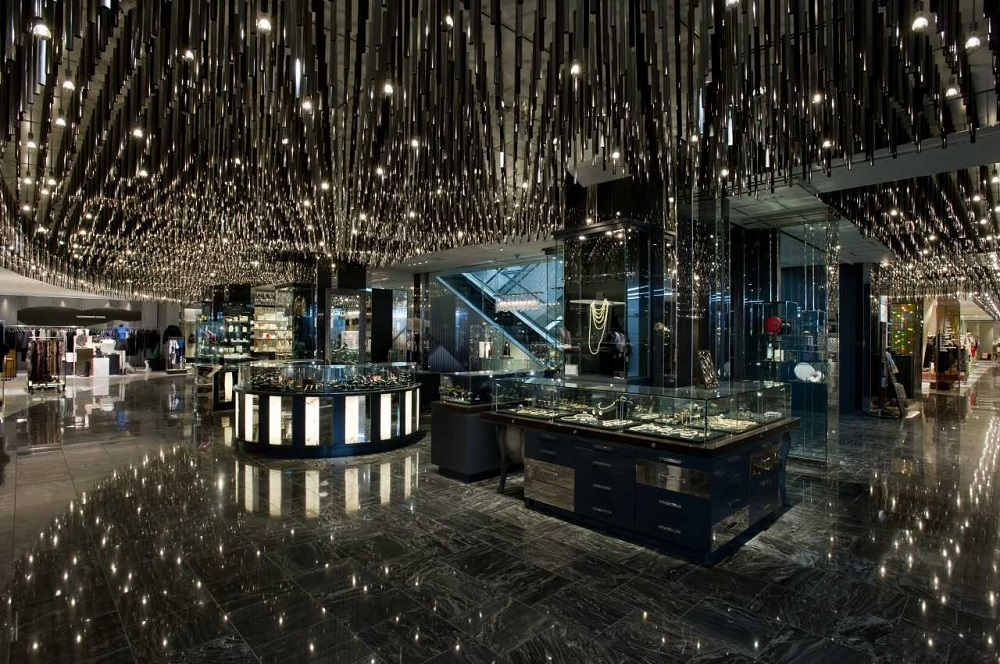
She continued, “If we can transform a place like Tsawwassen Mills, imagine what we can do in prime city centre locations. All of the former Hudson’s Bay locations we’re looking at are in major urban areas. If we made it work in a small town, we can absolutely thrive in these markets.”
Engaging the Z Generation
Liu is particularly focused on connecting with Gen Z consumers, who she feels have been overlooked by traditional Canadian retailers.
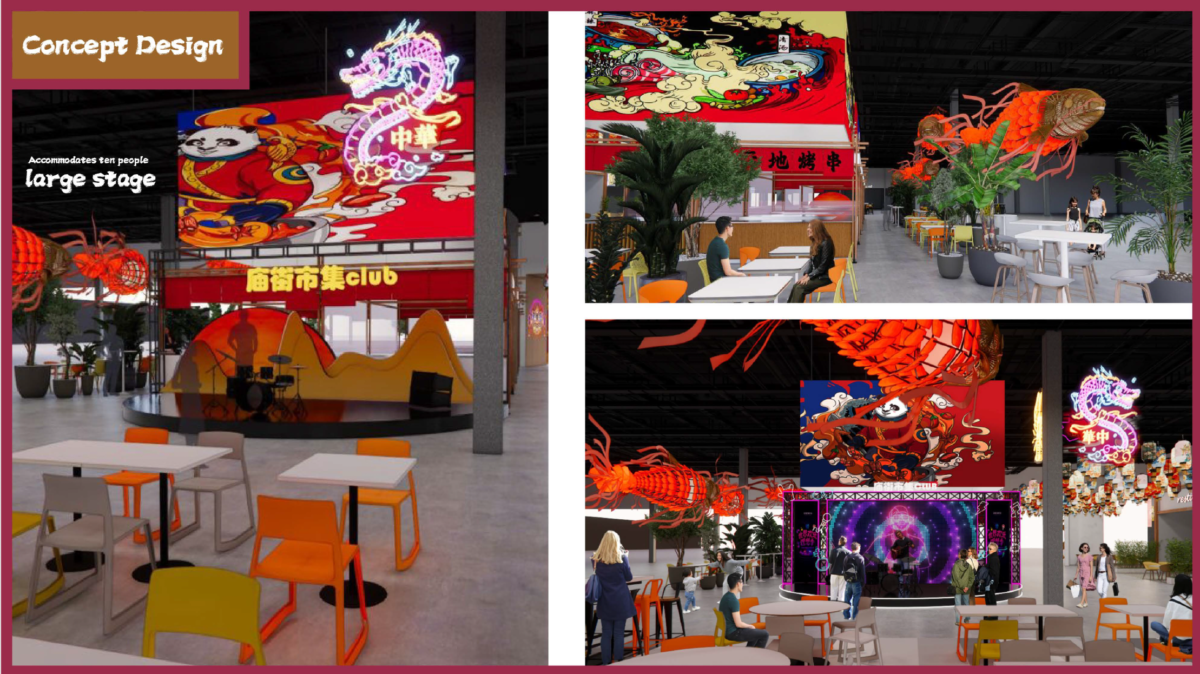
“Younger consumers aren’t interested in luxury finishes or expensive-looking stores. They want excitement, creativity, events, and experiences that matter to them,” she said. “They’re interested in things like cosplay, pop-ups, robotics, and technology.”
She cited examples seen abroad, such as retail spaces where young people can climb walls, interact with robotic arms, or engage in short-term flash installations. “Once the event ends, the crowd disappears,” Liu noted. “So we need continuous programming that keeps people coming back.”
She envisions central stages in department stores where year-round events and performances could take place — from youth art exhibitions to dance showcases and seasonal celebrations. “We’ll work with young talent, with community partners, and even with local governments to make it happen,” she said. “This isn’t just retail — it’s culture and community building.”
Inspirations: Pop Mart, Labubu, and Emotional Shopping
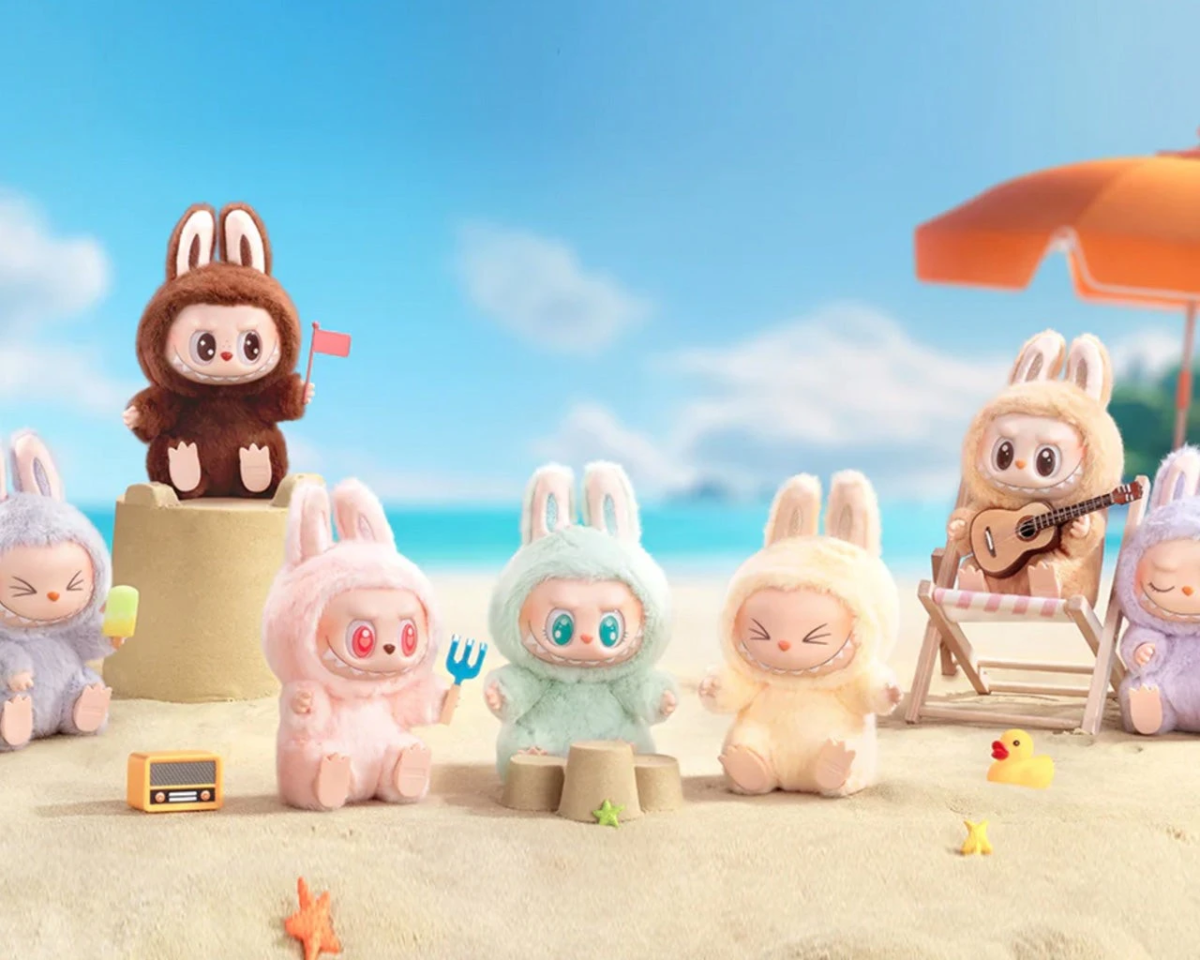
Liu also praised contemporary Asian brands like Pop Mart and Labubu, which have gained cult-like followings for their emotionally engaging collectibles and characters.
“Even though young people spend a lot of time online, they still need emotional support,” Liu said. “You can’t just hold your phone 365 days a year. Toys and dolls can offer comfort, help release stress, and give people a sense of companionship.”
Retail, she believes, needs to embrace that emotional connection. “It’s not just about what people buy — it’s how the experience makes them feel.”
The Evolution of Kids’ Play
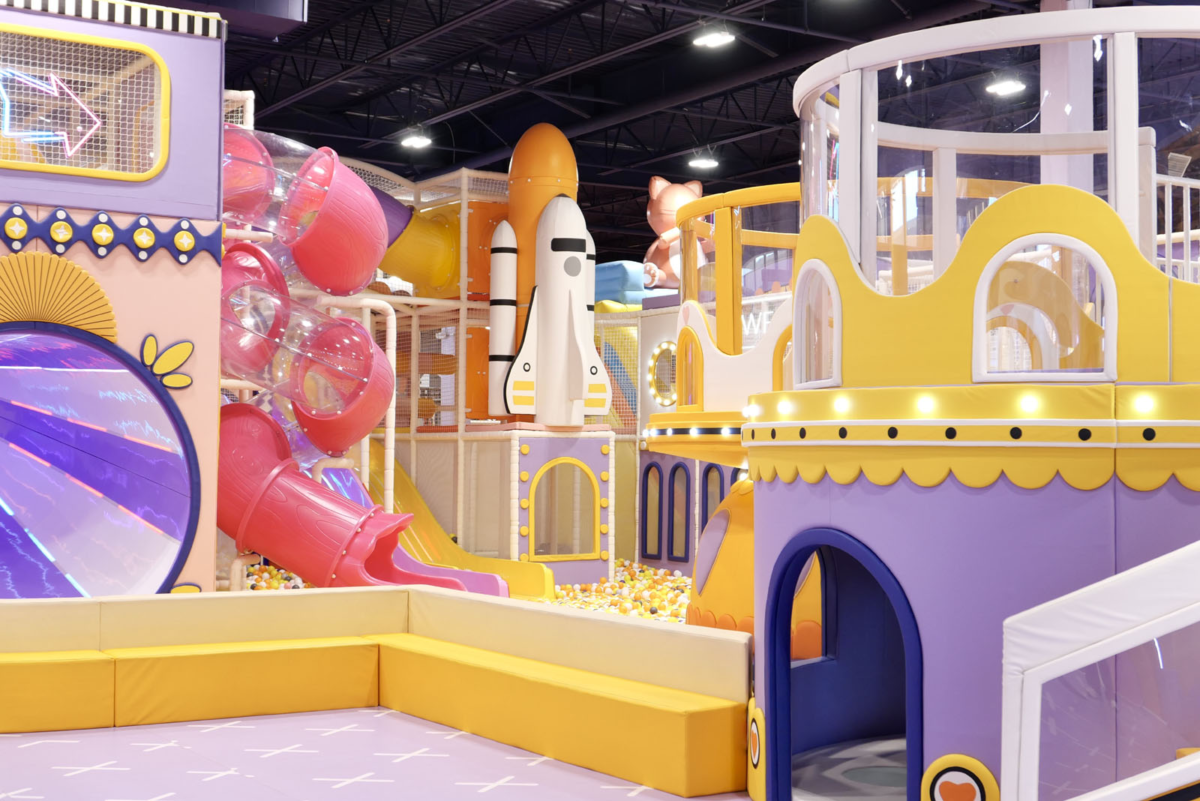
Entertainment for children is another major pillar of Liu’s vision. “We’re developing version 2.0 of kids’ areas,” she said. “It’s not just about fun anymore — it’s also about education.”
Drawing inspiration from global concepts like KidZania, Liu aims to integrate immersive play environments where children can learn real-world skills by role-playing as doctors, firefighters, bankers, or pilots. “It’s a platform for kids to discover their passions and gain confidence. It’s something that can bring parents, educators, and governments on board.”
A Press Conference on the Horizon
While Liu cannot yet share final plans for her new stores, she intends to host an intimate press conference in Toronto on the afternoon of June 23 — the day of court proceedings related to the acquisition of the former Hudson’s Bay locations.
The event will provide an opportunity to further discuss her retail philosophy and field questions from Canadian media.
“On that day, we’ll speak more about how to get younger generations out of their rooms, off their phones, and into the real world,” Liu said. “Our mission is to build something that excites and inspires people to come together again.”
The Path Forward
Liu expects that once her court bid is approved, her stores could begin opening within three to six months, depending on the condition of each space.
While she remains cautious not to divulge specific store concepts until official approval is granted, Liu is confident that her approach — grounded in entertainment, education, and emotional connection — will offer a fresh alternative in Canada’s retail landscape.
“We don’t need to look backward,” she said. “We need to look forward — to build something that belongs to this new generation.”














I like what Ruby’s trying to achieve in this market. I’m not sure if the name Ruby Liu will resonate with most Canadians as the store name, maybe “Ruby’s” or something to that nature will resonate better. Also, a more modern logo and font would be good. I hope she has good people around her to make this vision succeed.
Seems very hard to do in the next 6 months – open department stores from scratch
What about good old fashioned personal shopping? We still need it. Sounds overwhelming.
There was a time when “Tim Horton” was not a household name. The name “Ruby Liu” could certainly become household name and the font style? Nothing wrong with it.
Reading Craig’s article on Ms. Liu’s comments, I absolutely agree. Shopping malls need art, culture, local activities and events to draw crowds in. She suggests every mall is pretty much the same stuff and for the most part, entirely correct.
Ms. Liu’s unique approach is most refreshing.
The idea could be interesting if it was scaled down and had some taste. The renderings shown here are absolutely hideous and that logo is a travesty. Money can buy taste if you know who to work with and listen to their advice.
This looks awful and uninspired. Does she know we have Asian malls here? Canadians are going to get bored with this type of experience, these are gimmicky and themed. I always point to what The Bay on Toronto was like in the 80s, modernized the way Simon’s is. Mixed retail, there was a Marche type restaurant but it wasn’t segregated by wall, chocolatiers and patisseries, I think there was a Laura Secord in there. A very Canadian experience. If it’s just paper mache fish and a stage in front of a food court, I can’t see many people going out of their way to spend time there.
1. I have to question anyone who lists grifter Elon Musk as a role model.
2. The kind of play center she describes exists. And they aren’t free – they charge up to $500 for a kids birthday party, and that’s when they are located in low-rent industrial parks, not high-rent shopping centers. If she builds one in a shopping center, I can’t imagine it will be free.
3. We already have Asian-inspired chain stores like Miniso that sell the kinds of merchandise she describes. There’s probably growth-potential in that market segment, but I’m not convinced it can fill a full-size department store.