

The announcement that La Maison Simons will open a flagship store at CF Pacific Centre in Vancouver has already made headlines. The more consequential question now is what the move reveals about the future of downtown Vancouver retail, particularly at a time when the market is navigating structural change rather than a simple recovery cycle.
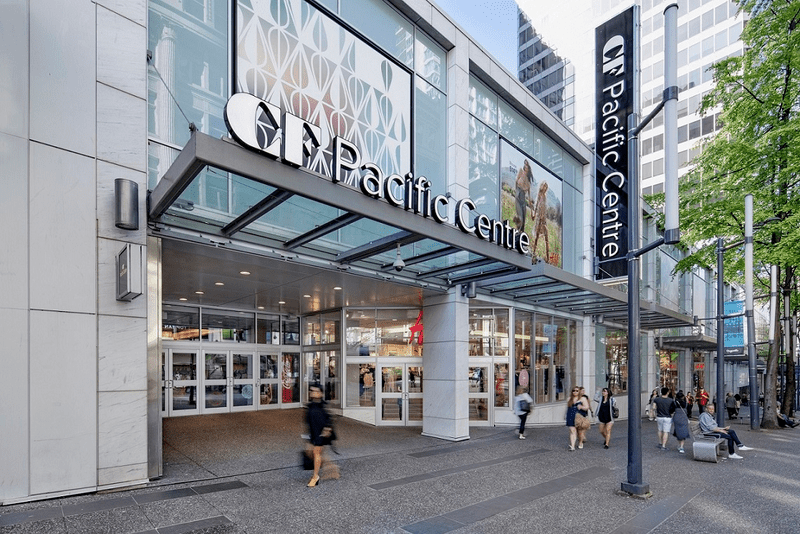
Simons’ planned 92,000-square-foot store, set to open in Fall 2027 within the former Nordstrom space, marks an early phase in the repositioning of one of Canada’s most prominent urban retail nodes, where the traditional department store model has given way to a more fragmented, curated, and experience-driven environment.
For much of the past two years, the closure of Nordstrom and more recently, the nearby Hudson’s Bay Company, created an unusually visible disruption at the intersection of Granville and West Georgia Streets. The loss of two large-format anchors altered pedestrian flow, weakened adjacent leasing activity, and created a perception gap in a part of the city that had long functioned as a primary retail gateway.
According to Martin Moriarty, Vice President at Marcus & Millichap Canada, the scale of those vacancies was enough to ripple across the entire downtown core.
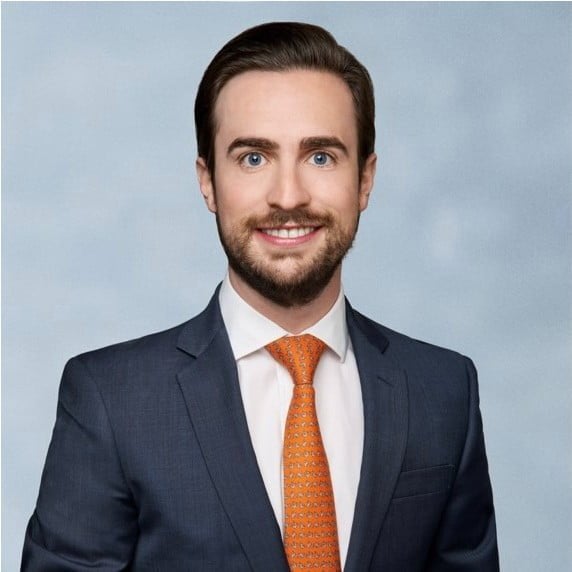
“When you drop a vacancy of that size into a market like Vancouver, it changes everything,” he said, noting that the clustering of the Nordstrom and Hudson’s Bay vacancies compounded the challenge.
However, the reintroduction of a major tenant such as Simons begins to shift that narrative. It signals renewed confidence in the long-term viability of downtown Vancouver as a retail destination.
A Rare Opportunity to Reshape the Core
One of the defining characteristics of Vancouver’s retail market has historically been its lack of large, available spaces. Tight supply has limited opportunities for major repositioning, often forcing brands to compete for smaller footprints or secondary locations.
The vacancy created by Nordstrom’s departure temporarily reversed that dynamic, creating what is now viewed as a once-in-a-generation opportunity to rethink how large-format retail operates in the city’s core.
“You don’t often get the chance to redefine a street or multiple blocks,” Moriarty said. “This is going to have a reverberation not just on Granville Street, but across the entire downtown core.”
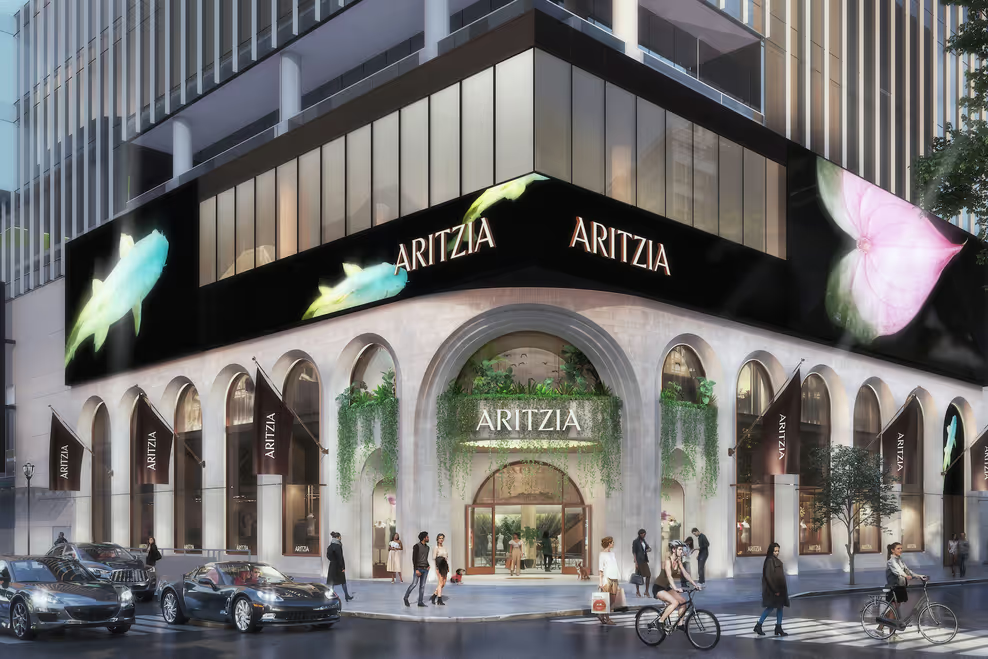
That transformation is already underway. The former Nordstrom space is being subdivided into multiple retail units, with Simons and Aritzia emerging as early anchor tenants. Additional occupants have yet to be announced, but the presence of these brands is expected to accelerate leasing momentum in the area.
A Reset, Not a Return to 2019
While the Simons announcement is widely viewed as a positive development, industry experts emphasize that it should not be interpreted as a return to pre-pandemic conditions.
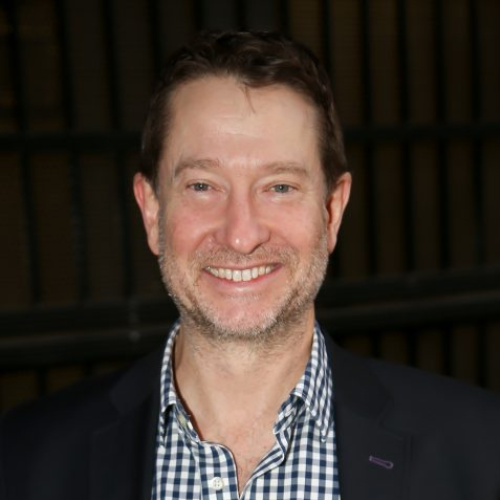
Retail analyst and university professor David Ian Gray described the current moment as a reset rather than a recovery.
“I don’t see a downside,” he said. “But expecting things to go back to 2019 quickly is unrealistic. There’s still hybrid work, and people are more used to shopping closer to home.”
The implications of that shift are significant. Prior to the pandemic, downtown Vancouver benefited from a dense concentration of office workers, tourists, and commuters, all of whom contributed to consistent retail traffic throughout the week.
Today, that ecosystem has become more fragmented. Hybrid work patterns have reduced weekday foot traffic, while the growth of suburban retail nodes has redistributed consumer spending across the region.
As a result, the recovery of downtown retail is expected to unfold gradually, shaped as much by behavioural change as by new investment.
A More Distributed Retail Landscape
The evolution of Metro Vancouver’s retail landscape has introduced a level of competition that did not exist in the same form a decade ago.
Major developments such as Oakridge Park, The Amazing Brentwood, and enhanced suburban shopping centres have expanded the range of high-quality retail options available outside the downtown core. Consumers are increasingly comfortable shopping closer to where they live, particularly when those locations offer comparable brand assortments and improved accessibility.
This does not diminish the role of downtown Vancouver, but it does redefine it. The core is no longer the singular dominant retail destination. Instead, it is one of several key nodes within a broader, more distributed network.
Within that context, the role of a tenant like Simons becomes more strategic. Its ability to draw customers from across the region will depend not only on its brand appeal, but also on how effectively the surrounding retail environment is curated.
Why Simons Represents a Different Model
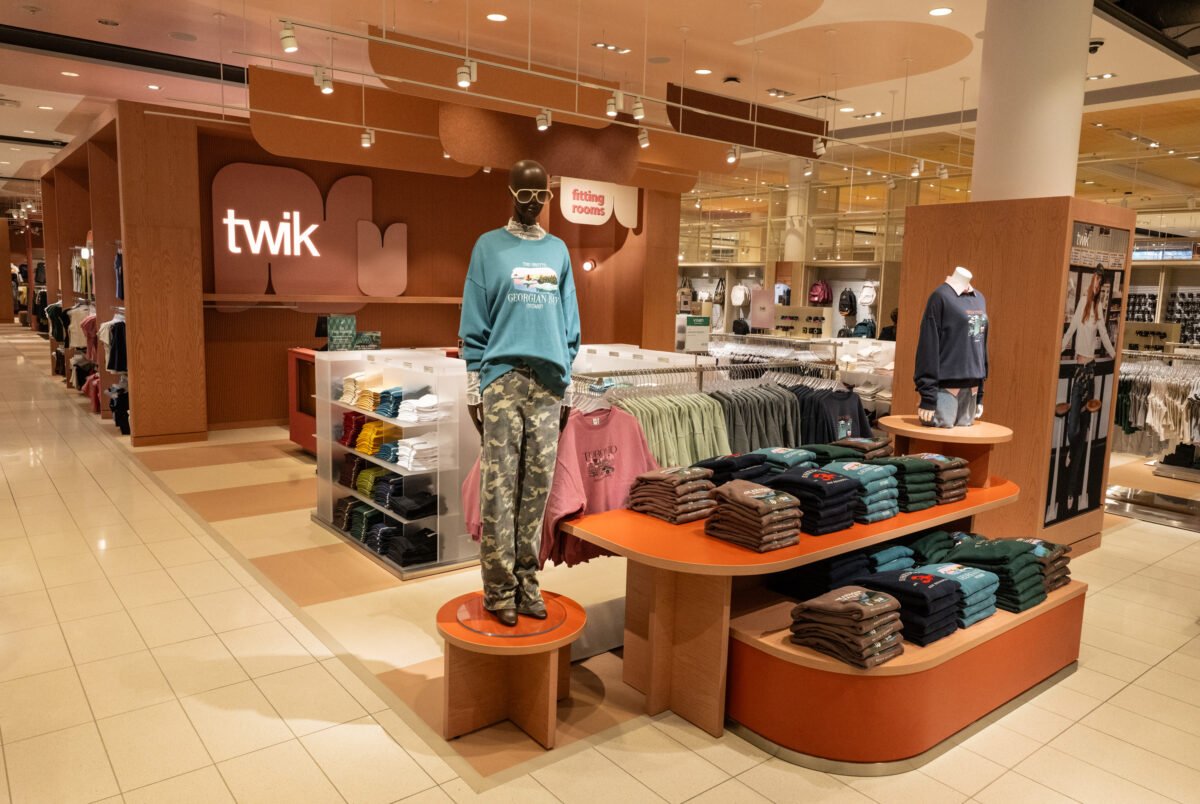
Part of the optimism surrounding Simons is tied to its operating model, which diverges from the traditional department store format that has struggled across North America.
Gray pointed to several key differences, including a more efficient footprint, tighter cost control, and a heavy emphasis on private-label merchandise.
“A large portion of what they sell is private label and thus exclusive,” he said. “You can’t just go online and find the same product somewhere else at a discount. That changes the entire value proposition.”
This approach allows Simons to maintain a distinct identity while avoiding some of the pricing pressures that affected legacy department stores. It also aligns with broader consumer preferences for curated, differentiated retail experiences.
In many ways, the brand represents a modern reinterpretation of the department store concept, one that is more adaptable to current market conditions.
The Clustering Effect and Leasing Momentum
Beyond its individual performance, the presence of Simons is expected to influence the broader leasing environment.
“Good retail attracts more good retail,” Gray said, emphasizing the importance of establishing a critical mass of desirable tenants.
This clustering effect is particularly relevant in a repositioning project of this scale. Once anchor tenants are secured, it becomes easier to attract complementary brands, improve tenant mix, and enhance overall market perception.
For Cadillac Fairview, the landlord of CF Pacific Centre, the opportunity now is to build on this momentum by securing additional tenants that reinforce the repositioning strategy. The same can also be said for landlords in the immediate area.
The outcome will play a significant role in determining whether the redevelopment becomes a true destination or simply a collection of individual stores.
Granville Street at an Inflection Point
The implications of these changes extend well beyond the boundaries of CF Pacific Centre.
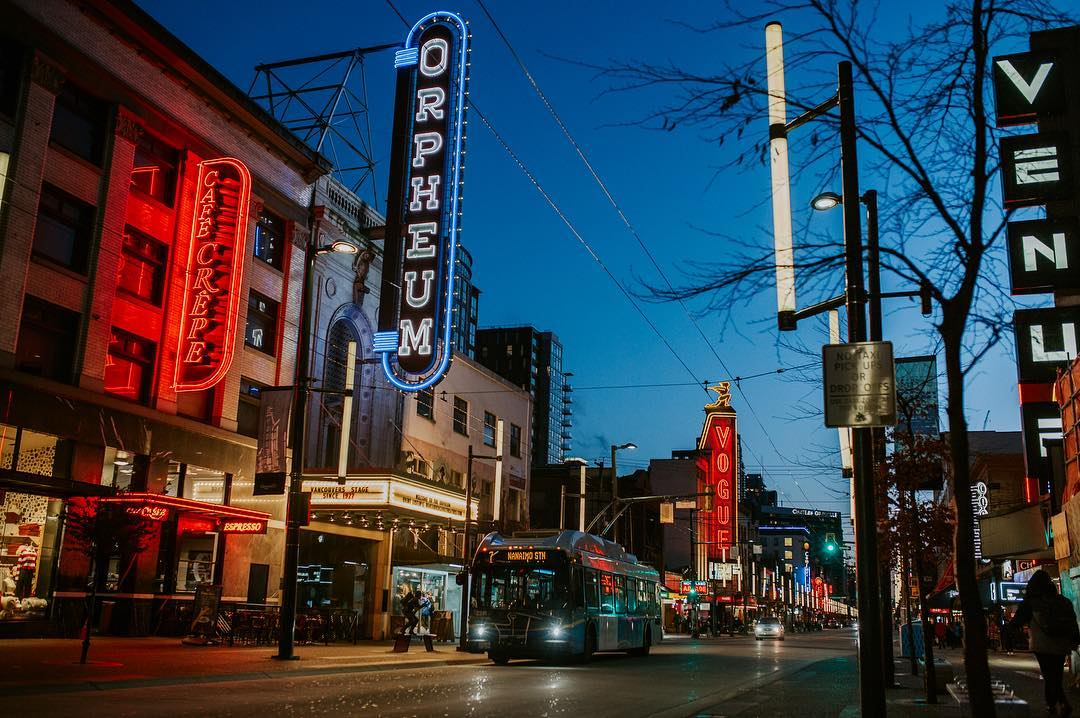
Granville Street, which has faced challenges in recent years, stands to benefit significantly from renewed activity at the former Nordstrom site. While nearby corridors such as Robson Street and West Fourth have remained strong, Granville has struggled in part due to the concentration of large vacancies.
“Robson and West Fourth are effectively full,” Moriarty said. “Granville has been the challenge, and a big part of that is these large empty spaces.”
Filling those spaces is expected to restore pedestrian flow and improve the viability of adjacent retail, restaurants, and service businesses.
More importantly, it provides an opportunity to rethink how the street functions within the broader downtown ecosystem.
A New Layer of Competition: Labour
As Metro Vancouver continues to expand its retail footprint, another challenge is beginning to emerge, one that extends beyond consumer demand.
Labour availability is becoming an increasingly important factor, particularly as multiple large-scale developments move toward completion within a relatively short timeframe.
“It’s not just about competing for shoppers anymore,” Gray said. “The entire region is going to be competing for employees as well.”
This dynamic is shaped by several factors, including the high cost of housing, commuting patterns, and the geographic distribution of new retail projects. For retailers, securing and retaining staff may become as critical as attracting customers. Competition from retailers at Oakridge Park and others will no doubt be an issue.
The Final Piece: The Hudson’s Bay Building
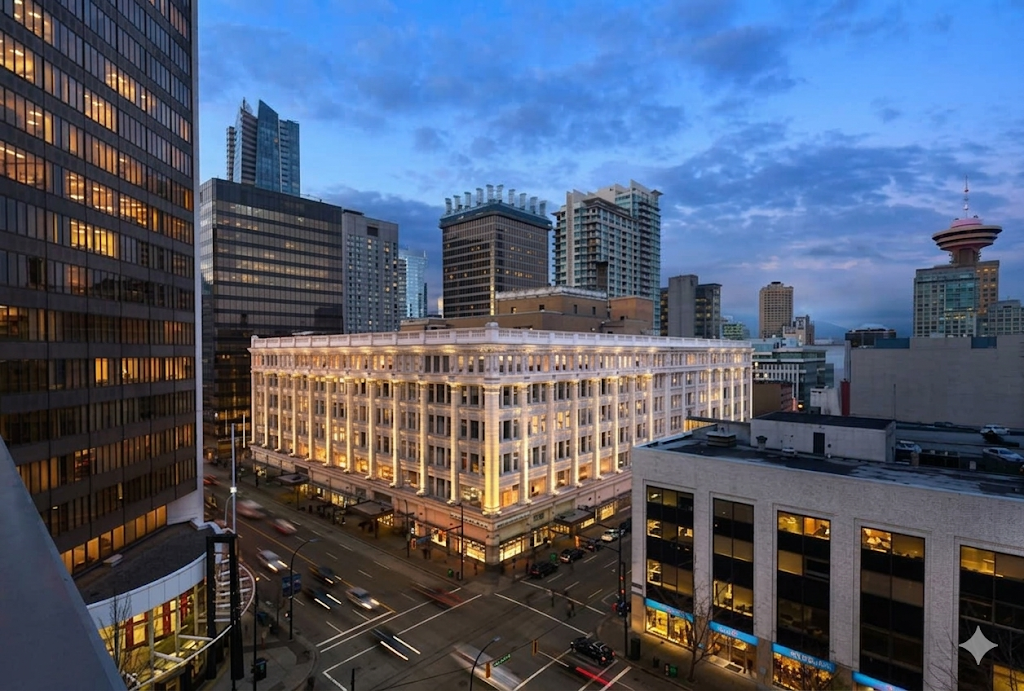
Despite the momentum generated by the Simons announcement, the future of the former Hudson’s Bay building remains a central question.
The property, located directly across from CF Pacific Centre, is one of the most prominent redevelopment opportunities in Canada. Its eventual repositioning is widely viewed as essential to fully restoring the vitality of the Granville and West Georgia intersection.
Until that site is resolved, the transformation of the area will remain incomplete.
However, there is growing confidence within the industry that a solution will emerge, driven by the underlying strength of the Vancouver market and the strategic importance of the location. Redevelopment, in whatever form, will likely take years to come to fruition.
A Measured but Meaningful Shift
Ultimately, the significance of Simons’ entry into downtown Vancouver lies not in the scale of the store alone, but in what it represents.
It reflects a renewed willingness by major retailers to invest in the city’s core, even as the broader retail landscape continues to evolve. It also underscores the shift toward more flexible, curated retail formats that are better suited to current consumer behaviour.
The recovery of downtown Vancouver retail will not be immediate, nor will it replicate the past. Instead, it will be shaped by a combination of new investment, changing habits, and the gradual rebalancing of the urban environment.
As Gray noted, “It’s going to take time, but this is exactly the kind of move that pushes things in the right direction.”








Very excited for Simons Vancouver. I would love for an Eataly to open as well. I do not prefer Aritzia in favour of a first-to-market tenant as Aritzia has so many stores already. However as a Vancouver company I understand the importance of having a flagship in its home market. Simons can likely have a more robust Edito department of luxury labels thanks to Vancouver’s strong designer patronage. Good reporting!