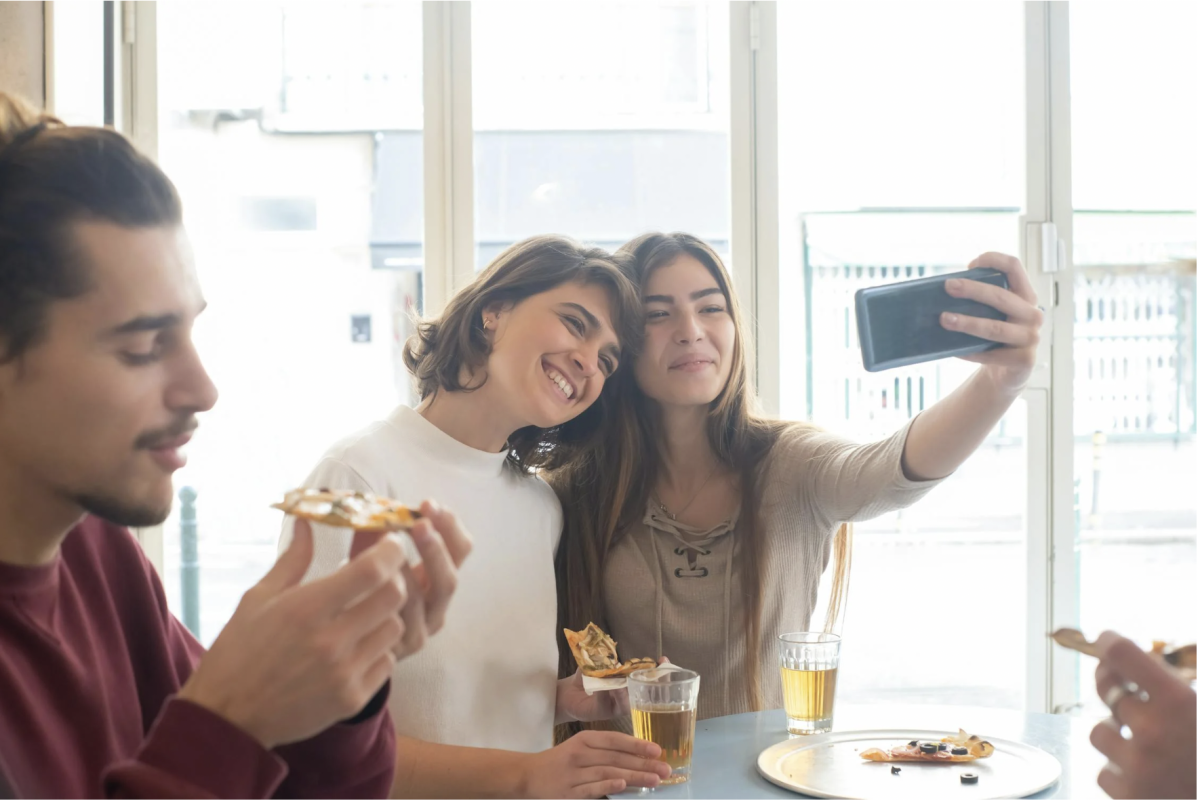
Representing 40% of the global consumer base, Gen Z is now driving food and dining trends – and keeping up with them is becoming one of the industry’s biggest challenges.
Largely fueled by TikTok and Instagram Reels, Gen Z’s tastes shift faster than brands can respond. To win their palate, food must be daring and unique one week, then comforting and familiar the next.
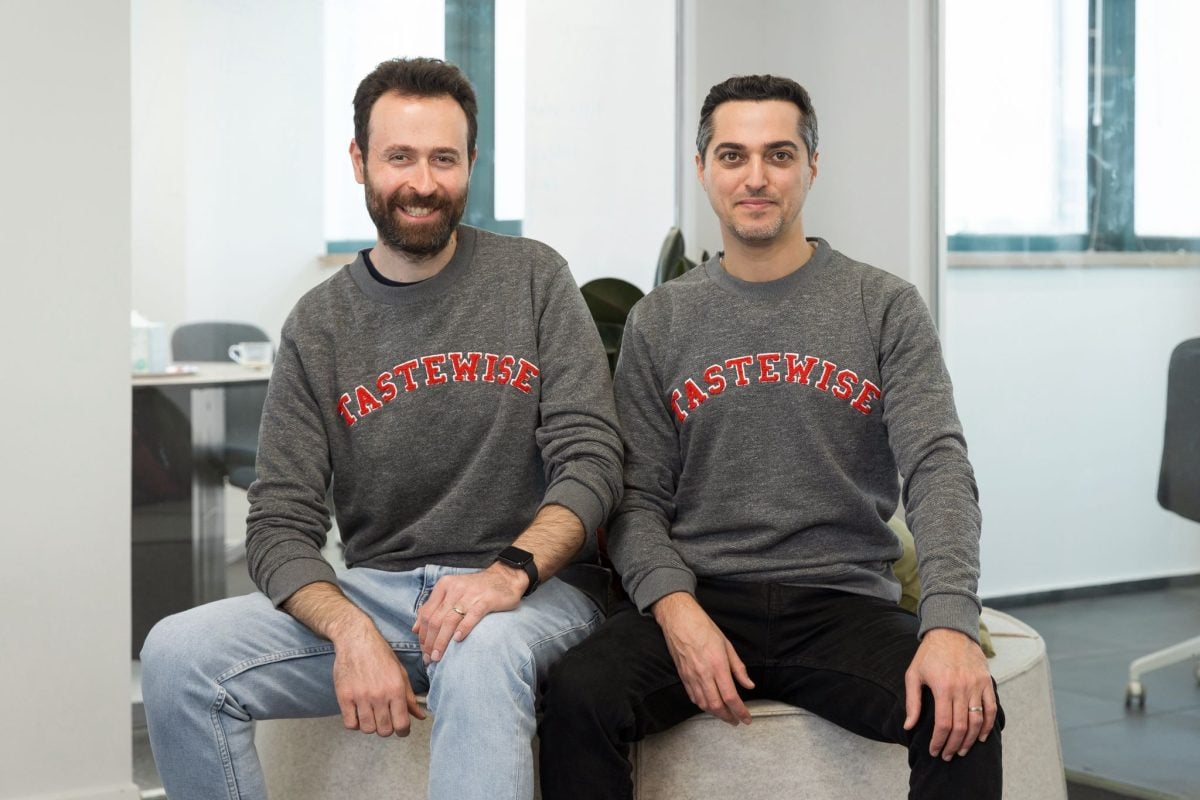
To keep pace, four-fifths of the world’s leading food and beverage brands are turning to Tastewise – a human- and agent-powered food intelligence platform built exclusively for food & beverage.
Tastewise helps brands predict emerging food trends early and turn them into actionable go-to-market strategies before they peak. Already ahead of the curve on major Gen Z-driven trends:
- Solo dining
- The Filipino food boom
- Increasing demand for spicy flavours
- The rise of nostalgic beverages
Trusted by PepsiCo, Kraft Heinz, and Nestlé, Tastewise combines enterprise-grade AI with human-in-the-loop supervision to deliver narratives 10x faster, increase sales conversion by 25%, and reduce research costs by up to 65%.

Alon Chen, founder and CEO at Tastewise, said today’s food and beverage landscape is multifaceted; trends emerge across multiple environments and there are more options than ever before in home kitchens, retail aisles, restaurant kitchens, and more.
“For Gen Z, especially, where new formats appear on platforms like TikTok week to week, the visible expression of a trend can change quickly. But the need driving that behaviour tends to be far more stable,” he said.
“That’s where Tastewise focuses: rather than tracking trends merely at the surface level, we identify and map the root consumer needs that drive them. This allows us to distinguish between a short-lived spike in attention and a broader, more durable shift in behaviour, and anticipate the next iteration of that consumer demand.
“The challenge for most companies today isn’t a lack of data, but the abundance of it. Businesses have more data than they can effectively synthesize. What’s often missing is the ability to connect signals across sources and determine whether they are statistically meaningful and consistently growing.
“This is where AI plays a critical role. By analyzing large-scale, continuously updated data across multiple touchpoints, we’re able to identify emerging patterns, validate whether they are gaining traction, and understand how they translate into real consumer behaviour.
“Once brands identify a trend, they need to act before the moment passes. Getting from idea to launch used to take months to years. However, agentic agents have really changed the pace, creating bolstering brands to operate at speed and scale that allows them to create competitive advantage, and turning insights into evidence-backed strategies, narratives, and assets in minutes.”
Balancing speed with the risk of chasing short-lived fads
Chen said the key is identifying the underlying consumers ‘why’ behind a trend.
“Today it’s chocolate on Pringles, tomorrow it’s hot sauce in cereal, but the root reason for those trends is the consumers’ desire for bold flavours, a mix of sweet and sour, or sensory experiences,” he explained.
“The brands that focus on the root cause behind the signals will benefit from it as the trend gains traction. The value can be created only when there is a clear alignment between the trend, the target consumer, and the brand’s long-term strategy. The ability to segment these signals across different audiences is what allows brands to move with both speed and precision.
“Tastewise helps businesses decide what to pursue by analyzing how consumer needs translate into emerging trends, and by identifying which signals are statistically meaningful and worth acting on. Our synthetic consumer panels allow brands to better understand how specific audiences are likely to respond, enabling evidence-based decisions.”
Separating a micro-trend from a long-term consumer shift
Chen said micro-trends are expressions of emerging trends, just in more temporary or experimental formats.
“The key is to understand what they signal. If consumers try something once and move on, it usually means the format itself is not sustainable, but the underlying need still exists and may reappear in different forms,” he said.
“Long-term shifts, on the other hand, build over time, showing steady growth in conversations, menu adoptions, and orders. They appear across multiple channels, such as social content and menu adoption.
“For example, trends like ‘Girl dinner’ and solo dining show how people are moving toward autonomy and changing eating routines. The specific trend may evolve, but the underlying need is stable.
“The key for brands is to understand the ‘why’ behind individual trends. At Tastewise, we help brands do exactly that by identifying how consumer needs translate into both short-term signals and long-term shifts, enabling them to invest with greater confidence.”

Combining AI with human insight
Chen said traditional market research is mostly limited by how fragmented and scattered it is to synthesize.
“Brands are often dealing with massive volumes of data that aren’t easily connected to specific audiences or actionable decisions, which creates a lag between insight and execution,” he noted.
“Combining AI with human expertise makes it easier. AI can process continuously evolving data across multiple sources, identify statistically meaningful patterns, and surface insights. This allows brands to move from scattered signals to evidence-based direction.
“At Tastewise, this approach is built around three principles: insights that are tailored to each brand (bespoke), consistently reproducible across datasets (repeatable), and transparent in how conclusions are reached (explainable).
“By handling the heavy lifting of data processing and pattern recognition, AI frees up teams to focus on what humans do best, which is creativity, strategy, and culinary innovation. Our proprietary AI agents bring speed, scale, brand and domain expertise to this work – from trend identification to marketing campaign creation, essentially the entire lifecycle of a product from ideation to launch – to allow businesses to move faster than ever.
“For brands today, the question is no longer whether to use AI, but how to integrate it effectively to operate at the speed and scale the market now demands.”
Practical ways to use data-driven tools
Often, the most obvious opportunities are the least ideal ones for small brands to pursue. Big players have already noticed, dominate the shelves, and have deep pockets to win market share, said Chen.
“However, with the right insights, small brands can identify high-potential trends – emerging flavour preferences, subtle dietary shifts, or underserved consumer segments – that offer an entry point into the wider market. Poppi is a good example. Instead of trying to compete against PepsiCo or Coca-Cola directly, it found and captured its own niche – gut-friendly soda – before the big players arrived,” he added.
“Where R&D, testing, and validation costs were once a barrier, agentic workers change the equation, giving smaller brands access to a large team at a third of the price.
“Through our synthetic consumer panels, brands can have a deeper understanding of audiences. It helps them to identify which ingredients are generating buzz, which channels their audience uses, and how to refine concepts faster and far more cost-effectively than traditional consumer research.
“However, for me, the biggest advantage our technology provides is confidence. Getting a product on shelves isn’t cheap, and smaller players can’t afford failed launches as legacy brands can. Having the right tools to enter any space with conviction, whether it’s an internal product pitch meeting or a retail buy-in meeting to land a crucial contract, is what separates market winners from the rest.”
More from Retail Insider: