

Across Canada’s evolving retail landscape, a growing number of businesses are investing in physical space while struggling to fully monetize it. From skincare clinics and salons to cafés and hybrid retail concepts, operators are increasingly adding product assortments in an effort to generate incremental revenue. Yet many of these spaces are underperforming, not because of a lack of demand, but because of how products are being presented and experienced in-store.
According to Ani Nersessian, founder of visual merchandising consultancy VM ID, the issue is both widespread and often misunderstood. In working with a range of clients across retail and service-based environments, she has observed a consistent gap between intention and execution. Businesses want their spaces to function like retail, but in practice, they are operating more like storage.
When Retail Looks Like Storage
The most common mistake, Nersessian explains, is that products are displayed as if they are simply being stored rather than actively sold.
“They’ve placed it like a stock room,” she said, noting that many operators assume visibility alone will drive sales.

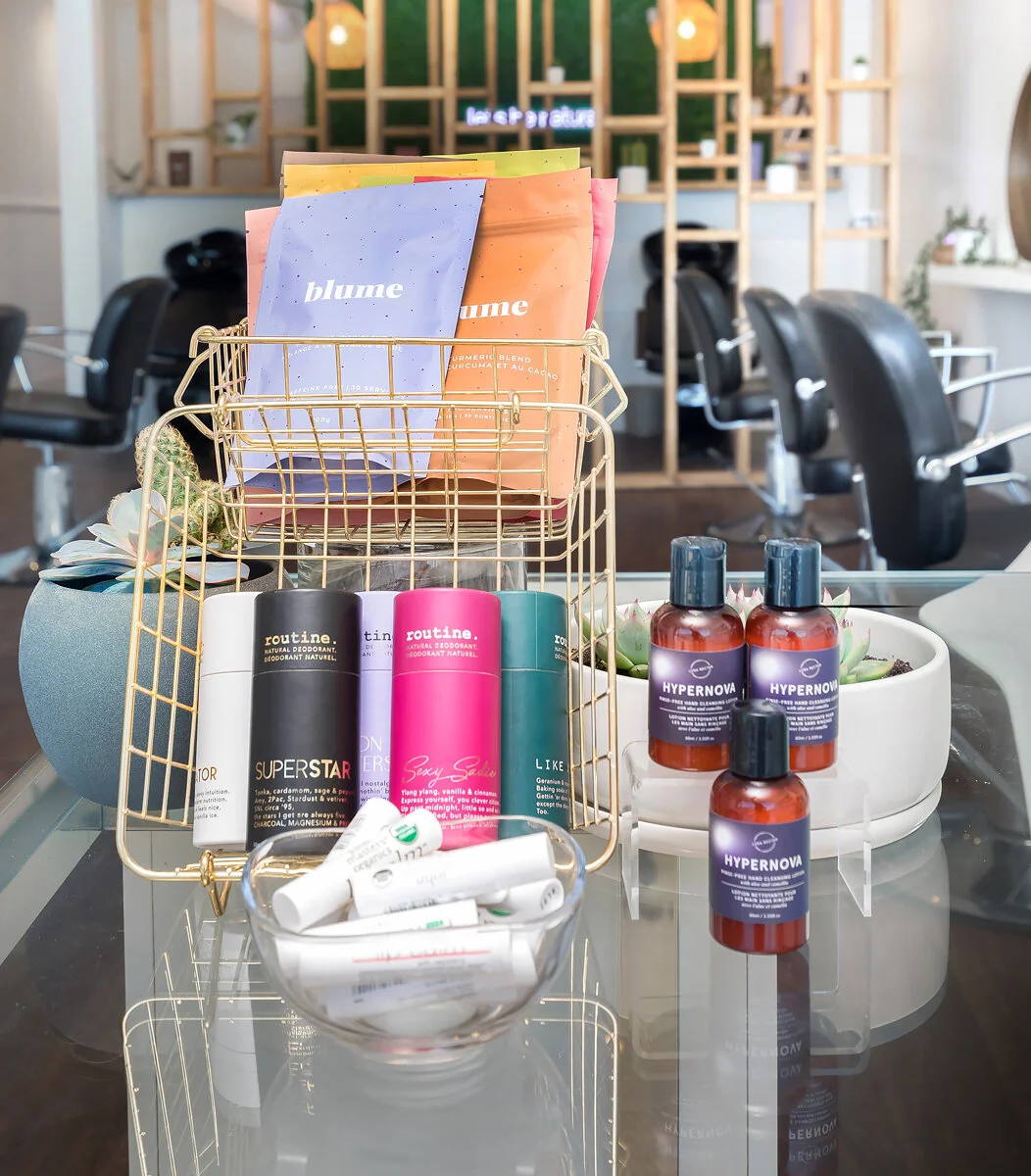
This approach may make inventory accessible, but it does little to inspire customers or communicate value. In service-led environments especially, customers are not arriving with the intention to shop. They are there for a haircut, a treatment, or a coffee. Without a clear visual cue or contextual storytelling, retail products remain invisible in plain sight.
The distinction is critical. A retail space should function as a showroom, where products are presented in a way that educates, engages, and encourages independent purchasing. When that shift does not happen, even strong product assortments can fail to convert.
The Hidden Cost of “Passive” Retail
Many businesses introduce retail as a form of passive income. The expectation is that products will sell alongside core services with minimal effort. In reality, poor execution often creates the opposite effect.
“If staff are the only ones drawing attention to products, then it’s no longer passive,” Nersessian explained.
Instead, retail becomes dependent on labour. Staff must actively recommend, explain, and sell each item, which increases operational costs and reduces efficiency. In these cases, the retail component functions less like a scalable revenue stream and more like a secondary service requiring ongoing attention.
This dynamic is particularly evident in hybrid spaces, where retail is introduced as an add-on rather than built into the core business strategy.
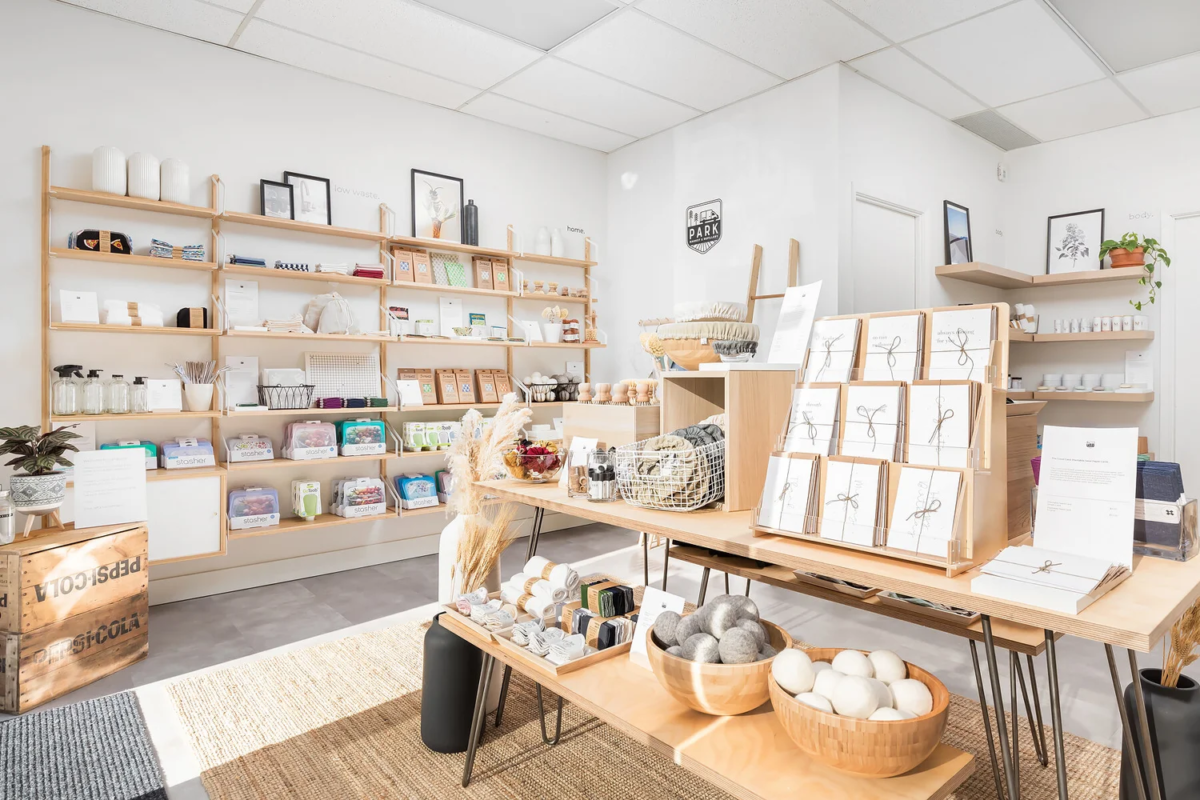
Photography by Kuba Los.
Hybrid Retail Is Growing, But Execution Is Lagging
The rise of hybrid retail reflects a broader shift toward experience-driven environments. Businesses are looking to increase dwell time and create more reasons for customers to visit physical locations. As a result, service-based operators are layering in product offerings, while traditional retailers experiment with services.
However, the integration is often uneven.
“It’s not their prime focus,” Nersessian said of service-based businesses that add retail components.
Because retail is secondary, it frequently lacks the same level of planning, investment, and operational discipline as the core service. The result is a space that technically contains products, but does not function as a retail environment.
At the same time, there is a delicate balance to maintain. If retail becomes too dominant in a service-led business, it can dilute the primary offering and confuse the customer experience. The most effective spaces allow service and retail to support each other, rather than compete for attention.
Why Some Spaces Fail to Convert
Even in traditional retail environments, conversion is not guaranteed. Nersessian points to several factors that can prevent customers from engaging with products, despite strong demand.
“If you walk through and you’re not really shopping, something is uninspiring,” she said.
In many cases, the issue begins with visibility. If a customer cannot quickly understand what a section offers, or if fixtures block sightlines, there is little incentive to explore further. Poor adjacency between categories can also disrupt the natural flow of shopping, breaking momentum and reducing basket size.
Presentation plays an equally important role. Without clear messaging, highlighted features, or contextual cues, customers may not understand why a product is relevant to them. The absence of storytelling leaves products feeling disconnected from the broader experience.
Space Productivity in a High-Cost Environment
As retail rents remain elevated in many Canadian markets, the pressure to maximize productivity per square foot continues to intensify. Every area of a store must justify its footprint.
Nersessian emphasizes the importance of zoning and performance analysis. High-traffic “feature zones” near entrances should deliver strong returns, while deeper areas of the store serve as foundational spaces for core products. However, this balance is often misaligned.
In some cases, underperforming categories occupy too much space relative to their sales contribution. In others, high-potential products are placed in low-visibility areas where they cannot succeed.
Effective retail environments require ongoing evaluation, not just of what is being sold, but of where and how it is being presented.
The Operational Gap in Visual Merchandising
One of the more overlooked issues is the lack of ongoing attention to visual merchandising. Even well-designed spaces can lose effectiveness over time if they are not actively maintained.
“If you see something every day, you stop noticing it,” Nersessian said.
This familiarity can lead to stagnation. Displays become outdated, product stories lose relevance, and visual hierarchy breaks down. Without regular updates and staff training, merchandising standards decline, often without the operator realizing it.
For customers, however, these changes are immediately visible. A space that feels stale or uncurated can quickly disengage shoppers, regardless of product quality.
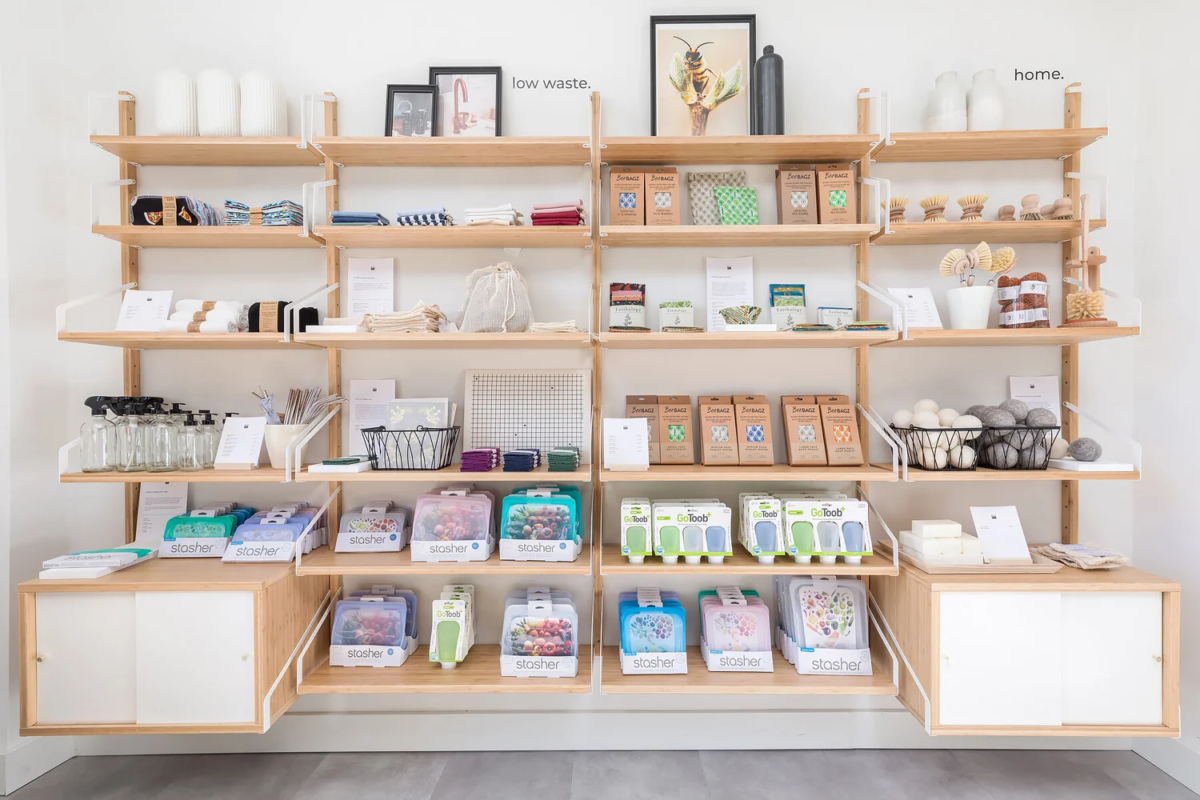
Photography by Kuba Los.
Retail Execution as a Profit Driver
In a more cautious consumer environment, retailers are under increasing pressure to justify every purchase. Discounting alone is not a sustainable strategy. Instead, businesses must clearly communicate the value of their products.
“Showing why an item is worth buying is key,” Nersessian said, noting that presentation plays a central role in reinforcing value.
This includes everything from lighting and fixture design to product placement and messaging. When executed effectively, visual merchandising allows products to sell independently, reducing reliance on staff while improving margins.
For many operators, this represents a significant opportunity. The space already exists, the products are already in place, and demand may already be present. The missing piece is often execution.
A Missed Opportunity Hiding in Plain Sight
As retail continues to evolve, the ability to extract value from physical space will become increasingly important. Businesses that treat retail as an afterthought risk leaving revenue on the table, while those that invest in thoughtful presentation and strategy can unlock new levels of performance.
The difference is rarely about adding more products. It is about making the existing assortment work harder.
In an environment where costs are rising and competition remains intense, that distinction can have a meaningful impact on profitability.








This is one of the reasons all of HBC’s stores failed miserably. Department stores aren’t failing… Look at Canadian Tire, IKEA, Walmart, Simons… They all know their market and how to target their audience. Walmart’s updated stores like the one at Square One for example has innovative displays in some of their sections. It all comes down to what customers want, having the product readily available at a price they are willing to pay… common sense. When a business doesn’t know their customer or have what they are looking for to draw them into their store or looks like an unwelcoming eyesore when you enter the establishment, the customer will likely not stay there very long, and will probably end up not buying anything or the bare minimum