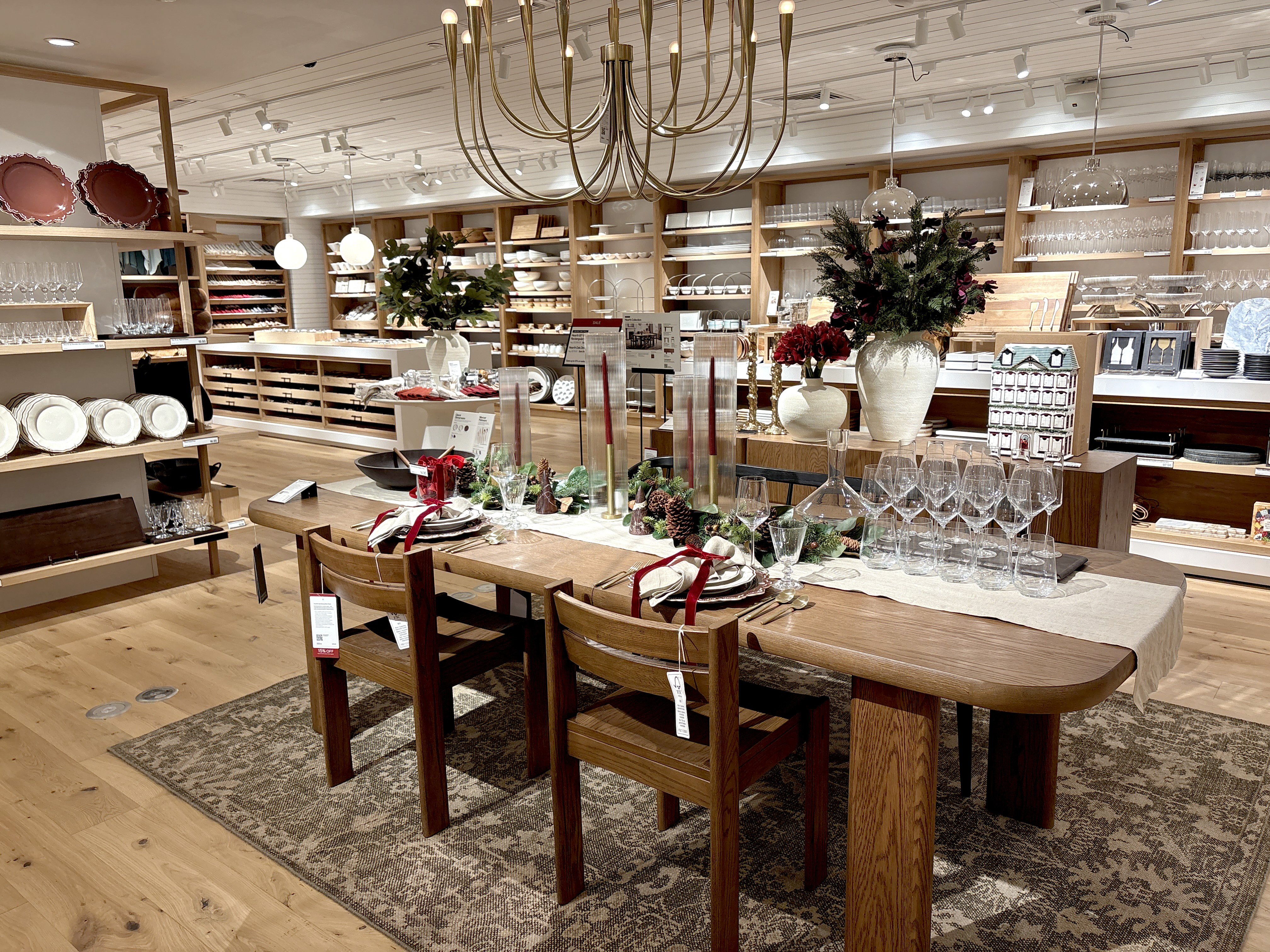
“Window shopping” is making a comeback, but it looks different in 2026. A new survey from Adyen, the global financial technology platform, finds that more than half of Canadians (58%) have physical stores they enjoy visiting to spend time, browse, or relax even when they don’t plan to buy anything.
This shift comes at a time when Canadians are becoming more intentional with their money, with two-thirds (66%) saying they’re more selective with spending than last year, said Adyen:
- Gen Z’s lead the adoption of stores as third spaces (69%), followed by Millennials (61%), Gen X (57%), and Boomers (51%).
- Bookstores emerge as the ultimate third space: 55% of Canadians visit bookstores to spend time, making them the top hangout destination nationwide, with strongest appeal among Millennials (61%) and Boomers (54%), followed by Gen X (52%) and Gen Z (46%).
- The mall is so back: Once in decline, malls are being reclaimed and found to be the second most popular hangout destination among Canadians (44%), with Gen Z leading the resurgence at 49%, followed by Millennials (45%), Gen X (42%), and Boomers (39%).
- The rise of IRL discovery: Thrift stores (36%) rank among top destinations, pointing to a growing appetite for “treasure hunting, ”where the thrill of finding something unique in person mirrors the curated “finds” of digital shopping.
Sander Meijers, Adyen’s Canada Country Manager, discusses the trend:
Question: What’s driving the resurgence of “window shopping” as a leisure activity, and how sustainable is this trend for physical retail?
Answer: Recent data from Adyen shows that more than half of Canadians (58%) visit stores without the intention to buy. Window shopping in 2026 goes beyond passing time or idly browsing and now reflects something more akin to ‘social wellness.’ We are seeing shoppers deliberately choosing to spend time in retail spaces that offer connection, community, and engagement with brands.
Gen Z is leading this shift, with 69% viewing stores as “third spaces” — a social environment outside of their home or workplace — but the appetite is cross-generational, with Millennials at 61%, Gen X at 57%, and Boomers at 51%.

What’s compelling is that our data indicates that despite window shopping being a social or leisure activity, it’s still resulting in strong conversion. Nine in ten Canadians say they make emotion-led purchases, and 35% do so every week, reflecting a fundamental shift away from the rational shopping model retail has been built around. Among these emotional shoppers, 38% cite comfort, and 25% indicate stress relief as a motivation. A staggering 87% cite treating themselves as a reason for their purchases.
Feelings are driving purchases across the board. For retailers, the store that people want to spend time in is the store they end up buying from. Those positioned to benefit are investing in environments that engage and reward time spent, while ensuring their operational infrastructure is ready to convert emotionally driven sales across every channel.
Q: How should retailers rethink store design and in-store experiences to better serve customers who are browsing without immediate intent to purchase?
A: We are seeing that retailers who design stores as environments that reward time spent and encourage discovery are generating repeat foot traffic and sales. Our data offers some insight into where investment resonates most. Nostalgia is shaping store preference, particularly among younger consumers. Gen Z is driving a cultural shift toward physical, tactile, and retro experiences. In fact, 32% of Gen Z say nostalgic or retro aesthetics define what’s ‘cool’ in 2026 — a figure that is three times the rate of Boomers. Bookstores have emerged as a top national hangout destination, with 55% of Canadians ranking them as a favourite.
Malls tell a similar story, with 49% of Gen Z actively reclaiming them as social spaces despite years of predictions about their decline.
The nostalgia trend reinforces the power of discovery in the retail experience. Bookstores, thrift stores, and malls offer the experience of stumbling across products that feel personal and unexpected. Beyond nostalgia, our data also indicates comfort (38% of shoppers) and identity expression (18% of shoppers) as key drivers of emotional spending that could be integrated into the retail experience.
Retail design will also extend to the point of purchase. A shopper who’s spent an hour browsing is primed to buy, and a seamless, fast and flexible checkout experience is vital to capture that moment. That means carefully considering checkout from what payment methods to offer to how loyalty enrollment fits into the flow, so the transaction feels like a continuation of a great brand experience rather than a disruption of it.

Q: What role do generational differences—particularly Gen Z’s embrace of stores as “third spaces”— play in shaping retail strategies going forward?
A: Across all ages, Canadians are visiting stores for enjoyment, but Gen Z leads the way. Gen Z has reduced discretionary spending the least of any generation, with only 60% reporting reduction compared to last year, versus 67% of Millennials, 71% of Gen X, and 64% of Boomers.
Selectivity in this case doesn’t indicate restraint. When looking at these emotional purchases, 43% are made to cope with stress, while 51% are associated with comfort, proving that multiple feelings can drive a single transaction. Gen Z are directing their dollars based on in-the-moment feelings, toward items that carry personal meaning, express identity or affirm a sense of belonging. Brands offering a unique in-store identity or experience will appeal. Stores that host events and workshops to foster community, lean into a distinctive aesthetic, or curate products in a tasteful way will stand out.
It is important to note that Gen Z’s relationship with a brand does not begin or end at the shop door. They’re also omnichannel by nature, engaging fluidly across in-store, online, and social platforms, according to our Retail Report. Retailers need to offer the flexibility Gen Z has come to expect, including digital wallets and buy-now-pay-later options, so they can discover a product in-store and complete the purchase however works best for them.

Q: With bookstores, malls, and thrift stores emerging as top destinations, what common elements make these environments successful as social or experiential spaces?
A: Across all three, the common thread is discoverability. Bookstores, thrift stores and malls reward the wandering hunt. That sense of potential discovery is deeply appealing to Canadian consumers right now. On top of that, our data also shows broader consumer demand for tangible products, with more than half (51%) of Canadians choosing physical versions of items more often in the past year, compared to only 23% who opted for digital. The resurgence of vinyl records over streaming, physical books over e-readers, and film photography over digital illustrate this.
The desire to discover is not exclusive to physical retail, and agentic commerce is increasingly replicating it in digital environments, with AI-driven discovery surfacing products in ways that feel intuitive rather than algorithmic. Ultimately, people want to feel like they found something rather than being sold something.
Similarly, while things are trending towards tangible and experiential, shoppers who spend an afternoon browsing a carefully curated bookshelf still arrive at the point of purchase with entirely modern expectations around speed, convenience, and payment flexibility. Retailers are tasked with balancing both.

Q: How can retailers convert this renewed in-store engagement into sales without undermining the relaxed, low-pressure experience consumers are seeking?
A: We know that 91% of Canadians make emotion-led purchases, and the shift toward nostalgic, community-oriented retail environments illustrates this. When a shopper is genuinely enjoying their time in-store, the inclination to buy increases. This needs to be met with a checkout experience that feels like a continuation of the time they just spent, rather than an interruption.
For Adyen, converting emotional engagement into sales comes down to three interconnected dimensions of the checkout experience. The first is speed: long queues and slow terminals are disproportionately damaging in a third-space context, where the entire value proposition rests on the quality of the time spent in-store. The second is payment choice: whether a customer wants to tap their card, use a digital wallet, spread the cost through a buy-now-pay-later option, or direct a portion of their purchase to a cause they care about through Adyen Giving — that flexibility needs to be available and seamless. The third is brand coherence: the checkout experience should feel like a natural continuation of the brand environment the customer has just been immersed in, not a jarring operational departure from it.
More from Retail Insider: