Canadian consumers continue to expect brands to publicly support Pride Month, even as several major corporations have reduced or withdrawn sponsorship support tied to high-profile Pride festivals, creating financial strain for organizers and intensifying discussions around corporate authenticity, retail marketing strategy, and values-based branding.
A new survey commissioned by Omnisend and conducted by Cint in March 2026 found that 56% of Canadians believe Pride Month participation from brands remains important. At the same time, 33% of respondents said they have noticed companies pulling back from Pride campaigns and sponsorship activity during the 2025 and 2026 periods.
The findings come as Pride Toronto continues dealing with the financial impact of losing several major corporate sponsors ahead of its 2025 festival season, with organizers saying the effects are still being felt as planning continues for 2026.
Consumers Looking Beyond Symbolic Pride Marketing
The Omnisend survey suggests Canadians are increasingly evaluating whether companies demonstrate consistent support for LGBTQ+ communities beyond seasonal marketing campaigns.
Among respondents, 46% said only brands that genuinely support LGBTQ+ communities should participate in Pride-related initiatives. Another 32% said they expect companies to demonstrate year-round support rather than limiting visibility to June campaigns alone.
Consumers also identified what they view as the strongest indicators of meaningful support. Donations to LGBTQ+ organizations ranked highest at 22%, followed by transparency around inclusion initiatives and public advocacy efforts, both at 20%.
“For retailers, this means that a Pride campaign isn’t being judged only on the ad itself anymore,” said Marty Bauer, Ecommerce Expert at Omnisend, in the company’s release. “People look at whether the brand shows up consistently, even outside of June.”
Younger Canadians placed greater importance on corporate Pride participation than older demographics. According to the survey, 68% of both Gen Z and Millennial respondents said brand participation in Pride Month matters to them, compared to 50% of Gen X respondents and 41% of Baby Boomers.
The findings reflect broader shifts taking place across the retail sector as brands navigate increasingly complex consumer expectations around social values, inclusion initiatives, and corporate positioning.
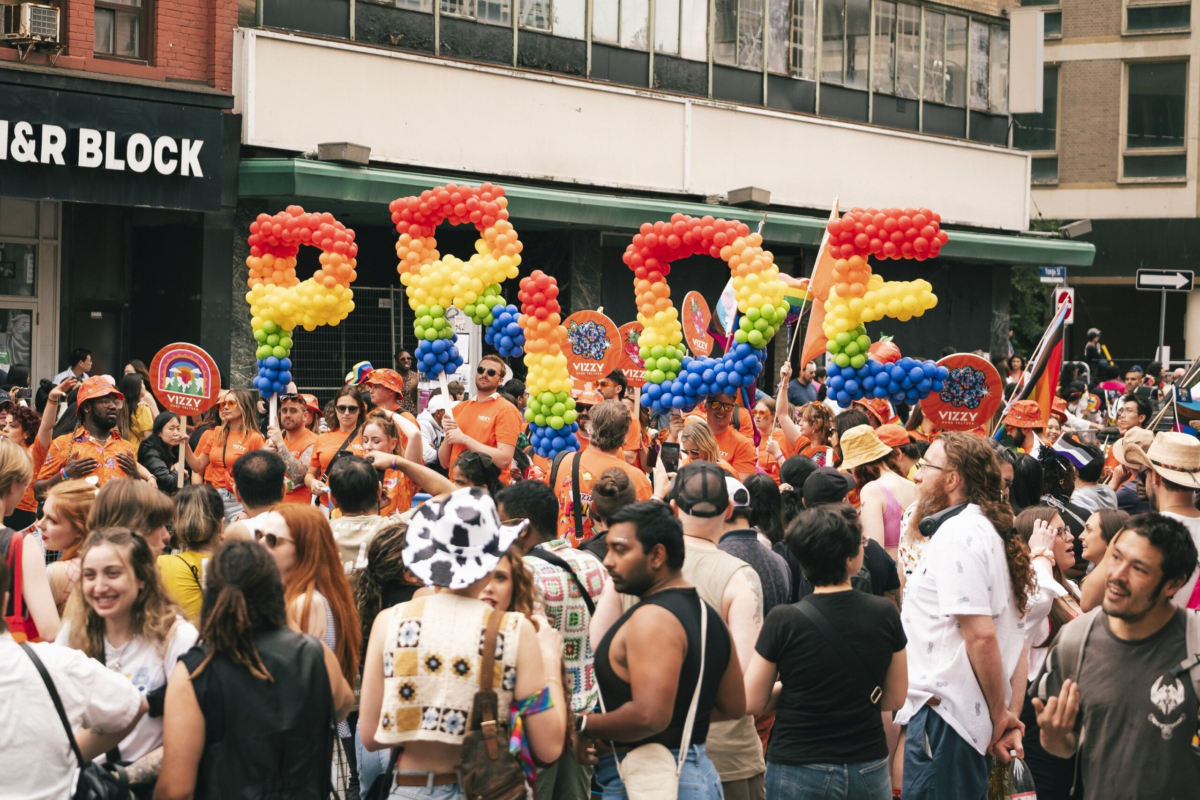
Pride Toronto Still Facing Financial “Aftershocks”
The conversation around corporate Pride participation intensified after Pride Toronto confirmed that several major sponsors either withdrew or declined to renew sponsorship agreements ahead of the organization’s 2025 festival season.
According to reporting by various media outlets, companies including Google, Home Depot, Nissan, Adidas, and Clorox either ended or did not renew sponsorship support tied to Pride Toronto programming.
Pride Toronto Executive Director Sherwin Kojo Modeste has since said the organization continues to experience the financial “aftershocks” of those departures as it prepares for its 2026 festival season, which marks the event’s 45th anniversary under the theme “We Won’t Stop.”
Organizers have reported a funding gap estimated at approximately $700,000 to $800,000 for the 2026 season, despite retaining many existing partners and bringing in additional support.
The loss of several multinational “anchor” sponsors created challenges extending beyond direct financial contributions. Large corporate sponsors often provide substantial marketing reach, employee participation, vendor relationships, and broader credibility that can help attract additional sponsorship support.
According to previous reporting, Modeste linked the sponsorship withdrawals to broader shifts in how some U.S.-based multinational corporations approach diversity, equity, and inclusion initiatives amid growing political polarization surrounding DEI-related issues.
At the same time, Pride Toronto has pointed to broader economic pressures affecting sponsorship budgets, including inflation, tariffs, and rising operational costs.
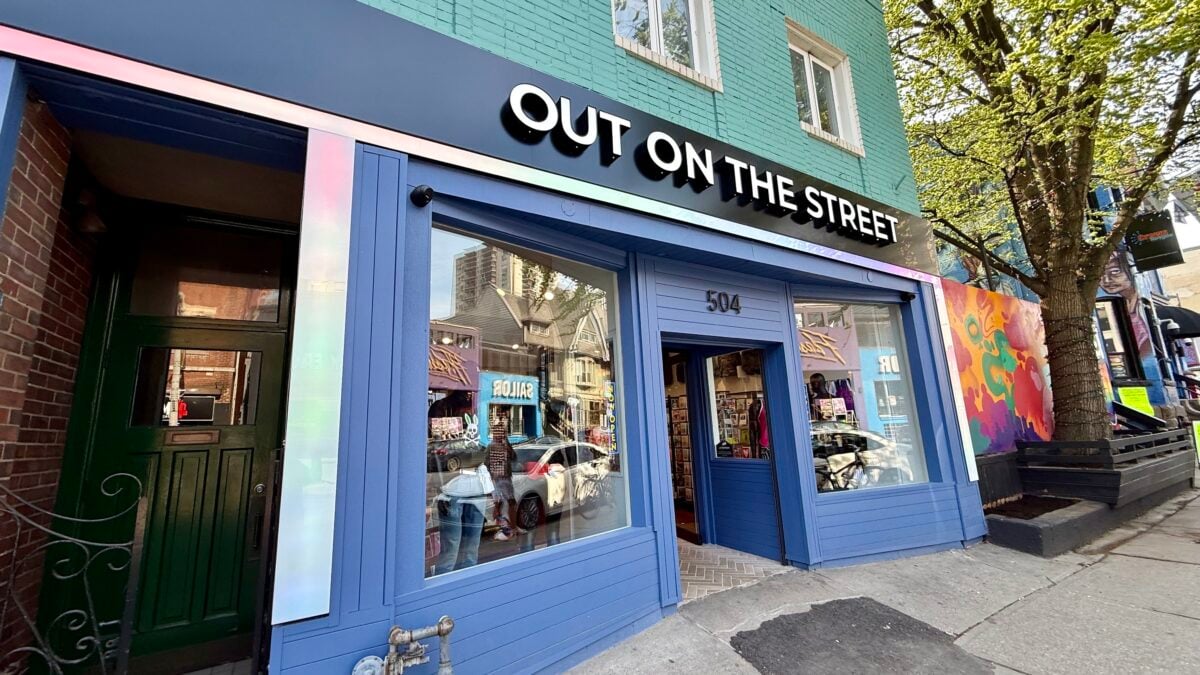
Retailers Navigating a More Complex Marketing Environment
The sponsorship changes have sparked broader discussions throughout the retail and marketing sectors around how brands engage with social causes and public-facing advocacy campaigns.
Several companies that reduced or ended sponsorship support indicated the decisions were tied to broader reviews of marketing and community investment priorities.
Nissan Canada said its decision reflected a reevaluation of marketing and media initiatives, while Home Depot said it regularly reviews charitable and non-profit giving activities. Google reportedly stated that it would continue supporting employee participation in Pride-related events and community activities.
Industry observers have noted that brands increasingly face pressure from multiple directions. Some consumers have criticized corporations for treating Pride as a seasonal marketing exercise without demonstrating broader year-round support, while others have pushed back against the commercialization and politicization of Pride campaigns.
As a result, some corporations appear to be adopting more cautious approaches toward highly visible Pride sponsorships and marketing activations while continuing internal inclusion initiatives or quieter forms of support.
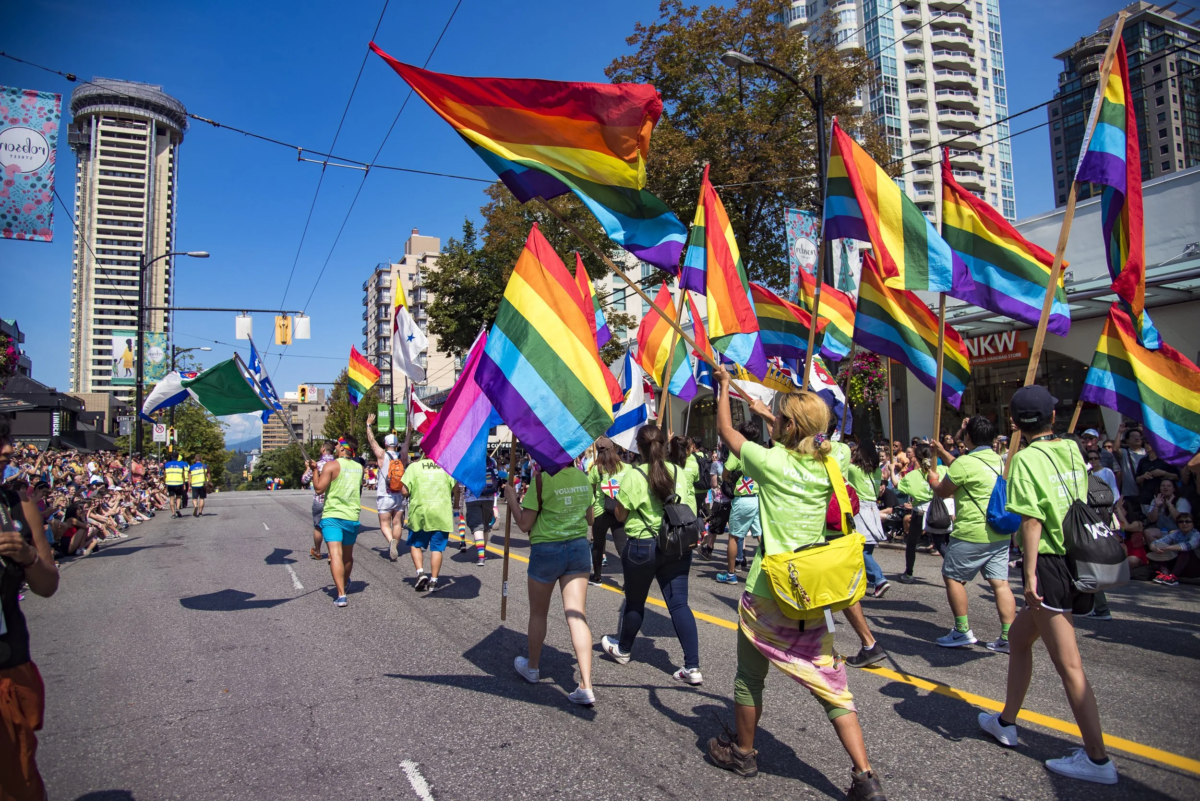
New Sponsors Step In as Festivals Seek Additional Funding
Despite the sponsorship pullbacks, several Canadian businesses and organizations have stepped in to support Pride programming. According to previous reporting, companies including No Frills and Shoppers Drug Mart provided newer or expanded support for Pride Toronto following the withdrawal of several larger sponsors.
However, organizers say replacement sponsorships have not fully offset the loss of major multinational partners.
The sponsorship challenges have also intensified discussions around the long-term financial sustainability of major Pride festivals across Canada.
Earlier this year, Pride organizations in Toronto, Montreal, and Vancouver jointly requested approximately $9 million in emergency federal funding over three years to help offset rising security costs and declining corporate sponsorship support.
Meanwhile, some community members and organizers have argued that reduced corporate participation could create opportunities for Pride festivals to reconnect more closely with their activist origins and grassroots community focus.
Pride festivals continue generating substantial economic activity for major urban centres, driving spending across restaurants, hotels, entertainment venues, nightlife, and retail districts during some of the busiest tourism periods of the summer season.
The Omnisend survey included 1,029 Canadian respondents and used quotas based on age, gender, income, and geographic region to create a nationally representative sample. The reported margin of error was plus or minus 3 percentage points.