Canada’s luxury retail landscape is entering a new phase of expansion as global fashion houses increasingly concentrate investment into a relatively small number of high-performing retail destinations. The trend is reshaping shopping centres and luxury districts in Toronto and Vancouver while creating new opportunities in select markets across the country.
Few firms have been more involved in that evolution than Toronto-based DWSV Realty. Founded by David Wedemire and Stan Vyriotes, the brokerage has participated in a significant number of Canada’s most prominent luxury retail transactions in recent years, including major leasing activity at Vancouver’s Oakridge Park and Toronto’s Yorkdale Shopping Centre.
The firm’s recent work offers insight into how luxury brands increasingly view Canada as a strategically important market and how landlords are competing to secure globally recognized fashion houses capable of driving prestige, productivity and long-term customer traffic.
Oakridge Park Emerges as a New Luxury Retail Powerhouse
Few projects illustrate the changing dynamics of luxury retail in Canada more clearly than Oakridge Park.
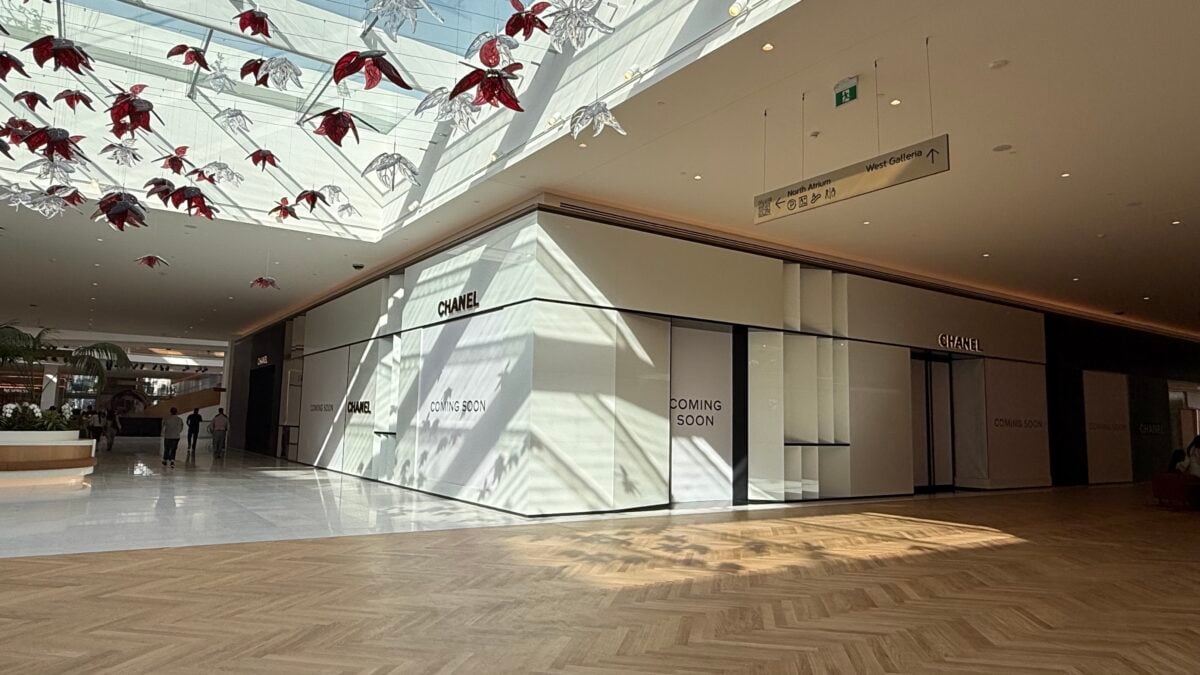
The massive mixed-use redevelopment on Vancouver’s west side recently opened with one of the strongest luxury retail lineups assembled in Canada in recent years. More than 30 luxury brands are expected to operate within the development, creating one of the country’s largest concentrations of luxury retail outside of traditional downtown shopping streets.
According to discussions with DWSV Realty, the brokerage represented several brands opening within Oakridge Park, including Chanel, Prada, Miu Miu, Versace, Maison Margiela, Thom Browne, Brunello Cucinelli, Coach and Giorgio Armani.
The Giorgio Armani boutique is currently under construction and is expected to open this fall alongside Canada’s first Armani Café. During a recent visit to Oakridge Park, construction hoarding for both the boutique and café was visible within the shopping centre. The café will feature a patio seating area adjacent to the premises, adding another experiential element to Oakridge Park’s growing luxury offering.
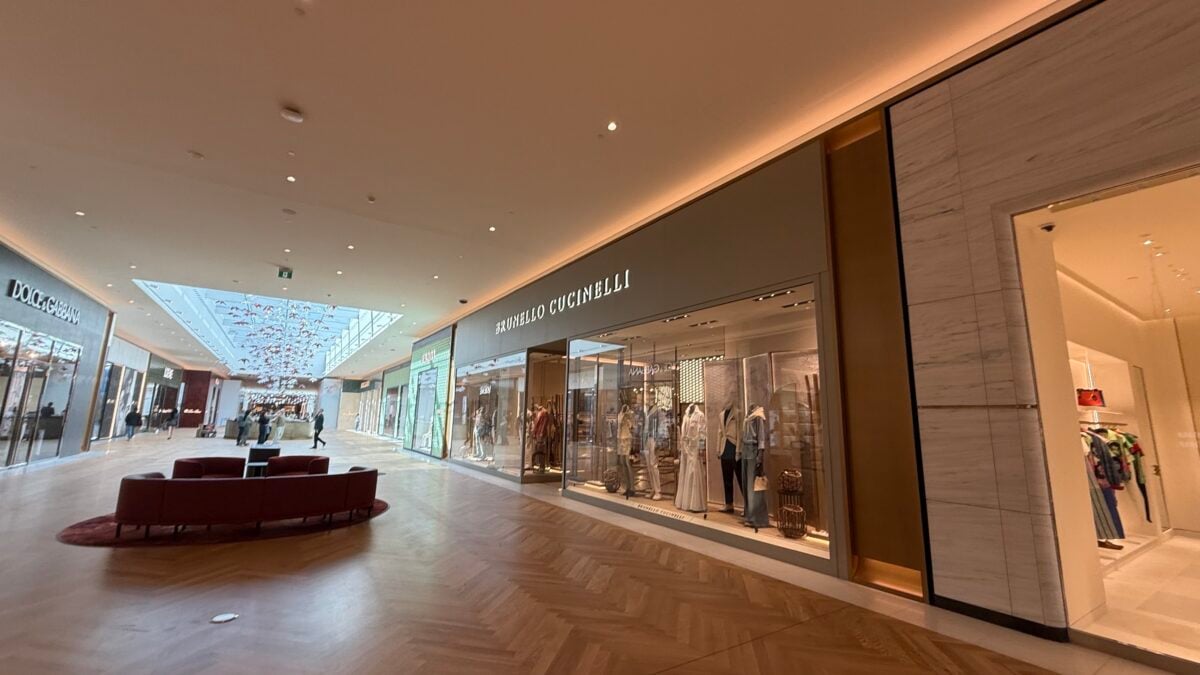
DWSV Realty said many of the Oakridge Park transactions were completed alongside Sacha Singh, Vice President, Leasing at QuadReal Property Group, who has played a significant role in assembling the development’s luxury retail roster.
According to DWSV Realty, additional luxury retail announcements are expected in the future as leasing activity continues and the project’s merchandising strategy evolves.
Oakridge Park differs from many traditional luxury shopping environments because of its integration of luxury retail with residential towers, office space, food and beverage concepts, cultural programming, public gathering areas and direct rapid transit connectivity.
The project increasingly is being viewed within the retail real estate industry as a new model for luxury-oriented mixed-use development in Canada.
Discussions with DWSV Realty also suggested that Oakridge Park has the potential to emerge as one of Canada’s most productive shopping centres over time, potentially rivaling Yorkdale Shopping Centre in future ICSC sales productivity rankings.
That comparison is significant given Yorkdale’s longstanding position as Canada’s dominant enclosed luxury shopping centre and one of North America’s highest-performing malls by sales productivity.
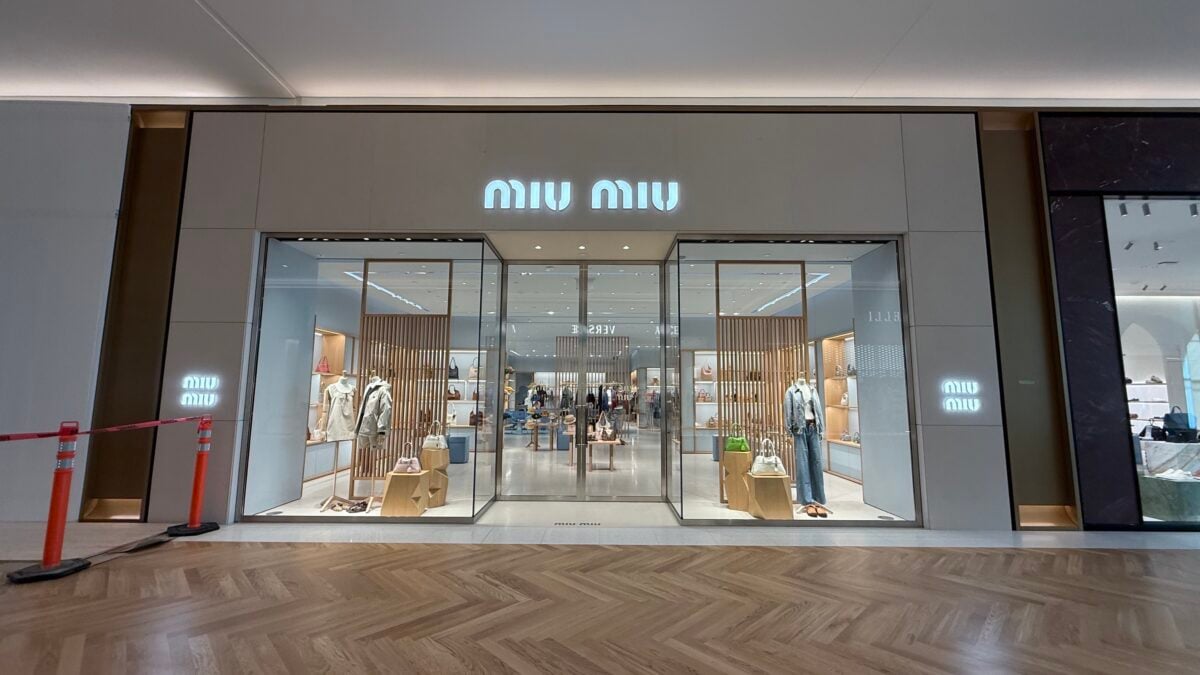
Yorkdale Continues Defining Luxury Retail in Canada
Yorkdale Shopping Centre remains the benchmark for enclosed luxury retail in Canada, having spent years building a concentrated roster of international fashion brands supported by substantial landlord investment and continual expansion.
According to discussions with DWSV Realty, the brokerage completed five of the eleven leasing transactions tied to Yorkdale’s recent luxury expansion, while Oxford Properties handled the remaining transactions directly.
The brands represented by DWSV in Yorkdale’s new luxury wing included Tom Ford, Brunello Cucinelli, Jimmy Choo, Versace and Maison Margiela.
The simultaneous growth of luxury retail at both Yorkdale and Oakridge Park reflects a broader shift in strategy among luxury brands operating in Canada. Rather than pursuing broad market saturation, many fashion houses are concentrating investment into a limited number of flagship-calibre environments capable of supporting immersive store concepts, premium co-tenancy and exceptionally high consumer spending levels.
While Toronto historically has served as Canada’s dominant luxury retail market, Vancouver increasingly is being viewed as a critical secondary luxury node with growing international importance.
Oakridge Park’s emergence alongside Vancouver’s established Alberni Street luxury corridor further reinforces the city’s expanding role within Canada’s luxury retail hierarchy.
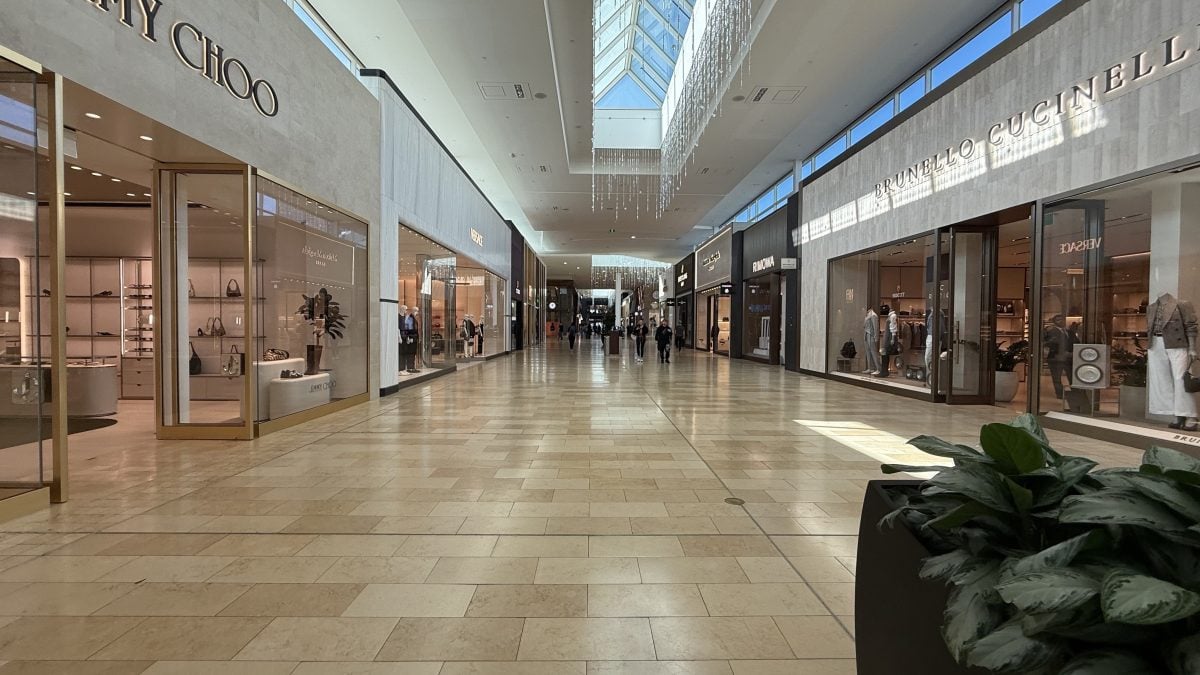
Luxury Retail Environments Becoming More Sophisticated
The evolution of projects such as Oakridge Park also reflects broader changes in how luxury retail environments are being developed globally.
Rather than functioning solely as shopping destinations, many modern luxury projects increasingly combine fashion, dining, entertainment, wellness, hospitality, residential density and public space into highly integrated lifestyle environments designed to encourage longer visits and deeper customer engagement.
The forthcoming Armani Café at Oakridge Park reflects that trend. Increasingly, luxury brands are expanding beyond traditional retail formats into food, beverage and hospitality concepts that allow customers to engage with brands in new ways.
The evolution of luxury retail environments is also influencing how major luxury conglomerates approach leasing negotiations.
According to discussions with DWSV Realty, major luxury groups such as LVMH often negotiate multiple brands collectively rather than through separate broker-led transactions. The approach allows luxury groups to coordinate store placement, co-tenancy relationships and broader market positioning strategies across their portfolios.
The increasing sophistication of those negotiations underscores how strategically important Canada has become within broader North American luxury expansion plans.
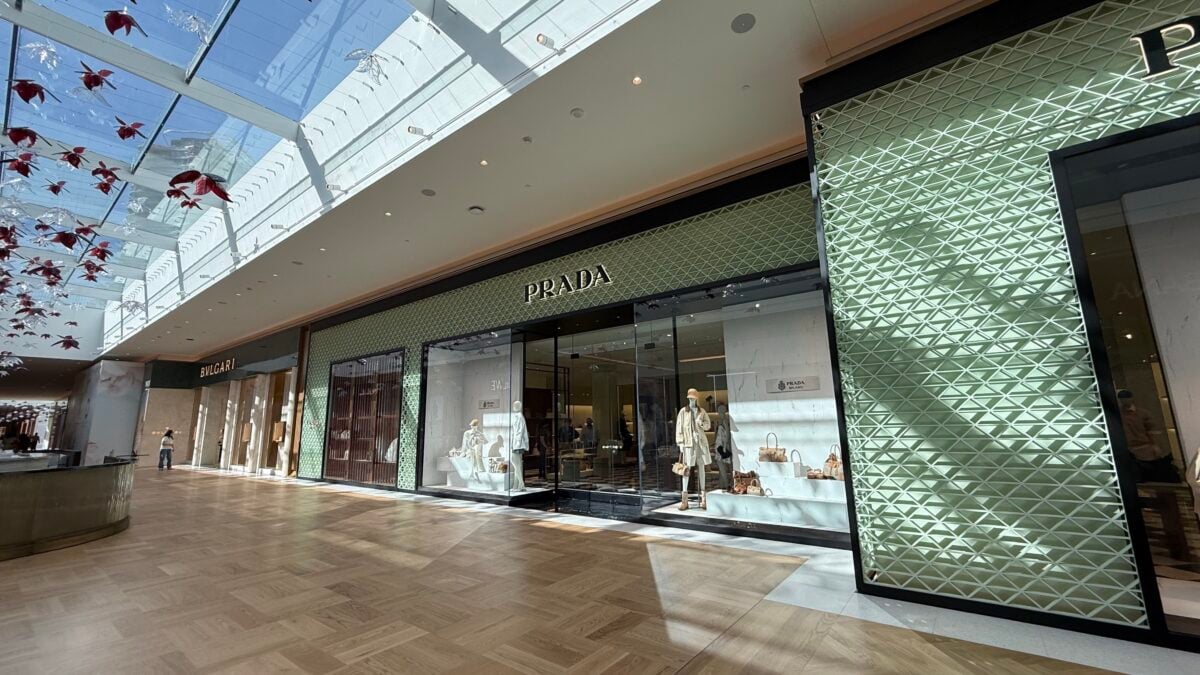
Calgary and Montreal Increasingly Enter Luxury Discussions
Beyond Toronto and Vancouver, luxury retail expansion is increasingly extending into additional Canadian markets.
Discussions with DWSV Realty pointed to growing activity in Calgary and Montreal as luxury brands continue evaluating long-term opportunities outside Canada’s two largest luxury retail centres. Additional announcements tied to British Columbia and Montreal may emerge in the coming months.
Calgary is particularly noteworthy because the city historically has maintained a more limited mono-brand luxury retail presence compared with Toronto and Vancouver, though interest in the market appears to be growing.
Montreal also remains a closely watched luxury market given its strong fashion identity, affluent neighbourhoods and established retail corridors, though luxury expansion there has been more selective in recent years.
Competition Intensifying Among Canada’s Luxury Retail Nodes
The broader picture emerging across Canada is one of increasing competition between a relatively small number of elite luxury retail environments.
Yorkdale remains the country’s established enclosed luxury powerhouse. Oakridge Park is emerging as a major new challenger built around a different model centred on mixed-use density, public space and Vancouver’s growing international profile. Bloor-Yorkville and Alberni Street continue serving as Canada’s dominant luxury high streets, while Calgary and Montreal increasingly are attracting attention as potential future growth markets.
For landlords, the stakes are significant. Luxury tenants help shape the identity of a property, attract additional premium retailers and strengthen long-term productivity potential.
As international luxury brands continue evaluating where to expand within Canada, the country’s luxury retail landscape appears poised for continued evolution. Increasingly, the most competitive projects may be those capable of offering more than retail space alone, combining architecture, experience, co-tenancy, transit connectivity and mixed-use density into fully integrated luxury environments.