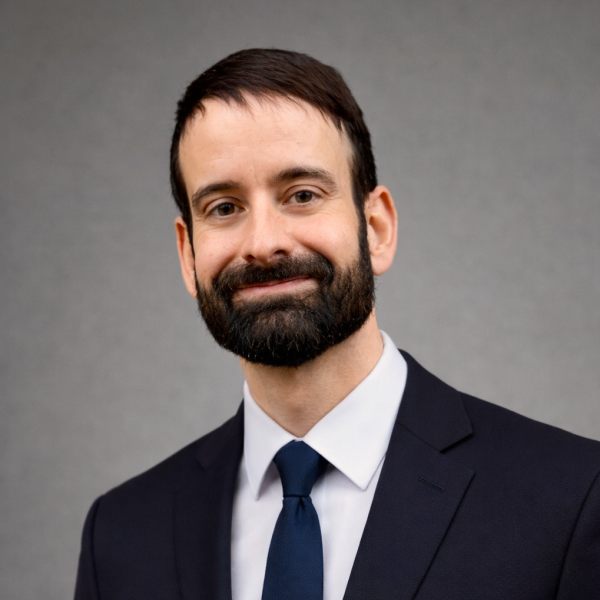
WitchSchool Canada is experimenting with a collaborative approach to physical retail in Ottawa’s ByWard Market, bringing independent entrepreneurs together in a temporary storefront where they can share programming, promotional opportunities and customer referrals while operating their own businesses. The initiative combines educational programming and independent services in a compact commercial space.
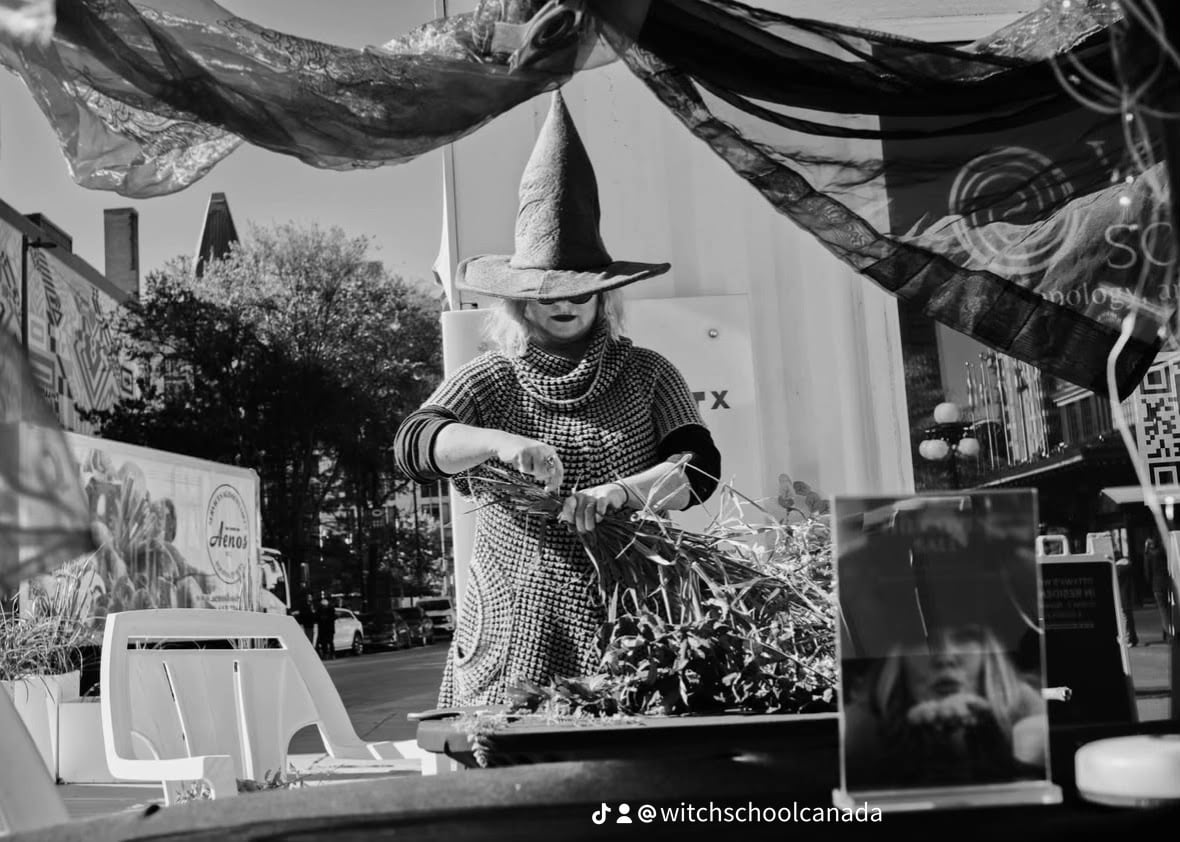
The organization, founded by Kiki Keskinen in 2017, is participating in a 27-day STACKTˣ Storefront Grant residency at 60 ByWard Market Square from October 6 to November 1. The location includes approximately 160 square feet of indoor space and a larger outdoor patio, with programming ranging from Tarot readings and educational workshops to community events involving artists, authors and other independent practitioners.
Keskinen calls the approach reciprocal retail, a model in which participating businesses retain their own customers and revenues while collaborating to attract visitors. The experiment raises questions about how small commercial spaces could support multiple entrepreneurs, particularly in shopping centres, vacant storefronts and established retail districts.
Bringing Independent Businesses Together
WitchSchool Canada began as an educational organization focused on earth-based spirituality, mythology, Goddess traditions, ritual and related subjects. Its programming has evolved from in-person classes to live online instruction, with a network of students and educators across Canada and the United States.
Keskinen’s background includes packaged-goods marketing, telecommunications, public relations and consumer engagement. She also taught public relations in Carleton University’s journalism department for 12 years, experience that has informed her approach to building customer relationships and introducing unfamiliar products and services to new audiences.
At the Ottawa location, WitchSchool has brought together Tarot and oracle practitioners, authors, artists, musicians and educators for a rotating schedule of activities. Programming has included demonstrations, workshops, discussions about grief and death, and a Witches Dance event, with some activities offered free and others generating revenue through tickets or professional services.
Participating entrepreneurs maintain their own businesses, set their prices, manage bookings and retain their earnings. WitchSchool provides the shared location, coordinates programming and supports promotion, without charging commissions on approved collaborator activities.
“The collectivity is in the relationships, not necessarily in the ownership,” Keskinen told Retail Insider. She explained that participating entrepreneurs are encouraged to recommend one another, introduce customers and share promotional opportunities without establishing a formal cooperative or revenue-sharing arrangement.
The approach draws on familiar practices such as shared retail spaces, cross-promotion and temporary commercial activations. Keskinen’s experiment applies those ideas to a mix of educational and service-based businesses, many of which do not require conventional merchandise-focused storefronts.
Early Commercial Results and Operating Costs
The residency has produced some encouraging sales activity, although Keskinen cautions that the results should not be interpreted as proof of a financially sustainable retail model. Both direct sales and longer-term customer relationships are among the outcomes being tested.
During the period, WitchSchool reported five enrolments in educational programs priced at $1,600 each, representing approximately $8,000 in tuition sales. Keskinen emphasized that those purchases cannot be attributed entirely to the storefront because the organization has also been marketing its programs through digital channels, publicity and existing customer relationships.
The physical location complements those activities by allowing prospective students to meet instructors, ask questions and become familiar with WitchSchool before committing to an educational purchase. It also provides opportunities for independent practitioners to earn revenue without establishing permanent retail locations.
According to Keskinen, one Tarot practitioner earned approximately $400 in a single day providing readings, with the money retained by the practitioner. The example illustrates the potential value of temporary commercial access, although individual results do not establish how much income other participants have generated.
Keskinen said WitchSchool has incurred approximately $1,500 in out-of-pocket expenses for the experiment, excluding substantial unpaid labour. She and her husband, Ryan, have devoted considerable time to preparing and operating the residency, reporting a workload of approximately 60 hours weekly during September and October.
The project also benefits from the STACKTˣ Storefront Grant, which provides temporary retail space and business-development support. This reduces the financial commitment associated with the experiment, making the reported cash expenditure considerably different from what it would cost to independently lease and operate a comparable location.
“I wouldn’t claim we’ve proven a sustainable retail business model in 27 days. We’re testing it, and the STACKT grant makes that possible,” Keskinen said.
A commercially sustainable version would need to cover occupancy, insurance, staffing, production, marketing and the labour involved in coordinating multiple independent businesses. Those costs are particularly relevant when considering whether the model could be reproduced without grant support or significant unpaid work.
Connecting Physical Retail With Digital Education
The Ottawa experiment coincides with an expansion of WitchSchool’s online education business. The organization is preparing to launch a self-directed learning library on November 3, offering video and audio lessons for students who cannot attend scheduled classes or live near an instructor.
Keskinen sees physical encounters as an important part of introducing potential customers to educational offerings that may be unfamiliar to them. Visitors can meet practitioners, learn about the programs and establish relationships before deciding whether to enrol.
“You don’t simply put a product on a shelf and hope people will purchase it. You create awareness, familiarity, encounters and stories that allow people to develop confidence in the brand,” she explained.
The eventual transaction may occur online, making the storefront one component of a broader customer-acquisition strategy. However, WitchSchool has not established how many enrolments or future purchases are directly attributable to the Ottawa residency.
Keskinen is also interested in supporting local activities organized by WitchSchool graduates and instructors in other Canadian communities. Such an approach could allow the organization to maintain a physical presence through temporary programming without establishing permanent school locations.
Encouraging Customers to Explore the ByWard Market
The experiment extends into the surrounding commercial district through programming intended to connect WitchSchool visitors with other local businesses. A neighbourhood shopping event is scheduled as part of the residency.
One initiative is The Charmed Route, an October 25 Witches Walk & Shop event developed with Catherine Landry of SheShopsLocal. The event is scheduled to involve visitors following a mapped route through the ByWard Market, collecting charms at participating retailers and returning to the WitchSchool patio for a concluding gathering.
The event is intended to introduce visitors to merchants they might otherwise overlook while encouraging customer movement between independently operated businesses. Its impact on sales and pedestrian traffic has not yet been established.
Keskinen believes locally based organizers are important to making these initiatives work, particularly when programming involves several merchants and community partners. She also emphasizes that those responsible for coordinating activities need to be compensated, since the time required to manage relationships, promotion and events represents a substantial operating cost.
“I’m not interested in creating another economic structure where women provide endless unpaid care and coordination while other people earn the money,” Keskinen said. She added that the people doing professional work need to be compensated and that each entrepreneur should have an opportunity to build a sustainable business.
Potential Uses for Vacant Storefronts
Keskinen believes the reciprocal retail approach could have applications beyond WitchSchool, including shopping centres, vacant commercial units and neighbourhood retail districts. She has suggested a different mix of services could be assembled for other locations and seasons.
One example she has proposed involves temporarily converting an empty storefront into a collaborative sewing and repair centre during the winter. Clothing alterations, textile artists, repair services, independent designers and workshops could operate from the same location, giving customers several reasons to visit.
For property owners, such arrangements could create additional activity in otherwise vacant space while introducing new businesses to the property. Participating entrepreneurs could benefit from customer referrals, shared promotion and temporary access to a physical location without the commitments associated with a conventional lease.
The model would still require suitable occupancy arrangements, insurance, facilities and professional coordination. Its viability would depend on the economics of each location, including whether the participating businesses generate sufficient value to justify those expenses.
STACKT’s accelerator program already provides small businesses with temporary storefront opportunities and promotional support intended to reduce the barriers to testing physical retail. WitchSchool’s residency demonstrates how that platform can accommodate businesses centred on education, services and community programming.
Exploring Opportunities Beyond Ottawa
Keskinen is interested in developing similar temporary activities in other Canadian cities through WitchSchool’s network of instructors, graduates and independent collaborators, although no additional retail residencies have been announced. The model would rely on local organizers and participating businesses.
She envisions locally organized programming suited to individual neighbourhoods, supported by WitchSchool’s educational resources and network of participants. A future activation could involve different businesses and activities depending on the market, available space and time of year.
According to Keskinen, STACKT is collecting information before and after the Ottawa residency to assess the experiment and identify lessons for future initiatives. The findings could help identify which activities and operating arrangements are worth repeating.
“I don’t think 27 days can prove the future of retail,” Keskinen said. “But it can give us a very useful opportunity to question some of the assumptions about what a storefront is for, how small businesses might cooperate and what customers actually want from their commercial neighbourhoods.”
For WitchSchool, the next challenge is determining whether the customer relationships, referrals and revenue generated through collaborative programming can support the full cost of operating it. The results will help determine whether reciprocal retail can become a practical option for independent entrepreneurs seeking access to physical retail space.