The LoyauT 2026 rankings suggests loyalty programs are becoming a restaurant industry phenomenon.
The study, conducted by adviso in partnership with Ad Hoc Research, annually analyzes the performance of loyalty programs in Quebec and Canada. This 9th edition is based in part on responses from 15,000 Canadians and an evaluation of 83 loyalty programs, providing a comprehensive picture of consumer habits and expectations, according to a news release.
This year, the rankings reveal a particularly marked shift in the market: restaurant and coffee programs now occupy eight of the top ten spots in Canada—a dramatic rise compared to previous editions. In Québec, they account for half of the Top 10, said the report, adding another notable development: Salvatoré has jumped straight to the top of the Québec rankings, ahead of well-established programs such as Tim Hortons’ FidéliTim and Domino’s Rewards.
“Loyalty programs have come of age. Today, we’re seeing highly advanced initiatives in virtually every industry, with brands going well beyond traditional reward mechanisms or segmented communications. The real question is no longer whether to launch a program, but how to build a distinctive loyalty experience that truly reflects the brand and gives consumers a reason to stay engaged. The programs that stand out are those that succeed in making this experience simple, relevant, and generous. This year, restaurant loyalty programs illustrate this evolution particularly well,” said Simon Éthier, consultant, omnichannel commerce, monetization, and strategy, adviso.
“Furthermore, seeing a Quebec program take the top spot—ahead of several of the biggest international programs—is certainly one of the surprises of this year’s edition. But beyond the rankings, this result above all illustrates just how much consumer expectations have evolved: the top-performing programs are no longer content to simply offer rewards. They create a consistent, distinctive loyalty experience that is deeply rooted in their brand identity.”

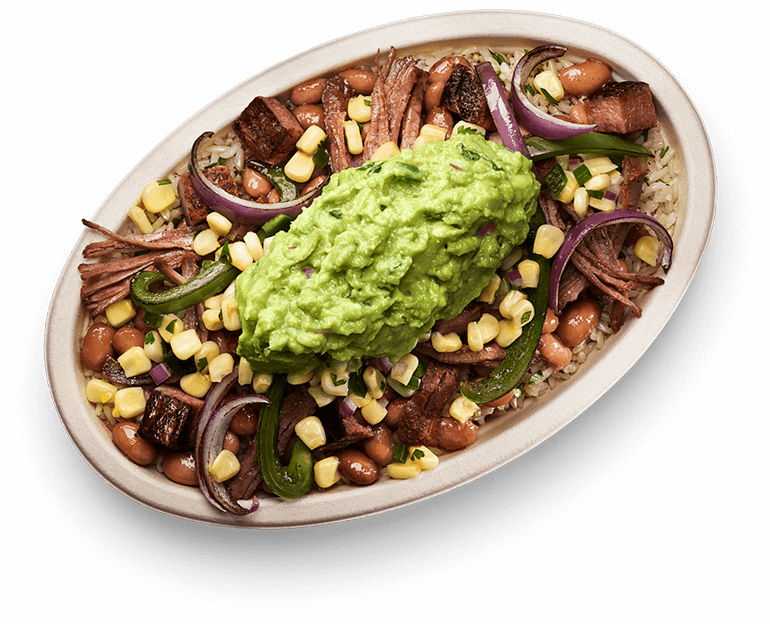
TOP 10 CANADA
| Rank | Program | Status |
| 1 | Chipotle Rewards | New |
| 2 | Burger King | -1 |
| 3 | Papa Johns | +2 |
| 4 | adidas | New |
| 5 | Panera Bread | -3 |
| 6 | Salvatoré | New |
| 7 | PC Optimum | = |
| 8 | Domino’s | = |
| 9 | Tims Rewards – Tim Hortons | +5 |
| 10 | Second Cup | +2 |
The report said eight of the 10 programs in Canada’s Top 10 are now associated with fast food or coffee, compared to just four in 2025 and only one in 2024.
TOP 10 QUÉBEC
| Rank | Program | Status |
| 1 | Salvatoré | New |
| 2 | Tims Rewards – Tim Hortons | +4 |
| 3 | Domino’s | -2 |
| 4 | McDonald’s | -2 |
| 5 | Journie Rewards – Ultramar | +2 |
| 6 | PC Optimum | -3 |
| 7 | Walmart | -3 |
| 8 | A&W Rewards | New |
| 9 | Beauty Insider – Sephora | -4 |
| 10 | Cuddle Club– Mondou | +1 |
This is a major shift from 2025, when the top three were Domino’s, McDonald’s, and PC Optimum. Salvatoré has thus immediately moved ahead of several of the country’s best-known loyalty programs, while Tim Hortons has climbed from sixth to second place, added the report.
“In a climate where the cost of living remains a major concern, the financial value of these programs remains central to their appeal. As a result, 69% of Canadians say loyalty programs help them save money, while 67% use them to earn more rewards and discounts. These programs also have a tangible influence on consumer choices. The proportion of Canadians who say they often or very often change their product choices to maximize their points will reach 37% in 2026—the same level observed in 2025—after rising from 23% in 2021 to 37% in 2025,” said the report.
“This stability could signal a shift in dynamics: after several years of growth, certain loyalty-related behaviours appear to be leveling off. This trend is particularly telling when we look at the number of programs consumers are enrolled in. Canadians are members of 22 loyalty programs on average, but use only nine of them regularly. Both of these figures remain unchanged from 2025.
“The conclusion is clear: consumers continue to have access to a multitude of programs, but their engagement and active use are no longer growing.
“For brands, the challenge is therefore no longer simply to recruit new members, but to succeed in becoming one of the programs that consumers actually choose to use.”

The report said the proliferation of programs and accounts also raises trust issues. According to LoyauT 2026, 42% of Canadians have been victims of at least one instance of fraud related to a credit card or loyalty program:
- 18% have been victims of fraud related to a loyalty program;
- 37% have been victims of credit card fraud;
- 42% have experienced at least one of these two situations.
“As these programs increasingly rely on personal data and digital interactions, trust has become an essential component of the loyalty experience,” it said.
The report noted that young adults once again stand out for their level of participation in loyalty programs.
“On average, 18- to 34-year-olds are enrolled in 24 programs and use 10 of them, compared to 21 and 8, respectively, among those aged 35 and older. They are also more likely to join paid premium programs: 44% of 18- to 34-year-olds are members of at least one such program, compared to 24% of those aged 35 and older, excluding Costco and Amazon Prime,” it said.
“These results illustrate an interesting paradox: younger consumers are both the ones who subscribe to the greatest number of programs and the ones who seem most willing to pay for added value. Young people also have the lowest loyalty threshold and the highest expectations when it comes to customer experience.”
In an interview with Retail Insider, Éthier spoke about this year’s results.
What factors are driving restaurant and coffee shop loyalty programs to dominate Canada’s top rankings, and what are these businesses doing differently from loyalty programs in other sectors?
The key ingredients we see in this vertical are a few interlinked elements :
(1) There is significant frequency in this vertical, and brands as well as experience play a significant role in the consumer’s choice; competition is also strong, forcing an ever-evolving loyalty offering.
(2) Easily-reachable, tangible, noteworthy rewards. For example getting a free donut after only a few orders with Tims Rewards is attractive and memorable compared to more abstract rewards. This also aligns with the brand.
(3) Restaurant / coffee chains often have simple and effective mobile apps, that are one of the main ways to identify clients and provide additional value (e.g. quicker ordering or checkout, etc.) ; this can create a virtuous cycle between app use, order frequency and rewards.
Salvatoré moved directly to the top of Quebec’s loyalty program rankings in its first year on the list. What distinguishes its program, and what can other Canadian restaurant brands learn from its performance?
Salvatoré brings a simple but effective program that delivers on many of the aforementioned points; the brand’s visibility is growing and maintains a strong presence on social media, where the brand’s owners are very active, bringing an engaging entrepreneurial story that can feel relatable, reinforcing consumer perception of their relationship marketing.

The report found that Canadians belong to an average of 22 loyalty programs but regularly use only nine. What does this suggest about consumer loyalty, and how can businesses turn program membership into sustained engagement and repeat purchases?
Growing the member base is only the starting point when managing a program. A program needs to be very competitive to be among the few memorable ones that the average consumer truly use on a regular basis. This means creating attractive offers, communicating often (in-store: on shelves, at the register, digitally: by email, by push notifications, by SMS, in the app, on the site, through advertising, etc.), making sure members really experience their rewards, etc. Businesses need to focus on a customer’s current mindset and engagement level to really influence behaviours.
With 69 per cent of Canadians saying loyalty programs help them save money, how are cost-of-living pressures changing consumer expectations around rewards, discounts and paid premium memberships?
For the last few years, the survey results have been indicating that Canadians are looking for ways to save money and maximize their rewards. While these financial considerations consistently ranks among the most sought-after component of loyalty programs, other aspects are also important and vary depending on the vertical, and can include access to free products, personalized recommendations, exclusive promotions, etc. The perceived generosity of a program does not always correlate with the monetary value of the publicized rewards. Regarding premium memberships, a person that decides to pay to participate in a program will typically have a stronger motivation to make the best of their subscription, and will therefore use it more, and experience more of its benefits.
The study found that 42 per cent of Canadians have experienced credit card or loyalty program fraud, while younger consumers have particularly high expectations for customer experience. How can brands build trust, protect customer data and create loyalty experiences that remain relevant to increasingly selective consumers?
Trust is built on a common understanding that the other party will behave in a caring manner. First and foremost, the value a customer will get when providing information or making any type of commitment must be worthwhile, and feel relevant to achieve what he is expecting: this value needs to be clearly communicated, and be truly attractive. On the other hand, a business that relies on policies and enforcement rather than caring, honest customer relationship management will operate in a distrustful atmosphere.
As for data security, the best protection for all parties involved will always be to only capture and manage what is truly necessary. Merchants need to focus on what’s essential and truly relevant to create good experiences, and this may represent less data, and less sensitive data than some would expect: a pizza chain will drive value mainly from a customer’s pizza-ordering habits (or changes in these habits), and may be able to operate its marketing activities on very little other personal data. Data and I.T. security best practices and proper compliance and governance of course also apply here.
More from Retail Insider: