Canadians who stream television spend nearly 80 hours a year searching for something to watch, according to a new study by Roku, as the growing number of streaming services makes it increasingly difficult for viewers to find content.
The company’s seventh annual Video on Demand (VOD) Evolution Study found that Canadian streaming viewers spend an average of 13 minutes looking for something to watch. Some respondents reported spending as much as 32 minutes searching, rising to 47 minutes among those under 35.
The findings point to an opportunity for advertisers as streaming platforms look for ways to help viewers navigate an increasingly fragmented television landscape and discover content.

Multiple streaming services complicate content discovery
Approximately 27 million Canadians now stream television, a 35 per cent increase from five years ago. The average Canadian viewer uses four different streaming services, according to the study.
Six in 10 respondents said they cannot always remember which application carries the show or movie they want to watch, while 59 per cent said finding something to watch can be exhausting because of the number of available streaming services.
Three-quarters of respondents said they do not care which service carries the content, as long as they can find what they want easily.
The study also found that 65 per cent of Canadian respondents believe advertising would be useful in helping them find shows, movies and live television. More than two-thirds said they would appreciate advertisements reminding them when a show or movie they want to watch becomes available to stream.
Nearly half said they would have a more favourable opinion of a brand if it offered or sponsored a free movie, television show or section designed to make finding sports programming easier. Meanwhile, 35 per cent said advertising on a television home screen would feel less intrusive than traditional television commercials.
“As finding what to watch becomes more and more of a struggle, the home screen can be a unique guide to everything happening on TV,” said Ivan Pehar, director of ad sales at Roku Canada.
“Brands can get noticed there in a positive way, becoming part of the journey the moment a viewer turns on the TV, and helping them discover new channels, movies, sports, scheduled TV, and more.”

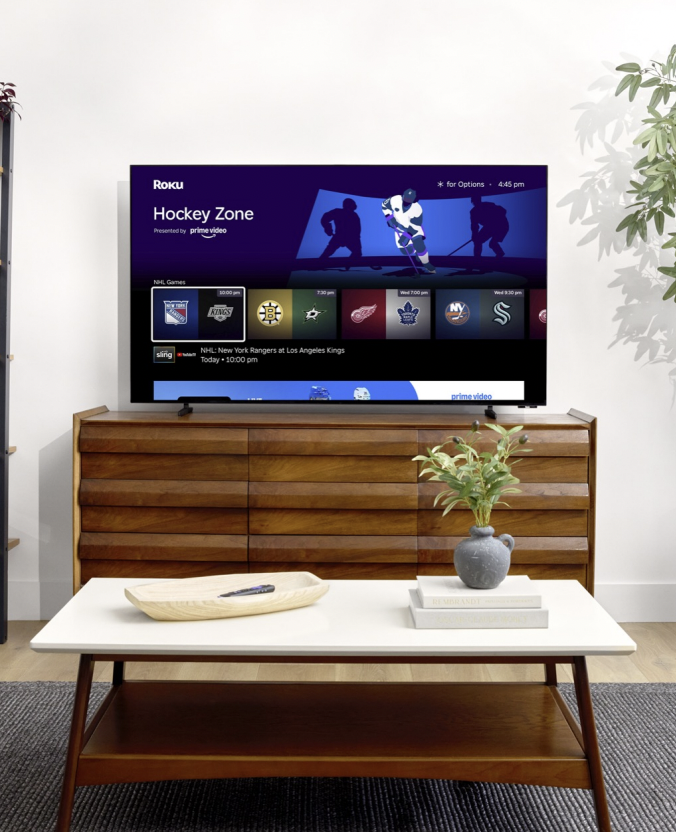
Advertising opportunities extend to curated content
Roku is also positioning themed content collections and curated playlists as opportunities for brands to reach viewers through sponsored programming destinations.
The company cited a campaign last year involving Reese’s and Kit Kat, which sponsored its Halloween Stream & Scream Zone. The collection brought together a selection of horror movies and Halloween television programming.
According to Roku, the campaign attracted 700,000 visitors to the collection, with households spending an average of 96 minutes streaming its content. The study found that 36 per cent of respondents agreed the sponsorship increased their cravings for the brands’ products.
The company is also promoting sponsorship opportunities connected to seasonal and holiday programming collections, including its Season’s Streaming initiative.
Study finds continued engagement with advertising
The research also examined how Canadians interact with advertising on streaming platforms, finding that ad-supported viewing remains a regular part of television consumption.
Eighty-four per cent of streamers said they watch ad-supported television at least monthly, spending an average of 13 hours a week on those platforms. That represents half of their total television viewing time.
Three-quarters of respondents said they find interactive advertisements useful. The study found that 43 per cent order products directly through their televisions, 48 per cent download or subscribe to streaming services during a video advertisement, and 42 per cent purchase a product featured in a television show.
Overall, 67 per cent of streamers said they take measurable action after seeing television advertisements. That includes searching for more information (31 per cent), visiting a brand’s website (28 per cent), using map searches to find a retailer carrying a product (19 per cent) and scanning a QR code displayed on television (15 per cent).
In an interview with Retail Insider, Pehar spoke about the study.
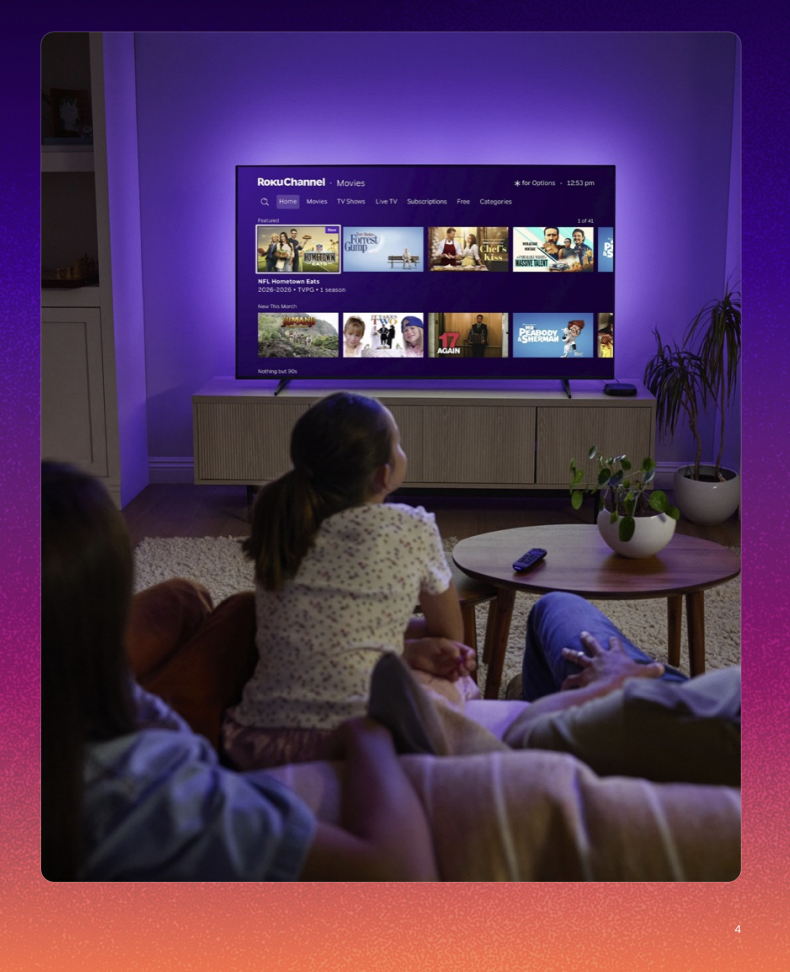
What is driving the time Canadians spend searching, and how has choice overload changed as services have multiplied?
Fragmentation matters more than volume alone. Streamers who are undecided spend an average of 13 minutes looking for something to watch. For a daily streamer, that adds up to nearly 80 hours a year. One in five routinely searches for more than 20 minutes. The longest search averages 32 minutes, and 47 minutes for viewers under 35.
Each additional service adds another place to look, another interface and another recommendation engine. Two-thirds of streamers (66 per cent) say there are too many services to keep track of, and 59 per cent say finding something to watch can be exhausting. Streamers now use 3.6 platforms on average, including 2.5 paid subscriptions and about one free service. Viewers also change services often. Four in ten switched in the past year.
With the average viewer using four services, what does the difficulty of remembering where content lives say about the TV home screen and discovery?
Viewers have stopped thinking about platforms and started thinking about titles. Sixty-one per cent say they can’t always remember which app has the show or movie they want, and 74 per cent say they don’t care which service it’s on. They just want to find it easily.
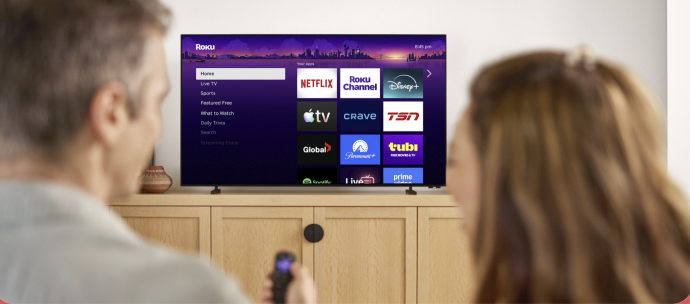
That makes the home screen the starting point for discovery, a role the traditional TV guide used to play. Sixty-four per cent of streamers use it to find something to watch, and 54 per cent say it has replaced the TV guide as their main way of deciding. Ninety-two per cent think it could be even more useful. The most popular ideas are a section listing all the free content across services (47 per cent) and better search across apps. Only 28 per cent use home screen search today, but 40 per cent say it would be helpful. The home screen is becoming the neutral layer that sits above the apps and guides viewers to them.
Why are viewers receptive to ads that help them navigate a fragmented environment?
The ads are solving a problem the viewer already has. Sixty-five per cent say ads that help them find shows, movies and live TV would be useful, and 70 per cent would welcome ads that remind them when something they want to watch is available. That ranks above every other ad format we tested. The ad does a job for the viewer instead of just asking for attention.
Context helps too. Thirty-five per cent agree a home screen ad would feel less intrusive than a traditional commercial. Nearly half say they’d like a brand more if it offered or sponsored a free movie or show, and 45 per cent say the same about a brand sponsoring a section that helps them find sports. Viewers are willing to accept advertising when it saves them effort and fits the moment.
What opportunities does this create for retailers and other brands to drive measurable actions?
Viewers already act on TV ads. Sixty-seven per cent of streamers have taken a measurable action after seeing one. Thirty-one per cent searched for more information and 28 per cent visited a brand’s website. Nineteen per cent searched a map to find the brand in store, and 15 per cent scanned a QR code. Thirteen per cent added a product to their basket and 13 per cent bought straight away.
Appetite for interactive formats is high, too. Seventy-three per cent find at least one interactive format useful. Fifty-four per cent would welcome an offer by email, and 49 per cent by SMS. Forty-eight per cent find QR codes useful, and 43 per cent would order directly from the TV. For a retailer, the sequence of discovery, consideration and purchase can now happen on one screen. Because those actions can be tracked, streaming can be measured against site traffic, sales and store visits instead of reach alone.
What did Roku learn from the Reese’s and Kit Kat Halloween Stream & Scream sponsorship?
The brands took part in a viewer’s search for something to watch. They didn’t interrupt it. Halloween content makes up about 35 per cent of searches on Roku during the season, and searches rise 57 per cent week over week starting around Labour Day. Reese’s and Kit Kat sponsored a curated Zone that gathers scary movies, Halloween shows and more from across services in one place. Viewers reached it from the home screen, with the Roku City screensaver billboard and a banner leading into the brand showcase.
The result was 700,000 visitors to the collection, up 53 per cent on the year before. Households streamed an average of 96 minutes from it, and 36 per cent agreed the sponsorship heightened their cravings for the brands’ products. Brands win when they help viewers find what they want, and they get more attention because the experience is useful. We think seasonal Zones like this will work the same way for other moments, including Season’s Streaming.
More from Retail Insider:
Roku Expands Streaming Strategy as Competition for Viewers Grows