Optimizing the Click-and-Collect Trend: The Challenges and Benefits

Date:

Share post:

By Joe Woods

The growing e-commerce trend of click-and-collect is upon us, especially with holiday shopping right around the corner.

The concept of click-and-collect is simple. A customer orders a product online and then proceeds directly to the physical retailer to collect his purchase. The popularity of this trend is that each shopper is able to browse online from the comfort of his own home and, rather than pay for shipping and anticipate the delivery, the shopper can collect his purchase from the store at his own convenience.

Benefits of click-and-collect are rich for both customers and retailers. For shoppers, it is a reasonable alternative to expensive same-day delivery, allowing shoppers to forgo shipping altogether and pick up locally. Shoppers have more options online than when shopping in-store. Retailers are also adopting price matching techniques with click-and-collect, giving shoppers cheaper price options as well as more product options.
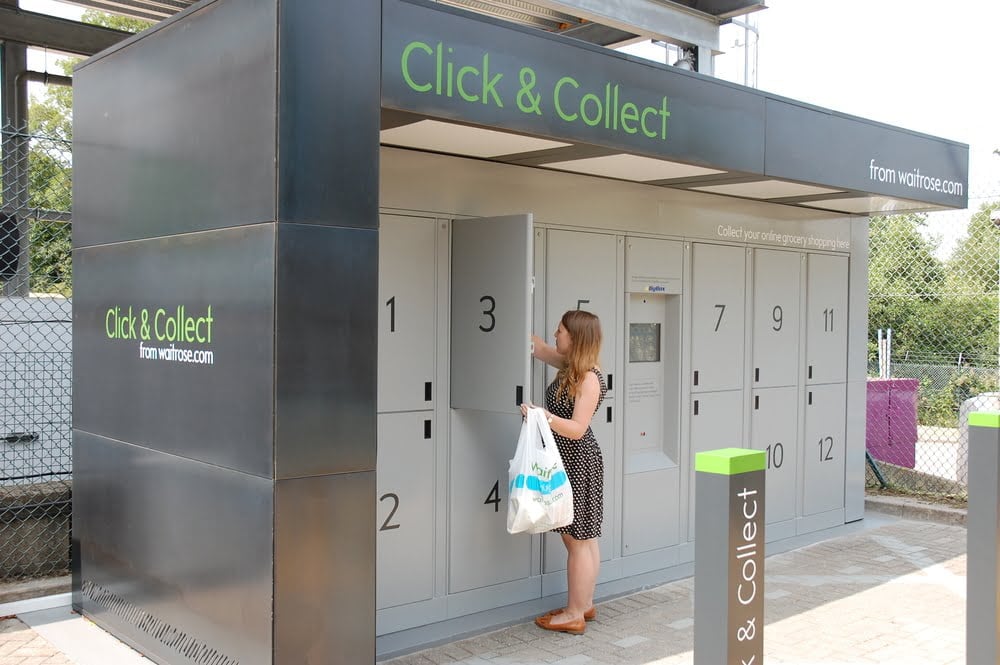
For retailers who are continuously looking for ways to leverage their existing online solutions, a key way to earn consumer confidence is through a physical presence. Click-and-collect gives customers a tangible way to relate to a brand. This provides shoppers with a tactile engagement with products and also gives the assurance that they can immediately connect with customer service. Click-and-collect also allows for many retailers to focus on clearing their warehouses and store inventories, which effectively optimizes their brick and mortar shelf space for fulfillment for online customers. Eliminating seasonal rotations, store-to-store transfers and being able to use stores as customer pickups, or even shipment points, can eliminate many operational costs to an organization.

Though managing inventory is one major benefit to click-and-collect, in-store figures may often be harder to predict by allowing the service. Systems must be updated frequently to keep the most accurate figures both online and in-store. Additionally, some items may be more difficult to monitor if they are in-stock, set aside by store staff, or have been otherwise lost in storage. It is important to be transparent with the customer that his requests are subject to acknowledgement and confirmation by store staff. Difficulties can than be avoided when customer arrives at store to pick up product.

Reversely, these levels must also be visible and directly communicated with store management and sales staff as well. A key solution for this issue is to show inventory and a time check as to when the update was last made. This allows the customer some degree of confidence in the information.
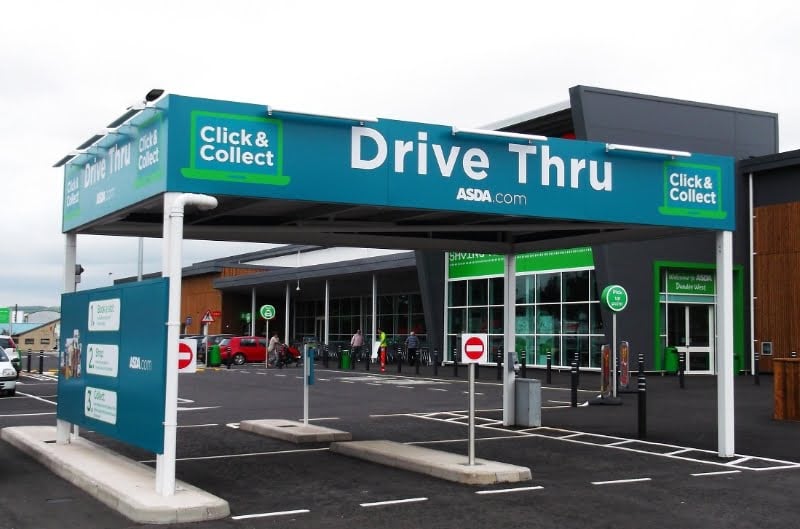
Just as accurately communicating the order to the physical store is crucial, the store staff needs to be ready to respond to online orders in an effective way. This should be led by dedicated team members and be monitored with an overall process to alert the store that an online order has been made. A store must be able to trust its staff to properly keep track of inventory, monitor online purchases and set products aside in anticipation of the shopper’s arrival. This accuracy and brand engagement can be strengthened through incentive programs and should be an extreme priority. Incentives must be updated to allow for online transactions to be rewarded in a way that properly motivates staff to respond to these requests and service these customers properly.

The last essential key to implementing a successful click-and-collect feature is embracing a single customer view. Rather than separating consumers by “in store only” or “web order only”, retailers need to embrace a seamless integration between all touch points. The reality is that customers do not categorize themselves as an in-store shopper or an online shopper. They just recognize that they are buying a product from “x” store. To truly understand their needs and expectations, brands should embrace that understanding as well.

Though there are many challenges in implementing a successful click-and-collect service, brands that embrace these obstacles will likely satisfy customer needs, making for loyal shoppers. Realistically, a successful implementation does not happen overnight. Click-and-collect features should be heavily tested for glitches and clarity before brands offer the service to shoppers. A strong technology partner will be essential to help the brand achieve its goal.

Joe Woods, president of Loop Integration, is an experienced omni-commerce consultant and solution architect with more than 14 years of experience implementing retail commerce solutions.  His background includes time as a technical consultant for Technology Solutions Company, before joining Blue Martini Software in 2000.  Woods is a co-founder of contiigo (formerly Loyalty Tech) in Sydney and has built a successful team culminating in the hybris APAC partner of the year award in 2012.

RELATED ARTICLES

Subscribe to the Newsletter

Subscribe

* indicates required

RECENT articles

Sports Experts Unveils $8M CF Carrefour Laval Flagship

Sports Experts has invested about $8 million to transform its 45,000-square-foot CF Carrefour Laval flagship, with early sales exceeding forecasts.

Celebrity Chef Stefano Faita opening Toronto’s first Bring-Your-Own-Pasta restaurant

BYOPasta exclusively serves Stefano Faita’s signature sauces and turns leftover pasta into a restaurant-quality dish, leaving the pasta up to guests.

Sunterra closes another of its Market locations

In May, Sunterra closed down its downtown Edmonton location on Jasper Avenue after three decades in business.

Calgary AI Startup StoriBot Targets Retail With ‘Narrative Intelligence’ Platform

Calgary-based AI startup StoriBot is targeting automotive, grocery and other retail sectors with its Narrative Intelligence platform as it builds enterprise adoption.

CF Fairview Pointe Claire Launches The B!G TV: A 27-Foot Retro Experience

Until November 9, CF Fairview Pointe Claire brings the West Island community together with nostalgia-packed giant screen gaming, free movie nights, and daily surprises.

Donatella Versace and REVOLVE launch joint venture focused on beauty and fashion

The new business will combine Donatella's creative direction and cultural influence with REVOLVE’s digital commerce platform, technology, consumer intelligence and operating capabilities.

Tourism spending on the rise: Statistics Canada

Tourism GDP accounted for 1.77% of nominal GDP in the second quarter, virtually unchanged from the first quarter.

Pharmacy Brands Canada Grows to more than 300 Locations in Canada

PBC's growth has accelerated across the country, with particularly strong expansion in Ontario, where the network has added more than 50 locations over the past two years.

From The Desk: Retailers adapt formats and expansion amid labour, cost and consumer shifts

Canadian retailers adjust store formats and expansion amid labour challenges, cost pressures and uneven spending, balancing growth with operational control.

Daily Synopsis: September 25, 2026

Competition Bureau seeks info on grocers in new wave, Marc Giroux steps in as CEO of Metro Inc., Pokemon thefts rise, Starbucks closing some Canadian locations, ABC Books shutting on Yonge St. in Toronto, and other news.

Aritzia’s Store Network Has Shifted South as U.S. Expansion Accelerates

Aritzia now operates more boutiques in the United States than in Canada as the Vancouver-founded retailer directs most new-store growth south of the border. Its mature Canadian network offers a useful template for the company’s push toward a potential 180-to-200-store U.S. footprint.

Starbucks undertakes massive refresh of North American locations and closing 250 stores

A refresh of Starbucks cafés is designed to bring customers back to what they love most about the coffeehouse: great coffee, craft, connection, and community.

Tommy Gun’s Original Barbershop has ambitious growth plans in Canada and internationally

Tommy Gun’s CEO Keenan Fisher discusses the Canadian barbershop brand’s growth, franchising strategy and plans for 80-plus new locations worldwide.

MEC to Open Small-Format Whistler Store as Retailer Tests New Concept

MEC will open a 2,200-square-foot store in Whistler Village, testing a smaller retail format backed by curated inventory and its broader online assortment.

Lavazza Targets Canadian Growth as It Moves to Double North American Business by 2028

Lavazza is expanding its Canadian presence as part of a strategy to more than double its North American business by 2028, with growth opportunities in distribution, Western Canada and experiential marketing.

Guac Mexi Grill Marks 10 Years With 56 Locations, Eyes U.S. Expansion

Oakville-based Guac Mexi Grill is marking its 10th anniversary with 56 Canadian locations and plans to add 10 to 15 restaurants annually while expanding into the U.S. and India.

Rawcology Founder Tara Tomulka turns personal health journey into growing plant-based food business

Rawcology has grown from a nutrition blog into a food brand offering organic, low-sugar products, with founder Tara Tomulka eyeing further growth in Canada and international markets.

AI transforming retail pricing, from dynamic discounts to personalized offers

McGill professor Maxime Cohen examines how artificial intelligence could reshape retail pricing, customer discounts, fairness and the future of AI-driven commerce.

Retailers face growing trust challenge as AI reshapes customer personalization

Amperity co-founder Derek Slager explains why accurate customer data, privacy, transparency and governance are becoming critical as retailers expand AI-powered shopping experiences.

Daily Synopsis: September 24, 2026

Economists optimistic amid new retail data, consumers could benefit from Empire ending property controls, Starbucks closing 250 North American locations, OVO marks 25 years of Degrassi, and other news.