Optimizing the Click-and-Collect Trend: The Challenges and Benefits

Date:

Share post:

By Joe Woods

The growing e-commerce trend of click-and-collect is upon us, especially with holiday shopping right around the corner.

The concept of click-and-collect is simple. A customer orders a product online and then proceeds directly to the physical retailer to collect his purchase. The popularity of this trend is that each shopper is able to browse online from the comfort of his own home and, rather than pay for shipping and anticipate the delivery, the shopper can collect his purchase from the store at his own convenience.

Benefits of click-and-collect are rich for both customers and retailers. For shoppers, it is a reasonable alternative to expensive same-day delivery, allowing shoppers to forgo shipping altogether and pick up locally. Shoppers have more options online than when shopping in-store. Retailers are also adopting price matching techniques with click-and-collect, giving shoppers cheaper price options as well as more product options.
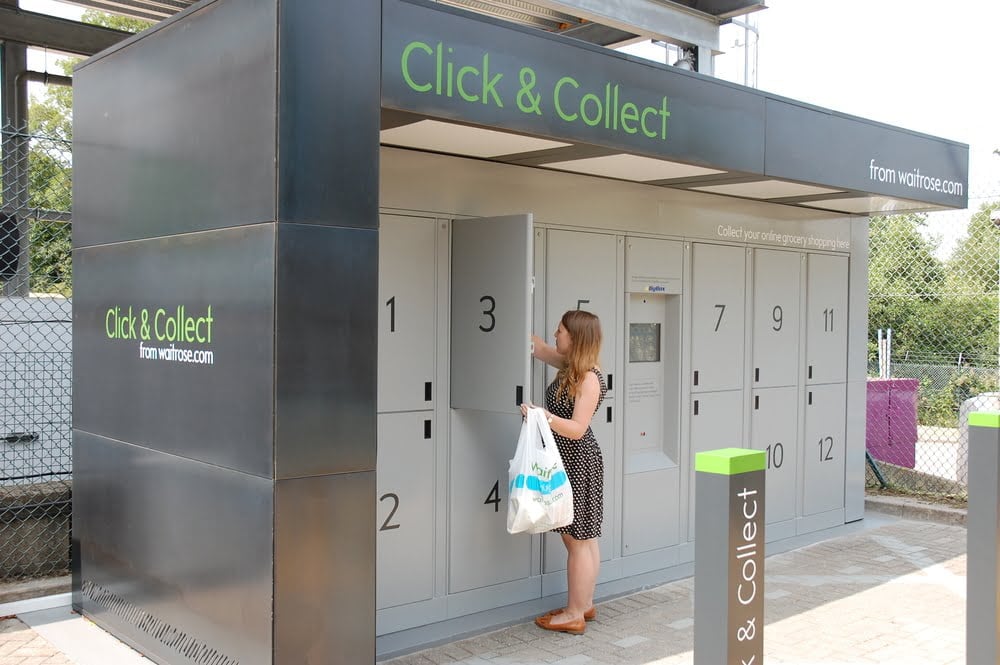
For retailers who are continuously looking for ways to leverage their existing online solutions, a key way to earn consumer confidence is through a physical presence. Click-and-collect gives customers a tangible way to relate to a brand. This provides shoppers with a tactile engagement with products and also gives the assurance that they can immediately connect with customer service. Click-and-collect also allows for many retailers to focus on clearing their warehouses and store inventories, which effectively optimizes their brick and mortar shelf space for fulfillment for online customers. Eliminating seasonal rotations, store-to-store transfers and being able to use stores as customer pickups, or even shipment points, can eliminate many operational costs to an organization.

Though managing inventory is one major benefit to click-and-collect, in-store figures may often be harder to predict by allowing the service. Systems must be updated frequently to keep the most accurate figures both online and in-store. Additionally, some items may be more difficult to monitor if they are in-stock, set aside by store staff, or have been otherwise lost in storage. It is important to be transparent with the customer that his requests are subject to acknowledgement and confirmation by store staff. Difficulties can than be avoided when customer arrives at store to pick up product.

Reversely, these levels must also be visible and directly communicated with store management and sales staff as well. A key solution for this issue is to show inventory and a time check as to when the update was last made. This allows the customer some degree of confidence in the information.
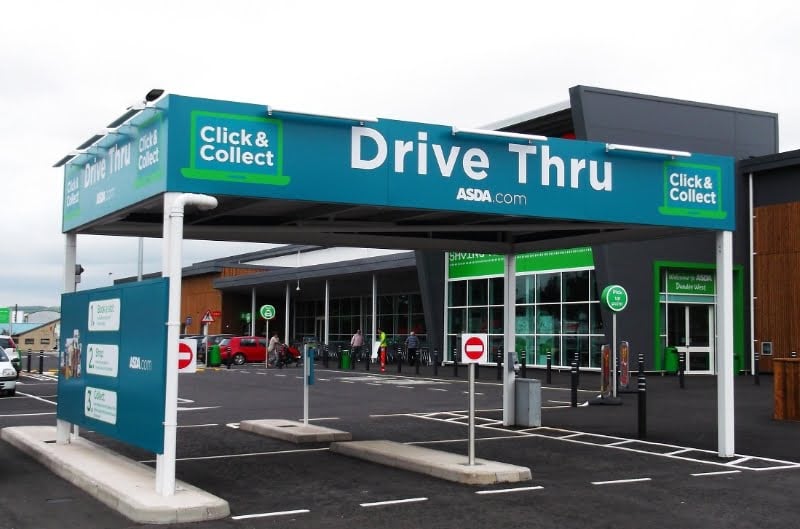
Just as accurately communicating the order to the physical store is crucial, the store staff needs to be ready to respond to online orders in an effective way. This should be led by dedicated team members and be monitored with an overall process to alert the store that an online order has been made. A store must be able to trust its staff to properly keep track of inventory, monitor online purchases and set products aside in anticipation of the shopper’s arrival. This accuracy and brand engagement can be strengthened through incentive programs and should be an extreme priority. Incentives must be updated to allow for online transactions to be rewarded in a way that properly motivates staff to respond to these requests and service these customers properly.

The last essential key to implementing a successful click-and-collect feature is embracing a single customer view. Rather than separating consumers by “in store only” or “web order only”, retailers need to embrace a seamless integration between all touch points. The reality is that customers do not categorize themselves as an in-store shopper or an online shopper. They just recognize that they are buying a product from “x” store. To truly understand their needs and expectations, brands should embrace that understanding as well.

Though there are many challenges in implementing a successful click-and-collect service, brands that embrace these obstacles will likely satisfy customer needs, making for loyal shoppers. Realistically, a successful implementation does not happen overnight. Click-and-collect features should be heavily tested for glitches and clarity before brands offer the service to shoppers. A strong technology partner will be essential to help the brand achieve its goal.

Joe Woods, president of Loop Integration, is an experienced omni-commerce consultant and solution architect with more than 14 years of experience implementing retail commerce solutions.  His background includes time as a technical consultant for Technology Solutions Company, before joining Blue Martini Software in 2000.  Woods is a co-founder of contiigo (formerly Loyalty Tech) in Sydney and has built a successful team culminating in the hybris APAC partner of the year award in 2012.


LEAVE A REPLY

Please enter your comment!
Please enter your name here

More From Retail Insider

RECENT RETAIL INSIDER VIDEOS

Advertisment

Subscribe to the Newsletter

Subscribe

* indicates required

RECENT articles

Daily Synopsis: Jun 19, 2026

Canada's affordability crisis could fuel Zellers expansion, Putman floats rebrand in new Toys R Us court docs, Ottawa imposes surcharge on canned veggie imports, Burlington Ikea features Indigenous kitchen room setting, The Beer Store opening new stores after shutting others, Vancouver businesses struggle despite FIFA crowds, and other news.

Hermès to Open Standalone Store on Calgary’s Stephen Avenue

Hermès is planning its first standalone Alberta store on Calgary’s Stephen Avenue, exiting Holt Renfrew and reinforcing downtown Calgary’s growing luxury retail presence.

From The Desk: Canadian Retail Evolution Through Innovation, Expansion, and Experience

This week's retail news highlighted an industry balancing change and opportunity. From the end of a chapter in Canadian furniture manufacturing to major investments in luxury retail, experiential concepts, and new store openings, retailers continue to adapt to evolving consumer expectations and economic pressures.

The Hidden Cost of Grocery Promotions in Canada

Supplier-funded grocery promotions may be creating hidden costs throughout Canada's food supply chain. Sylvain Charlebois examines how these practices can affect prices over time.

Fuel boosts retail sales growth to $73 billion in April: Statistics Canada

The largest increase in retail sales in April was observed at gasoline stations and fuel vendors (+5.1%).

Palliser Sale Marks End of an Era for Canadian Furniture Manufacturing

Palliser Furniture's sale to MotoMotion ends more than 80 years of family ownership, raising questions about Canadian manufacturing, retailer relationships and the future of the iconic furniture brand.

Empire Co. Ltd. CEO Charts Growth Strategy with Discount Focus

Empire plans to open 70 new stores across Canada over the next three years, with more than 75% of locations focused on discount retail as the grocery giant expands FreshCo, pharmacy and wholesale operations.

Alibaba.com data points to rise in solo founders as AI tools reshape startup landscape

71 per cent of more than 15,000 applicants to its CoCreate Pitch competition identified as solo founders, up from 40 per cent a year earlier.

AI increasingly shaping Canadians’ purchasing decisions, National Bank survey suggests

39 per cent of Canadians have used generative AI tools to support a purchasing decision in the past year.

Uncertainty outweighing tariffs as top concern for cross-border trade: Purolator survey

Businesses are already experiencing measurable financial impacts from tariffs.

Factor Meals accelerates nationwide expansion with new “state-of-the-art” Distribution Centre in Calgary

Initially launched in 2022 to serve Ontario, Quebec, and the Maritimes, the Calgary expansion allows Factor Meals to seamlessly scale its dietitian-approved, chef-crafted meal deliveries from coast to coast.

WeCook launches nationwide delivery with expansion into six new Canadian markets

The company said the expansion follows a period of rapid growth. It has grown by more than 1,000% since 2020, created over 600 jobs, and now delivers more than four million meals annually.

FIFA World Cup boosts brand opportunities in Toronto and Vancouver through out-of-home Advertising

Influx of people is creating a major opportunity for brands looking to reach large crowds, even without paying the steep costs associated with official FIFA sponsorships.

Adyen selected to provide payments technology for Aritzia

Adyen said it will process transactions in Aritzia’s physical locations, North American websites, and within its recently launched mobile app, supporting consistent payment experiences across channels. 

Daily Synopsis: Jun 18, 2026

Today's Retail Insider coverage highlights Canadian retail growth with new store openings by Zellers, Soch, Le Creuset, and No Frills plus Empire's robust sales and expansion plans.

Inside Zellers’ New Toronto Store as Crowds Turn Out for Opening Day

Retail Insider visited Zellers' new Toronto store on opening day, finding strong customer interest, value-focused merchandise, nostalgic touches and a modern standalone retail concept.

Empire Company sees sales reach $31.95 billion in Fiscal 2026, more growth planned for FreshCo brand

In fiscal 2027, the Company expects to open approximately 15 new FreshCo stores across Western Canada, Ontario and Atlantic Canada.

Caffeo unveils bold new look and expanded menu at Toronto’s 24/7 robotic cafe

The relaunch introduces a vibrant new visual identity and an expanded precision-brewed menu, elevating the experience for coffee lovers at the city's only 24/7 robotic café.

Strait of Hormuz Reopens, but Supply Chain Backlog Remains: Scandiweb (Opinion)

US and Iran announced a deal to reopen the Strait of Hormuz, but more than 800 vessels remain stranded and freight rates may take months to normalize.

Business Barometer: Small business owners continue to feel downcast in June: CFIB

Fuel costs remain the top cost constraint for 66% of small businesses, while weak demand continues to weigh on more than half (53%) of small firms.