With the COVID-19 pandemic sending shockwaves throughout the world’s economy, the future of retail is in flux. While some sectors — such as the hospitality industry — are struggling more than others, it is fair to say that all aspects of the Canadian retail market are being forced to reevaluate their sales strategies going forward.
Prior to COVID-19, recommence was rising in popularity with merchants growing 20-times faster than the broader retail market and five-times faster than off-price retailers, according to Coresight Research. Digitally-native brands like ThredUp were huge, consignment shopping was trendy, and buying sustainably was a must for many. Clothing rental was also a hot ticket, with Rent a Runway being a prime example. Today, the US-based recommence site is 11 years old and valued at $1 billion US.
As COVID-19 tears the Canadian retail landscape (as well as many of our wallets) to pieces, consumer habits and demands are changing rapidly, and will continue to evolve into the future as society attempts to find stable ground after this pandemic. While some consumer habits may be obliterated, others may flourish. And recommence is sure to be one of them.
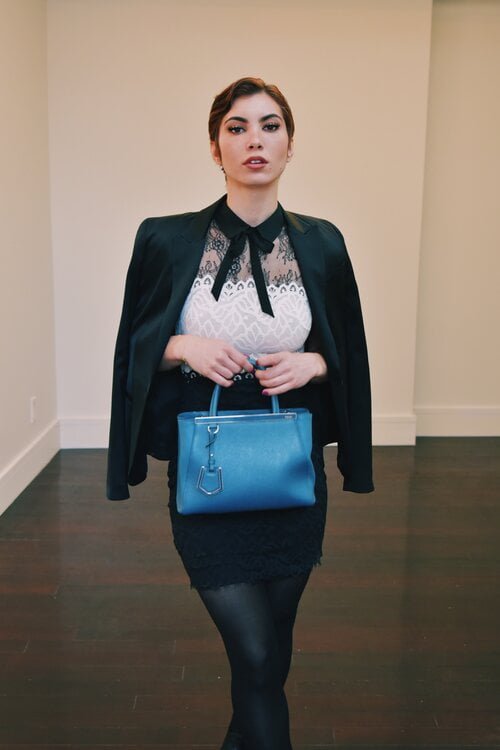
Processed with VSCO with c6 preset 
According to research done by GlobalData in 2019, the clothing-rental business is expected to reach $2.5 US billion by 2023 and when combined with resale, it will account for 13% of the total $360 billion US clothing market within the decade.
There are many reasons why recent years have seen clothing rental grow in popularity. Looking at it from a generational standpoint, millennials, in general, are less interested in ownership than they are in remaining current or having easy access to trends. In a world of social media and appearance-focused living, having the option to rent an item of clothing for a fraction of the cost is highly attractive to those who may not have the means to make frivolous purchases. “Social media is the driving force behind the clothing rental trend. In our society of oversharing on Instagram etc you cannot be seen to wear the same outfit twice. Many of my clients have two or more events per week and simply can’t afford to spend hundreds of dollars on each dress so they turn to rentals,” says Yana Brikker, Founder of Ask Yana Inc.
Sustainability is also a big factor in the recommence movement. As the world moves towards becoming more environmentally-friendly, the circular nature of clothing rental lowers consumption of fast fashion and the inevitable waste that accompanies this form of consumerism.
And now COVID-19 is a player in the attraction of recommence and the clothing rental industry. In today’s economic climate of unrest and unpredictability non-essential consumption has slowed down. People have less disposable income, limited access to traditional retail mediums, and exist in a perpetual state of unease, financially and otherwise. People are being forced to cancel all formal events and large gatherings, such as weddings, events, religious services etc, and with the first six months of 2020 due to exist practically void of social events, what does that mean for the latter half of the year (assuming life regains some sense of balance within the coming months)? It means an influx of events, social gatherings, and formal occasions, and thus, an increase in demand for formal wear.
“People are stuck at home right now. Some have lost their jobs and their incomes are compromised. But people will still want to socialize when all this is over. Many won’t have the ability to purchase formal wear so they will turn to rentals to satisfy their wardrobe needs,” says Brikker.
Marlee Rabin, Founder and CEO of Ocurent, a designer rental concierge based in Montreal, notes that she foresees many people needing formal wear in a pinch when life finally returns to regularly scheduled programming. “I think it might take some time but when life does return to normal I think there will be a huge spike in dress rentals. People will be excited to socialize but might not have the disposable income they once had.”
Ocurent is reinventing itself to a degree in an attempt to stay afloat during this wave of COVID-19-related retail closures. Traditionally an in-person service, now Ocurent allows you to browse and make purchases online. “COVID-19 has pushed me to be more forward-thinking about my business and assess what will ensure productivity and success in the future,” Rabin said about ramping up her online presence. “And surprisingly people are still buying dresses during this time. I think people know that eventually they will have that wedding or event to attend so they’re preparing for it now during this down time.”

Rabin notes that small retailers need to be prepared for the possible abrupt upturn in demand as people become more anxious to socialize in whatever capacity available to them, and as people begin to reschedule events. The need for formal clothing rental is sure to spike and businesses need to be ready.
Ocurent offers an array of over 400 dresses, varying in style, with a size inclusivity that ranges from 0-20. “We have dresses that would work for a 17-year-old going to prom and we have dresses for women in their seventies and eighties. We try to cater to all people and we have options to rent or purchase.”
However when it comes to setbacks for the rental clothing industry, a probable cause for concern post COVID-19 will be the hygienic aspect (or lack thereof) of renting or buying used clothes. As our society rapidly becomes more accustomed to segregation and increasingly hyper aware of cleanliness and sanitation, will the concept of sharing clothes with strangers be unappealing to many? “Perhaps people will be asked to produce the dry cleaning bill along with the returned dress,” suggests Brikker.
Lauryn Vaughn, Founder of the luxury online consignment store The Upside believes “As long as companies are clear about their best practices for both their staff and customers I believe the second hand and resale industries will grow post-COVID.”
In the wake of COVID-19, The Upside has a launched a new program ensuring that the personal shopping experience can still happen during these unprecedented times. The Upside’s Virtual Closet Edits allow women across Canada to schedule a 30-minute virtual appointment with one of The Upside’s specialists for a closet consignment edit. The appointment includes a general introduction to resale (if new to the concept), a look at items that the consignor would like to resell (what will and will not be accepted and why), and how to ship items directly to The Upside. Consignors can receive up to 70% commission on a once loved item.
Vaughn is confident that women are still anxious to shop, but perhaps in a more sustainable and affordable way during and post COVID-19. “Now more than ever, I believe that consumers are looking for value, what a company stands for and how sustainable it is.”
Due to the unprecedented nature of COVID-19, it is almost impossible to predict what the future holds for retailers and consumers alike. All that is certain, however, is that people will be more than ready to socialize with friends and even more ready to look good on Instagram.