

Prior to the COVID-19 store shutdowns, a few large store-based conglomerates effectively controlled a large proportion of the current Canadian non-auto retail sales environment, according to the latest CSCA Retail 100, created by the Centre for the Study of Commercial Activity at Ryerson University.
The report says its latest data shows that this long-standing trend has continued apace as in 2018 the 10 largest conglomerates controlled 48 percent of national retail sales, increasing from 43 percent in 2014.
Given that many of the top 10 retailers had been deemed ‘essential’ as stores shut temporarily to the COVID-19 pandemic, they will likely maintain their place in terms of rankings and see even more market share.
According to the report, here are the top 10 retail conglomerates in the Canadian market and their banners:
George Weston Limited, Canada (Shoppers Drug Mart, Loblaws, Real Canadian Superstore);
Costco, Inc., U.S.;
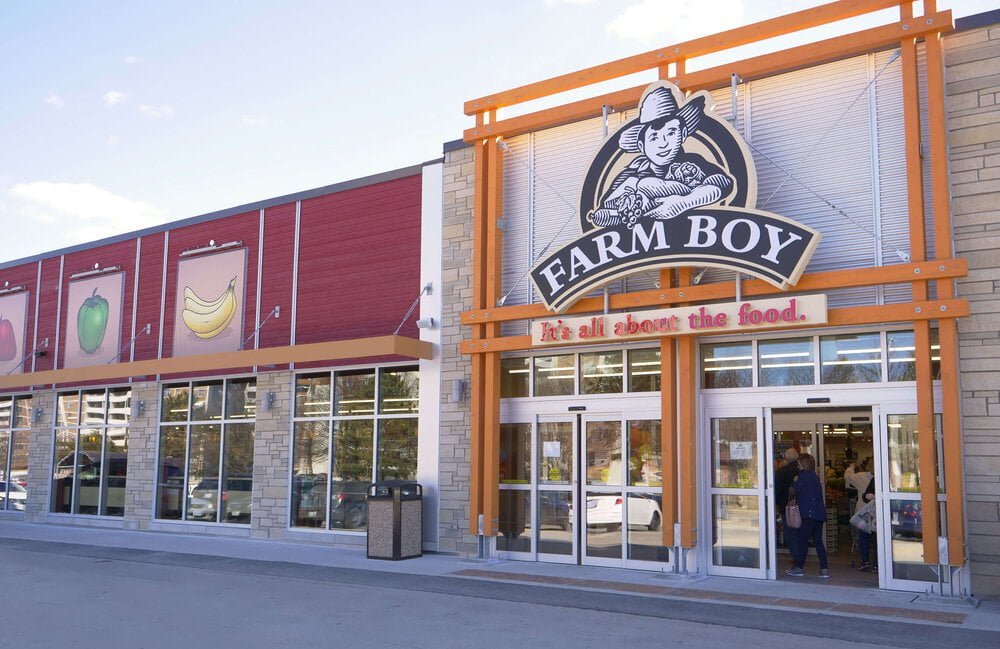
Empire Company Ltd., Canada (Sobeys, Safeway, IGA, Farm Boy)
Walmart Stores Inc., U.S.;
Metro Inc., Canada (Metro, Food Basics, Jean Coutu Pharmacy)
Canadian Tire Corporation, Canada (Canadian Tire, Mark’s Work Wearhouse, SportChek)
McKesson Corporation, U.S. (IDA Pharmacy, Uniprix, Rexall Drug Store)
Lowe’s, U.S. (Lowe’s, Rona, Rona Home & Garden);
The Home Depot Inc., U.S.; and
Home Hardware Stores Ltd., Canada (Home Hardware, Home Hardware Building Centre)

“It’s a small group of very large retailers that are controlling a large part of the Canadian retail pie basically. So there’s a dominance to what they do. That’s really a key aspect of the Canadian retail marketplace,” said Tony Hernandez, Director & Eaton Chair in Retailing for the CSCA, and Professor in the School of Retail Management & Department of Real Estate Management at Ryerson’s Ted Rogers School of Management.
“You’ve got this dominance really of the big grocery and general merchandise retailers that kind of take a large proportion of retail sales in Canada. That’s one of the key trends.”
The report broke the overall sales down to the top 100 retail chains operating in Canada as ranked by total estimated annual retail sales in fiscal 2018/2019.
The report said the top 100 retail conglomerates account for close to 70 per cent of non-automotive retail sales in Canada in 2018, declining from 71.4 percent in 2014.
“From the retailer perspective, these big conglomerates can be looking at marketplaces and saying okay this is a market where we need this banner. So it gives them a lot of flexibility to operate across Canada using multiple banners to essentially meet the local needs of Canadian shoppers,” said Hernandez. “Ultimately all of these companies the sales that they create are driven by local demand. It’s the ability for these big companies to choose the banner that they can operate within a given market in order to kind of maximize the sales within that marketplace.”
The number of retail conglomerates that operate with at least $1 billion in sales has reached 31 in Canada, he said, adding that six retail conglomerates are in the $10-billion club.
“So we’ve got quite a concentrated retail market with some very big conglomerates controlling a large amount of sales and controlling a large amount of stores as well,” said Hernandez.
“It ultimately comes down to the demand from Canadian consumers. Retailers are going to go where there is a market and U.S. retailers are going to be looking to either enter in or expand in the Canadian marketplace based on how vibrant they see the Canadian marketplace - maybe even relative to their own domestic market. So I think it’s really reflective that international retailers, particularly U.S. retailers, still see Canada as a viable retail market to be operated in and expanded.”
The report said the bulk of retail sales are in groceries and beverage stores (20.3 percent of national sales), general merchandise (17.8 percent) and health and personal care (8.4 percent). Groceries and beverage stores are dominated by Canadian headquartered chains. The general merchandise category is dominated by US headquartered operations. Health and personal care are dominated by Canadian headquartered businesses.
While the level of domination by the 10 largest chains is about the same for both 2014 and 2018, the 100 largest chains in 2014 contributed a greater share of national sales (65 percent) than those in 2018. Canadian headquartered chains contributed 6.4 percentage points less to the 2018 total than in 2014, while the contribution of chains headquartered in the US increased by 5.5 percentage points and from elsewhere in the world by 0.9 percentage points, added the report.
There’s no surprise that the online retail marketplace continues to grow. The highest shares of ‘online’ expenditure were in entertainment (30 percent) and electronics (28 percent). The lowest shares were in groceries/food/alcohol (less than five percent).
“Every retailer is grappling with the balance between online and offline. How do we meet the needs of our consumers in an efficient and profitable way? I think from a consumer side we all are increasingly getting more greedy as consumers. We want more and more and we want to pay less and less. So it’s a challenge and dynamic for retailers,” said Hernandez.








awesome details.
Hey i found your store like bigger mall, once i want to visit there