The Port of Montreal is experiencing significant disruptions as dockworkers begin an indefinite overtime strike. The move threatens to disrupt supply chains and raise costs for businesses and consumers.
The union representing nearly 1,200 longshore workers has halted all overtime work. This is putting pressure on management to reach a resolution in ongoing contract negotiations.
The longshore workers, members of the Canadian Union of Public Employees (CUPE) Local 375, initiated the strike at 7 a.m. EDT on Thursday. Key issues in the negotiations include unpredictable shifts and the reduced use of senior forepersons.
Talks between the union and the Maritime Employers Association (MEA) resumed last week, with federal mediators present.
Murray said that the union is ready to negotiate, and that the overtime strike is a pressure tactic, given delays.
Port of Montreal Operations Impacted by Overtime Strike
The overtime strike could significantly affect operations at Canada’s second-largest port. The MEA, which represents shipping companies and terminal operators, warned that the refusal of overtime would likely result in slower operations. This in turn would lead to substantial delays and disruptions in the movement of goods.
The MEA stated that the systematic refusal of overtime would have significant repercussions on the port’s activities. That includes even possibly stopping all operations. As a result, retailers, other businesses, and the public would all feel the impact. Employees working shifts with incomplete crews may not be paid, further complicating the situation.
This overtime strike follows a recent three-day walkout at two terminals handling 41% of the port’s container traffic, heightening concerns about long-term impacts on supply chains. Shipping companies have already begun to explore alternative routes and strategies to mitigate potential delays.
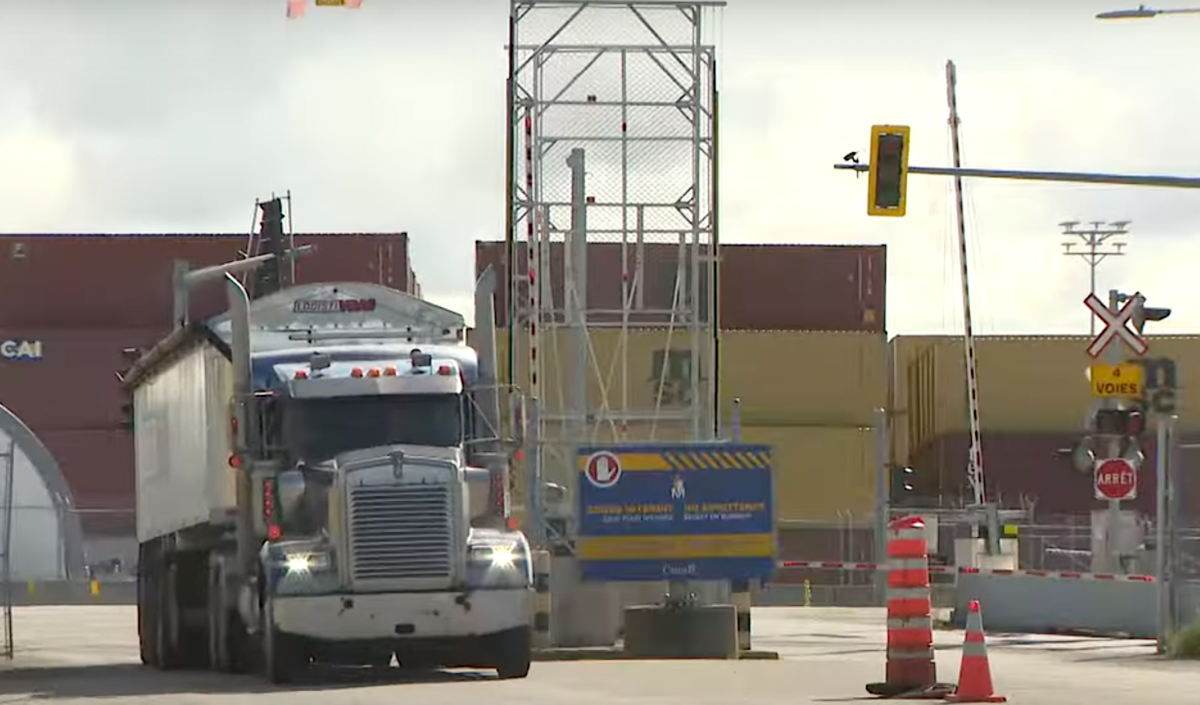
Shipping Costs and Supply Chain Disruptions Loom
Danish shipping giant Maersk announced a surcharge of $2,000 per container for freight bound for Canada from Europe. It’s a cost that could be passed down to consumers, made as a result of the strike.
As companies seek other shipping routes, the availability of containers for Canadian goods could decrease, leading to potential supply chain bottlenecks. Vessels would be rerouted to either Vancouver or Halifax, causing potential overcrowding at those ports.
Fewer containers in circulation could lead to increased shipping prices. Increased cost would eventually trickle down to retailers and consumers.

Port of Montreal’s Role in Canada’s Supply Chain
The Port of Montreal plays a crucial role in Canada’s economy, handling a diverse range of goods that include food, medical products, raw materials, and consumer goods. As the largest container port in Eastern Canada and an intermodal hub, the port connects directly to Canada’s national rail networks, making it a key player in the country’s logistics and supply chain.
With the overtime strike now in effect, the Montreal Port Authority (MPA) has activated a business continuity plan to minimize disruptions. However, around 50% of the goods transiting the port, including imports and exports, could face delays. The MPA continues to hope for a swift resolution to the labour dispute, while businesses and the public face uncertainty about the future of the country’s supply chain.
Port activity in Canada supports approximately 590,000 jobs and generates $93.5 billion in economic activity. The reliability of the Port of Montreal is vital to ensuring that goods flow smoothly across the country, and the current labour disruption underscores the high stakes of the ongoing negotiations.