Alimentation Couche-Tard is poised to add more than 13,000 locations to its global network through its proposed acquisition of Żabka Group, but some of the most interesting assets it gains could be found inside stores measuring only a fraction of the size of a typical North American convenience location.
The Polish retailer has built a dense network around compact neighbourhood stores, backed by an extensive digital ecosystem, a major loyalty platform and a growing presence in autonomous retail. For Couche-Tard, those capabilities could provide lessons that extend across its global operations.
Montreal-based retail strategist Carl Boutet said Żabka has emerged as one of the more technologically progressive convenience-store operators in Europe, making its operating model an important part of the strategic value behind the acquisition.
“I find more interesting the tech thing,” Boutet told Retail Insider, pointing to Żabka’s autonomous stores and loyalty capabilities.
Boutet said acquisitions of innovative retailers can sometimes bring “extra digital DNA” into the acquiring company, while emphasizing that he has no inside knowledge of Couche-Tard’s plans for Żabka.
As Retail Insider reported Friday, Laval-based Couche-Tard has agreed to acquire a controlling stake in Żabka and launch a voluntary tender offer for the remaining shares at PLN 32 per share. The transaction values Żabka at approximately US$8.6 billion and would be the largest acquisition in Couche-Tard’s history.
Couche-Tard currently operates close to 17,300 stores globally, while Żabka reported 13,063 locations as of June 30. The combination would create a network of approximately 30,300 stores, although the way Żabka operates those locations may prove just as important as the number Couche-Tard is acquiring.
A Different Convenience Store Model
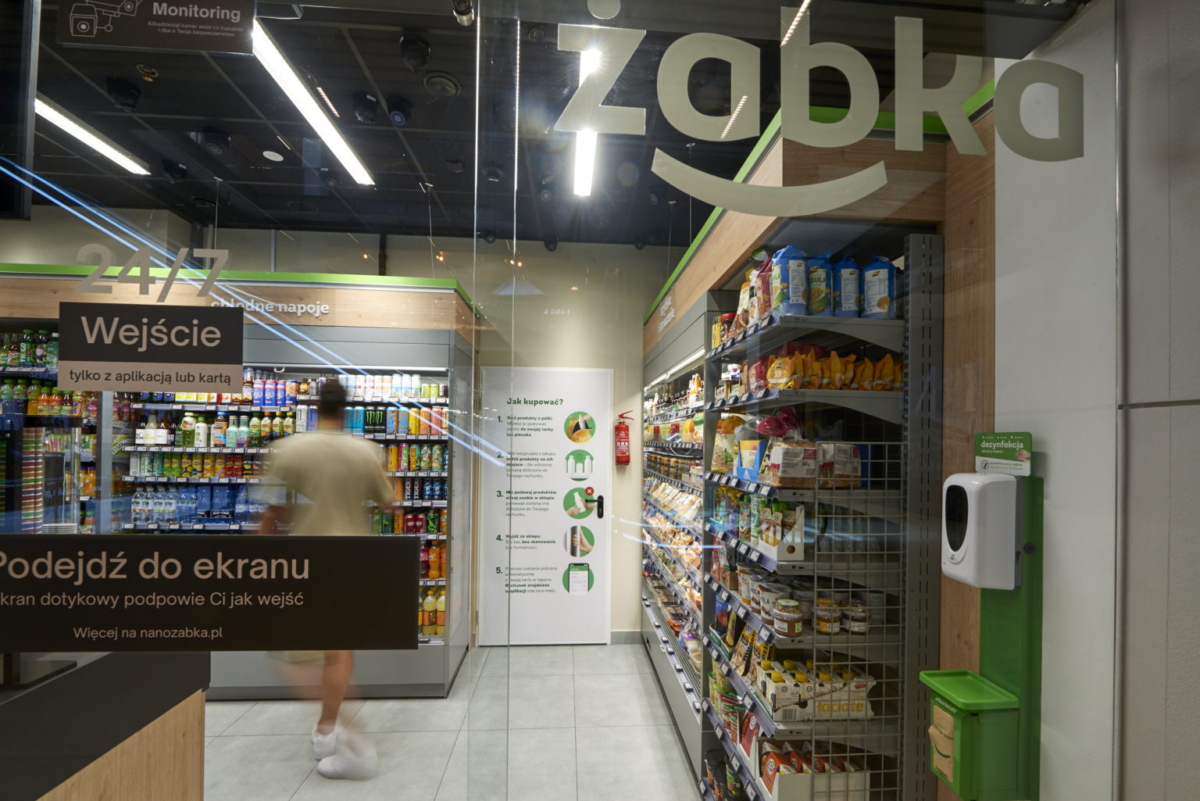
Żabka’s modular neighbourhood stores average approximately 65 square metres, or about 700 square feet, and operate across urban, suburban and rural markets. The network is supported by approximately 11,000 franchisees and has become deeply embedded in Poland, where approximately 18 million consumers live within 500 metres of a Żabka location.
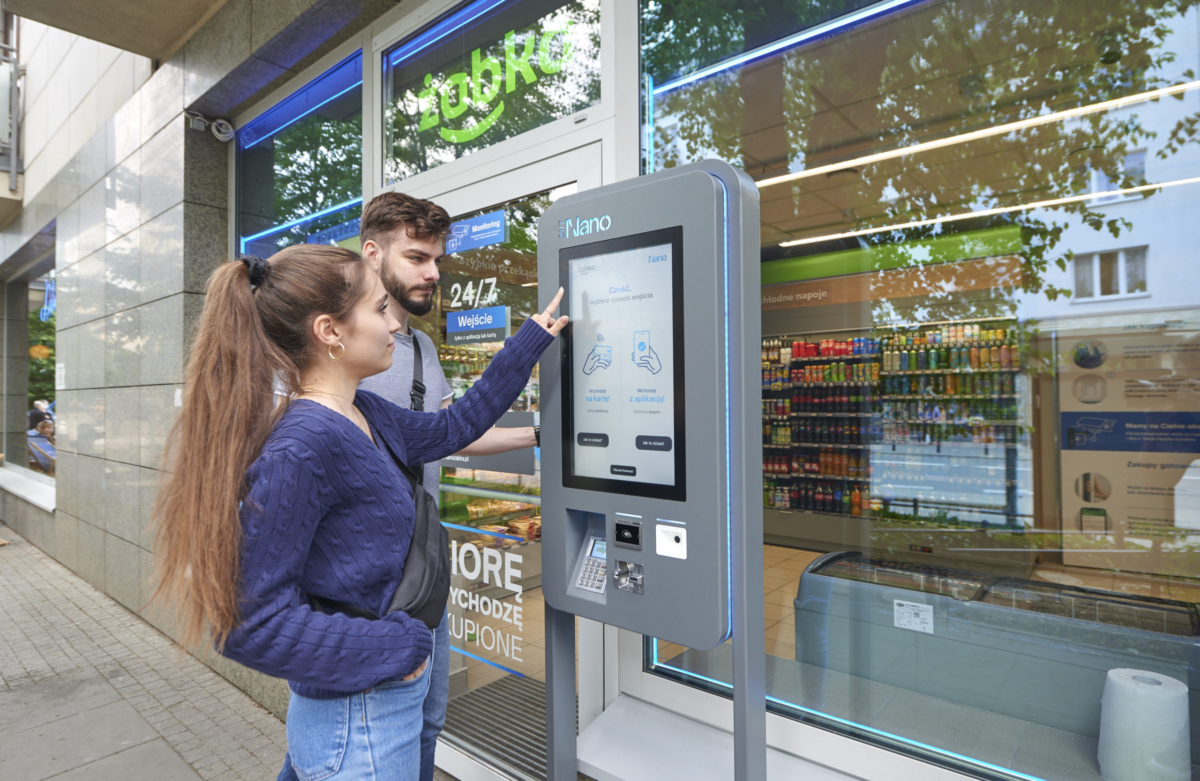
Technology is central to that model. Żabka has developed its Żabka Nano autonomous-store concept alongside a broader digital operation encompassing loyalty, e-commerce, meal delivery, logistics and retail media. The company processes approximately 4.3 million transactions per day and reported 11.2 million Żappka app users as of June 30.
Boutet identified checkout technology, compact formats and loyalty as three areas he believes could be particularly interesting for Couche-Tard.

“The checkout technology, the smaller footprint, the loyalty program, I think are all places where they could benefit from the acquisition,” he said.
The economics of smaller stores are especially relevant as retailers scrutinize how efficiently they use space. Autonomous checkout can reduce the area required for a traditional cash wrap and potentially allow more of a compact store to be devoted to merchandise, while a smaller footprint can increase the range of markets where a convenience retailer can operate.
“It allows them to go into different markets,” Boutet said.
Regional and suburban markets could potentially support more locations when each requires less space, he added. Technology, autonomous operations and new approaches to delivery can create additional possibilities around those formats.
Boutet also pointed to smaller and underserved Canadian communities, including places that have lost grocery or convenience options as conventional stores become increasingly expensive to operate. He stressed that he was not suggesting Couche-Tard intends to introduce Żabka’s model in Canada, but said acquiring a company experienced in operating compact stores gives Couche-Tard a wider range of models to study as it considers how convenience retail could evolve in different markets.
Digital Engagement at Scale
Żabka’s physical network is closely tied to its digital operations. At the end of 2025, the company reported 10 million digitally active shoppers, while purchases made by Żappka users averaged 20% higher than those of other customers. Revenue from Żabka’s digital customer offering grew 25% during the year.
Its digital ecosystem has also expanded beyond the core convenience business through operations including Maczfit, Dietly, Delio and Jush!, while Żabka has developed a retail media business using its physical network and digital customer relationships.
Couche-Tard has already identified digital engagement, customer loyalty and innovation among the capabilities it sees in Żabka. For Boutet, the opportunity does not necessarily require Couche-Tard to duplicate Żabka concepts store for store.
“I think it definitely can inspire and influence” how Couche-Tard approaches its business, he said.
Boutet also pointed to Couche-Tard’s expansion in Scandinavia, saying operations acquired there brought another wave of digital ideas into the company. He believes Żabka could provide a similar opportunity to study practices developed within another advanced convenience market.
What Couche-Tard Brings to Żabka
The exchange of expertise could work in both directions. Boutet describes Couche-Tard as one of the world’s strongest convenience-store operators, with an unusually disciplined approach to costs, merchandise and store productivity.
“That’s their superpower, is their discipline,” he said.
Boutet said Couche-Tard has historically paid close attention to which products generate the strongest turnover and how efficiently space and capital are being used. That operating culture has helped the company grow from a Quebec convenience business into a network spanning dozens of countries and territories, and could help explain the value Couche-Tard sees in Żabka.
“They’re one of the best operators in the world in this space,” Boutet said.
Couche-Tard has identified approximately US$250 million in potential annual cost and revenue synergies from the transaction, expected to be fully realized by the third year after closing. Żabka’s supply chain could provide another area for learning, with more than 99% of products sold through its stores supplied through its own distribution system. Couche-Tard CEO Alex Miller has said that approach aligns with the Canadian company’s efforts to increase control over merchandise supply.
Couche-Tard has also signalled that Żabka will retain significant autonomy. The Żabka brand and franchise structure are expected to remain, giving the business room to continue operating the model that has driven its growth.
Europe Becomes Much Bigger for Couche-Tard
The transaction would significantly alter Couche-Tard’s geographic profile. Europe currently represents roughly 30% of its store network, while with Żabka included, Europe would account for approximately 60% of the combined store base.
Żabka itself continues to grow quickly. The company opened 1,394 stores during 2025 and reported a 14.1% increase in sales to end customers to PLN 31.1 billion, while adjusted EBITDA increased 16% to PLN 4.07 billion. Its expansion has largely been concentrated in Poland, with Romania providing a platform for further growth outside its home market.
The acquisition therefore gives Couche-Tard a considerably larger position in Central and Eastern Europe while shifting the geographic centre of gravity of its overall store network.
‘In Many Ways a Bigger Deal’
Couche-Tard’s history of pursuing major international acquisitions gives the Żabka transaction additional context. The company abandoned its approximately US$46-billion pursuit of Seven & i Holdings, parent company of 7-Eleven, in July 2025 after a lengthy effort to bring the Japanese company to the negotiating table. Several years earlier, Couche-Tard had pursued French retail giant Carrefour before the French government opposed the proposed transaction.
Boutet believes Żabka could ultimately prove more significant from an operational and strategic perspective than either of those attempted acquisitions.
“I think this is in many ways a bigger deal than the attempted 7-Eleven or Carrefour acquisitions,” Boutet told Retail Insider.
His comparison is not about transaction value. Both attempted deals, particularly Seven & i, involved substantially larger companies. Boutet sees significance in the capabilities Couche-Tard can potentially absorb from Żabka and apply elsewhere in its global business.
“I think just from the operational standpoint, what they’re going to be able to learn from is going to be more worthwhile,” he said.
There is another connection between the companies, with Seven & i having itself explored acquiring a stake in Żabka in July before those discussions ended without an agreement. Żabka therefore gives Couche-Tard a concentrated convenience business with a different set of capabilities and a track record of rapid growth.
An Overlooked Retail Innovation Market
The acquisition also puts a spotlight on a region Boutet believes receives relatively little attention in North American discussions about retail innovation. Asia and Western Europe frequently dominate conversations about advanced retail technology, while he said Central and Eastern Europe have also produced retailers willing to adopt and test new systems.
“For retail technology, Eastern Europe has been punching above its weight,” he said.
Żabka is a particularly visible example, having combined rapid physical expansion with autonomous stores, digital loyalty, e-commerce and other technology-enabled services. Boutet said the willingness to experiment in markets such as Poland has created pockets of retail innovation that can easily be missed from a North American perspective.
“They’ve got their hands on a really good one right now,” he said of Couche-Tard’s proposed acquisition.
“I’m super excited about it. I think it’s going to be really, really interesting to see this play out.”
For Couche-Tard, Żabka will bring considerable scale, taking its global network to approximately 30,300 stores and making Europe the largest geographic component of that network. The longer-term impact may become clearer as Couche-Tard gains greater exposure to the systems behind those 13,000-plus stores, from compact formats and autonomous checkout to digital loyalty and supply-chain operations.
How those ideas travel through Couche-Tard’s wider organization will be one of the more interesting retail stories to watch after the deal closes.