Birks Group has secured financing through 2031, reported a substantial improvement in its operating performance and announced plans to leave the NYSE American, placing the historic Canadian jeweller at another important point in its financial restructuring.
The Montreal-based company said it intends to voluntarily delist its Class A voting shares from the NYSE American and transition trading to the OTCQB market. Birks expects to file Form 25 with the U.S. Securities and Exchange Commission on August 17, 2026, with its final day of trading on the NYSE American anticipated around August 27.
The announcement comes shortly before the end of a compliance period granted by the exchange and only weeks after Birks reported higher sales, stronger margins and a return to operating profitability for fiscal 2026. The sequence highlights the distinction between an improving retail operation and a balance sheet that remains under considerable pressure.
Birks is performing better than it was a year ago, its principal financing arrangements have been extended, and the company continues to invest selectively in its Canadian store network. It nevertheless remains burdened by debt, high financing costs and negative shareholders’ equity, conditions that stronger sales alone have been unable to resolve.
Birks Plans Move to OTCQB
Birks said its Class A shares have been approved to trade on the OTCQB, an over-the-counter market operated by OTC Markets Group. The company plans to continue filing information through the SEC’s EDGAR system and providing semiannual financial information and annual audited financial statements.
The transition does not mean Birks is going private or that its shares will cease trading. It does represent a meaningful change for investors, since OTCQB-listed companies generally receive less market visibility and may experience lower trading liquidity than those listed on a national securities exchange.
For customers, however, the change may be largely invisible. Birks has not indicated that the move will affect its stores, employees, merchandise, customer orders or day-to-day retail operations.
The company said it considered several alternatives before determining that voluntary delisting was in its best interests. Birks did not quantify any anticipated savings or state that reducing listing expenses was the principal reason for the decision.
NYSE Compliance Deadline Approached
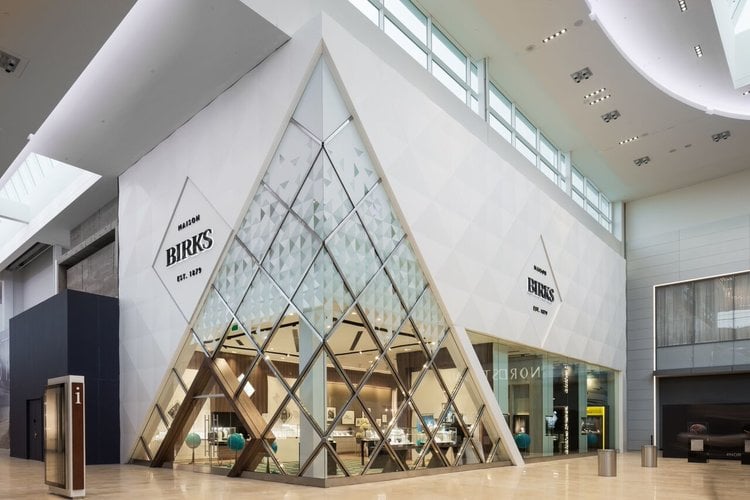
The timing is closely connected to Birks’ existing compliance issues with the NYSE American. Birks was notified in February 2025 that it did not comply with certain continued-listing requirements related to shareholders’ equity and sustained losses. The exchange later accepted a compliance plan submitted by the company and gave Birks until August 25, 2026 to regain compliance.
The voluntary delisting was announced less than three weeks before that period was scheduled to end. The NYSE American had not announced that Birks’ shares would be involuntarily removed, but the company’s decision provides an orderly resolution to an exchange-compliance process that remained outstanding despite a considerably stronger fiscal year.
That context is important because the delisting follows a period of improving retail sales. Birks has made meaningful operational progress, although its financial position continues to reflect accumulated losses, substantial borrowing and the cost of adapting to changes across the luxury jewellery and watch sector.
Fiscal 2026 Results Showed Improvement
For the year ended March 28, 2026, Birks generated net sales of $205.4 million, an increase of $27.6 million, or 15.5 per cent, from fiscal 2025. Comparable-store sales increased 2.6 per cent.
Gross profit rose to $79.2 million from $66.3 million, while gross margin improved to 38.5 per cent from 37.3 per cent. Adjusted earnings before interest, taxes, depreciation and amortization increased to $12.9 million from $9.2 million.
The company also returned to operating profitability, reporting operating income of $3.1 million following an operating loss of $5.5 million one year earlier. Its net loss narrowed to $3.4 million from $12.8 million.
A significant portion of the revenue increase came from Birks’ acquisition of European Boutique, a Greater Toronto Area luxury jewellery and watch retailer. Birks completed the acquisition of European Boutique’s retail operations in July 2025, adding four stores and strengthening its position in the Toronto-area luxury watch market.
The company also reported stronger sales of Birks-branded jewellery, higher average transaction values and growth in third-party branded jewellery. Comparable-store growth of 2.6 per cent shows that the improvement was not entirely acquisition-driven, although the underlying increase was considerably more modest than the headline revenue gain.
Foreign-exchange movements also helped the results. Birks benefited from a weaker U.S. dollar and recorded a foreign-exchange gain on its U.S.-dollar debt, compared with a loss during the previous year.
Taken together, the figures marked a considerable improvement for a retailer that has experienced several years of store changes, international brand departures, management transitions and financial pressure. They did not establish that Birks had achieved sustainable profitability.
Financing Costs Remain a Burden
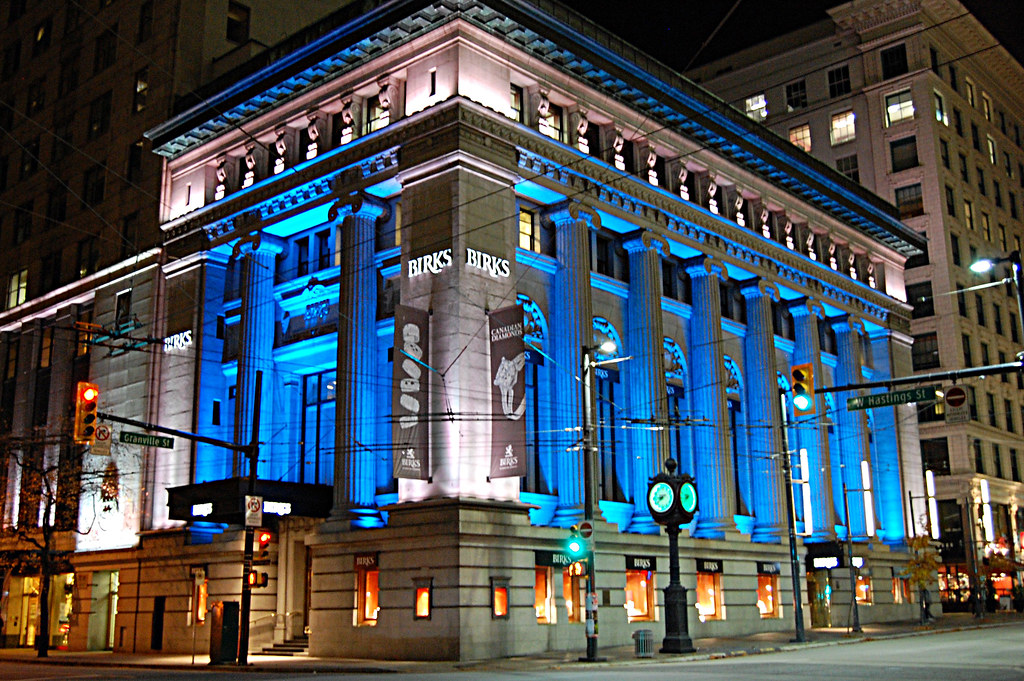
Birks remained in a net-loss position even after generating operating income during fiscal 2026. Interest and other financing costs reached approximately $8.8 million, substantially exceeding the company’s $3.1 million in operating income.
That gap helps explain why improved store performance has not yet translated into bottom-line profitability. Birks may be selling more merchandise at stronger margins, but a significant portion of the benefit continues to be absorbed by the cost of its financing.
The company ended the fiscal year with approximately $1.5 million in cash and cash equivalents. Inventory stood at more than $126 million and represented the large majority of current assets, while current liabilities exceeded current assets.
Birks also continued to report a shareholders’ deficiency, reflecting the accumulated effect of previous losses. Those balance-sheet conditions were central to the NYSE American compliance issue and could not be corrected through one year of improved sales and margins.
Luxury jewellery retailers typically carry substantial inventory, and that inventory supports Birks’ asset-based borrowing arrangements. Birks nevertheless remains dependent on continued access to secured credit and lender support.
Gordon Brothers Deal Extended Financial Runway
In June, Birks completed a financing package intended to provide additional liquidity and extend its principal debt maturities. The company entered into a five-year, $32.5-million senior secured term loan with an affiliate of Gordon Brothers. The facility replaced a previous $26-million secured term loan and matures in June 2031.
Birks also extended its revolving credit facility with Wells Fargo Canada to June 2031 and increased total commitments to $93 million from $90 million. A separate $3.75-million loan from controlling shareholder Mangrove Holding was extended to the same year.
Birks said the financing could support working capital, store renovations, omnichannel capabilities, digital commerce and other strategic initiatives. The arrangements removed a significant near-term refinancing concern and gave management more time to improve the performance of the business.
That additional runway comes at a considerable cost. The Gordon Brothers loan bears interest based on Term CORRA plus between 6.75 and 7.75 percentage points, depending on Birks’ fixed-charge coverage ratio. The Mangrove shareholder loan carries an interest rate of 12.2 per cent beginning August 1, 2026.
The refinancing addressed maturity and liquidity pressure more directly than profitability. Birks now has greater certainty around its principal lending arrangements through 2031, while interest expense remains one of the largest obstacles separating operating improvement from a net profit.
With its longer-term financing in place, the move to OTCQB resolves another area of uncertainty as management works to improve the underlying business.
Canadian Store Operations Continue
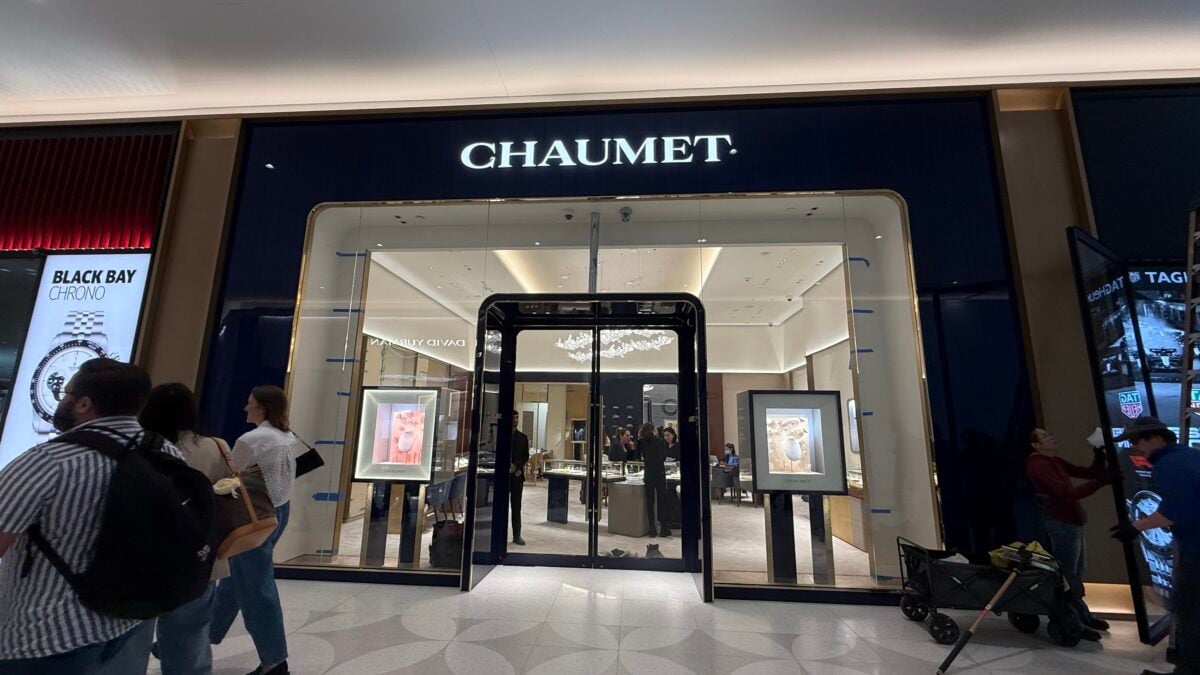
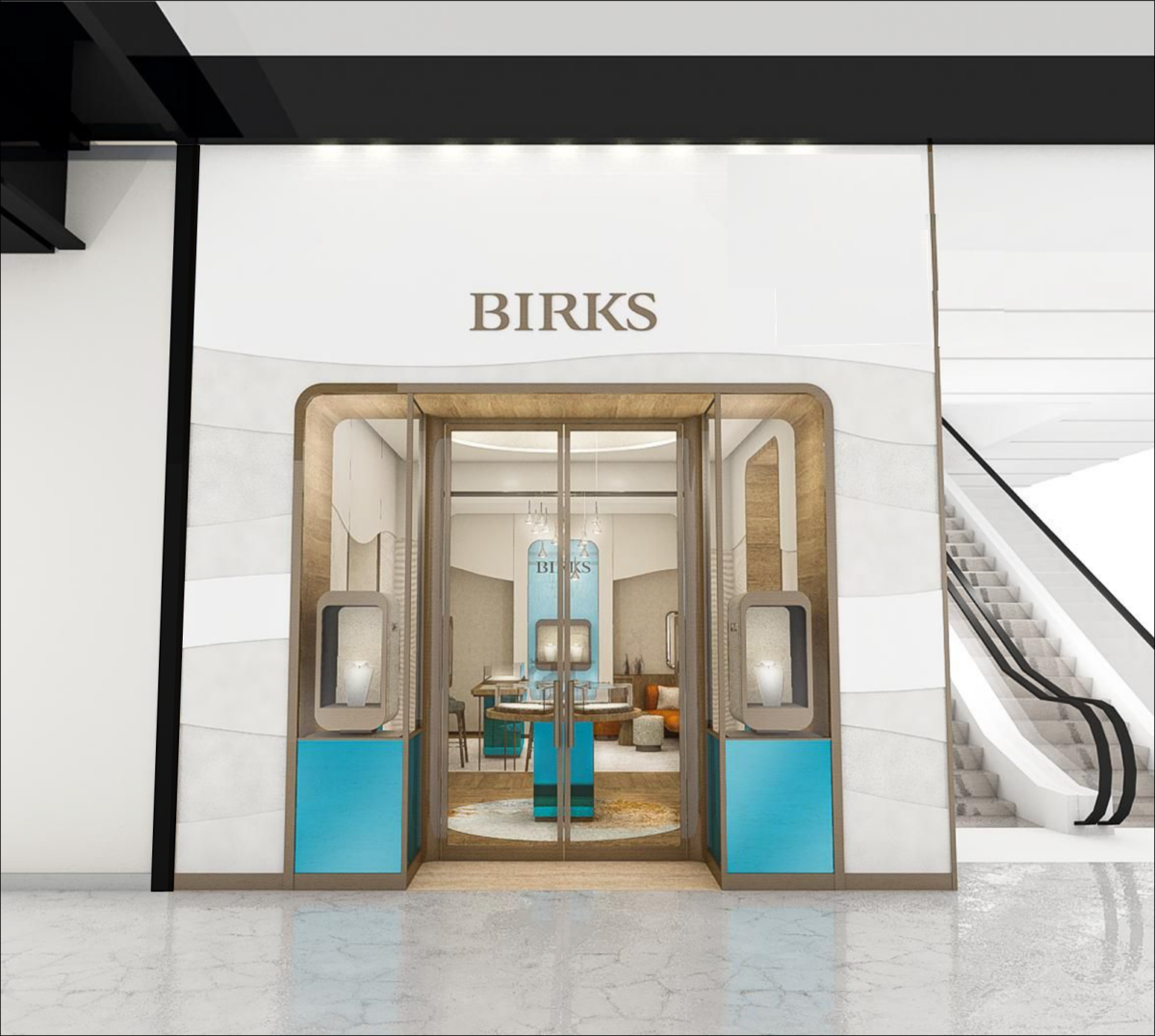
There is no public indication that the delisting will result in an immediate reduction of Birks’ Canadian retail network. The company plans to open a Birks-branded store at Oakridge Park in Vancouver in fall 2026. Birks already operates the newly opened Chaumet boutique at the development, the French jewellery house’s first standalone location in North America.
European Boutique has expanded the company’s Greater Toronto Area presence, while Birks continues to invest in its proprietary jewellery collections and selected relationships with international luxury brands. The recently completed financing package also identified store renovations, omnichannel capabilities and digital commerce among the areas that could receive investment.
In Toronto, questions have persisted around the long-term future of the Manulife Centre Birks store at 55 Bloor Street West. Former president and chief executive officer Jean-Christophe Bédos previously told Retail Insider that the store was expected to close, although he later said there was no immediate closure plan following further discussions with the landlord.
The location remains open, and a vendor Retail Insider spoke with recently said the Bloor Street store is expected to continue operating for now. Its assortment has changed considerably following the departures of Van Cleef & Arpels, Cartier and Panerai, all of which have established or expanded standalone locations nearby.
The continued operation of Bloor Street, the planned Oakridge Park store and the integration of European Boutique indicate that Birks continues to invest in its Canadian retail business. The company appears to be allocating capital selectively while adjusting its store network and brand portfolio to changes in the luxury market.
Birks Brand Takes on Greater Importance
Birks-branded jewellery was one of the stronger components of the company’s fiscal 2026 performance, and its proprietary collections are likely to become increasingly important to its future.
International luxury jewellery and watch houses have been seeking greater control over distribution, store design, presentation and customer relationships. Several brands that were once prominently represented inside Birks stores now operate their own Canadian boutiques or work through a smaller number of specialized retail partners.
Birks’ proprietary jewellery gives the company more control over product development, pricing, margins, inventory and presentation. It also gives the retailer a distinct identity at a time when access to some of the industry’s largest international brands is becoming more selective.
European Boutique provides additional scale in luxury watches, while operated boutiques such as Chaumet offer another growth model. Birks can continue participating in the expansion of international brands where suitable partnerships remain available while placing greater emphasis on the Birks name within its own stores.
The company’s ability to generate stronger sales and margins from proprietary jewellery will be important as it manages borrowing costs and invests in its network. Revenue growth will have to translate into sustained earnings if Birks is to move beyond the financial pressures that have characterized recent years.
The Next Test Is Sustainable Profitability
Birks’ departure from the NYSE American represents a significant corporate change, but the trading venue itself will not determine the future of the retailer.
The company enters fiscal 2027 with stronger revenue, improved margins, positive operating income and lending arrangements extended through 2031. It also continues to carry substantial debt, limited cash, negative shareholders’ equity and financing costs that exceeded the operating income generated during its latest fiscal year.
The OTCQB transition gives Birks an orderly path forward after a prolonged exchange-compliance process. It separates the immediate question of where the company’s shares trade from the larger challenge facing the business.
Birks has gained time, liquidity and greater certainty around its financing and public-market status. The more consequential test now is whether stronger retail performance, growth in proprietary jewellery and selective store investment can generate consistent profitability after financing costs.