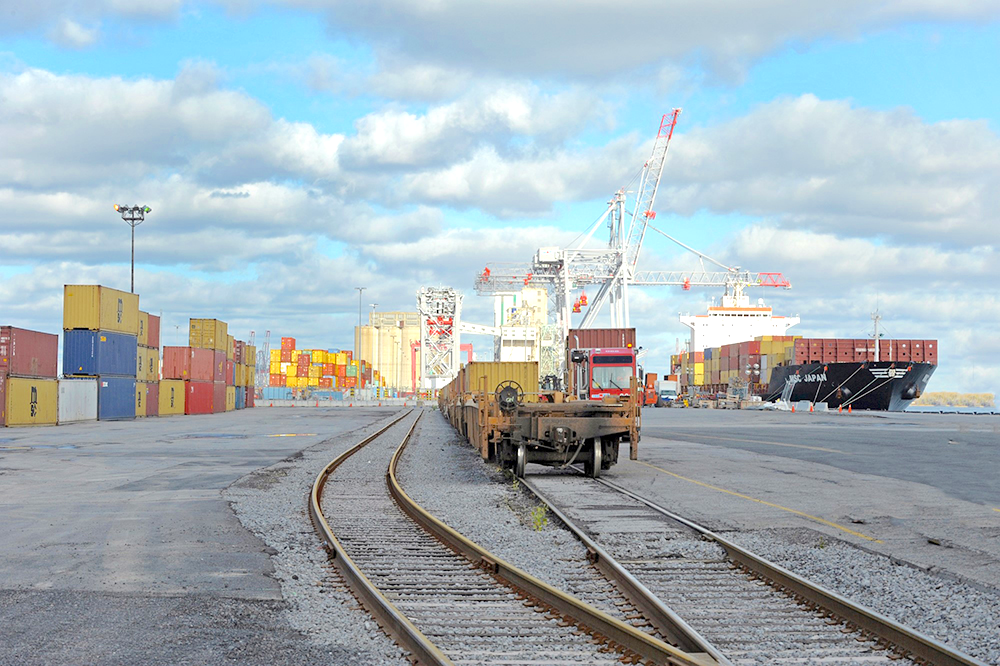
Dockworkers at the Port of Montreal launched a new strike on Thursday, October 31, shutting down two major container terminals in an ongoing dispute over scheduling and working conditions. The closure of the Viau and Maisonneuve terminals, responsible for nearly 40% of Montreal’s container capacity, raises concerns for Canadian businesses, especially as retailers prepare for the critical holiday season.
The latest strike action, which began at 11 a.m., involves around 320 dockworkers from the Canadian Union of Public Employees (CUPE). The union has specifically targeted Termont, the operator of both closed terminals, citing “unpredictable scheduling practices” that affect work-life balance as a major grievance.
According to a union spokesperson, the scheduling model used by Termont has become a focal point for workers. “The scheduling practices at Termont have made it difficult for our members to maintain a reasonable work-life balance. We’re open to negotiating a fair resolution if Termont is willing to discuss scheduling adjustments.”
In addition to the current walkout, an ongoing overtime strike continues to affect the entire Port of Montreal, intensifying concerns about delayed shipments and supply chain stability. The union has indicated a willingness to end the strike if a deal addressing scheduling concerns is reached.
Economic Ripple Effects on the Canadian Retail Industry
Julie Gascon, CEO of the Port of Montreal, expressed concerns over the impact of the strike on Quebec and Canada’s economies. As Canada’s second-largest port, Montreal plays a vital role in the import of consumer goods, electronics, and essential materials for various sectors, including retail.
“This shutdown of two major container terminals at the heart of our supply chain affects thousands of businesses across Canada,” Gascon said in a statement. “The ripple effects of this strike are considerable, and they threaten to diminish the reliability of our logistics sector in Montreal.”
With Black Friday, Cyber Monday, and the holiday season approaching, Canadian retailers are especially vulnerable to disruptions. Delays in shipments could result in product shortages, fewer holiday promotions, and revenue losses as demand spikes during the busiest shopping period of the year.
The Canadian Chamber of Commerce, joined by numerous business associations, has called on the federal government to facilitate a swift resolution to the labor dispute. In an open letter, the Chamber warned that further delays could accelerate inflation, drive up costs for businesses and consumers, and damage Canada’s reputation as a dependable trade partner.
Union Seeks Wage Parity with Halifax and Vancouver
In addition to scheduling concerns, Montreal’s dockworkers, who have been without a contract since December 2023, are asking for a 20% wage increase over four years. This demand aligns with recent wage settlements for dockworkers in Halifax and Vancouver, suggesting that the union is seeking industry parity.
However, the Maritime Employers Association (MEA), which represents Termont and other port operators, stated that any wage increases or scheduling changes require formal negotiations. The MEA contends that current scheduling structures are part of the collective agreement and cannot be changed unilaterally.
Potential Impacts on Holiday Retail and Consumer Prices
Retailers across Canada are bracing for the potential impacts on inventory and pricing as the strike disrupts a major supply chain artery. With shipping times already stretched and costs rising, many retailers may face challenges stocking products on time for the holiday season.
The potential for shortages, combined with increased freight costs from rerouted shipments, may put upward pressure on prices, affecting Canadian consumers and retailers alike. With heightened demand in the holiday season, timely and affordable shipments are crucial for retailers to maintain competitiveness and meet customer expectations.
Federal Mediation Rejected Amid Calls for Intervention
Earlier this month, federal Labour Minister Steven MacKinnon proposed appointing a special mediator to extend negotiations by 90 days without any lockouts or strikes, but the offer was rejected. Although both the union and MEA acknowledged the need for a resolution, the union reportedly declined mediation, citing the need for more immediate solutions to scheduling issues. MacKinnon’s office reiterated on Thursday that federal mediators remain available, urging both parties to work towards a negotiated resolution.