

Swiss chocolate manufacturer Lindt & Sprüngli is altering its supply strategy for Canada in response to new tariffs imposed by the Canadian government following U.S. trade actions. The company announced that it will shift its Canadian chocolate supply from U.S. factories to European production facilities to circumvent additional duties.
The decision comes as a reaction to U.S. President Donald Trump’s announcement of a 25% tariff on imports from Canada and Mexico, which took effect on Tuesday. In retaliation, Canadian Prime Minister Justin Trudeau implemented equivalent 25% counter-tariffs, affecting various imported goods, including confectionery.
Minimizing Business Disruption in Canada
Lindt, known globally for its Lindor truffles, Gold Bunny chocolates, and Excellence bars, currently produces 95% of its U.S.-sold chocolates within its five American factories. These facilities also supply the Canadian market, making them susceptible to the new trade restrictions.
However, Lindt CEO Adalbert Lechner confirmed that the company is taking steps to shield its Canadian business from the effects of these tariffs. “The volumes that we source currently for Canada can all be shifted to Europe,” Lechner stated following Lindt’s recent full-year financial report.
At present, half of Lindt’s chocolate sold in Canada originates from the U.S., while the other 50% is imported from Europe. The company’s new strategy will see all Canadian supply transition to European production sites, a move expected to be completed by mid-year.
Strategic Inventory Management
Lindt has preemptively increased its Canadian stock levels with U.S.-produced chocolates to allow time for this supply chain shift.
Chief Financial Officer Martin Hug acknowledged that while European shipments will be slightly more expensive, the cost increase is still preferable to the financial burden of tariffs.
“Transporting chocolate from Europe to Canada will be marginally pricier, but this cost is significantly lower than absorbing the tariffs imposed on U.S. goods,” Hug explained.
Additionally, Lindt executives believe Canadian consumers may be more inclined to purchase European-made chocolates over U.S.-produced ones, reducing potential consumer backlash from those opposed to purchasing tariff-affected American products.
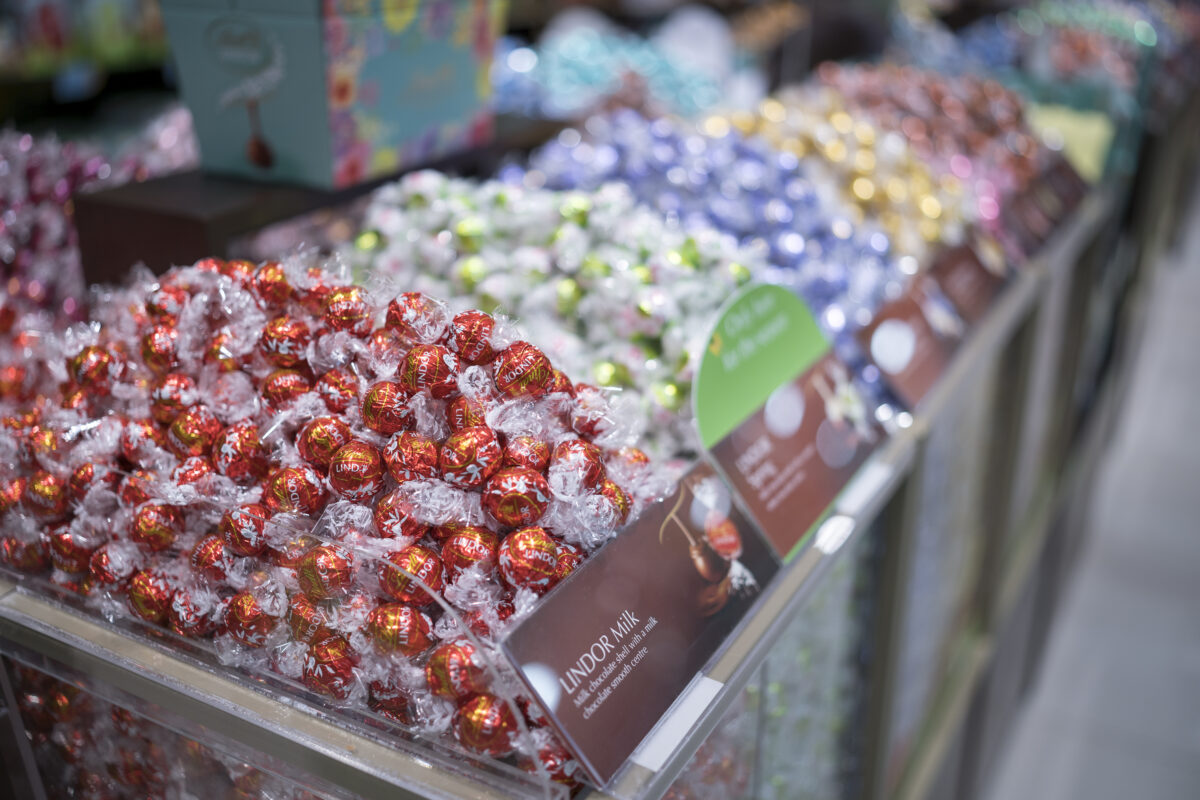
Lindt’s Strong Presence in Canada
Lindt & Sprüngli has been a well-established name in the Canadian chocolate industry. That includes wholesale distribution and a network of over 50 stores coast-to-coast. Founded in 1845 by David Sprüngli-Schwarz and Rudolf Sprüngli-Ammann, the company has grown into one of the world’s most recognized premium chocolate brands.
One of Lindt’s major contributions to modern chocolate production came in 1879, when Rodolphe Lindt invented the conche—a machine that revolutionized the texture and taste of chocolate by creating a smooth, melt-in-your-mouth experience.
Lindt’s global reach now extends to over 120 countries, with its most iconic products including:
- Lindor truffles
- Gold Bunny chocolates (a seasonal bestseller)
- Excellence bars, featuring high-quality cocoa percentages
In Canada, Lindt operates a network of boutique and outlet stores, offering a broad selection of its signature Swiss chocolate creations. The brand is also available wholesale at retail across the country.
Lindt follows a “bean-to-bar” philosophy, overseeing every stage of production—from cocoa bean selection to the final packaging. This ensures that its chocolates maintain premium quality standards while also adhering to ethical and sustainable sourcing practices.








This is great news!
Why can’t Lindt build a manufacturing facility in Canada?