Advertisement
Home Blog Page 1025

BRIEF: Canada’s Sunrise Records Bids on UK’s HMV, Rexall Partners with M&M Foods

Retail Insider Brief

By Retail Insider 

Canadian Music Retailer Sunrise Records Bids on UK-Based HMV

Sunrise Records and HMV

On Sunday the Financial Times reported that Toronto-based Sunrise Records is bidding to save British music retailer HMV, which went into administration in December. 

HMV, which operates 125 stores, is owned by Hilco Global — Hilco was appointed by KPMG in early January to oversee the sale or closure of HMV, and it appears that a sale could be in the works. More than 2,000 people reportedly work for HMV as well as its smaller Fopp chain. 

Sunrise Records bought HMV’s Canadian operations in 2017, saving it from closing. Sunrise, which had only 10 stores, took on an additional 70 HMV locations — a bold move considering that the stores were losing an estimated $100,000 daily. Sunrise Records president Doublas Putman said that he anticipates growth in the resurgence of vinyl records, and the Canadian chain also sells an expansive assortment of DVD’s, electronics, toys and various branded figurines.

Rexall Partners with M&M to bring groceries to Rexall drug stores

The Globe & Mail [paywall] first reported that Canadian drug store chain Rexall has struck a partnership with Canadian frozen foods supplier M&M Food Market (formerly ‘M&M Meat Shops). Many of Rexall’s frozen food areas will be replaced by “express” M&M sections. 

It’s a smart move — several years ago Shoppers Drug Mart began beefing up its food business in many of its stores after it was acquired by Loblaw in 2014, with some Shoppers Drug Mart locations now featuring mini-grocery stores with meat and produce. Rexall and Shoppers Drug Mart are fierce competitors in Canada and Rexall is stepping it up with the new partnership.

According to an interview with Marina Strauss in the Globe & Mail, M&M realized that it was too expensive to open standalone stores in downtown cores such as Toronto and Vancouver, while opening standalone stores in smaller communities also wasn’t viable. M&M now has access to markets that it didn’t expect were feasible.

In the end, the consumer wins — Rexall and Shoppers Drug Mart both feature stores in dense urban centres, and expanded food offerings will expand nutritional offerings in areas that may otherwise lack grocery stores. In some cities building purpose-built grocery stores can be costly and complicated and in some instances wouldn’t make financial sense. Retailers also gain from the arrangement as people typically buy food more often than they do other drug store items, and Rexall anticipates increased footfall. 

Palm Beach Gardens Shopping Centre Targets Canadian Retailers Targeting US Consumers

It’s not just ‘snowbirds’ that are heading down south for the winter this year. Downtown at the Gardens, located in Palm Beach Gardens, Florida, has partnered with Toronto-based pop-up retail facilitator pop-up go to enable Canadian brands to launch in the South Florida market and introduce themselves to a US customer base. 

Downtown at the Gardens in an open-air shopping centre with over 50 unique stores and restaurants. Its architecture reflects the area’s lush, tropical ambiance. An estimated 245,895 people live within a 10-minute drive — average incomes are $105,110 (well above the US average).

“Most brands want to be in the United States. Whether it’s a Canadian brand starting an aggressive expansion plan south or simply testing the market in Southern Florida, the demand is always there,” said Linda Farha, Founder and Chief Connector of pop-up go. “The surroundings at Downtown at the Gardens sets an impressive stage for customers and, combined with the amazing pop-up-ready spaces available, present a great opportunity for businesses that want to step up their marketing game in 2019.”

Downtown at the Gardens has a limited number of pop-up spaces ranging from 1,050 to 6,150 square feet. Included are a restaurant-style space with built-in seating, a former gym that can be used for recreational-focused events or repurposed for something entirely new, and a sleek modern showroom-style space. For more information, email: info@popupgo.com.

Join Retail Insider at eTail Canada this spring

The popular eTail Canada conference is being held again this year May 7-9 at the Hyatt Regency Hotel on King Street West in Downtown Toronto. Retail Insider readers get a special discount by using code: ETC19RETINS.

More than 500 senior-level retail executives from companies such as Alibaba, Amazon and Best Buy will meet to benchmark, network, and discuss the future of the industry. If you want to develop a cutting-edge retail tech strategy or benefit from disruptive content and focused peer-to-peer networking, eTail is an event you can’t miss.

The annual eTail conferences launched in 1999 in an effort to bring together the top retail minds to discuss the latest omni-channel retail strategies across all touch points. Included, as well, is an impressive roster of speakers. For more information, visit: https://etailcanada.wbresearch.com

Gymboree Canada Goes to Court

Gymboree Storefront

Gymboree Canada, the Canadian division of the US-based children’s retailer, was in court late last month pertaining to the bankruptcy of its US parent company. What’s unusual is the fact that four agents have been appointed to liquidate Gymboree’s Canadian stores. Those include GA Retail, Inc., Tiger Capital Group, LLC, Gordon Brothers Retail Partners, LLC, and Hilco Merchant Resources, LLC. 

According to industry publication Insolvency Insider, Gymboree is using four liquidators because of ‘prevailing market dynamics’ as well as the fact that individual liquidators are already so busy liquidating other retailers that a partnership makes sense to clear out the vast stock. “Liquidators who might normally submit a stand-alone proposal are already engaged to conduct liquidations of other retailers, such as Sears US and Toys “R” Us.”, according to an affidavit. 

The Agents are guaranteeing a minimum recovery of 89% of the cost value of the inventory included in the sale. Gymboree also put forward a set of sales guidelines for approval, which it noted were substantially similar to other sales guidelines that have been approved in other court-approved store closing sales in Canada, such as Sears. 

You can read more at the Insolvency Insider Document Library [Subscribe to Insolvency Insider]

World’s 2nd ‘Gucci Beauty House’ Opens at Yorkdale

The highly productive Holt Renfrew store at Toronto’s Yorkdale Shopping Centre is now home to the world’s second ‘Gucci Beauty House’. 

The shop-in-store allows customers to build their own fragrance with Gucci’s ‘The Alchemist Garden’ collection and it also offers products from the Gucci Guilty fragrance collection. 

Yorkdale’s Holt Renfrew regularly features unique pop-up activations, which is a model other similar stores might want to consider to keep things fresh. Holts’ Yorkdale flagship is undergoing a 10,000 square foot expansion that will open later this year, featuring larger spaces for brands Fendi and Dior, as well as a ‘World of Gucci’ boutique concession. A Dior women’s shoe boutique recently opened in the store’s footwear hall and new spaces for Balenciaga and Prada men are on the way too. [Photos via Yorkdale/Facebook]

Design firm figure3 welcomes newest Principal

Dominic De Freitas

Toronto-based figure3 welcomes Dominic De Freitas as the newest Principal, joining the existing partnership of Darryl Balaski, Eric Yorath and Suzanne Bettencourt. Mr. De Freitas joined figure3 more than five years ago. 

The design firm has doubled in size, volume and revenue over the past five years. “We are so excited to welcome Dominic to the partnership,” said Suzanne Bettencourt. “With his tenacity, courage and entrepreneurial originality, he has rapidly built an incredible residential business at figure3.”

Figure3 has been in operation for more than 23 years, having won numerous awards for its interior design-related work including retail, residential and workplace design. The company utilizes a ‘Connected Point’ process when evaluating projects that takes an in-depth look at human behaviour while creating physical environments. 

Canadian Retailers Target Chinese with Lunar New Year Campaigns

PHOTO: YORKDALE SHOPPING CENTRE

China is about to eclipse the United States as the world’s biggest retail market, and Chinese consumers are expected to account for about half of all luxury retail sales by 2025. 

Canadian retailers and shopping centres are getting in on the celebrations. That includes unique events as well as exclusive product launches, many themed around the ‘Year of the Pig’ featuring the colour red. Chinese Lunar New Year is Tuesday, February 5. 

Holt Renfrew, which has emerged as Canada’s leading multi-brand luxury fashion retailer, has partnered with Alipay on a new campaign, for example. Alipay users in Canada are able to purchase Holt Renfrew gift cards through Alipay, while receiving additional perks through the mobile wallet app. Many Chinese consumers prefer to use mobile payments so the partnership makes sense. 

Other retailers in Canada are celebrating the Lunar New Year — Hudson’s Bay, Birks, Leone and others features in-store displays as well as special exclusive offers. 

According to Alipay, visitors from China spent a whopping $304-milion in the Toronto area in 2017, which was an increase of 147% over five years. During ‘Golden Week’ in 2018, approximately 300,000 Chinese tourists visited Vancouver.

Canadian shopping centres are also marking the festivities, particularly in the Vancouver and Toronto areas that are home to substantial Chinese populations, and are also significant draws for tourists (though less so in the winter). Toronto’s Yorkdale Shopping Centre is offering discounts and special offers, and has an eye-catching gold pig statue on display in front of Holt Renfrew. Centres such as Square One in Mississauga are offering similar discounts and a percentage of sales back on gift cards, and Oakridge Centre has been hosting events that included a marketing initiative for its new residential component spearheaded by developer Westbank — however some weren’t happy with live baby pigs being part of the evening.
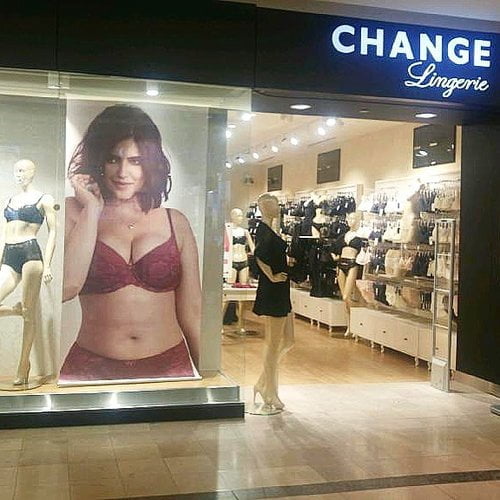
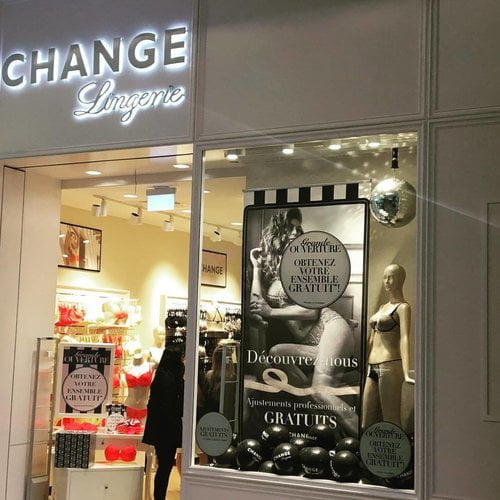
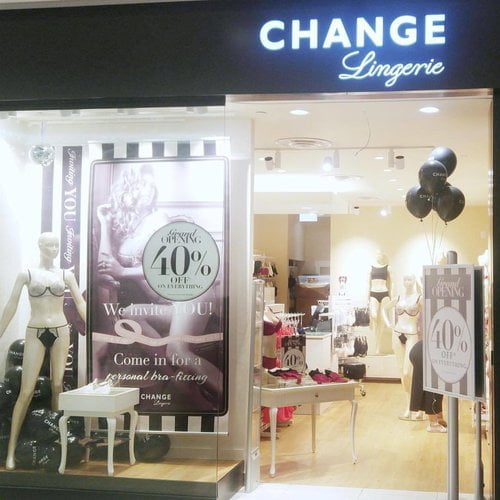
Change Lingerie Continues Aggressive Canadian Expansion, Including Plans for 1st Alberta Stores

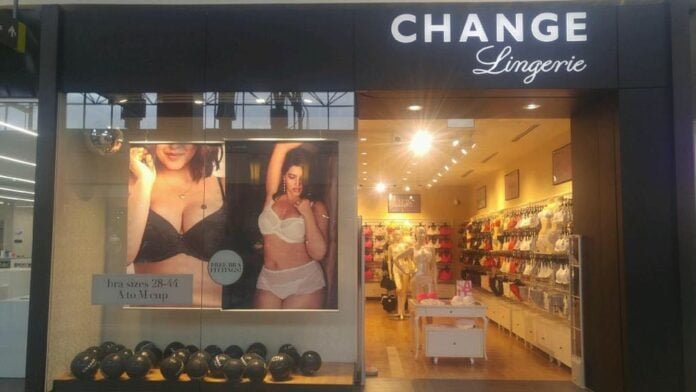
CF LIME RIDGE (HAMILTON) LOCATION. PHOTO: CHANGE LINGERIE FACEBOOK

Danish lingerie and fashion brand Change (formerly ‘Change of Scandinavia’) recently opened three new boutiques in Canada and has plans to open as many as 10 stores here in 2019. In 2020, the retailer plans to open its first stores in the province of Alberta as Change expands its operations coast-to-coast. 

The most recent store openings for Change in Canada included a 705 square foot unit at the CF Rideau Centre in Ottawa, a 590 square foot store at CF Galeries d’Anjou in Montreal, as well as a 1,000 square foot unit at Les Promenades Gatineau in the Ottawa Capital Region, which is now one of Change’s largest stores in Canada. 

Change is planning to open up to 10 locations in Canada in 2019 with a focus on British Columbia, Ontario and Quebec. In 2020, the brand plans to open in the Alberta market. Stores will ideally be in the 600 to 1,000 square foot range and locate in busy malls or on vibrant urban high streets. Alberta is home to several of Canada’s top shopping centres in terms of sales per square foot productivity, according to Retail Council of Canada’s most recent Canadian Shopping Centre Study.

PLACE MONTRÉAL TRUST LOCATION. PHOTO: CHANGE LINGERIE FACEBOOK

Change launched in Denmark as a private label brand in 1995, and its first retail store opened in Copenhagen in 2001. The company now operates more than 250 corporate and franchised stores  in 15 countries across three continents (Europe, Asia and North America), as well as an international e-commece website.

Change lingerie entered the Canadian market in 2006, and has picked up the pace of its expansion over the past couple of years. The brand now boasts 23 locations in Canada. Those include six in British Columbia (Vancouver x 2, Burnaby, Coquitlam, Richmond and West Vancouver), one in Saskatchewan (Saskatoon), nine in Ontario (Toronto x 3, Thornhill, Oakville, Burlington, Oshawa, Hamilton and most recently Ottawa), and seven in Quebec (Montreal x 5, Saint-Jean-sur-Richelieu and now in Gatineau).

In 2018, Change opened two stores — a 1,045 square foot unit at Metropolis at Metrotown, in suburban Vancouver, as well as an 875 square foot boutique at the CF Lime Ridge shopping centre in Hamilton.

Change lingerie has seen remarkable demand which is due, in part, to its expansive range of bra sizes when compared to similar retailers. Change boasts a vast selection of more than 110 different sizes, with approximately 75% of its bras being in the DD to M cup size range (most lingerie retailers operating in Canada sell bras in the B-D size range). Change stores offers free bra fitting to ensure that its products meet the needs of its diverse customers, and prices are kept reasonable to attract a broad clientele. Approximately 75% of Change’s revenue comes from underwear and bras, with the remainder from loungewear, swimmer, nightwear and stockings. 

As a result, Change competes with retailers such as Victoria’s Secret, La Senza and La Vie en Rose, among others. It also competes with department store lingerie departments such as those at Hudson’s Bay, which can be substantial. Change’s value proposition is in its customer-centric boutique format as well as its vast sizing assortment that is often not available in other more traditional retailers. 

Change is working with Tony Flanz of brokerage Think Retail on its Canadian store expansion and is the contact for enquiring landlords. 

Holt Renfrew Goes Big with ‘World Of’ Flagship Luxury Brand Boutiques [Analysis]

PHOTO: HOLT RENFREW

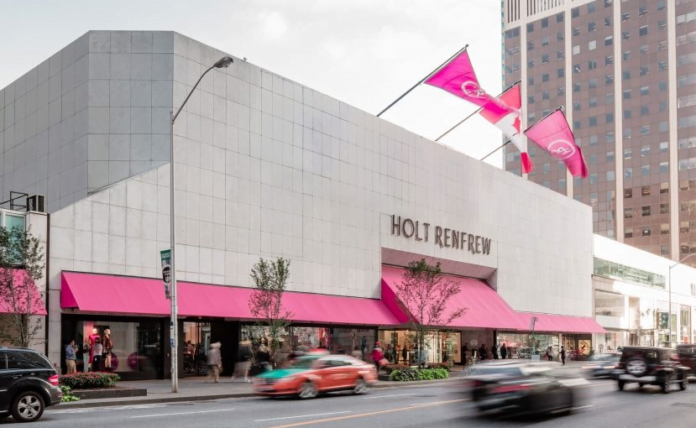
Large-format luxury retailer Holt Renfrew is addressing competition by opening full-sized ‘world of’ leased shop-in-store concessions in an effort to attract the world’s top brands to its stores. Holt Renfrew is taking a page from sister retailer Selfridges in London UK and similar retailers in Europe, some of which offer an expanded assortment of product in concessions that feature accessories as well as ready-to-wear in spaces larger than typical department shop-in-stores. 

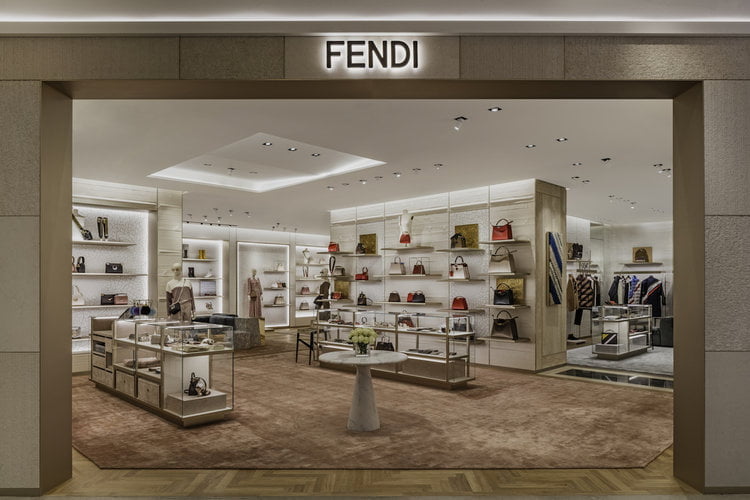
Several ‘world of’ leased concessions have opened in Holt Renfrew stores in Canada, with more on the way over the next couple of years as Holt Renfrew updates its fleet of stores. We recently reported on Fendi opening a ‘world of’ concession at Holt’s Bloor Street flagship — spanning about 3,000 square feet and carrying a full range of bags, accessories, footwear and fashions for men and women, the new Fendi is more comprehensive in its offerings than some of the brand’s standalone units. 

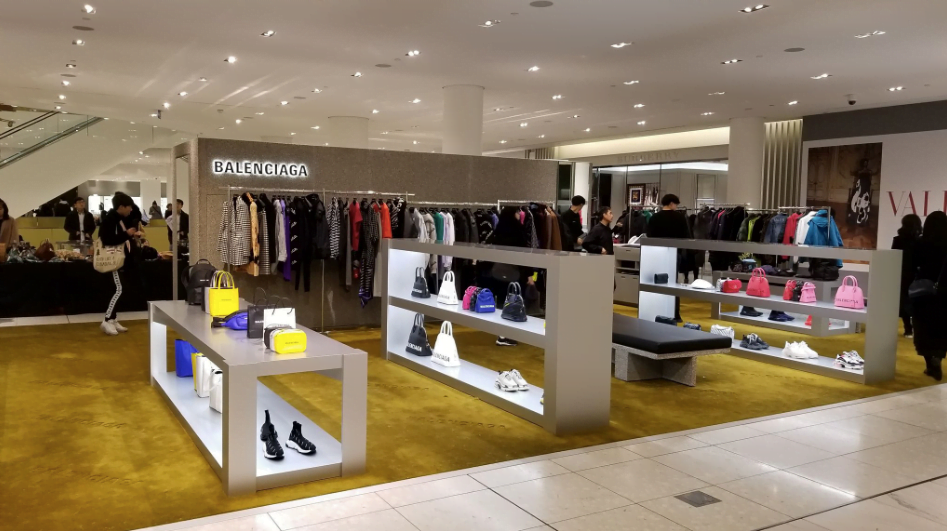
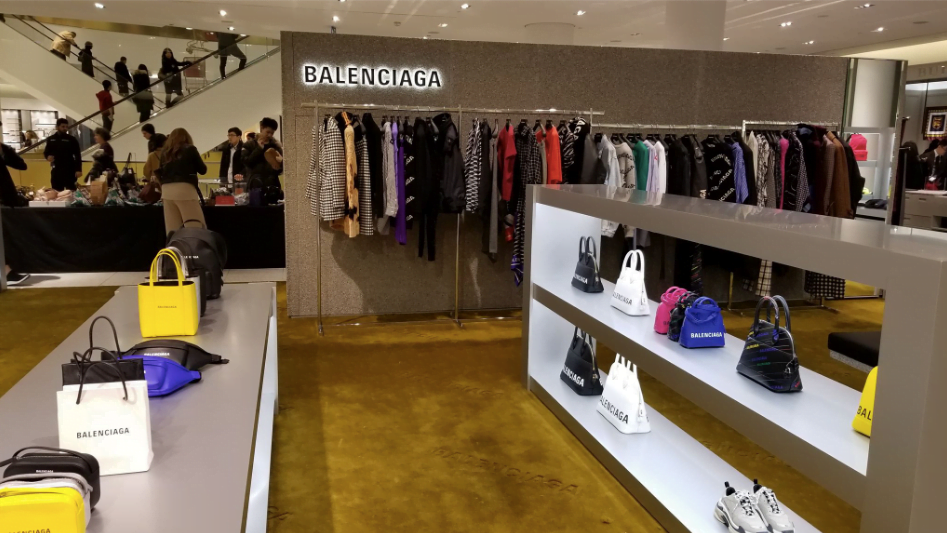
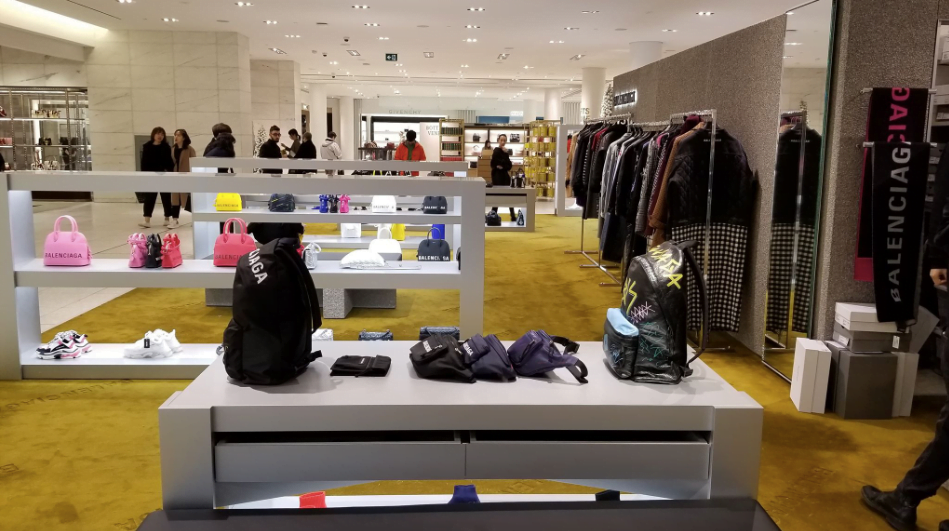
In Vancouver, Holt Renfrew recently unveiled a ‘world of’ concession for super-hot luxury brand Balenciaga, which is a first in Canada for the luxury brand. Balenciaga’s Vancouver location also carries a full range of apparel and accessories in an open space on the street level of the CF Pacific Centre flagship, which sells well into the hundreds of millions of dollars annually in the multi-level space. 

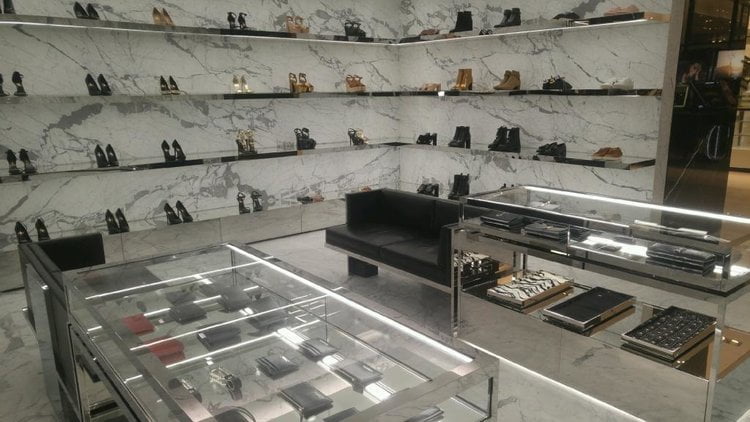
Holt Renfrew kicked-off the ‘world of’ concession expansion when it opened a 3,000 square foot Saint Laurent leased boutique on the street level of its Bloor Street flagship in Toronto in the spring of 2018. The full range of apparel and accessories can be found in the store. 

More ‘world of’ concessions will be opening in Holt Renfrew stores in 2019. Gucci is set to unveil a large concession space at Holt Renfrew’s highly productive Yorkdale Shopping Centre store in Toronto, which is expanding to accommodate larger concessions for brands such as Dior and Fendi. Burberry is also said to have leased space in the store for a ‘world of’ boutique that will accommodate a full-range of products from the brand. 

SAINT LAURENT AT HOLT RENFREW ON BLOOR IN TORONTO. PHOTO: DAVID IAN GRAY

The expanded ‘Holt Renfrew Ogilvy’ store in Montreal, which is expected to be completed in 2020, will also feature large concession spaces for brands such as Hermes (about 3,000 square feet), Christian Dior (about 2,000 square feet) and Prada, which will span about 2,300 square feet, according to the company. It’s unclear which brands, if any, will feature ‘world of’ concessions in the 250,000 square foot Holt Renfrew Ogilvy store — despite having large floor plates, some brands have said that it has been challenging to secure large enough spaces on the highly desirable street level of the store, which will become something of a ‘shopping centre’ with multiple leased concessions for top brands. 

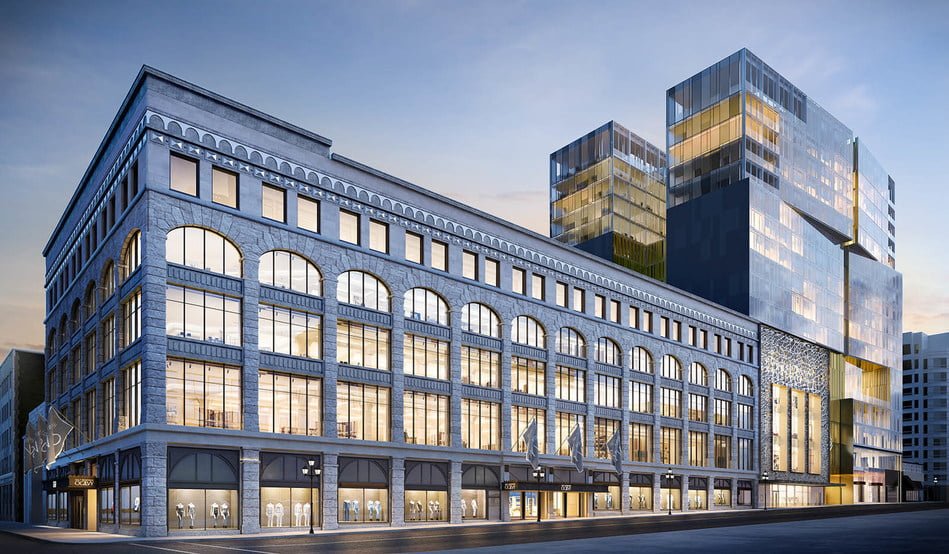
THE ‘HOLT RENFREW OGILVY’ STORE MONTREAL, WHICH IS EXPECTED TO BE COMPLETED NEXT YEAR, WILL INCLUDE A GROUND FLOOR LUXURY HALL THAT WILL BE PRIMARILY LEASED CONCESSIONS FOR LUXURY BRANDS. RENDERING: GENSLER
‘WORLD OF’ FENDI AT HOLT RENFREW, 50 BLOOR ST. W. IN TORONTO. PHOTO: HOLT RENFREW/FENDI

The comparison to a ‘shopping centre’ could also be used for the Vancouver and Toronto Holt Renfrew stores. Holt Renfrew is dedicating substantial space in its stores for leased departments, which is resulting in a situation where Holts is acting more as a landlord than a retailer. Holt Renfrew will maintain sections in its stores where multiple brands will be showcased, though sections of some stores will become a curated collection of leased boutiques where Holt Renfrew provides space, marketing, and an overall environment to draw-in wealthy shoppers. 

The model appears to be working for Holt Renfrew. Sales were said to have gone down with the opening of Saks Fifth Avenue and Nordstrom in Canada, though Holt Renfrew has come back and is said to be seeing strong sales numbers particularly from its Vancouver and Toronto (Bloor and Yorkdale) stores. The clustering of the hottest luxury brands in the world acts to attract wealthy shoppers seeking something of a ‘one-stop shop’ where Holt Renfrew acts as a gathering place.  

As a comparison, Saks and Nordstrom in Canada do not currently feature large ‘world of’ leased concessions. Saks Fifth Avenue’s downtown Toronto store, which opened in early 2016, includes a clustering of luxury accessory concessions including Dior, Fendi and Louis Vuitton (as well as several Saks-run shop-in-stores for brands such as Bottega Veneta, Saint Laurent and Chloé) and the Vuitton concession is the largest in the ground-floor accessory hall with about 1,200 square feet of space, according to Saks. 

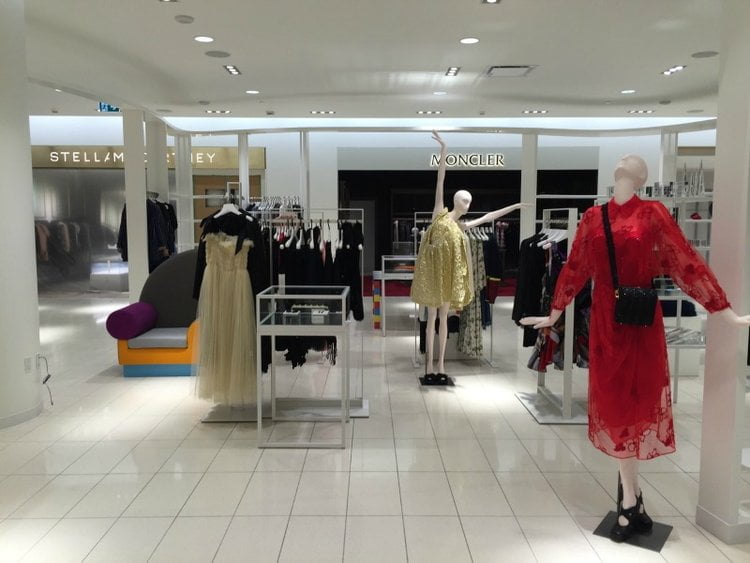
INSIDE NORDSTROM AT CF TORONTO EATON CENTRE. NOTE: THE STELLA MCCARTNEY AND MONCLER BOUTIQUES ARE OPERATED BY NORDSTROM AND ARE NOT LEASED CONCESSIONS. PHOTO: DEVON JOHNSON
PHOTO: SAKS, VIA INSTAGRAM

Nordstrom, which typically doesn’t lease space to luxury brand concessions, has done so with a handful of brands such as Chanel and Louis Vuitton in its US stores. In Canada, Nordstrom’s highly productive Vancouver flagship includes a Christian Louboutin concession on its street-level, as well as a leased area for pricey Brussels-based brand Delvaux. In Toronto, Gucci operates a surprisingly large accessory boutique inside of Nordstrom’s CF Toronto Eaton Centre location, and Delvaux operates a boutique at Nordstrom’s Yorkdale location (Delvaux is said to be seeking to open a standalone unit in Toronto at some point, which would be a second in North America for the brand). 

Holt Renfrew stands to gain from offering a full range from some brands — the store gains credibility with expansive brand offerings, and brand fans are flocking to stores that have an enhanced product assortment. Given the space dedication Holt Renfrew is willing to give some brands, it is likely that Holts will be able to maintain relationships despite the buying power and pull of US-based Saks and Nordstrom. 

The ‘world of’ concession phenomenon is still relatively new to North America, with US-based Neiman Marcus and Saks typically offering smaller shop-in-store boutiques that often carry only accessories or ready-to-wear. Paris-based Chanel is a remarkable example — in the United States, Chanel’s shop-in-stores are often separated into two spaces, often on different floors, with one shop carrying accessories and another ready-to-wear. In Canada, all five of Chanel’s concessions in Holt Renfrew stores are in one space that includes accessories, leather goods, footwear and ready-to-wear fashions for women. The Vancouver Holt Renfrew Chanel concession is the largest of its kind in Canada, spanning more than 5,000 square feet. Some say that it is selling more per square foot than any Chanel concession in the world, with annual revenue approaching nine figures.  

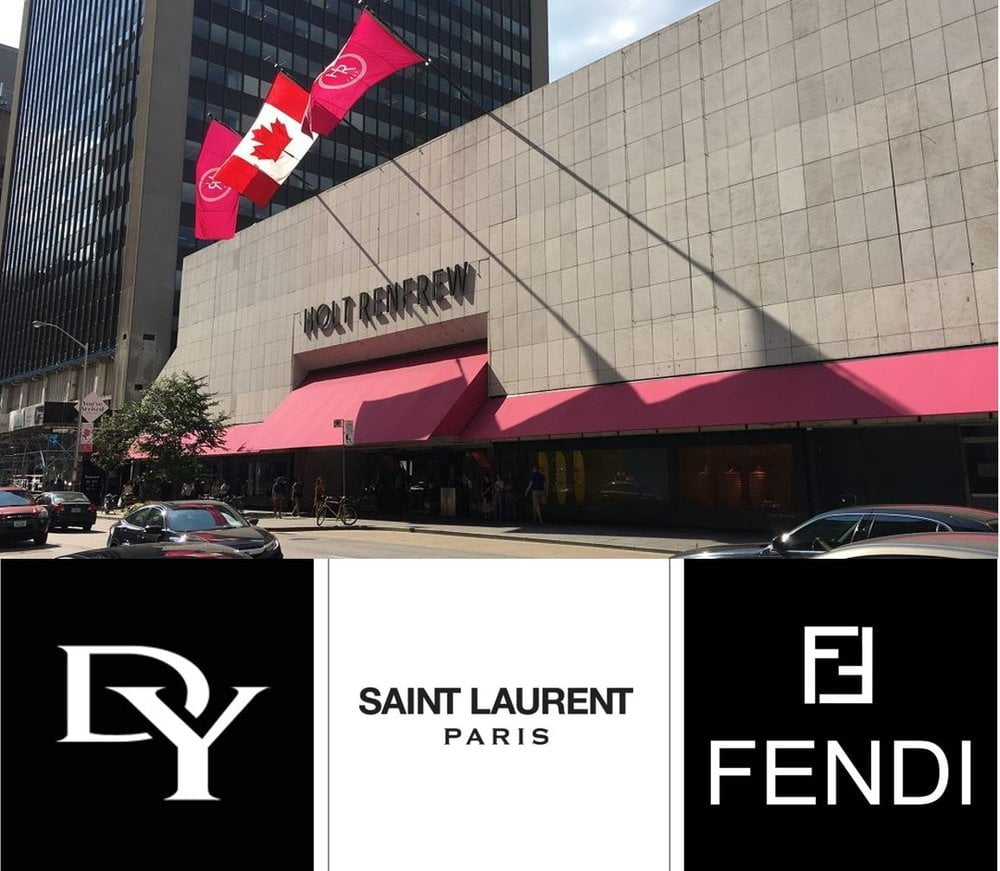
An unintended consequence to ‘world of’ leased concessions opening at Holt Renfrew is that some brands may choose to remain inside of Holt Renfrew, rather than lease standalone retail spaces nearby in the City. In downtown Toronto, for example, it is less likely that Saint Laurent and Fendi will open standalone units in the Bloor-Yorkville area as some had expected — Holts is said to work out deals with its leased vendors where construction costs are shared, and a percentage as rent is paid. Luxury jeweller David Yurman was said to be looking at standalone space in Toronto’s Bloor-Yorkville until Holt Renfrew offered the brand prime real estate formerly housing Louis Vuitton on the street level (Vuitton recently relocated in Holt’s Bloor to a larger space). 

Vancouver is a different story. Many luxury brands are said to be eyeing space in downtown Vancouver, and the city’s Alberni Street/‘Luxury Zone’ has few spaces available. Balenciaga secured a Vancouver space at Holt Renfrew because the popular brand lacked appropriate street-front space in the downtown core. Bulgari is another example — the Italian luxury jewelry brand opened its first Vancouver boutique inside of Holts in February of 2018 in a 450 square foot space, with the only other Bulgari boutique in Canada being a standalone unit at Toronto’s Yorkdale Shopping Centre, with more than 1,930 square feet.

We’ll continue to discuss the ‘world of’ leased luxury brand concession model in Canada as more locations open. The trend is more common in larger global department stores, and Holt Renfrew is utilizing the model in order to create a more dynamic and experiential environment for its target market. 

* NOTE* A negative comment that was posted in the comments section of this article from “Donna Reeve” (former VP/GM of Saks Fifth Avenue in Toronto) is confirmed to have not in fact been posted by her. The individual who posted the comment did so fraudulently, and their identity is unknown to us. We apologize and would like to again reiterate that Donna Reeve did not post any comments in relation to this article.*

Crackdown on ‘Fraudulent’ Olive Oil at Canadian Retailers Says Expert

PHOTO: NATURAL PRODUCTS INSIDER

Olive production in Italy was hard hit last year due to an early frost. The country’s olive production dropped by 57%. Both Greece and Portugal suffered a similar fate, along with pest issues, and saw their production drop by 35% and 15%, respectively. Pressures generated by shorter supplies with any food product have historically generated more cases of economically-motivated adulteration. This is often the case for spices, tea, vinegar, wine, and of course, olive oil. For fear of losing market share from forced higher retail prices, companies will sometimes commit food fraud in order to cut costs. However, in the case of olive oil, the Canadian Food Inspection Agency appears to have things under control.

PHOTO: DIET OF LIFE

Since June, 2018, many Canadians have noticed that retail prices for olive oil have gone up by over 40% in some cases. When olive oil gets more expensive to produce, processing companies may be tempted to adulterate their products by using palm oil, soya oil or even sunflower oil. The first cases of adulterated olive oil go back to the Roman Empire, so this isn’t a new issue. Even some well-known brands have been involved in cases of adulteration. It is quite easy to switch ingredients, as most consumers would probably not notice the difference in taste. Food fraud affects many food categories, but stakes are a little higher with olive oil, due to potential allergens in substitute ingredients.

In recent years, the CFIA has actually tested some products if it suspects them to be fraudulent. In 2013, 39% of random tests found adulterated olive oil. A total of 28 samples were collected across the country. That ratio went down to 10% in 2018, with the random testing of 20 samples. Obviously, these results do not mean cases of food fraud are actually down in Canada – far from it – but reports are encouraging, nonetheless. This may suggest that the industry is now fully aware that our federal regulator is checking and will find fraudulent products. Anything more than 0% is too high, but the situation appears to be improving. A study out of California a few years ago estimated that almost 69% of all olive oil imported to North America was fraudulent. Most fraudulent products in the study had been produced using chemicals, making them ineligible to be considered extra virgin. The recent numbers determined by the CFIA are nowhere near that high.

Food fraud remains one of the most significant challenges in the food industry. According to some estimates, the intentional adulteration, substitution or misrepresentation of food for financial gain costs the global food industry well over $70 billion. The practice lowers standards for all in the industry and makes conditions for compliant food companies more difficult. Worse, given that mislabelling is the ultimate outcome of food fraud, many consumers with health conditions are exposed to unwarranted risks from hidden ingredients.

PHOTO: WONDER HOW TO

With new technologies, a change in consumer expectations about food fraud, and regulators playing a more active role, fraudulent behavior is slowly becoming marginalized. Such an accomplishment should be celebrated, but much more needs to be done. Public awareness and education, as well as allowing consumers to report suspicious products should be encouraged. The most common cases of food fraud in Canada remain misrepresentation with organic and local products. A simple laboratory test only to identify foreign ingredients is not nearly enough. 

It has been argued recently that blockchain technologies can help the food industry address food fraud. The concept has merit, but its case for market currency remains to be proven. Many grocers have embraced the approach while facing some resistance higher up the food supply chain. For blockchain technologies to work, all involved within the supply chain must comply.

In the mean time, for olive oil enthusiasts, vigilance is a virtue. Typically, 500 millilitres of good quality olive oil should cost 15 to 16 dollars to produce. Price points at retail for good olive oil should be higher than this. So, if you are looking at a bottle retailed at 10 dollars or less, just walk away. 

BRIEF: Jean Machine Closes All Stores, Virgil Abloh’s Louis Vuitton Men Lands in Canada

exc-5c52257240ec9a228d2202ab

Jean Machine Closing All Stores After Four Decades of Denim Dispensing

Canada’s long-surviving Jean Machine filed for bankruptcy in 2017, and while there had been rent relief for some of its 30 locations by parent company Comark, it wasn’t enough. With 10 leases up for renewal in 2019, Comark decided in summer 2018 to shutter the remaining 24 locations still active in the chain.

The Made-in-Ontario shopping mall retailer had led denim trends with the introduction of the ‘painter-pant’ and created buzz with innovations such as graffiti-covered walls, phone booths where teenagers could make calls for free; outrageous furniture such as orange PVC loveseats, and bringing in the mothers of New Kids on the Block to sign autographs.

Although the CF Toronto Eaton Centre store closes on January 31, the staff were still hustling to ensure long-time clients and those looking for a great sale, are greeted and served with the same personality the chain has been known for.

No word yet as to future use of the locations or availability after the company closure is completed.

Sleep Country Now Exclusively Offering European Simba Hybrid

Sleep Country Canada Holdings Inc. is exclusively offering the UK-based sleep technology brand Simba Sleep at Sleep Country and Dormez-vous, both in-store and online in Canada.

The Simba Hybrid Mattress-in-a-box is the first of its kind to enter the Canadian market. Developed based on research profiles from 10-million sleepers and 180-million body profile data points, it employs five layers of memory foam with the support of 2,500 patented conical pocket springs.

This newest entry into the mattress-in-a-box competition can be found at all 265 locations starting $999. Since its launch in 2016, Simba has already achieved sales of over 150,000 mattresses across Europe and more than 30,000 five-star customer reviews.

Sleep Country also recently acquired Canadian mattress-in-a-box brand Endy as we see unprecedented competition with more than 100 brands selling similar beds worldwide.

‘Wizard of Oz’ Inspired Louis Vuitton Pop-up Launches at Holt Renfrew

A selection of Virgil Abloh’s Spring/Summer 2019 Collection is now available in Canada exclusively at a five-week pop-up at Holt Renfrew in Vancouver. Abloh’s first collection as Men’s Artistic Director consists of 56-looks which pay homage to various scenes and themes from the classic Wizard of Oz movie.

The Vancouver pop-up interior is complete with a stylized yellow brick road, rainbow flooring, and mannequins bedecked in poppy field tops and bomber jackets. The five-week pop-up drew LV fans from the moment the doors opened with a $19,000 white sheered mink ‘denim’ jacket selling almost immediately.

The event coincides with pop-up’s in New York, Los Angeles, Miami, and Chicago. Access to the men’s boutique is directly off of Howe Street Men’s Store entrance and operates during regular store hours. Following the pop-up, other Louis Vuitton stores worldwide that carry men’s ready-to-wear will carry Abloh’s collection, including the 150 Bloor Street West Louis Vuitton flagship in Toronto.

Holt Renfrew Vancouver Seeks Liquor License for Rooftop

When downtown Vancouver’s Holt Renfrew unveiled its private shopping space ‘The Apartment’ in 2017, patrons found themselves wondering how lovely it would be to unwind on the patio after a long day of luxury shopping with bubbles and nibbles. Well, those wishes may be about to come true.

Vancouver’s pre-eminent downtown shopping destination has applied for a liquor license for booked events, such as fashion shows and product launches, to include both an indoor and outdoor patio. The address listed is 737 Dunsmuir Street and would encompass a 1,200-square-foot pavilion with an interior capacity of 60 people with the adjoining patio providing capacity for an additional 40 people. The license also includes a request to have the location accessible by minors accompanied by adults until 10:00 pm to accommodate those enjoying a meal service.

The requested hours are 9:00 am to midnight, Sunday to Thursday, and 9:00 am to 1:00 am Friday and Saturday. The company is not requesting licensing for music or entertainment. Approval would also be subject to public consultation consultation before moving forward.

An entertainment space makes sense for the highly-productive Vancouver Holt Renfrew store, which last year was said to be selling about $400-million annually. We’re hearing traffic has been down in luxury stores in Vancouver since Q4 of 2018 — stay tuned for more news as we see a shift which could be attributed in part to reduced shopping by Chinese locals and visitors.

Colette Grand Café x Qeelin Makes for a Playful Tea Time

On February 1st, Colette Grand Café and Chinese luxury jewelry brand Qeelin will introduce a delightful Afternoon Tea service exclusively in Yorkdale (Toronto) and CF Pacific Centre (Vanacouver) Holt Renfrew locations.

Qeelin has activated similar Afternoon Tea services internationally at venues including The Ritz-Carlton Hong Kong and The St. Regis Bangkok, but this will be the first Qeelin Afternoon Tea offering in Canada.

The menu includes a curated offering of sweet and savoury items including assorted vegetarian parfaits, French macarons, petit fours, scones, traditional tiny sandwiches with smoked duck, salmon, crab and shrimp, and a vegan avocado toast.

The delectable service will include a bespoke tea selection by Sloane Tea including Jasmine Snow Dragon, Jade Halo, Rouge Provence, and the signature Holt Renfrew Blend.

Holt Renfrew introduced the Qeelin jewellry line to its Toronto and Vancouver stores in 2018. The line almost completely sold out and a source says that Holts has more than doubled its Qeelin inventory for 2019.

Wuxly Movement Conquers Canada Goose et al with Its Live Warm Trade Up Program

The Made-In-Canada Wuxly Movement is continuing its Live Warm Trade Up Program after introducing it in 2016. The company endorses a cruelty-free message and field-testing in the coldest regions of Canada has proven this vegan coat is warmer and more effective in all climates than down-filled and fur-lined coats, such as Canada Goose, Moose Knuckles, and other brands hyping Arctic-level warmth for fashion-obsessed city-dwellers.

The program encourages people to trade in their fur, trim, or down-filled jacket for a credit upwards of $275 towards one of their cruelty-free offerings. The donated jackets are re-distributed to east coast homeless shelters, and the fur extracted from the jackets is donated to animal sanctuaries that rehabilitate wildlife.

Founded in 2012 by James Yurichuk, a former professional football player, Wuxly aims to create an ethical company that provides animal-free alternatives that surpass all the claims made by the trend-based luxury outerwear market. The brand also advocates for fair labour practices and sustainability.

The company currently has 15 stockists from Fredericton to Calgary.

IQOS Seeking Consumer Input on New Store Name

With a tagline of “This Product is Not Risk-Free and is Addictive,” IQOS’s five locations have been without storefront signage due to Health Canada regulations regarding advertising of tobacco products.

In November, Retail-Insider reported on the dilemma facing IQOS, a smoking cessation product which utilizes Heat-not-Burn technology, opened in West Edmonton Mall. As part of a strategy by tobacco giants Rothman, Benson and Hedges Inc to convert current smoking clientele to become ‘smokeless’ by using their products in special devices.

To vote on which name you think the company should employ on their signage, visit their website, and choose between ‘Q-Lab: Smoke Free Alternatives’ or ‘QUBE: Smoke Free Alternatives.’

Click below on your favourite choice, and it will be recorded and sent to IQOS.

Canadian Retail Sales Growth Just Keeps Dwindling

exc-5c5253e8c74c50734e5c7576


By Ed Strapagiel

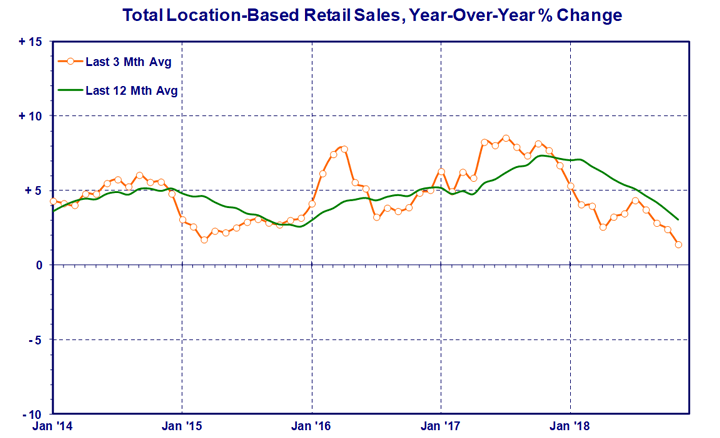
The latest data from Statistics Canada show that total Canadian non-adjusted retail sales for 2018 were up just 3.0% after 11 months of the year. For the 3 months ending November 2018, retail sales gained only 1.4% year-over-year, which is less than inflation. With only one month of data to report, it seems certain 2018 will end up as one of the worst years on record for Canadian retail sales. Growth for the year is likely to end up at around 2.9%, much less than the 7.1% gain made in 2017.


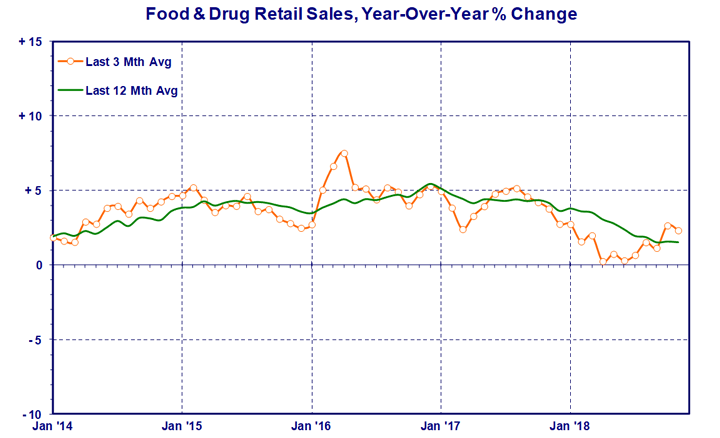
The trend lines are still softening going into 2019. As the above chart shows, the underlying 12 month trend (green line) has been heading steadily downward almost all year, while the shorter term 3 month trend (orange line) is even worse. Rising gasoline prices may move up the statistics in early 2019, but this doesn’t really do retail much good. 


Food & Drug


food-and-drug-retail.giffood-and-drug-retail.gif

Retail sales growth in the Food & Drug sector has been slowly declining since late 2017, but this seems to have steadied off in recent months. Nevertheless, 2018 will go down as a particularly slow year – after 11 months, year-to-date retail sales are up just 1.5%. For the 3 months ending November 2018 however, the year-over-year gain was 2.3%. Although hardly stellar, this still indicates slightly improving performance, or at least things aren’t getting any worse. 

The underlying 12 month trend (green line in the above chart) has now gone from declining to flat, albeit at a modest level. The 3 month trend (orange line) is tracking ahead for the first time in over a year, so there may be some hope for stronger retail sales growth for the Food & Drug sector in 2019. 

Retail sales at supermarkets & other grocery stores drive this sector, and their retail sales may be bouncing back. For the 3 months ending November 2018, their sales were up 2.7% versus a year ago, their best 3 month performance so far in 2018. 

On the other hand, health & personal care stores, the second largest retailer type in this sector, continue to languish. Their retail sales declined 0.3% year-over-year for the 3 months ending November 2018, and are down 0.2% year-to-date after 11 months of the year. 

Convenience stores and specialty food stores are enjoying significantly higher retail sales gains, but these segments are too small to have a major impact on the Food & Drug sector overall. 


20160329172708-electronic-store-buying-consumer-purchasing-flat-tv-features-salesman.jpeg20160329172708-electronic-store-buying-consumer-purchasing-flat-tv-features-salesman.jpeg

Store Merchandise


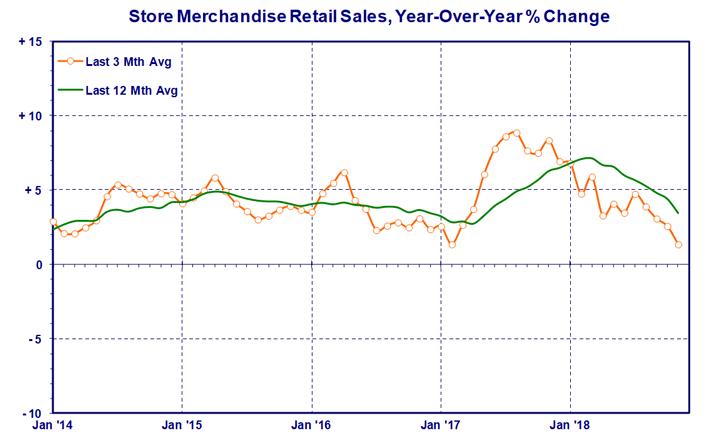
After rising to a 5-year high in 2017, annual retail sales growth in the Store Merchandise sector is now on track to hit a 5-year low in 2018. Retail sales were up just 1.4% year-over-year for the 3 months ending November, another 5-year low. The underlying 12 month trend (green line in the chart) just keeps weakening. Things may turn around sometime in 2019, but it’s impossible to say when. 

A number of store types are not doing well. For the 3 months ending November 2018, furniture stores’ retail sales were down 3.2% year-over-year, building material & garden equipment/supplies dealers declined 2.7%, sporting goods, hobby, book and music stores were off 2.4%, and home furnishings stores lost 1.3%. 

The ranks of better performers are much thinner. Clothing stores were up 3.9% year-over-year for the 3 months ending November 2018, and jewellery, luggage & leather goods stores gained 3.2%. 

The biggest gain however was by miscellaneous store retailers, up 10.1%. This was pushed along by the recent addition of cannabis stores to this group. Cannabis stores’ retail sales were $54.4 million in November 2018, but could have been higher if not for supply restrictions. 

Note that Statistics Canada is now suppressing the breakdown of general merchandise stores for confidentiality reasons. The figures in the table below are estimates based on previous trends. 


Automotive & Related


automotive-retail.gifautomotive-retail.gif

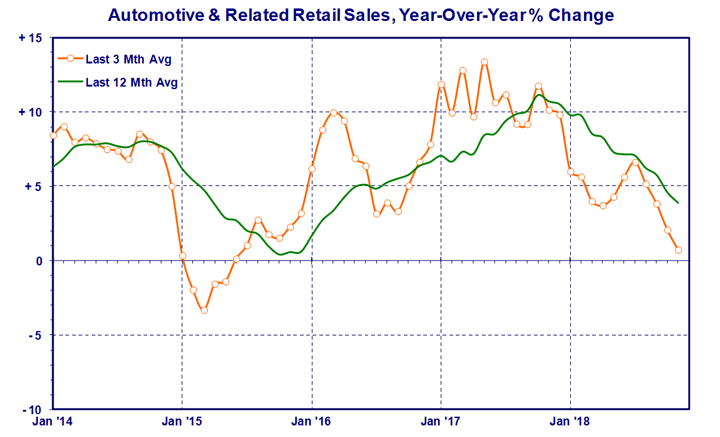
Retail sales in the Automotive & Related sector are practically in free fall. The underlying 12 month trend (green line in the chart) has weakened significantly since a year ago, and now looks much like the collapse that occurred in 2015. The 3 month trend (orange line) is tracking downward, indicating that things are still going to get worse before they get better. 

New car dealers’ retail sales were actually down 1.0% year-over-year for the 3 months ending November 2018, and up only 0.5% on a year-to-date basis. The much smaller used car dealers segment is in better shape, with year-to-date retail sales up 6.7%. Sales at automotive parts, accessories and tire stores lead the sector however, with sales increasing 8.2% year-to-date. 

Swings in gasoline prices appear to be responsible for the volatility of the sector as shown by the 3 month trend. Gas station sales account for most of the bump in growth in mid 2018, but also for most of the decline since then. 


By The Numbers

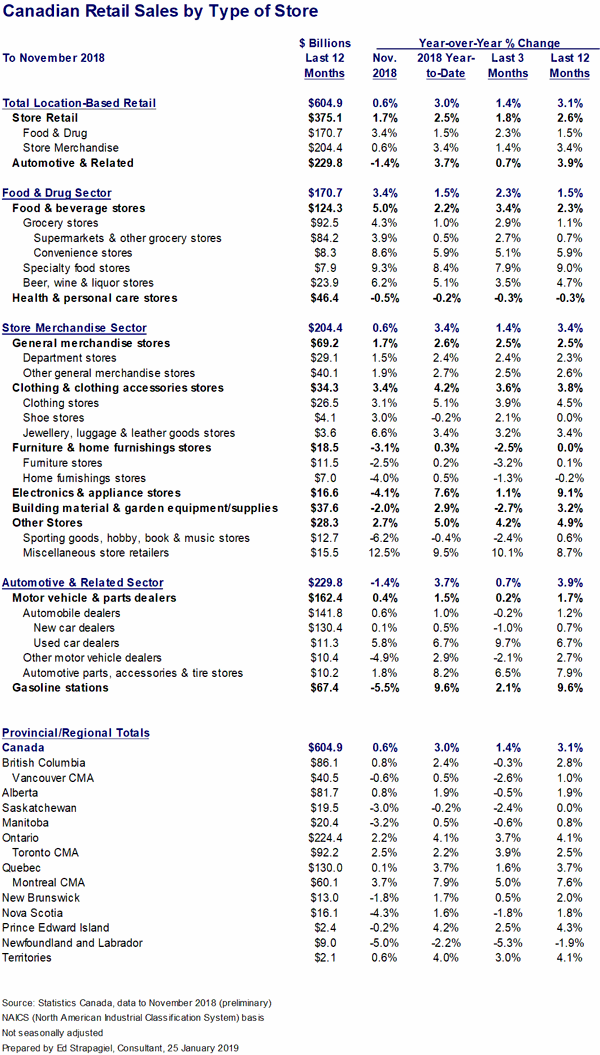
Special Note: Statistics Canada has made updates to 2017 numbers, and has also moved retail storefronts of telecom companies out of electronics & appliance stores and into a non-retail category, Telecommunications (NAICS 513). Retail trade statistics have been revised back to January 2012. 


retail-sales-Canada.gifretail-sales-Canada.gif

For definitions of store types, see Statistics Canada NAICS


Canadian E-Commerce Sales

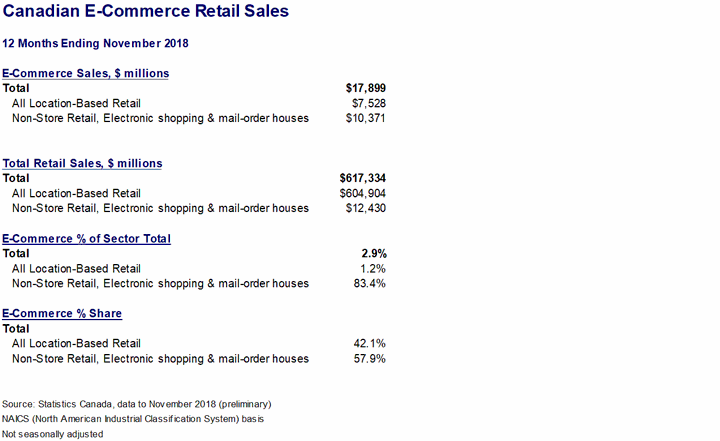
StatsCan started providing ecommerce retail sales data in January 2016. While the amount of data is limited, some trends appear to be emerging. Here are some results. 


ecommerce-retail.gifecommerce-retail.gif

Overall, e-commerce represented about 2.9% of total Canadian retail sales for the 12 months ending November 2018, including both pure play operators as well as the online operations of brick & mortar stores. Canadian consumers however also buy online from foreign websites which is not captured in these numbers. 

Canadian e-commerce sales were up 18.6% year-over-year for the 3 months ending November 2018, but this is less than the 26.2% gain recorded in the same period a year ago. E-commerce retail sales gains are still in double digits, and are still much higher than for location based retail, but growth is slowing down. 

Note that location based retail is the same as that in the preceding large “By The Numbers” table. It’s what’s normally reported as Canadian retail sales. Except that it isn’t. Location based retail excludes another section called Non-Store Retailers (NAICS code 454), which includes electronic shopping and mail-order houses, which in turn is where (mostly) pure play e-commerce businesses are. For the 12 months ending November 2018, electronic shopping and mail-order houses had an estimated $10.4 billion in e-commerce sales. 

But that’s not the only source of e-commerce, as (mostly) bricks & mortar location-based retailers also sell online. For the 12 months ending November 2018, this group had an estimated $7.5 billion in e-commerce sales. With electronic shopping and mail-order houses, there’s a grand total of $17.9 billion in e-commerce sales by Canadian operators over the year. Note that this does not include foreign e-commerce purchases made by Canadian consumers, but it does include e-commerce purchases made by foreigners at Canadian businesses. 

For electronic shopping and mail-order houses, an estimated 83.4% of their sales are allocated to e-commerce. For (mostly) bricks & mortar retailers, it can be estimated that just 1.2% of their total sales are attributable to e-commerce. 

In the final section of the above table, (mostly) pure play operators (namely, under electronic shopping and mail-order houses) generated an estimated 57.9% of all e-commerce sales in Canada, while (mostly) bricks & mortar location-based retailers’ share of e-commerce is 42.1%. 

For more explanation on the e-commerce numbers, see Statistics Canada: Retail E-commerce in Canada


This analysis is updated monthly as new numbers are published by Statistics Canada. If you would like notification of when an update becomes available (and you’ve read this far), please connect with Ed Strapagiel on LinkedIn

Stunning Restaurant Design: Elisa in Yaletown [Photos]

Elisha Steakhouse (PHOTO: ALEX BARREDO

Acorn Wood Designs has made a name for itself across North America for its quality millwork in high-end restaurants. Some of its latest work is in Vancouver’s new Elisa Steakhouse which recently opened in the Yaletown neighbourhood.

Ryan Wilcox, Chief Financial Officer of Acorn, said the company’s goal and purpose is to be a high-quality, premium millwork manufacturer with its work arriving on time to help ensure a restaurant opens on schedule.

“The core customers for Acorn are Joeys, Earls and The Keg and we do some one-off restaurants like Elisa,” said Wilcox. “We want that wow factor when people walk into the doors of a restaurant saying ‘hey, this is a high quality place and not just your run of the mill restaurant’.”

Photo: Alex Barredo

“We want to be unique and a lot of that comes out of the work the interior designer and architect is doing. We don’t take credit for that. But we try to make their vision come to life. We want people to feel that it’s high quality millwork that they’re touching, that they’re sitting on and interacting with and not something that someone reacts negatively to in any way.”

The company has done work across North America.

Acorn is a division of Peregrine, one of Canada’s largest retail display and millwork manufacturers that is based in Western Canada. Peregrine acquired Acorn in 2017. Vancouver-based Peregrine is a designer and manufacturer of high-end retail environments for some of the world’s best known retail brands. The acquisition of Acorn has allowed Peregrine, which was founded in 1977, to grow its presence in the hospitality industry.

Peregrine is the company brand for its retail work while Acorn is known for its restaurant work.

Photo: Alex Barredo

Elisa, which features a Grillworks Infierno wood-fired grill, is operated by the Toptable Group.

“Elisa was inspired by the values of sharing memorable moments around the table with family and friends,” said Michael Doyle, President of Toptable Group, in a news release. “Designed as a response to the traditional steakhouse experience, Elisa exemplifies a refreshing spirit of hospitality through its unique and feminine details.”

Elisa joined the company’s portfolio of eight restaurants in Vancouver and Whistler.

“It’s a beautiful restaurant and it’s getting great reviews. We’re really proud of our contribution to the restaurant  and we’re looking forward to doing more like this,” added Wilcox.

The 6,800-square-foot restaurant was designed by New York’s Rockwell Group and is a mix of contemporary West Coast design and decor. Modern touches throughout the airy lounge welcome guests into the main dining room curated with exquisite artwork, said the company in a news release.

Photo: Alex Barredo

Wilcox said Acorn’s work in Elisa included all the hostess stations, wine decanting stations, the ceiling millwork, veneer wall panels and the wine room itself which is a feature piece in the restaurant.

“We did all of the oak shelving in the wine room,” he said. “We did the washroom corridor veneer wall paneling, the doors into all the washrooms as well as the ceiling features throughout the restaurant.”

Wilcox describes Acorn as a “premium architectural millwork company focused on high-end restaurant millwork.”

“That’s furniture and fixtures in the restaurant. Examples of that are the booths, the small walls that divide all of the booths, the bar, the patio booths, ceiling features, any veneer wall paneling, doors and door frames, the hostess and service stations, washroom vanities and the table tops throughout the restaurants,” said Wilcox.

“When you walk into the restaurant any finished wood component in the restaurant is coming from us. We also do metal, solid surface, upholstery and plastic manufacturing in-house.”

Its work is very project management heavy and Acorn works very closely with their customers’ project managers and the general contractor to keep projects on schedule.

“The two biggest factors for our success are high quality products and on-time delivery,” said Wilcox.

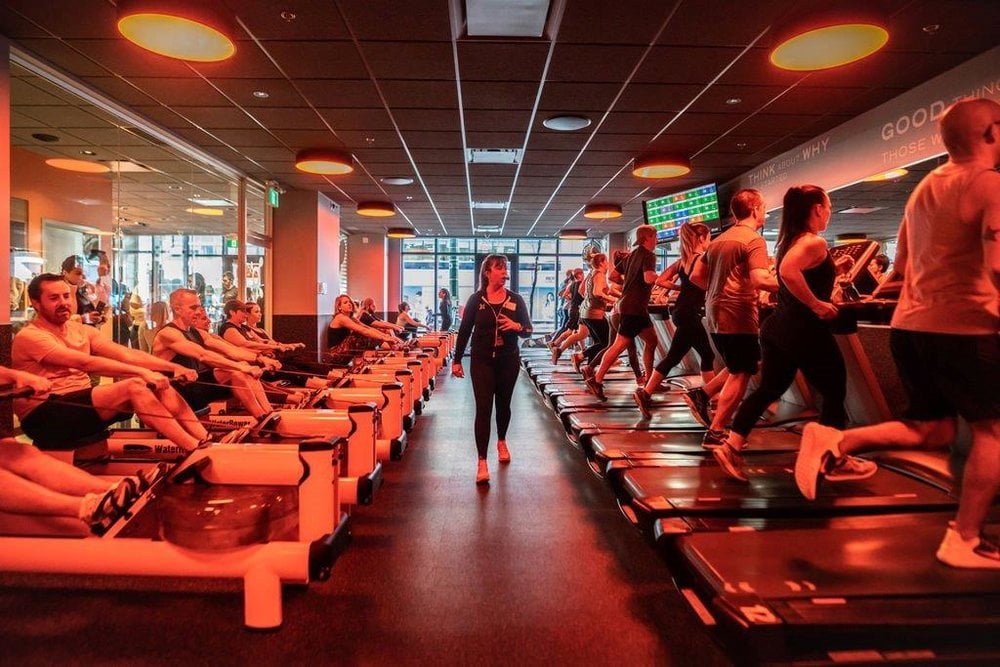
Orangetheory Fitness Ramps Up Aggressive Canadian Expansion into 2019

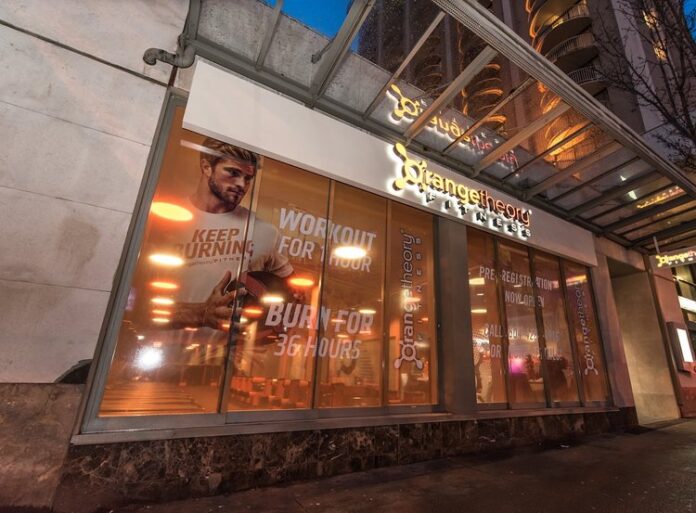
DAVIE STREET (VANCOUVER, BC) LOCATION. PHOTO: ORANGETHEORY

The Orangetheory Fitness brand experienced explosive growth in Canada in 2018 with plans to continue its aggressive expansion plans this year and beyond as it also looks to increase its presence in more urban areas of major markets.

There are currently 85 locations in Canada with 24 new studios having opened in 2018, representing a 40 per cent year-over-year growth rate.

Hifa Maleki, Orangetheory Fitness Canada’s VP of Franchise Development & Operations, said the company is looking to open an additional 30 plus locations this year.

“We’re pretty much opening a location every week and a half throughout the rest of the year. By the end of February, we’re going to have 90. We definitely have a bit of a great and consistent pipeline of locations opening across the country,” said Maleki.

The company’s first location was in St. Albert, Alberta in October 2012. The majority of the growth has come in the past three years or so. In just over three years. Orangetheory has opened 75 locations in Canada.

“We didn’t even start franchising in Canada until 2014,” said Blake MacDonald, a 20-year veteran executive in the fitness industry, in the full time role of President of Orangetheory. “We had several corporately-owned locations just in Edmonton and our first franchise location was in Fairview, southern Ontario . . . Didn’t have a lot of development in the first few years. A lot of it was perfecting the business model and ultimately making it so that the franchisee could be successful.”

Maleki said the company’s current projections anticipate having 200 locations open by the end of 2022. It plans to open 12 new studios across the country in the first quarter of this year with plans to open its first location in New Brunswick later in the year, putting it in nine of 10 provinces.

Maleki said Orangetheory is launching this year several new proprietary wearable fitness trackers, a new app and challenge tracker system, as well as state-of-the-art technology, which will not only track participants’ heart rates during the workout, but also the distances achieved by running and rowing.

“We are no longer just a fitness concept; we have evolved into a fitness and technology company,” she said. “Canadians continue to flock to the best one-hour workout in the country because we’re staying connected to our roots as industry innovators in the fitness and technology hybrid member experience.
“All of this data can be rolled up through our app and used to show members that results don’t just come from the inches you’re losing off your waistline. Collecting multiple sources of fitness data points in our Challenge Tracker app in 2019, will allow us to gamify the workouts in a way that uses members’ competitive natures to drive results they never thought they could obtain.”

OTBEAT APP. PHOTO: ORANGETHEORY FACEBOOK

When it comes to location, said Maleki, the company is looking for three things – the franchisee is its franchise partner and it’s very critical they’re a market expert; ensuring that an Orangetheory studio will actually fit into the location and be able to cater to and accommodate the right number of memberships; and making sure the location is something a franchisee believes will be there for the long haul.

Orangetheory has prefered real estate brokers across Canada it uses.

“We look at competition a little bit differently than other fitness concepts where some of them they want to shy away where there’s a lot of different fitness studios or locations, that’s actually where we want to be,” said MacDonald.

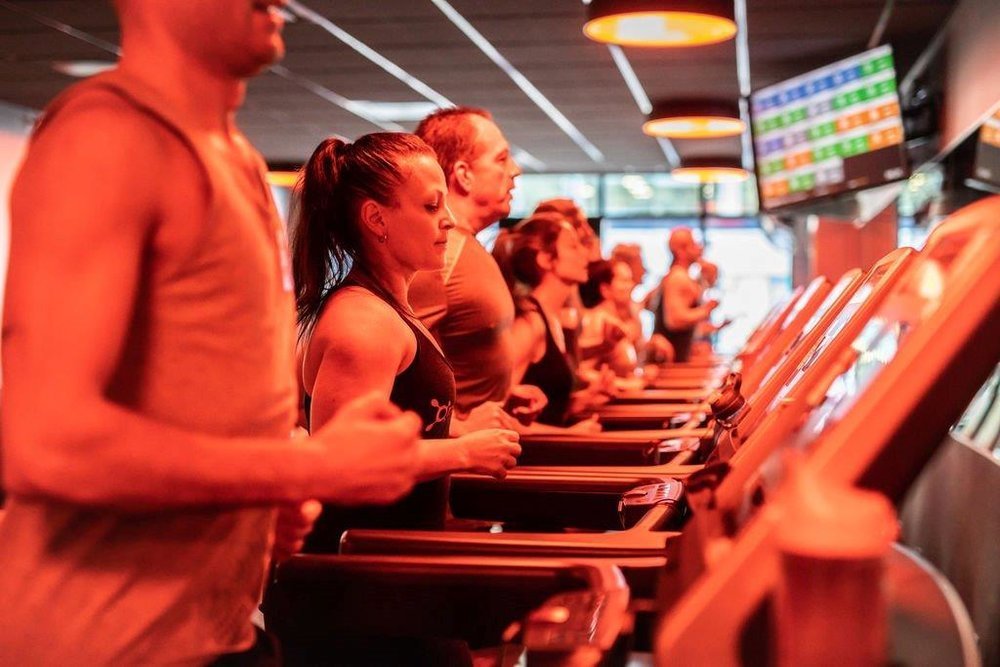
“Becoming a fitness and technology company has really allowed us to become the forefront leader in the large group personal training sector of the market. We always talk about it being affordable large group personal training as opposed to a fitness participant who’s working with a personal trainer paying $60 to $70 an hour. You can work out and get just as good if not better workout, more structure, more components to the workout, metrics afterwards sent to you about how you’ve done and how you’ve performed for as little as $15 a session. That’s the unique selling proposition and ultimately that’s what’s driving a lot of the success at the studio level.”

Maleki said the average studio space is about 3,000 square feet. She said where the company decides to place a location depends on the city and the market penetration. There has been some great success with some urban high-density areas. For example, the Yonge Street and Eglinton location in downtown Toronto has been very successful.

But the majority of locations are in suburban areas. The company’s number one location in all of Canada is in the Riverbend community in Edmonton. It has the highest number of memberships in Canada at about 1,200.

“The top 30 locations in Canada are in suburban locations,” said Maleki, adding that the company does see more inner-city locations in its future.

“The reason we’ve seen so much success is also because a lot of these (suburban) locations opened first. Over 99 per cent of our franchisees were members first so they were very passionate about bringing a studio to their home neighbourhood. So what we’re seeing is that now that those neighbourhoods are kind of sold out we’re going into more of these urban, high-density locations. It’s also very much based on real estate. The availability of real estate . . . For us, it’s not necessarily that we’ve been focused on suburban. It’s very partially based on growth and availability.

“I’m very excited that we’re opening so many more urban, high-density locations. We’re going to see three locations opening in downtown Toronto this year. We’re opening more in the central Montreal area as well as getting into Quebec City . . . As the brand awareness is growing we find that it’s actually opening up more opportunities for real estate.”

MacDonald said the company is now being sought out by building landlords because of its growth. Orangetheory can become a great amenity to a downtown building for example for its commercial or residential tenants.

“It also draws traffic to other retailers who are located in those sites,” he said.

Recently, Orangetheory Fitness Canada announced a new national partnership with Arcane, one of Canada’s leading digital and full service ad agencies out of London, Ontario.

Southgate Centre Ranked as One of Canada’s Most Productive Malls as it Looks to the Future

PHOTO: IVANHOÉ CAMBRIDGE

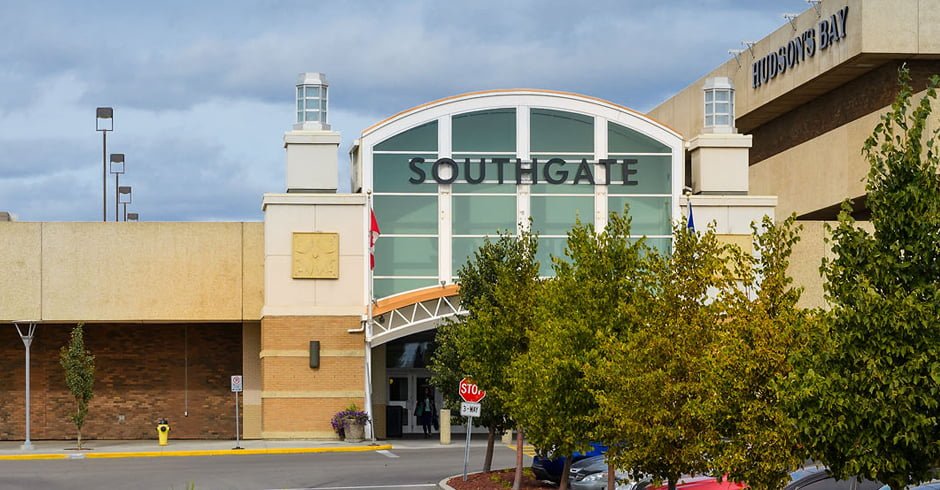
The West Edmonton Mall and CF Chinook Centre may be better known but Southgate Centre in Edmonton has established itself as the most productive shopping centre in Alberta – a dominant fashion and lifestyle destination.

According to the Canadian Shopping Centre Study 2018, by the Retail Council of Canada, Southgate, owned and managed by Ivanhoé Cambridge, ranked fifth overall in Canada with sales per square foot at $1,128. That number was down 1.66 per cent from the previous year’s $1,147.

Roman Drohomirecki, Executive Vice President and Chief Operating Officer, Retail at Ivanhoé Cambridge, said last summer the mall owner conducted a “massive” focus group and customer survey of almost 8,000 people.

PHOTO: IVANHOÉ CAMBRIDGE

“Through that process we were trying to zero in on exactly what that consumer was looking for. What do they like about the centre. What do they not like. What bothers them. What could we do better. Who should we include in the mix. All with the view to try and create this seamless memorable customer journey experience,” he said.

“What’s happening more and more through these surveys is we’re finding that people are searching out engaging experiences, looking to us to provide engaging experiences that combine shopping and entertainment. They’re looking for non-traditional uses. They’re looking for food and beverage. It’s really important to them that we’re socially responsible as a community member. We learn all of this stuff and we try to move all of these levers to encourage the shopper to come to us. Find the right tenants. Absolutely paramount. Try to get unique, differentiating brands. Augment that with a specialty program that provides the brands, pop-ups for shorter periods of time. We have to be far more flexible today than we’ve ever been before.”

He said leases for retailers in the past were for more than 10 years.

“We’re experimenting at Southgate now. It’s called Storefront. They’re from Europe. But it’s essentially the Airbnb for retail spaces. You can go online and you can secure space from us for a day, a week, a month where in the past we probably wouldn’t talk about much shorter than a 30-day time span. There’s a real evolution happening that way,” added Drohomirecki.

He said Southgate had a vacancy it was holding, knowing it would be vacant for a year, and the mall’s specialty leasing group essentially programmed the space with 12 different tenants that came through the year – a month each.

“We’ve modified how it is we do things in order to provide more flexibility for some of these up and coming brands,” he said. “Digital natives are interested in a brick and mortar experience as well but they’re not necessarily interested in committing to a longer term. We want to provide them with that flexibility to come in for a short to medium length of time and really to be a turnkey experience for them so they don’t have to invest heavily in the front end.”

PHOTO: IVANHOÉ CAMBRIDGE

Southgate has 159 stores with a gross leasing area of 941,822 square feet.

“We’re in a very large, growing and affluent trade area. We’ve got a young shopper. Very well educated. Part of a family. Most of our shoppers have three people or more per household,” said Drohomirecki. “We have the LRT at Southgate. Twenty per cent of our shoppers arrive by transit. That’s an important ingredient.

“Our mix is great. We have a number of destination or unique to market tenants which creates a draw. In Edmonton, I think we offer a very convenient customer journey. The building’s not huge. So it’s easy to park. It’s easy to navigate. It’s easy to get in and out.”

PHOTO: IVANHOÉ CAMBRIDGE

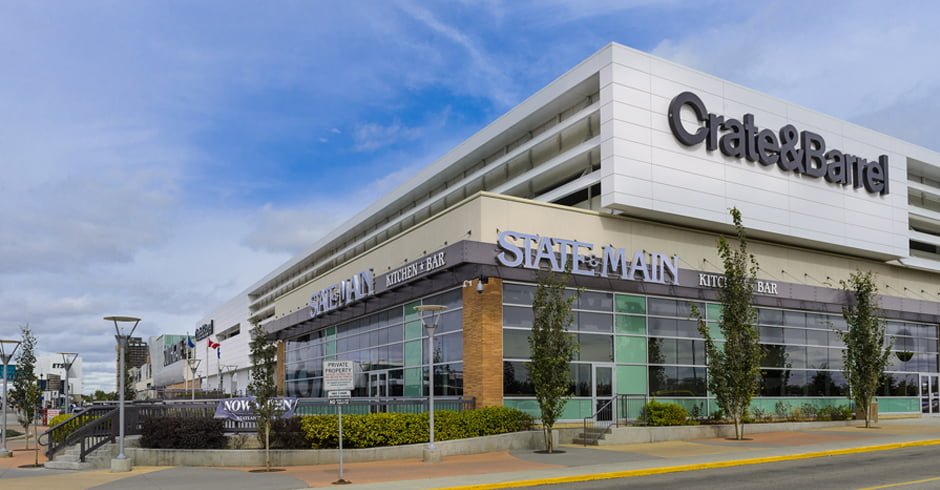
Southgate is anchored by flagship Hudson’s Bay and home to retailers such as Restoration Hardware, Apple, Crate & Barrel, Bath & Body Works, Michael Kors, Browns Shoes, Coach, Kiehl’s, Sephora and Zara.

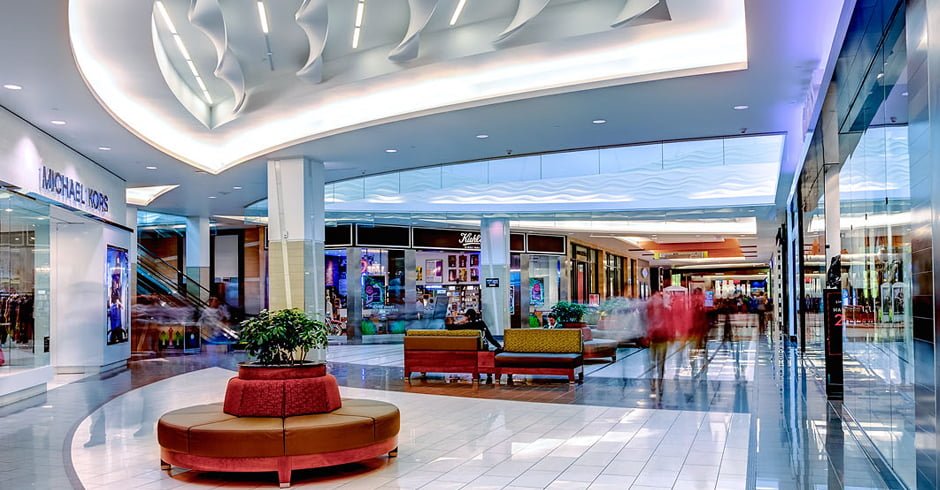
“Customers are offered a unique shopping experience thanks to the centre’s new décor, 15 vendor, 850+ seat food court, hotel-quality washrooms and exceptional concierge services. Southgate is committed to elevating Edmonton retail and serving the families of our city – one inspiring shopping trip at time,” says the mall owner.

“In the four decades following, Southgate has seen three major renovations and expansions, almost tripling the original floorplan, and bringing some of the very best names in fashion to Edmonton. The most recent expansion, completed in 2009, added an unmatched level of refinement to the retail experience in the city . . . Our 2009 expansion added over 30 marquee stores, two sets of hotel-quality washrooms, an expansive food court, two levels of parking, and a host of premier amenities.”

PHOTO: IVANHOÉ CAMBRIDGE

Southgate Centre opened its doors in 1970 with just 65 stores and services.

Drohomirecki said the mall will be able to make some announcements in the near future about how the former Sears space is going to look in the future.

“It will give us an opportunity to deepen our mix, to add some small store space as well as junior anchors and to add some amenities into the shopping centre. This is going to be a bit of a process but I suspect by the time we hit the tail end of 2020 there will be some stores that are opening,” he explained.

PHOTO: IVANHOÉ CAMBRIDGE

In 2018, Southgate opened Bailey Nelson, Poppy Barley, an expanded Aritzia, Hillberg & Berk, and Nespresso.

“It’s not just about the mix anymore. We have to go deeper than that. So in Southgate this summer we did a roller rink. It was a 2,500 square foot roller rink. It was the only one in Alberta. We were drawing folks from as far as St. Albert to Calgary,” said Drohomirecki. “We included some retailers in this for promotion. We included a local charity. There was the Youth Emergency Shelter. We were able to drive sales, drive traffic and raise some money for a good community charity.

“You can sit on your sofa today, surf on your mobile device, find what you need with a click and have it delivered to you when you wish. We want to get folks off of their sofas and into our buildings.”

MEC Innovates as it Launches International Travel Tours

Image: MEC Adventures

Vancouver-based outdoor gear cooperative MEC is expanding beyond its typical retail operations this spring by launching an international travel program that is designed with a focus on outdoor activity and responsible tourism. It’s a unique example of experiential brand building as competition heats up with new sports retailers entering the market while others expand their operations in Canada. 

Called MEC Adventures, the tours start in June of this year with 18 travel itineraries that include experiences such as: 

  • A base camp trek of Mount Everest,

  • A hike of the W Circuit in Patagonia (Chile)

  • A tour of the mountains, city and coast in Morocco

  • A cycling tour in Vietnam 

  • A food and wine hiking tour of Italy’s Amalfi Coast

  • A hike to the summit of Mount Kilimanjaro in Tanzania

  • A multi-sport adventure in New Zealand, and 

  • A nature tour in Costa Rica

“While planning MEC Adventures, we asked 2,407 members and 524 staff about the destinations and activities they were interested in,” said MEC Director of Adventure Travel, Allison Brownlie. “From there, MEC worked with local partners to plan and organize all of our trip itineraries creating seamless, active and all-around awesome experiences for our travellers.”

The MEC Adventures tours range from eight to 15 days and cover five continents. Each has an activity rating from level 1 (more relaxed) to level 5 (more intense). Most trips feature at least one full day that is dedicated to choosing a personal itinerary so that travellers have the opportunity to try out additional activities such as rock climbing, mountain biking, snorkeling, paddling and surfing. 

The tours are led by MEC Adventure Guides and each group allows for a maximum of 12-16 travellers.

MEC is seeking to create unique experiences and it has engaged with local partners and businesses where possible to ensure ‘responsible’ tourism and authentic travel experiences. That includes trip itineraries targeting locally owned accommodations, shops and cafes. MEC’s operating partners have also identified local social enterprises that can benefit from tourism — while some have lamented potential damage caused by tourists in some places, a new trend involves tourism which aims to have minimal negative impact to the environment.

Ms. Brownlie described how MEC’s responsible travel tours would include “everything from child and animal welfare, to creating positive economic impact, having respectful interactions with Indigenous People, and environmental considerations such as minimizing the consumption of single use plastics while we travel.”

More and more, brands are recognizing that creating ‘experiences’ is a way to get customers into their stores. MEC’s travel initiative not only engages its members, it also creates a market where particpants may also shop for gear at MEC stores. MEC, which was founded in 1971, is the largest cooperative in Canada with 23 stores nationwide and plans for new and replacement units over the next couple of years. A lifetime membership at MEC costs only $5, and the cooperative has more than 5-million members in its roster. 

MEC’s move into travel provides the retailer with an extra element of credibility as it takes members on excursions where product can be showcased. It’s likely a smart move — Canada is seeing unprecedented competition in the outdoor and sports retail segments as new brands move in, and others expand their operations. 

French behemoth Decathlon, for example, opened its first store in Canada in Quebec last year, and it plans to open two more in the province as it eyes a national expansion. Decathlon is the world’s largest sporting goods retail chain and similar to MEC, it is known for its value-priced outdoor gear. Decathlon’s stores are also highly interactive with areas for consumers to try out products in their stores, and virtual reality has even been introduced to virtually showcase tents in the wilderness. 

Other homegrown chains are expanding as well. FGL Sports (operating under multiple banners including Sport ChekAtmosphere and Sports Experts) has stores across the country in a range of sizes, including a handful of flagships that include innovative technological installations. Outdoor retailer SAIL, with stores in Quebec and Ontario, could see some market share loss in several of its product categories. Laval-based Sportium (part of the SAIL Plein Air umbrella), which operates four large store locations in Quebec, has said that it plans to open as many as seven more locations in the province over the next three years. 

Retailers in Canada that carry sporting goods also compete with MEC — Canadian TireWalmart and other similar retailers include sporting goods departments in their stores. MEC’s value proposition and experiential initiatives could be advantageous in maintaining market share from such retailers.