Advertisement
Advertisement
Home Blog Page 104

Apple Announces Opening for New Montreal Flagship Store

Soon-to-open Apple store in downtown Montreal. Photo: Apple

Apple has confirmed that its Sainte-Catherine Street retail presence in Montreal is moving to a new location, with the relocated Apple Sainte-Catherine store set to open to the public on Friday, January 16 at 10 a.m. The new store will occupy a historic building at the corner of Sainte-Catherine Street and Rue de la Montagne, one of Montreal’s most prominent retail intersections. The relocation represents another step in Apple’s long-term strategy of investing in prominent urban locations that blend retail, architecture, and community engagement.

The Sainte-Catherine store first opened at 1321 Sainte-Catherine Street in 2008 and has served as a key downtown Montreal location for nearly two decades. The new site places the store in a more architecturally distinctive building while maintaining a central position along Montreal’s busiest shopping corridor. The move aligns with Apple’s broader Canadian retail evolution, which has increasingly emphasized upgraded locations, larger footprints, and enhanced experiential elements in major urban markets.

The new Apple Sainte-Catherine store is located at the intersection of Sainte-Catherine Street and Rue de la Montagne, an area defined by high pedestrian traffic, flagship retail, and proximity to both office towers and residential neighbourhoods. Sainte-Catherine Street remains Montreal’s primary commercial artery, serving as a focal point for fashion, technology, dining, and entertainment.

Public Art Installation Celebrates Montreal’s Creative Identity

To mark the opening of the new location, Apple collaborated with Montreal-based artist Catherine Potvin on a large-scale illustration that now wraps the exterior facade of the building. The artwork will remain on display until the grand opening on January 16 and serves as both a visual landmark and a celebration of Montreal’s cultural scene.

Potvin’s illustration draws inspiration from the city’s creativity and imagination, weaving together references to Montreal’s artists, musicians, athletes, and chefs. Throughout the artwork, Apple products appear in use as tools that support creative expression and everyday activity. The scenes include an illustrator drawing on iPad, a DJ wearing AirPods Max, a photographer using an iPhone, a person coding on MacBook, and a yogi wearing Apple Watch.

The facade installation transforms the building into a temporary public art canvas, reinforcing Apple’s recurring practice of commissioning local artists to create location-specific artwork during store openings and major renovations. In Montreal, where public art and murals are a defining element of the city’s identity, the collaboration aligns closely with local cultural expectations.

Live Art Programming During Opening Weekend

Programming tied to the opening weekend will further highlight the collaboration with Potvin. During the first days of operation, she will lead a live art demonstration using iPad, offering visitors a real-time look at digital illustration techniques within the store environment.

In addition, customers who make a purchase during select times will receive an Apple Store gift bag illustrated by Potvin. The scheduled times for these activations are Friday, January 16 from 11:00 a.m. to 2:00 p.m., and Saturday, January 17 at 1:30 p.m. and again at 4:00 p.m. These limited-time elements are designed to create a sense of occasion around the opening while reinforcing Apple’s emphasis on creativity and hands-on engagement.

Such opening-weekend programming has become a familiar component of Apple store launches, particularly in urban locations where the company seeks to establish the store as a community hub rather than a purely transactional space.

Construction and Build-Out Led by Montreal-Based SAJO

The build-out of the new Apple Sainte-Catherine store has been underway since last year and is being handled by Montreal-based construction-design firm SAJO. SAJO has extensive experience delivering complex retail environments and has worked on numerous flagship projects across Canada and internationally.

The involvement of a local firm underscores Apple’s preference for partnering with regional specialists who understand local building codes, heritage considerations, and urban construction challenges. While Apple maintains tight global standards for retail design and execution, its Canadian projects frequently incorporate local expertise to navigate site-specific constraints, particularly when historic buildings are involved.

Apple’s Broader Retail Footprint in Quebec and Canada

The relocation of the Apple Sainte-Catherine store comes within the context of Apple’s sizable and mature Canadian retail network. Apple currently operates five retail stores in Quebec and 28 across Canada, with locations concentrated in major metropolitan markets including Montreal, Toronto, Vancouver, Calgary, and Edmonton.

Over the past several years, Apple has prioritized upgrading existing locations through relocations, expansions, and comprehensive redesigns rather than pursuing aggressive store count growth. In Canada, this approach has resulted in larger stores, improved layouts, and expanded capacity for programming such as Today at Apple sessions, technical support, and community events. Apple’s first Canadian flagship opened in Vancouver at CF Pacific Centre in November of 2022. 

More from Retail Insider:

Primaris Completes $154M Northland Village Sale in Calgary

Northland Village (Rendering: Primaris)

Primaris REIT has completed the sale of Calgary’s Northland Village shopping centre and the adjacent Northland Professional Centre for $154 million, closing the transaction on December 19. The disposition forms part of the REIT’s ongoing capital recycling program and caps a multi year redevelopment effort that repositioned the property as a modern, open air retail destination in northwest Calgary.

Although the purchaser was not identified in Primaris’ official announcement, sources say that the assets were acquired by an affiliate of Canada Life, underscoring continued institutional appetite for stabilized, necessity based retail assets in major Canadian markets. The transaction was completed on an unencumbered basis, with TD Cornerstone Commercial Realty and RBC Capital Markets Real Estate Group acting as exclusive advisors to Primaris.

A High Visibility Calgary Retail Asset

Northland Village occupies a 31.81 acre site at the intersection of Crowchild Trail and Northland Drive NW, one of northwest Calgary’s most visible and heavily trafficked corridors. The property benefits from exposure to more than 75,000 vehicles per day and sits within a five minute drive of the Brentwood LRT station, providing strong connectivity to surrounding residential communities.

The retail component spans 30.32 acres and totals 383,041 square feet of gross leasable area, supported by 720 surface parking stalls. The office component consists of a separately titled 52,379 square foot professional centre located at 4600 Crowchild Trail NW. At the time of sale, the combined retail and office complex featured a weighted average lease term of 6.7 years and an average in place minimum net rent of $24.10 per square foot, reflecting stable income characteristics aligned with institutional investment criteria.

Northland Village Mall (Rendering: Primaris)

From Enclosed Mall to Open Air Format

Originally opened in 1971 as an enclosed, single level shopping centre, Northland Village underwent several expansions in the early 2000s before entering its most significant transformation earlier this decade. The most recent redevelopment converted the aging enclosed mall into a largely open air retail centre designed to reflect contemporary consumer preferences and evolving retailer requirements.

The approximately $120 million redevelopment was led by Ledcor and involved the demolition of roughly 240,000 square feet of enclosed mall space. Six new stand alone retail buildings were constructed, adding more than 200,000 square feet of mixed use retail space, while selected existing structures were retained and renovated. The redevelopment also prioritized site circulation, visibility, and parking efficiency, creating a format better suited to necessity driven and service oriented tenants.

This transformation proved critical to stabilizing the asset and positioning it for sale. By the time the property was formally marketed in early September, Northland Village was 97.8 percent occupied, reflecting strong leasing demand and tenant retention following redevelopment.

A Necessity Based Tenant Mix

Northland Village’s tenant roster is anchored by a lineup of national retailers that drive consistent daily traffic. Major tenants include Walmart, Best Buy, GoodLife Fitness, Dollarama, Winners, and Spinelli Italian Centre Shop.

Approximately 80 percent of in place gross rent is generated by national and regional tenants with established credit profiles. This emphasis on essential retail, fitness, grocery, pharmacy, and value oriented categories has contributed to resilient cash flows and reduced volatility, particularly in an environment where investors continue to prioritize income stability.

Built In Flexibility for Future Intensification

Beyond its current operating performance, the Northland site offers meaningful long term optionality. The size of the land parcel, combined with surface parking and relatively low site coverage, provides flexibility for future intensification, mixed use redevelopment, or phased repositioning as market conditions evolve.

Primaris previously demonstrated this potential in 2022, when it sold approximately two acres of excess land along Northland Drive NW to a residential developer. That parcel was subsequently developed into a 219 unit rental apartment complex, highlighting the site’s appeal for residential and mixed use applications within a mature urban setting.

A Capstone Transaction in a Busy Disposition Year

The Primaris Northland Village sale represents the final and largest disposition completed by the REIT in 2025. In total, Primaris executed approximately $400 million in non core asset sales during the year, encompassing 1.74 million square feet of gross leasable area across multiple property types and markets.

Earlier 2025 dispositions included the sale of Sherwood Park Mall and Sherwood Park Professional Centre in Alberta, St. Albert Centre, several strip plazas and excess land parcels in Medicine Hat, the Lansdowne industrial centre in Peterborough, and Northpointe Town Centre in Calgary. Collectively, these transactions reflect a deliberate strategy to monetize smaller format and non core assets while sharpening the REIT’s focus on dominant enclosed shopping centres.

“Primaris is very pleased to close out the year with the strategic disposition of Northland, continuing to demonstrate our track record of disciplined capital allocation and capital recycling,” said Alex Avery in a statement announcing the transaction. “Executing $400 million of non core asset sales in 2025 underscores Primaris’ commitment to maintain a best in class balance sheet while continuing to leverage the competitive advantage our management platform provides, for acquiring, owning and managing market leading Canadian malls.”

Proceeds from the sale are expected to be allocated toward debt repayment, the repurchase and cancellation of units under the REIT’s normal course issuer bid, and general trust purposes.

Recycling Capital Into Core Mall Assets

While divesting non core assets, Primaris has simultaneously been active on the acquisition front, deploying capital into large scale enclosed shopping centres with dominant market positions. Over the past several years, the REIT has completed a series of high profile transactions that have reshaped its national portfolio.

Recent acquisitions include Promenades St Bruno on Montreal’s South Shore and Lime Ridge Mall in Hamilton, both acquired from Cadillac Fairview, as well as Galeries de la Capitale in Quebec City acquired from Oxford Properties. Earlier transactions included the acquisition of Halifax Shopping Centre and its adjacent annex from OPB Realty Inc. and Conestoga Mall in Waterloo from Ivanhoé Cambridge.

These assets align with Primaris’ strategy of owning and operating large, regionally dominant shopping centres that serve as primary retail destinations within their trade areas. Capital generated from dispositions such as Northland Village has played a key role in funding this portfolio repositioning while maintaining balance sheet discipline.

More from Retail Insider:
Aritzia Poised for Strong Q3 as Sales Momentum Accelerates

Aritzia at CF Masonville Place (Image: Cadillac Fairview)

Aritzia is heading into its third quarter of fiscal 2026 with growing confidence from the investment community, as new forecasts from Martin Landry, Managing Director at Stifel, point to a materially stronger performance driven by accelerating sales, margin expansion, and improving operating leverage. The latest earnings preview from Stifel suggests that Aritzia’s recent momentum is not only intact, but strengthening, following a period of operational recalibration.

Ahead of the company’s upcoming earnings release, expectations have been revised higher, reflecting what Landry characterizes as a decisive inflection in Aritzia’s financial trajectory. After working through supply chain pressures and execution challenges in prior periods, the retailer now appears positioned to deliver both top-line growth and meaningful profitability gains.

For Canadian retail observers, the Aritzia Q3 earnings outlook outlined by Stifel provides a detailed snapshot of how disciplined execution, digital investment, and brand strength are translating into improved financial performance.


Earnings Expectations Raised Ahead of Q3 Results

In his earnings preview, Landry notes that Aritzia is expected to deliver adjusted earnings per share of approximately $1.02 for the third quarter, representing year-over-year growth of more than 40 percent. This forecast sits well above broader consensus expectations and reflects confidence in both sales momentum and margin recovery.

Martin Landry
Martin Landry

Net revenue for the quarter is projected to approach $1 billion, representing growth of more than 34 percent compared with the same period last year. Stifel’s analysis points to strength across both physical retail and ecommerce channels, with store-based revenue expected to outpace online growth as traffic and conversion improve.

The anticipated performance reflects a strong fall selling season, supported by favourable product reception, improved inventory availability, and more effective marketing execution. Landry highlights early November as a particularly strong period, coinciding with the launch of Aritzia’s first mobile app, which appears to have driven a measurable uplift in demand.

Comparable Sales Growth Signals Sustained Demand

Comparable sales growth is expected to be one of the most closely watched metrics when Aritzia reports results. Stifel forecasts comparable sales growth of approximately 24 percent for the quarter, materially exceeding both historical norms and prior expectations.

According to Landry, this level of growth reflects genuine volume and engagement gains rather than price-driven inflation alone. The data suggests that Aritzia continues to resonate strongly with its core customer, while also benefiting from rising brand awareness in the United States.

From a retail strategy standpoint, sustained double-digit comparable growth underscores the effectiveness of Aritzia’s merchandising approach. Its emphasis on classic, proven silhouettes reduces fashion risk while still supporting repeat visits and strong performance during key retail moments such as Black Friday and the early holiday period.


Margin Expansion Returns as Discounting Moderates

Profitability is expected to improve meaningfully in the quarter. Stifel models gross margin expansion of approximately 110 basis points year over year, driven by stronger full-price selling and reduced discounting compared with the prior year.

Landry notes that margin recovery is being supported by tighter inventory discipline and a healthier sales mix. After margin compression in fiscal 2024, the company appears to have re-established balance between supply and demand, allowing profitability to improve without sacrificing volume.

Operating leverage is also beginning to re-emerge. Selling, general, and administrative expenses are projected to decline as a percentage of sales, reflecting better absorption of fixed costs as revenue scales. This SG&A leverage is expected to be a key contributor to earnings growth, reinforcing the sustainability of the company’s current performance.

Digital Momentum Accelerates Following App Launch

One of the most notable developments highlighted in Stifel’s analysis is the launch of Aritzia’s first mobile app in early November. While the app represents an incremental step rather than a fundamental shift in strategy, early data suggests it played a meaningful role in stimulating demand, particularly in the U.S. market.

Observed transaction data showed a sharp year-over-year increase in sales following the app launch, supporting the view that improved digital engagement is enhancing customer retention and frequency. Landry points to this development as an important reinforcement of Aritzia’s broader omnichannel strategy.

In a competitive apparel landscape, the ability to engage customers directly through owned digital platforms is increasingly important. For Aritzia, the app strengthens its ecosystem while supporting full-price selling and brand control.

Physical Stores Continue to Anchor Growth

Despite the growing importance of digital channels, physical retail remains central to Aritzia’s growth strategy. Stifel forecasts that retail revenue will grow faster than ecommerce during the quarter, underscoring the continued relevance of stores as both revenue drivers and brand-building assets.

The company continues to pursue a disciplined approach to store expansion, with a focus on high-performing U.S. markets. This measured strategy allows Aritzia to maintain productivity while avoiding the overexpansion challenges that have weighed on other apparel retailers.

Stores also play a critical role in supporting digital performance, acting as acquisition points and omnichannel fulfillment hubs. Together, strong in-store execution and improving digital engagement are reinforcing each other.

Full-Year Fiscal 2026 Outlook Strengthens

Stifel has also raised its full-year fiscal 2026 forecasts. Revenue is now expected to reach approximately $3.5 billion, while adjusted earnings per share are projected at nearly $3.00. Adjusted EBITDA for the year is forecast to exceed $600 million, translating into margin expansion across the business.

Landry’s analysis suggests that Aritzia has largely moved past the operational challenges that weighed on performance in fiscal 2024. With systems, inventory, and execution now better aligned, the company appears positioned to deliver consistent growth through the remainder of the fiscal year.

Fiscal 2027 Estimates Continue to Move Higher

While Aritzia’s valuation has expanded alongside its share price, Stifel argues that forward estimates, particularly for fiscal 2027, remain conservative relative to current trends. Adjusted earnings per share for fiscal 2027 are now projected to exceed $4.00, reflecting continued revenue growth and further margin normalization.

This outlook aligns more closely with management’s longer-term financial framework, which targets sustained revenue growth and EBITDA margins approaching 19 percent. With revenue expected to surpass $4 billion in fiscal 2027, Stifel believes the market is still adjusting to the company’s improved earnings power.

Balance Sheet Strength Adds Optionality

Aritzia’s balance sheet continues to strengthen, providing additional flexibility. Stifel forecasts that the company’s cash balance will exceed $350 million by the end of the third quarter, with no bank debt outstanding.

This liquidity gives Aritzia the ability to fund continued investment, withstand potential macroeconomic volatility, and maintain strategic optionality. In a retail environment where leverage remains a concern for many operators, balance sheet strength has become an increasingly important differentiator.

Valuation Reflects Confidence in Execution

Aritzia’s share price has more than doubled over the past year, prompting questions about valuation sustainability. While multiples have expanded, Landry notes that rising earnings estimates could allow valuation to normalize over time even if the share price remains elevated.

As forward estimates continue to move higher, particularly for fiscal 2027, the valuation case becomes increasingly tied to execution rather than sentiment alone. For investors, this places greater emphasis on operational consistency and margin discipline.

More from Retail Insider:
Six Global Trends Reshaping Canadian Retail in 2026

Government Street in Victoria, BC. Photo: Apple Maps

As Canadian retailers enter 2026, they are facing a convergence of economic, political, technological, and cultural forces that are reshaping consumer behaviour and brand expectations. According to the newly released Trend Report 2026 from Shikatani Lacroix Design, these changes are not short term disruptions, but structural shifts that will influence how Canadians shop, what they value, and which brands earn trust in the years ahead.

The report identifies six underlying forces that are actively redefining the retail landscape. For Canadian retailers, understanding these Canadian retail trends 2026 will be critical to remaining relevant in an increasingly polarized, tech driven, and value conscious market.

Nationalism and the Rise of Local Preference

One of the most visible forces reshaping retail is the renewed emphasis on nationalism within an interconnected global economy. Economic uncertainty, geopolitical tension, and supply chain fragility are accelerating consumer preference for locally made goods. In Canada, this has translated into stronger demand for domestic sourcing, transparent manufacturing, and products that visibly support local communities.

The report highlights the growing influence of the “Made Here” movement, where country of origin has become a trust signal rather than a secondary attribute. For retailers, local manufacturing, Canadian sourcing, and national storytelling are no longer optional differentiators. They are becoming central to brand credibility, particularly as immigration levels decline and debates around national identity intensify.

Disrupting Traditional Life Paths and Consumption Patterns

Younger consumers are actively opting out of many traditional milestones that once shaped retail demand, including home ownership, marriage, parenthood, and even car ownership. As a result, household structures are shifting, with more single person households and non traditional living arrangements shaping purchasing behaviour.

For Canadian retailers, this shift is influencing everything from package sizing to product assortment. Smaller format goods, subscription services, pet related spending, and discretionary lifestyle purchases are becoming more prominent. Financial services, insurance, and home related retailers are also being pushed to rethink products designed around outdated assumptions of family life.

AI Disruption Without Guaranteed Efficiency

Artificial intelligence continues to dominate corporate strategy discussions, yet the report underscores a growing gap between expectation and execution. While AI adoption is accelerating globally, most companies are failing to achieve meaningful efficiency gains. Instead, AI is proving more effective as a tool for innovation, personalization, and growth rather than cost cutting.

The report also points to a fundamental shift in how consumers search for information. AI powered platforms are beginning to overtake traditional search engines, forcing brands to adapt content strategies for generative engine optimization. At the same time, rising anti AI sentiment, concerns about authenticity, and the spread of low quality automated content are eroding trust. Canadian retail trends 2026 suggest that brands must balance technological adoption with transparency and human oversight.

Health, Wellness, and the Misinformation Economy

Health has become one of the most politicized and commercially exploited categories in the consumer economy. The report identifies a surge in biohacking, influencer driven health advice, and GLP 1 weight loss drugs as forces reshaping food, fashion, and wellness retail.

For retailers, this creates both opportunity and risk. Consumers are actively seeking products that promise longevity, optimization, and wellness, yet trust in traditional healthcare institutions is weakening. Brands operating in food, apparel, supplements, and fitness must navigate misinformation carefully, ensuring claims are evidence based and responsibly communicated.

The Growing Power of Technology Companies

Technology companies are no longer simply platforms for commerce. They are increasingly shaping political outcomes, economic systems, and consumer behaviour at a global scale. The report outlines how tech leaders and corporations now rival governments in influence, while regulators struggle to keep pace.

For retailers, this concentration of power has direct implications. Fraud, bot driven engagement, and distorted online metrics are becoming more common. Data collection is under greater scrutiny, and consumer trust in digital ecosystems is increasingly fragile. Canadian retailers must invest in verification, brand protection, and ethical data practices as digital environments grow more volatile.

Polarization, Inequality, and the Return of the Moderate Consumer

Political and social polarization continues to intensify, yet the report emphasizes that most consumers still occupy the middle ground. While extreme content dominates online discourse, many shoppers are fatigued by ideological conflict and seek brands that provide stability, inclusion, and neutrality.

At the same time, income inequality is reshaping consumption patterns. Luxury continues to grow at the top end, while affordability pressures strain middle income households. Retailers that attempt to signal value without delivering real affordability risk backlash, particularly as practices such as shrinkflation face growing scrutiny.

What Canadian Retailers Should Take From 2026

Taken together, these Canadian retail trends 2026 reveal a consumer environment defined by skepticism, self interest, and shifting definitions of value. Trust is harder to earn, loyalty is more conditional, and authenticity is increasingly measured through action rather than messaging.

Retailers that succeed in 2026 will be those that align operations with values, communicate clearly without exaggeration, and adapt to a consumer who is simultaneously more cautious, more informed, and more demanding than ever before. The forces outlined in this report are already shaping the market, and their impact will only deepen as the year unfolds. 

More from Retail Insider:

Kyndryl forecast: 89% of retail executives expect AI to reshape jobs by 2026

Photo: Aerps.com
Photo: Aerps.com

Kyndryl’s Retail Readiness Report found that 9 out of 10 leaders in the retail space agree that AI will “completely” change the roles at their companies within a year. 

Despite the sentiment across the industry that AI has reached its tipping point, over 70% of retail enterprises are already using AI in a big way (top use-cases include cybersecurity, enterprise applications like CRM and ERP, and customer experience), and one third (33%) have increased investment in the space this year.

Heading into the new year, the most significant change for retail leaders does not lie in the introduction of AI, but in the way organizations are using it. 

Kyndryl’s 2026 forecast predicts growth in agentic AI frameworks to unify communication between buyer, analyst, and store manager networks. Successful AI development will hinge on using AI the right way and “letting technology do its job”.

Report Highlights

  • 89% of leaders in the retail industry predict AI will “completely transform” the roles and responsibilities at their organization within 12 months.
  • 33% of retail leaders report an average increase of 33% in their AI investments in the past 12 months, and 63% say they feel more pressure to prove ROI on their AI investments vs. a year ago. 
  • Half of retailers reported they struggle to keep up with technology advancements (lower than the global average of 60%).
  • 48% of retail leaders say innovation is delayed by foundational tech-stack issues, and 39% say their organization’s culture stifles innovation
  • While over 70% of retail organizations already use various AI tools, the report predicts a need to retrain and recalibrate current usage for optimal efficiency.

“In 2025, the retail industry found itself at a complex inflection point. While the global retail market is estimated to hover around $30 trillion, with e-commerce accounting for roughly 20% of that total, the vast majority of sales still flow through physical stores. At the same time, retailers face mounting pressure from higher costs, supply-chain disruption, cyber-attacks, labor shortages and increasingly sophisticated consumer expectations,” said the report. 

“Against this backdrop, technology becomes an enabler. Some 48% of retail leaders report making upgrades to their IT infrastructure, according to the Kyndryl Readiness Report. And that investment in digital transformation is significant during a time when nearly a quarter of those same leaders say technical debt holds their organizations back. But despite the scale of investment, many are struggling to translate it into operational agility, profitable growth or seamless omnichannel execution. 

Photo- Vitaly Gariev

“The result is an industry suspended between ambition and execution — eager to modernize, yet burdened by complexity. Retailers have spent years layering new technologies atop legacy systems, but many are realizing that progress now depends less on adding capability and more on clarifying purpose. The coming year will challenge them to reconcile digital ambition with operational discipline, to turn data into foresight and to make technology not just an investment, but an instrument of confidence.”

Rick Olson, Consult Partner at Kyndryl, said retailers are going back to basic foundational elements of business operations. This includes inventory management, supply chain simplification and refining clear process automation.

“By concentrating on stabilizing, and prioritizing these core processes, they aim to strengthen
their operational backbone. Layering advanced AI solutions on top of a broken system adds increased disruption and added complexities that deteriorate the perceived reliability of using AI systems. Reinforcing basic operational practices first will ensure any future technological advancements are built on a solid foundation,” he said.

“The Kyndryl Readiness Report underscores this approach: nearly half (48%) of retail leaders say innovation is stalled by outdated tech stacks. Furthermore, only 31% feel prepared to manage external risks, and 48% identify IT infrastructure upgrades as the most effective way to mitigate these challenges. These findings highlight that strengthening foundational systems is critical before layering advanced technologies.”

Rick Olson
Rick Olson

Olson said omnichannel systems can be one of the largest assets for a retailer across customer
personalization, vendor partnerships, and converting BOPIS (Buy Online, Pick Up In Store) to
store traffic.

“Retailers can take advantage of the investment they made by asking what does their customer want in their shopping experience. Unifying data to have real-time visibility across multiple channels is critical to your operations if you promise availability within 30 minutes. Research from multiple sources show 75-85% of consumers want retailers and brands to deliver a personalized experience.

“This is taking full advantage of the first party data their omnichannel systems provide.”

Olson said Agentic AI frameworks present opportunities for enhancing efficiency and reducing the time required for many operational tasks in the retail sector.

“Notable applications are already visible in supply chain orchestration, where agentic AI optimizes delivery schedules and dynamically allocates inventory based on predictive analytics. In customer service, intelligent agents are reducing resolution times and improving personalization at scale. While our research shows leaders increased investments in AI by 33% over 12 months, many struggle to see meaningful returns, with 62% said they have more pilots than they can scale,” he explained.

“They said complexity in technology environments and difficulty aligning business and technology teams remain the top barriers to scaling these investments. As retailers move into the new year, there will be a strong focus on establishing foundational data and organizational structures. Those who prioritize simplification and invest in robust infrastructure and data governance will be best positioned to start to see the ROI of agentic AI.”

More from Retail Insider:
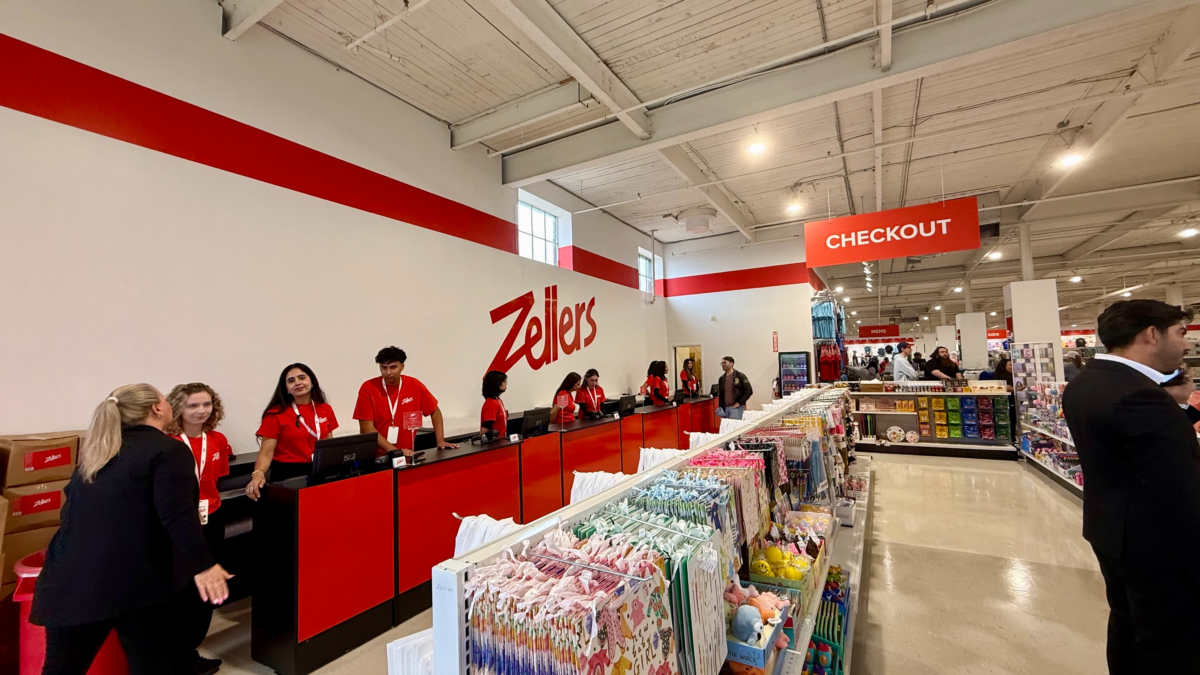
Canada’s Food Economy Faces a Defining Shift in 2026

Loblaws store at Maple Leaf Gardens in downtown Toronto. Photo: Echo Chamber

As we enter 2026, several forces are converging to reshape Canada’s food economy. Consumer empowerment—amplified by social media—continues to accelerate, while geopolitics, particularly tensions with our southern neighbour, are becoming increasingly disruptive. Together, these dynamics will push food policy issues that once lived in technical silos into the public spotlight.

At the top of that list sits CUSMA and supply management. Prime Minister Carney has signaled firmness on market access, backed by legislation that shields supply management from parliamentary debate. That protection, however, is unlikely to endure. Even if the United States has little genuine interest in exporting more dairy to Canada—and even if Canadian consumers show limited appetite for it—President Trump now understands, far better than during his first term, that supply management is a potent political wedge. The system protects roughly 9,400 dairy farmers who exert disproportionate influence over agricultural policy, while compensation payments continue to flow without any meaningful reduction in production or market share. For a growing number of Canadians, this arrangement increasingly resembles a closed loop rather than a public good. The irony is that global demand for dairy is rising and Canadian milk should be part of that growth story. Instead, the system prioritizes insulation over ambition—a missed opportunity at a time when competitiveness should matter most.

January 1 also marks the formal implementation of new front-of-package nutrition labels. Although these symbols have been appearing on shelves for some time, many consumers either overlook them or misunderstand their purpose. Their real impact has been largely invisible to the public: they have already reshaped how food companies formulate products, invest in research, and redesign portfolios. Whether the labels meaningfully change consumer behaviour remains debatable, but their influence on product development is no longer.

The GLP-1 phenomenon will continue to exert structural pressure on the food sector. With generics entering the market early this year and a pill-based version recently approved in the United States, access is expanding rapidly. We estimate that the number of Canadians using GLP-1 medications could rise from roughly two million today to three or even four million by 2030. This is no longer a marginal health trend; it is a demand-side shock with implications for everything from snack foods to restaurant traffic.

Artificial intelligence will also play a larger—and more controversial—role in food retail. Differential pricing already exists online, with consumers paying different prices for the same products, at the same retailer, at the same time. The next frontier may be in-store dynamic pricing. While Canadians have largely accepted AI-driven pricing in airlines and hotels, food is different. The ethical and political stakes are far higher. How grocers deploy demand-side AI—not just the supply-chain tools they have relied on for years—will be one of the defining tests of trust in the sector.

January 1 also brings the long-awaited implementation of the grocery code of conduct. After years of negotiation, the industry has arrived at a voluntary framework whose effectiveness remains uncertain. If it works, the code should reduce disruptions upstream, improve commercial fairness, and support greater price stability and competition. For now, optimism must be tempered with realism. Only time will tell whether the code delivers outcomes or merely signals intent.

Finally, 2026 coincides with the United Nations’ International Year of Rangelands and Pastoralists—a timely moment to reset the debate around meat consumption and livestock production. Rangelands underpin global meat systems by converting grasslands—often unsuitable for crops—into high-quality protein. In a world where demand for animal protein continues to grow, portraying livestock as inherently incompatible with sustainability ignores nutritional, economic, and ecological realities.

Well-managed grazing supports rural livelihoods, strengthens export economies, and can enhance biodiversity and soil health rather than undermine them. If policymakers are serious about food security, climate resilience, and affordability, 2026 should mark a shift away from apologizing for meat production and toward recognizing livestock as a strategic pillar of resilient food systems—not a sector to be regulated out of existence.

More from Retail Insider:
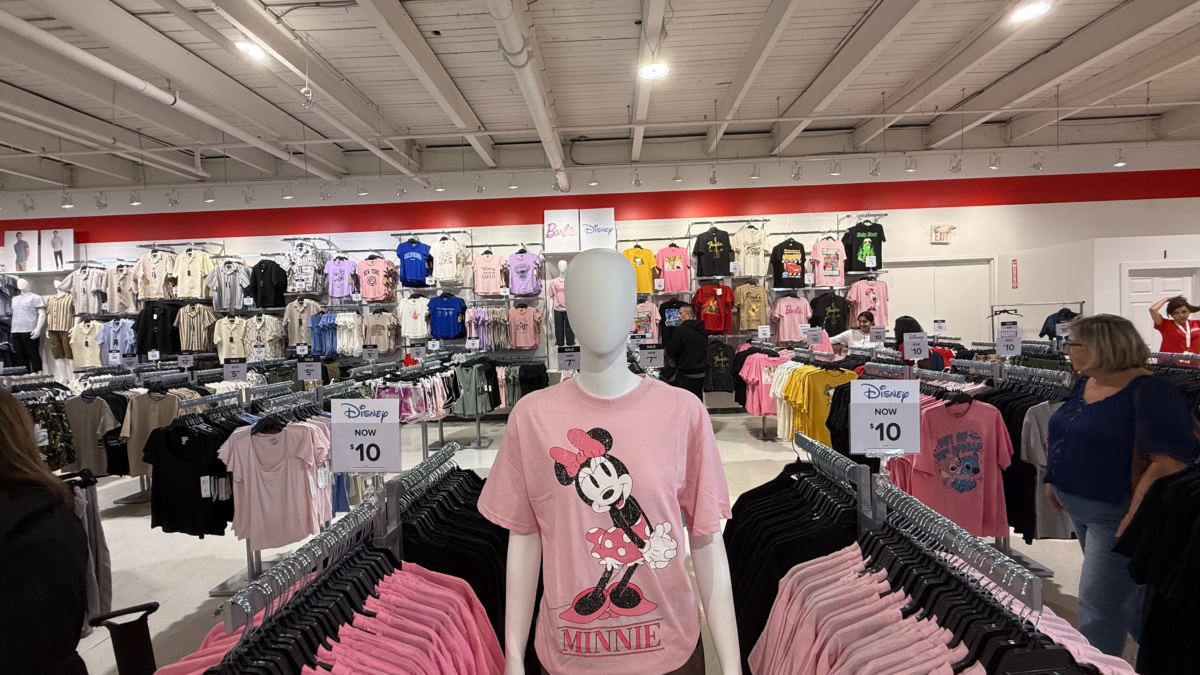
Pet Food Inflation Becomes a Cost-of-Living Crisis in Canada

Frozen Food at Pet Valu Front Street in Toronto (Image: Dustin Fuhs

Pet food inflation isn’t a lifestyle story, at least, not anymore.

For years, pet ownership in Canada has been framed as a lifestyle choice. A dog is a companion. A cat is a comfort. In public discourse, pets are often treated as discretionary luxuries—nice to have, but optional. That framing is now badly outdated.

Today, roughly six in ten Canadian households live with at least one cat or dog. There are more than 16 million cats and dogs in the country. And a growing share of those animals are not owned by young families with rising incomes, but by seniors, people living alone, and households that explicitly view pets as family members and primary sources of companionship. This shift is unfolding alongside another profound demographic reality: Canadians are having fewer children. Fertility rates are at historic lows, household sizes are shrinking, and single-person households are becoming more common. In that context, pets are increasingly filling roles once occupied by children—emotionally, socially, and economically.

This matters—because the cost of feeding those animals has quietly surged.


Since 2020, pet food prices have risen by roughly 25–30 per cent on average, with some brands and formulations climbing far higher. For households on fixed or modest incomes, pet food inflation is not an abstract market trend. It is a weekly budgeting problem.

And the strain is now visible in the charitable food system. Across Canada, humane societies, SPCAs, and community organizations increasingly distribute pet food—sometimes through dedicated pet food banks, sometimes alongside human food. Traditional food banks, never designed to feed animals, are referring clients to these programs because demand exists. When pet food enters the emergency food system, it is a clear signal that it has crossed from discretionary spending into basic household necessity.

Contrary to stereotype, pets are not primarily owned by affluent, two-income households. Nearly half of Canadians aged 55 and over own a pet, despite lower overall incomes and rising healthcare costs. Singles and people living alone have among the highest pet-ownership rates, especially among younger adults and widowed seniors. Across age groups, companionship—not recreation or status—is the dominant motivation for owning a pet.

For many seniors, a pet is not a lifestyle accessory. It is daily structure. Emotional stability. A reason to walk, to engage, to stay connected. For singles, especially in high-cost urban markets, pets often substitute for family networks that are geographically distant or economically inaccessible.


When pet food prices rise sharply, these households do not simply trade down or opt out. They absorb the cost—or sacrifice elsewhere.

From an economic perspective, pet food behaves much more like a necessity than a discretionary good. Demand is relatively inelastic. Owners do not meaningfully reduce quantity when prices rise; instead, they cut back on their own consumption, delay veterinary care, or rely on charitable support.

Ignoring pet food inflation is not just socially tone-deaf—it is economically short-sighted. Pets play a measurable role in mental-health outcomes, especially for seniors and people living alone. When households are forced to choose between feeding themselves and feeding their animals, the downstream costs appear elsewhere: greater social isolation, higher healthcare utilization, and increased pressure on public services.

Pet food inflation may not dominate CPI headlines, but for millions of Canadians, it is real, personal, and increasingly unsustainable.

More from Retail Insider:
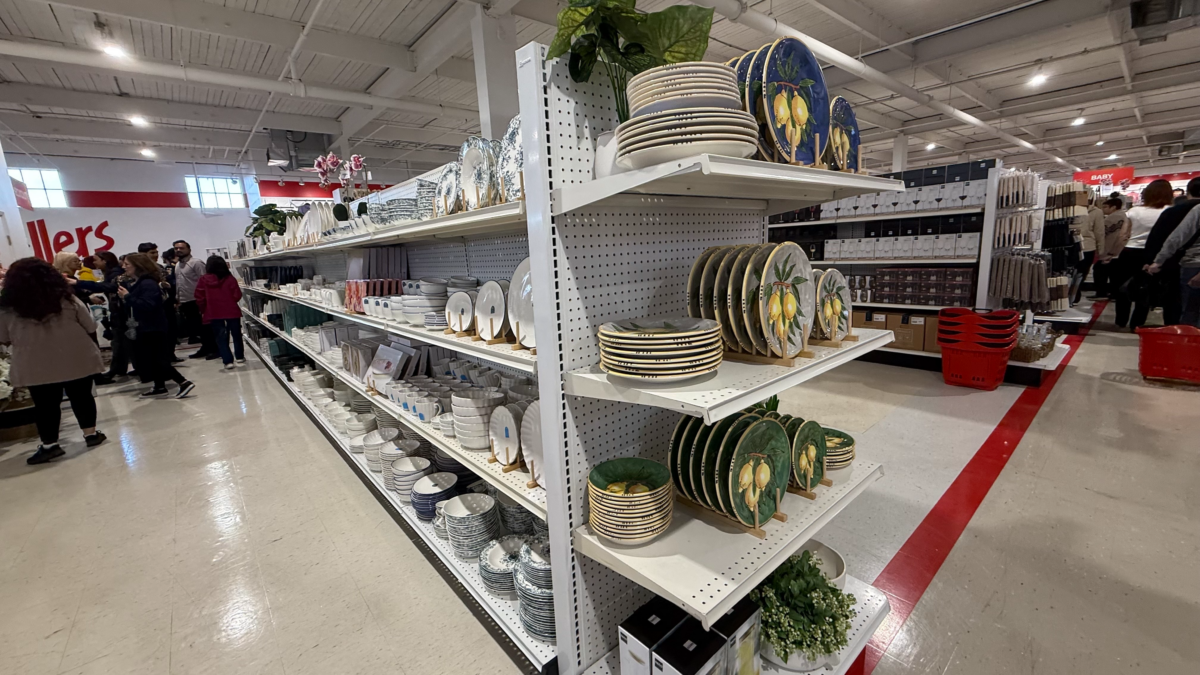
Vistar: The Future of Digital Out-of-Home Advertising

Photo: Vistar Media
Photo: Vistar Media

Digital 2026 reporting shows that Canada is now one of the most connected markets in the world, with internet penetration at 95% and more than 82% of the population active on social media. 

With audiences so digitally saturated, marketers are looking for channels that break through the noise—and that’s where OOH (Out-of-Home) is seeing real momentum. 

Vistar Media’s latest creative trends report highlights that brands are shifting toward contextual, dynamic creative and real-world experiences that feel more human and less algorithm-driven, making DOOH (Digital Out -of-Home) one of the fastest-growing environments for meaningful reach.

These behavioural shifts align directly with the OOH examples we’re seeing heading into 2026—from cultural-moment takeovers to retail media integrations and big-stage brand reveals (like Justin Bieber’s global album launch).

As brands navigate a more fragmented media landscape, Out-of-Home is becoming one of the most dynamic channels in Canada, and 2026 is shaping up to be a breakout year. Vistar Media Canada has identified five key trends set to define the space: 

  • OOH + CTV integration accelerates: marketers seek unified audiences across screens. 
  • Cultural-moment OOH surges: brands reacting to real-time trends and amplifying social buzz.  
  • OOH remains the go-to stage for major announcements, from album drops to big brand reveals. Think Justin Bieber’s global launch for his album earlier this year! 
  • Retail media continues rapid growth, with DOOH playing a larger role in shopper journeys. 
  • Location-based targeting heats up ahead of cultural events, letting brands capture fan traffic around venues without in-stadium price tags. With 3 Canadian teams in the NHL playoffs in 2025, brands were capturing Canadian pride! 

Some examples Vistar Media Canada saw in 2025 which will continue through 2026, including:  

  • Justin Bieber’s big OOH play announcing his latest album making a big splash across the world 
  • The Brick’s cheeky response to IKEA and Sleep Country showcasing the flexibility of OOH 
  • Canadian’s celebrating their pride, and their brands, with three Canadian hockey teams in the NHL playoffs 
  • Brands building off the success of new concert venues (like Downsview Park’s concert venue) and the role OOH plays in attracting the right audiences to your brand. 
Scott Mitchell
Scott Mitchell

Scott Mitchell, Managing Director at Vistar Media Canada, said Canada is more digitally saturated than ever, and marketers are feeling the impact.

“When every feed, inbox and screen is fighting for attention, brands are realizing they need moments that break through, not just more impressions. That’s where OOH and DOOH have re-emerged as essential channels.

What we’re seeing is a shift from “digital versus physical” to “digital plus physical.” Advertisers are starting to treat real-world screens as high-value attention environments, places where people are receptive, not scrolling,” he said. 

“Whether it’s a commuter waiting for transit or a shopper in a high-intent retail zone, DOOH gives brands a way to reconnect in a more grounded, distraction-free setting. In a saturated digital world, physical spaces have become the new premium.”

Vistar’s report points to a shift toward contextual and dynamic creative. What does “more human, less algorithm-driven” advertising look like in practice?

“More human doesn’t mean less technology, it means using technology to create relevance that actually feels real. We’ve spent the last decade optimizing media around algorithms; now we’re optimizing around context,” explained Mitchell.

“In practice, that means ads that shift based on the world around them, creative that adapts to cultural signals, mood, environment, or even the time of day. Dynamic DOOH lets brands speak to people the way a great storyteller would: with timing, tone and context.

“Instead of blasting the same generic message everywhere, we’re seeing campaigns with 50–100 creative variations that reflect what’s happening in the moment. It’s technology enabling humanity, not replacing it.”

Mitchell said the big cultural moments have raised the bar for everyone. 

Photo: Vistar Media
Photo: Vistar Media

“A decade ago, DOOH was about reach and repetition. Now it’s about spectacle, coordination and real-time amplification. Activations like Bieber’s album launch proved that DOOH can be global, synchronized and culturally loud, a way for brands to insert themselves into the moments people are already talking about. And because DOOH pairs so well with social, these campaigns don’t just live on physical screens; they create the kind of content people actively share. The expectation now is that DOOH shouldn’t just “run.” It should participate in culture,” he said.

With internet penetration at 95% and social media usage above 80%, what unique advantages does OOH offer that digital and social channels can no longer deliver on their own?

“OOH delivers two things the digital ecosystem can’t: trust and presence.

First, OOH is inherently brand-safe and fraud-free. When nearly all Canadians are living online, the physical world becomes one of the few places where brands can guarantee real human exposure,” noted Mitchell.

“Second, presence matters. Seeing a brand in the real world creates a different level of credibility, it signals scale, permanence and cultural relevance in a way that digital simply can’t replicate.

“OOH also benefits from being the “interruptor people don’t resent.” There’s no skip button, no feed fatigue, just a well-placed moment that lands because it’s part of the environment, not an intrusion.”

Mitchell said that by 2026, OOH will feel much more like the rest of the modern marketing stack, measurable, targetable and fully integrated, but with the added benefit of real-world scale.

“We’re moving into an era where DOOH will be tied directly to outcomes: store visits, purchases, app behaviour, even loyalty engagement. Attribution will be clearer, and brands will be able to personalize at the audience-segment level without ever becoming “creepy” at the individual level,” he said. 

“And as retail media networks grow in Canada, OOH will play a bigger role in connecting awareness to action. A shopper might see a DOOH ad on their commute and then encounter the same brand message at the point of sale, that’s incredibly powerful. Ultimately, the evolution of OOH is about impact. More intelligence, more creative flexibility, and more ways for brands to show up meaningfully in people’s everyday environments.”

More from Retail Insider:

Apple Expands Fitness+ Offerings in 2026 to Boost User Engagement

Apple, an American technology company, is enhancing its Fitness+ platform to help users keep their fitness resolutions in 2026. New programs, motivational challenges, and Artist Spotlight features are designed to support user engagement and consistency throughout the year.

Starting January 5, Fitness+ will introduce four innovative workout programs. These programs include a Make Your Fitness Comeback series, which focuses on strength, HIIT, and yoga, tailored for users returning to exercise routines. Each program offers weekly training plans to simplify workout planning and maintain motivation.


The study, conducted over four years with nearly 100,000 participants, reveals that Apple Watch users significantly increase their daily exercise levels in January and maintain these improvements well into the spring. Specifically, over 60 percent of participants who logged their workouts elevated their activity by over 10 percent compared to their December averages, sustaining this increased activity through Quitter’s Day and beyond. Nearly 80 percent of users who boosted their exercise in January continued this trend into February and March.

New Features and Programs

In addition to the new workout programs, Fitness+ introduces a limited-edition award called Ring in the New Year, which rewards users for closing their Activity rings for seven consecutive days. Furthermore, Apple Watch users can engage in a “Quit Quitting” challenge via Strava, logging a minimum of 12 workouts throughout January to earn a badge in the app.


Apple aims to expand user engagement with a diverse range of music integrated into workouts. The new Artist Spotlight series includes training sessions accompanied by playlists featuring artists like KAROL G and Bad Bunny, ensuring an immersive experience for users.

Available Devices and Pricing

The latest Apple Watch models, including the Series 11 and Ultra 3, offer advanced health and fitness tracking features, pricing starting at $549 CAD and $1,099 CAD, respectively. Fitness+ is available as a monthly subscription or can be bundled with the Apple One Premier plan, providing access to multiple Apple services.

With its innovative features and ongoing research into fitness trends, Apple continues to position its Fitness+ platform as a leader in the digital wellness space, attracting users looking to enhance their health and fitness journeys in 2026.

More from Retail Insider:
Why Many Students Start Their Careers in Retail

In today’s rapidly changing job market, students are constantly seeking opportunities that can provide them with the skills, experience, and flexibility they need as they balance their education with their future career aspirations. One industry that has long been a common starting point for many students is retail. Retail offers a wide variety of roles that can be appealing for students, whether they are looking for part-time work or considering a full-time career after graduation. This article explores the reasons why so many students begin their careers in retail and how it can serve as a stepping stone to future professional growth.

Flexibility and Convenience

One of the main reasons why students are drawn to retail jobs is the flexibility they offer. Many students need part-time jobs that allow them to manage their academic schedule, and retail positions are often structured to accommodate this. Retail jobs, particularly in customer service roles, can be scheduled around classes, making them an ideal option for students who need to work while still focusing on their studies. Retail jobs often offer evening and weekend shifts, which means students can still earn money without compromising their academic responsibilities. This flexibility is crucial for students who may have unpredictable schedules and need a job that works with them rather than against them.

Skill Development and Experience

Retail jobs provide a unique opportunity for students to gain valuable experience and develop a wide range of transferable skills that will benefit them in any future career. Working in retail allows students to build strong communication skills, problem-solving abilities, and customer service expertise. These are all highly valued qualities by future employers across a wide variety of industries. Retail positions can also offer students the chance to gain leadership experience, particularly if they work in supervisory or managerial roles. Through hands-on experience, students can also develop time management skills and learn how to work in a fast-paced environment. Many students appreciate that retail jobs teach them not just how to sell products, but also how to engage with customers in a way that can lead to repeat business and long-term relationships.

In addition to the personal development students gain from retail jobs, many find that they can balance their academic responsibilities by outsourcing some of their more time-consuming tasks. For example, students working in retail might find themselves overwhelmed with coursework, and in these situations, some may turn to online academic help services. If a student is swamped with assignments and deadlines, they might decide to do my assignment, which allows them to focus on work while keeping up with their educational requirements.

Networking and Professional Connections

Another reason why students choose to start their careers in retail is the opportunity to network and establish professional connections. Retail environments bring together individuals from various backgrounds and industries, and students can take advantage of these opportunities to learn about different careers, expand their professional network, and perhaps even find a mentor. Many retail managers and supervisors have extensive experience in the business world and can provide valuable career guidance to students. Additionally, students working in retail often have the chance to meet professionals from various industries who are customers or clients, allowing them to expand their network beyond the confines of their immediate circle. These connections can open doors to internships, future job opportunities, and other professional development avenues.

Financial Independence and Work Ethic

For many students, financial independence is an essential motivator for taking on a retail job. While some students rely on financial support from family, others are keen to cover their own living expenses and tuition fees through their own earnings. Retail jobs offer an accessible way for students to earn money while learning how to manage their finances, budget, and save for future goals. In many cases, the financial rewards of a retail job go beyond just the paycheck. Students often learn the importance of hard work, responsibility, and perseverance while juggling the demands of both work and school. Retail jobs are often fast-paced and require employees to stay on their toes, which helps students build a strong work ethic that will serve them in any career they pursue.

Opportunities for Advancement

Retail offers numerous opportunities for career advancement, which is another attractive aspect for students. Many students start in entry-level positions but are able to work their way up the ladder through hard work, dedication, and the acquisition of new skills. Retail companies often have structured training programs that provide employees with the tools they need to advance within the organization. Whether students aspire to become store managers, district managers, or even regional directors, retail offers a clear path for upward mobility. Additionally, students who prove themselves in retail often have the opportunity to gain experience in various areas of the business, such as inventory management, sales, marketing, and human resources. This wide exposure can be invaluable for students looking to develop a well-rounded skill set.

Conclusion

In conclusion, the retail industry remains a popular choice for students starting their careers due to the flexibility, valuable skills development, networking opportunities, and financial rewards it provides. Retail jobs offer students the chance to balance their academic commitments with work while gaining experience that will benefit them in any future profession. For students, retail jobs also serve as a stepping stone toward career advancement, with numerous opportunities for growth within the industry. While the nature of the work may vary, the experiences students gain from retail positions are often transformative, preparing them for success in both their personal and professional lives. Ultimately, starting a career in retail allows students to gain crucial skills, network with professionals, and work toward financial independence, all while laying the foundation for future career success.