Advertisement
Home Blog Page 1040

Luxury Sportswear Brand ‘Stone Island’ Secures Canadian Flagship Retail Space [Exclusive]

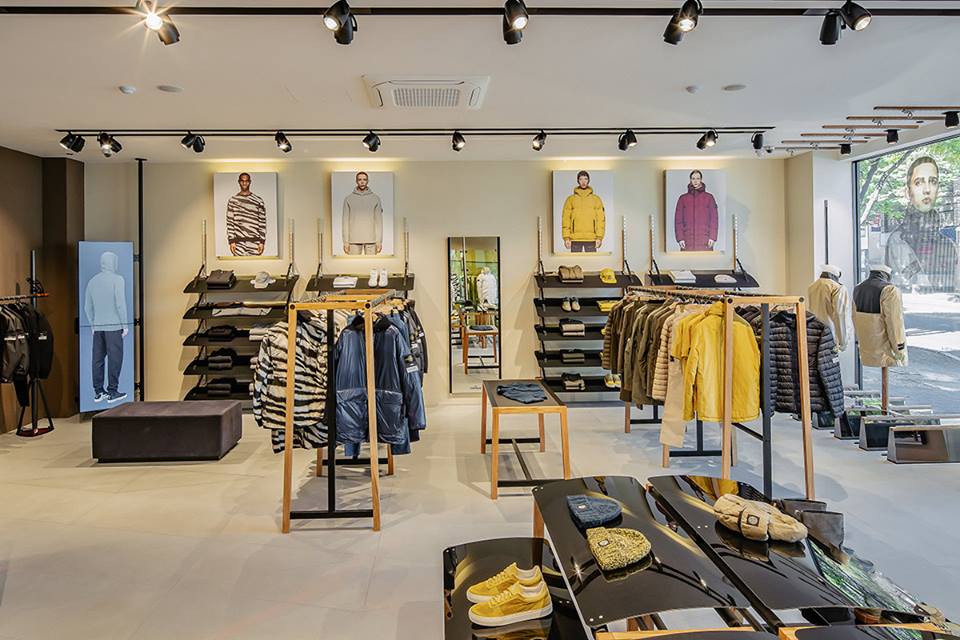
Stone Island (Rendering: First Capital Realty)

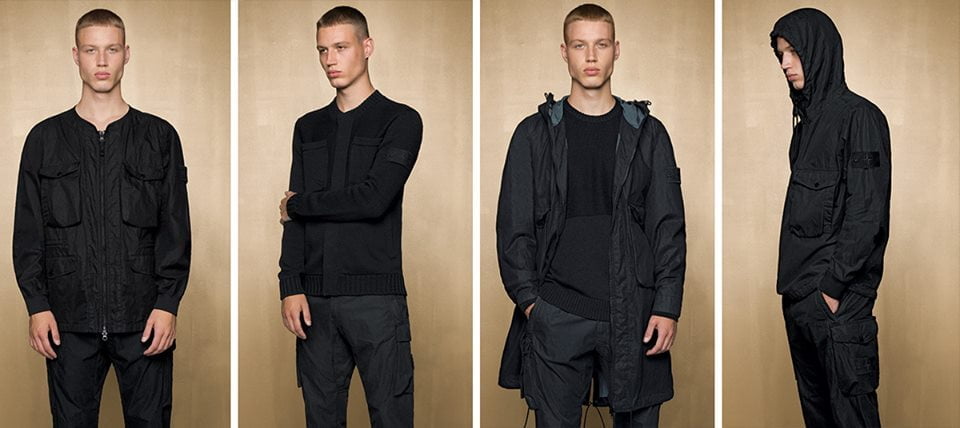
Upscale Italian men’s apparel brand Stone Island will open its Canadian flagship this fall in a new development on Toronto’s Yorkville Avenue. It’s the latest high-end name to open a storefront in the rapidly transforming area, which is seeing several new high-end apparel brands catering to an affluent demographic.

The Yorkville Avenue store will carry Stone Island’s full range of fashions and accessories for men, marking the first time that the brand has had its own dedicated retail presence in Canada. It will also be Stone Island’s third store location in North America, following locations that opened in New York City and in Los Angeles.

A favourite of celebrities such as Drake, Stone Island’s Toronto flagship will span two levels with about 2,500 square feet of space at 102-108 Yorkville Avenue. Stone Island’s location is strategic — Chanel’s 8,550 square foot flagship is next door immediately to the east at 98 Yorkville Avenue, and Versace and Brunello Cucinelli will open flagships in a few months immediately to the west in this development. Upstairs, Her Majesty’s Pleasure will open a unique space on the third floor, and an ultra-high-end Japanese restaurant will open on the lower level of the complex. Across the street, Christian Louboutin opened in the summer of 2016 at 99 Yorkville Avenue.
Located across the street from Stone Island, as well, is a storefront for Off-White, a pricey Italy-based streetwear brand created by Chicago designer Virgil Abloh (now also the menswear designer for Louis Vuitton). Off-White’s Toronto store is operated by local multi-brand retailer CNTRBND, which also operates a storefront at 135 Yorkville Avenue housing a range of unique and hard-to-find product offerings. CNTRBND will open two new storefronts in the neighbourhood this spring as Yorkville continues to evolve into a luxury fashion hotspot that includes a range of traditional brands as well as aspirational offerings and otherwise upscale streetwear brands that are increasingly being favoured worldwide.

Stone Island was represented by Hilary Kellar-Parsons of brokerage Avison Young in the lease deal for 102 Yorkville Avenue. First Capital Realty is developing the 102-108 Yorkville Avenue complex and Eric Sherman negotiated on the landlord’s behalf. Stone Island’s space was originally intended for luxury UK footwear brand Jimmy Choo, but the deal was terminated a couple months ago mutually as the brand re-evaluates its global retail operations.

Eric Sherman, Director of Real Estate for First Capital Realty’s Yorkville properties, said, “The luxury landscape is changing, as brands and consumers alike are blurring the lines between conventional luxury and high-end sportswear and streetwear with a special focus on service and experience. We are keeping this trend in mind as we purposefully curate our portfolio on Yorkville Avenue, which has quickly become the most sought after address for luxury flagships in the country.” He went on the say, “Over the past few years, Stone Island has shown spectacular growth and is consistently listed as one of the world’s top 10 hottest brands alongside the top ultra-luxury brands globally. First Capital Realty is extremely excited to be working with Stone Island on their Canadian flagship and only stand-alone store in the country.

Stone Island was founded in 1982 by designer Massimo Osti. It was created as a parent brand for his first label, C.P. Company, which was founded in 1974. In 1992, Carlo Rivetti and family, already stakeholders since 1983, bought 100% of the brands, and founded Sportswear Company SpA. In August of 2017, Sportswear Company SpA sold a 30% stake in its business to Singaporean Sovereign wealth fund Temasek Holdings. Carlo Rivetti is currently Sportswear Company’s President and Stone Island’s Creative Director.
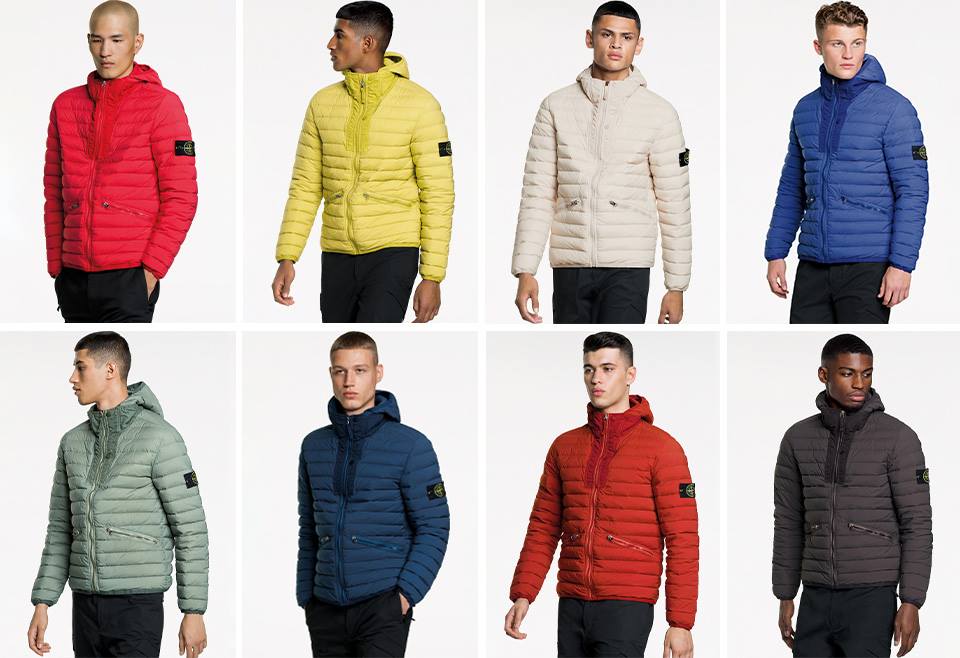
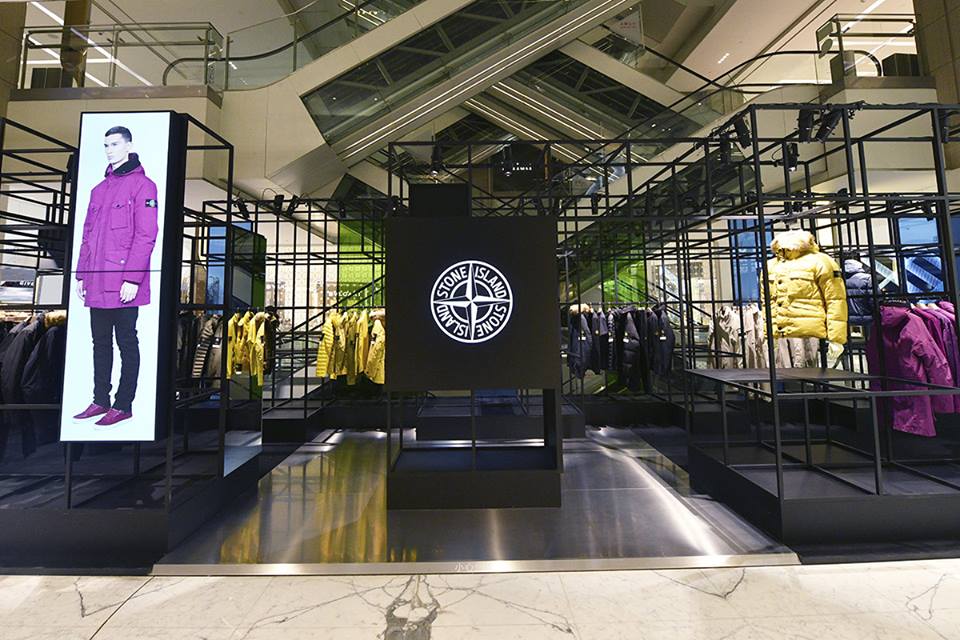
Prices are at the high-end, with some outerwear styles retailing for in excess of $1,000 each, and some sweater styles can sell for more than $500. In Canada, Stone Island clothing can be found in upscale edgier multi-brand retailers such as SSENSE, Haven, CNTRBND and TNT, among others. Stone Island also experimented with temporary shop-in-shops at Holt Renfrew, which are said to have performed well.

The brand’s popularity has exploded recently and in the fourth quarter of 2018, Lyst ranked Stone Island as the world’s seventh hottest brand globally. The only brands ranking higher included Gucci, Off-White, Balenciaga, Moncler, Fendi and Versace, in that order.

Stone Island’s popularity is due in part to its brand collaborations, as well as a roster of celebrity fans who wear the brand. Stone Island has collaborated with popular brands such as Supreme, and Nike with considerable success. Such collaborations are increasingly common in the industry, with product ‘drops’ often selling out quite quickly, while creating hype and greater brand recognition.

Stone Island became fashionable among the Italian youth subculture called Paninari (an affluent scene that would congregate in panino/sandwich shops). Not long after, the brand became a favourite among British soccer fans and then music fans who were drawn to Stone Island’s specialized dyes and pioneering fabrics.

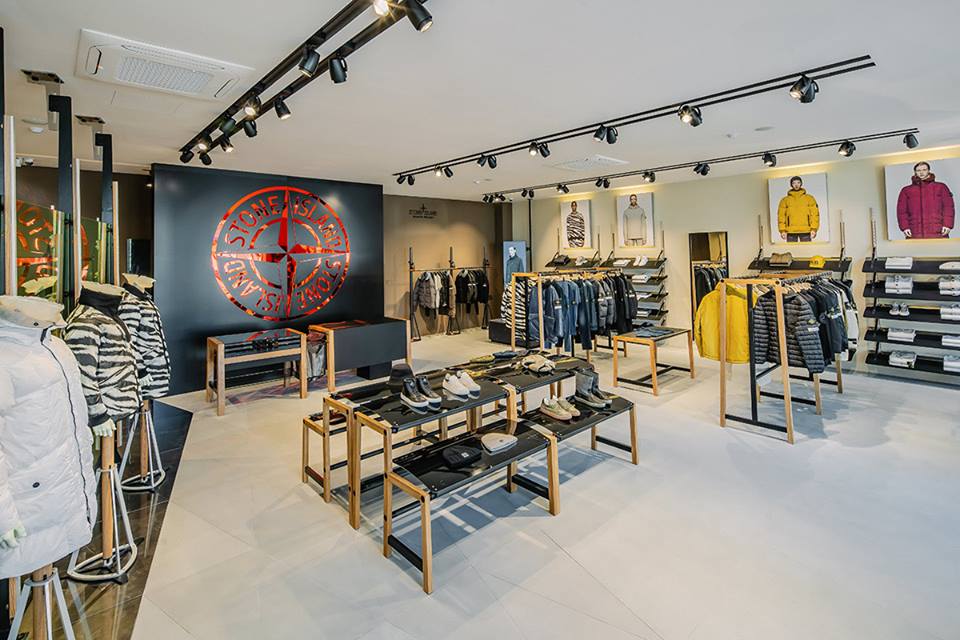
Stone Island is known for its quality and innovation, having developed more than 60,000 different recipes of dyes throughout the years. Technical sportswear design (through considerable research and development) and fabrics has helped the brand gain a ‘cult’ following for its products featuring the compass-like Stone Island badge on the left arm of garments.

 The brand also has a considerable social media following, including more than a million in Instagram alone. Likes, comments and ‘shares’ are common amongst the highly engaged fans of Stone Island.

According to its website, Stone Island operates 23 standalone stores globally. Of those, eight are in Italy, three are in Germany, two are in France, two are in the Netherlands, two are on South Korea, and there is one location each in London, Stockholm, Tokyo and Hong Kong. In the United States, Stone Island operates a store in New York City’s Soho area on Greene Street, as well as a unit on North La Brea Avenue in Los Angeles with an exterior that could pass for a high-end car dealership.

Stone Island’s entry into Toronto’s Yorkville area signals a shift for the neighbourhood as a diverse range of brands open stores. As mentioned above, Yorkville is blossoming with the addition of brands such as Off-White and now Stone Island, while traditional luxury brands continue to show interest. As a result, Yorkville Avenue is seeing a unique lineup of upscale retailers which expands the offering of global brands that are available to Toronto consumers. That diversity is expected to result in an expanded demographic of monied shoppers that might otherwise seek out brands elsewhere, including at Toronto’s Yorkdale Shopping Centre

The diversity of retail in the Bloor-Yorkville neighbourhood also reflects demographics in the rapidly changing area. While known for its luxury residences, Bloor-Yorkville is now seeing thousands of residential units being added to the neighbourhood, with many units smaller-sized to cater to a younger demographic that is not necessarily always ‘wealthy’. The new diversity of retailers is expected to serve the area with a population spanning a broad age and income spectrum. 

We’ll continue to follow Yorkville’s progression as the neighbourhood’s retail continues to diversify with new entrants. We’ll also report back with photos and an update when the store opens later this year.

Cadillac Fairview Announces Significant CF Fairview Park Investment [Renderings]

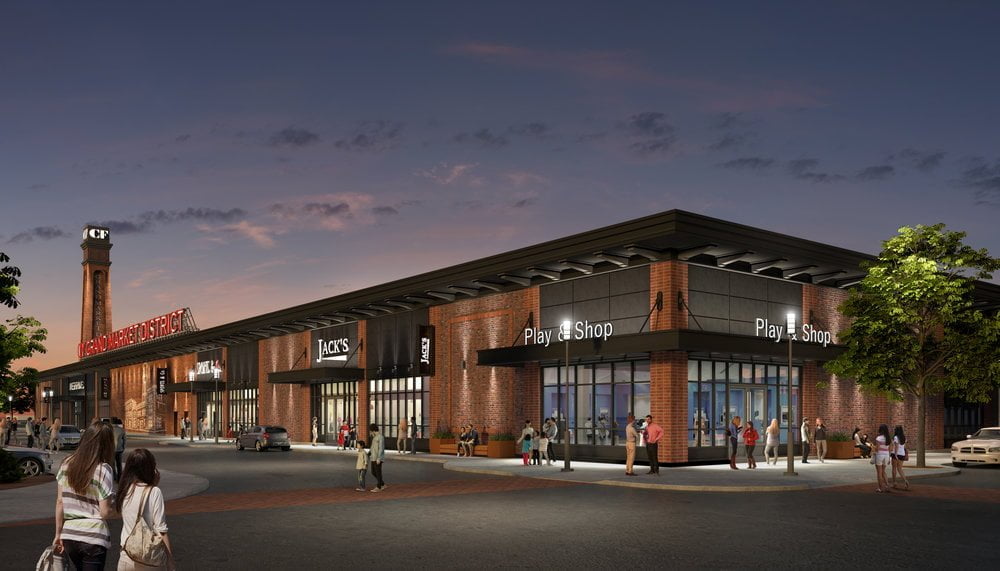
RENDERING: CADILLAC FAIRVIEW

Cadillac Fairview is investing $70-million in the Kitchener-Waterloo region through the development of its CF Grand Market District which will transform the old Sears space in the CF Fairview Park mall as well as add freestanding office and restaurant space.

It’s the first phase of an ambitious project that will see further office, retail and residential space developed on the site including up to 600 homes.

“Retail is changing and Cadillac Fairview has a long-storied history in retail and we’ve always been successful by changing with the times and staying ahead of change. Where you’re seeing retail and customers move towards online what we do is work with our retail clients to change the type of retail that we have at our properties to really complement the online shopping,” said Finley McEwen, Senior Vice President of Development, Cadillac Fairview.

“Rather than kind of inward facing retail where you’d have many iterations of the same store in numerous markets, what we do is create a really experience driven outdoor shopping area where the retailers can present their brands through the architecture, through the look and feel of the space so that when their customers arrive it’s really an experience. That helps supplement their online business. That helps create a more agreeable experience for their shoppers and that’s how we secure and grow our market share.”

Ground-breaking for CF Grand Market District is expected this spring with completion of Phase I of the project targeted for 2021.

PHOTO: CF FAIRVIEW PARK VIA CADILLAC FAIRVIEW
RENDERING: CADILLAC FAIRVIEW

Cadillac Fairview said GMD will transform CF Fairview Park by moving it away from a traditionally enclosed retail mall format to a mixed-use model. The former Sears store will be repurposed to create retail space, and a new freestanding office building called the “West Building” along with a number of compelling restaurants will be built. In total, Phase I of the GMD includes 180,000 square feet of new or repurposed space at the site. The long-term plan will bring additional office, residential, retail space and a parking structure at the property.

The current mall is anchored by Hudson’s Bay and Walmart. It was first opened in 1965 and today has 117 stores and 746,802 square feet of gross leasing area.

PHOTO: FINLEY MCEWEN, SVP DEVELOPMENT, CADILLAC FAIRVIEW

The vacant Sears space is about 180,000 square feet on two levels.

“We’re taking the opportunity that the Sears vacancy afforded and also taking advantage of the light rail transit which has been introduced into the area to redevelop the first phase of a mixed-use development. So rather than enclosed traditional retail which would typically face inwards to the mall what we’re doing is converting about half of that space toward outward facing retail and free-standing restaurant units and the other half becomes office space, a new purpose-built free-standing office building,” said McEwen.

RENDERING: CADILLAC FAIRVIEW

“Beyond this, we also have a rezoning application in for additional office space and residential space in the property. It will be a truly mixed-use development when we’re done.”

McEwen said Cadillac Fairview is not announcing specific retailers at this point who are going into the Sears space.

“We have large portions of it leased but we’re going to let those retailers make the announcements. There will be larger format outward facing retailers as well as smaller format retailers and free-standing restaurants,” he said.

Within the Sears space will be four to six retailers and there’s also provision for three free-standing restaurants that are not in the footprint of the old Sears store.

“Part of creating a walkable outdoor area involves creating these free-standing buildings and the pedestrian areas and landscaping so that you have a walkable area that people can linger and spend time. So what we do is detach the buildings from the mall in a kind of more modern take on how to do retail and then intermingle that with the office building as well. Between the office building and the three free-standing restaurants you’ve got a series of buildings that you can walk in between. There’s nice landscaped areas and benches in between the buildings to create an agreeable outdoor area,” said McEwen.

RENDERING: CADILLAC FAIRVIEW

In the first phase, about 80,000 square feet of office space is being created in one four-storey building.

After the first phase of the project, Cadillac Fairview plans to build another 160,000-square-foot office building over four storeys.

“Future phases also include 600 residential units. We haven’t made the determination whether it’s condo or rental yet. At this point we’re just working with the city of Kitchener on the zoning,” said McEwen. “Our zoning application includes between two and four residential towers. So the shape and height of the buildings hasn’t been determined yet but it will be in that range and approximately 1,000 structure parking stalls.”

Additional retail space will be on the ground level of those buildings.

“Kitchener is a strong growing market. You’ve seen growth in retail spending as well as employment growth and there’s been positive absorption in office space in that market for some time,” said McEwen.

“Demand is being driven not just by technology companies but the financial services as well. So we see that as a terrific opportunity and given our long roots, our long history in the market, we’re pleased to be able to grow with the market. We’re changing what kind of product we’re offering to suit the current growth patterns.”

MAP OF KITCHENER-WATERLOO’S NEW LRT SYSTEM VIA CADILLAC FAIRVIEW

In a news release Kitchener Mayor Berry Vrbanovic said: “We’re excited to see Cadillac Fairview’s vision come to life as they reimagine the retail experience in our community. CF Fairview Park has been an important part of our community for decades and we’re especially pleased with their focus on sustainability with this mixed-use design that will provide residents even more space to work, shop and play.”

The new LRT system will have a terminus at the GMD site, making it easily accessible for Kitchener and Waterloo residents.

Cadillac Fairview said some of the other key features of the GMD project include:

  • Retail spaces with operable exterior entrances to create more permeable building edges; larger windows to allow natural sunlight into interior spaces; and warmer feeling building materials;

  • An activated streetscape will create an intimate and elevated pedestrian experience weaving together retail, office, restaurants and entertainment;

  • The architecture will feature a unique blend of historical and contemporary design. Traditional brick materials will be used for both building exteriors and pedestrian areas to pay tribute to the city’s Victorian-era industrial past;

  • The former Sears building (built in the 1960’s Kennedy-era style) will be re-imagined with a complete recladding of some elevations and a careful restoration elsewhere where the distinctive ribbed precast exterior will be preserved;

  • As part of CF’s commitment to environmental sustainability, more than 1,500 solar panels will be installed on top of the former Sears building to offset electricity consumed at the property; and

  • Dedicated storm water facilities to channel storm water from the roof areas to underground “infiltration galleries” will be installed, thereby reducing contaminated runoff and making the property more resilient to extreme weather.

RENDERING: CADILLAC FAIRVIEW

“CF Fairview Park has served the Kitchener-Waterloo community for over 50 years, providing exciting retailers, restaurants and other services to our guests to create an exciting shopping destination. We are proud to continue investing in this vibrant, growing community with an ambitious plan that is inspired by the region’s past and motivated by our desire to bring people together,” said Wayne Barwise, Executive Vice President of Development, Cadillac Fairview.

The redevelopment team includes Colliers International, project architect Petroff Partnership Architects and project designer Roy Higgs International.

Cadillac Fairview is one of the largest owners, operators and developers of best-in-class office, retail and mixed-use properties in North America. The Cadillac Fairview portfolio is owned by the Ontario Teachers’ Pension Plan, a diversified global investor which administers the pensions of more than 300,000 active and retired school teachers. The real estate portfolio also includes investments in retail, mixed-use and industrial real estate in Brazil, Colombia and Mexico.

Valued at more than $28 billion, the Canadian portfolio includes over 38 million square feet of leasable space at 67 properties in Canada, including landmark developments, such as Toronto-Dominion Centre, CF Toronto Eaton Centre, CF Pacific Centre, CF Chinook Centre, Tour Deloitte and CF Carrefour Laval. 

Plant-Based Concept ‘Copper Branch’ Announces 26 Locations for 2019

Image: Copper Branch

Copper Branch, a “plant-based power food” quick-service concept, is poised to open 24 locations in Alberta, Ontario and Québec in 2019, as well as two in the United States. It’s part of a bigger trend of consumers seeking out healthy food options, particularly those looking to reduce or eliminate meat from their diets.

Originating in Montréal in 2014, founder Rio Infantino’s vision was to turn gourmet power foods into quick-service options that would appeal to an underserved and growing market. Today, Copper Branch serves 100% plant-based power foods in 45 locations across Canada. The brand is beginning to establish itself internationally with locations in both the United States and France.

Copper Branch has already seen some locations open this year: one in Thornhill, north of Toronto and another at the South Edmonton Common in Edmonton.  The grand opening of their downtown London, ON restaurant happened February 24th, 2019 according to the company’s Facebook page.

The list of planned openings for Copper Branch includes:

ONTARIO

  • Bathurst and Centre Streets, Thornhill – opened February 11
  • 660 Richmond Street, London – opened Sunday, February 24, 2019
  • 90 Burnhamthorpe road at Hurontario, Mississauga – opens summer 2019
  • Winston Churchill and Argentia Road, Mississauga, opens summer 2019
  • Trafalgar and Dundas Roads, Oakville – opens summer 2019

QUÉBEC

  • 20 boulevard Mortagne, Boucherville

  • Centre Commercial St Luc, St Jean Sur Richelie
  • 177 boulevard Sir Wilfred Laurier, St Basile le Grand

  • 1732 rue St-Denis, Montréal
  • 5385 Queen Mary Road, Montréal
COPPER BRANCH MONTRÉAL
  • 2350 Wilfred Reid, St. Laurent
  • 1180 rue Stanley, downtown Montréal
  • Tour Fresk, Ville de Québec
  • Le Complexe de la Capital, 5600 boulevard Des Galeries, Québec
  • Odacite, 2e rue Est l’avenue Leonidas Sud, Rimouski

ALBERTA

  • South Edmonton Common – now open
  • Bankers Hall, Calgary – opens March 2019
  • Marquee, Calgary – opens May 2019
  • Seton, Calgary – opens September/October 2019

UNITED STATES

  • 1515 17 Street, Fort Lauderdale, Florida – now open

COPPER BRANCH FORT LAUDERDALE LOCATION
  • 196 Bleecker Street, New York City – opens March 2019

Over the last few years, vegan and vegetarian lifestyles have come to focus as they lend themselves to an environmentally sustainable way of living. Because of this shift, concepts like Copper Branch and Mad Radish are gaining momentum and market share in Canada.

Historically meat-based chains like A&W have introduced meatless options for their customers; A&W’s Beyond Meat Burger launch was so successful that it reportedly outsold their classic Teen Burger. The market for vegan and vegetarian options continues to grow, creating an opportunity for new concepts to emerge and for veteran brands to evolve and expand their offerings.

In addition to the locations planned for 2019, Copper Branch continues to seek opportunities in markets across Canada for both open-air centres and enclosed malls. In open-air centres, ideal spaces measure between 1,250 to 2,000 square feet, and in enclosed malls, Copper Branch seeks slightly smaller storefronts, spanning between 450 and 1,500 square feet.

Tony Flanz of brokerage Think Retail has partnered with Copper Branch on its expansion plans in super regional malls nationwide, except for Alberta. Other representatives include Scott Grandin of Dynamic Franchising Group who represents Copper Branch in Ontario except Ottawa, Copper Branch’s Quebec deals are handled by Corey Besner of Core Consultants Realty, Alberta and Manitoba real estate deals are handled by Stephen Travers, and everything else is handled in-house at Copper Branch by Mark Segall.

Calgary Streetfront Retailers Shuttering Amid Property Tax Increases

exc-5c64ece9eb393145f2fdf2e2

By Mike Kehoe, Broker at Fairfield Commercial Real Estate

As a commercial real estate broker, I have focused on leasing storefront and restaurant space over the past 28 years across the inner-city urban business districts of Calgary, Alberta. Cool areas such as Kensington, Marda Loop, Bridgeland, East Village, Mission, Marda Loop and the City’s premiere high-street 17th Avenue SW.  

Economic factors such as a soft local economy, low consumer confidence and high property taxes are taking a toll as stores and restaurants close their doors in these once vibrant shopping and dining areas. Since 2016 there have been 48 storefront transitions along 17th Avenue SW in the 16 blocks that stretch between 14th Street SW and 2nd Street SE according to a local business group. Most are recycled quickly with new tenants, but the optics can have a negative perception. Currently in this district there are around 38 storefronts facing lease renewals or some sort of transition in 2019. 

Commercial property taxes outside the downtown core continue to escalate and are expected to increase again significantly in 2019. The significant loss of tax revenue from the downtown core due to high office vacancy will shift to the commercial sector in the inner-city and suburban markets. Businesses outside the downtown core will see double digit property tax increases in 2019 with sectors such as retail and restaurants taking the hardest hit. This in the face of keeping residential property taxes artificially low at the expense of the Calgary business community. 

Retail tenants think of their bricks and mortar overhead costs as a bundle of expenses that include a base rent, additional rent that contains such items as building insurance, common area costs, utilities and the largest single component in Calgary – property taxes. For retailers and restauranteurs, the delicate balance between their rent and their sales (the formula) in a soft market can be a nerve-wracking monthly dance.

Lease costs and a tenant’s ability to pay rent are supported by a tenant’s sales productivity and at the end of the day ‘the formula’ states that rent is always a function of sales. If the sales are productive the retailer can afford to pay their rent. If one or more components of this formula go out of whack such as lower sales due to a soft economy or large increases to certain costs such as property taxes or rent the results can be catastrophic. Right now, we have a combination of both, a kind of ‘perfect storm’ and this is reflected by the high store and restaurant turnover rate.  The only negotiable variable in ‘the formula’ is the base rent and many tenants and landlords I am sure are having serious conversations these days.

Property owners on behalf of their retail and food service take note that property taxes can be appealed annually through a formal appeal process at the City of Calgary. There are companies who specialize in ensuring your property tax burden is fair and equitable. Do not just blindly accept your assessment from the City of Calgary related to your property tax bill. Ask the tough questions of the City assessors: “How is my ‘market valuation’ derived?” If you don’t like the answer, it may be time to contact a company who will advocate for lowering your property taxes through appeal on your behalf. Such firms as Altus, Ryan’s, AEC and Colliers can help. 

There is good news on 17th Avenue as the new 30,000 square foot Canadian Tire store is now open at Mount Royal Village. The Urban Fare grocery store (by Save on Foods) in the same building is set to open in the early spring of 2019.

Retail is always changing and evolving. 17th Avenue SE is Calgary’s high street and a great barometer of the local economy and one of the City’s thriving urban business districts.

Michael Kehoe is a commercial real estate professional with over forty years of experience in the retail real estate field. He has an international profile related to retail real estate, commercial real estate leasing, marketing and shopping centre management. Michael is the Broker / Owner of Fairfield commercial Real Estate based in Calgary.

Hudson’s Bay Co. to Shutter Home Outfitters Chain and Reevaluate Saks OFF 5TH

exc-5c6f3da7e5e5f0074f233e27

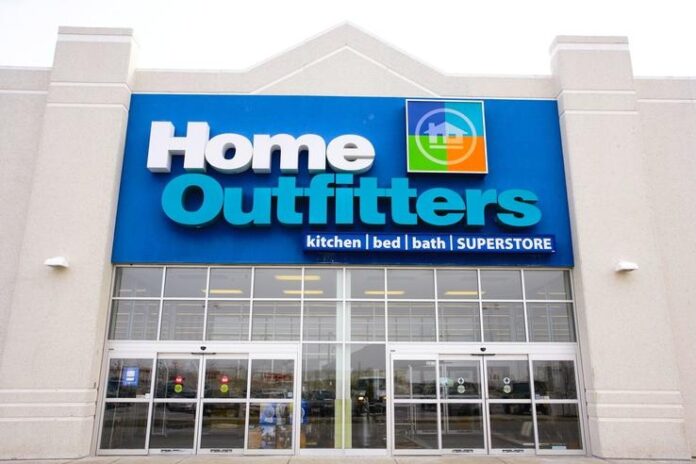
The Hudson’s Bay Company (HBC) has announced that it will shutter its chain of Home Outfitters stores in Canada this year. The company is also taking a hard look at its Saks OFF 5TH chain of off-price stores, which is said to be struggling in terms of profitability.

All 37 Home Outfitters locations will close in Canada, representing more vacant retail space that landlords will have to deal with, at a challenging time when other chains have also announced store closures. Home Outfitters employs nearly 700, and it’s not yet known how many may be transferred to other HBC banners. 

HBC is also reevaluating its chain of 133 Saks OFF 5TH stores, which are struggling financially. About 20 Saks OFF 5TH stores are expected to be closed in the US in an effort to increase profitability. 

SAKS OFF 5TH AT VAUGHAN MILLS IN SUBURBAN TORONTO

Helena Foulkes, who became CEO of the Hudson’s Bay Company a bit over a year ago, said that the closures are in an effort to “reduce costs, simplify the business and improve overall profitability.” In a release, she said that “The divestiture of Gilt, rightsizing of Lord & Taylor, the recent merger of our European retail operations in Germany, and today’s announcement exemplify the bold strategic actions we are taking to set HBC up for long-term success.”

HBC came under scrutiny in November when activist investor Land and Buildings Investment Management LLC. called out the board for failing to take decisive action to unlock value for shareholders. One of the suggestions was that HBC sell off its 650,000 square foot Saks Fifth Avenue flagship in Manhattan, which was assessed in 2014 at $3.7-billion — considerably more than the price that Governor/Executive Chairman Richard Baker paid for the company in 2013. 

Selling Saks Fifth Avenue and Lord & Taylor as well as HBC’s remaining stake in its European business, could result in a  doubling or even tripling of the share price of the HBC, according to the activist investor. 

HBC lost $164-millon dollars in its latest quarter, or about 69 cents per share. 

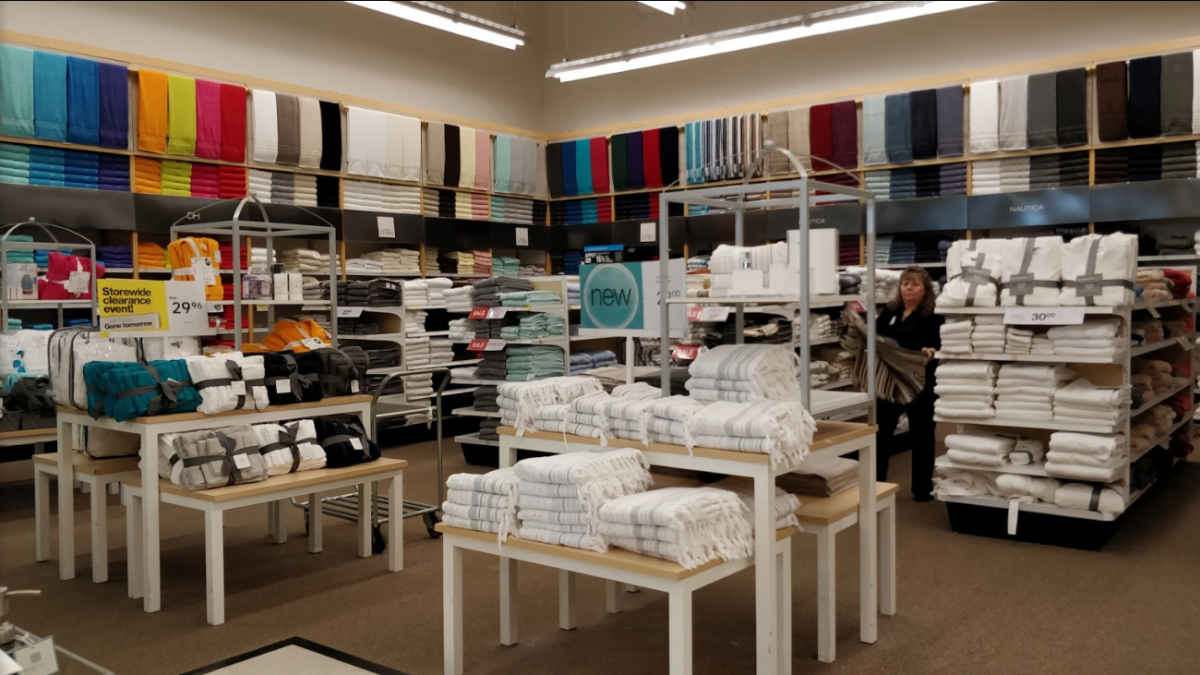
Home Outfitters operates stores Canada-wide in a diverse range of locations, including standalone units, power centres, and even top shopping centres such as Toronto’s Yorkdale Shopping Centre. Smaller communities such as Nanaimo, Kelowna, Saskatoon, and Halifax have Home Outfitters locations that may prove challenging to fill. Home Outfitters locations are, for the most part, in suburban areas with ample parking. 

Some landlords will struggle to fill vacated Home Outfitters locations, which span between 28,000 square feet and 81,000 square feet, averaging approximately 35,200 square feet each. This week, Payless ShoeSource announced that it was closing all 248 Canadian stores after the company’s bankruptcy, and Lowe’s is in the process of closing 27 stores under its Rona banner in Canada. Other smaller format chains such as Town Shoes have also recently closed stores. 

The large size of Home Outfitters locations is similar to Future Shop, which was shuttered by parent company Best Buy in March of 2015. That was around the time that Target began closing its 133 Canadian stores as part of a national pullout. About a year ago, as well, Sears Canada closed all of its Canadian stores. In all, millions of square feet of retail space has been vacated in Canada in recent memory.

Some landlords are repurposing some larger vacated retail spaces by adding new retailers, food halls and food markets, fitness centres, and even schools. Some larger boxes have been reconfigured for multiple tenants, while others have been demolished for redevelopment. 

Most of Home Outfitters’ stores are in markets that are also served by Hudson’s Bay stores. Furniture offerings will continue to be in those Bay locations. According to Home Outfitters’ website, the chain stocks popular brands such as Le Creuset, RICARDO, Calvin Klein bedding, and mattress-in-a-box brand Casper. As a result of the closure, brands will lose a key distribution network, though there is also considerable crossover with offerings at Home Outfitters and at larger Hudson’s Bay stores that offer home furnishings. 

Rumours that HBC was looking to shelve the Home Outfitters nameplate have been going around for years. In the summer of 2014, sources informed us that Home Outfitters was going to be converted to a new chain called ‘Hudson’s Bay Home’. HBC subsequently put out a statement saying that while Home Outfitters had become part of Hudson’s Bay’s Home Division, there would be no name change. 

As part of the Home Outfitters restructuring, two stores were closed in Mississauga and in Abbotsford, BC. In July of 2014, Home Outfitters operated 69 stores in Canada, which means nearly half have shuttered as only 37 are remaining today. Home Outfitters was founded in 1999 selling categories including housewares, small appliances, bath accessories, bedding, furniture and home decor. 

HBC did subsequently launch the ‘Hudson’s Bay Home’ banner in the spring of 2016 when it opened three Hudson’s Bay Home stores in Winnipeg. The concept does not appear to have taken off. 

Off-price Saks OFF 5TH entered the Canadian market in the spring of 2016 when it opened at Vaughan Mills, north of Toronto, and the chain has since opened 17 more locations in the provinces of BC, Alberta, Manitoba, Ontario and Quebec. Saks OFF 5TH, which is its own division and is separate from Saks Fifth Avenue despite the name, had originally intended to have opened 25 stores in Canada by the end of 2018, though sources say that the concept is struggling in Canada as it has failed to gain traction with consumers. Saks OFF 5TH had announced that it would open a two-level store at downtown Montreal’s Montreal Eaton Centre, which was subsequently cancelled with the announcement that French sports retailer Decathlon will occupy that space. 

Saks OFF 5TH already has a considerable amount of competition in Canada. TJX banners Winners, Marshals and HomeSense have been expanding in Canada and as per its name, Winners has come out on top with an impressive 271 stores in Canada. US -based Marshalls, which entered the Canadian market in 2011, now has 88 stores in Canada. Off-price home furnishings retailer HomeSense has 125 stores in Canada. 

Winners anticipates opening eight more Winners stores this year, and Marshalls is aiming to open about 10 stores in Canada in 2019 as well. HomeSense plans to open 12 stores in Canada this year and all three banners could see as many as 30 new locations open nationwide in 2020. 

As well, Nordstrom Rack entered Canada in the spring of 2017 when its first store opened at Vaughan Mills in Toronto’s suburbs. Nordstrom Rack now operates six stores in Canada with three in the GTA and individual units in Edmonton, Calgary and Ottawa. As many as 15 Nordstrom Rack locations are expected to be in operation in Canada by the end of its multi-year expansion.

Self Storage Company Launches Aggressive National Expansion

RENDERINGS OF THE NEW DON MILLS BLUEBIRD SELF STORAGE IN TORONTO. IMAGE: BLUEBIRD SELF STORAGE

Bluebird Self Storage is riding a wave of growing demand for storage space as it aggressively expands in the Greater Toronto Area with future plans to grow the company in other parts of Canada.

And part of the strategy going forward is to include retail space with the self-storage facilities.

Toronto-based Bluebird currently has four locations in the Toronto area with stores five through 11 in various stages of permitting and/or construction. All the locations are in the Toronto area.

“Our plan is to strategically and prudently grow the Bluebird brand across Canada with a focus on the major markets starting with Toronto of course where we’re already established but we’ll be on to some of the other markets in Canada as well,” said Reade DeCurtins, co-founder and partner of Bluebird.

“Our plan is to grow through three different arms here. One is development and development can be either ground up development or the conversion of existing buildings. The second way we’re growing the brand is through acquisitions of competitors and the third is through third party management whereby we would take over management of another brand, re-brand it to Bluebird, add them to our website and more sophisticated management platform.

“We don’t have a specific number. Our growth is going to be driven through the opportunities and smart growth decisions.”

DeCurtins said each location is on average about 130,000 square feet.

The number of units varies by location but range from 600 to 900 units.

RENDERINGS OF THE NEW DON MILLS BLUEBIRD SELF STORAGE IN TORONTO. IMAGE: BLUEBIRD SELF STORAGE

“In markets like the GTA in particular we’ve read that the density in and around Toronto is second only to Manhattan in North America. So I think the reason that self storage has become so popular is awareness and this is by way of better, more visible retail types of locations and secondly you have people moving into smaller and smaller homes – condos and apartments,” said DeCurtins, adding that he sees that trend continuing.

“And something else we’ve known in the industry is that with each younger group of people that you look to there’s higher penetration. So there’s going to be a higher percentage of Millennials that have or are using self storage than the Baby Boomer generation for instance. We still don’t know the true demand potential because the demand is increasing with each younger generation.”

When it comes to conversions, DeCurtins said the first thing the company looks at is a retail location with strong presence. In the case of converting industrial buildings, its challenge is to find a place that allows for storage use that is in more of a retail type of corridor or at the edge of a retail corridor.

“So we are looking for over 20,000 cars a day in front of our doors and a population density of over 60,000 people within five kilometres and we are typically looking to build or convert 225,0000 square feet or more,” he said.

RENDERINGS OF THE NEW DON MILLS BLUEBIRD SELF STORAGE IN TORONTO. IMAGE: BLUEBIRD SELF STORAGE

“When we’re looking for industrial buildings we know that we need to be able to build out to our requisite footage and that can be done via the conversion of the building exclusively or a combination of repurposing the building and adding more square footage in the excess property that will house it.”

When asked if Bluebird would consider the possibility of going into vacant big box retail space, DeCurtins said the company does foresee there being opportunity.

“They are a nice play for us as they have the retail types of locations that we’re seeking anyhow and by virtue of the size we feel like it would be a good fit for self storage as well,” he said.

“Beyond that right now, a number of our sites that we’re working on in the GTA are partnerships with retail development groups whereby we’ll be building mixed-used types of buildings that will have retail on the first floor including the Bluebird Self Storage office and then it will be self storage above the first floor. Right now we are in discussions on four retail mixed-use sites in the GTA. We would look to the landlords and partners with the retail specialty to plug in the tenants.”

DeCurtins said the company would look on a case-by-case basis at locations within malls but one of the things it would need for a self storage facility is ease of access for customers. A mall would present some challenges in that regard, he said.

Last Chance to Register for DX3 Conference in Toronto, March 6-7

There’s still time to register for the popular DX3 Conference, taking place March 6-7 at the Metro Toronto Convention Centre and it is expected to be bigger and better than ever. More than 60 industry speakers and 50 immersive exhibitions will be part of the event that is expected to see more than 4,000 attendees over the two days. [Buy Tickets Here]

DX3 is considered to be Canada’s leading conference for retailers, marketers and tech innovators, and this year it’s under new management. Given the massive attendance, DX3 is also a great place for networking as well as hearing from industry insiders.

Exhibits at DX3 will offer immersive experiences that will also allow guests to interact hands-on with the latest technology and content strategies. This year’s exhibitors at DX3 include Vitamin Talent, Heyday, Creative Niche, EY, Nielsen, Manage Engine, OFI, Peersway, ShipStation, Pelmorex, and Royal Roads University, among others. 
Tickets to DX3 are now available to purchase, can be found here. You can attend the exhibition portion for free, using code: VISITDX3EXHIBIT.

With a focus on celebrating diversity, key industries such as cannabis and A.I., and how technology and female entrepreneurs are changing the retail landscapeDX3 2019 will feature the brightest minds to provide engaging content and exhibits for Canada’s retailers, brands and agencies,” said Hifazat “Faz” Ahmad, President and CEO, DX3. 

Here are some must-sees at this year’s DX3 Conference: 

DX3 2019 will showcase a line-up of diverse and thought-provoking talks, workshops and exhibits so that our guests will be able to take fresh new perspectives and disruptive technologies back to their clients,” said Azka Ijaz, Content Director, DX3. “It’s more than a conference, DX3 is an interactive hub where Canada’s most creative minds in retail, marketing and tech come to learn, exchange ideas and make relationships with interesting people that can last a lifetime.”

A broad range of speakers will share powerful content about current digital, marketing an retail trends. Keynote speakers include:

  • Axel Schwan, Global CMO, Tim Hortons 

  • Lauren MacDonald, CMO, IKEA Canada

  • Joanna Griffiths, Founder & CEO, Knix

  • Kiran Patel, CTO, WGSN

  • Rajen Ruparell, Chairman Co-Founder and Mike Gettis, CEO, Endy

  • Sameer Sinha, EVP, Revenue, VWO 

  • Bala Gopalakrishnan, Chief Data Officer, Pelmorex (The Weather Network)

  • Roy Sebag, Founder & CEO, Menē Inc

New speakers booked for the event include: Derek Colfer, Head of Technology & Digital Innovation, Visa Canada; Santhosh Subramani, Director of CRM and Marketing Operations, Air Canada; Kevin Edwards, CEO, SkiptheDishes; Kathy Davey, Head of Communication and Interior Design, IKEA Canada; Ambles Kwok, Vice President of Technology and Digital Innovation, Indigo; Erin Elofson, Countrys Manager, Canada, Pinterest; Marni Schapiro, Director of Retail, Snapchat; and Jeremy Potvin, CEO and founder, Weedbox.

As well, members of the media that are interested in applying for accreditation can email michelle@clutchpr.com

We look forward to seeing everyone there, as Retail Insider will also be in attendance.

[Buy Tickets Here]


*Partner content. To work with Retail Insider, email: craig@retail-insider.com.


Holt Renfrew Relocates Luxury Boutiques Upstairs as part of Ongoing Mothership Overhaul [Photos]

exc-5c6b13d14785d32318c90cd2

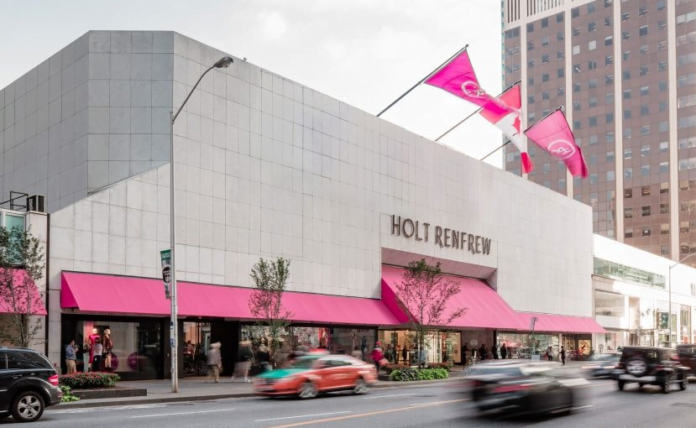
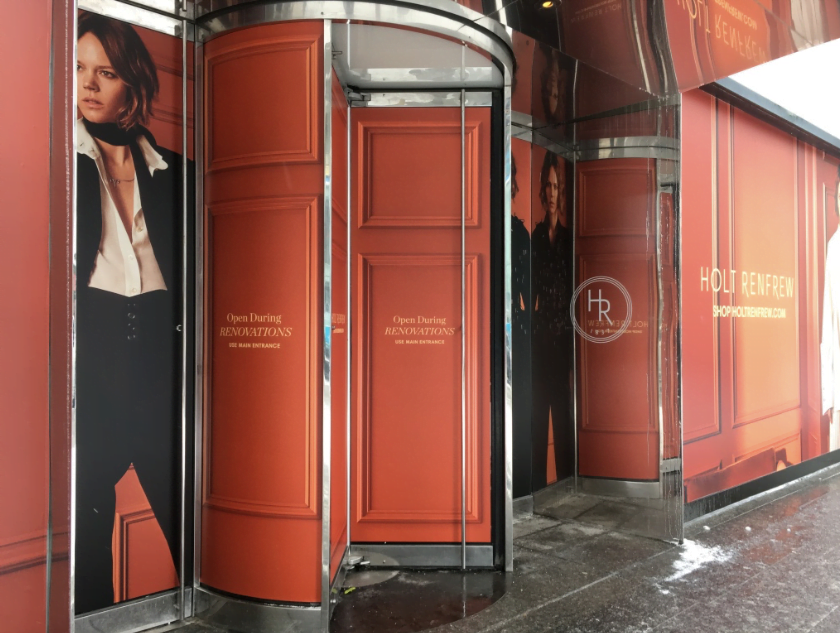
Toronto-based Holt Renfrew recently launched the renovation of its 190,000 square foot flagship at 50 Bloor Street West in Toronto and as a result, some departments are being shifted around as part of the store’s transformation. Several of the store’s street-level concessions have been moved upstairs temporarily, while other areas in the building prepare to be renovated as part of a project that is expected to be completed next year. 
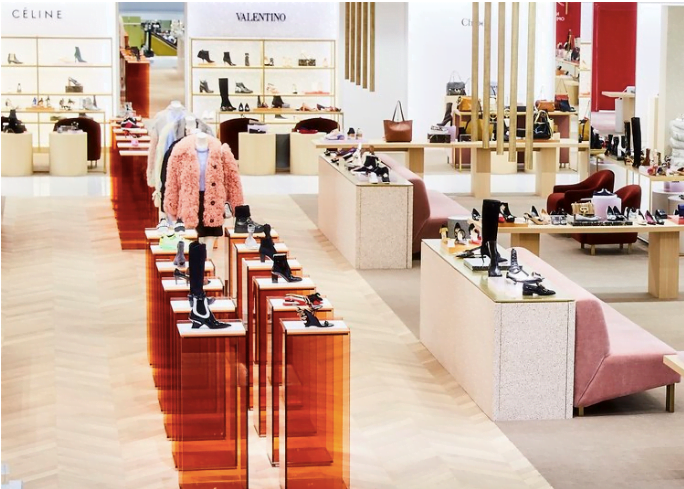
The store’s 25,000 square foot second level houses Holts’ women’s ‘designer floor’, and until recently it comprised primarily of ready-to-wear fashions that include a mix of wholesale departments and leased shop-in-store concessions. Last week, a significant portion of the floor was converted to luxury accessory boutiques for brands Gucci, Celine, Burberry, Bottega Veneta, Miu Miu and Prada. All six brands will eventually be housed in their own dedicated leased hard shops on the store’s ground floor once renovations to that floor are completed. 

Gucci and Celine now occupy the southeast section of the store’s second floor, located between concessions for Brunello Cucinelli and Prada womenswear. The second floor department formerly housed women’s designer fashions from brands such as Giorgio Armani (which have relocated), and the new temporary Gucci and Celine shops now feature an expansive range of accessories as well as some women’s ready-to-wear. 

Gucci will relocate back downstairs in a substantially larger retail space than it had before, featuring the brand’s newest store design that is being rolled out globally. Celine will also have a boutique on Holts ground floor according to a representative at the store, and the boutique will carry a mix of accessories, leather goods, with ready-to-wear also available. The Toronto boutique is expected to be one of the first in the world to feature Celine’s updated store design as per the brand’s new creative director, Hedi Slimane. Celine also just converted its Vancouver operations at Holt Renfrew to a leased concession model as the brand expands its presence in Canada, which sources say will soon also include Celine’s new menswear line.

The northeast section of Holts Bloor’s second floor, which once housed an evening wear department next to an entrance to the store’s personal shopping suites, now features temporary boutiques for Burberry, Bottega Veneta, Miu Miu and Prada. The shops are simple in design which makes sense given that they are temporary, with the Miu Miu salon featuring the brand’s trademark blue design with carpeting as well as some fixtures, as seen in photos in this article. 

Bottega Veneta will build a boutique on the ground floor of Holts that will be located immediately to the right of the store’s main entranceway — an associate at the Bottega Veneta area said that the temporary second-level shop is larger than what will eventually open downstairs. Burberry, Miu Miu and Prada will all locate in a fully renovated space on the west side of Holts’ ground floor — Miu Miu will double in size according to one source at Holts, with Prada and Burberry occupying a central area in the department that most recently housed Christmas-themed gifts, next to one of two entrances for the store’s recently opened Louis Vuitton shop-in-store. 

When finished, the ground level of Holts on Bloor will operate almost as a hybrid shopping centre, with Holt Renfrew acting as the landlord and individual brands handling their own retail spaces. It’s a model more common in Asian and European department stores. 

In order to accommodate the new ground floor boutiques, Holts is relocating most of its beauty vendors into a new space on the basement level of the renovated store. In the summer of 2017, Holts relocated its Vancouver beauty hall into the basement in order to expand its leather goods and accessory department, which is now the largest of its kind in Canada with more than 30,000 square feet of retail space. In Montreal, as well, Holts-owned Ogilvy is undergoing a renovation and expansion to 250,000 square feet as it prepares to be rebranded as ‘Holt Renfrew Ogilvy, coinciding with the closure of Holts 83,000 square foot Montreal Sherbrooke Street store. As part of the Ogilvy building overhaul, cosmetics is also being relocated underground. Other luxury stores have done this — in New York City, Bergdorf Goodman and Barneys New York both feature lower-level beauty halls. As a contrast, late last year Saks Fifth Avenue unveiled a second-level beauty hall on its second floor, which is flooded with natural light from windows that were exposed as part of the renovation and relocation. 

At the Toronto Bloor Street Holt Renfrew flagship, some jewelry brands have also been moved to the second floor temporarily. One area currently housing jewellery was an entrance to a salon and spa that closed last year — one of the reasons it shuttered is because it also leads to nearly 30,000 square feet of un-used space that will be repurposed as part of the store’s overhaul. Downstairs on the ground floor, David Yurman will see a new inline boutique open in a space formerly occupied by Louis Vuitton, for example. 

The ground floor of Holts’ Bloor Street store began renovations last year with the addition of a 3,000 square foot Saint Laurent boutique with a street-facing entrance onto Bloor, as well as a ‘world of’ Fendi concession that opened in December. Both will be the largest concession areas on the ground floor of the store which currently spans more than 35,000 square feet. 

The women’s shoe hall was relocated into the basement temporarily while the mezzanine shoe hall was renovated and expanded to include four shop-in-store boutiques as well as designer areas for Valentino, Prada, Celine and Chloé, and also a selection of high-end handbags. The updated shoe floor reopened in November of 2018 with two footwear boutiques — Christian Louboutin opened its third Toronto boutique on the floor, and Holts also opened a dedicated Gucci shop-in-store. This spring, Dior will open a footwear concession in an area next to Gucci on the mezzanine, and Holts is also building a boutique for Roger Vivier that will be located next to an updated restaurant. 

The current Café at Holts restaurant will close in April temporarily and will undergo a renovation that will last for several months, according to staff. When it re-opens as ‘Colette Grand Café’, the space will feature a new menu as well as glass windows facing south over Bloor Street West (with a great view of Eataly). 

Menswear will also be moving back into the main 50 Bloor Street West store next year on the store’s 25,000 square foot third floor, which is currently dedicated to contemporary women’s brands. That will coincide with the closure of the 16,500 square foot Holt Renfrew Men store that opened at 100 Bloor Street West in September of 2014. 

M&M Food Market Expanding Retail Operations with Partnerships and New Storefronts

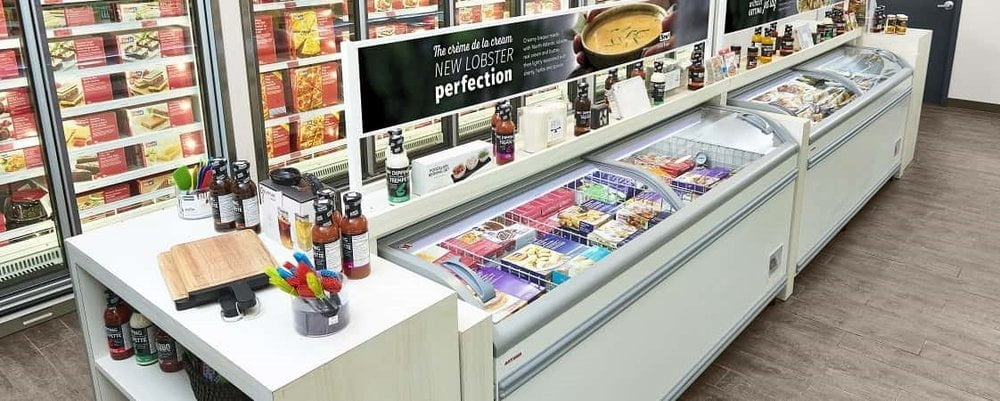
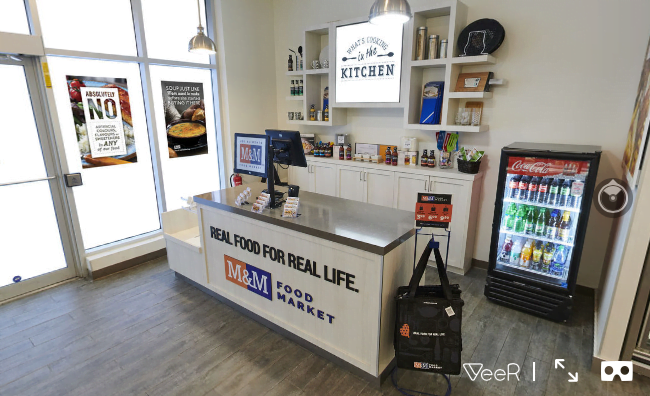
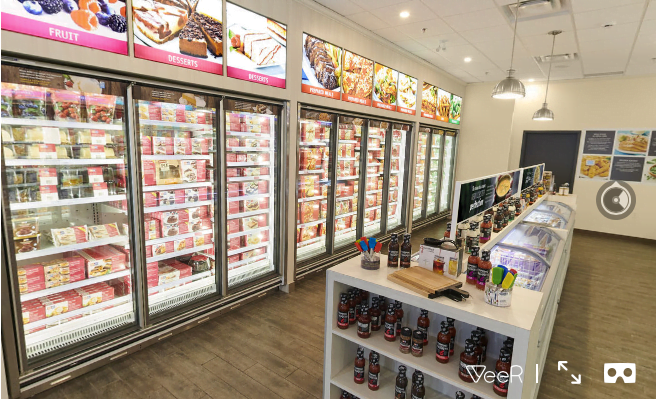
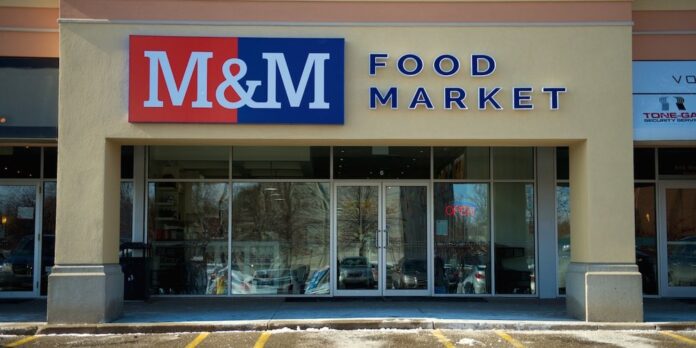
MM Food Market Westmount. PHOTO: M&M FOOD MARKET

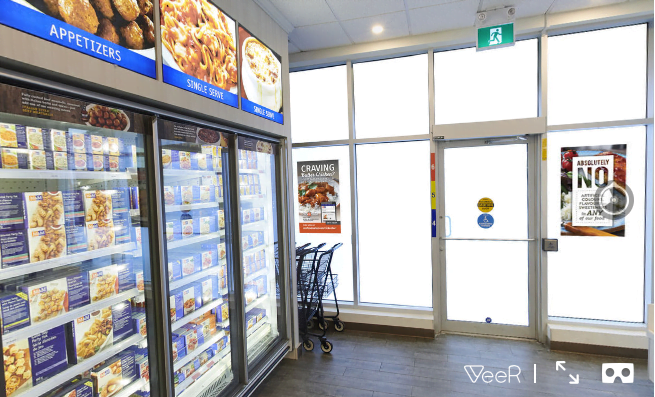
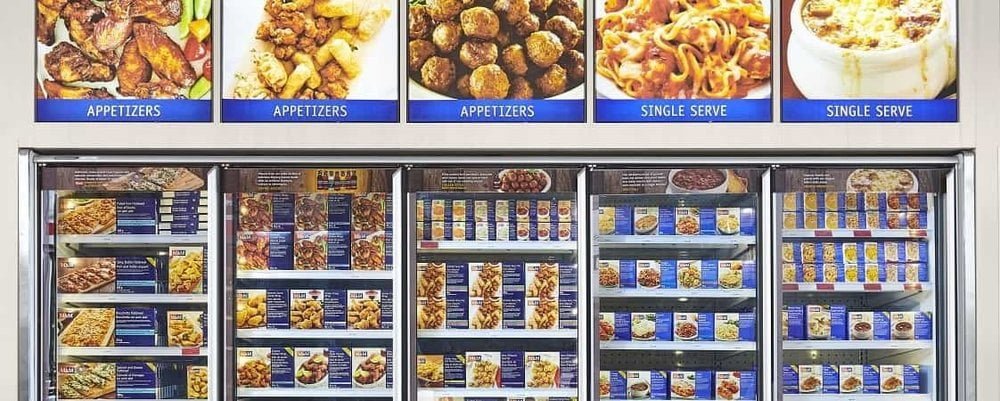
M&M Food Market is using strategic partnerships with bigger chain stores to increase its brand awareness and grow its national footprint. At the same time, the retailer is also expanding its network of standalone stores.

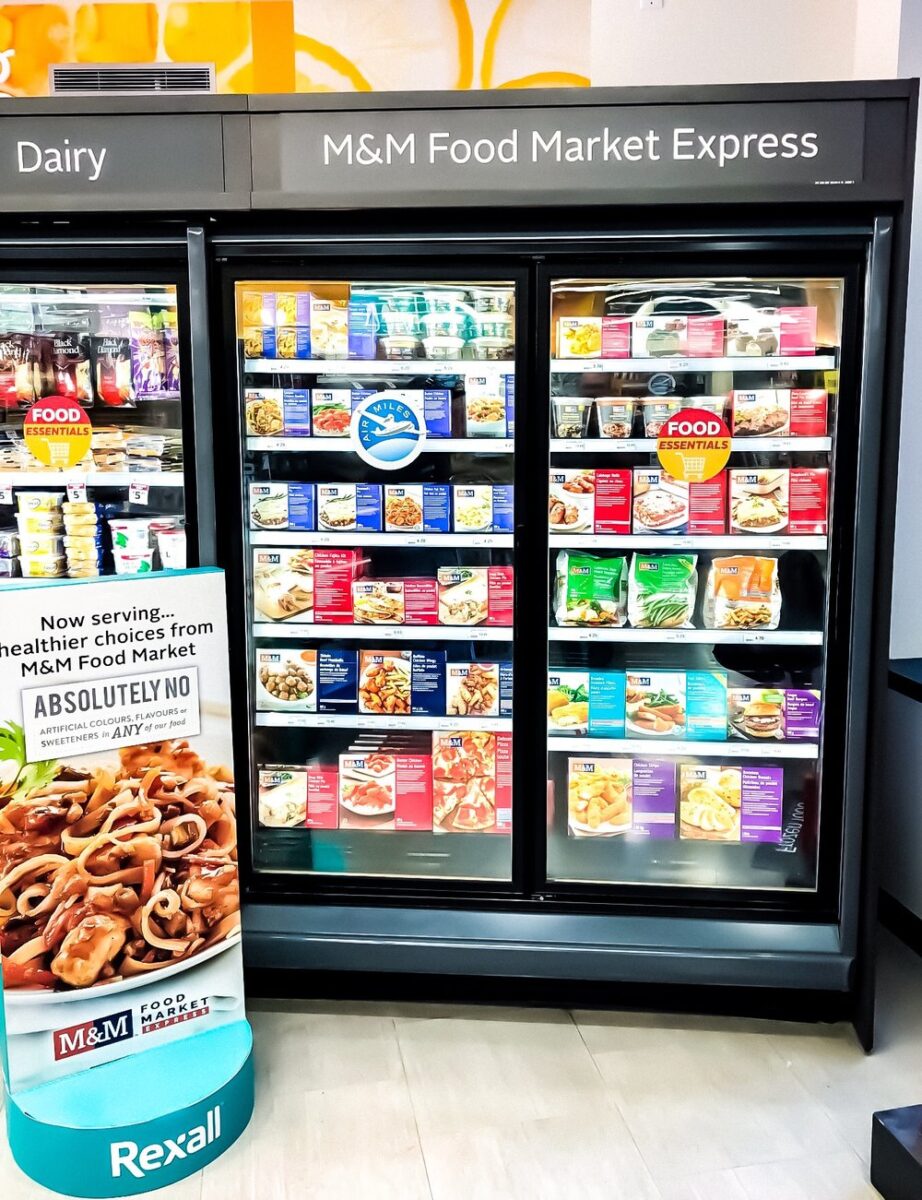
Recently, the Mississauga-based company said it is expanding its M&M Food Market Express concept through partnerships with Rexall, Avondale Food Stores in Ontario and Beaudry-Cadrin in Quebec.

“Going into this, we had a vision for a model that gave us cost-effective entry to highly-developed urban markets as well as smaller regions where M&M was under-represented,” said Andy O’Brien, CEO of M&M Food Market.

The company currently has 110 Food Market Express locations open.

PHOTO AVONDALE STORES

“With the help and commitment of our partners, I’m very confident we will achieve our goals and I’m thrilled to say the introduction of M&M Food Market Express means we’re on track to hit our goal of 200 Express stores by the end of 2019.”

O’Brien said the company has seven different partners to deliver the Express format.

“They’re all picked specifically to complement our network.”

M&M began in 1980 with its first location in Kitchener, Ontario to provide restaurant quality foods. Today, it has over 450 locations across Canada “and growing every month,” said O’Brien.

“I see that we could have significant more growth on both the traditional stores as well as the Express stores. When we evaluate the business we determined that there’s probably 250 to 300 additional stores that we could put into Canada. In the last two years, we’ve opened probably 18 traditional stores and we’ll continue to open five to 10 traditional stores a year going forward. By traditional stores, I mean the full-service stores. The Express concept is different in that they’re smaller stores, limited portfolio and they go into irregular places usually where there’s high traffic like convenience stores or pharmacies.”

O’Brien said the story of M&M’s new shift in strategy began in 2014 when the company underwent a re-branding and a redesign of its stores. It also debuted its Real Food for Real Life promise that saw all artificial colours, flavours and sweeteners eliminated from their entire product portfolio.

PHOTO: M&M FOOD MARKET

“We wanted to contemporize the business and really set it up for growth and prosperity with today’s consumer,” he said. “In five years we spent $20 million doing this. We positioned the business from M&M Meat Shops to M&M Food Market. Spent $1.5 million on research figuring out how to evolve the portfolio and figuring a new design for the stores.”

“The second thing we did is we revamped 60 per cent of our portfolio. We got rid of poor performing products and products that weren’t on trend. We removed all the artificial sweeteners, flavours and colours from every one of our products. We launched that last January and to this day we’re the only national food retailer in Canada that can make that claim. We launched probably 150 new products. We launched 18 gluten free products. We launched premium single serves and meal kits and all kinds of great products that are much more contemporary for today’s consumer.”

“The third thing we did was built a new store design.”

O’Brien said the company also launched an artificial intelligence loyalty program.

“Most people don’t realize that M&M captures 97 per cent of our transaction data. So if you gave me your phone number I would know exactly what you bought, where you bought it, when you bought it, how much you paid for it going back to 2000,” he said.

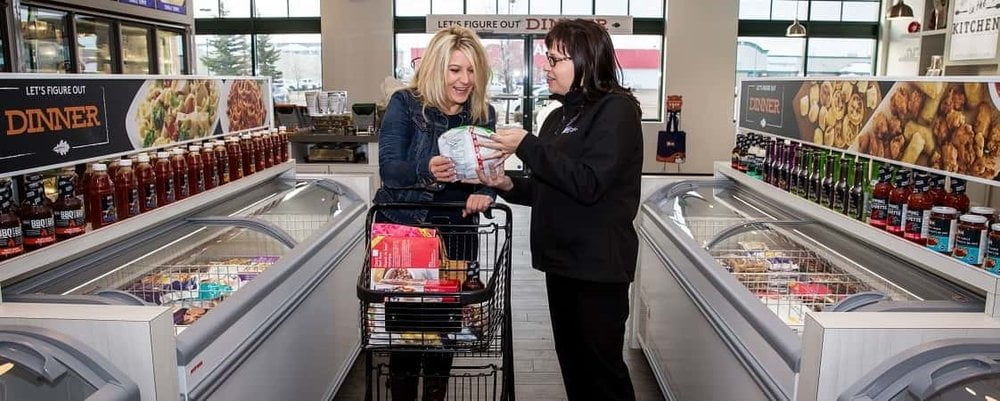
M&M FOOD MARKET EXPRESS AT A REXALL STORE IN TORONTO. PHOTO: M&M FOOD MARKET

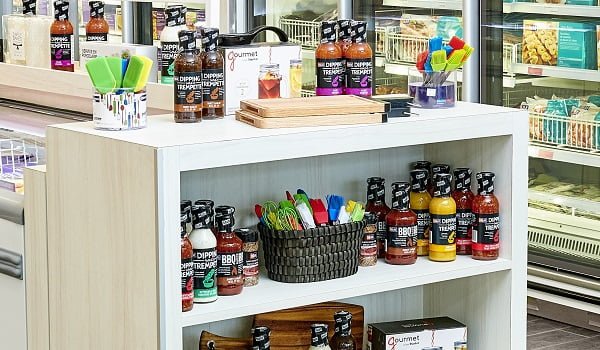
More recently, the company tested selling a selection of food products in six Rexall stores in Downtown Toronto as a means to efficiently grow sales channels, customer base and overall brand awareness. Pilot programs conducted with Beaudry-Cadrin-owned Beau-soir stores and Avondale Food Stores also proved positive and M&M Food Market has since entered into premier frozen food supplier relationships with all three brands.   

O’Brien said the goal of the partnerships is to attract new customers who otherwise have no brand familiarity due to limited or no access to stores.

“When we looked at our network, there were a number of places where we weren’t. We were in some small towns that really didn’t justify a full-size service store. So we started looking at creative ways that we could be in these rural communities as well as these urban markets for some presence. And one of the ideas was to develop an Express concept which is a limited selection store that goes inside another store,” he said. “They tend to carry about 75 to 100 products and we basically become like Rexall’s frozen provider for the frozen foods.”

Payless Shoes to Shutter All 248 Canadian Stores

PAYLESS SHOES

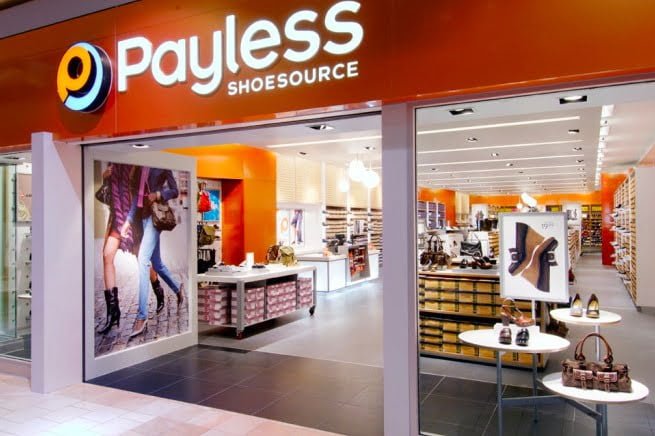
Topeka, Kansas-based value-priced footwear chain Payless ShoeSource has announced that it will be closing all of its stores in North America as it files for creditor protection in the US and in Canada. All 248 Canadian units will close after store liquidation by this spring. 

It comes at a time when other retailers are closing stores in Canada, which is proving to be challenging for some landlords. As well, about 2,400 workers will lose their jobs as part of Payless’ demise.

Payless was founded in 1956 and operates stores in 36 countries worldwide. Payless has 420 stores in Latin America, the U.S. Virgin Islands, Guam and Saipan, and 370 international franchisee stores across the Middle East, India, Indonesia, Indochina, Philippines and Africa. Those stores will remain open and are not part of the bankruptcy filing. 

The Canadian Subsidiary, Payless Canada, will be seeking creditor protection pursuant to the CCAA in the Ontario Superior Court of Justice. The Canadian division has reportedly not paid rent for 220 of its Canadian units for February, and it reported an operating loss of more than US $12-million last year. Payless will use bankruptcy proceeds to facilitate winding down its retail operations in North America, which include about 2500 retail stores. Payless is also shutting down its e-commerce operations.

Effective immediately, Payless has discontinued its rewards programs, as well as any outstanding merchandise coupons in North America.  

Liquidation is already beginning at some stores and all units will close by the end of May, according to the company in an email to Retail Insider. 

Stephen Marotta, who was appointed to serve as Chief Restructuring Officer of Payless last month, said in a statement: “We have worked diligently with our suppliers and other partners to best position Payless for the future amidst significant structural, operational, and market challenges. Despite these efforts, we now must wind down our North American retail operations under Chapter 11 and the CCAA. However, Payless’ profitable stores throughout Latin America, which are not part of today’s filing, and our international franchisees’ stores will continue to operate business as usual in every respect. As we move through the process, we will work to minimize the impact on our employees, customers, vendors and other stakeholders.”

“The challenges facing retailers today are well documented, and unfortunately Payless emerged from its prior reorganization ill-equipped to survive in today’s retail environment. The prior proceedings left the Company with too much remaining debt, too large a store footprint and a yet-to-be realized systems and corporate overhead structure consolidation. As a consequence, despite our substantial efforts, we were ultimately unable to operate the North American retail and e-commerce operations on a sustainable basis.”

Mr. Marotta continued, “On behalf of the entire company, I’d like to express our deep appreciation for the hard work of our dedicated employees and their commitment to Payless customers, who have shown us tremendous loyalty for more than 60 years. We are also grateful for the many years of support by our suppliers and vendors, and we look forward to continuing to work with them to support our remaining operations.”

In Canada, Payless Shoes has retail space in diverse locations, ranging from urban street fronts to power centres to regional shopping centres. It remains to be seen what will be done with the chain’s real estate — in some instances, leases can be packaged and sold off, or individual spaces may be dealt with on a case by case basis. Payless’ closing comes at a challenging time in Canada, with several other chains also closing stores.

Toronto-based Town Shoes, for example, closed all of its remaining Canadian stores last month, and US-based Gymboree is in the process of shutting its Canadian operations. Crabtree & Evelyn shuttered its remaining Canadian stores last month, and Reitmans brand Hyba’s stores are in the process of being shuttered. Larger chains such as Lowe’s have announced that it is closing 27 stores in Canada under the Rona banner, and various other retailers such as J. Crew have been closing units in Canada recently

This follows the loss of Sears Canada and Target in Canada, as well as US-based footwear chains Nine West and Rockport, which closed all Canadian stores last year. 
Next week we’ll discuss this further as we present our 2019 Canadian retail industry outlook.