How Restaurants are Wooing ‘Flexitarians’

Date:

Share post:

By Sylvain Charlebois, Professor in Food Distribution and Policy at Dalhousie University and Senior Director at the Institute of Agrifood Analytics at Dalhousie University

Restaurants are struggling to respond to consumers who are rapidly shifting away from animal protein.

According to a recent study by Dalhousie University, nearly one in five Canadians have decided to either reduce the amount of meat they consume or have outright eliminated it from their diets.

Add the fact that 63 per cent of the estimated 6.4 million Canadians who purposely restrict the amount of animal protein they consume are aged 38 or under, it’s clear that the economic influence of the anti-meat movement can only increase. That’s a scary thought for steakhouses out there.

But the food service industry is showing it can adapt and be successful in an environment where demand for animal protein is becoming more fragmented.
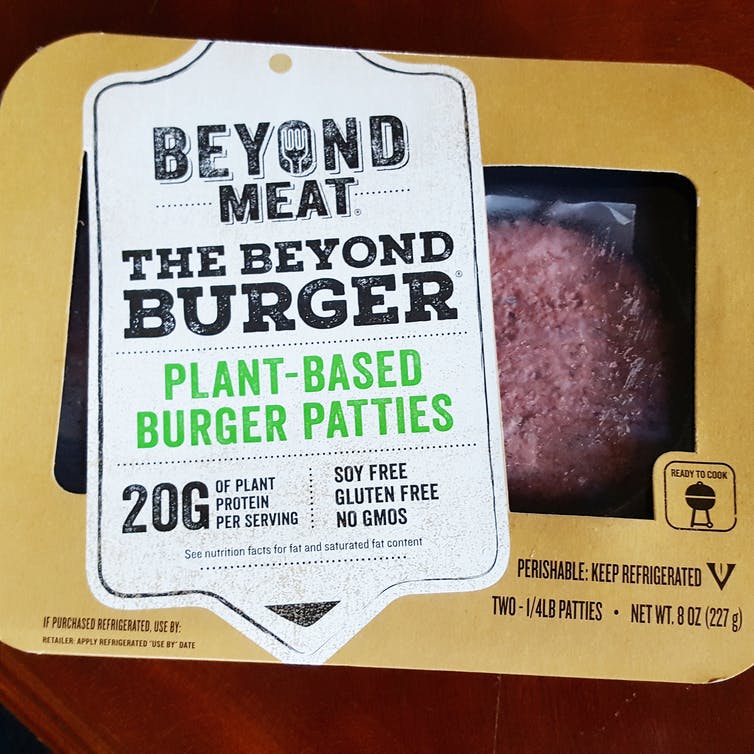
As Canadians are eating less meat, restaurants are wooing what are known as flexitarians, those who haven’t totally given up meat but are trying to eat much less.

In fast food, A&W’s “Beyond Meat Burger” is a good example. The item sold out a month after its release at some locations and was reportedly selling better at many outlets than the chain’s iconic Teen Burger.

Its success is due to the principle of normalizing the offer. The “Beyond Meat Burger” was just part of the regular menu, and tasted almost the same as other top sellers at the restaurant.

No all-beef patties, but special sauce!

Even McDonald’s is adjusting. Anyone can now order a meatless Big Mac. In some outlets I’ve visited, they even had a picture of the product: It’s a bun, lettuce, tomato, sauce and that’s it. No patty.

That’s stunning when you think of how McDonald’s had positioned itself for decades as the premiere ambassador of the Canadian beef industry.

In fine dining, more restaurants are adding vegetarian and vegan options to their menus. Some cities like Toronto now have neighbourhoods with clusters of vegan restaurants and shops. Fairs, festivals — hardly a week goes by without hearing about some event where a meatless world is showcased. Little more than 20 years ago, veganism was almost frowned upon. Today, it is often celebrated.

And given that 20 per cent of Canadians are reducing the amount of meat in their diets, odds are that at least one person in every social group or family is a vegan or vegetarian.

Menus are much more inclusive now, since most dietary preferences tend to coexist.

‘Flexitarians’ on the rise

Which brings us to the concept of “flexitarianism,” or consumers who have consciously decided to reduce their meat consumption, but only on a part-time basis.

More than 3.5 million Canadians consider themselves flexitarians, according to the Dalhousie findings, or what some may call conscious carnivores.

That group, most of them Baby Boomers, are really the bridge between the mass food market and the devoted meatless crowd. And so flexitarians are the ones being targeted by the food service industry.

People become flexitarian for a variety of reasons. Usually it is out of concern for the environmental footprint of the livestock industry, animal welfare or one’s own health. Or perhaps flexitarians want to save a few dollars by opting for a cheaper protein alternative than meat.

It’s not surprising to see many Boomers becoming flexitarians. Some may even argue that flexitarian Boomers are acting out of guilt regarding their lifelong meat-eating habits.

Generational pressures are also real. Many flexitarians likely have children who are vegans or vegetarians, or may have friends who are not eating meat.

The same Dalhousie University survey suggests that most consumers with no particular dietary preferences are satisfied with options offered by restaurants. Vegetarians also seem pleased, as do flexitarians, given the flexible nature of their diet.

Vegans want full-on vegan restaurants

For restaurants, serving flexitarians is obviously less onerous because their dietary preferences give both the industry and consumers more leeway. That’s the market A&W’s “Beyond Meat Burger” seems to be aiming for, so we shouldn’t be surprised to see an increasing number of meat-free options in the future. This is only the beginning.

Vegans are a different story. The vegan diet is more restrictive, which makes it more difficult for retailers to manage expectations. Vegans appear to visit mostly vegan restaurants and may not venture beyond food service establishments that are not utterly committed to the strict lifestyle that is veganism.


LEAVE A REPLY

Please enter your comment!
Please enter your name here

More From Retail Insider

RECENT RETAIL INSIDER VIDEOS

Advertisment

Subscribe to the Newsletter

Subscribe

* indicates required

RECENT articles

SportChek opens Canada’s first-ever floating futsal pitch on Toronto Waterfront

SportChek Harbourfront FC brings together free public programming, interactive fan experiences, community play spaces and retail activations inspired by the growing excitement surrounding soccer in Canada.

Good Earth Coffeehouse opens at University of Alberta Hospital

Good Earth Coffeehouse is a network of authentic coffeehouses with over 50 locations across Canada.

Mondetta Expands Modern Ambition with Toronto, Calgary and Vancouver Stores

Mondetta is expanding its Modern Ambition menswear brand with new stores in Toronto, Calgary and Vancouver, while evaluating additional opportunities across Canada, the United States and Europe.

Federal government launches National Food Security Strategy

With the average transaction sitting at approximately $12 per person, restaurants provide an accessible source of nourishment for millions of Canadians.

Daily Synopsis: Jun 11, 2026

HBC Royal Charter welcomed at Winnipeg Ceremony, FreshCo opening 1st Vancouver Island store, Palliser Furniture acquired by Chinese company after 80 years, Bulgari opens in Vancouver, Dickey's Barbecue Pit opening at West Edmonton Mall, and other news.

What Happened to Canada’s Women’s Fashion Chains?

Many of Canada’s iconic women’s fashion chains have disappeared. Retail expert Antony Karabus explains how fast fashion, casualization and economic shifts changed the industry.

Chanel Opens Largest Store in Canada at Oakridge Park in Vancouver

Chanel has opened its largest store in Canada at Oakridge Park in Vancouver. The 13,000-square-foot location is the brand's first full-concept store in Canada and a key addition to the development's luxury retail lineup.

Dollarama sees more than 21% year-over-year sales growth in Q1, surpassing $1.8 billion

Net earnings increased by 10.4% to $302.3 million, resulting in a 13.3% increase in diluted net earnings per common share to $1.11, compared to $0.98.

Advertising influencing people to place a bet: CPA Canada

“You can’t hide from it; gambling ads are everywhere."

lululemon Returns to Oakridge Park with New Store Concept

lululemon has returned to Oakridge Park with one of its newest Canadian store concepts, featuring Pacific Northwest-inspired design, local programming and community engagement.

Pinterest sports trend report shows surge in women’s sports fashion and beauty trends

The La Roche Posay activation will run until July 22. 

German outerwear brand Wellensteyn targets 2nd Canadian store after strong Niagara debut

The success of the 2,350-square-foot store at Outlet Collection at Niagara demonstrates that Canada is a promising market for the international company and the goal is to open another in 2027.

Jersey Mike’s Subs to open 3rd downtown Toronto location

Redberry will open the third downtown Toronto Jersey Mike’s Subs at 160 Bloor St. E. on Wednesday June 17, with a fundraiser for Make-A-Wish Canada.

Honestly Good Chicken Fingers opens 4th location at Stock Yards Village in West Toronto 

With locations in Etobicoke, The Well and Vaughan Mills, the Stock Yards Village opening marks the fourth location in the Toronto area and sets the stage for broader growth across Canada and the United States.

CFIB urges Ottawa to protect supply chains in Canada Labour Code reforms

"Cancelled orders, delayed shipments, lost income: small businesses pay the price every time federally regulated supply chains grind to a halt."

Financial anxiety surges in Canada as costs climb

The number of those gripped by anxiety when thinking about personal finances has surged to 60%.

Daily Synopsis: Jun 10, 2026

FIFA store opens in downtown Vancouver without price tags, Calgary's European Bakery marks 20 years, Montreal Dunkin' operators bank on nostalgia, Bulgari unveils Oakridge Park store, vagrancy concerns on Spring Garden Road in Halifax, and other news.

Licensed establishments in Alberta now able to serve alcohol as early as 6 a.m.

This change gives licensees the option to open earlier to meet business needs and customer demand, including during occasions such as international sporting events and cultural celebrations.

How small businesses are leveraging social media and AI to capture consumer attention: Constant Contact

Globally, 73% of small business owners identify as "Creators" in some capacity.

A&W launching major Canadian airport expansion of Pret A Manger

The first Canadian Pret airport location is expected to open in the international terminal at YVR in early June, with additional airport openings anticipated to continue through the second half of 2026.