Advertisement
Home Blog Page 1163

New Company Helps Retailers and Shopping Centres Recoup Billions in Lost Sales

A whopping 90% of retailers in North America are failing to take advantage of a significant marketing channel that they’re already paying for, and a new company is helping both retailers and shopping centres address this problem to recover the collective billions in lost consumer impressions and sales to their stores, websites and social media platforms.

Engagement Agents, which launched earlier this year, helps retailers engage their shopping centre’s physical and digital marketing channels, which they already pay for as part of their lease.

Unfortunately, very few retailers make use of these marketing opportunities due to logistical challenges, operational and communication issues between their stores and shopping centres, and time constraints. Although the shopping centres seek content and campaigns from their retailers to include in their marketing channels, the shopping centres consistently struggle to obtain the necessary content. Engagement Agents streamlines that process for both retailers and shopping centres.  

“It is estimated that 50% of shopping centres in North America will close within the next decade — those that fail to adapt to consumer desires as well as innovate to remain profitable and relevant. We have the solution to a huge, huge problem that has a compounding negative effect on shopping centres, retailers and consumers, along with employment. Also, there are many other risks and costs which we can prevent or mitigate, in addition to opportunities and advantages which we can create for both shopping centres and retailers,” says Sean Snyder, President of Engagement Agents. “As one example, if you visit a shopping centre’s mobile/web site or app, as a starting point, click on ‘Promotions’ or ‘What’s In Store’ and only see 10 retailer promotions out of 200 retailers – that’s a huge problem. There is a major disconnect because if you walk the shopping centre almost every retailer has one or more campaigns to promote to consumers, whether it be a featured product, shopping event or sale. This does not give consumers the impression there is anything exciting happening in the shopping centres, and 190 less reasons to come to the shopping centre, when in fact there is! More importantly, one of the risks to the shopping centre and the retailers is that consumers shop outside the shopping centre or at pure-play ecommerce stores. We’re helping both retailers and shopping centre strengthen their relationships, maximize their marketing dollars, providing a measurable ROI, while driving more consumer awareness, excitement and sales!”

The physical and digital marketing channels available through shopping centres offer widespread reach for retailers to promote featured products and services, new arrivals, sales, contests, loyalty programs and other campaigns. Many shopping centres have digital directories or screens which feature retailer promotions, as well as a section of their website highlighting retailer promotions. And, in many cases, the shopping centres have email newsletters for communicating such promotions, along with a large social media following to feature the retailer campaigns.

One of the many challenges for retailers is co-ordinating the relevant content with each of the shopping centres in which they have locations. Since many shopping centres currently have their own unique platform, with varying processes and image requirements, providing the appropriate content to multiple shopping centres is a time-consuming and cumbersome process. 

“Before using Engagement Agents, one of our many clients, a 140-store retail chain was only obtaining a 26% engagement rate with their campaigns via their shopping centres. Within one week of using Engagement Agents they are now averaging 97% shopping centre engagement per campaign, translating into more impressions and sales to their stores, website and social platforms, while also gaining a competitive advantage!” says Mr. Snyder.

For large retailers, in particular, facilitating campaigns in dozens – or potentially hundreds – of different shopping centres, every time they launch a new marketing campaign, is unmanageable, says Jennifer Baird, President of clothing alterations chain Stitch It, which has 85 shopping centre-based locations.

“It would take almost four days to post a campaign, including tracking down the right people, following up, and getting the images and content right for each shopping centre to ensure the campaign was posted,” says Ms. Baird. “We contribute a lot of dollars to the shopping centres’ marketing funds every month but we were not taking full advantage of the marketing resources our shopping centres provide us.”

Engagement Agents changes that.  The company has created a solution that simplifies the process of using these marketing channels to help retailers and shopping centres drive sales.   

Specifically, retailers can use the Engagement Agents platform to upload their marketing campaigns just once, in order to distribute that content to every shopping centre at which they’d like to highlight the campaign. The Engagement Agents platform automatically formats the images and content to meet each shopping centre’s marketing requirements, thus saving both retailers and shopping centres a tremendous amount of time and money, while also helping both parties drive more awareness and sales.

“I absolutely love Engagement Agents and I wish all retailers would use their service. They provide me with all required information we need about a retailer’s marketing campaign, eliminating the back and forth, so that we can immediately promote the campaign and drive more sales to their store and our mall!” says Heather Dickson, Concierge Supervisor at RioCan Oakville Place.

Through the Engagement Agents platform, retailers and shopping centres are provided with a suite of analytics and reporting to track results, help make better business and marketing decisions,which ultimately fosters stronger relationships between the shopping centre and retailer. 

“It saves thousands of hours of manual labour for retailers and shopping centres,” says Mr. Snyder. “It simplifies the process and automates the distribution of marketing campaigns and much more Engagement Agents provides a win-win-win solution for consumers, retailers and the shopping centres!”

Once the retailers’ content is in the platform, shopping centres can easily promote it via their website or apps, in-centre digital signage, email newsletters, social media platforms, and any other marketing channels. 

The solution also helps retailers’ human resource teams to streamline the distribution of their job postings to the shopping centres’ in-centre or online career sections, making it easier and quicker to fill the retailers’ talent pipeline.

Stitch It, one of Engagement Agents’ first clients, has used the system for several promotions in recent months. Baird says it now takes less than 5 minutes to deploy a campaign across their 85 shopping centres

“It’s so much easier,” she says. “Now it’s a one-stop process.”

Ms. Baird says more and more consumers are relying on the shopping centres’ marketing channels for retailer and promotional content, which ultimately benefits customers, retailers and shopping centres alike.  

“As more retailers use it,” she says. “It’s really going to benefit all of us.”
Study Cautions Retailers To Find the Right Balance in Allocating Capital Spending between E-commerce and Stores

A new study by HRC Advisory cautions North American retailers against investing too high a percentage of their capital spending on e-commerce, at the expense of not updating/ modernising aging store fleets. The study noted that for most Canadian retailers, brick and mortar operations comprise 85-95% of their total company sales and virtually all of their operating earnings. HRC Advisory examined detailed data for more than 40 national chains and found that online sales are less profitable than store sales, with online sales adding as much as three percentage points to a retailer’s cost structure when factoring in fulfillment costs, free returns, the high cost of digital marketing and IT costs, and associated costs of re-selling/refurbishing product from online returns.

The new study, led by HRC Advisory CEO Antony Karabus, suggests that Canadian retailers should consider how much and how they invest in online versus brick-and-mortar, particularly in light of four key factors:

  • The rapid growth of pure play online retailers such as Amazon and Wayfair, which are taking significant market share from traditional retailers, 
  • The high variable cost of enabling and fulfilling online orders,
  • Declining productivity at suburban and other non-prime brick-and-mortar retail locations for many retail chains, and
  • The increased occupancy rates at the leading malls as the competition for prime space grows in those locations from international and US entrants.  

Mr. Karabus’ report on specialty retailers and e-commerce follows a related study in April of 2016, where HRC Advisory examined department stores and specialty retailers, revealing that online sales had eroded both sales of physical stores and company profitability — and how Canadian retailers might learn from missteps made in the US.  

Costs to successfully operate Canadian e-commerce can be substantial, particularly given this country’s vast geography and limited economical shipping options. Costs to ship product, not to mention fulfillment time/costs and costs to refurbish returned product into a resalable state and at regular margins, are creating a potentially unsustainable situation for many retailers in Canada — particularly smaller businesses, according to Mr. Karabus. He noted that some Canadian retailers have recently been “playing catch up with the US” by investing heavily to enable e-commerce capabilities, while under-investing in their more profitable brick and mortar stores. At first glance, this is understandable according to Mr. Karabus, given:

  • The demands of consumers wishing to interact with retailers “at any time and any way they want to”, 
  • The rapid growth of the e-commerce channel, and
  • Amazon’s continued aggressive investment in its distribution infrastructure in Canada in the same fashion as it is investing globally, thus raising the bar for traditional retailers.

The study notes that Amazon continues to increase its market share and expand into new categories, with Mr. Karabus noting that Amazon’s merchandise sales rose 32% in North America in the most recent quarter, on top of a 31% gain in the same period last year. This contrasts with other retailers examined, with specialty retailers posting a 9% gain from their online channel last year, and department stores achieving a 19% increase from their online operations during the same year. Although these gains are significant, these growth rates have declined from prior years, indicating that the online channel may be beginning to trend towards maturity — a potential risk for retailers putting all of their eggs into the e-commerce basket. 

At the same time, some specialty retailers continue to add new physical stores, which in certain situations could prove to be less productive when considering that there’s only so much retail sales to go around. The study notes that the “combination of so many physical store additions plus the shift to online resulted in these chains experiencing a median 6% decline in sales per store between 2011 and 2015, with 2015 itself reflecting a 4% decline in sales per store”. While adding store capacity into new geographical areas is a positive, over-investment into both physical stores and the online channel could further erode a retailer’s bottom line, noted Mr. Karabus.  

Other retailers continue to close unprofitable stores in order to right-size their infrastructure in the light of the above factors. The HRC study notes that about 40% of North American retailers have “fine-tuned the size of their store fleets to better cope with the sales shift from physical stores to the online channel, with recent announcements of store closures coming from Le ChateauKenneth ColeAbercrombie & FitchGapAeropostaleSears and numerous others. 

There’s hope for Canadian retailers looking to effectively and profitably allocate capital and operating expenditures, with HRC Advisory’s Mr. Karabus recommending the following five factors to ensure that retailers have the right economic model to profitability, given the rapidly changing retail environment: 

  1. Decide which omni-channel capabilities will be most valued by their specific customer, rather than investing in all capabilities,
  2. Design and prioritize important decisions such as price-matching, free shipping, free returns, dedicated fulfillment centers and inventory visibility,
  3. Establish a methodology to better exploit data insights to drive customer-focused decisions,
  4. Determine how to re-think and enhance their real estate decisions in the light of the channel sales productivity issues, and
  5. Ensure store, supply chain and home office infrastructure cost is properly sized and structured to profitably serve customers and drive shareholder returns. 

In summary, Mr. Karabus advises retailers to find the right balance between investing in their various growth strategies and in protecting their base of older profitable stores to mitigate the inevitable decline in productivity as existing stores age and become less attractive in the face of increased competition. Nordstrom and Saks Fifth Avenue‘s arrival in Canada have raised the bar for the better and luxury sector, he noted, with  Hudson’s BayHarry Rosen and Holt Renfrew having upgraded many of their stores in the prime Canadian shopping locations. 

HRC Advisory has assisted numerous retail chains to adapt their business operations to operate more profitably in this complex retail environment. For more information on HRC Advisory’s study, visit: Adapting the Traditional Retail Economic Model to Profitably Compete

*Custom content. For more information, contact craig@retail-insider.com

The ‘Cashman’ Russell Oliver Goes Back to His Retail Roots [Feature/Photos]

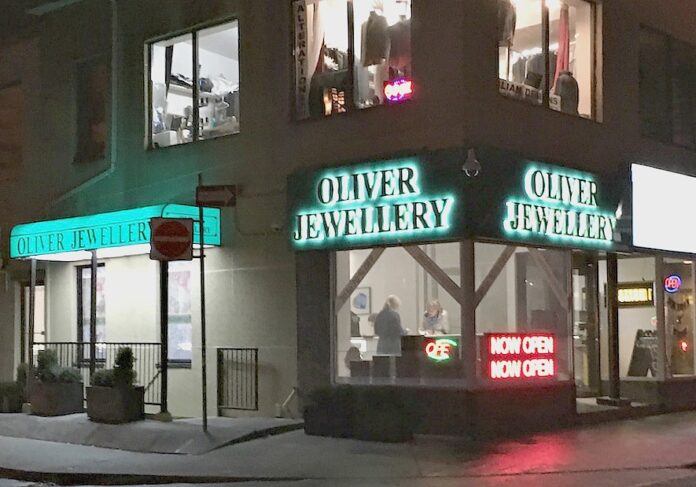
Oliver Jewellery Yonge Street

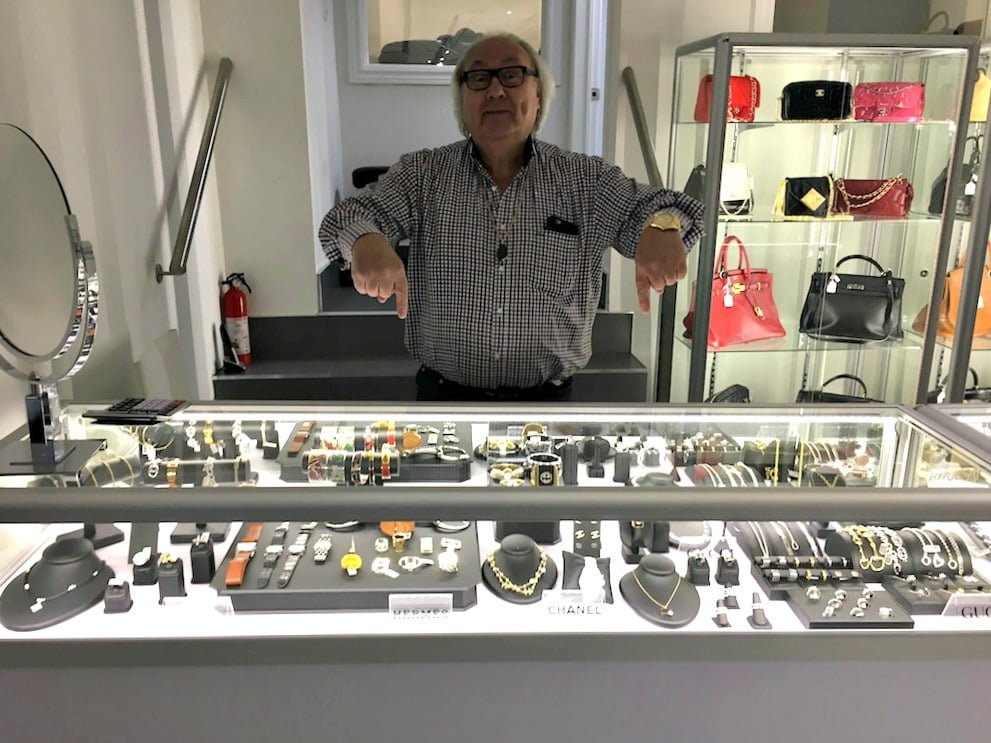
Toronto businessman Russell Oliver, aka ‘The Cashman’, has opened a luxury goods retail store in downtown Toronto. It marks the first time that the well-known public figure has been in the retail business since 1991, and his store already seeing tremendous success since opening last month. We interviewed Mr. Oliver last week inside of his new store, where he’s now spending much of his time after previously focusing on multiple purchasing/wholesaling outlets.

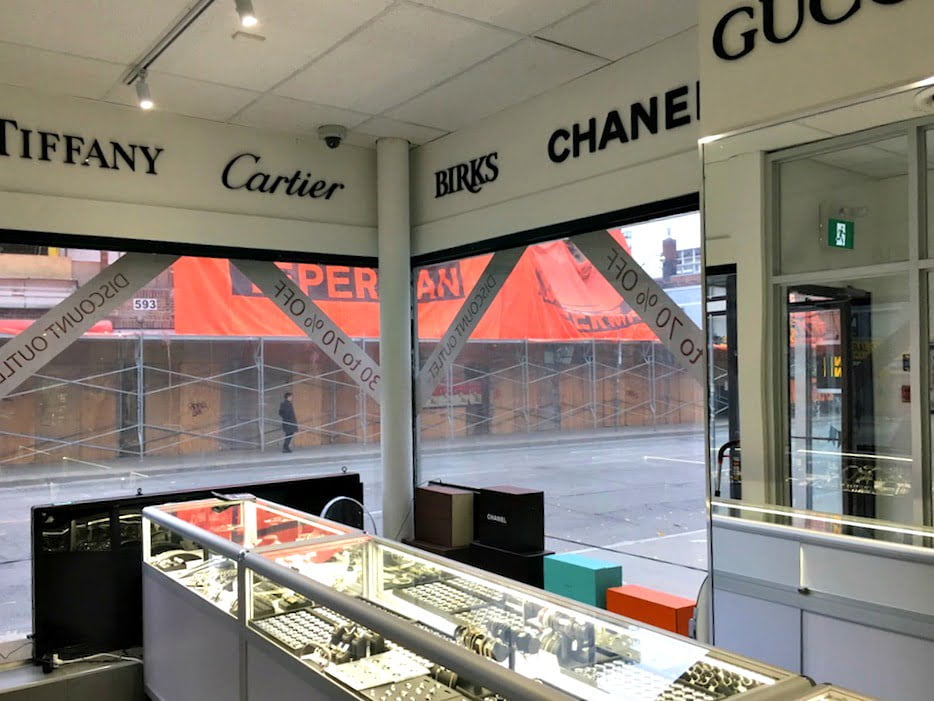
The new 1,000 square foot Oliver Jewellery retail space is located at 620 Yonge Street, just north of Wellesley Street, and is less than 500 metres/1,500 feet south of prestigious Bloor Street West. The store features refurbished luxury products including designer handbags and jewellery, in an intimate retail space prominently located at the northwest corner of St. Joseph Street. We’ll discuss it in more detail below.

We interviewed Mr. Oliver about the new store, as well as the interesting history of how he got started in the retail and gold wholesaling business. In 1971, Mr. Oliver had set aside funds to attend Dalhousie University’s law school in Halifax but instead of registering for classes, he used the money to buy out a small jewellery business on the third floor of a building near the intersection of Queen Street and Yonge Street in Toronto. Being upstairs, business was slow due to lack of awareness/foot traffic, so Mr. Oliver hired youth to hand out fliers promoting his business. Business immediately picked up, and Mr. Oliver soon recognized the ability to drive sales through promotions.

(RUSSELL OLIVER IN HIS NEW YONGE STREET STORE)

In 1973, Mr. Oliver moved operations to Toronto’s Yorkville area which, just a few years before, had been home to the city’s ‘hippie scene’. His first Yorkville store was on Yorkville Avenue, just west of Bay Street, and he relocated to nearby Cumberland Street in 1973. Mr. Oliver’s wife Barbara was an employee at his Yorkville store, and they married after several months of courtship. Promotions became part of Mr. Oliver’s business, ranging from commercials with ‘The A-Team’ TV star ‘Mr. T’ (who was also a customer) to giving away a Mercedes with the purchase of an 8-carat diamond (Canadian actor John Candy bought it, foregoing the car as he already owned a Mercedes). Business in Yorkville also wasn’t without potential danger — in April of 1984, then-36 year old Mr. Oliver was shot by two robbers who entered his store at 11:30am on a Saturday, and he fortunately only sustained injury to his right foot.

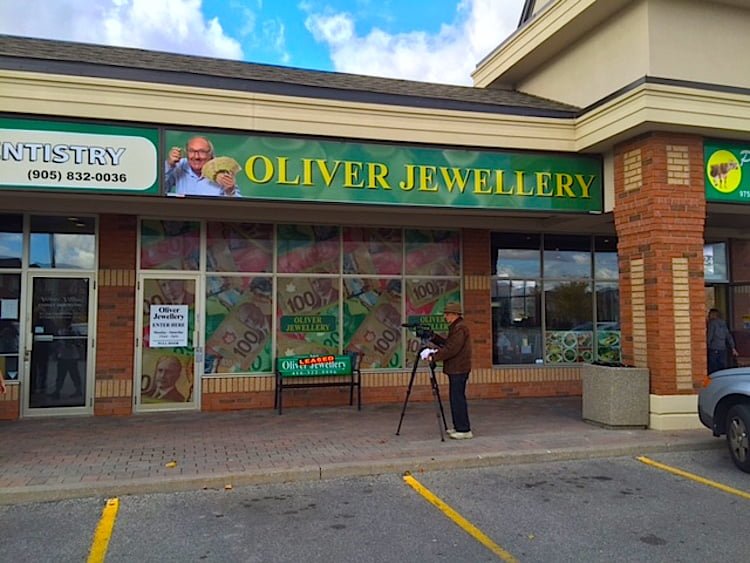
Oliver Jewellers, as it was then called, operated in Yorkville until 1991. Prior to that time, the area boasted about 40 jewellery retailers. Mr. Oliver notes that almost all have since closed, with a handful of jewellers now operating in the area. The 1991 closure of Oliver Jewellers marked the closing of the first chapter of his retail business, which eventually morphed into the business of buying jewellery and gold in a wholesale capacity.

(WOODBRIDGE BUYING CENTRE. PHOTO: OLIVER JEWELLERY)

In 1992, Russell Oliver opened a storefront on Toronto’s Ellington Avenue West, operating as a buying centre for gold, jewellery, and gemstones. Mr. Oliver has since expanded to four buying locations, with his Oakville premises now being the most productive. Mr. Oliver utilized advertising extensively to create brand awareness, becoming a personality in his own right. TV, radio commercials, billboards on transit — Mr. Oliver says that he’s spent over $20 million on advertising in 20 years, now spending between $1.5 million and $1.8 million annually to be ahead of the competition. Given the proliferation of cable television and other media sources, Mr. Oliver has become a recognizable face not just in Toronto, but across Canada.

About five years ago, Mr. Oliver started collecting brand name jewellery and handbags, occasionally selling a few pieces by appointment only. Several months ago, he made the decision to get back into retailing, recognizing that he had product of interest to the public. After deciding against a retail space at 703 Yonge Street, just south of Bloor Street (the rent was too high and there was a three-year demolition clause in the lease), Mr. Oliver found the prominent retail space at 620 Yonge Street, formerly occupied by a women’s fashion retailer. The space sees over 1,500 people walk by every hour, he explained, and is strategically located near the University of Toronto (with brand-aware international students), multiple hospitals, the Government of Ontario, and the city’s vibrant Church-Wellesley ‘village’. The new store is already busy throughout the day, to the point that Mr. Oliver is concerned that he could run out of stock if he’s not able to consistently secure new product.

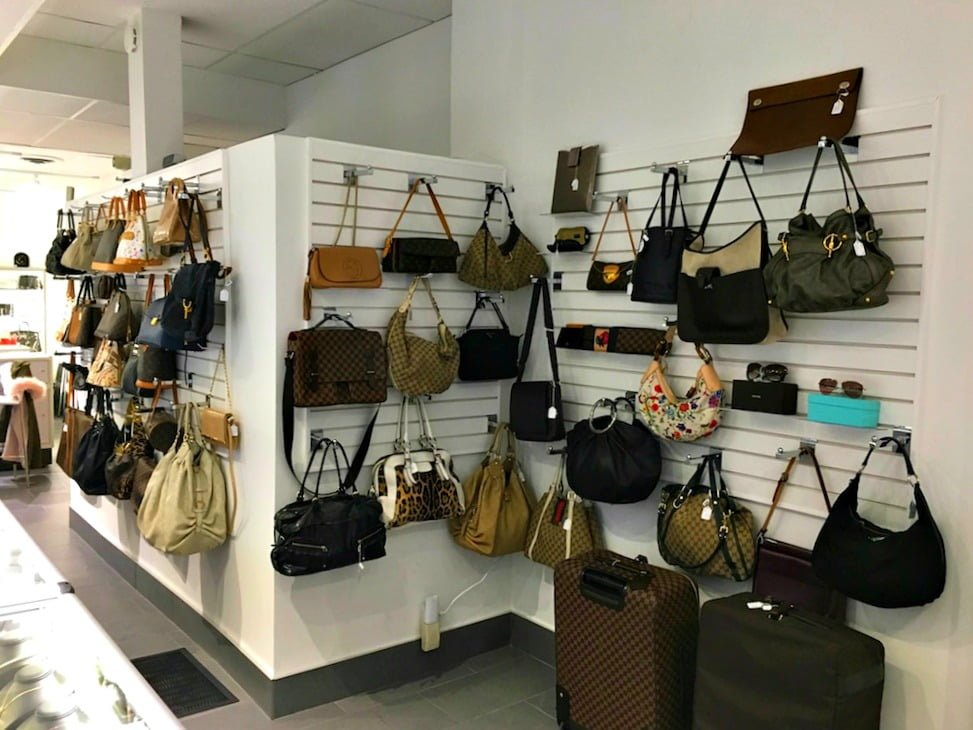
Luxury-branded handbags are particularly popular, Mr. Oliver explained, with some designers, particularly Chanel, flying off the shelves. Some shoppers are making the five-minute stroll south of Bloor Street for bargains, which are generally priced between 30% and 70% less than retail, with product that is refurbished so that it appears new. Interestingly, the new Oliver Jewellery store also stocks some designer items unavailable or otherwise difficult to find — one crocodile Hermes Birkin bag that we saw was priced at $90,000, and other rare designs were priced in excess of $10,000 each. Names abound, including Louis Vuitton, Tiffany & Co., Prada, Gucci, Celine, Chloé, and other brands you’d find on nearby Bloor Street West and further south down Yonge Street at Saks Fifth Avenue and Nordstrom.

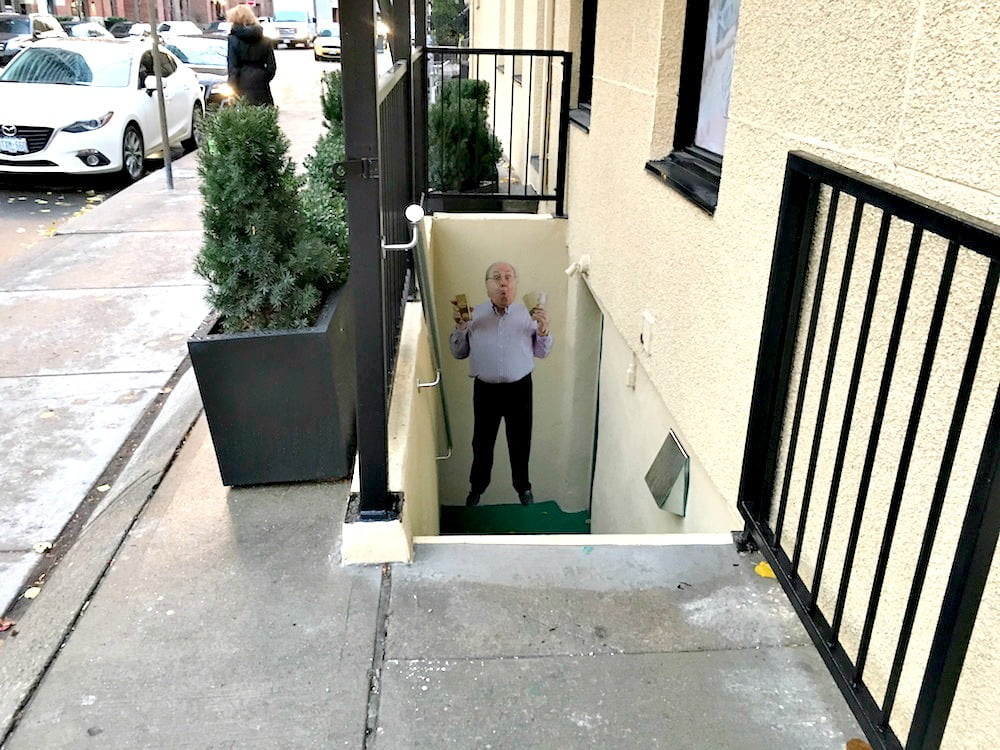
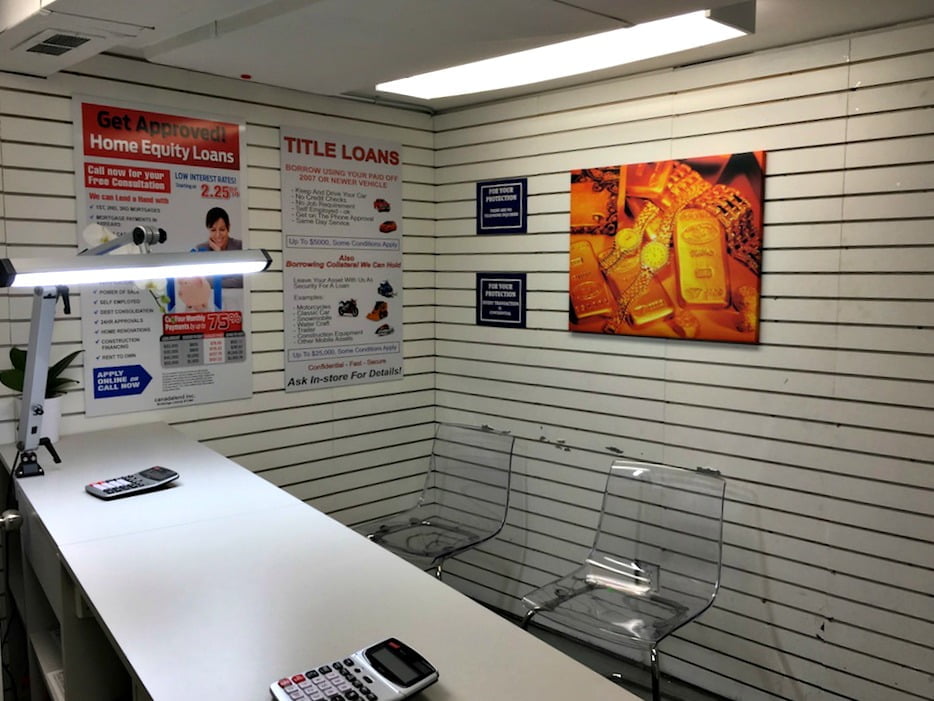
The Yonge Street store, being true to Russell Oliver’s concept, also features a buying centre on its lower level (accessed from an exterior side stairway on St. Joseph Street with an image of Mr. Oliver on the back wall). Customers can bring their jewellery/gold/watches/handbags into the premises for evaluation and purchase. We were shown some high-tech measuring devices in the lower-level evaluation room, including a machine that can determine the level of gold in a product, as well as a device that can accurately weigh diamonds.

Mr. Oliver expressed a true passion for being back into the world of retailing, saying that he’ll regularly be at his new Yonge Street store. While he discussed his enjoyment of working out of his multiple buying centres throughout the Greater Toronto Area, it’s the busy buzz and immediate profitability of retailing that has now caught his attention. His passion for retail is contagious, with his four sons (all names beginning with the letter ‘J’) also being part of the expanded family business.

See below for more photos of the new Yonge Street Oliver Jewellery store.

Richemont Launches Canadian Luxury Boutique Expansion [Feature Article]

Geneva Switzerland-based luxury goods holdings company Richemont has big plans for Canada in 2017, including opening boutiques as well as renovating/expanding some existing locations. At least nine freestanding Richemont-owned luxury boutiques are confirmed to be opening next year, with the possibility of even more as negotiations continue, according to sources.

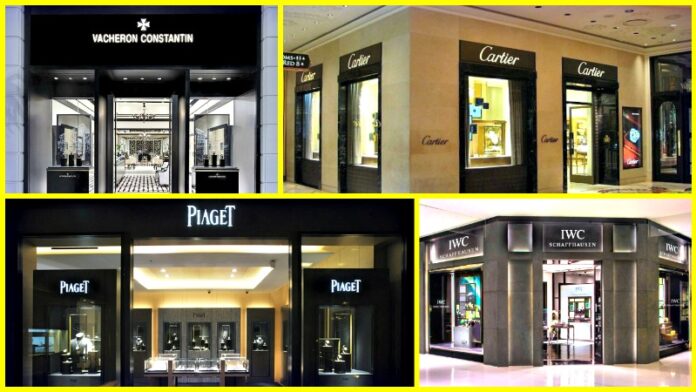
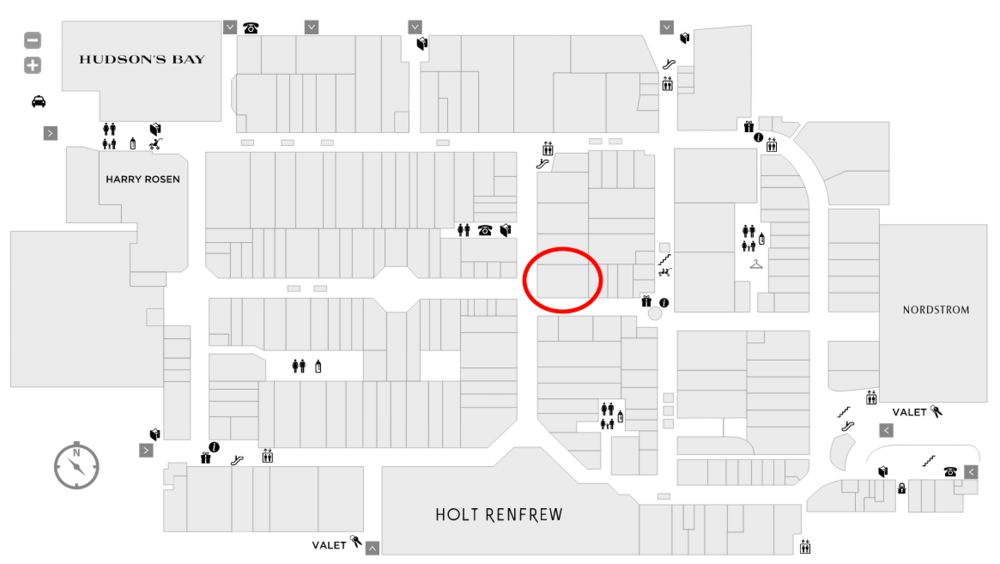
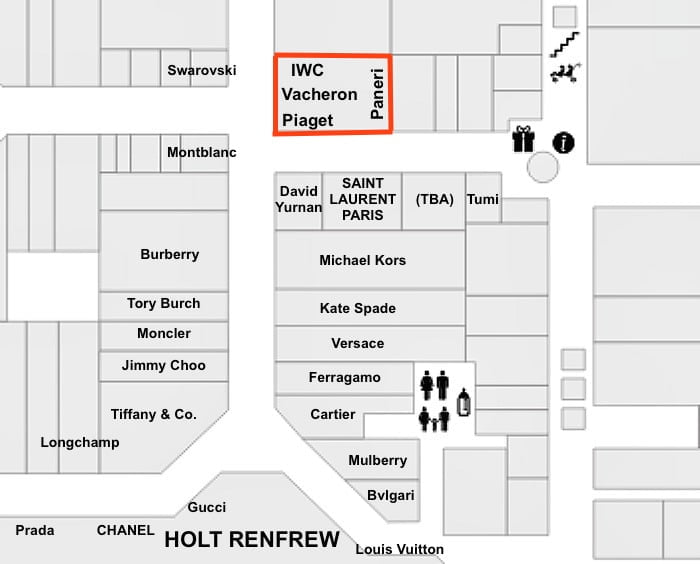
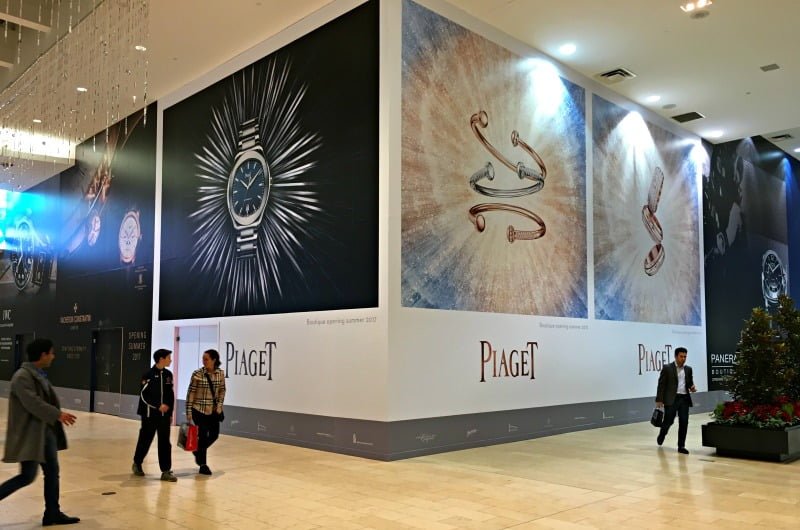
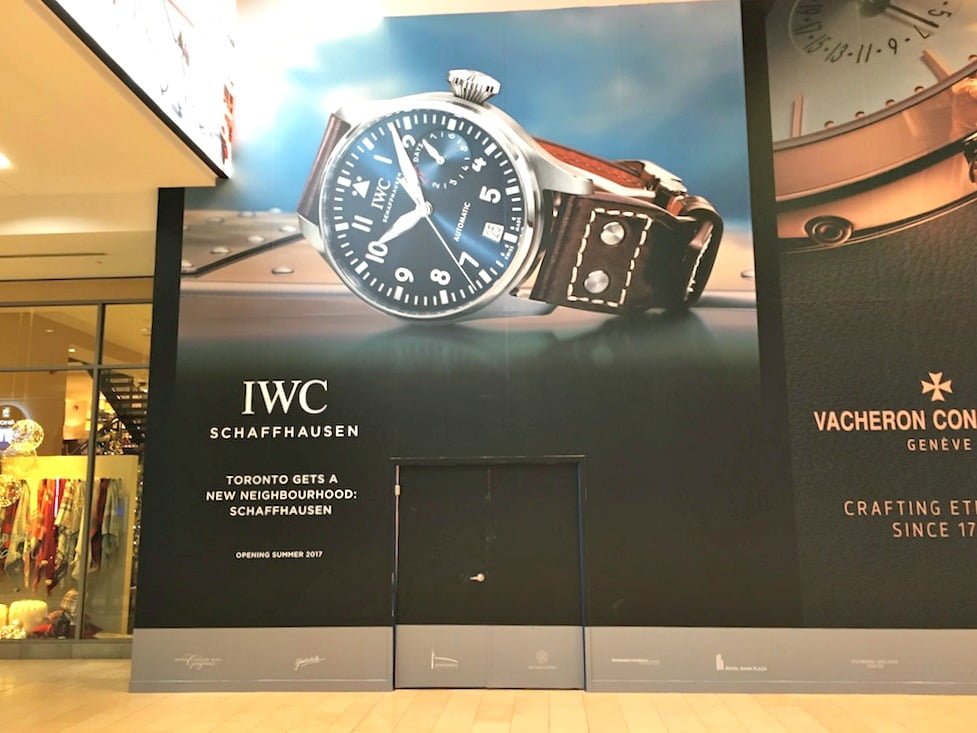
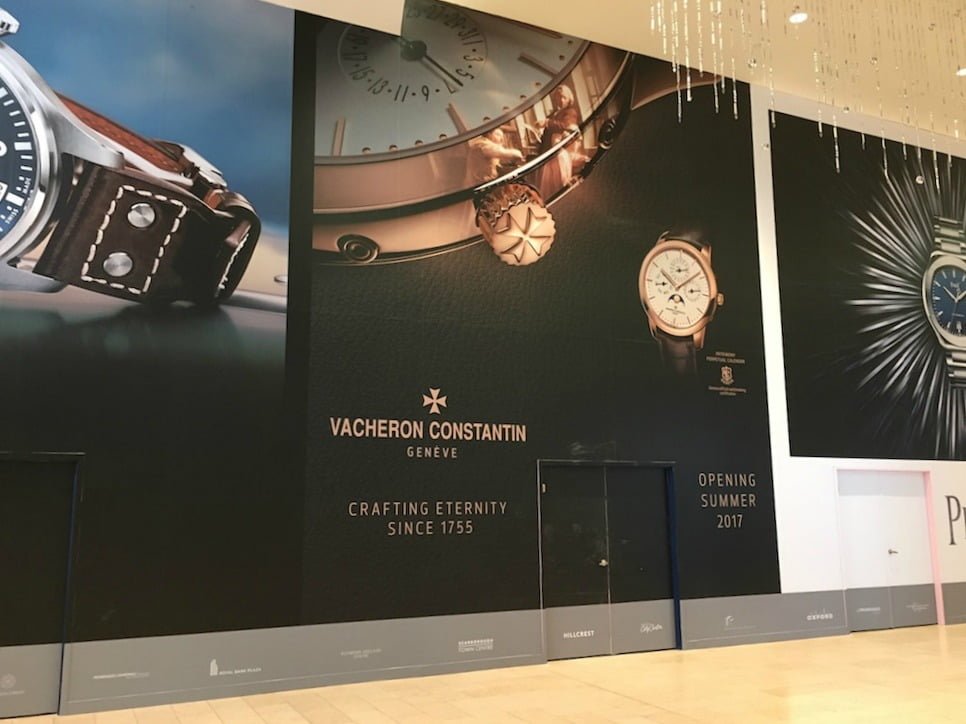
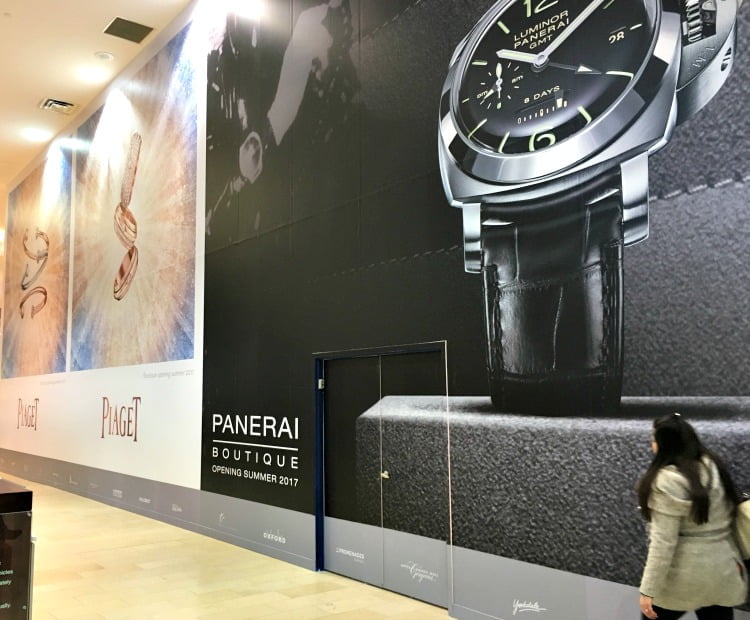
Construction hoarding went up at Toronto’s Yorkdale Shopping Centre this week, revealing what industry insiders have been aware of for months — that four of Richemont’s top luxury brands would occupy the mall’s former Williams Sonoma space (Williams Sonoma relocated to its new space in the mall’s recently opened ‘Nordstrom Wing’). The four boutiques will include Piaget, IWC Schaffhausen, Vacheron Constantin and Officine Panerai, and will expand the mall’s ‘luxury wing‘ northward. 

(CLICK MAPS ABOVE OR BELOW FOR INTERACTIVE VERSIONS, VIA YORKDALE.COM) 

The following is a brief description of each brand, including where it operates in the United States: 

Piaget: The luxury jewellery and watch brand, founded in Geneva in 1874, is considered to be one of the world’s most prestigious brands, according to the Luxury Institute. Piaget operates seven locations in the United states — in New York City (Madison Avenue), Beverly Hills (Rodeo Drive), Costa Mesa CA (South Coast Plaza), Miami (Miami Design District), Las Vegas (Wynnn Encore), DFS ’T Galleria’ in Honolulu, and at Saks Fifth Avenue in Houston. There’s also a Piaget concession at Saks Fifth Avenue’s Canadian flagship at CF Toronto Eaton Centre, and with the opening of the Yorkdale boutique, Toronto will become the only city in North America to boast two Piaget stores. Toronto’s Saks Piaget concession opened in February of this year

IWC Schaffhausen: International Watch Company (IWC) is a luxury Swiss watch brand headquartered in Schaffhausen, Switzerland, and was founded by American watchmaker Florentine Ariosto Jones in 1868. The brand has seven stores in the United States, including New York City (Madison Avenue), Beverly Hills (Rodeo Drive), Costa Mesa CA (South Coast Plaza), Miami (two stores: Miami Design District, Bal Harbour Shops), and Las Vegas (two stores: Wynn Encore and Palazzo). 

Officine Panerai: The luxury watch brand was founded in Florence, Italy, in 1860, and operates 10 US stores. Locations include New York City (Madison Avenue), Beverly Hills (Brighton Way), Miami/South Florida (four stores: Miami Design District, Bal Harbour Shops, Boca Raton, Palm Beach), Aspen CO, Dallas (NorthPark Center), San Diego (La Jolla), and at the Forum Shops in Las Vegas. 

(ALL PHOTOS WERE TAKEN AT TORONTO’S YORKDALE SHOPPING CENTRE BY CRAIG PATTERSON ON THE EVENING OF TUESDAY, NOVEMBER 15, 2016)

Vacheron Constantin: Founded in Geneva in 1755, the luxury watch brand operates six stores in the United States, including stores in New York City (Madison Avenue), Beverly Hills (Rodeo Drive), Costa Mesa (South Coast Plaza), Miami (Miami Design District), Honolulu (DFS ’T Galleria’) and at the Palazzo in Las Vegas. 

Vancouver is also part of Richemont’s expansion plans, with sources at the City confirming that the company has purchased stratified retail space for at least one of its more prominent brands. We’ll discuss more on Richemont’s Vancouver expansion at a later date when permitted, though we’re able to confirm, through the original source of Business in Vancouver, that Richemont’s Van Cleef & Arpels nameplate will open a large store on Alberni Street in the heart of the city’s downtown ‘Luxury Zone’. 

Van Cleef & Arpels will also open a freestanding Toronto location in 2017, with details to be revealed at a later date when permitted. The brand will also gain prominence on Bloor Street West with the renovation of Maison Birks at Manulife Centre, which will see a Van Cleef & Arpels shop-in-store gain its own street-front entrance, near an exterior entrance to Italian food concept Eataly which will be located directly above. Manulife Centre’s renovations will be completed in 2019. 

*Looking for exposure to thousands of Canadian and international retailers? There’s still room to advertise in a high profile Retail Council of Canada Canadian shopping centre study, which will be distributed widely and promoted heavily. For information on Sponsorship opportunities, contact: cpatterson@retailcouncil.org*

Richemont’s Cartier brand is also seeing movements in Canada. The brand is currently renovating its two-level Bloor Street West flagship in Toronto, and sources say that another important location could be expanded. A new Cartier store could open in a major Canadian city next year, while another existing location will be relocated, according to sources familiar with the deals. 

Luxury watch brand Jaeger-LeCoultre, also under the Richemont ownership umbrella, expanded into Canada in the fall of 2015 with stores on Alberni Street in Vancouver, and at Yorkdale Shopping Centre in Toronto. The company’s Montblanc nameplate has also been growing in Canada over the past several years, now operating six corporately-owned and franchised locations in Montreal, Toronto and Vancouver. Richemont’s Chloé and Azzedine Alaïa women’s fashion brands have also seen recent growth in Canada. Separate Chloé women’s ready-to-wear and accessory shops opened at Nordstrom in Vancouver in September of 2015, followed by the same at Saks Fifth Avenue in downtown Toronto in February of 2016, and at Nordstrom at Toronto’s Yorkdale last month. Pricey Azzedine Alaïa, with limited distribution globally, saw the opening of a women’s ready-to-wear boutique on the third floor of Saks Fifth Avenue’s Toronto flagship in February of 2016 — remarkable, considering Hudson’s Bay’s ‘The Room’, located on the same floor in the same building as Saks Fifth Avenue, also boasts a well-stocked Alaïa section. 

A number of other luxury houses and luxury brands have recently been expanding in Canada, including Prada, Chanel and Kering Group (the latter opened two Saint Laurent boutiques in Canada in 2016, including a Yorkdale location last week). Canada is increasingly seeing luxury brands opening stores as well as expanding distribution, addressing rising incomes among the country’s elite, not to mention increasing tourism numbers in Vancouver and Toronto. We’ll do a follow-up article in the coming weeks discussing the expansion of luxury brands into Canada, as it’s a remarkable trend at a time when some global markets are contracting, and some brands are seeing lowering sales. 

L’Oréal Discusses Urban Decay Canadian Store Expansion

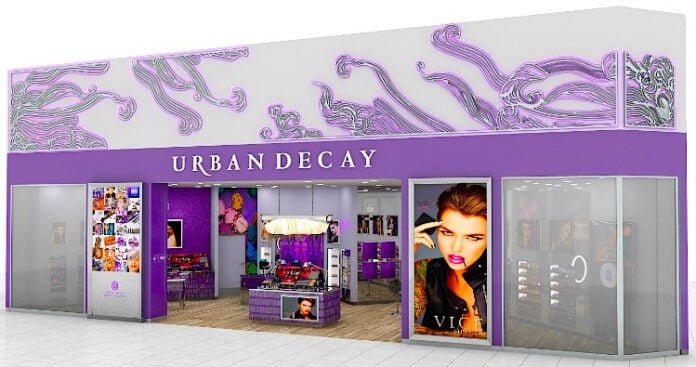
Image: Urban Decay

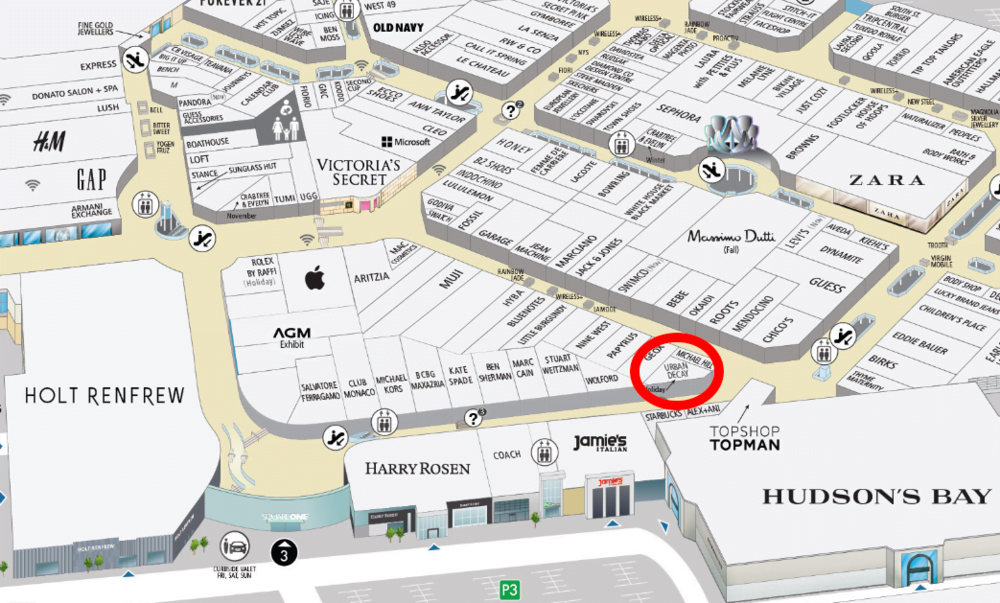
L’Oréal owned, California-based cosmetics brand Urban Decay will open more Canadian stores over the next 12 months, according to L’Oreal Canada’s Chief Retail Officer, Jared MacKay. Urban Decay’s first Canadian location opened in September at Metropolis at Metrotown near Vancouver, and a second store will open early next month at Mississauga’s Square One

The 632 square foot Metropolis at Metrotown unit features four makeup stations and products not available elsewhere, an ‘inspiration wall’, a giant digital screen displaying visitors’ photos on a live social feed, 100-inch custom nickel chandelier, and a bigger-than-life dog statue made of chrome — a nod to co-founder Wende Zomnir’s black lab, Marley. The Square One store will be about 1,300 square feet and will boast eight makeup stations, as well as features found in the Metrotown unit. The company described the space as having “reclaimed wide-beam flooring,” to counterbalance “all the chrome fixtures and keeps the space warm and inviting.” Square One’s Urban Decay opens on Saturday, December 3. 

Freestanding Urban Decay retail spaces allow for ‘full expression’ of the brand, something which can be a challenge on multi-brand sales floors lacking individual brand space. Urban Decay’s new stores feature a purple-and-white environment, as well as features mentioned above that create an overall branding experience. 

Image: Square One

Mr. MacKay said that more Canadian locations will follow, thought he’s not sure how many Urban Decay locations, ultimately, that we might see in Canada. He noted, that the company will be mindful of existing wholesale accounts, expanding strategically to complement these, while seeking out ideal locations in selectively strategic markets.

Urban Decay is represented by Oakmont Real Estate Services in its Canadian real estate search, and is seeking space generally in the 750 square foot to 1,250 square foot range. Urban Decay was founded in Newport Beach, California, in 1996 by Pat Holmes, Sandy Lerner, Wende Zomnir and David Soward. Ms. Zomnir is the company’s co-CEO, along with Tim Warner.

After multiple ownerships (including LVMH Group), L’Oreal purchased Urban Decay in 2013 for an estimated $350 million. The line prides itself for being ‘cruelty free’ by not testing on animals. The brand’s ‘Naked Collection’ is considered to be among one of the highest-quality cosmetics brands available, and the company has collaborated with celebrities such as Gwen Stafani on initiatives, including female empowerment. The brand has only a handful of freestanding US locations.

One Day Left to Sponsor Canadian Shopping Centre Study

Retail Council of Canada will launch its first Canadian Shopping Centre study next month, and there’s still time for those seeking to advertise in the study. Thousands of national and international retailers will read the study, potentially gaining exposure for businesses such as construction/millwork companies, PR companies, brokerages, recruitment, designers, payment/tech, logistics, and various other industry players. 

The study will rank Canada’s top malls based on productivity per square foot, size, and annual pedestrian counts. The study will also break down regions, providing information on leading centres as well as demographic information. 

The study will be distributed and promoted widely, including to thousands of Retail Council of Canada members/followers, Canadian Retailer magazine subscribers, industry news readers around the country, as well as here on Retail Insider, which sees in excess of 200,000 unique monthly visitors.  

For more information on sponsoring the study, you may visit its website, view its sponsorship rate card, or contact Mary Markou at: advertising@retailcouncil.org or at  (416) 467-3755. 

Squish Candies Embarks on Canadian Expansion

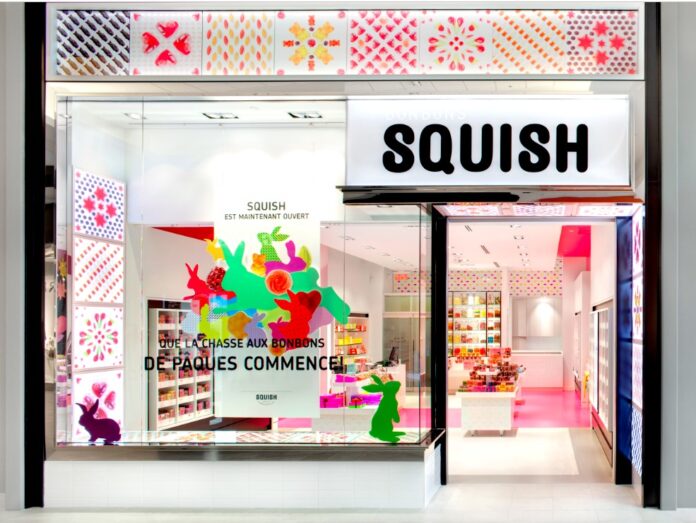
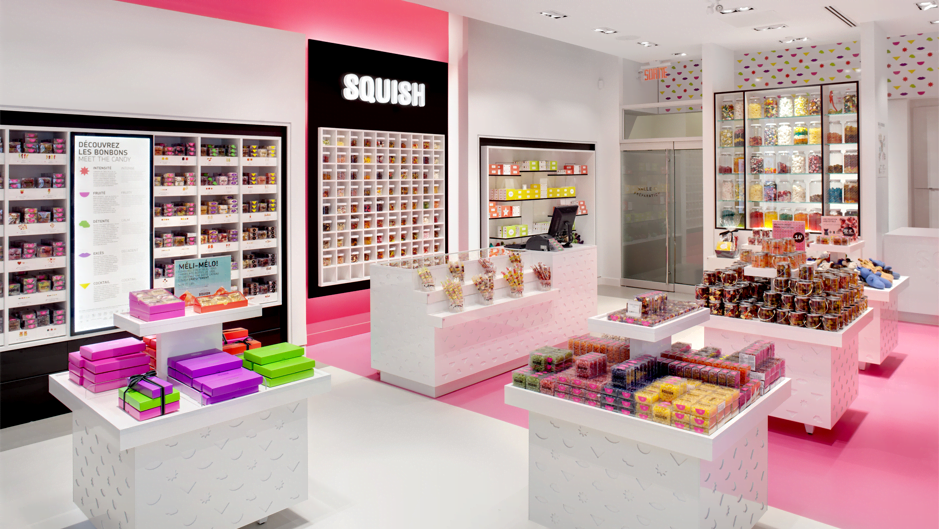
Squish (Image: Francis Tousignant / EVOQ Architecture)

Montreal-based artisanal candy retailer Squish has been embarking on an aggressive expansion plan that involves opening stores nationwide. The company who currently has eight locations across Canada is planning new locations in Ontario, Alberta, and British Columbia, set to open within the next year.

Squish was founded in 2014, opening the first location at CF Carrefour Laval in Quebec, followed by two stores at CF Fairview Pointe Claire and Montreal Eaton Centre. In 2015, Squish continued to expand by opening two shop-in-shop locations inside Hudson’s Bay in Toronto (Queen Street) and in downtown Vancouver.

Squish’s most recent locations include an Ottawa store at CF Rideau Centre, a Quebec City store at Place Laurier, and a newly opened store at Toronto’s Scarborough Town Centre – sharing a space with Toronto food based retailers Sweet Jesus icecream and Love Me Sweet Japanese cheesecake. 

The mastermind behind the luxury candy brand is Canadian entrepreneur Sarah Segal, who noticed that the artisanal candy industry in Canada had a gap to fill. The Segal surname is a familiar one in the Canadian retail industry, as Segal’s father Herschel Segal founded Le Château, while her cousin David Segal founded DAVIDsTEA.

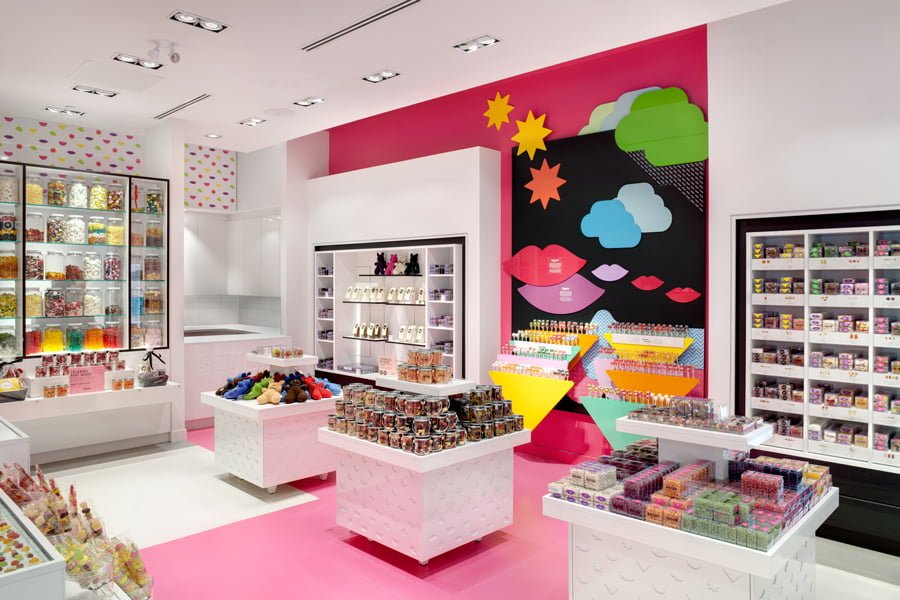
Stores were designed by Toronto-based EVOQ Architecture, and photos in this article are from the firm.

Squish’s signature product is their gummies, which come in over 100 different flavours. The company’s most popular gummies are champagne roses, prosecco bears, and ginger beer drops, all found in the alcohol-free cocktail line of gummies. For those who are looking for something else for their tastebuds, the company also offers jelly beans, chocolate, liquorice, and marshmallow candies.

The idea of a premium candy aimed towards adults is not unheard of. American luxury candy company Sugarfina has also been seeing tremendous growth, with over twelve boutiques in the United States, and nine Nordstrom shop-in-shop locations, (three of which can be found in Canada).

Will premium candy sell big in Canada? New studies show that 40% of Canadians eat candy 3 times a week or more, while 28% of Canadians eat candy every day. Canadian’s cravings for candy is undeniable. Time will tell if a higher-priced offering will resonate with consumers. 

Squish plans to open more boutique locations under the representation of Sacha Singh at brokerage Oberfeld Snowcap, ranging from 500 to 1,000 square feet. The company’s next step is focusing on super-regional malls on the west coast of Canada, and with a continued focus in the Ontario market.

*The above photos are by Francis Tousignant of Toronto-based EVOQ Architecture, which also designed the Laval and other locations. 

Les Avenues Vaudreuil Set to Transform Retail in Suburban Montreal

By Devon Johnson

Quebec based real estate developer Harden has revealed plans to bring a new shopping experience to the city of Vaudreuil-Dorion, Quebec. Les Avenues Vaudreuil, a major retail project, will bring a total of 1.4 million square feet of stores, restaurants, and services to the off-island Montreal suburb.

“This is, without a doubt, our largest and most exciting project to date,” said Harden’s President and CEO, William Harden. “When complete, Les Avenues Vaudreuil will be an impressive destination. Customers will find everything they need and desire from a diverse lifestyle shopping destination offering new entertainment experiences,” he said. 

The Les Avenues Vaudreuil shopping centre, designed in partnership with Montreal-based GH+A Design, will comprise of four distinct shopping areas. Each “shopping node” will have a different theme, and different array of stores, restaurants, and services. The shopping centre will also be car-friendly, as all four nodes surround the junction of Highway 40, Highway 30, and Highway 20. This specific junction of highways sees over forty million vehicles a year, and also connects nearby drivers to downtown Montreal.

With each shopping node having differentiating factors between them, below is a breakdown of all four sites that will make up Les Avenues Vaudreuil. 

Harden’s Méga Centre Vaudreuil will be rebranded as Les Avenues Vaudreuil Mode. Harden will be focusing on placing popular and trendy fashion retailers at this site. The current ‘Méga Centre’ contains 50 stores, but Harden is set to add more retailers including Quebec’s first Forever 21 RED. Other retailers that can be currently found in this district include Winners, HomeSense, GAPDavidsTEA, and Atmosphere

Harden’s Place Cité Vaudreuil will be rebranded as Les Avenues Vaudreuil Marché, and will focus on food and grocery offerings. The current site is anchored by Costco, and includes ten smaller retail spaces from SAQ Depot, Urban Barn, and various quick service food chains including Subway and Mucho Burrito.

The shopping centre’s third district Les Avenues Vaudreuil Loisirs will focus on sports and leisure retailers. The site will be anchored by a Canadian outdoor retailer SAIL. Other retailers including Starbucks Coffee, La Belle & La Bouef, and Nickles Delicatessen have also announced locations for this district. The new district is set to open in Spring 2017.

The final district will be titled Les Avenues Vaudreuil Avenir. This site will contain not only a retail component, but also an office component. More detailed plans will be announced for Avenir in Spring 2017. New retailers that currently lie outside the Quebec market are expected to be built here.

In total, all four completed districts will bring Les Avenues Vaudreuil to a total of 225 stores, restaurants, and services, making it one of the largest shopping complexes in the area.

Rebranding efforts are already underway at Méga Centre Vaudreuil and Place Cité Vaudreuil. Both shopping centres will see both exterior renovations to match the new vision of Les Avenues Vaudreuil. “We’re redoing the facades completely,” Mr. Harden states. He also emphasizes the company will be carving out new green space, and repaving all sidewalks and parking lots at its larger property.

Although Harden CEO Bill Harden acknowledges the shopping centre remains a short drive away from downtown Montreal, he remains optimistic that the new Les Avenues Vaudreuil will become a major shopping destination.

“Vaudreuil is a very up and coming area in Quebec.” Mr. Harden says. “This area has significant growth of young families who want better retailers and better services in the area,” As of 2016, the area has grown 67% over the past 10 years.”

Speaking to the family-friendly nature of the shopping centre, Mr. Harden mentioned that the Montreal suburb also contains the highest birth rate in Quebec. “There are lots of young families moving in to the area”. Mr. Harden said, going on to say, “Les Avenues Vaudreui plans to cater to families – amenities including a “mummy’s corner” will be built at Mode, and family-friendly events will take place regularly.” 

Harden will ultimately invest $475 million dollars into the shopping centre, which will in turn create 2,400 full and part time jobs. All four districts are set to be rebranded and built by Summer of 2018.

Sandro Opens 1st Freestanding Canadian Store, Plans National Expansion [Photos]

exc-5828a32a29687f358466b93c

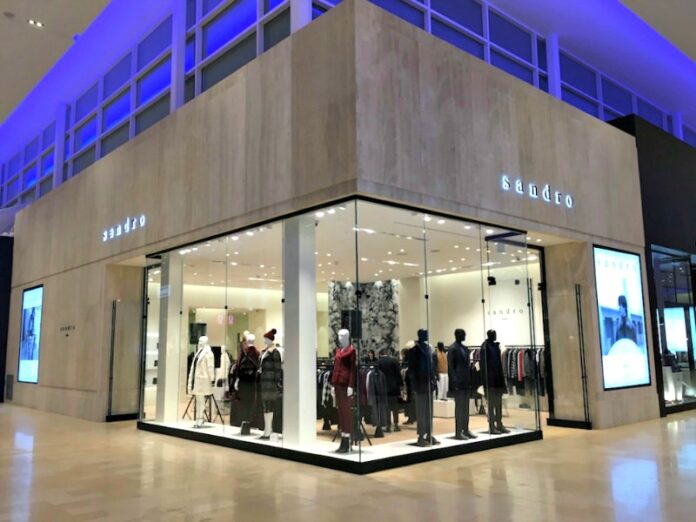
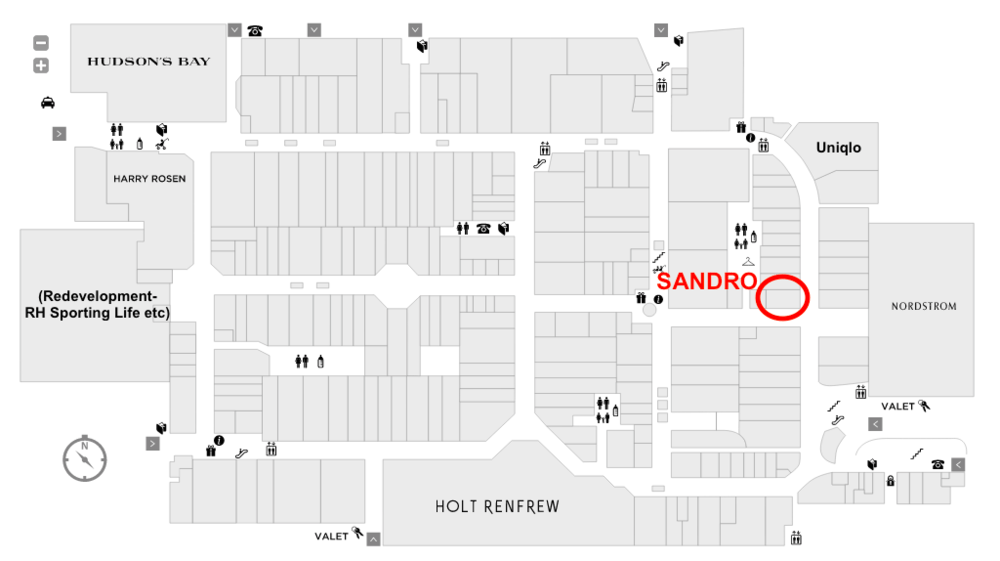
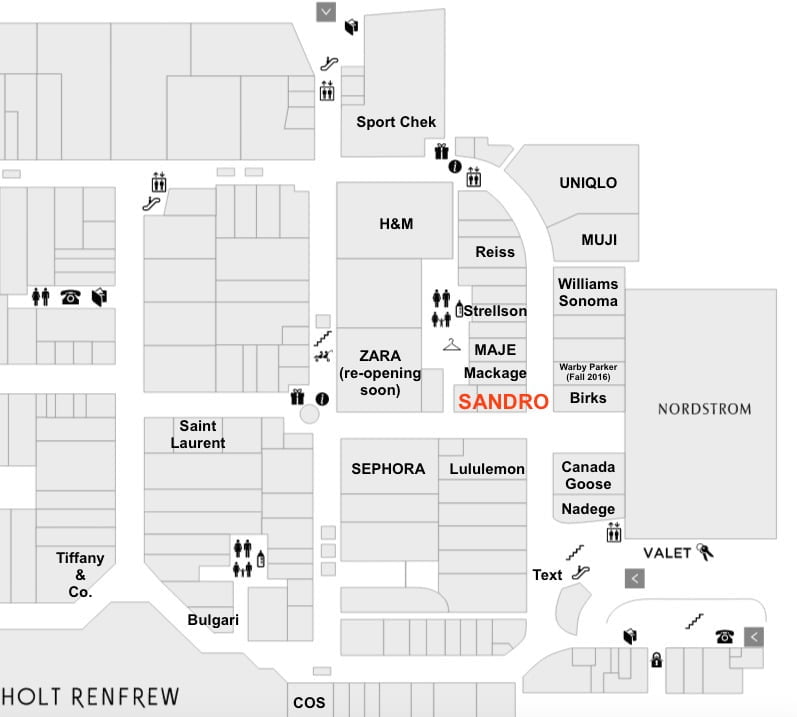
Upscale French fashion brand Sandro has opened its first freestanding Canadian store at Toronto’s Yorkdale Shopping Centre, with more Canadian locations planned. The Yorkdale Sandro is in the mall’s new $331 million, 300,000 square foot Nordstrom-anchored expansion wing which opened last month

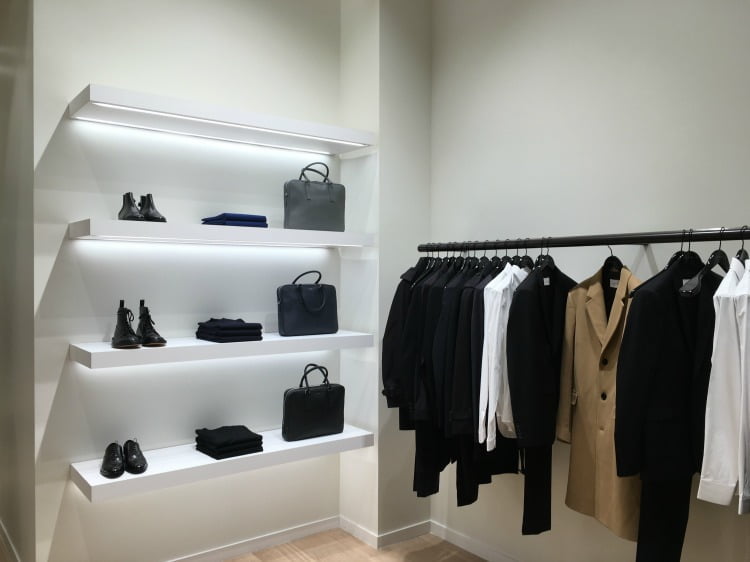
The 2,000 square foot Yorkdale Sandro store features modern, contemporary-priced fashions for men and women. Its interior is modern, bright and simple, and boasts a strategic, high-profile corner location in the mall’s newest expansion wing. Sandro is diagonally across from the world’s first Canada Goose store, and shares corner frontages with Canadian retailers Lululemon and Maison Birks. Nordstrom’s new 199,000 square foot Yorkdale store is also located steps away, with an entrance between Canada Goose and Maison Birks. 

Sandro launched in Paris in 1984, and is known for focusing on “sleek, chic and effortlessly cool womenswear and menswear”. There are over 500 Sandro stores worldwide. Parent company SMCP (which stands for Sandro, Maje, Claudie Perlot) operates 1176 points of sale globally in 35 countries, with about 4,300 staff. 

Sister-label Maje, dedicated to women’s fashions, opened its first Canadian store last month in Yorkdale’s new ‘Nordstrom Wing, two doors from the new Sandro’. Maje, founded in Paris in 1998 and with over 400 locations worldwide, is known for “bohemian-chic, solar, and more feminine womenswear collections”, according to SMCP. 

Sources at Sandro confirm that the brand will continue opening freestanding Canadian locations, with possibly as many as five stores for each of its Sandro and Maje nameplates. Vancouver is a noted target market for the brand as it continues to seek out real estate opportunities nationally. 

Sandro and Maje also operate concessions within several of Hudson’s Bay‘s top-selling stores. Sandro operates women’s concessions at Hudson’s Bay in downtown Vancouver, Montreal and in Toronto at Hudson’s Bay’s Queen Street, Yorkdale and CF Sherway Gardens locations. Sandro Men’s concessions are contained within Hudson’s Bay’s downtown Vancouver and Toronto Queen Street stores. Maje womenswear concessions are located within Hudson’s Bay’s downtown Vancouver, Montreal, and Toronto Queen Street and Yorkdale stores. 

Toronto’s Yorkdale Shopping Centre is Canada’s top-performing mall in terms of sales per square foot. New details will be revealed in an upcoming Retail Council of Canada study, which will rank malls on metrics including productivity, size, and pedestrian counts. 

Philipp Plein to Open Canadian Stores

Image: Philipp Plein

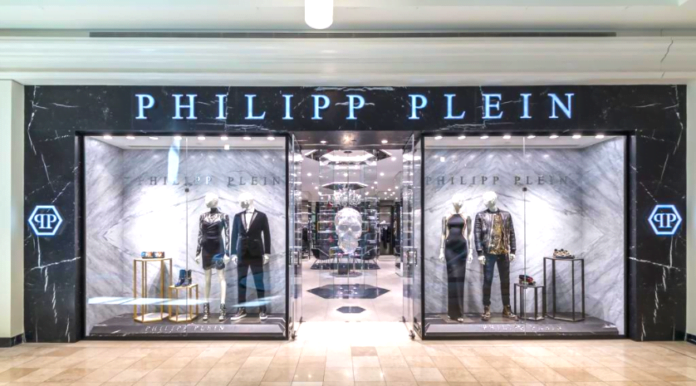
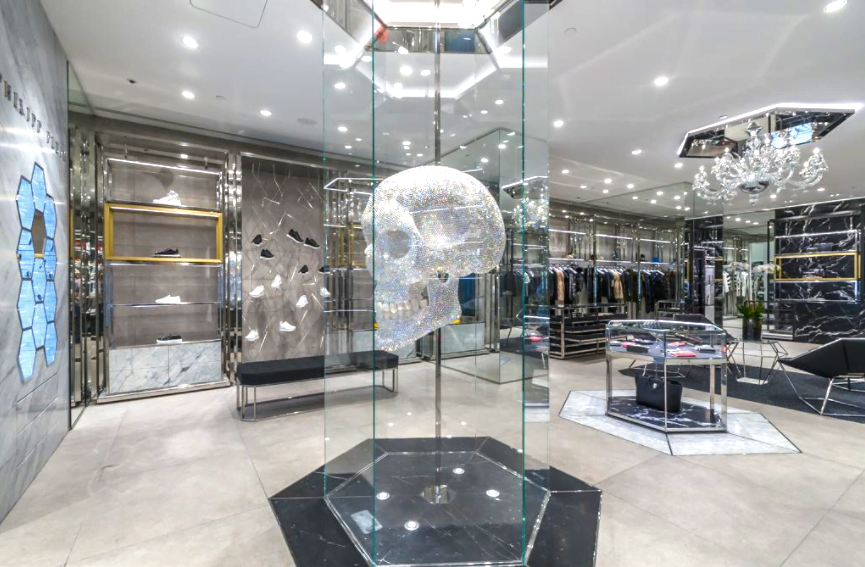
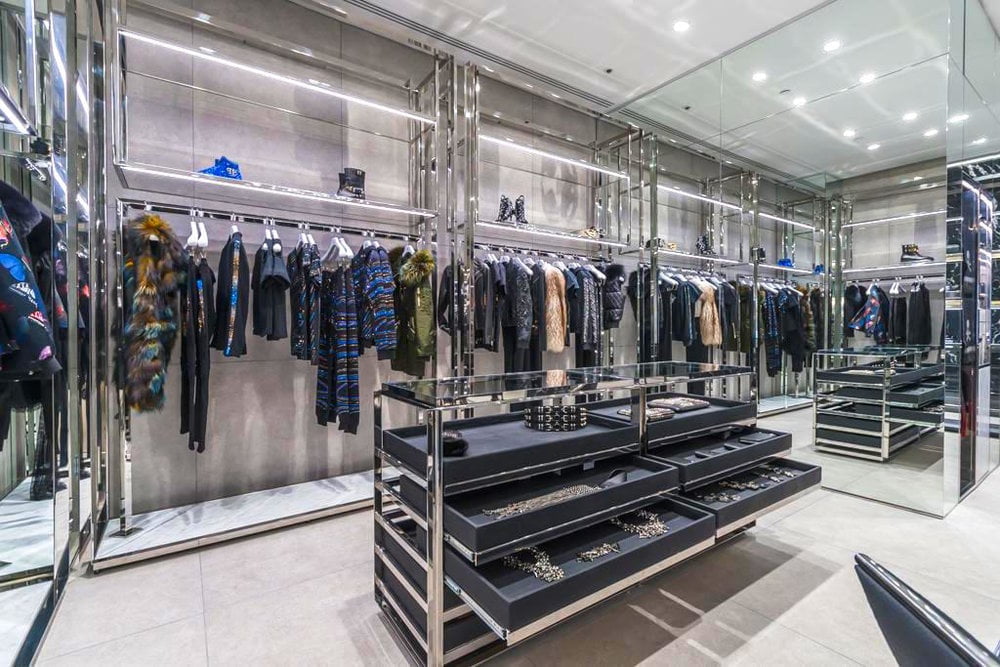
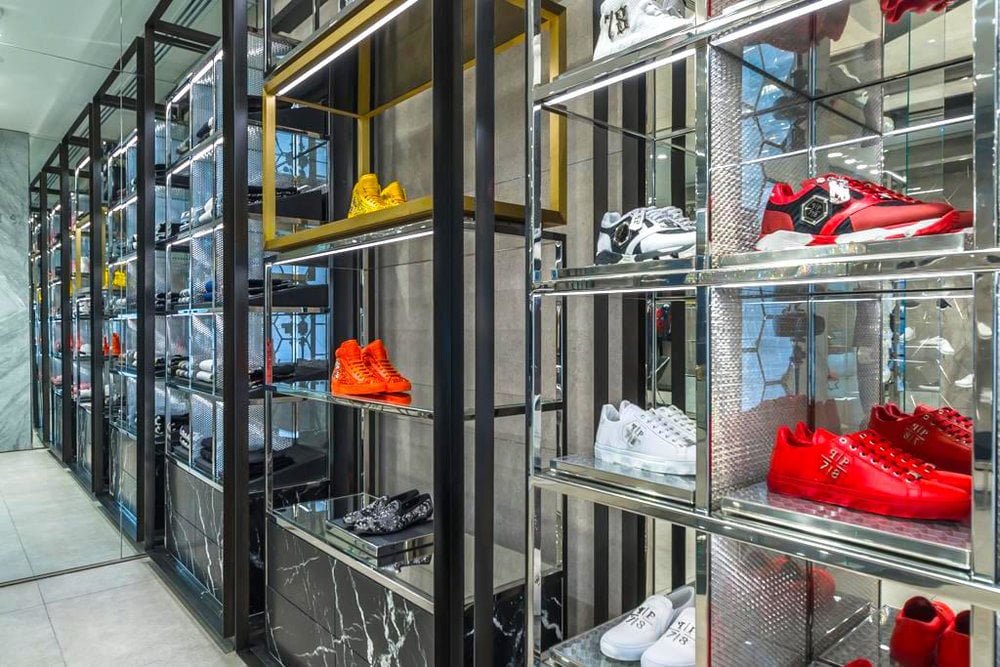
Swiss luxury brand Philipp Plein, known for its pricey and flashy men’s and women’s sportswear fashions, is making an aggressive push into the North American market. According to WWD.com, Canada will see at least one freestanding, corporately owned Philipp Plein store as part of the brand’s global expansion.  

Philipp Plein founded his eponymous brand in Lugano, Switzerland in 1998 by making bags and accessories from leftover exotic leathers. The fashion-side of the business launched in 2004 and has grown substantially since, now boasting close to US $250 million in annual revenue and over 100 directly owned and franchised boutiques. The brand is particularly known for its bejeweled leather and crystal-studded knits, and has sold very well in Asia, Russia and Eastern Europe. According to WWD, Plein’s sneakers retail from US$500 to $2,000; T-shirts are US$500 to $1,500; leather jackets are US$2,500 to $4,000; jeans go from US$500 to $2,000; dresses retail from US$1,500 to $4,000, and evening dresses are US$3,000 to $10,000. About 60% of its business is men’s and 40% women’s. 

A handful of Canadian retailers carry the pricey brand, including Leone in Vancouver and Hudson’s Bay‘s Queen Street flagship in Toronto. Browns Shoes also carries a selection of Plein’s footwear. 

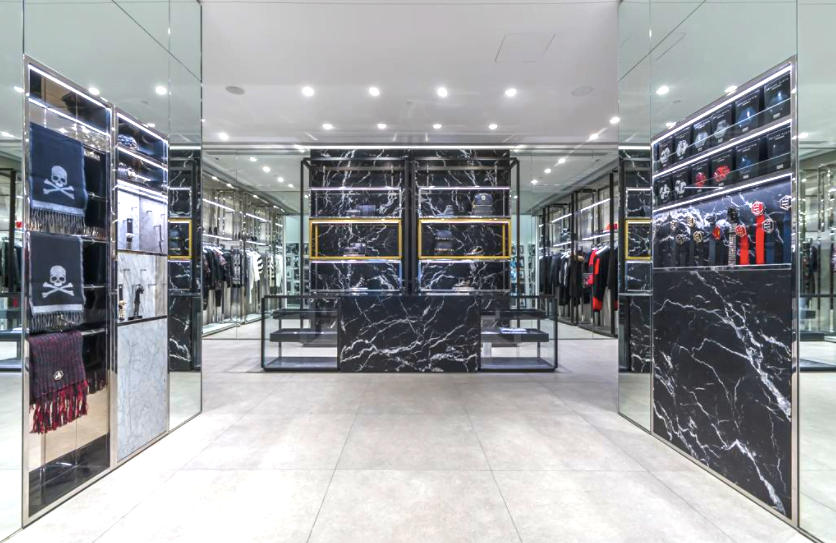
Philipp Plein Store Interior

The luxury brand now has four stores in the United States, and plans to eventually operate 20 US locations within the next three years, according to WWD. As well, WWD reports that the brand will open “10 stores between Canada (company owned) and Central and South America (franchised stores)”. Given that Canada’s population is about 1/10 that of the US, we could see at least two Canadian Plein stores. We’d expect that given its initial popularity in Asia and Europe, Plein could open Canadian stores in Vancouver and Toronto. We’d further speculate a Vancouver location would be in the city’s ‘Luxury Zone’ on or near the 1000 block of Alberni Street, while Toronto could see a location either in the Yorkville area or at Yorkdale Shopping Centre — Canada’s leading luxury-focused suburban mall, which just saw the opening of Saint Laurent Paris

Plein’s first three US stores opened about two years ago — on Madison Avenue in New York City, Rodeo Drive in Beverly Hills, and at Aventura Mall in Miami. In September of this year, Plein opened at Phipps Plaza in Atlanta and next month, a store will open at the massive King of Prussia centre north of Philadelphia. The company has also reportedly secured retail space for future stores at Houston Galleria and at the Ala Moana Center in Honolulu. 

Philipp Plein Store Interior

Mr. Plein told WWD, “I go to locations where I can make money,” going on to say, “When you have a great location, you don’t pay for advertising,” meaning that we can expect any Canadian stores to be in high-profile retail locations. 

As part of Plein’s push into North America, the company reportedly plans to show the women’s and men’s Philipp Plein collection during New York Fashion Week in February for the first time. 

We’ll update this article as we learn more about Philipp Plein’s expansion into Canada.