Home Blog Page 1254

Unique, Upscale Menswear Retailer Boys’Co Celebrates 30 Years of Success

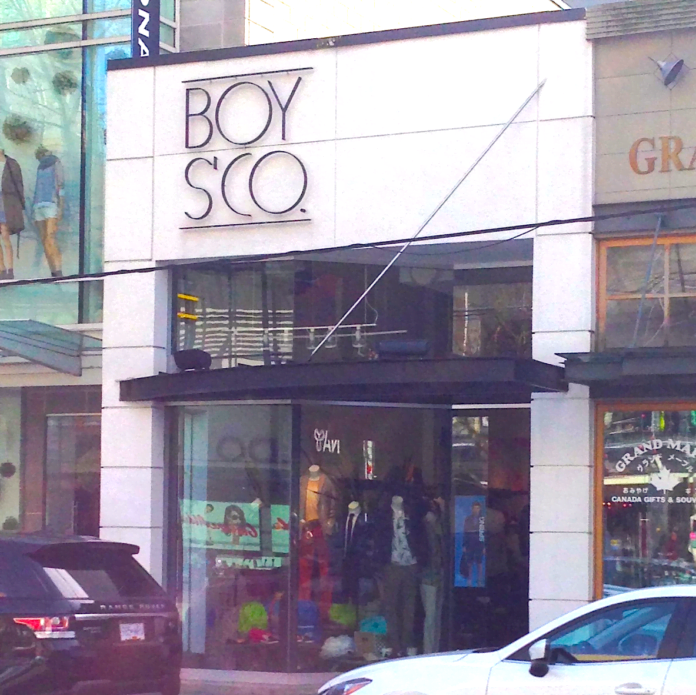
Boys'Co PHOTO CREDIT: COLIN ARBER

This week, upscale Vancouver-based multi-brand retailer Boys’Co celebrates its 30th anniversary. It was recently named “Vancouver’s Best Men’s Independent Store”, and last month it opened a new store location. Following the 2008 recession (in which the effects Boys’Co wouldn’t feel until 2009), the retailer made significant changes to its business, successfully increasing sales.

Boys’Co showcases up-and-coming, established, and hard-to-find designers, catering to the young and ‘young-thinking’ men. Some brands featured include Y-3 by Yohji Yamamoto, EA7 by Giorgio Armani, Amsterdam’s DENHAM, McQ by Alexander McQueen, Stone Island, PLAY by Comme des Garcons and J Lindeberg, among others. 

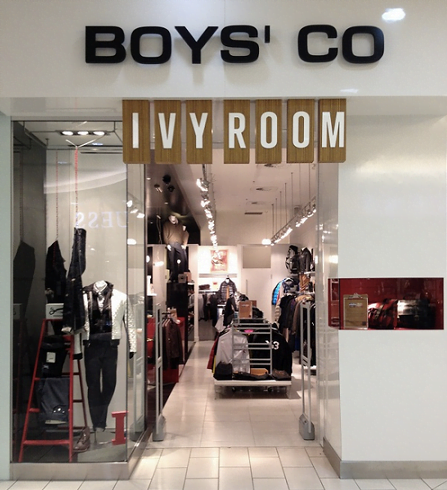
The retailer operates five Vancouver-area locations. Its newest location at Guildford Town Centre in Surrey opened last month. Its other locations include a recently renovated 2,000 square foot Robson Street flagship, a location at Oakridge Centre, and a store in Metropolis at Metrotown. Adjacent to the Metropolis Boys’Co is its prep concept, IVY ROOM, showcasing all of the Boys’Co higher profile and specially curated brands. 
THE RETAILER’S CHEEKY SLOGAN: “IT’S A GUY THING”.

Boys’ Co recently won first place as “Vancouver’s Best Men’s Independent Store” in the Georgia Straight’s “Best of Vancouver 2014 Awards”.

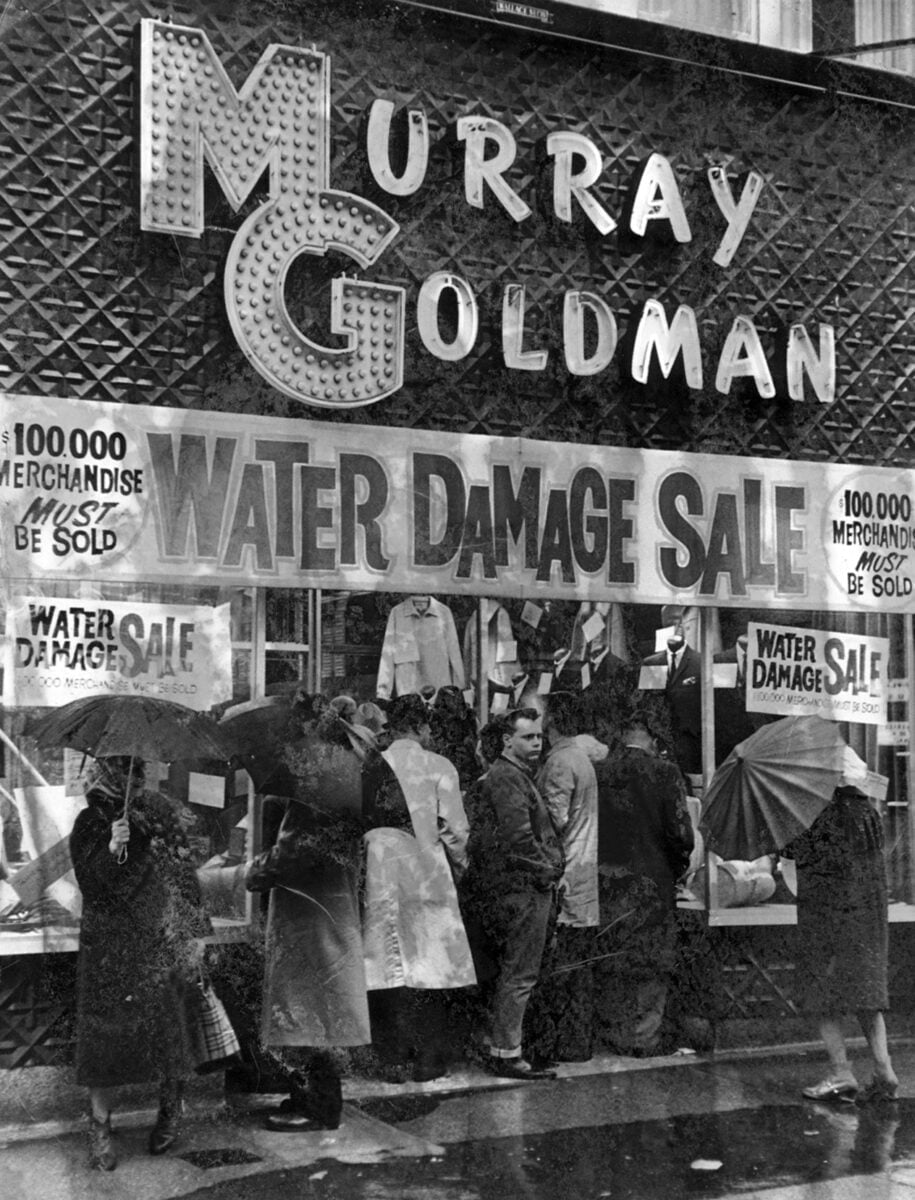
In 1984, Boys’ Co stores were conceived by businessman David Goldman, whose family has been in the men’s retail clothing business for three generations. David is the president of the 68 year old company that was started by his father in 1946, as Murray Goldman Men’s Wear. The original West Hastings Street multi-brand retailer became a menswear destination. In 1957, Murray opened the city’s first young men’s store, called ‘The Ivy Room’. It catered to the Ivy League look of the 1950’s, (think Oxford button down shirts, cardigan sweaters and skinny Levi’s), and was located next to to his iconic Hastings Street store.

David Goldman started his fashion career as a teenager in the 1960’s. While in high school, he worked part-time at his father’s store, Murray Goldman Men’s Wear. After college, David moved to London England, where he worked full time at a young men’s boutique on fashionable King’s Road. He then returned to Vancouver in 1971 to work alongside his father. David’s initial responsibilities included operating and buying for their then jean shops, called Bus Stop Stores — a predecessor to Boys’Co.

Today, Boys’Co has its third generation family member, Sam Goldman, directing operations. Rounding out the management team is Executive General Manager – and almost 30 year company veteran, Michael Roley.

The great recession of 2008/09 saw reduced sales at Boys’Co stores. The retailer hired top retail consulting firm DIG360, which conducted research concluding that changes were required. Traffic counters were installed in stores, providing useful metrics to determine customer shopping patterns. Staff and customers were anonymously surveyed and results were used to modify Boys’Co’s retailing strategy. Differentiating the retailer from the competition was key, including introducing a private-label brand, positioned as a premium label unto itself. Mr. Goldman says that along with improvements in merchandising, buying choices and especially associate training and customer experience, Boys’Co has seen vast improvements in all aspects of its business. 
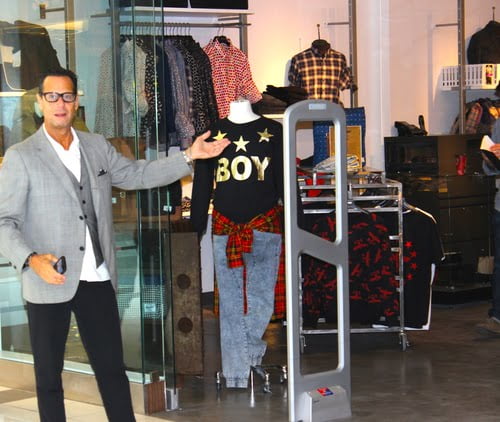
DAVID GOLDMAN AT THE OPENING OF HIS NEW GUILDFORD TOWN CENTRE STORE. PHOTO: JUICEGROUP.CA

Today, Retail Insider’s Editor-in-Chief, Craig Patterson, will interview Boys’Co’s David Goldman on stage at the Retail Council of Canada‘s Retail West conference in Vancouver. 
Canada’s Original ‘Retailtainment’ Centre To Add Luxury Anchor/Expansion

By Jacquie Severs

On an average day, West Edmonton Mall becomes the third largest “city” in Alberta by population. With an incredible 30 million visitors per year, the mall boasts a wide variety of stores, a water park, amusement park with roller coasters, night clubs and more. But you may already know that; West Edmonton Mall  became famous for its unusual combination of retail and entertainment, and it will soon see an expansion with at least one new luxury anchor. 

For years, many considered West Edmonton Mall to be unusual in how it included various non-shopping attractions. In recent years, however, the mall-as-entertainment concept is gaining momentum as the retail business model of the future. The current economy has created a new type of consumer — one who is interested in experiences as well material goods.  Many families are looking to make memories instead of having more toys, and fashionistas are craving a decadent shopping environment as much as the clothes themselves. While some reports state the attendance at average malls is decreasing by as much as 30%, the attendance at West Edmonton Mall has been steadily increasing over the last 8 years. And it’s not an accident; it’s the result of the perfect combination of retail and entertainment. 

West Edmonton Mall is surely the first and best example of a retailtainment destination. Built in 1981, the mall was the largest in the world until 2004; it remains the largest in North America. The Mall of America in Minnesota followed in 1992, built by West Edmonton Mall’s developer Triple Five Group. The concept at both destinations is entertainment and retail diversity. A visitor has numerous options for their visit — it could be a simple shopping trip; it could be a day at the spa. It could be a family day in the water park, or all of the above. Choice for the consumer helps to bring them to the destination over and over again, building loyalty and client satisfaction along the way. Retailtainment facilities attract not only local shoppers, but also tourists, resulting in a powerful economic impact on surrounding businesses. 

Shopping Centre landlords across North America have taken notice and are adding entertainment anchors. This is partly in response to increased e-commerce, creating physical experiences unable to be replicated online. Lucky Strike Bowling Lanes are now in 20 malls, while LEGOLAND Discovery Centres are in 11 shopping centres. In Canada, both are at Vaughan Mills, just outside of Toronto. 

On the smaller scale, the retailtainment concept is being applied to individual retail locations themselves, as stores add entertainment concepts to their merchandise mix. Consider how movie theatres have added arcades, improved dining experiences, lounges, and party rooms to their spaces. Bass Pro Shops have added archery ranges, aquariums and restaurants to their stores, creating complete outdoor enthusiast destinations. With over 400 stores worldwide, Build-A-Bear Workshop takes the concept of retailtainment to the heart of their business model, creating a unique experience for children that combines purchasing, play, and family time into one shop.

As the retailtainment trend gains momentum, West Edmonton Mall is looking to expand to meet demand from prospective tenants. Plans are underway and applications to the city have been entered for permits to allow an additional luxury department store, as well as 150,000 square feet of ancillary retail space and 800 additional parking spaces.

Triple Five Group CEO David Ghermezian tells the Edmonton Journal that a new wing on the south side of the mall will extend to 87th Avenue from Entrance 50, located on the mall’s ground-floor. â€śIt will be right out to the edge of the new LRT line coming to the mall,” said Mr. Ghermezian. No word yet on which anchor will occupy the expansion, though sources say that it could be Saks Fifth Avenue, Nordstrom or Bloomingdale’s. Rumours persist that another upscale anchor could be added to another part of the mall, though details are unconfirmed. Mr. Ghermezian also indicated that various luxury brands will also be courted for the mall, joining recently opened locations for Tiffany & Co. and Kate Spade

Now that retail combined with entertainment is the template for success, luxury retailers are looking to be placed within these hubs for consumer participation. They know that a destination like West Edmonton Mall, once an anomaly in the retail sphere, is now more than ever demonstrating the power of their retailtainment leadership. 

Jacquie Severs is a marketing specialist that knows retail from boutique to wholesale within the home decor, fashion, and fine art industries. Educated at the School of Design at George BrownCollege, Toronto, Jacquie’s expertise in corporate branding, public relations, trend forecasting, and social media are sources of inspiration in her freelance writing appearances. Find Jacquie on linkedin at: ca.linkedin.com/in/jacquiesevers

The Ultimate Customer Profile: Merging Proximity Marketing Data with Cash Register Information

By Alex Romanov, CEO, iSIGN Media

Proximity marketing is changing the way retailers reach out to customers. Often linked with digital signage that is equipped with Bluetooth® and WiFi message transmission capabilities, proximity marketing reaches customers when they’re most likely to make a purchase – at the point of sale (POS).  Cash registers generate the ultimate POS data: a record of the actual transaction. So what would happen if you combined the two, merging proximity marketing data with cash register receipts?

First, it’s important to understand what each component brings to the table. An effective proximity marketing strategy transmits offers to customers who come within range of a digital sign equipped with an antenna. A good proximity marketing solution enables merchants to send rich media messages in many forms, including something as simple as an electronic coupon or a more complex transmission, such as a game. 

Customers have the option to accept or decline the message. And since it uses Bluetooth and WiFi technologies, customer privacy is protected; instead of personal information like names and phone numbers, only device signatures are collected. Despite that protection, proximity marketing generates incredibly rich insights on customer behavior, collecting information such as the rate of offer acceptance, customer duration within the store, foot traffic patterns and much more. 

In a sense, proximity marketing functions in the real world much as online cookie tracking functions in the virtual environment, providing merchants with real-time information on where customers go in the retail location, what offers interest them, what areas of the store they visit and for how long. However, one missing piece of the puzzle for brick-and-mortar retailers has, until now, been POS data. 

By merging POS information with proximity marketing data, merchants can get the ultimate customer profile. For example, a grocer with a regular customer who frequently purchases steaks, baking potatoes and red wine would be able to craft a 24-carat offer tailor-made especially for that customer, like a discount on a better vintage Cabernet, or an alert to a sale on artisan sour cream or upscale steak sauce. 

Cash registers have been around for 150 years, but POS technology has advanced rapidly over the past 10 years, and its future evolution is clear: mobile wallets are gaining traction with consumers. Soon, the traditional cash register will be obsolete, with transactions completed electronically between in-store POS technology and mobile phones. This will make merging POS data and proximity marketing information even more seamless – and inevitable. 

In the ecommerce world, merchants have used the insights they gain into consumer behavior online and purchasing data to drive double-digit sales improvements. For example, Walmart used data insights to generate a 10% to 15% increase in completed online sales to drive $1 billion in incremental revenue. 

A similar opportunity exists in the brick-and-mortar environment. The first step is to deploy the right proximity marketing solution to generate rich data on in-store consumer behavior. The next step is to marry that data with POS information. Merchants who combine this data will build the ultimate customer profile – and gain an incredible competitive edge. 

About the Author

Alex Romanov is CEO of iSIGN Media, a leading North American multiplatform advertising solutions company that utilizes Bluetooth, Mobile, Wi-Fi and Location-Aware technologies to deliver rich media, permission-based messages to engage consumers more deeply and cost-effectively. Find out more at http://isignmedia.com

TOPSHOP Arrives at Richmond Centre

By Cecilia Huang

The wait is finally over – TOPSHOP is now open at Richmond Centre. This is the second TOPSHOP in Metro Vancouver and its tenth flagship store in Canada. The 14,000 square feet retail space is located at the ground-floor entrance of Hudson’s Bay, with TOPMAN on the second floor. TOPSHOP Richmond celebrated its opening on October 4th with a lively launch party, graced by local blogger personalities and hundreds of shoppers who lined up on a Saturday morning to scoop up a TOPSHOP goodie bag and to preview what this popular UK fashion retailer has in store this fall. 

Upon entering the store, one should notice that the retail layout is sleek and urban, with a focus on maximum product accessibility and visibility. The space is strategically organized into multiple sections, each devoted to a carefully curated collection – from petite and tall sections to the stunning shoe lounge. Though smaller than its busy downtown counterpart, the store delivers an intimate and­­ customer-friendly shopping experience. 

TOPSHOP offers high street fashion at affordable prices, appealing to students and young professionals. “This location is so convenient for us [since we live in Richmond], and we don’t have to go all the way to downtown Vancouver,” says Sally Poon, one of the early-birds who lined up Saturday morning. With upcoming developments in Richmond and the store’s proximity to the Vancouver International Airport, TOPSHOP Richmond is ready to meet the rising retail demands of an increasingly populous city.

Since its launch in 1964, TOPSHOP is known world-wide for its  fashion-forward, cool-girl asthetics. “I am usually a basics kind of girl, [but the selection here] allows me to get out of my comfort zone and try different styles,” says Sam Luk, a shopper from Richmond. Not only does this UK retailer present a refreshing retail alternative in its new neighbourhood, it also provides style solutions for all eventualities,  with designs catered to both tall and petite customers. Kim Nguyen, a shopper from downtown Vancouver, tells us that she visits TOPSHOP frequently because it has the best petite collections compared to other brands. 

TOPSHOP may be the new kid on the block for now, but its popularity has already started to rival the likes of its competitors such as Aritzia, Forever 21 and the soon-to-open H&M store in Richmond Centre. 

Cecilia Huang is a dedicated event planner who currently works in the nonprofit sector. She is also the creator and writer of her own personal style blog, Hues That Girl. She is passionate about event and digital marketing, fashion, traveling and all things outdoors in her hometown, Vancouver.

Clarks Plots Substantial Canadian Store Expansion

British footwear manufacturer and retailer Clarks is looking to operate as many as 50 Canadian stores within the next several years, up from its current 13 locations. Clarks is seeking franchise partners for these Canadian stores, in contrast to its fleet of about 300 corporately-owned American Clarks locations. 

Until last month, all of Clarks’ Canadian locations were in Quebec and Ontario. On September 12th, Clarks opened at Winnipeg’s St. Vital Centre, marking its first for Western Canada. Clarks’ stores are ideally sized in the 1,600-1,800 square foot range, located in high-traffic shopping centres and street front locations. The company is also looking to open outlet stores and has confirmed its first Canadian outlet location at Premium Outlets Montreal, opening on October 30th. 

All of Clarks’ licensees in Canada are represented by brokerage Aurora Realty Consultants Inc.. 

Clarks was founded in 1825 by Quaker brothers Cyrus and James Clark in Street, Somerset, England. It continues to maintain its headquarters there. The company has over 1,000 branded stores and franchises worldwide and also sells through extensive third-party distribution. It has almost 16,000 employees and has annual revenues in excess of $2.5 billion. The company is best known for its Desert Boot – a distinctive ankle height boot with a crepe sole usually made of calf suede leather traditionally supplied by Charles F. Stead & Co. tannery in Leeds. 

We’ll update you when we learn more on Clarks’ significant Canadian store expansion. 

American Girl Continues Canadian Invasion

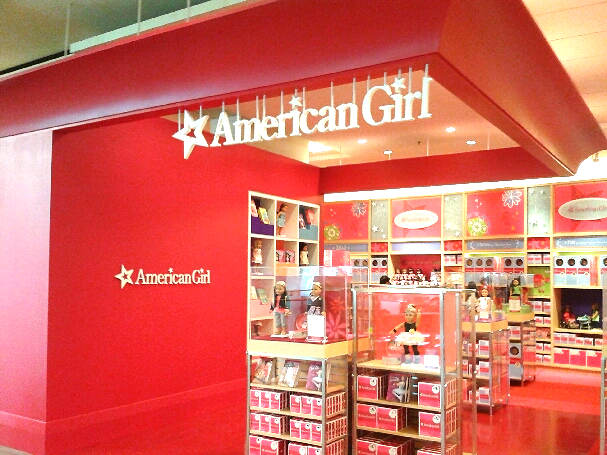
American Girl - PHOTO: CRAIG PATTERSON

Wisconsin-based doll retailer American Girl will open more Canadian boutiques, including an Ottawa location on October 11 within Chapters on Rideau Street. Though substantially smaller than its US locations, American Girl will make a big Canadian impact by opening as many as 15 locations by the end of next year. 

Started 25 years ago as a line of dolls and books depicting pre-teen girls in historical times, American Girl is now a wholly-owned subsidiary of Mattel. Contemporary dolls have since been added. Its dolls are expensive, retailing at $125 for larger ones and $90 for its ‘Bitty Baby’ line, marketed to younger children. Doll clothing, books and movies are also available, as well as an in-store doll hair salon. Doll hairstyling costs between $5 and $25, while doll ear piercing will set you back another $14. 

The 1,450 square foot Ottawa location marks the third in Canada for American Girl, following its recently opened Vancouver and Toronto stores. Its Vancouver shop-in-store is about 1,800 square feet, located on the second level of Downtown Vancouver’s Chapters bookstore. Its Toronto location is similarly sized, located within Yorkdale Shopping Centre‘s Indigo store.

Heather Reisman, Indigo Founder and CEO said, “Our customers in Toronto and Vancouver are incredibly supportive of our American Girl Specialty Boutiques. The response has been so fantastic that we’re delighted to now bring the magic of the American Girl experience to Chapters Rideau.

Retail analyst Robert Gibson told the Financial Post last year that he expects Indigo could open as many as 15 American Girl boutiques in Canada by the end of fiscal 2015. He estimates that Chapers/Indigo could add $20-30-million in incremental revenue in fiscal 2016 if it replaces low volume book space with American Girl shops, providing between $2 million and $3 million in net income. 

American Girl’s US locations are substantially larger than in Canada, with its Chicago flagship spanning a whopping 52,300 square feet over three floors. Its Chicago store includes a photo studio and a restaurant which serves brunch, lunch, afternoon tea, dinner and has the potential to host private parties. American Girl flagships are also in New York City and Los Angeles, and its other locations bring its total US store count to 16. 

Microsoft Store Continues Canadian Expansion

Microsoft Store continues its Canadian expansion with the recent announcement of a new Toronto location. This follows the retailer’s August opening at Calgary’s Chinook Centre, joining Microsoft Store locations in Edmonton, Toronto and Mississauga. By the end of this year, Microsoft Store will operate six Canadian locations. 

Toronto’s newest Microsoft store opens November 20th at the Toronto Eaton Centre. The 5,010 square foot location is located on the mall’s ‘Level 1’, across from Express

Canada’s first Microsoft store opened in November of 2012 at Toronto’s Yorkdale Shopping Centre. The 6,800 square foot unit is located two doors west of the mall’s popular Apple Store. Canada’s second Microsoft Store opened in October of 2013 at West Edmonton Mall, and the 7,600 square foot location is currently Canada’s largest. A third location opened last summer at Metropolis at Metrotown in suburban Vancouver (6,200 square feet) and a fourth at Mississauga’s Square One (just over 3,500 square feet) in February of this year. Its Calgary store, which opened in August, is strategically located next to the mall’s new Nordstrom store and spans almost 7,250 square feet. 

Microsoft Stores sell the brand’s computers, computer software and consumer electronics. It has been compared to Apple Stores, which have been wildly successful at selling and servicing its various Apple products. Its first American stores opened in October 2009, and it continues to aggressively expand its store base south of the border. Microsoft stores employ ‘Technical Advisors’ to assist customers with questions and various issues. These might be compared to the ‘Geniuses’ at Apple Stores. Microsoft Stores also include ‘Specialists’ (or trainers) who show customers how to get the most out of their software.


Italian Jeweller Pomellato Opens 1st Canadian Store

Pomellato‘s first Canadian location has opened at Vancouver’s Pacific Centre. The 1,050 square foot boutique is the brand’s fifth free-standing North American store, and is operated by franchisee Vestis Fashion Group.

Pomellato is located in retail space adjacent to the mall entrance of Vancouver’s Four Seasons Hotel. It replaces the Pacific Pen Shop as well as a portion of the retail space previously occupied by watch retailer La Swiss. 

Pomellato’s Canadian franchisee, Vestis Fashion Group, also operates Vancouver’s three Max Mara and two Bluebird stores –including Max Mara’s recently expanded Pacific Centre location. Vestis also operates Calgary’s Max Mara business, which will include a new Max Mara store set to open in October of 2015 at Chinook Centre

Catherine Guadagnuolo, owner of Vestis, says Pomellato approached her to open in Vancouver, given her knowledge of the market and resultant success with Max Mara’s Western Canadian franchises. Vancouver sells more Max Mara clothing than any city in North America, and it also has the highest density of the brand’s stores. Whereas most luxury jewellery purchases are made by men for women, Pomellato’s customer is about 85% female, according to Ms. Guadagnuolo. 

The most expensive item in the Vancouver store is a one-of-a-kind $150,000 sapphire ring. Not all prices are as high – many silver pieces retail for less than $1,000, though rings with coloured stones tend to cost in the $1,700-$3,000 range. Founded in 1967 in Milan, Pomellato is known for using coloured semi-precious stones in its jewellery designs. Owned by french multinational company Kering, Pomellato is one of Europe’s top five selling jewellers in terms of sales. It has four free-standing American stores, all in prestigious shopping areas: Rodeo Drive in Beverly Hills, Madison Avenue in New York City, the Bal Harbour Shops near Miami, and East Oak Street in Chicago.

Don’t Get Spooked by Seasonal Inventory Management

by Jim Malone, VP of Business Development for Retalon

Every year, retailers put fresh spins on evergreen holiday dĂ©cor, remixing such classics as the Christmas tree and jack-o-lanterns to tempt seasonal shoppers. Though we have yet to see this year’s big trend, it’s probably safe to say it will not be the Christmas Turkey or Thanksgiving Skeleton.

Inventiveness is not so much the issue for retailers as time. With Thanksgiving, Halloween, and Christmas occurring over a period of two months, it’s critical that retailers practice efficient inventory management to move seasonal items at the appropriate moments. Retailers gearing up for big sales days may incur costs if they don’t strategize inventory properly.

Here are three prime examples of where retailers go wrong with seasonal inventory, as well as solutions for better management.

Too often, chain retailers fail to balance inventory between locations: 

It’s common for an item to be sold out in a particular colour or size (SKU) in one store, while it’s in abundance at another location. This imbalance is a double whammy for retailers trying to clear inventory.

The balancing act is especially challenging with holiday inventory, which becomes outdated in the blink of an eye. The fluctuating demand for this nonessential inventory – along with the fact that what’s “hot” can vary by location – makes it extremely difficult to forecast sales using historical data.

Out of stock translates to lost revenue and may push customers toward the competitor. Surplus results in painful markdowns. Worse, by the time businesses realize the imbalance, it’s too late to avoid the associated costs. The sale and the consumer are out the door and bargain basement pricing is inevitable.

It is possible to get ahead of the problem. Retail predictive analytics is an increasingly popular solution for retailers struggling to manage inventory. A Gartner report states that by 2016, 70 percent of the most profitable businesses will manage their processes using real-time predictive technology.

Predictive analytics systems differ from past metrics in that they anticipate the necessary transport of an item before the transfer becomes tedious and overwhelmingly expensive. Inter-store inventory balancing solutions takes into consideration all costs associated with the switch, including logistics, store capacity, demographic diversity and the sizes and colours most likely to sell at individual locations.

The quick succession of fall holidays demands quick turnover. Predictive analytics is especially useful for clearing the bottleneck and selling out seasonal inventory at maximum prices.

Retailers misjudge inventory needs during promotions: 

Retailers often use promotions to generate traffic in their brick-and-mortar stores. After all, what customer can stay away from a great deal, or twenty?

The trouble is most retailers don’t execute promotions profitably. Lacking an integrated inventory management solution, they many times fail to connect pricing and promotions with ordering and replenishment.

By setting needlessly low markdown prices, businesses deplete inventory before demand. This mismatch negatively affects profits and customer relations, since shoppers who arrive a day or two later will not expect items to be out of stock.

Another step in avoiding this dilemma is to consider how media pushes like television ads, Facebook promotions and billboards increase inventory needs. Retail predictive analytics pulls from demand forecasts, replenishment, current inventory levels, promotional media types, price optimization and product cannibalization to determine optimal inventory at the SKU/store level.

Add stock only when it adds value: 

Retailers’ hands are tied when it comes to inventory shipping, a frustrating reality since premature or delayed shipments can have major financial ramifications for businesses. Early shipments bring higher carrying costs, while late or incomplete shipments may ruin promotions by causing items to go out of stock.

In order to protect against shipment problems outside their control, retailers typically add safety stock to inventory. But safety stock also carries a cost, and thus requires optimization. Unfortunately, optimal safety stock proves fairly difficult to calculate.

Overdone safety stock defeats its purpose by making it harder for retailers to optimize their supply chains. The idea of investing in additional inventory with the hope of additional sales is flawed – it creates an endless imbalance between what is needed and what is stocked. Leveraging retail predictive analytics, retailers can better optimize safety stock and keep on-hand only what is needed.

About the Author:

Jim Malone is the Vice President of Business Development at Retalon, the world’s leading provider of predictive analytics for the retail industry. Since 2002, Retalon has optimized pricing, inventory management, merchandising, planning and marketing operations for retail organizations in a variety of industries. Retalon products range from task-oriented solutions to a common analytic platform, resulting in tangible optimization of the supply chain and significant measurable benefits for the entire organization.

List of Recently Closed Staples Store Locations in Canada

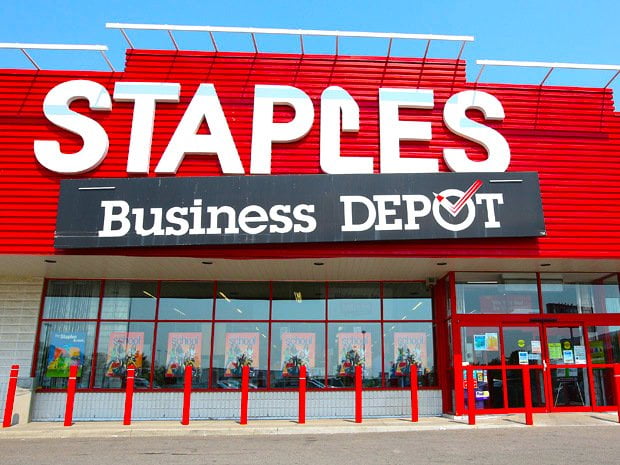
Image: Staples Business Depot

This week, various media sources reported that 15 Canadian Staples stores have recently closed. However, they don’t mention which locations. Yesterday, Interstratics Consultants Inc. compiled a list of recently closed Staples stores, based on its own internal research.

The list is based on a comparison between a Staples Canada store list from January 5, 2014, and what is currently featured on the company’s website. Intertratics notes that there are now 20 less stores on Staples’ website, drawing the conclusion that they may have closed this year.

Here’s a list of of those 20 locations: 

CITYADDRESSSTAPLES STORE #
Brampton, ON1250 Steeles Avenue East6
St. Catharines, ON185 Bunting Road13
Laval, QC3055, boulevard Le Carrefour24
Scarborough, ON1936 McCowan Rd28
Hamilton, ON2444 Barton Street East33
Brossard, QC6555, boulevard Taschereau35
Whitby, ON1615 Dundas St. East44
Kitchener, ON150 Gateway Park Drive83
Scarborough, ON4711 Steeles Ave East175
Montréal-Nord, QC10651, boulevard Pie-IX213
North York, ON5095 Yonge Street Unit 3 (Empress Walk)214
Burnaby, BC4561 Kingsway Ave.216
Nepean, ON1821 Robertson Rd.294
Victoria, BC747 Fort Street Ste No. 100313
Peterborough, ON1154 Chemong Rd. Unit N3319
Westbank, BC300-3021 Louie Drive327
Port Colbourne, ON45 West Side Road, St#4329
Parry Sound, ON70 Joseph St. Unit 200331
West Saint John, NB30 Plaza Avenue, Unit 8425
Selkirk, MN1026 Manitoba Avenue449

Of these, 12 are in Ontario, 3 in Quebec, 3 in BC, and one each in Manitoba and New Brunswick. Staples continues to operate in excess of 300 Canadian locations. 

Thank you Alex Arifuzzaman for directing us to this report by Intertratics Consultants Inc.Â