Home Blog Page 1269

Nova Scotia mall reinvents itself as a ‘social destination’

exc-53795de2e4b021fbdceceec2


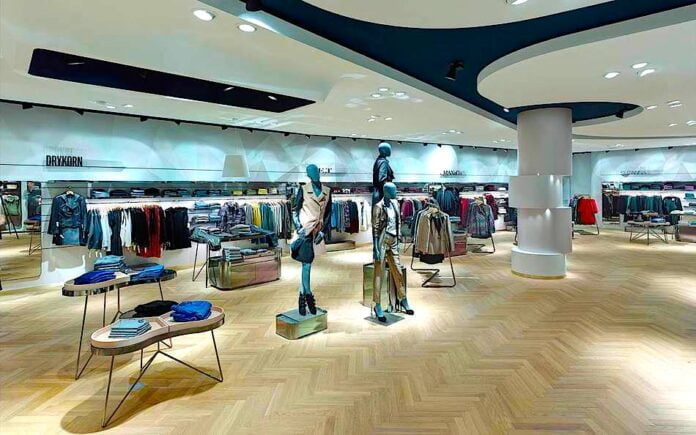
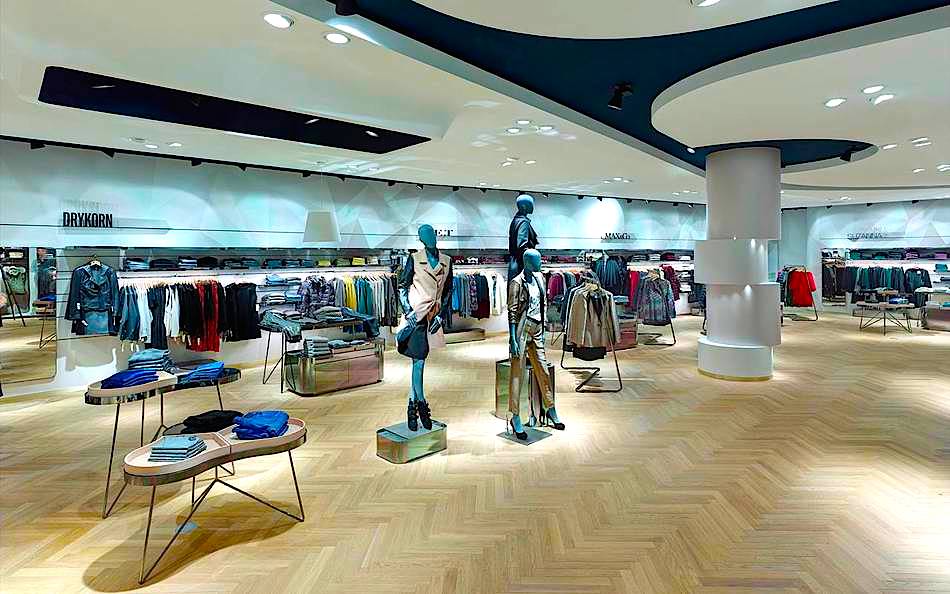
Photo: Adams Photography/Sunnyside MallPhoto: Adams Photography/Sunnyside Mall

Photo: Adams Photography/Sunnyside Mall

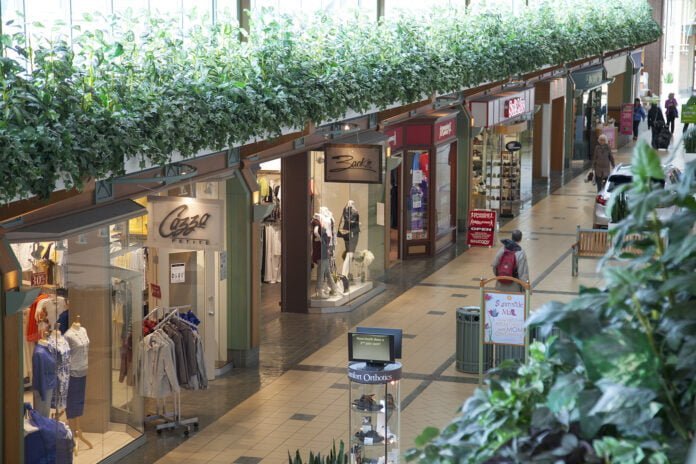
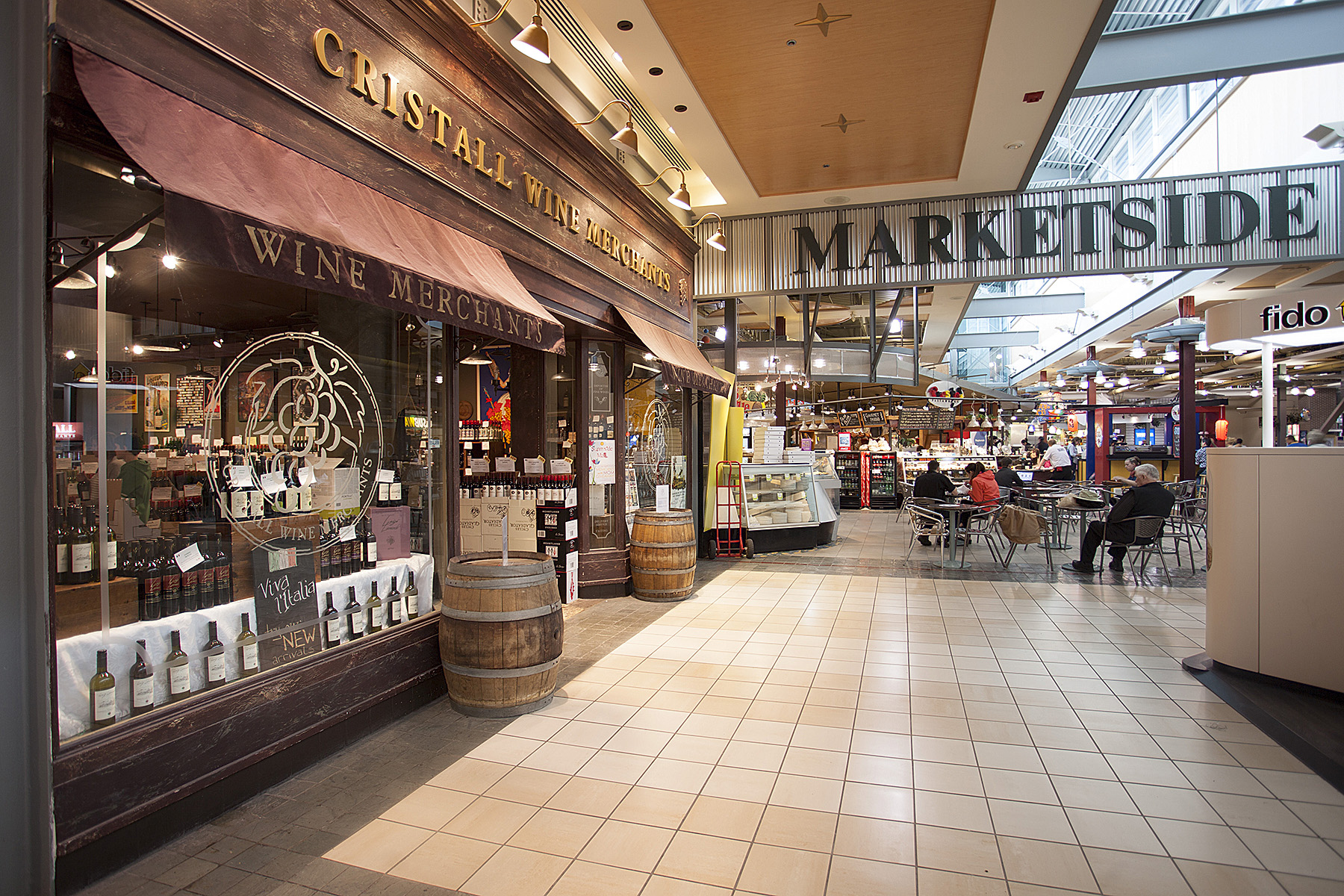
At one time, the old saying “if you build it, they will come” pertained to many shopping malls. Times have changed: online shopping and increasing mall competition have some landlords seeking new relevance for their properties. One Nova Scotia mall is bucking the chain store trend, rebranding as a ‘social destination’ that features local retailers and designers.

Bedford’s Sunnyside Mall addresses the evolution of shopping malls, by moving from a purely retail environment to a ‘social destination’. This means that consumers can shop, spend time with friends, eat at restaurants and take part in community events, all under one roof. The 311,000 square foot mall is already home to the largest indoor market in the Maritimes (called Marketside) and is the only mall in the region to offer family-friendly space for parents and children. 

Experts are taking notice. Ramesh Venkat, associate professor of marketing at Saint Mary’s University, says:

“With the rise of online retailing, there is a shift in the traditional bricks and mortar shopping experience. Online shops are very strong on price and selection, so shopping centres need to differentiate themselves by making shopping an experience – a place for customers to be entertained, to dine, to meet their friends and family, to connect with their community and to receive excellent customer service. The idea is to create a destination, tapping into the social aspect of shopping and delivering an experience you can only get at the shopping centre. Customers spend more time because there are more things to do.”

Sunnyside Mall’s rebranding comes at a milestone: the mall turns 50 this year. Its overhaul began with a new management team. Rethinking the mall’s tenant mix involves taking into account the mall’s community roots: Bedford and its surrounding area has a number of independent retailers and designers, with many seeking retail space. This month alone, several Nova Scotia-based retailers and designers are moving into the mall, including Limoncello Lifestyle, Boso Bamboo Boutique, and a local furniture boutique called Statement. Turbine, by local fashion designer Lisa Drader-Murphy, is set to open in September.

General Manager David Seviour says: 

“Sunnyside Mall is undergoing a transformation to expand its boutique shopping experience. We’re creating a distinctly different shopping experience featuring the best, most unique and sought-after products and services. There’s a positive energy that happens when you bring in the right combination of stores. We’re creating a one-of-a-kind shopping experience that goes beyond the typical generic mall environment, which better suits the character of the vibrant Bedford community.”

NEXT ARTICLE: Crisis Response Plans Critical In Social Media Age

PREVIOIUS ARTICLEL’Occitane To Replace Bebe On Vancouver’s Robson Street
GO BACK

Subscribe to RETAIL INSIDER

* indicates required


L’Occitane to replace Bebe on Vancouver’s Robson Street

exc-537bfcc5e4b01fb1cd5edb68

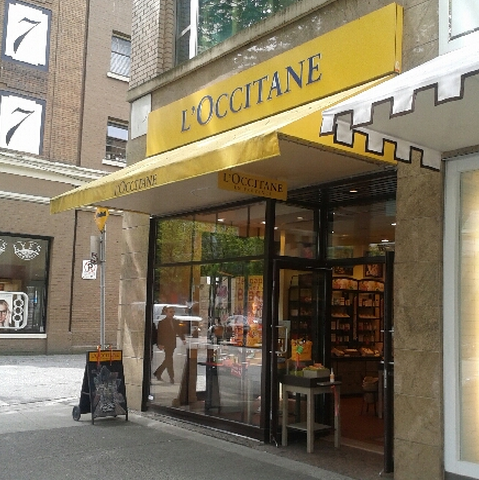
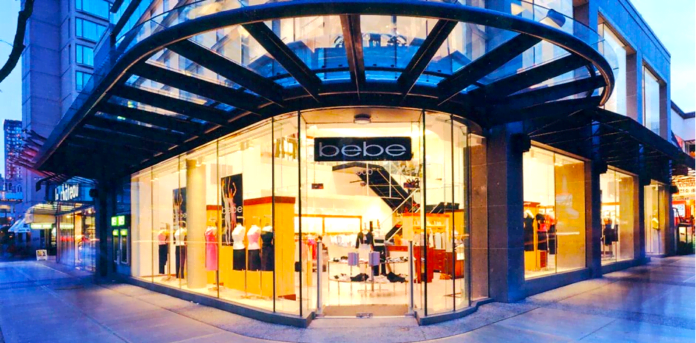
Many people have asked us who will replace Bebe at 1000 Robson Street in Vancouver. Occupying the southwest corner of Robson and Burrard Streets, Bebe’s former space is one Canada’s most prominent retail locations. L’Occitane en Provence will soon occupy part of the space, which is a jump in size from its currently cramped Burrard Street location.

L’Occitane was Founded in Manosque, France, in 1976. It retails body, face and home products in its roughly 2,000 shops in over 100 countries worldwide. It has 29 free-standing Canadian stores spanning the country, from Victoria to Halifax. 

The entire 1000 Robson Street building includes 4,000 square feet on its ground floor, as well as a 1,000 square foot mezzanine. L’Occitane will occupy only part of the 5,000 square foot space. We’ll update you shortly with further details. 


L'Occitane's current location at 101-755 Burrard Street store is substantially smaller than its new location. Photo: Craig PattersonL'Occitane's current location at 101-755 Burrard Street store is substantially smaller than its new location. Photo: Craig Patterson

L’Occitane’s current location at 101-755 Burrard Street store is substantially smaller than its new location. Photo: Craig Patterson

L’Occitane vacates its smaller space at 101-755 Burrard Street, only a few paces north of its new store. The new L’Occitane will share the Robson and Burrard intersection with other prominent flagship retailers. Roots Canada, occupying the intersection’s northwest corner, is about to embark on a renovation and expansion of its 4,000 square foot flagship. Lululemon’s Robson Street flagship is currently under construction on the intersection’s southeast corner, and the world’s second-largest Victoria’s Secret store dominates the intersection’s northeast corner. 

L’Occitane’s new retail space has an interesting history: before selling for a record-setting price in 1999, 1000 Robson Street was home to a Toronto Dominion Bank.  As a nod to its past, TD bank machines continue to operate along the Burrard Street side of the building. In the late 1990’s, the sale of 1000 Robson Street was considered record-breaking, exceeding $1,000 per square foot. Nowadays, that sale price would be a bargain. Robson Street’s rents are among the highest in Canada, sometimes exceeding $200 per square foot per year. Only Toronto’s Bloor Street commands higher rents. 

NEXT ARTICLENova Scotia Mall Reinvents Itself As A ‘Social Destination’

PREVIOUS ARTICLE2 Of America’s Top 10 Most Productive Retailers Are Canadian

GO BACK

Subscribe to RETAIL INSIDER

* indicates required


2 of America’s top 10 most productive retailers are Canadian

exc-5377babde4b0e8c9b2ae1cda

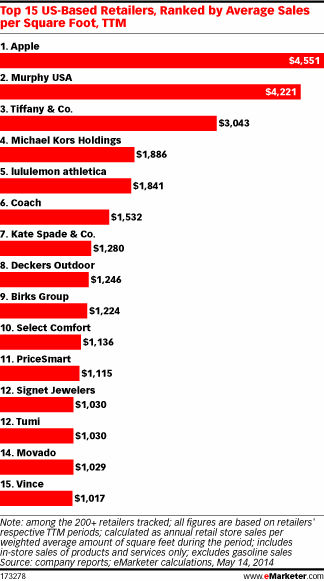
Two of America’s top 10 most productive retailers are Canadian. Tracking annual sales per square foot, market research company eMarketer evaluated over 225 retailers. The top one is no surprise: Apple Stores boast yearly sales exceeding $4,500 per square foot. Of the two Canadian-based retailers, one also made it into America’s top 15 fastest growing store footprints. 

Vancouver-based yoga wear retailer Lululemon ranked fifth for America’s most productive retail space, with sales averaging US$1,841 per square foot. Lululemon’s productivity is exceeded by Apple, Murphy, Tiffany & Co., and Michael Kors stores. Lululemon has about 175 American retail locations, 38 showrooms, 8 outlets and 9 pop-up locations. In Canada, Lululemon has 46 stores, 1 showroom, 2 outlets, and 5 pop-up locations. Although there are more American Lululemon stores than Canadian, its top-selling location is at West Edmonton Mall

Montreal-based jeweller Birks Group (formerly Birks & Mayors) came in 9th place with annual American sales of $1,224 per square foot. In the United States, Birks Group retails under the name Mayors, with 16 Florida stores, 3 in Georgia, and one Rolex watch boutique in Orlando. In Canada, the company operates 28 Maison Birks stores, 2 Brinkhaus boutiques (in Vancouver and Calgary) and 1 wedding-focussed concession at Toronto’s flagship Hudson’s Bay

Lululemon also ranked 12th in the study’s list of expanding retailers, with an American square footage increase of 22.9% over the previous year. 

NEXT ARTICLEL’Occitane To Replace Bebe On Vancouver’s Robson Street
PREVIOUS ARTICLEPetcetera To Close All Canadian Locations

GO BACK

Subscribe to RETAIL INSIDER

* indicates required


Petcetera to close all Canadian locations

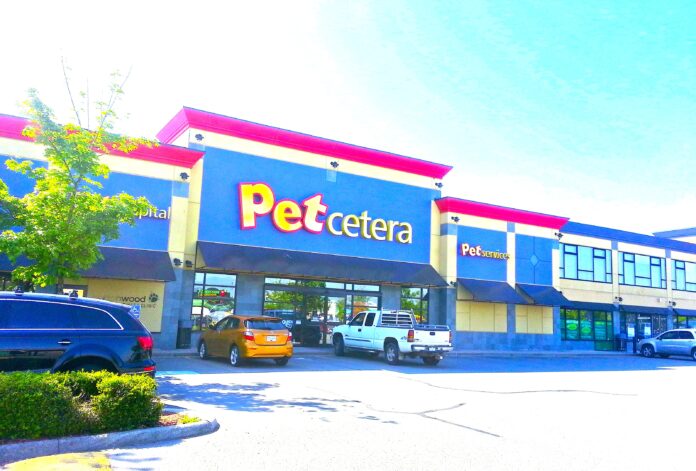
Image: Petcetera

By Andrea Chan

Petcetera will close all of its Canadian stores. The company is restructuring, offering discounts of up to 90% off on all merchandise at all locations. Three of its 18 remaining locations close at the end of next month and in total, 9 locations will close and 9 will be sold. 

Founded in 1995 in Richmond, BC, Petcetera is a pet superstore offering more than 10,000 pet products, as well as pet care services including pet hospitals (Vetcetera), pet grooming, obedience school and ‘doggy daycare centres’. In 2009, Petcetera downsized from 50 stores to 18 stores. The company currently employs over 300 employees in its British Columbia, Alberta, Saskatchewan, Manitoba, Ontario and Nova Scotia locations.

Petcetera Store Closing (Image: u/BetterButterflies)
Image: Petcetera.ca

By June 30th, the company’s Kamloops, Regina, and Ottawa stores will close. The company filed a Notice of Intention to Make a Proposal under the Bankruptcy and Insolvency Act on March 17th, commencing an immediate nationwide inventory sale to generate cash. It previously announced the closure of its stores in Abbotsford, Penticton, Edmonton, Saskatoon, Niagara Falls and Dartmouth, NS. Prices have been further discounted to include immediate price reductions on everything in the store with savings of up to 90% on their full range of pet merchandise, with even greater discounts in stores scheduled to closed. The company has also sold 9 stores to other pet retailers and inventory will be liquidated in these stores until the sale and purchase agreements close on May 30th.

“As we developed our restructuring plan it became evident the only viable options available to us were to either close or sell the stores.” said Dan Urbani, president and CEO of Petcetera. “We have now rationalized the prospects of every store and have concluded that our stores in Kamloops, Regina, and Ottawa cannot be sold and will close by the end of June. Closing stores is a very difficult decision, but unfortunately this was the only remaining option for these stores. While we have been forced to close 9 stores we are pleased that 9 stores have been sold and will continue operating as pet stores”.

Retail Employee Engagement Can Be Predicted

exc-537c0601e4b0737ca05eac31


Photo: St. Louis TodayPhoto: St. Louis Today

Photo: St. Louis Today

By Lisa McCann

Are your employees engaged or are they leaving after less than a year?

Every organization struggles with employee engagement. But have you ever attributed a disengaged staff with hiring the wrong types of people from the get go? Companies customarily focus on growing employee engagement once a new hire has started. Often, disregarding the opportunity to measure and predict the likelihood of an employee’s engagement level BEFORE a hire is made.

Employee turnover is often overlooked as just another industry norm. We often hear companies say their turnover is on par with industry standards. For some of those industries, such as retail or hospitality, their turnover can be as high as 80%. These types of organizations frequently see employees churning every few months and sometimes as often as every few weeks. Why would you want to match industry norms that are so outlandishly high?

If you could predict the likelihood of someone turning over because of engagement before you even hired them, think of the recruiting and training costs your organization could be saving with every new hire you make.

Stop focusing solely on growing employee engagement.

Address the issue of engagement in a new light, start hiring for engagement traits that can be predicted. Employee engagement is often attributed to a company’s ability to grow engagement within its workforce. Consider adding in assessment measures within your recruitment process that can help predict selecting engaged workers from the get go. By blending both measuring engagement pre hire and growing engagement post hire, you can optimize your hiring results to find better employees.

Start focusing on measuring engagement traits.

Assessments can predict whether candidates will become involved with, committed to and motivated at work. We use a measure called “Eager to Engage” that measures a potential employee’s self-report on how engaged they see themselves and predicts their on the job performance. Our partners at HirePayoff have seen a new growing trend within leadership and the importance they place on assessing engagement levels before a hire is made.

“Operating leadership views the concept of screening candidates for employee engagement as critical in today’s hiring. In fact, operations leaders indicate far more interest in screening candidates in these areas, than for the classic skill and ability competencies that frame typical candidate testing programs. Many operating leaders say it’s more “Will Do” engagement than “Can Do” competency in a candidate that shows itself once onboard.” 

                                                    – Dr. David Jones, Author of Million Dollar Hire

Lisa McCann is the Corporate Marketing Manager at Vancouver-based recruitment company, Mindfield Group.

NEXT ARTICLEPetcetera To Close All Canadian Locations

PREVIOUS ARTICLEWill Kate Spade Replace Canada’s Shuttered Juicy Couture Stores?

GO BACK

Subscribe to RETAIL INSIDER

* indicates required


Will Kate Spade replace Canada’s shuttered Juicy Couture stores?

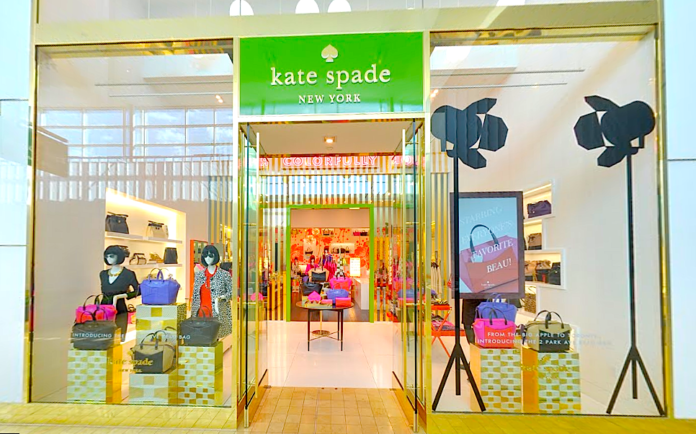
KATE SPADE, YORKDALE SHOPPING CENTRE

Parent company Kate Spade Inc. has closed Juicy Couture‘s Canadian stores. Not all is lost, however, as several Juicy Couture locations could become Kate Spade stores. The same is happening with its American locations, causing some to speculate that as many as four new Kate Spade shops could open in Canada by the end of this summer.   

Kate Spade Inc. recently sold Juicy Couture’s license to American department store retailer, Kohl’s. Spade retained Juicy Couture’s store leases, however, including its Canadian retail spaces.

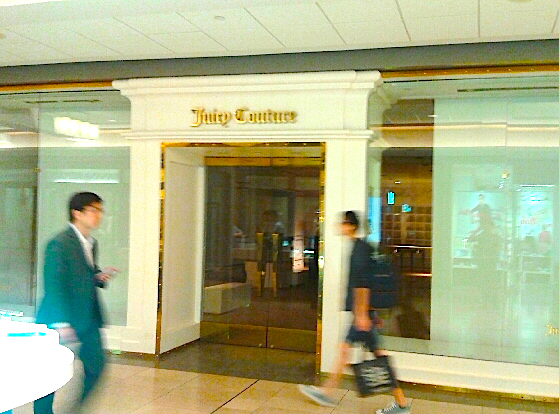
Juicy’s last full-priced Canadian location closes today: a 2,975 square foot unit at Toronto’s Sherway Gardens. Its 2,500 square foot Toronto Eaton Centre location closed on Saturday, May 17th, and its 2,250 square foot Yorkdale Shopping Centre (Toronto) and 3,500 square foot Pacific Centre (Vancouver) locations have already shuttered. Its outlet location at Toronto’s Vaughan Mills remains open for now, and is scheduled to close on June 30th. 

JUICY COUTURE’S SHUTTERED PACIFIC CENTRE LOCATION. PHOTO: CRAIG PATTERSON

Kate Spade currently has two Canadian stores as well as one outlet, all in the Toronto area. Its first Canadian store opened at Yorkdale in the winter of 2012, and its 4,000 square foot Cumberland Street flagship opened in the summer of 2013. West Edmonton Mall’s recently announced Kate Spade store, the first outside of Toronto, is currently under construction.

Kate Spade could replace Juicy Couture locations at the Toronto Eaton Centre, Sherway Gardens and Pacific Centre. Yorkdale already has a 1,620 square foot Kate Spade store, though the mall’s 2,250 square foot Juicy Couture space is larger. Spade could also replace Juicy’s Vaughan Mills space, though the Toronto Premium Outlets already boasts Canada’s only Kate Spade outlet. 

We’ll update you when we learn which Canadian Juicy Couture locations will become Kate Spade stores.


Prime retail space becomes available on Toronto’s ‘Mink Mile’

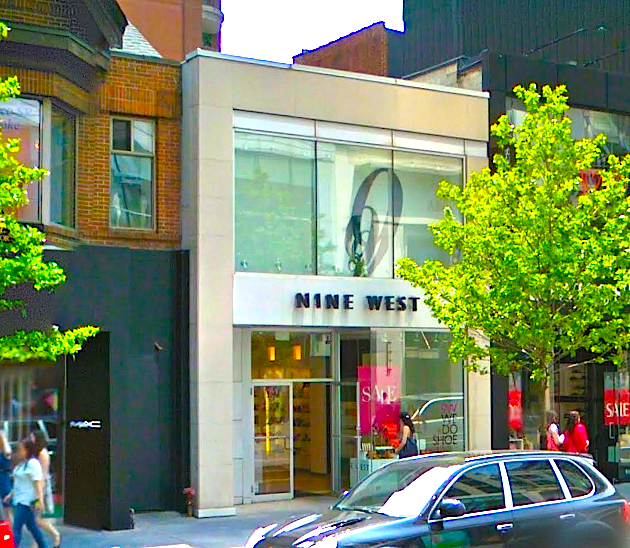
Nine West at 93 Bloor Street West (Image: Google)

Nine West is subleasing its Bloor Street store, creating an opportunity for a new luxury retailer on Toronto’s so called ‘Mink Mile’. Located at 93 Bloor Street West, the 2,150 square foot space neighbours some of Canada’s most expensive stores. 

Nearby retailers on the same block include Hugo Boss, Mac Cosmetics and Porsche Design. Across the street is a 54,000 square foot flagship Harry Rosen store, as well as a new 14,000 square foot Holt Renfrew men’s store which is scheduled to open this fall. Immediately west lies some of the world’s priciest boutiques including Chanel, Prada, Cartier, Hermes, Gucci and others. 

A couple of doors east, 89 Bloor Street West sat vacant for several years. Its current leaseholder, Roots Canada, decided against opening at 89 Bloor after securing a 6,500 square foot space across the street at 80 Bloor Street West. It currently sits vacant. 

For further enquiries on this retail space, email craig@retail-insider.com

Source: bAuHaUs, Urban Toronto

Analysis: Sears Canada’s best remaining store locations

SOUTHGATE CENTRE, EDMONTON. PHOTO: DARRELL BATEMAN

Sears Holdings announced on Wednesday that it may sell Sears Canada. The company still has several exceptional Canadian store locations, despite divesting most of its better leases. Finding one buyer for all of its stores will ultimately be difficult, as Sears Canada has a substantial number of arguably undesirable store locations. The company could end up selling off a few of its better stores, as it has done before, and we’ll profile several of these locations. Ultimately, NordstromSaks Fifth Avenue and La Maison Simons could move into some of Sears Canada’s remaining real estate.

Below, we’ll profile several of Sears Canada’s better locations and who could occupy them, moving west to east across the nation:

Vancouver/Lower Mainland: The proposed $1 billion redevelopment of Sears’ Metropolis at Metrotown real estate is uncertain, and Sears Canada owns this location (and surrounding parking) outright. If redevelopment doesn’t come to fruition, the existing 217,300 square foot Sears space could be redeveloped to include several retailers, including possibly Vancouver’s second La Maison Simons store. Vancouver’s first Simons store opens next year at West Vancouver’s Park Royal.  

Sears also has a productive 122,000 square foot store at Richmond Centre. Sears sold Its Richmond lease in October of last year, however, and the store will close in February of 2015. 

Edmonton: Sears has two fairly high-profile Edmonton locations, the largest being at Southgate Centre. Spanning 234,000 square feet, this former Eaton’s location could be reconfigured to include new retail, as well as possibly a new anchor store. Top contenders include Nordstrom and Saks Fifth Avenue, though not if West Edmonton Mall gets its way. West Edmonton Mall’s 149,000 square foot Sears location is in the mall’s original ‘Phase I’, which could be redeveloped to increase shopping traffic to that part of the mall. 

Calgary: Southcentre’s 234,000 square foot Sears could be redeveloped, and La Maison Simons has been in talks with Oxford Properties. Simons typically seeks about 100,000 square feet for its new stores. If Sears sells this store, redevelopment could include multiple tenants as well as Simons.

Winnipeg: Polo Park‘s 263,000 square foot Sears store could be redeveloped to include multiple tenants, including a new anchor. Saks Fifth Avenue is highly unlikely, though Nordstrom and/or La Maison Simons are possible. 

Toronto: Most of Toronto’s best Sears locations have been divested, including locations at the Toronto Eaton Centre, Yorkdale Shopping Centre, Sherway Gardens, and at Mississauga’s Square One. Several decent locations remain, including Sears stores at the Fairview Mall (149,500 sq ft) and a 173,600 square foot unit at the Promenade in Thornhill. 

Sears’ former 816,000 square foot Toronto Eaton Centre store will be replaced with a 213,000 square foot Nordstrom store, 460,000 square feet of office space, and 140,000 square feet for other retailers, yet to be determined. Yorkdale’s 190,000 square foot Sears will be redeveloped, and Sherway Gardens’ 225,700 square foot Sears will be partly occupied by a new 132,000 square foot Saks Fifth Avenue store. Sears’ 145,000 square foot Square One location will become a 113,000 square foot La Maison Simons, opening in 2016. 

Montreal: The 150,850 square foot Carrefour Laval Sears could be redeveloped, and sources inform us that Saks Fifth Avenue is considering the mall. Other desireable Montreal Sears locations include a 182,000 square foot unit at Fairview Pointe Claire, as well as a 146,600 square foot Galeries d’Anjou store. 

Different, not dead: The future of brick & mortar retail

exc-537569c5e4b0bb13e3cd3f43


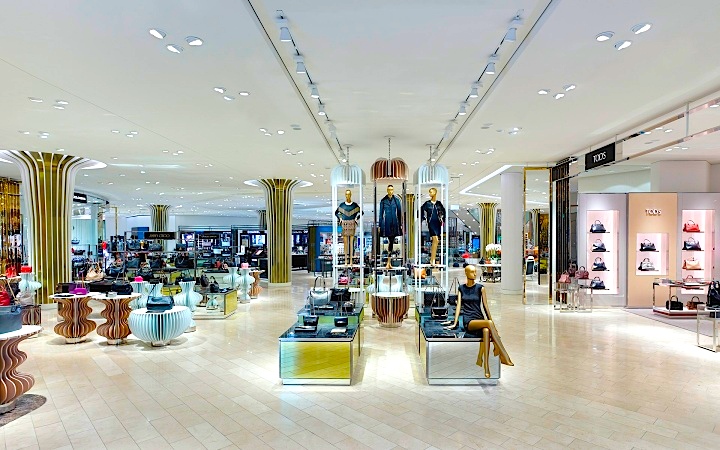
Breuninger , Düsseldorf, Germany. Photo:  LiganovaBreuninger , Düsseldorf, Germany. Photo:  Liganova

Breuninger, Düsseldorf, Germany. Photo: Liganova

By Steven P. Dennis

“Reports of my death have been greatly exaggerated.” 

– Mark Twain*

Media reports highlight the dramatic shift of spending from traditional stores to e-commerce. Industry analysts and pundits predict the demise of brands with substantial investments in retail real estate. We live in an increasingly virtual world, they say, and those with deep roots in the physical realm are starting to look more and more like dinosaurs.

The transformation of shopping fueled by all things digital is profound with no signs of deceleration. The crazy little thing called the internet is changing virtually (pun intended) everything. But anyone who thinks that brick and mortar stores are going away has it wrong. Here’s why.


Photo: BreuningerPhoto: Breuninger

Photo: Breuninger

Brick and mortar retail can enhance the value proposition. Physical retail offers many important advantages–the ability to see and try on products, instant gratification, face-to-face customer service, social interaction and so on–that digital selling cannot readily replicate.

Purchase events matter. There is a reason that e-commerce penetration in many product categories remains low. Where the risk of buying online is perceived as high (apparel, many big ticket items), direct-to-consumer shares remain in the single digits. Brands like Zappo’s have innovated in customer service to overcome some of e-commerce’s limitations, but long-term growth potential is modest. In fact, e-commerce darlings like Bonobos, Nasty Gal and Warby Parker have begun to broaden their reach–and address flattening growth–by opening physical stores. Plenty of products–particularly perishables and low-priced items–also have underlying economic reasons why direct selling volume will remain constrained.

Consumer segments matter. Great customer intimate brands embrace the notion of treating different customers differently. When you do this, you understand the different needs, wants and behaviours of varied customer types. Depending on the product and the particular consumer, the purchase journey may begin and end at a physical store. For others, they will never set foot in a brick & mortar location. Others will research online and buy in store. You get the idea. Your mission is to understand the role your physical locations play in being intensely relevant and remarkable for the customers you need to attract, retain and grow. Then build out and customize the experience accordingly.

The blended channel is the only channel. Stop thinking channels and start thinking about a consistent, integrated customer experience for your brand. Other than products and experiences that can be delivered completely digitally, the majority of retail purchases are influenced by both the digital and physical realms. More and more data is emerging to confirm this. Your mileage will vary, but silo-ed thinking, organizations, incentives and metrics confuse, rather than illuminate.

Frictionless commerce is essential. Let’s be blunt: there’s more heat than light in the discussion of omni-channel capabilities. Strategically, the key is to hone in on how to be differentiated, relevant and remarkable for the customers you wish to serve. And then you must root out the sources of friction in your customer experience. With more consumers going back and forth between digital and physical channels in their decision journey, if you don’t make it easy to do business with you chances are there is a competitor who is ready to pounce.

Mobile adds value to physical retail. When e-commerce was either sitting at your home or office surfing the web, the distinction between digital and brick & mortar really meant something. Now with consumers untethered and having increasingly powerful devices with them 24/7, mobile becomes the great integrator–and makes the distinction between e-commerce and brick & mortar less relevant all the time.


Photo: BreuningerPhoto: Breuninger

Photo: Breuninger

Seismic changes ARE impacting retail. With the exception of companies in the early stages of maturity, most retailers need fewer stores and many of the stores they have will need to be smaller. But assuming that physical retail is going away any time soon is just plain wrong. The tendency to isolate e-commerce and brick & mortar performance is equally misguided.

Amazon and a handful of best-in-class e-commerce companies will continue to thrive. And new pure play digital models will undoubtedly emerge to captivate consumers and gobble up share.

But there is plenty of business to be done in physical stores. Less, but still plenty. And most of the growth in what is counted as e-commerce is not a shift to online-only brands, but rather to brands that have cohesive omni-channel strategies. Think Nordstrom and Macy’s so far. For them, stores are assets, not liabilities. But the way brick and mortar retail drives consumer engagement and loyalty is morphing quickly.

These emerging winners follow a simple but compelling formula:

  • More focused.
  • More differentiated.
  • More relevant.
  • More remarkable.
  • More personalized.
  • More integrated.
  • See you in the blur.

* This isn’t, apparently, the actual quotation, but one that has become part of his folklore.


Steven Dennis is a senior omni-channel retail executive and strategic growth advisor at SageBerry Consulting , LLC. . He is also a Former Chief Strategy Officer at Neiman Marcus. [More about Steven P. Dennis]

Published with permission. This post originally appeared at Steven P. Dennis’ Blog on May 15, 2014. Copyright 2014. Follow Steven P. Dennis’ Blog on Twitter.

NEXT ARTICLEAnalysis: Sears Canada’s Best Remaining Store Locations (And Who Could Take Them)

PREVIOUS ARTICLEMacy’s Won’t Buy Struggling Sears Canada

GO BACK

Subscribe to RETAIL INSIDER

* indicates required


Macy’s won’t buy Struggling Sears Canada

exc-5373b33be4b0200433761365


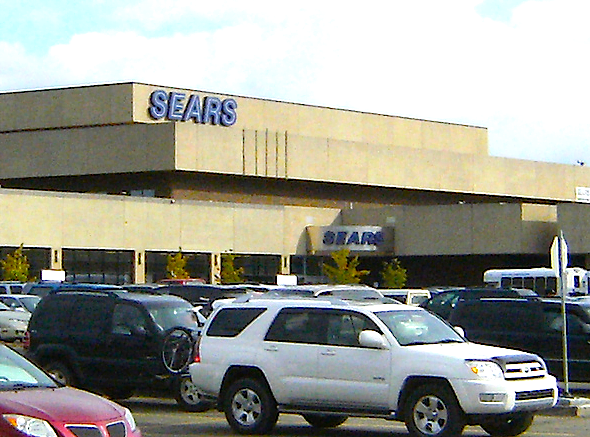
Photo: WikipediaPhoto: Wikipedia

Photo: Wikipedia

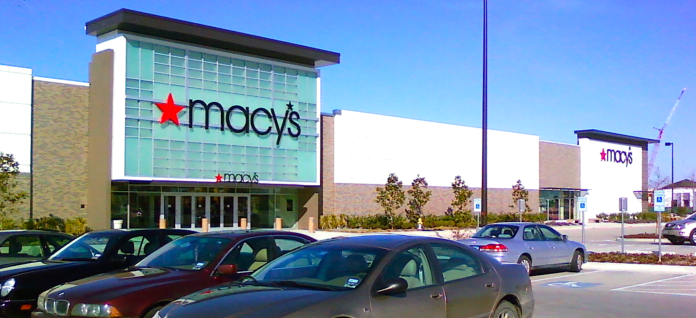
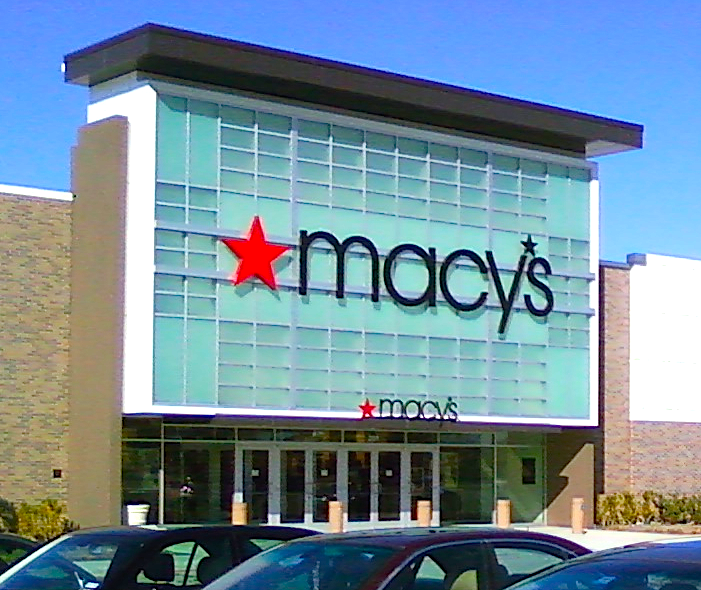
Macy’s won’t buy Sears Canada, according to a Macy’s spokesperson. Speculation arose that Macy’s would buy Sears Canada, after Sears revealed that it’s considering selling its Canadian operations. Other purchasers are possible and although Sears Canada continues to occupy some valuable retail space, most of its best store locations have already been divested. 

On an analyst conference call yesterday, Macy’s CFO Karen Houget noted that Macy’s won’t open in Canada, reiterating what CEO Terry Lungren said late last year. Macy’s is interested in international expansion, however, and Ms. Houget indicates that Macy’s could open in China. Macy’s operates its mid-priced namesake stores, as well as its more upscale Bloomingdale’s division. 

It’s clear that Sears Holdings wants to sell Sears Canada, given that it has already hired an investment banker. Sears Holdings currently owns 51% of Sears Canada.  

Sears Canada’s Canadian operations include: 113 department stores, 48 big box Sears Home stores, 234 Hometown (rural) stores, over 1,400 catalogue and online merchandise pick-up locations, 11 outlet stores, 97 Sears Travel offices, as well as its repair and service network. Of its department stores, 14 are owned outright while the rest are leased. 

Other possible Sears Canada purchasers include Canadian Tire, British fast-fashion chain Primark, and American discounter Kohl’s. Seven of Sears Canada’s top locations were already sold off, including several key flagship locations. Several former Sears stores will become Nordstrom locations, with Nordstrom’s first Canadian store scheduled to open in Calgary this September. Saks Fifth Avenue will also occupy about 130,000 square feet in part of the former Sears at Toronto’s Sherway Gardens. Sears Canada still occupies several prime store locations, and we’ll discuss those further, tomorrow. 

NEXT ARTICLEDifferent, Not Dead: The Future Of Brick & Mortar Retail

PREVIOUS ARTICLEOfficial Opening Of Canada’s Largest Outdoor Outlet Mall, The Outlet Collection At Niagara

GO BACK

Subscribe to RETAIL INSIDER

* indicates required