Home Blog Page 131

Equipment Leasing Canada Expands Vancouver Presence with New Office Opening

Businesses across Canada now have enhanced access to specialized equipment financing support following the opening of a new office for Equipment Leasing Canada in Vancouver.

The company has officially established operations at 5780 Victoria Drive, Unit #250, Vancouver, BC V5P 3W7, strengthening its ability to serve businesses locally while continuing to support clients nationwide.

Supporting Canadian Businesses Through Flexible Equipment Financing

Equipment Leasing Canada focuses on helping businesses acquire the essential tools, machinery, and vehicles they need to grow and operate efficiently. The company provides equipment leasing solutions that allow organizations to obtain critical assets without the burden of significant upfront capital investment.

By offering tailored financing solutions, Equipment Leasing Canada supports a wide range of industries including transportation, construction, manufacturing, medical, and other equipment-intensive sectors. The company works closely with businesses of varying sizes, helping them secure financing structures suited to their operational goals and financial circumstances.

A Strategic Vancouver Expansion

The opening of the Vancouver office represents a strategic step in expanding accessibility for clients throughout Western Canada while strengthening national service capabilities. Vancouver’s dynamic business landscape, diverse industry base, and role as a major economic hub make it an ideal location for the company’s continued growth.

With a local presence, Equipment Leasing Canada is positioned to provide personalized service and responsive support for businesses seeking equipment financing solutions.

Benefits of Equipment Leasing for Businesses

Equipment leasing has become an increasingly popular option for Canadian businesses seeking financial flexibility. Leasing can provide several key advantages, including:

Improved Cash Flow Management
Leasing allows businesses to spread the cost of equipment over manageable monthly payments rather than making large upfront purchases. This helps preserve working capital for day-to-day operations and future investments.

Access to Modern Equipment
Through leasing programs, businesses can obtain up-to-date equipment and technology that supports productivity, efficiency, and competitiveness in rapidly evolving industries.

Flexible Financing Structures
Equipment Leasing Canada offers customized lease terms designed to align with business cycles, revenue streams, and growth strategies, helping organizations secure financing that fits their unique needs.

Potential Tax Advantages
In many cases, lease payments may be treated as operating expenses, which can offer potential tax benefits depending on a company’s financial structure.

Nationwide Service with Personalized Support

While the new Vancouver location strengthens the company’s regional presence, Equipment Leasing Canada continues to assist clients across the country. By working with an extensive network of financing partners, the company helps businesses navigate complex equipment financing requirements and secure solutions that traditional lending channels may not always accommodate.

As Canadian businesses continue to invest in growth and modernization, Equipment Leasing Canada’s expanded footprint reinforces its commitment to providing accessible, flexible equipment financing solutions designed to support long-term success.

Contact Information

Businesses interested in learning more about equipment financing options or speaking with a leasing specialist can contact Equipment Leasing Canada directly at 1-833-924-9554. The company welcomes inquiries from organizations across Canada in need of equipment financing and offers consultations to help businesses explore leasing solutions tailored to their equipment and growth needs.
Cineplex sets annual records for box office and concession per patron

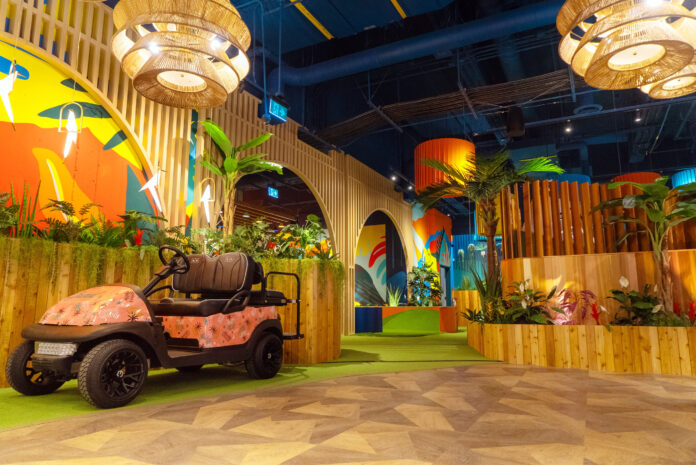
The Palms at The Rec Room Granville, photo credit: Tom Belding (CNW Group/Cineplex)

Cineplex Inc. released on Wednesday its financial results for the three months and year ended December 31, 2025. Its total annual revenue rose by 0.8% from the previous year to $1.28 billion.

2025 Highlights:

  • Generated $91.6 million in Adjusted EBITDAaL compared to $89.9 million in the prior year 
  • Reported net loss of $36.9 million, an improvement of $67.3 million relative to the prior year net loss of $104.2 million
  • Set annual records for Box Office Per Patron at $13.29 and Concession Per Patron at $9.72 
  • International film product contributed 11.2% of total box office revenues, the highest share in Cineplex’s history 
  • Premium experiences accounted for 43.2% of total box office revenues, the highest annual percentage since 2018 
  • Cinema Media revenue grew by 13.1% over prior year and delivered record cinema media per patron of $2.12 
  • Completed sale of Cineplex Digital Media for gross proceeds of $70 million in cash
  • Location-Based Entertainment segment EBITDAaL Margin increased to 15.9%, up from 15.4% in the prior year 
  • Renewed the Normal Course Issuer Bid Program and repurchased 636,602 common shares for cancellation

“Moviegoers continue to demonstrate that nothing compares to the shared experience of watching immersive content at our theaters, and the strength of our programming and experiences is what truly sets us apart”, said Ellis Jacob, President & CEO. “2025 continued to display the vital role that diverse content and premium experiences play in bringing guests to our theatres. International programming delivered its highest contribution on record and premium formats delivered their highest share of our box office since 2018, broadening audience reach and enriching the theatrical experience. These factors supported strong guest engagement throughout the year and contributed to record box office per patron and record concession per patron in 2025. 

Ellis Jacob

“In a crowded advertising market, our media business continues to demonstrate the importance of a highly engaged and highly attentive audience. With extensive audience data and a full range of media offerings, we provide advertisers with a powerful platform to deliver targeted and impactful campaigns, contributing to record cinema media per patron results in 2025. 

“Our LBE business continues to contribute meaningfully to our overall results. While the broader industry faces macroeconomic pressures, our focus on optimizing operations has stabilized same store margins year over year. 

“This year we took further steps to strengthen our balance sheet, improve liquidity and return value to shareholders through the sale of CDM. Proceeds from the sale provided the funds to repurchase shares under our NCIB and going forward, offer flexibility to reduce leverage, pursue additional share repurchases subject to our debt agreements, and support broader corporate priorities. 

“While the 2025 film slate offered depth across genres, it lacked mega-blockbuster films. This will certainly change with the 2026 slate shaping up to be much stronger, with multiple major tentpoles and an even deeper lineup that will attract a broad base of Canadian moviegoers. This expanded slate signals the strength and opportunity within both the industry and our business, and we remain focused on leveraging this environment to advance our strategic priorities and deliver growth.” 

Cineplex is a top-tier Canadian brand that operates in the Film Entertainment and Content, Amusement and Leisure, and Media sectors. Cineplex has 170 movie theatres and location-based entertainment venues. It operates The Rec Room, Playdium, Cineplex Junxion. It also operates successful businesses in cinema media (Cineplex Media), alternative programming (Cineplex Events) and motion picture distribution (Cineplex Pictures).

More from Retail Insider:

Altea Active to Replace Cineplex in Toronto’s Beaches

Future Altea Active club at 1651 Queen St. E. in Toronto (formerly Cineplex). Image supplied

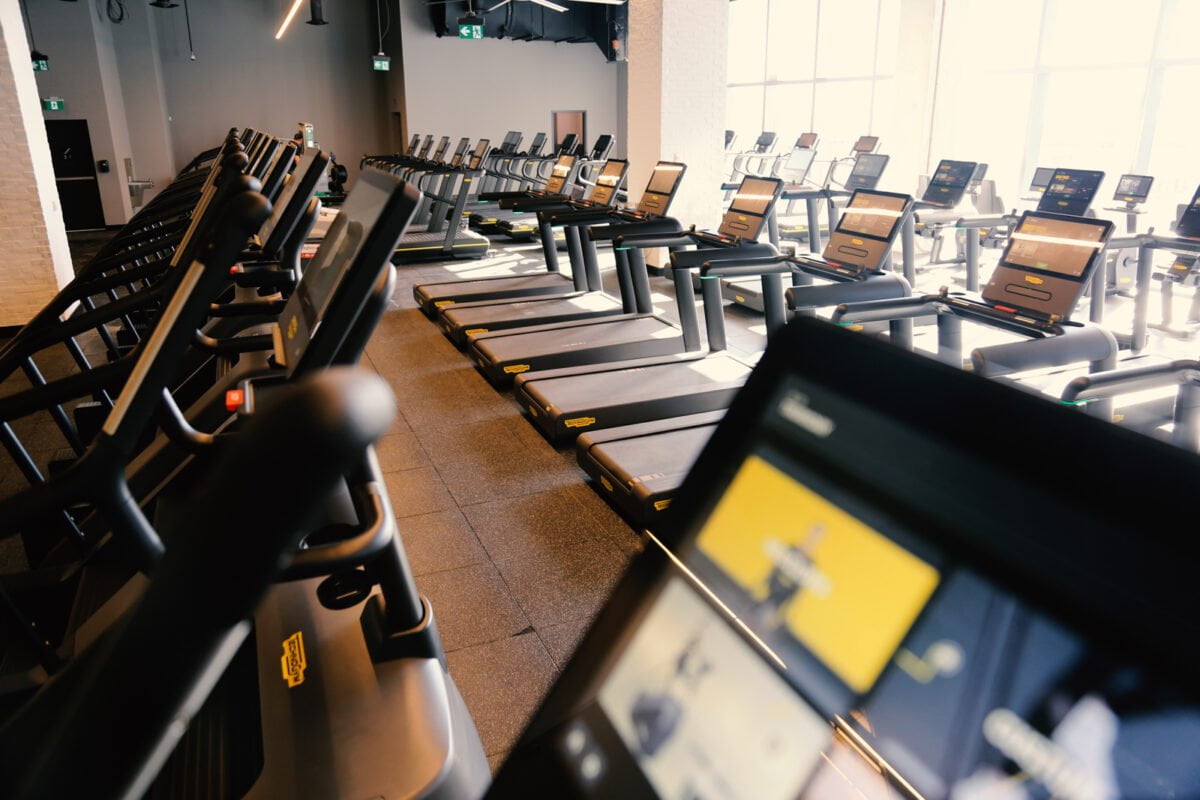
Toronto’s east end is set for a major adaptive-reuse project as Altea Active prepares to convert the former Cineplex Cinemas Beaches into a large-format fitness and wellness facility. The redevelopment will transform the cinema at 1651 Queen Street East into a 59,000-square-foot club, marking another step in the Canadian operator’s expansion strategy.

Cineplex confirmed that the theatre’s final screenings will take place on February 17, following the landlord’s decision to lease the space to a new tenant. Altea Active will take over the site under a long-term lease, introducing a premium wellness concept to one of Toronto’s most established neighbourhood retail corridors.

The planned Altea Active Beaches fitness club is expected to open in 2028. The project reflects a broader shift in urban retail real estate, where large-format wellness and experiential uses are increasingly replacing legacy entertainment and big-box tenants.

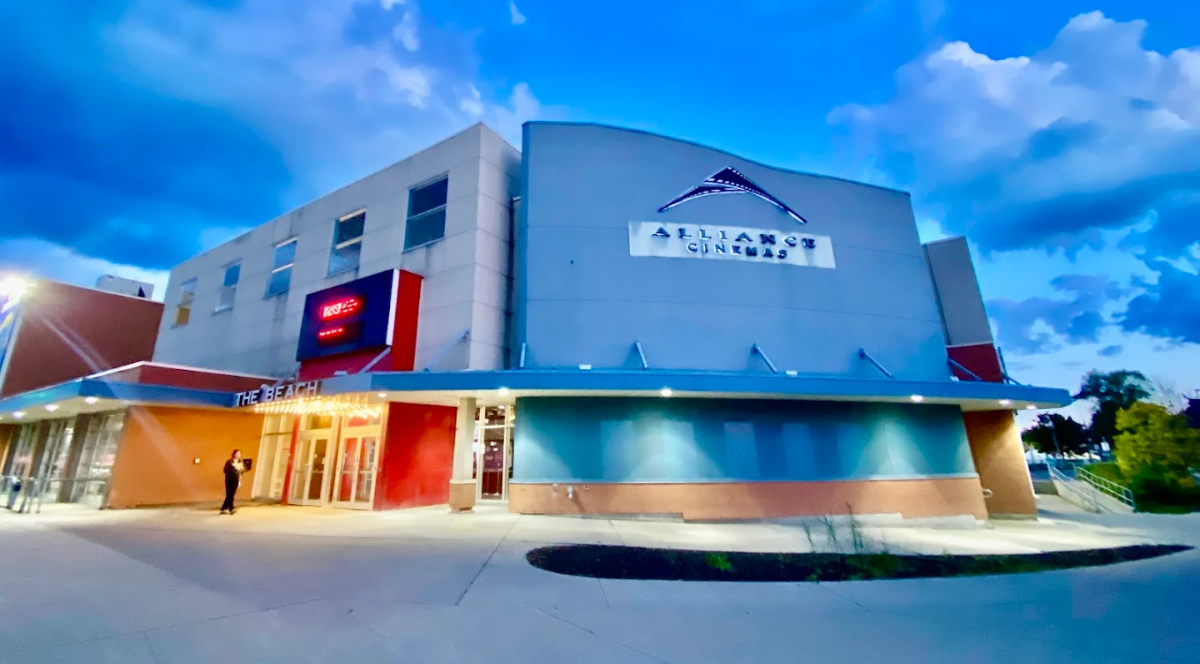
Cineplex Beaches in Toronto. Photo: Scott Ewen, Google Maps

Adaptive Reuse of a Neighbourhood Cinema

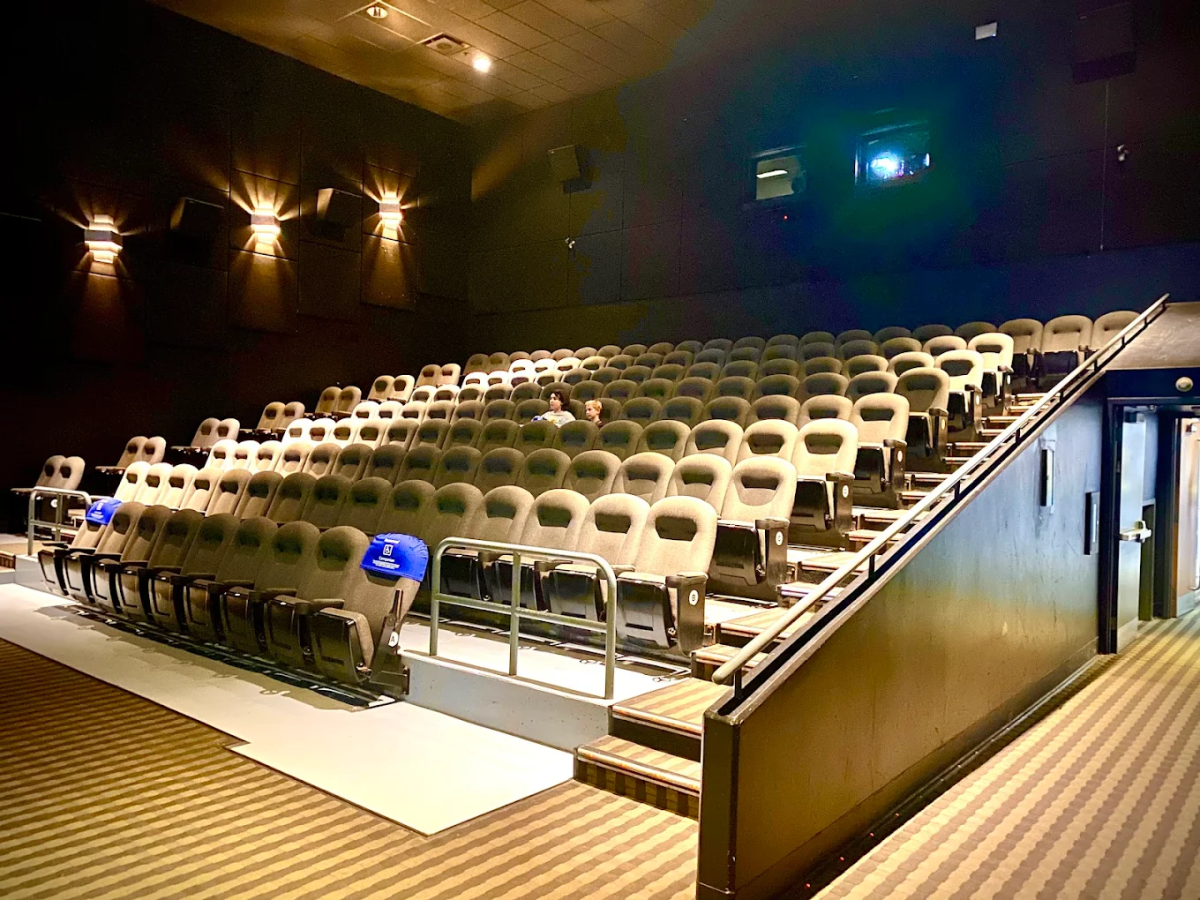
The six-screen Cineplex Cinemas Beaches has operated as a community entertainment venue for more than two decades. Originally opened in 1999 as an Alliance Atlantis cinema, the theatre was later acquired and rebranded by Cineplex in 2019. Over its roughly 25-year history, the complex served as the primary first-run multiplex for Toronto’s east-end neighbourhoods.

Cineplex has attributed the closure to the landlord’s decision to lease the space to a different tenant, rather than to a corporate strategy to exit the market. The theatre’s final day will be February 17, after which the property will transition to redevelopment.

Once the project is complete, the site will be repositioned as a major wellness destination. At approximately 59,000 square feet, the club will be somewhat smaller than several of Altea’s largest locations, but still substantial in scale for an urban neighbourhood environment.

Cineplex Beaches in Toronto. Photo: Scott Ewen, Google Maps

Executive Perspectives on the Project

Altea Active’s leadership says the Beaches location aligns with the company’s long-term strategy of targeting urban communities with strong demographic fundamentals.

Jeff York, Chief Executive Officer of Altea Active, said the project represents the type of opportunity the company is pursuing. “This project represents exactly the type of long-term, urban opportunity we are targeting. The Beaches has a strong sense of community and an active, health-oriented demographic that aligns naturally with Altea’s platform. Repurposing a well-known destination like this allows us to deliver a highly differentiated wellness experience while contributing meaningfully to the community’s next chapter.”

David Wu, Co-Founder and Chief Growth Officer of Altea Active, emphasized the redevelopment aspect of the project. “This commercial redevelopment allows us to thoughtfully re-imagine an iconic space and deliver a wellness destination that serves members across fitness, recovery, and lifestyle, while acting as a long-term anchor for the surrounding retail ecosystem.”

From the landlord perspective, the shift to a wellness concept is expected to support the broader retail environment. Robert Parker, Vice President at Muzzo Group, commented, “This site represents a unique opportunity to reinvigorate a prominent Queen Street East property with a use that drives daily traffic and long-term vitality. Altea Active brings a proven, high-quality concept that aligns with the neighbourhood and enhances the overall strength of the asset.”

Altea Active Toronto (Image: Altea Active)

Fitness as an Emerging Anchor Use

The conversion of the former cinema into a wellness club highlights the evolving role of fitness in urban retail environments. Large-format gyms and social wellness clubs are increasingly serving as anchor tenants, particularly in spaces once occupied by cinemas or big-box retailers.

Unlike traditional retail anchors, which often rely on weekend peaks, fitness and wellness operators generate steady daily traffic. Members typically visit before or after work, and throughout the day, which can support surrounding food, beverage, and service tenants.

This shift is part of a broader trend across North America. Landlords have been repurposing former department stores, cinemas, and big-box spaces into fitness, medical, entertainment, and mixed-use concepts that create consistent foot traffic and extend activity beyond traditional retail hours.

Cineplex Beaches in Toronto. Photo: Scott Ewen, Google Maps

Altea Active’s Growth Strategy

Founded in 2017 by former Movati Athletic executives David Wu and Michael Nolan, Altea Active has positioned itself as a premium social wellness operator. The company combines large-format gym facilities with boutique studios, recovery areas, and social spaces designed to encourage longer visits and a “third place” environment.

The company’s first location opened in Winnipeg in 2019 at approximately 80,000 square feet. It expanded into Toronto’s Liberty Village in 2022 with an 89,000-square-foot facility featuring multiple studios, aquatics, and social amenities. A Vancouver location followed in 2023, and a 129,000-square-foot Ottawa flagship opened in 2024.

In 2024, former Farm Boy CEO Jeff York joined the company as chief executive officer, bringing experience in scaling consumer brands and operating large retail networks. His appointment has been associated with a new phase of expansion for the company.

Altea has also introduced a luxury spin-off concept called Avant by Altea, which is designed for more compact, high-end urban locations. The first Avant location open in Toronto’s Yorkville area last year, occupying the upper level of a former Nordstrom Rack space at the corner of Yonge and Bloor. 

Altea Active Toronto (Image: Altea Active)

National Development Pipeline

The Beaches redevelopment forms part of a broader pipeline of large-format wellness projects across Canada. Several major openings are scheduled to begin in early 2027.

Construction is expected to start in the second quarter of 2026 on a 125,000-square-foot conversion of a former RONA big-box site in Edmonton. The company is also developing its second Vancouver club at Oakridge Park. In addition to these adaptive-reuse projects, the company is advancing multiple ground-up developments in urban and suburban markets, with construction starts anticipated between 2027 and 2028.

Together, these projects reflect a strategy that combines large, high-quality real estate with strong demographic fundamentals. The company has outlined a long-term vision of up to 50 locations across Canada if the model continues to perform as expected.

Leasing Representation and Site Opportunities

The Beaches transaction was handled by Kenzie Kohl of Aurora Retail Group who represented Altea Active in the deal. The brokerage continues to seek additional opportunities for the brand’s expansion in Ontario.

Future site inquiries can be directed to Kenzie Kohl or Sam Winberg at Aurora Retail Group., as the company continues to pursue both adaptive-reuse and ground-up development opportunities.

More from Retail Insider:

Small Businesses double down for 2026: Majority plan to increase marketing budgets to combat inflation: Constant Contact

Photo: Andrea Piacquadio

Constant Contact, a leading provider of digital marketing tools for small businesses and nonprofits, released on Wednesday findings from its Q1 2026 Small Business Now report. 

The report includes a survey of over 1,500 small business owners across the United States, Canada, United Kingdom, Australia and New Zealand.

The company said the data indicates that small business owners are meeting economic uncertainty with aggression rather than retraction. While inflation and rising costs remain the top business concern for 41% of owners, the vast majority are planning to invest significantly more resources into their marketing efforts to grow their business.

“Small business owners are entering 2026 with a clear directive: do more, but do it smarter,” said Smita Wadhawan, Chief Marketing Officer at Constant Contact.  “Our latest data shows a fascinating tension—inflation is the number one worry, yet businesses are choosing to increase their marketing budgets rather than cut them. 

“This signals that entrepreneurs view marketing not as a discretionary expense, but as the essential lever for survival and growth. By leaning into efficiency and AI tools, they are finding ways to maintain this increased pace without burning out.”

Smita Wadhawan
Smita Wadhawan

With 74% of small business owners expecting to spend more time on marketing and 68% expecting to increase their marketing budgets, the focus for 2026 has shifted to maximizing the impact of every dollar and hour spent, said Constant Contact.

Key findings from the Q1 2026 Small Business Now report include:

Investment Increases Despite Economic Worry: Small businesses are refusing to let economic pressure dictate their visibility. While 41%t of SMB owners cite inflation as their top concern—outpacing weak customer spending (19%)—74% expect to spend more time on marketing, and 68% plan to increase marketing budgets. Only 14% expect their budgets to decrease.

The Search for Engagement and Efficiency: As businesses ramp up spending, they face a significant hurdle: connecting with their audience. The top anticipated barrier to marketing in 2026 is customer engagement (44%). In an effort to solve for this, 50% of SMB owners are prioritizing efficiency strategies, while 33% are testing new tools and technology.

AI: The Analyst and The Author: Artificial Intelligence (AI) is becoming the tool of choice for bridging the gap between high effort and high efficiency. More than half (54%) of SMB owners are already using AI marketing tools, and usage is becoming more sophisticated: 45% use AI to analyze trend data, and 44% use it to compose content.

Social and Email Lead the Channel Mix: When asked which channels will drive the most business in 2026, SMB owners are betting on digital over traditional. Social media (68%) and email marketing (41%) lead the pack, while traditional advertising (26%) and in-person events (29%) ranked significantly lower.

Canadian Small Business Findings:

• Canadian SMBs cite tariffs and import costs as their #1 business concern, ranking higher than inflation and higher than in any other country surveyed;
• Many Canadian owners say they’re doubling down on marketing despite economic pressure, reflecting a focus on maintaining customer demand in a shifting economy;
• In-person events are viewed as the most effective marketing channel for 2026 — signaling a strong return to face-to-face engagement;
• Text/SMS ranks lowest for expected effectiveness among Canadian SMBs compared to other marketing tactics;
• Canadian businesses continue balancing cost pressures with growth plans, adjusting channel mix and investment priorities as consumer behavior evolves;
• The Canada sample includes nearly 800 small business owners, offering one of the most robust country snapshots in the study

“Our latest data shows a fascinating tension: inflation and rising costs are the number one concern for 41% of small business owners, yet 68% plan to increase their marketing budgets in 2026.What sparked this change is the realization that ‘retraction’ is not a viable strategy in a hyper-competitive market. Small businesses are choosing aggression over hesitation because they know they are in an attention war. If they pull back now, they lose ground that is incredibly expensive to regain later. They are doubling down on investment to secure growth, but they are doing it with a new directive: do more, but do it smarter. They aren’t just throwing money at ads; they are investing in efficiency to ensure every dollar works harder,” said Wadhawan.

Photo: Amina Filkins

“Our data shows 88% of consumers are likely to become repeat buyers after a positive holiday experience. Apps now allow SMBs to automate hyper-personalized follow-ups based on that specific purchase history, turning a standard email into a high-conversion touchpoint. Similarly, on social media, agility is now non-negotiable. In the U.S. specifically, one in three owners plans to launch entirely new social campaigns this year rather than extending old ones. Technology allows them to test, iterate, and pivot creative assets instantly based on real-time performance data, something that was previously impossible for a small team.  

“Marketing has never been more competitive, and the attention war is shifting. While social media remains the fast lane for discovery (favored by 58% of SMBs), our findings indicate that the inbox is where attention is truly earned. As some consumers spend less intentional time on social feeds and grow skeptical of SMS, the inbox remains one of the few spaces where customers actively choose to engage. In 2026, the most successful small businesses will be those that use AI to deliver hyper-personalized value here, turning one-time buyers into their most predictable growth engine.”

More from Retail Insider:

VIDEO: Calgary’s Chinook, Market Mall post double-digit holiday sales gains: Cadillac Fairview executive

Calgary’s two largest shopping centres delivered double-digit sales growth over the 2025 holiday season, buoyed by strong Black Friday momentum and sustained consumer demand through year-end, says a senior Cadillac Fairview executive.

Darryl Schmidt, vice-president of national leasing with Cadillac Fairview, said both CF Chinook Centre and CF Market Mall recorded robust performance, with roughly 90 per cent of core brands posting solid gains. He said the strength was evident not only in Alberta but also nationally and globally for many retailers.

According to Schmidt, the season began with a strong Black Friday and continued with healthy traffic and sales volumes straight through to New Year’s, setting a positive tone for 2026.

He described the broader industry mood as upbeat following a major shopping centre conference in Whistler, where retailers signalled expansion plans. Schmidt said many brands are actively considering where to grow, how many locations to add and the optimal store size, reflecting confidence built on last year’s sales momentum.

He attributed some of the demand to limited retail space in Canada, noting Cadillac Fairview’s portfolio is currently about 93 to 94 per cent occupied. He expects continued leasing demand could push occupancy even higher by the end of next year.

Addressing concerns about consumer debt and financial strain, Schmidt pointed to a split in spending patterns. He said strong stock market performance over the past 12 to 18 months has boosted wealth among higher-income shoppers, supporting productivity in premium brands. At the same time, he said value-oriented retailers are benefiting as more budget-conscious consumers seek deals, driving growth for discount and popular price-point chains.

Youtube video

More from Retail Insider:

Taco Bell launches new Luxe Value Menu as it continues growth in Canada

Taco Bell
Taco Bell

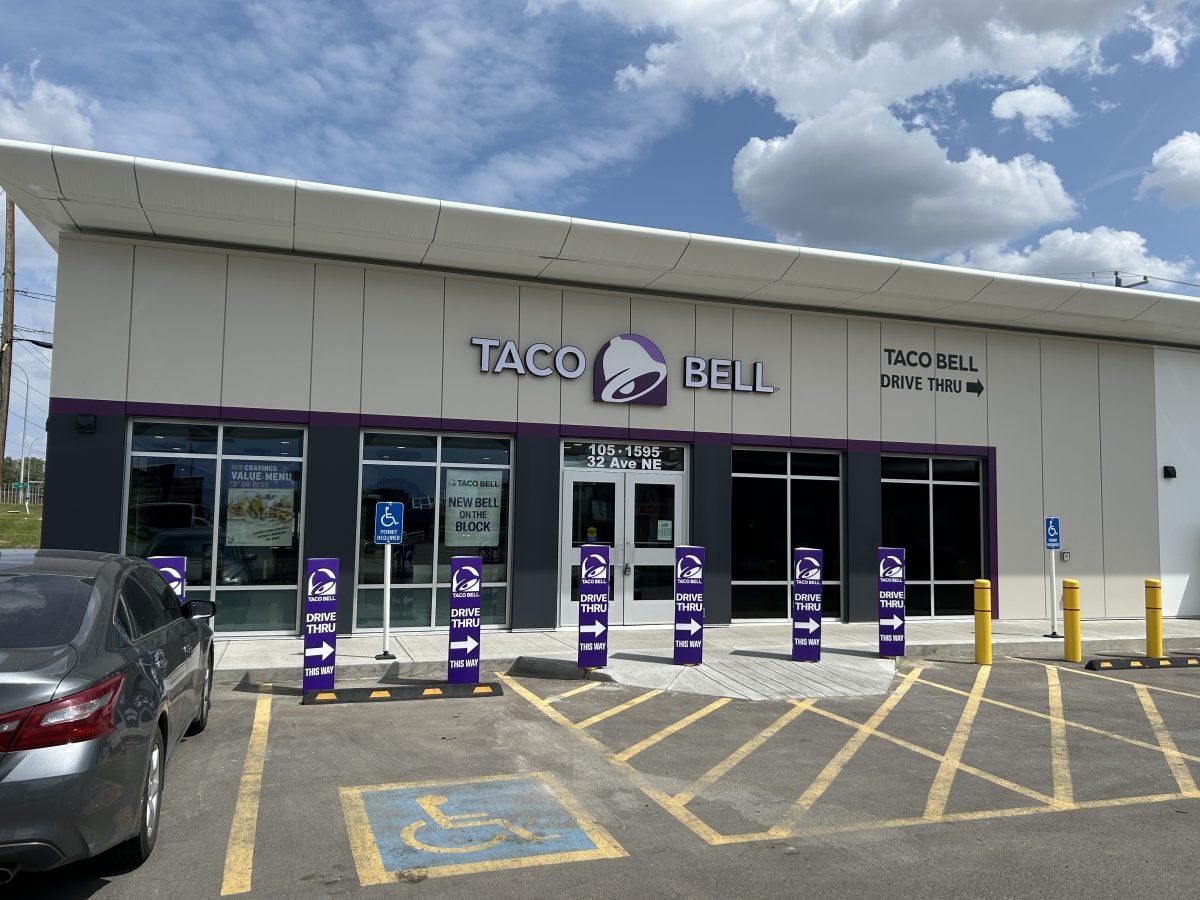
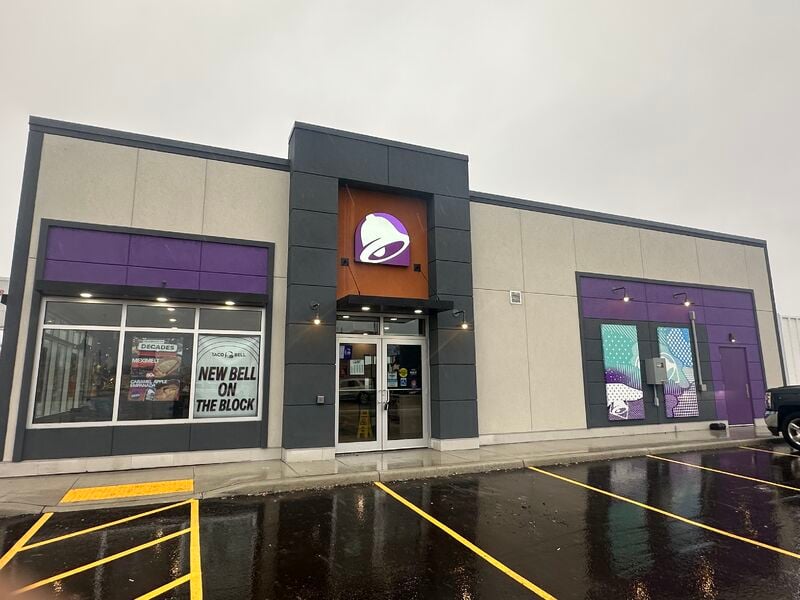
Taco Bell Canada continues to grow its footprint across Canada as it recently launched its Luxe Value Menu offering 10 items priced at $5 or less and other menu changes.

Matt Shaw, Taco Bell Canada’s GM, said there are currently 171 Taco Bell locations in Canada. 

“In 2025, we successfully opened 11 net new units across the country, as part of our broader coast-to-coast development strategy,” he said. “Most recently, Taco Bell opened a new location in Mount Pearl, Newfoundland; a long awaited first for the province after a period of absence there. It has been amazing seeing the community driven response, and the excitement around the brand showing up,” he said. 

Matt Shaw
Matt Shaw

“The brand has seen exciting growth in 2025, including fourth-quarter double-digit same-store sales growth in Canada where we successfully launched crispy chicken, as reported in the recently released earnings report. We’re excited for continued growth for Taco Bell throughout 2026 and beyond.”

Shaw said Canadians are making more deliberate choices about where they spend on eating out and are looking for everyday value that still feels like a treat. 

“Bringing the Luxe Value Menu to life in Canada is our way of meeting that moment with something simple: more choice, more Taco Bell flavour and more flexibility at affordable price points,” he said.  

“This launch signifies how we are growing as a brand in Canada. We’ve built the Luxe Value Menu to offer consistent, craveable value, and not just a limited time deal, so guests can count on it whether they’re grabbing lunch, feeding a group, or looking for a late-night bite.”

Taco Bell Corp. is a subsidiary of Yum! Brands, Inc. and is the nation’s leading Mexican-style quick service restaurant chain. 

To toast Taco Bell Canada’s biggest value menu launch, fans in Toronto, Hamilton, and Vancouver have the chance to ride in purple, luxe AF Taco Bell-branded limos that will take them straight to select Taco Bell locations. Fans will enjoy a complimentary feast. 

Luxe Limo Locations:  

  • Hamilton – February 20 from 4 pm – 10 pm; Pick up point: Downtown; Hamilton, 2 King St W; Travelling to 1195 Barton Street East, Hamilton;
  • Toronto – February 21 from 4 pm – 10 pm; Pick up point: David Pecaut Square, 215 King St W; Travelling to 252 Church Street, Toronto;
  •  Vancouver – February 21 from 4 pm – 10pm; Pick up point: Canada Place, 999 Canada Pl; Travelling to 964 Granville Street, Vancouver 
Taco Bell
Taco Bell

“Value shouldn’t feel like a compromise and Canadians shouldn’t have to choose between affordability and crave-worthy flavour,” said Meera Patel, Director of Marketing, Taco Bell Canada. “That is why we built the Luxe Value Menu – to challenge expectations of what value can be, with 10 craveable items for $5 or less. 

“In a QSR landscape where value can sometimes mean less, we are raising the bar with something bold, generous, genuinely rewarding, and launching at a time when Canadians are being more intentional with every dollar. This is not just a moment; Luxe Value is here all year long with fresh innovation throughout 2026, so there is always something new to discover.”  

Follow @tacobellcanada for more details on the Luxe Value Menu Limo route across Canada and how to grab a VIP spot. 

Shaw said the brand’s approach to value challenges expectations of what value can be, and raises the bar with something bold, genuinely rewarding, and that won’t break the bank. 

“Canadians don’t want value that feels like a compromise, they want value that feels like a win. So we’re flipping the value category on its head with something more luxe and unexpected of a QSR brand,” he said. 

“We’re elevating value in a cost-conscious era, and showing Canadians that they don’t have to choose between affordability and crave-worthy flavour or variety. Our new Luxe menu delivers 10 bold, flavour-forward options that give Canadians the most out of their dollar, including seven new elevated creations. It’s a mix of classic hits and exciting new flavours for everyday cravings.”

Taco Bell
Taco Bell

He said innovation is a critical driver of growth at Taco Bell. 

“Over the past few years, we’ve seen Canadians search for innovation not just in menu offerings, but in how brands fit into their broader lifestyles,” said Shaw.

“While food and flavour remain at the core, it’s equally important to understand how shifting economic and cultural factors are shaping food purchase expectations. The Luxe Value Menu is an opportunity to rethink value in a way that feels relevant to both our die-hard and new fans in present time.  “Our Canadian fans are looking for the bold flavours and iconic menu items that they know and love. At the same time, in the current economic climate, value is one of the most consistent themes we hear from Canadian fans across channels. We see it in what people order, the questions they ask in restaurants, and what resonates through digital engagement and social listening. What’s important is that the demand isn’t just for “cheap”. It’s for confidence and clarity: what can I get that feels worth it today?  The Luxe Value Menu is built to answer that question in a way that still feels distinctively Taco Bell; we’re launching it because Canadians want everyday value that still feels like a treat.”

More from Retail Insider:

Ottawa independent beauty retailer ORESTA Mindful Beauty marks 24 years in business

Oresta Korbutiak, founder of ORESTA Mindful Beauty, an Ottawa-based independent retailer has just celebrated 24 years in business – a rare milestone in today’s brick-and-mortar landscape.

Korbutiak founded ORESTA in 2001 as one of the first retailers in Canada to champion natural, ingredient-conscious skincare, introducing and supporting many of the brands that have since become leaders in the beauty space. 

As both an esthetician and retailer, she has long acted as a curator and educator, helping customers navigate products, ingredients, and routines with discernment, not trend-driven messaging. 

As the term “clean beauty” has grown increasingly diluted and unregulated, ORESTA Mindful Beauty has continued to evolve its approach – focusing more on transparency, efficacy, and long-term skin health. 

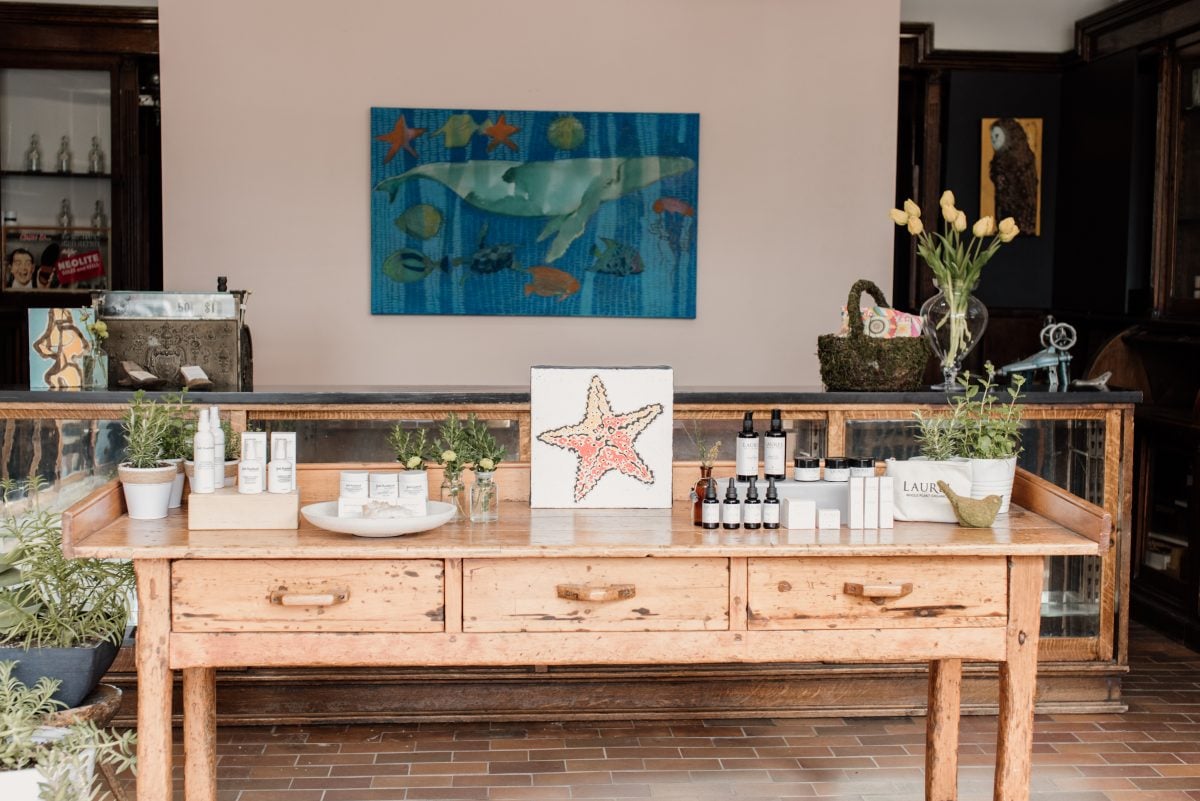
ORESTA Mindful Beauty operates two Ottawa locations and remains deeply rooted in community, trust, and long-term customer relationships. At a time when many indie retailers struggle to survive beyond a few years, Korbutiak has built a loyal, multi-generational client base by prioritizing care over hype and connection over constant novelty. 

Oresta Korbutiak
Oresta Korbutiak

Korbutiak brings a rare, long-view perspective on retail – one shaped by experience, endurance, and a clear POV. In an industry often driven by age-combative messaging, she has built ORESTA Mindful Beauty around an alternative approach that resonates commercially as well as culturally: empowering customers to care for their skin and feel confident at every age. 

At 60, she personally embodies this philosophy, which has become a meaningful point of differentiation for the business and a key driver of trust and long-term customer loyalty.

“I started ORESTA in my 30’s, and I’ve grown alongside it. From motherhood to raising a child, perimenopause, supporting aging parents and now menopause. Every stage of my life has shaped my work. What’s mattered most for me is believing in what I do and why I’m here. That belief has carried me through the hard seasons because retail is not for the faint of heart. You need thick skin,resilience, and a lot of emotional stamina,” said Korbutiak. 

“Longevity isn’t about chasing trends, it’s about adaptability, trust and being passionate about what you do.”

Korbutiak said her approach to skincare has always been personal. 

“I struggled with acne in my mid-20’s, and like so many, I punished my skin trying to fix it, using harsh products and believing it needed to be controlled. What I learned through that experience was that skin doesn’t need to be punished, it needs to be supported,” she explained.

“When I started ORESTA in 2001, clean beauty was about looking at ingredients and understanding what we were putting on our skin. Over time, as “clean beauty” is unregulated, it became more diluted and fear-driven and no longer reflected our values. That’s why ORESTA Clean Beauty Simplified evolved into ORESTA Mindful Beauty.

“Mindful beauty is still about ingredients, sourcing, and how a product actually performs, but it’s also about intention. Does the brand support skin health and confidence, or does it sell fear and self-doubt? Skin care shouldn’t make people feel like they’re failing. It should feel supportive, grounding, and kind.”

ORESTA Mindful Beauty

Korbutiak said she wanted ORESTA to be a calm, welcoming place where people could walk in, ask questions, and feel supported, never judged or sold to. 

“That sense of belonging comes from listening and consistency. Mindful beauty isn’t about pushing products, it’s about helping people tune in to what their skin actually needs,” she noted.

“Brick-and-mortars definitely matter to local communities because they create real relationships. People can have honest conversations, be seen as individuals, and feel part of a meaningful community.”

Korbutiak said ORESTA has never chased trends, quick fixes or gimmicks. 

Oresta Korbutiak
Oresta Korbutiak

“Instead, we focus on education, consistency, and human connection. Education helps people understand their skin and make informed choices, which builds confidence and trust. Consistency, both in the skin care routines we recommend and in how we show up as a company, allows real results to unfold over time, especially through different life stages,” she shared.

“Human connection is what sustains those relationships. Remembering people’s names and stories, listening without judgement and offering honest guidance, sometimes that means recommending less, not more, creates a sense of safety, trust and care. When people feel supported rather than sold to, they stay. I believe that offering education, consistency, and connection is what has created long-term, multi-generational loyalty over the last 24 years.”

Korbutiak said she’s aged alongside this business, and she’s lived the changes, acne, motherhood, perimenopause, and now as a woman in her 60’s. 

“I can honestly say that I love the way I look and feel now, and it has very little to do with my appearance. It comes from confidence, self-acceptance, and feeling at home in my own skin,” she said.

“Mindful beauty rejects the idea that aging needs to be fixed. We won’t carry any products labeled ‘anti-aging’ or marketing ‘anti aging’ – which differentiates us. We believe that anti-aging is a negative and false narrative meant to sell fear. We will never do that!

“We believe that aging is natural and beautiful and that skin care should feel supportive. When women are met with compassion, honesty, and education instead of judgment, they relax—and that’s where trust grows. This is the philosophy that shapes everything we do at ORESTA.”

ORESTA Mindful Beauty

More from Retail Insider:

Shopify’s Standout 2025: The Launchpad for a New Era of Commerce in 2026, it says

Photo: Shopify
Photo: Shopify

Shopify Inc. announced Wednesday financial results for the quarter and year ended December 31, 2025. Shopify said it achieved Q4 revenue growth of 31% and a 19% free cash flow margin, marking 10 consecutive quarters of double-digit free cash flow margins.  

“2025 was Shopify at full throttle – driving compounding growth, while laying the rails for the new era of AI commerce,” said Harley Finkelstein, President of Shopify. “2026 will be the year of the builders, and we’ll be powering them – from first sale to full scale.” 

Jeff Hoffmeister
Jeff Hoffmeister
Harley  Finkelstein
Harley  Finkelstein

Jeff Hoffmeister, Chief Financial Officer, said: “We closed Q4 with strong top-line growth and disciplined cash generation with revenue up 31% year-over-year and a 19% free cash flow margin. This brings 2025 to 30% revenue growth, 4 percentage points higher than 2024, and a 17% free cash flow margin. With AI reshaping how buyers discover and purchase, we delivered these strong margins while investing in Catalog, Sidekick, Universal Commerce Protocol, and our full platform of commerce solutions. We ended 2025 with strength across all merchant sizes, regions, and channels, setting us up well for 2026.” 

Shopify said it provides essential internet infrastructure for commerce. Shopify’s all-in-one platform makes it easier to start, run, and grow a business, powering sales online, in-store, and everywhere in between. Millions of businesses in 175+ countries use Shopify—from entrepreneurs to brands like Aldo, BarkBox, Carrier, Meta, Vuori, SKIMS, and Supreme. 

More from Retail Insider:

First Capital REIT delivers “solid” financial results with total portfolio occupancy up to 97.1%

Avenue Road entrance to Yorkville Village in Toronto. Photo: First Capital REIT

First Capital Real Estate Investment Trust, announced Tuesday financial results for the fourth quarter and year ended December 31, 2025. 

It noted the following key highlights from the quarter:

  • Operating FFO per unit of $0.34, representing YoY growth of 7% 
  • Same Property NOI growth of 5.7%, excluding bad debt expense (recovery) and lease termination fees
  • Lease renewal lift of 15.8% on strong leasing volume
  • Total portfolio occupancy of 97.1%, representing an increase of 30 basis points year-over-year

“Strong fundamentals for FCR’s grocery anchored portfolio together with the disciplined execution of our capital allocation strategy delivered solid results again in 2025,” said Adam Paul, President & CEO.

“Healthy leasing metrics including same property NOI growth of more than 5%, lease renewal spreads of nearly 15% and occupancy of 97.1% contributed to normalized Operating FFO per unit growth of 5.5% for the year”. Mr. Paul continued, “As we commence the final year of our three-year strategic plan, I am pleased that we continue to track well against the metrics we presented to our investors in early 2024.”

Adam Paul
Adam Paul

The REIT said its Q4 earnings highlights were:

  • Operating FFO per Diluted Unit of $0.34: Operating Funds from Operations of $72.3 million increased $4.6 million, or $0.02 per unit, over prior year. Supported by strong operating metrics, the increase in Operating FFO year-over-year was primarily due to higher NOI of $3.3 million and interest expense savings of $2.1 million, partially offset by higher corporate G&A and lower interest and other income. Net operating income in the fourth quarter of 2025 included $2.6 million of lease termination income.
  • FFO per Diluted Unit of $0.32: Funds From Operations of $68.4 million, or $0.32 per unit, remained consistent with prior year. On a year-over-year basis, Funds From Operations was driven by higher Operating FFO of $4.6 million, largely offset by a year-over-year decrease in other gains (losses) and (expenses) of $3.8 million, which included $4.8 million ($0.02 per unit) of restructuring and advisory costs related to the Trust’s internal tax reorganization.
  • Net Income (Loss) Attributable to Unitholders: For the three months ended December 31, 2025, First Capital recognized net income (loss) attributable to Unitholders of $849.5 million or $3.95 per diluted unit compared to $32.1 million or $0.15 per diluted unit for the prior year period. The increase in net income over prior year was primarily due to the remeasurement of deferred income taxes in the fourth quarter of 2025 as a result of the Trust’s internal tax reorganization resulting in a deferred income tax recovery of $746.7 million versus $39.3 million of deferred income tax expense in the fourth quarter of 2024. Additionally, the fair value of investment property increased $36.1 million in the fourth quarter of 2025 versus a $3.6 million increase in fair value of investment property recognized in the fourth quarter of 2024, on a proportionate basis.

First Capital said its Q4 operating performance and capital allocation highlights were:

  • Same Property NOI Growth: Total Same Property NOI increased 7.9% over the prior year period. The growth was primarily due to rental rate growth, higher year-over-year occupancy, and a year-over-year increase in lease termination fees of $2.1 million. Same Property NOI excluding bad debt expense (recovery) and lease termination fees increased 5.7%.
  • Portfolio Occupancy: On a quarter-over-quarter basis, total portfolio occupancy remained consistent at 97.1% compared to September 30, 2025.
  • Lease Renewal Rate Increase: During the quarter, net rental rates increased 15.8% on a volume of 522,000 square feet of lease renewals, when comparing the rental rate in the first year of the renewal term to the rental rate in the last year of the expiring term. Net rental rates on leases renewed in the quarter increased 20.2% when comparing the average rental rate over the renewal term to the rental rate in the last year of the expiring term owing to higher contractual growth rates embedded within the renewed lease terms.
  • Average Net Rental Rate: The portfolio average net rental rate increased by 0.7% or $0.16 per square foot over the prior quarter to a record $24.73 per square foot, primarily due to rent escalations and renewal lifts.
  • Property Investments: During the fourth quarter, First Capital invested approximately $47 million into property development, redevelopment and residential inventory.
  • Property Dispositions: During the fourth quarter, First Capital completed property dispositions totalling $67 million, including the previously announced sale of the Montgomery Assembly in Toronto for $42 million.  In addition, during the fourth quarter the Trust entered into firm agreements to sell four properties having a total value of $43 million. The largest of these transactions is a residential development site in Toronto which closed during the fourth quarter. The other three property sales are expected to close in the first and third quarters of 2026.

For the year, First Capital cited the following as its earnings highlights:

  • Operating FFO per Diluted Unit of $1.33: Operating Funds from Operations of $285.6 million decreased $5.3 million, or $0.03 per unit, over prior year. The decrease was primarily due to non-recurring items recognized in the prior year, including a $9.5 million assignment fee related to a small development parcel located in Montreal as well as a density bonus of $11.3 million in connection with a previously sold property. Excluding these amounts, Operating FFO increased $15.4 million, or $0.07 per unit, over prior year primarily due to higher NOI of $11.2 million.
  • FFO per Diluted Unit of $1.30: Funds From Operations of $279.2 million decreased $10.5 million, or $0.05 per unit, over prior year. The decrease was driven by lower Operating FFO of $5.3 million, and a year-over-year decrease in other gains (losses) and (expenses) of $5.2 million, which included $6.8 million ($0.03 per unit) of restructuring and advisory costs related to the Trust’s internal tax reorganization.
  • Net Income (Loss) Attributable to Unitholders: For the year ended December 31, 2025, First Capital recognized net income of $1.1 billion or $4.96 per diluted unit compared to $204.9 million or $0.96 per diluted unit for the prior year. The increase in net income over prior year was primarily due to the remeasurement of deferred income taxes as a result of the Trust’s internal tax reorganization resulting in a deferred income tax recovery of $763.5 million for the year versus $14.3 million of deferred income tax expense in 2024. Additionally, the fair value of investment property increased $44.2 million in 2025 versus a $49.6 million decrease in fair value of investment property recognized in 2024, on a proportionate basis.
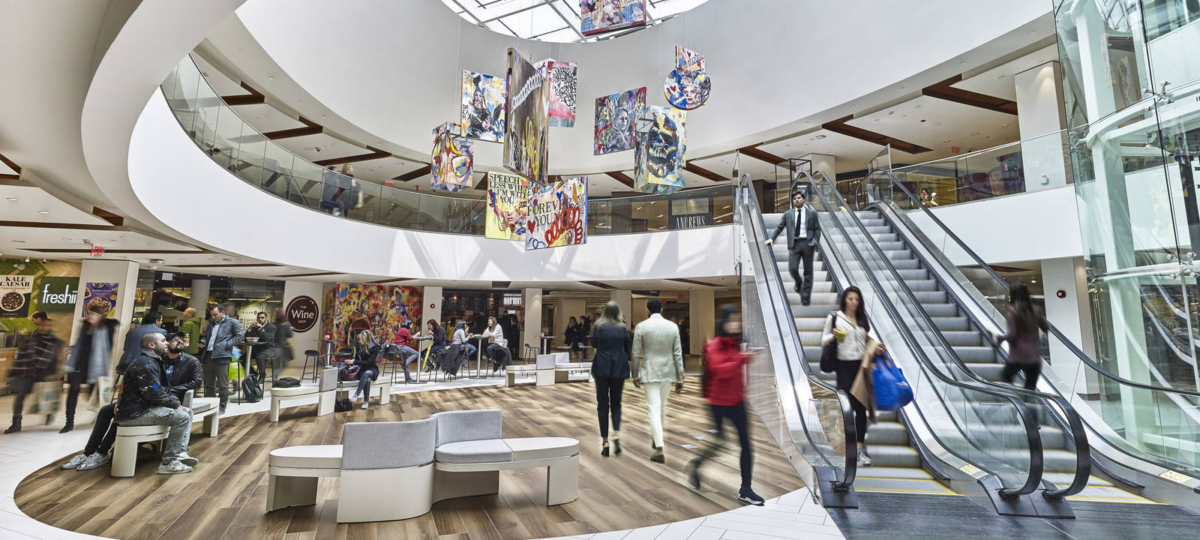
Central oval at Yorkville Village in Toronto. Photo: First Capital REIT

First Capital said the following were the REIT’s annual operating performance and capital allocation highlights:

  • Same Property NOI Growth: Total Same Property NOI increased 5.2% over prior year, primarily due to rental rate growth and higher year-over-year occupancy, partially offset by a year-over-year decrease in lease termination fees of $2.5 million. Same Property NOI excluding bad debt expense (recovery) and lease termination fees increased 5.9%.
  • Portfolio Occupancy: On a year-over-year basis, total portfolio occupancy increased by 0.3%, to 97.1% at December 31, 2025, from 96.8% at December 31, 2024.
  • Lease Renewal Rate Increase: Net rental rates increased 14.8% on 2,201,000 square feet of lease renewals when comparing the rental rate in the first year of the renewal term to the rental rate in the last year of the expiring term. Net rental rates on leases renewed during 2025 increased 19.7% when comparing the average rental rate over the renewal term to the rental rate in the last year of the expiring term owing to higher contractual growth rates embedded within the renewed lease terms.
  • Average Net Rental Rate: The portfolio average net rental rate increased $0.73 to $24.73 per square foot representing year-over-year growth of 3.0%. The strong growth was primarily due to rent escalations, renewal lifts and dispositions.
  • Property Investments: First Capital invested approximately $190 million into its properties during 2025, primarily through development, redevelopment, residential inventory and strategic acquisitions.
  • Property Dispositions: During 2025, First Capital completed or entered into firm agreements for $194 million of property dispositions. Reflecting FCR’s disciplined approach to asset sales, the collective transaction values equated to an in-place yield that is less than 3% and an average premium to IFRS carrying value of more than 40%. As at December 31, 2025, the Trust classified $106 million of investment properties as held for sale.

More from Retail Insider: