Home Blog Page 1322

Target Corporation Should Focus on its Most Substantive Value Creation Opportunities in 2015, According to Retail Advisor and Consultant Antony Karabus

With a new CEO at Target, we expect he will most likely concentrate company resources (people and capital) on the most strategically important and most impactful business opportunities that will drive earnings. The opinion of retail industry expert Antony Karabus is that this is a particularly important step as the new CEO, Brian Cornell, builds his agenda for driving value.  Mr Karabus believes that Target has more substantial upside in its core US business, in particular as a result of the mis-steps made by the former Target Canada leadership in over-estimating the top line potential and in poorly managing the Canadian business and customer experience.  Karabus believes the competition in Canada is more substantive than Target anticipated and that this, together with continuing significant sales and losses in the Canadian business, positions the new CEO to cut the Company’s losses by strategically exiting the Canadian business. Mr Karabus feels that Mr Cornell has made some good moves in his first few months in strengthening his leadership team and that he will focus his plan on the key strategies that will bring the most substantive value to Target Corp

Mr. Karabus says that, generally, Target’s Canadian operations face fierce and perhaps insurmountable competition. Several successful retailers in Canada have substantial overlap in many product categories as Target, and have maintained or grown their share of market since Target’s Canadian entry.  Retailers including Costco, Walmart, Canadian Tire, Giant Tiger and London Drugs continue to be formidable competitors, each offering value-priced products in more innovative retail environments, coupled with much more incumbent customer loyalty. Karabus believes that while Target Canada can make some progress as it corrects its supply chain, assortment, in-stock and pricing issues, it will continue to be extremely difficult for Target to entice large numbers of loyal Canadian customers away from those chains without enormous continuing investment in creating an innovative and compelling proposition and shopping experience.

Mr Karabus summarized the strong Canadian competition as follows:

1. Costco, for example, has twice as many stores per capita in Canada than in the United States — with about 475 American locations and over 90 in Canada. Both Target and Costco attract similarly affluent budget-conscious shoppers, across a spectrum of product categories.

2. Walmart Canada has substantial market share in the value sector, with over 400 stores and well over $20 billion in annual sales.

3. Canadian retail icon Canadian Tire has very strong customer loyalty, exceptional locations near almost every Canadian’s address and carries a wide variety of “ in demand brands” in many of the product categories that Target Canada carries. 

4. Value-priced Giant Tiger has over 200 Canadian locations, with plans for expansion.

5. Western Canada’s London Drugs who sells more small appliances than any Western Canadian retailer, for example, with numerous stores in prominent urban and suburban locations.

6. Despite store closures, Sears still maintains numerous strong Canadian locations and should not be discounted as a key competitor in both apparel and hard goods

Mr. Karabus suggests that Target Corporation may in fact be able to more quickly revitalize the business by shutting down its Canadian operations.  He advises new CEO Brian Cornell to focus its human and financial capital on reviving and optimizing its US business, both in regaining its historic brand popularity and its focus on innovation, fashion and customer service. Further, Target’s US e-commerce business has significant upside potential under new leadership, addressing increasing online competition. Target’s Canadian operations, in his view, are a substantial distraction, given the above opportunities in the core US business. Mr. Karabus believes Target Corporation would get relatively more upside in optimizing its US bricks and mortar and e-commerce businesses, while exiting Canada and strategically sell its existing Canadian store leases to retailers seeking retail space.

Target currently operates 133 Canadian stores. Mr. Karabus says Target could reduce its losses through ‘package deals‘ to various retailers, depending on individual location desirability. Given the footprint size of Target Canada stores, a combination of several retailers could be candidates for acquiring selected Target Canada leases over the coming years. Walmart is a likely choice for many Target locations, according to Mr. Karabus, as the American behemoth looks to continue its Canadian expansion. Home goods retailers such as Home Depot, Rona and Lowe’s could also benefit by taking over select locations. Large grocery stores such as Loblaw, Sobeys, and Metro might also be good candidates for some Target leases, given appropriate sizes and locations. Others such as  Nordstrom Rack, DSW Designer Shoe Warehouse, Hudson’s Bay Outlet and Saks Off 5th by Saks Fifth Avenue will all enter or expand Canadian retail space in the next few years, and portions of existing Target stores could house these and other larger-format retailers. At least a couple of existing Target stores could even become luxury department stores. Target also holds valuable real estate in top malls such as Calgary’s Chinook, Mississauga’s Square One, West Edmonton Mall, Calgary’s Market Mall, Burnaby’s Metropolis at Metrotown, and a number of other locations that will be the subject of a separate article.

As Canadian retailing becomes more competitive in 2015, there will continue to be fallout. According to Mr. Karabus, focus by Target Corporation’s new CEO on getting back to the essence of what historically made the retail brand great in its core US market is the best and most strategically sound path to success, rather than continuing to spend the precious talent and resources of its key executives on trying to improve results in a challenging and competitive Canadian retail environment

About Our Expert: 

Antony Karabus will be the keynote speaker for the University of Alberta School of Retailing’s Thought Leadership Conference being held in Edmonton on March 6, 2015. Visit its website to learn more and attend. 

Mr. Karabus became CEO of HRC Advisory in January of 2013. He has been a trusted and passionate advisor to retailers on strategic and financial performance issues for over 25 years. He has assisted numerous North American retailers to create significant shareholder value during this time. He has worked with numerous well known retail chains in key sectors such as department store, specialty apparel and hard lines, big box chains and food and convenience.

Antony began his career at Arthur Andersen in Cape Town, South Africa and moved with the firm to Toronto, where he founded Karabus Management as a Canadian retail advisory firm in 1990. In 2001, Karabus Management expanded into the United States, where the firm became a leading North American specialist retail consulting firm. In 2008 he sold the firm to an International Accounting/Consulting firm where he served as the leader of that firm’s Retail Consulting Services practice until he left the firm in December 2011.

Antony conducts annual surveys of Retail CFO and CEOs to determine key priorities in assisting their business to enable substantive value creation.

Antony is a recognized speaker and a published author providing thought leadership at industry forums, including the National Retail Federation, Retail Council of Canada, World Retail Congress and the Fashion Institute of Technology and providing content to The Wall Street Journal, The New York Times, Stores Magazine, The Globe & Mail, Chain Store Age, National Post, Toronto Star and Women’s Wear Daily, among others.

About HRC: HRC Advisory is a specialist boutique retail advisory firm. Together with its predecessor firms, it has been assisting Canadian and US Retail Chains to improve their profitability and strategic positioning for more than 25 years. Many of HRC’s senior advisors were previously at Senn Delaney Retail Consultants and Karabus Management following retail leadership roles. Other senior advisors at HRC have a mix of retail leadership and retail consulting experience gained with other leading firms
 
HRC has significant retail depth in strategic planning, buying, merchandise planning and inventory management, indirect procurement, store operations and omni-channel processes, supply chain/logistics and fulfillment, and comprehensive cost optimization services. HRC has worked extensively with both healthy top performing chains as well as developing and executing turnaround mandates at a number of retailers in difficult situations. For more information, please visit www.HRCadvisory.com.
 

Suitsupply to Open 2nd Canadian Location in Montreal

Popular Dutch men’s suit retailer Suitsupply will open its second Canadian store in Montreal in the summer of 2015. Its location will puts it among some of Canada’s top retailers, as Montreal’s will see a substantial increase in upscale menswear offerings between now and 2017. 

Located at 2148-2150 Rue de la Montagne, the 6,515 square foot, three-level Suitsupply will feature the brand’s suits, casual wear, evening wear, private shopping and made-to-measure. 

Suitsupply will locate amongst some of Canada’s best upscale menswear shops. Immediately north is Holt Renfrew, which will close in 2017 to merge with Ogilvy two blocks to the south. The merged Ogilvy/Holt’s will measure 220,000 square feet, housing a substantial menswear section. Harry Rosen‘s 22,000 square foot Les Cours Mount-Royal flagship will be overhauled and expanded by the end of 2015, and will measure about 33,000 square feet when completed. One of Canada’s most prestigious menswear stores, L’Uomo, is located across Peel Street from Harry Rosen. And Saks Fifth Avenue is expected to open at least one Montreal location in 2017, with a definitive announcement expected within the next few months. 

Suitsupply’s first Canadian store opened in February of 2014. The 4,800 square foot, two-level store is located on Hazelton Avenue in Toronto’s upscale Yorkville area. 

Suitsupply is a vertically integrated men’s suit retailer that was started in 2000 in Amsterdam. It has received many awards and was voted #1 men’s suit retailer by the Wall Street Journal. Prices start at under $500 and both quality and style are considered to be exceptional.

Suitsupply has stores in 17 countries throughout the world. It currently operates 12 American locations, and it expects to open four more in 2015. 

A source familiar with the company tells us that Suitsupply intends to eventually open locations in Calgary and Vancouver. We’ll update you when we learn more. 

Thank you to Urban Toronto‘s bAuHaUs for alerting us to the store’s new address and rendering. 

List of International Retailers that Entered Canada in 2014

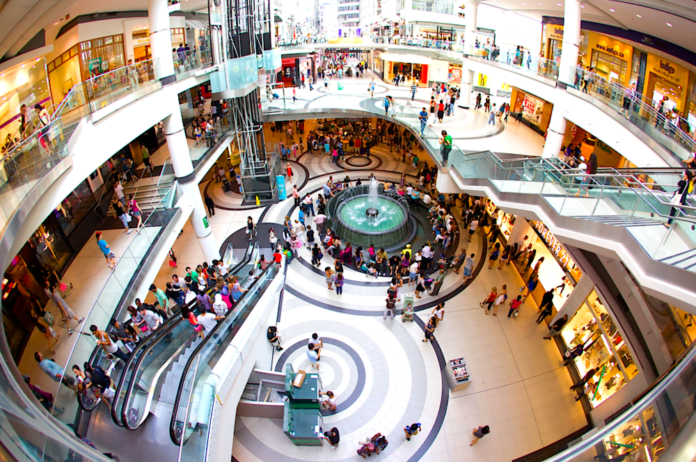
PHOTO: YORKDALE SHOPPING CENTRE

The following is a list of 20 international retailers that entered the Canadian market in 2014, including links to our articles discussing each of them. The list is sponsored by Vancouver-based Peregrine, which custom designs and fabricates retail, display, furniture and architectural features for some of the country’s top retailers.

American Girl: Located within Chapters/Indigo stores, Canada’s first American Girl doll stores opened in May of 2014. There are currently three American Girl locations in Canada, with between 10 and 15 expected to open over the next couple of years. 

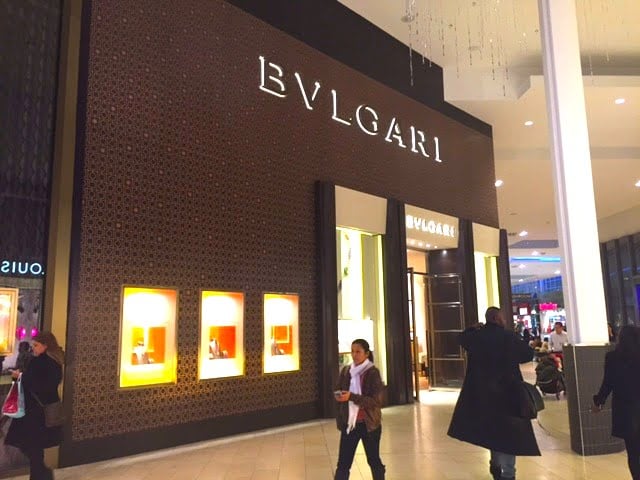
Bulgari: The pricey Italian luxury jeweller opened its first Canadian location in late November at Toronto’s Yorkdale Shopping Centre. We’re told that more Canadian locations will follow, though Bulgari is being cautious with its expansion. 

Chico’s: The popular American womenswear brand opened its first three Canadian stores in the summer of 2014. More are certain to follow. 

PHOTO: DSW

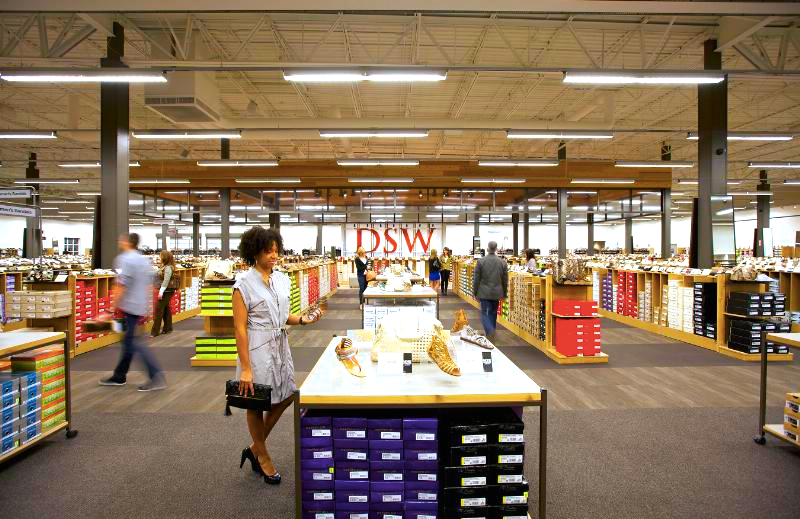
DSW Designer Shoe Warehouse: Readers were excited when we announced that the discount footwear retailer was coming to Canada. DSW opened two Canadian locations in 2014, and recently announced four more for 2015. We’ll be announcing several more locations in the near future, as DSW aggressively expands across Canada. 

Giorgio Armani Outlet: The Italian luxury brand’s first Canadian outlet opened in the summer at the popular Toronto Premium Outlets. We expect more Canadian Armani Outlet locations to follow. 

H&M Home: Located within H&M’s flagship West Edmonton Mall store, H&M Home’s first Canadian location opened in June of 2014. We expect more Canadian locations to follow, as we’re told that sales in the shop are exceptional. 

TheFaceShop: Most of the Quebec-based Fruits & Passions locations were rebranded as Korean-based beauty retailer TheFaceShop in 2014. The concept has yet to catch on with Canadians, however, though things could improve in 2015.

JIMMY CHOO, YORKALE. PHOTO BY JAMIE COLDEN.

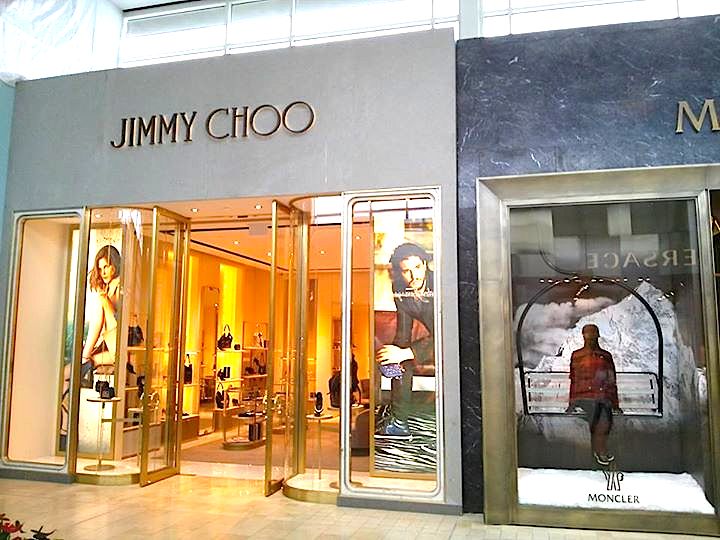
Jimmy Choo: The popular Italian footwear and accessories label opened its first free-standing Canadian location at Toronto’s Yorkdale Shopping Centre in August. Interestingly, a Jimmy Choo shop-in-store is located only metres away within the mall’s Holt Renfrew. More Jimmy Choo locations are expected for Canada, including a downtown Vancouver location which is said to be under negotiation. 

Karen Millen: The upscale British women’s fashion retailer opened its first Canadian location in Montreal last year. More locations are expected to follow, as the brand is represented by one of Canada’s top national brokerages. 

Kleinfeld Bridal: “Say Yes to the Dress” – Located on the seventh floor of Toronto Eaton Centre’s flagship Hudson’s Bay, NYC-based Kleinfeld Bridal opened to much fanfare in May of 2014. Sources say that it could open within Montreal and Vancouver’s flagship Hudson’s Bay locations, though no official announcements have been made by either Kleinfeld or HBC. 

LODING, FIRST CANADIAN PLACE. PHOTO: LODING.

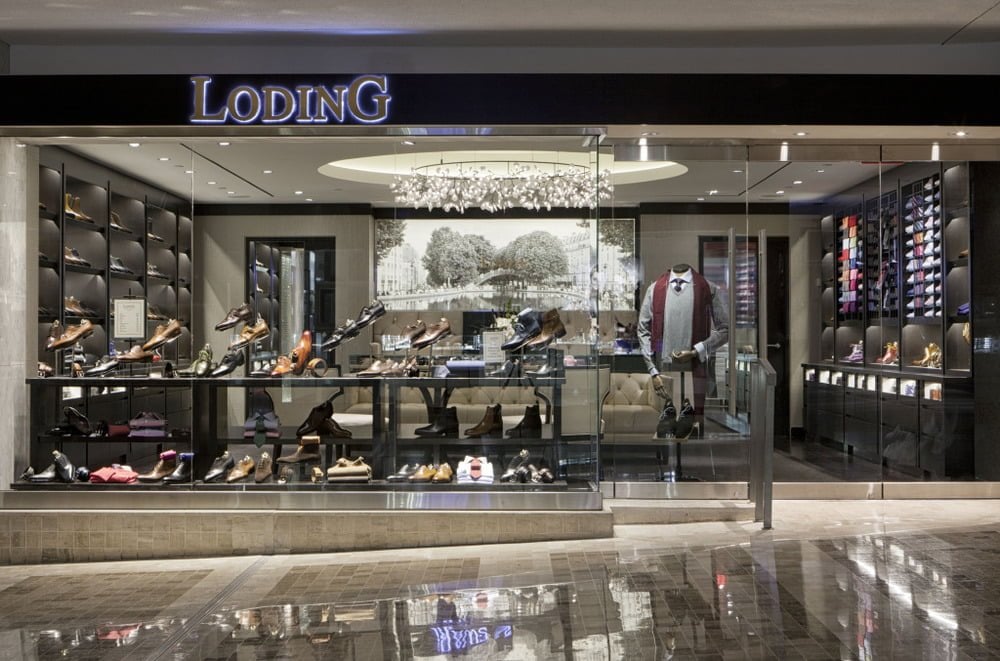
Loding: The dapper Paris-based menswear retailer, who’s products feature fixed prices that don’t go on sale, opened its first Canadian location in Toronto’s Yorkville area in February of 2014. Sales were so strong that a second location opened in November at First Canadian Place in Toronto’s Financial District. A source at the company says other Canadian cities will follow, with Montreal likely being next. 

Moncler: The pricey Italian luxury label, especially known for its distinctive outerwear, opened its first Canadian location at Toronto’s Yorkdale Shopping Centre in September. More locations will follow, and we’ll reveal its next Canadian location within the next few weeks.

PHOTO: MUJI

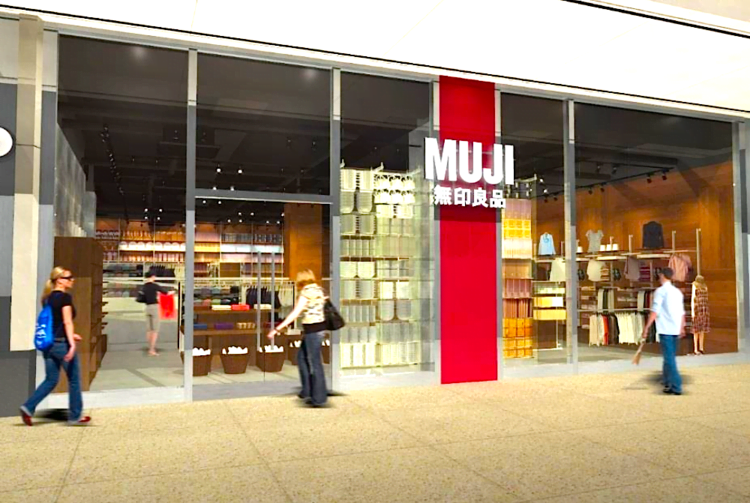
Muji: The minimalist Japanese retailer opened its first Canadian location in late November in downtown Toronto. As many as eight Canadian Muji locations will reportedly open over the next several years, and we’re told that sales at its Toronto location are already exceeding expectations. 

Nordstrom: The upscale Seattle-based department store opened its first Canadian location at Calgary’s Chinook Centre in September. We were the first to reveal which brands would be carried in the store. Nordstrom will open its second Canadian location this March in Ottawa, followed by a Vancouver flagship in September. Three Toronto locations will open in 2016 and 2017, and sources say that Nordstrom is keen to open an Edmonton location, as well. 

POMELLATO, PACIFIC CENTRE. PHOTO: CEMILESCONSTRUCTION.COM

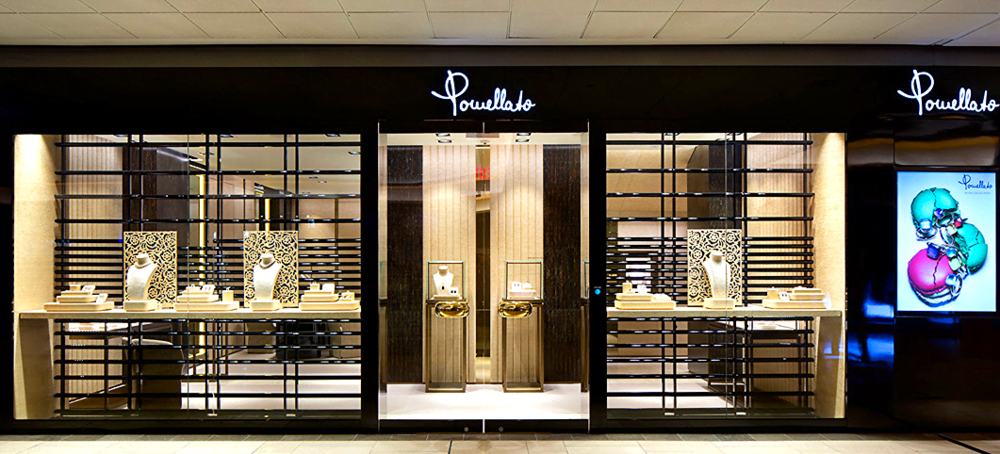
Pomellato: The pricey Italian jeweller, known for featuring colourful precious and semi-precious stones in its designs, opened its first Canadian location at Vancouver’s Pacific Centre in the fall of 2014. A Toronto location could follow, according to sources, though nothing is confirmed at this time. 

Sarah Pacini: The upscale Belgian women’s fashion brand opened its first Canadian locations in 2014, and sources say that more will follow this year. 

Suitsupply: The popular and provocative Dutch menswear brand opened its first Canadian location in Toronto’s upscale Yorkville area in February. Next week we’ll discuss its second Canadian location, which will become one of the world’s largest. 

VERSACE, YORKDALE. PHOTO: JAMIE COLDEN. 

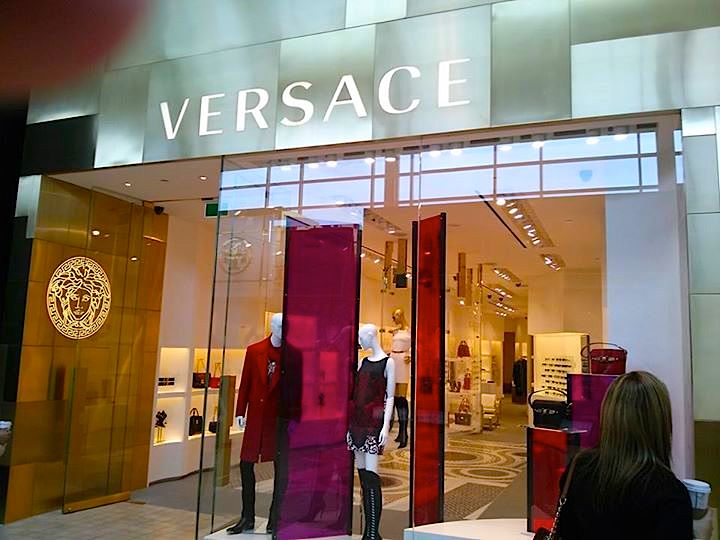
Versace: Canada’s first free-standing Versace store opened in the fall of 2014 at Toronto’s Yorkdale Shopping Centre. Versace plans to open as many as five Canadian locations in five years. Although Yorkdale is currently Canada’s only free-standing Versace location, a Versace shop-in-store has operated within Vancouver’s Leone since 1987. 

Versace Home: The world’s first Versace Home flagship opened in October of 2014 in Vancouver’s trendy Gastown area. Controversy arose when a Vancouver Sun journalist implied that we were speculating when we first reported on Versace Home’s Vancouver flagship. That article was subsequently pulled when the publication learned that our source was Versace, itself. 

PHOTO: YORKDALE SHOPPING CENTRE

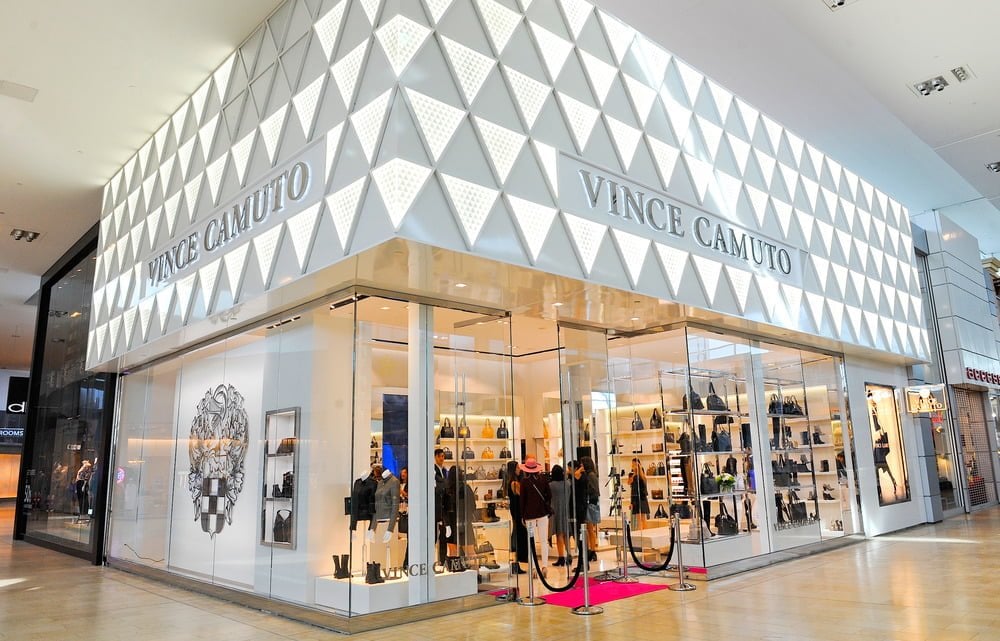
Vince Camuto: The popular America footwear and fashion brand’s first Canadian location opened in July at Toronto’s Yorkdale Shopping Centre. The company has plans to eventually open stores Canada-wide, and we’ll be discussing this further in a separate article. 

A number of other retailers entered Canada in 2014, while many more expanded and built new stores.

If we’ve missed any and you’d like them to be included, please email Craig Patterson at: craig@retail-insider.com

2015 Canadian Retail Outlook, by J.C. Williams Group

By J.C. Williams Group

Canadian retailers of all types will find an action packed year ahead of them. With an economic background consisting of many pluses and minuses, retailers need to be super-sensitive to “messages from consumers” and agile in their reactions. Here is what the advisors at J.C. Williams Group think retail management must look out for.

E-tail (with 82% of Canadians researching products online and 71% making a recent purchase – source: J.C. Williams Group Canadian E-tail Report) is now a formidable and growing force. Commodities like electronics and entertainment have penetration of over 30%—and even apparel has 18% of expenditures spent online. Any retailer not moving to cross-channel or omni-channel retail will be left behind.

Value retailers from Dollarama and Giant Tiger to Walmart and Costco in the price-driven sector, fast-fashion H&M and Zara (Inditex Group), and Best Buy/Future Shop will continue to steal market share. Consumers want clear choices. Retailers without a clear strategy will confuse shoppers and lose buying traffic.

On the opposite end of the scale, Canadians will have more alternatives at the top end. Not to be outdone, Harry Rosen and Holt Renfrew continue bold expansions and upgrades while new entries Nordstrom and Saks Fifth Avenue will offer new shopper experiences. The question for the industry is “Will all of this be over saturation within our small country?”

As Canada builds with urban density, shoppers will see many more stores in city cores – most in smaller formats like the recently announced IKEA “pick up store” of ±37,000 sq. ft. Driving this change is the high cost of retail real estate and the creation of the web-based “endless aisle” where expanded assortments are shown online rather than in-store.

What does seem clear is that the retail life cycle (innovation ⇒ rapid growth  ⇒ mass acceptance ⇒ maturity ⇒ decline) is getting shorter. Canadian retailers that are (a) caught in the middle either value-wise or fast-fashion wise, (b) not focused on a micro-segment, (c) not clearly and uniquely differentiated, and (d) not offering omni-channel shopping (with some minor exceptions) will face competitive headwinds.

Canada has many of the best retailers in the world. These creative, service-centred, agile, and entrepreneurial omni-channel businesses will prosper in our country of great opportunities.

J.C. Williams Group is a well-known, full-service retail and marketing consulting firm. It offers clients practical, creative, and in-depth knowledge of retailing and marketing, including up-to-date know-how and techniques to make retail operations better and more profitable. You can also read their informative blog, Retaileye, here: retaileye.wordpress.com. 

More Luxury Retailers to Descend on Canada in 2015

Luxury brands tend to move like sheep, and the herd is headed to Canada. Many of the world’s top luxury brands are looking to build free-standing stores in this country, and several have already secured retail space. According to one top broker, at no time in his 22-year career has he seen this much interest in the Canadian market from luxury retailers. As we head into 2015, we can expect a number of first-to-Canada announcements from a number of premium brands, looking to get a foothold into the burgeoning Canadian luxury market. 

Although a number of Canadian cities are on luxury brands’ radar, Toronto and Vancouver are often first choices when entering the Canadian market. Both cities include residents with a propensity towards spending vast sums on branded goods, regardless of affluence, and both cities also boast a substantial number of wealthy households. Additionally, both cities are seeing increasing numbers of high-end tourists, many seeking to buy ‘the best’ while on holiday. Despite concerns that lower oil prices could precipitate a correction or even a recession in Canada this year, luxury brands are still keen on expanding into Canada’s top two luxury shopping cities.  

Luxury brands are currently looking at only a handful of Canadian retail locations. Toronto’s Yorkdale Shopping Centre, for example, saw several first-to-Canada luxury brands open in 2014 such as Bulgari, Jimmy Choo, and Moncler, joining Versace, Ferragamo, David Yurman and others in the mall’s new luxury wing.  In 2015, Yorkdale will see the opening of Canada’s first Longchamp boutique, and several more luxury brands will open alongside Nordstrom in the mall’s newest expansion when it opens in 2016. We’ve been asked not to reveal which luxury brands have secured space in the new wing just yet, and we’ll discuss them when permitted. 

Toronto’s ‘Mink Mile‘ on Bloor Street West, between Yonge Street and Avenue Road, seems to be on every luxury brand’s radar. Until recently, very little retail space was available on Canada’s most prestigious shopping street. That changed last year when Pottery Barn and Williams Sonoma announced that they were vacating 42,000 square feet of prime retail space at 100 Bloor Street West, providing options for new luxury brands. More retail space will eventually become available as neighbouring properties are redeveloped, including the retail component of Manulife Centre at 55 Bloor Street West. Flagship opportunities are available at the former 13,000 square foot Tiffany & Co. space at 85 Bloor Street West, as well as at 77 Bloor Street West, boasting the possibility of a newly-built 10,000 square foot space. The 100,000 square foot retail component of 1 Bloor Street East could see the addition of several premium brands, including a rumoured Apple Store flagship. Sources tell us that Apple recently walked away from a deal at 153 Bloor Street West at Avenue Road, possibly preferring the prominent corner at Yonge and Bloor.

Toronto’s Yorkville area could see new luxury retailers as well, especially as First Capital Realty looks to buy real estate in the area. First Capital is redeveloping Yorkville’s Hazelton Lanes as it integrates the mall into the surrounding area, rebranding it as Yorkville Village. First Capital is also looking to buy much of the retail space on adjacent Cumberland Street and Yorkville Avenue, creating a world-class retail, dining and entertainment destination. Adding to this are a number of developments in the immediate area, including an expanded retail podium at the base of the former Four Seasons Hotel on Avenue Road. 

Toronto Eaton Centre could be next for several premium brands. With Saks Fifth Avenue and Nordstrom opening in the mall in 2016, we’re told that a number of luxury retailers want to join the downtown mall’s tenant mix. Hugo Boss and Ted Baker are some newer upscale entrants, with Kate Spade and others expected to announce stores in the coming months. 

According to top Vancouver Broker, Mario Negris, luxury brands are lining up to find exceptional retail space in his city. The area around the Fairmont Hotel Vancouver, especially on Alberni Street between Burrard and Thurlow Streets, will see a number of high-profile luxury brands open in 2015 and beyond. Although he declined to provide the names of the luxury brands he’s working with, Mr. Negris says that a number of luxury brands want to open stores in the are now dubbed as Vancouver’s ‘Luxury Zone‘. 

Sources say that a downfall of Vancouver’s Luxury Zone is its lack of available retail space. Although some new space is under development in the area, much of it is already spoken for. Most of the retail space at luxury shopping complex The Carlyle, for example, has either been leased or is under negotiation. The retail component of the neighbouring 745 Thurlow Street office tower also has room for luxury retail, and a source at Avison Young says that two spaces are already spoken for. The Alberni Street plaza of 1040 West Georgia Street is slated for a redevelopment of two two-level flagship retail spaces, with one currently under negotiation for a prominent luxury brand. As luxury brands continue to seek space in Vancouver’s Luxury Zone, its boundaries may eventually expand westward. As a result, upscale retailers could eventually replace restaurants on Alberni Street’s 1100 block, across from the upscale Urban Fare grocery store and Shangri-La Hotel.

Furthermore, as more brands seek space in Vancouver’s Luxury Zone, West Georgia Street could see luxury brands move onto its 1000 block. This spring, the 900 block of West Georgia Street, anchored by the Fairmont Hotel Vancouver, will see a Christian Dior flagship join Gucci, Omega, St. John Knits, and Louis Vuitton. As Pacific Centre eventually redevelops its 700 block of West Georgia Street, more luxury space could become available, effectively joining Vancouver’s Luxury Zone to the popular downtown mall. Pacific Centre, itself, has a number of luxury retailers including Max Mara, Pomellato, Roberto Coin and Ermenegildo Zegna, not to mention anchors Holt Renfrew, Nordstrom (opening in September) and possibly Saks Fifth Avenue.

Toronto and Vancouver won’t be the only destinations for luxury brands in the coming years, however. In oil rich Alberta, Calgary and Edmonton are being considered by a number of luxury brands looking to cater to ‘Canada’s Texas’. Calgary’s Chinook Centre, especially, has seen interest from a number of premium brands, looking to join Burberry, Tiffany & Co., Hugo Boss, and Canada’s first Nordstrom location. Max Mara, for example, will open in the mall in October of this year. West Edmonton Mall, as well, is in talks with a number of premium brands, joining upscale new retailers such as Tiffany & Co., Michael Kors and Kate Spade. Rumour has it that the Edmonton mall could also eventually see Nordstrom as an anchor, as well as an unnamed premium department store. 

As we move into 2015, Retail Insider will reveal which luxury brands will be opening in Canada. It will be an exciting year ahead as we watch landlords build and improve properties to house premium retailers, as Canada takes its place on the world stage in the eyes of top luxury brands.  

Most Popular Articles on Retail Insider in the Past Year

Nordstrom, Eataly, Muji, Uniqlo, DSW, and top malls…The following are the top 10 most read topics on Retail Insider for 2014. We’ll continue to update you on these and other topics into 2015 and beyond. 

MOST READ STORIES:

1) North America’s Most Productive Shopping Centres in 2013: Five of North America’s top 10 most productive malls were in Canada, and our report was picked up by media sources both in Canada, as well as internationally. We’ll provide our 2014 numbers later this month in what will surely become one of our most-read articles in 2015. 

2) Nordstrom Opens 1st Canadian Location: The highly anticipated opening of the upscale Seattle-based retailer gained thousands of readers. Our two most read articles were those where in September of 2014 we revealed what designers would be carried in the store and later that month, when we attended the store’s opening gala and took photos for an article revealing how Nordstrom’s Canadian stores will be more contemporary looking than those in the United States.

3) Premium Oulets Montreal Opens: The highly anticipated outlet mall opened in October of 2014. Well over 100,000 people read our two articles on the subject, including our first where we provided details of its construction, and our second article where we revealed photos as well as a full list of retail tenants. 

4) Eataly is Coming to Canada: Sources say that Eataly is working with a Canadian partner to bring the innovative Italian food concept to Canada. We’re told that Toronto is a priority, likely in the Yorkville area, and that locations in Montreal and Vancouver could follow. 

5) Muji Opens in Canada: Minimalist Japanese retailer Muji opened its first Canadian store in November of 2014. Thousands read our articles describing Muji’s plans to expand across Canada, the exact location of its first store, and our guest-authored article with photographs of the Toronto store’s interior and offerings. 

6) DSW Comes to Canada: Popular American discount footwear retailer DSW Designer Shoe Warehouse bought a stake in Canada’s Town Shoes, paving the way for DSW’s entry into Canada. DSW’s first Canadian locations opened in the summer of 2014 and just last month, we were the first to announce DSW’s first locations for Alberta, opening this spring. 

7) Uniqlo Canadian Store Locations Discussion: Overall, articles about Japanese fast-fashion retailer Uniqlo are probably the single most-read topic on Retail Insider’s. Our article discussing possible Uniqlo locations gained close to 100,000 readers alone. We expect to announce Uniqlo’s first Canadian locations, opening in 2016, within the next few months.  

8) Mississauga’s Square One will be North America’s Only Mall featuring both a Walmart and a Luxury Anchor: We were surprised how many people read our article describing how in the spring of 2016 the busy Mississauga mall will be the only North American centre with Walmart and a luxury anchor, Holt Renfrew. We’ll be providing an update on the topic in the following months, however, sources say that the mall’s landlord plans to make major, unannounced changes which could affect current and proposed mall anchors. 

9) Victoria’s Secret to Replace Montreal Chapters Bookstore: Outrage erupted among some readers when we announced that a 35,000 square foot lingerie retailer would replace a large bookstore. All’s not lost, however, as a nearby Indigo Books flagship at Place Montreal Trust sees an overhaul.  

10) Chico’s Comes to Canada: Given the thousands who have read our articles on Chico’s, the American womenswear retailer is no doubt enjoying substantial sales with its initial entry into the Canadian market. 

Keep reading Retail Insider, as we’ll be reporting on some big Canadian retail stories in 2015. 

What Canadian Retailers Can Learn From Frank & Oak

Frank & Oak (Image: BetaKit)

By Millie Ho

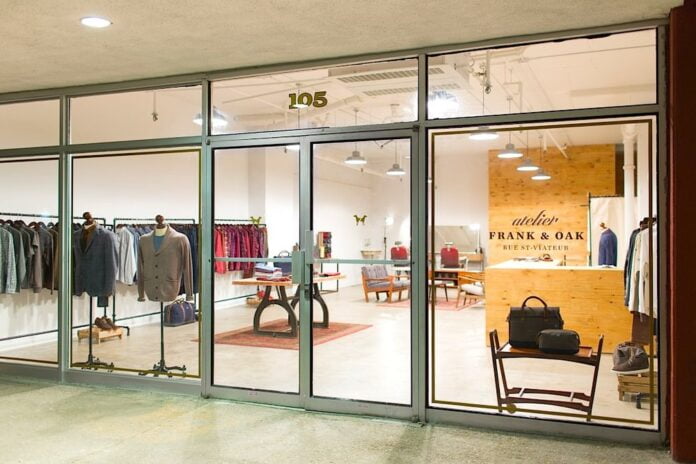
Every retailer wants more sales and stronger loyalty. Frank & Oak has both. An online menswear retailer that recommends clothing to shoppers through a personalized monthly email, Frank & Oak has surged in popularity since launching in Montreal in 2012 and now has over one million members. They’ve recently announced plans to open a brick-and-mortar store in Toronto’s popular Queen Street West area, and show no signs of stopping with their upcoming expansion across Canada.

What can retailers learn from Frank & Oak, a relatively young company that has grown tremendously in a span of two years? We summarized the key lessons below.

1. Personalized recommendations make style shopping easier: Frank & Oak targets Generation Z and Millennial men in their teens to thirties that want style, quality, and value all at once. While plenty of big box retailers do just that, Frank & Oak goes the extra mile to make shopping easier for their male audience. Once a month, a personalized newsletter will arrive in the customer’s email inbox with recommendations based on the style and sizing preferences he provided when he signed up for the service.

When the customer browses the website, he will also be shown products that fit with his personal style based on preference and purchase history. It’s important to note that Frank & Oak isn’t simply promoting items through these emails: they’re educating the customer and inspiring them with content that reads more like a lifestyle guide. In this way, Frank & Oak has bridged the gap between high-end personal advising and the convenience of online shopping.

2. Creating excitement by being faster to market: Frank & Oak is vertically integrated to keep customers on their toes. They do everything on their own from design, sourcing, manufacturing, distribution, and their monthly newsletter. Vertical integration means more efficient production and cost savings that are passed on to the customer, but also means that Frank & Oak will respond quickly to new style trends, offering new collections every one to two months.

Millennial shoppers have shorter attention spans and demand novelty and excitement. Fast fashion retailers like Zara and H&M deliver on these values using customer and fashion industry insights, but Frank & Oak’s focus on personalization means they deliver on the fast fashion items you’re more likely to buy.

Image: Frank & Oak

3. Use technology to provide an immersive experience: To counter the worry of buying ill-fitting apparel, customers can join Frank & Oak’s Hunt Club, which offers free try-on and shipping so customers can see firsthand what cut, size, and style looks best on them. An added bonus is the 4% store credit customers get back with every Hunt Club order. Since over half of sales come from outside Canada, the Hunt Club allows customers to trial items without risk.

The loyalty club is a great feature: Frank & Oak understands that the Millennial shopper cannot be influenced through online promotions alone and craves a more immersive experience that transcends technology. It doesn’t matter if they don’t have a brick-and-mortar location in a customer’s city: the customer’s needs always come first.

4. A brand image that’s consistent across channels: Frank & Oak’s trendy look is based out of Montreal’s Mile End and exemplifies the image that Millennial men want from a brand: hip, exciting, personal and at a great value. Frank & Oak not only promotes this image, but also ensures that their values are consistent across channels.

Email marketing campaigns offer potential new customers 20% off on first purchases, and social media and search ads feature keywords like “Distinctive” and “Fresh” and “All Under $50”. Both the pop-up shop in partnership with the Toronto FC and their upcoming Queen Street West flagship store are located in a neighbourhood that matches their brand image. Since their customers naturally share on social media, Frank & Oak gives store credits to those that successfully refer friends.

Image: Frank & Oak

What can we expect in the future?

Frank & Oak has been successful with young men looking to embody their ambitious, creative and business minded brand image. Their continued growth means broader marketing awareness, which has both good and bad implications.

While Frank & Oak will undoubtedly generate more customers with their brick-and-mortar stores, Millennial shoppers that were attracted to Frank & Oak’s niche positioning might be turned off by its newfound widespread appeal. Frank & Oak will need to bring something more to the table aside from style inspiration, and exemplify the other values—like sustainability, corporate responsibility, and transparency—that Millennials care about.

Millie Ho is a consultant with Retail Category Consultants Inc. Millie’s background spans retail and technology start-ups. As a retail consultant, she creates holistic digital strategy, content creation, website development, and social media solutions for large and small retailers like Shoppers Drug Mart and The Friendly Butcher.

Prior to joining Retail Category Consultants, she has worked at front of store for Canadian retail chains, and has hands-on experience with in-store processes and delivering excellent customer service. As a digital strategist, Millie has developed, created content for, and executed online marketing campaigns for both start-up and established firms. Her project management experience includes leading website redesigns and social media operations and ensuring that all KPIs and deadlines are met. Millie has an Honors Business Administration (HBA) from the Ivey Business School at the University of Western Ontario. With a strong love for the arts, Millie also illustrates for creative writers and is working on a novel.

To learn more about how Retail Category Consultants can help your retail business achieve success, visit their retail services page or contact them for further information. 

Lessons From UNIQLO: 10 Steps for Canadian Retailers to Generate $2,000+ per Square Foot

UNIQLO (PHOTO: WWW.GOPIXPIC.COM)

By J.C. Williams Group

On a recent trip to New York we ventured off Fifth Avenue, Madison Avenue, and Soho – to Brooklyn and the Atlantic Terminal Mall on Flatbush Avenue — not exactly the haute couture centre of the City.

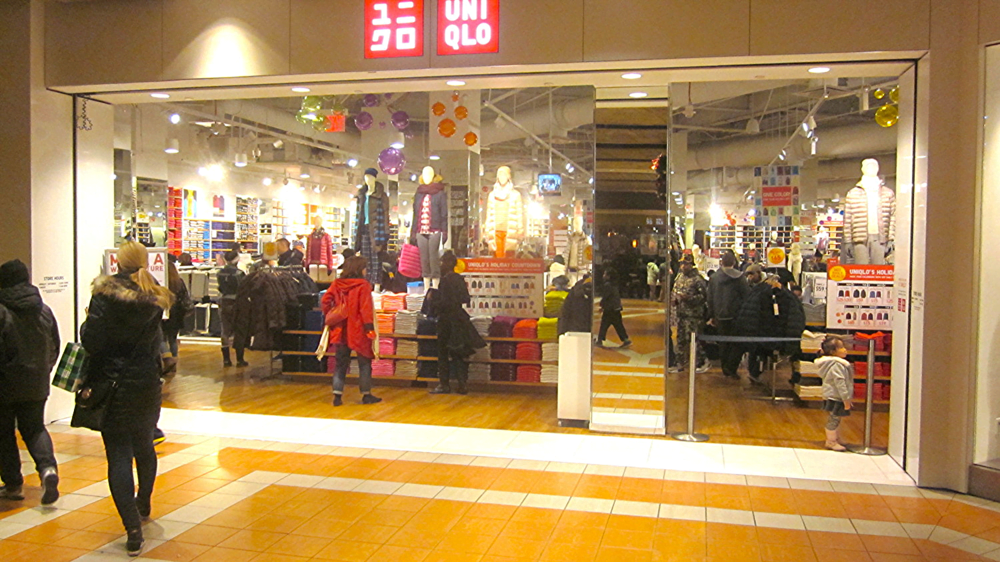
There on the second floor was a Uniqlo store, opened in October of 2013, which was nowhere near as “jazzy” as its Fifth Avenue or Soho older brothers’ (or sisters’) stores. But look beyond all the fancy Christmas stuff of the Manhattan store and you’ll observe a lean-mean-merchandising-machine. This store has to be pushing $2,000 per square foot. And here is why.

1) Choose a Solid Location with Strong Adjacent Tenants: Co-anchor tenants include Target (not a Canadian version), Burlington Coat Factory, DSW Designer Shoe Warehouse, Victoria’s Secret, and 25 national specialty chains. These are located at a major transit junction in central Brooklyn, so lots of shopper traffic.

UNIQLO (Image: JC Williams Group)

2) Straight Forward Messages are Best: Shoppers are in a hurry, often confused or conflicted, and need simple choices. Make sure your “theme” messages are easy to comprehend and react to.

3) The Front 10 Feet Pays the Rent: The “front and forward” space productivity should be three to four times the rest of the store. You cannot generate sensational sales revenue with an artsy-fartsy display or minimal intensity. Good retailers know and practice this. They load up the front with best sellers.

Just look at Uniqlo’s displays with:
1. Sales associates beside each one
2. Bright, colourful product
3. In depth assortment
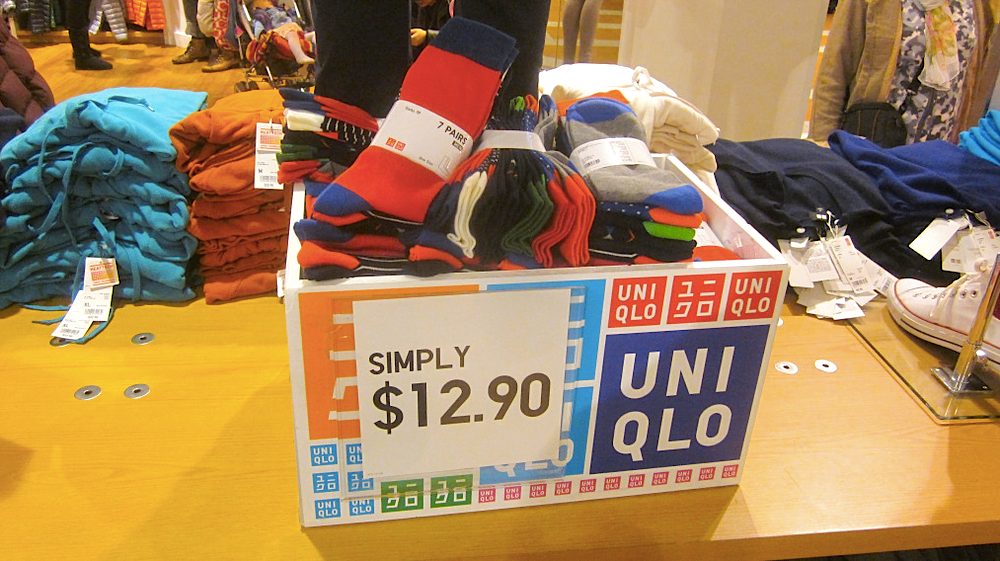
4. Fantastic prices on cashmere women’s and men’s sweaters! $59.90

4) Backup Feature Item In-depth: Part of Uniqlo’s success is single-focused promotional items featured in limited ranges (huge buying clout). Winter jackets were in big demand at $59.90 and $29.90.

5) In-depth Merchandise Sends a “These Items are Important” Message: “If they have that much of this item – it must be important and popular” is what these walls convey.

6) End-aisles are Great for Add-on Sales of Smaller Accessories: Building high productivity is done using many different merchandising techniques. Every one has to be used. 

UNIQLO (Image: JC Williams Group)

7) Make the Store a Merchandising Machine with Lots of Impulse Items: Your store gets to $2,000 a square foot by using every space and idea.

8) What is Your Inventory per Square Foot? All retailers should use this metric to analyse sales trends in departments and classifications. Uniqlo does not shy away from “using the cube” to showcase assortments and build productivity. All these pictured items have in-depth backup right on the fixture.

9) An Efficient Check-out is Essential: While Uniqlo had long lines at the service desk, they moved quickly.

10) Lots of Team Members: While almost hidden in the crush of shoppers, there were dozens of uniformed (all in black) staff continuously re-stocking and straightening inventory. This store was managed in an obviously organized and disciplined manner.

Conclusion: Uniqlo’s unique value position is re-enforced by the simplicity of its visual presentation, the commitment to inventory depth, and the efficiency of the shopping experience.

J.C. Williams Group is a well-known, full-service retail and marketing consulting firm. It offers clients practical, creative, and in-depth knowledge of retailing and marketing, including up-to-date know-how and techniques to make retail operations better and more profitable. You can also read their informative blog, Retaileye, here: retaileye.wordpress.com.   

2015 Outlook for Canadian Retail Sales is (Mostly) Good

CF Toronto Eaton Centre (TorontoMalls.com)

According to the latest numbers from Statistics Canada, total retail sales increased 5.4% year-over-year in October 2014 on a not seasonally adjusted basis. The 3 month trend is sticking at around the 5% growth level (orange line in the first chart, below), and the underlying 12 month trend (green line) is continuing to move up. Somewhat remarkably, this performance is being maintained despite collapsing gasoline station sales as pump prices decline. The slack is being taken up by improving sales in the Store Merchandise sector. 

On the basis of current trends, total retail should be up about 4.8% for 2014 overall, a notable improvement on the modest 3.2% annual gain in 2013. For 2015, retail sales growth is projected at 4.9%, which at first blush seems like hardly any progress over 2014. But there’s a twist. The Automotive & Related sector is likely to slow down while Store Retail should pick up. The two effects would offset each other so that total growth in 2015 would be about the same as 2014, but the balance among the major retail sectors will be better. Those not selling cars or gasoline stand to benefit more. 

The numbers estimated for 2014 and projected for 2015 are as follows. 

Food & Drug Stores: 

The Food & Drug sector is continuing its “two steps forward, one step back” pattern. The underlying trend (green line in the above chart) however does seem to be crawling upward compared to its 2014 levels. 

The big laggard in this sector is supermarkets & grocery stores. Although their retail sales increased 2.2% year-over-year in October, they are up only a rather miserable 0.6% year-to-date after 10 months in 2014. This reflects the heavy competition in the food business, and things are likely to get even tighter as retailers try to pass on higher imported food prices due to the weakened Canadian dollar. 

On the other hand, health & personal care (drug) stores are enjoying above average growth. Retail sales were up 5.4% in October 2014 year-over-year, and have gained 7.4% year-to-date. It’s likely this trend will continue into 2015. 

One more note is that specialty food stores’ sales appear to be falling off. After increasing 8.0% in the first half of 2014, retail sales gained only 0.8% for the 3 months ending October 2014. 

Store Merchandise: 

Store Merchandise is earning the title of “most improved major retail sector of 2014”. The 3 month trend (orange line in the chart) continues to lead the underlying 12 month trend (green line), which itself has been rising steadily since the first half of 2013. 

All store types in this sector had positive year-over-year sales gains in October 2014. Even electronics & appliance stores posted a whopping 10.7% gain, their best single month in over 6 years. Another strong performance was in the other general merchandise group (mostly large combination stores) whose sales were up 8.0% in October, although this was on pace with their year-to-date results. 

It’s difficult to see that these trends in Store Merchandise will change much going into 2015. The economy is improving, and the many new retailers entering this sector are poised for a “honeymoon year” (albeit after some awkward courtships). If nothing else, sales will apparently increase as the cost of imported goods rises. 

Canadians are continuing to buy vehicles at a high rate. New car dealer sales were up 9.7% year-over-year in October 2014, and up 8.1% year-to-date. In large part, this is due to low interest rates, as cars (like houses) are mostly financed rather than purchased outright. Nevertheless, the boom in vehicle sales will cool down eventually, possibly in the second half of 2015. 

Gasoline station sales however are slowing significantly. Their sales are about 13% of total retail, and gas prices are now down roughly 25%. This frees up about 2% to 3% of total retail sales for spending at other stores, which is a lot when total retail is rising at just under 5%. Note however that most gas stations double as convenience stores which shores up the business. Nevertheless, going into 2015 actual declines in gasoline station retail sales are likely. 

By The Numbers: 

Ed Strapagiel is a consultant specializing in applied marketing, business development and strategic planning. [Ed Strapagiel’s Website] 

For definitions of store types, see Statistics Canada. 

Black Friday Sales in Canada Plateaued in 2014

By David Ian Gray, DIG360 Consulting Ltd.

Following the speculation and “hype” in the lead-up to Black Friday 2014 in Canada, we have released our annual tracker of actual shopper behaviour in the aftermath. This year marks our new partnership with Mike Rodenburgh, EVP of Ipsos West, and the highly respected Ipsos Canada team.

The following is an excerpt from our release:

DIG360 and Ipsos have been tracking shopper behaviour in Canada on a regular basis and have released their latest findings of trends around retail Black Friday 2014. Awareness of Black Friday is entrenched in Canada, nudging up to 98% from 97% the year previous. However, factoring the slight gain in awareness, there was a 5% drop in those reporting they knew about it, but did not browse offers nor buy any Black Friday deals. In the end, a quarter (25%) purchased Black Friday deals, similar to the 27% incidence in 2013 (16% bought in 2010).  

“We see this as a plateau in Canadian Black Friday”, says DIG360’s David Ian Gray, “barring an economic upturn and I’m not anticipating any shift to broader and deeper discounting by retailers in future years, which in fact would be bad for business this early in the Holiday Season”. The data complements anecdotal reports that shoppers are not seeing the deals expected given the pre-Black Friday ‘hype’. Gray points out that even with a minority buying, Black Friday in Canada is entrenched as one of the most significant shopping weekends in Canadian retail.

“One of the more interesting changes in our data was that more Canadians are shopping from online Canadian websites for Black Friday sales”, explained Rodenburgh. Last year 38% of Canadian Black Friday shoppers shopped at an online Canadian website for Black Friday deals while this year it increased to 42%. Gray explains that “the increase may be due to better online promotions among Canada’s online retailers.”

In terms of its impact on other purchasing over the November-December period, the study found 13% of Canadians had postponed purchases this fall until they could see what Black Friday offers. Furthermore, 41% of Canadians browsing or buying Black Friday weekend were mostly shopping for themselves, suggesting there is plenty of Holiday shopping still to come in December. Nonetheless, perhaps the lack of growth for Black Friday is a harbinger of a flat Holiday period overall.

Notable findings from the DIG360 – Ipsos Black Friday Canada Tracker
• Canadians are universally aware of Black Friday (98%)
    – Notably, Quebec has finally caught up to the rest of Canada this year on          awareness and participation.
• Canadians participating (browsing or buying) in Black Friday sales dropped slightly to 51% (from 55% in 2013).
• Those buying remains at about a quarter of Canadians (25% this year, 27% last)
     – The average spend: $295.80 (52% of Canadians spent between $101 and $500).
• Factoring margin of error, this suggests more a “plateau” than a drop in buyers.
      – BC residents had the lowest Black Friday participation at 39% (and was lowest in 2010).
• Of those browsing or buying, 25% reported they postponed purchasing earlier this Fall to wait for Black Friday deals.
• While stores remain the dominant channel, we are seeing the gradual decline of in-store shopping with an uptick in web (from websites in both Canada and US).
• Surprisingly, given the CAD$, cross border shopping incidence was consistent or even slightly up.
• 54% of men (vs 31% of women) were all or mostly shopping for themselves.
• 31% bought or plan to buy something cross-border (web or store) this Holiday Season (Nov-Dec).
   – Only 19% of Quebeckers have or expect to cross-border shop (consistent with 2013)

This was the latest survey in the series of the developed by DIG360 in 2010. The 2014 version begins its partnership with Ipsos. These results are based on an online survey of 1,005 Canadian adults conducted by Ipsos using the Canadian Online Omnibus. Interviews were conducted in English & French between December 1st and December 3rd, 2014. The final data are statistically weighted to reflect the actual age, gender and education of the Canadian population and are balanced by region

DIG360 Consulting Ltd. helps retail executives focus or recharge sustainable growth. They help develop customer strategies that resonate with the right target audiences, competing on better experiences and relationships. David Ian Gray leads DIG360 and is a recognized expert on shopper trends and retail strategies.

Ipsos Canada is Canada’s leading survey-based marketing research firm. With offices in 86 countries, we live and work in the world’s largest markets and do business anywhere we’re called on. Michael Rodenburgh heads up Ipsos West.