By Millie Ho
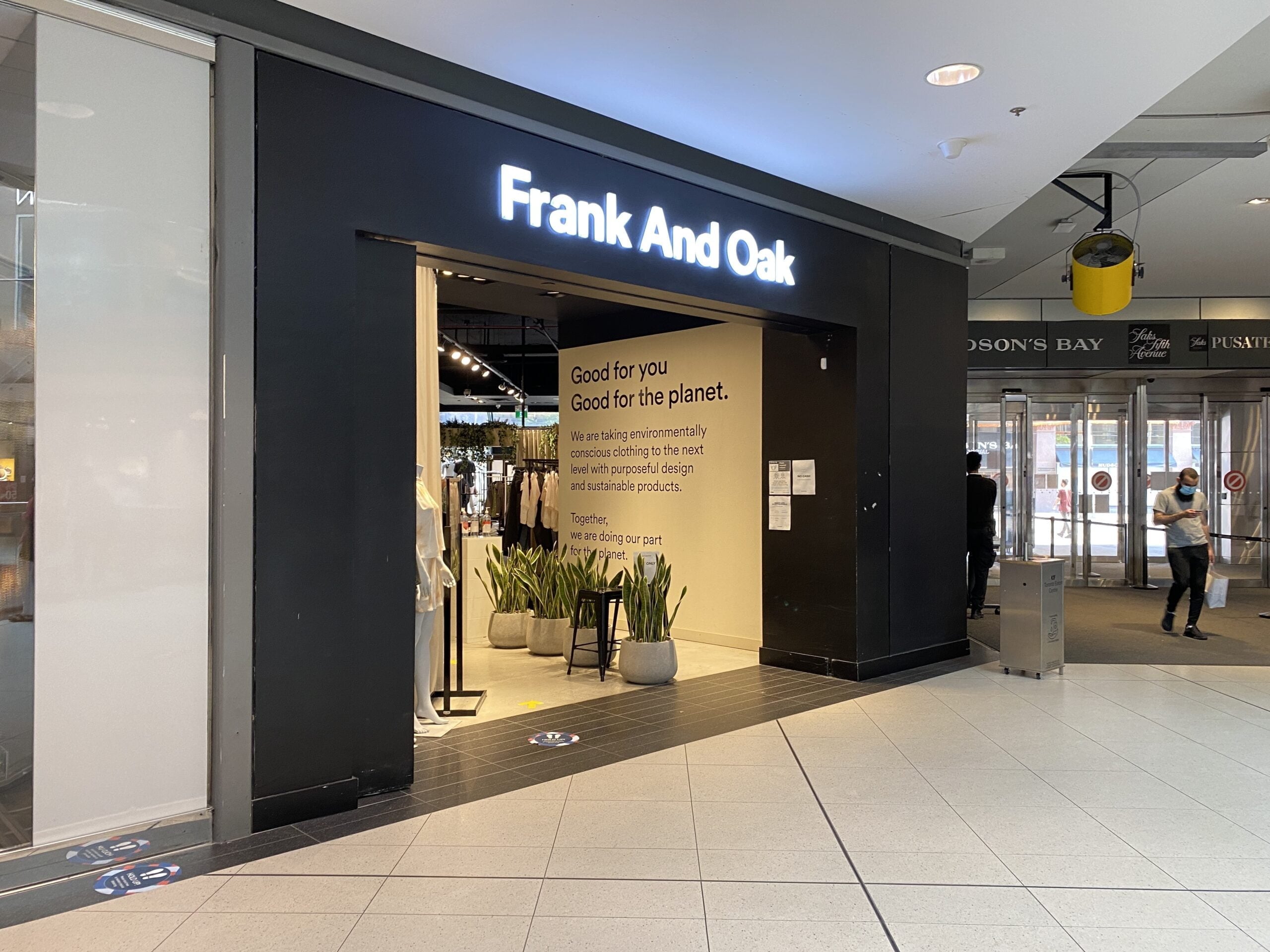
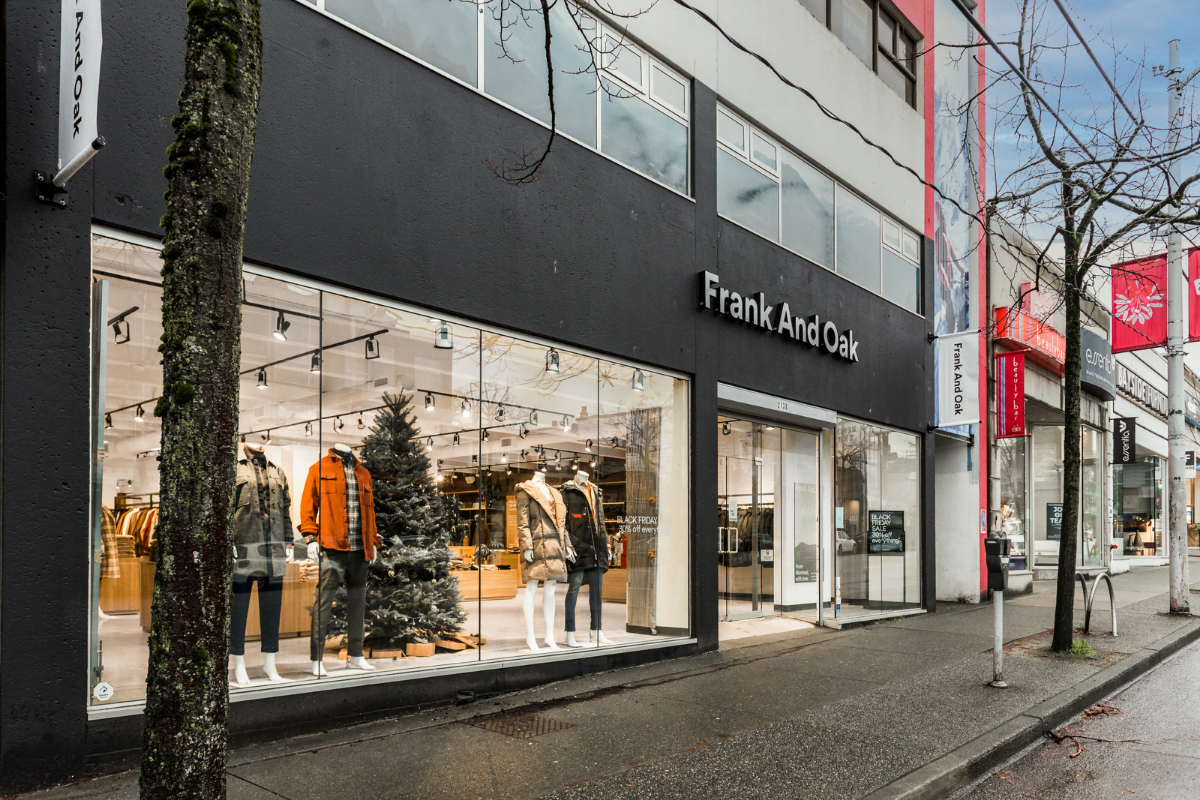
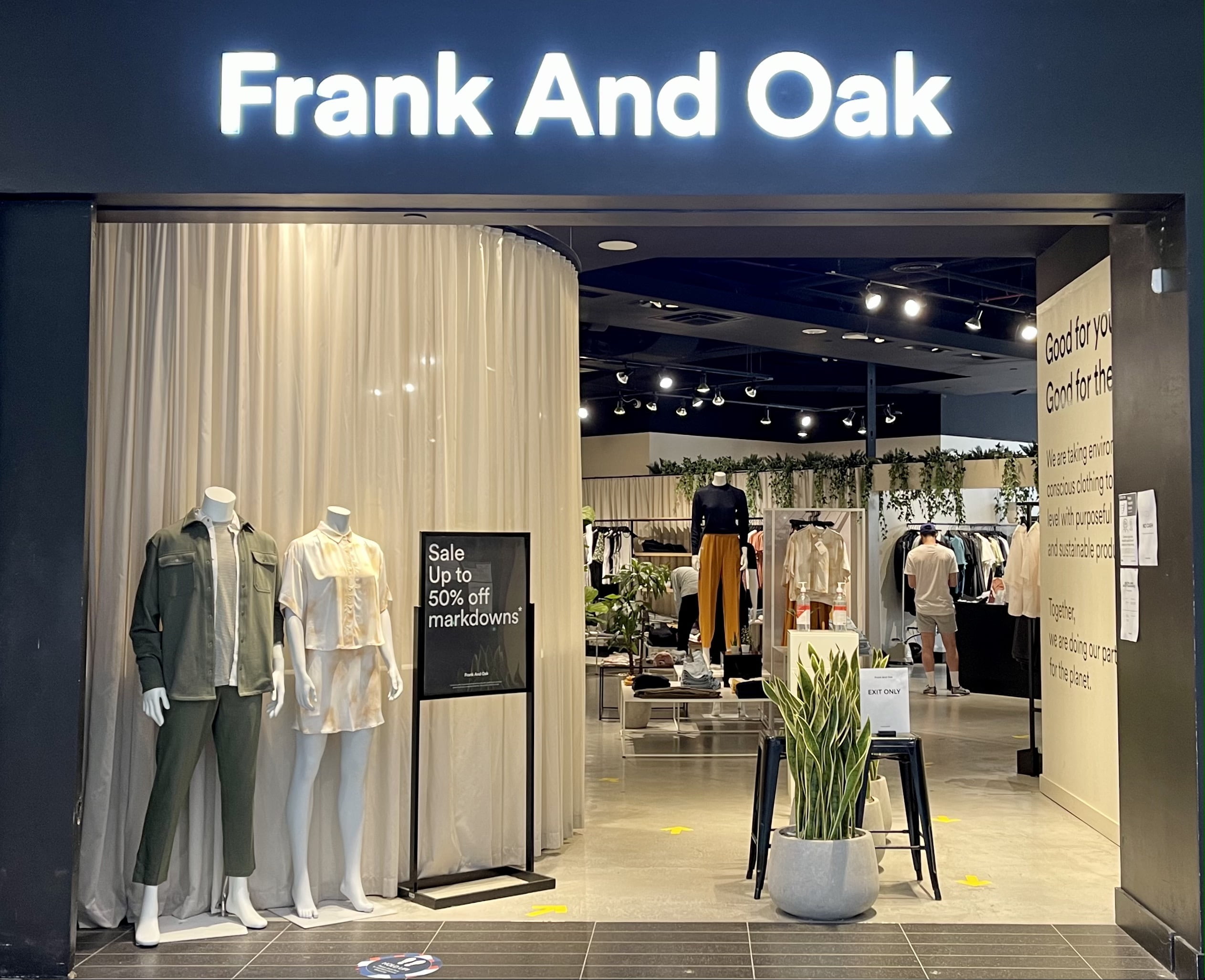
Every retailer wants more sales and stronger loyalty. Frank & Oak has both. An online menswear retailer that recommends clothing to shoppers through a personalized monthly email, Frank & Oak has surged in popularity since launching in Montreal in 2012 and now has over one million members. They’ve recently announced plans to open a brick-and-mortar store in Toronto’s popular Queen Street West area, and show no signs of stopping with their upcoming expansion across Canada.
What can retailers learn from Frank & Oak, a relatively young company that has grown tremendously in a span of two years? We summarized the key lessons below.
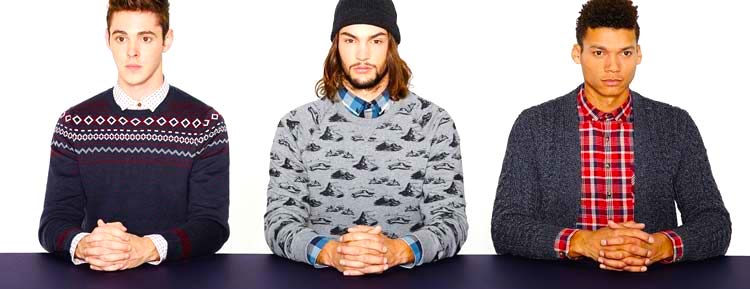
1. Personalized recommendations make style shopping easier: Frank & Oak targets Generation Z and Millennial men in their teens to thirties that want style, quality, and value all at once. While plenty of big box retailers do just that, Frank & Oak goes the extra mile to make shopping easier for their male audience. Once a month, a personalized newsletter will arrive in the customer’s email inbox with recommendations based on the style and sizing preferences he provided when he signed up for the service.
When the customer browses the website, he will also be shown products that fit with his personal style based on preference and purchase history. It’s important to note that Frank & Oak isn’t simply promoting items through these emails: they’re educating the customer and inspiring them with content that reads more like a lifestyle guide. In this way, Frank & Oak has bridged the gap between high-end personal advising and the convenience of online shopping.
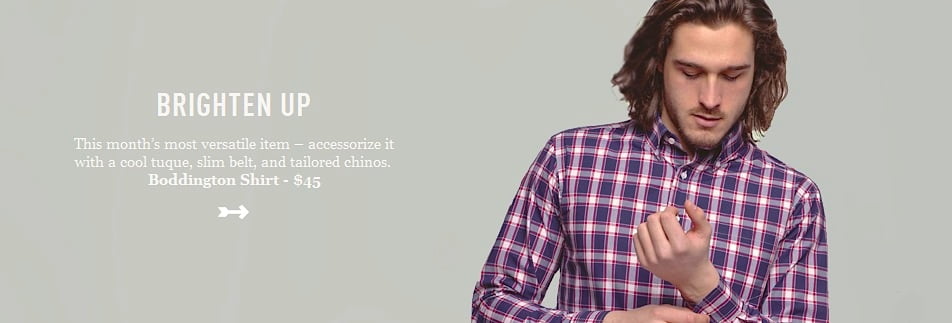
2. Creating excitement by being faster to market: Frank & Oak is vertically integrated to keep customers on their toes. They do everything on their own from design, sourcing, manufacturing, distribution, and their monthly newsletter. Vertical integration means more efficient production and cost savings that are passed on to the customer, but also means that Frank & Oak will respond quickly to new style trends, offering new collections every one to two months.
Millennial shoppers have shorter attention spans and demand novelty and excitement. Fast fashion retailers like Zara and H&M deliver on these values using customer and fashion industry insights, but Frank & Oak’s focus on personalization means they deliver on the fast fashion items you’re more likely to buy.
3. Use technology to provide an immersive experience: To counter the worry of buying ill-fitting apparel, customers can join Frank & Oak’s Hunt Club, which offers free try-on and shipping so customers can see firsthand what cut, size, and style looks best on them. An added bonus is the 4% store credit customers get back with every Hunt Club order. Since over half of sales come from outside Canada, the Hunt Club allows customers to trial items without risk.
The loyalty club is a great feature: Frank & Oak understands that the Millennial shopper cannot be influenced through online promotions alone and craves a more immersive experience that transcends technology. It doesn’t matter if they don’t have a brick-and-mortar location in a customer’s city: the customer’s needs always come first.
4. A brand image that’s consistent across channels: Frank & Oak’s trendy look is based out of Montreal’s Mile End and exemplifies the image that Millennial men want from a brand: hip, exciting, personal and at a great value. Frank & Oak not only promotes this image, but also ensures that their values are consistent across channels.
Email marketing campaigns offer potential new customers 20% off on first purchases, and social media and search ads feature keywords like “Distinctive” and “Fresh” and “All Under $50”. Both the pop-up shop in partnership with the Toronto FC and their upcoming Queen Street West flagship store are located in a neighbourhood that matches their brand image. Since their customers naturally share on social media, Frank & Oak gives store credits to those that successfully refer friends.
What can we expect in the future?
Frank & Oak has been successful with young men looking to embody their ambitious, creative and business minded brand image. Their continued growth means broader marketing awareness, which has both good and bad implications.
While Frank & Oak will undoubtedly generate more customers with their brick-and-mortar stores, Millennial shoppers that were attracted to Frank & Oak’s niche positioning might be turned off by its newfound widespread appeal. Frank & Oak will need to bring something more to the table aside from style inspiration, and exemplify the other values—like sustainability, corporate responsibility, and transparency—that Millennials care about.
Millie Ho is a consultant with Retail Category Consultants Inc. Millie’s background spans retail and technology start-ups. As a retail consultant, she creates holistic digital strategy, content creation, website development, and social media solutions for large and small retailers like Shoppers Drug Mart and The Friendly Butcher.
Prior to joining Retail Category Consultants, she has worked at front of store for Canadian retail chains, and has hands-on experience with in-store processes and delivering excellent customer service. As a digital strategist, Millie has developed, created content for, and executed online marketing campaigns for both start-up and established firms. Her project management experience includes leading website redesigns and social media operations and ensuring that all KPIs and deadlines are met. Millie has an Honors Business Administration (HBA) from the Ivey Business School at the University of Western Ontario. With a strong love for the arts, Millie also illustrates for creative writers and is working on a novel.
To learn more about how Retail Category Consultants can help your retail business achieve success, visit their retail services page or contact them for further information.