Home Blog Page 17

Rexall launches weekly 20% discount for eligible health-care workers

Rexall Pharmacy photo

Rexall Pharmacy is launching a weekly discount program that will give eligible health-care workers 20 per cent off regular-priced merchandise at participating stores across Canada.

The Healthcare Hero Thursdays program begins Aug. 20 and is available to eligible health-care professionals who are members of Rexall’s Be Well program.

Weekly discount

The initiative will be offered every Thursday at participating Rexall locations and covers regular-priced merchandise across categories including health, wellness, beauty and everyday essentials.

Eligible workers include nurses, physicians, pharmacists, paramedics, personal support workers, medical technicians and other health-care workers, according to the company.

The discount requires a Be Well membership, and some exclusions apply.

Rexall said the program is intended to recognize health-care professionals for their work supporting patients and communities.

“Healthcare workers dedicate themselves every day to helping others live healthier lives, often under challenging circumstances,” said Jeff Boutilier, SVP and Chief Operating Officer at Rexall. “As a pharmacy and healthcare partner serving communities across Canada, we’re proud to recognize their contributions through our new Healthcare Hero Thursdays.”

Program details

Healthcare Hero Thursdays launches Thursday, Aug. 20, and will continue weekly at participating Rexall locations. Eligible health-care workers will receive 20 per cent off regular-priced merchandise, provided they are Be Well members.

The company said the program applies to a broad range of products sold at its stores, while noting that some exclusions apply.

Rexall described the initiative as part of its efforts to serve as a health-care partner for communities across Canada and to recognize people working in health-care roles.

The company said more information about the program is available through its website.

More from Retail Insider:

Goodfood obtains Court Approval of Sale and Investment Solicitation Process

Goodfood photo
Goodfood photo

Goodfood Market Corp., a leading Canadian online meal solutions company, announced Friday that the Superior Court of Québec (Commercial Division) has granted an order approving a sale and investment solicitation process (SISP) in connection with the company’s proceedings under the Companies’ Creditors Arrangement Act (CCAA).

The SISP will be conducted by the company’s board of directors together with Raymond Chabot Inc., in its capacity as Court-appointed Monitor, in accordance with the procedures approved by the Court, said the company.

“The SISP is intended to provide interested parties with an opportunity to submit proposals for a purchase of, or investment in, the Company or its business and/or its assets with a view to identifying a transaction that maximizes value for the benefit of the Company and its stakeholders. No transaction has been selected or approved at this stage,” added the company.

“The SISP contemplates two separate bidding processes. With respect to the Company’s assets other than the shares it holds in 16423132 Canada Inc., the wholly-owned subsidiary of the Company that holds approximately 80% of the shares of Genuine Tea Inc., ( GF Business), the SISP provides for a single-phase bidding process under which interested parties must submit binding offers no later than September 28, 2026. With respect to the shares held by the Company in 16423132 Canada Inc. . . . , the SISP provides for a two-phase bidding process under which interested parties must submit non-binding letters of intent no later than September 28, 2026, followed by binding offers no later than on October 30, 2026. If one or more successful bids are selected under either process, the Company expects to seek Court approval of the resulting transaction or transactions shortly thereafter, with closing to occur no later than November 6, 2026 for the GF Business and December 7, 2026 for the 164 Shares, subject in each case to the terms of the SISP and any applicable Court approval.

Goodfood Rendering in Toronto. (Image: LIDD Toronto Brokerage)

Any party interested in participating in the SISP should contact the Monitor for additional information regarding the process:

Raymond Chabot Inc., in its capacity as Court-appointed Monitor of Goodfood Market Corp.
600, rue De La Gauchetière Ouest
Bureau 2000
Montréal, QC H3B 4L8
Attn: Gautier Péchadre
Email: pechadre.gautier@rcgt.com

“The Court’s approval of the SISP represents a key step in our financial restructuring,” said Donald Olds, Lead Independent Director of Goodfood. “As the process moves forward, we remain focused on operating the business, serving our customers and continuing to implement our operational turnaround plan.”

Goodfood said it continues to operate and serve customers across Canada. Customers can continue to place orders, and the company expects to continue fulfilling customer orders in the ordinary course throughout the restructuring process.

The company said it also expects to continue working with its suppliers and business partners in the ordinary course and remains focused on maintaining strong commercial relationships. For goods and services provided after the CCAA filing date, the company anticipates that its obligations to suppliers will continue to be addressed in accordance with existing commercial arrangements.

Goodfood’s Board of Directors and management team remain in place, and management continues to be responsible for the day-to-day operation of the business. The SISP forms part of the Company’s broader financial restructuring and does not change management’s focus on operating the business, serving customers and implementing the Company’s turnaround plan, it said.

Court materials and other information relating to the company’s CCAA proceedings, including the order approving the SISP and the SISP procedures, are available on the Monitor’s website at https://www.raymondchabot.com/en/business/public-records/goodfood.

Goodfood is headquartered in Montreal with production facilities in Québec and Alberta,. 

More from Retail Insider:

Fairstone Bank, Best Buy renew exclusive retail financing partnership

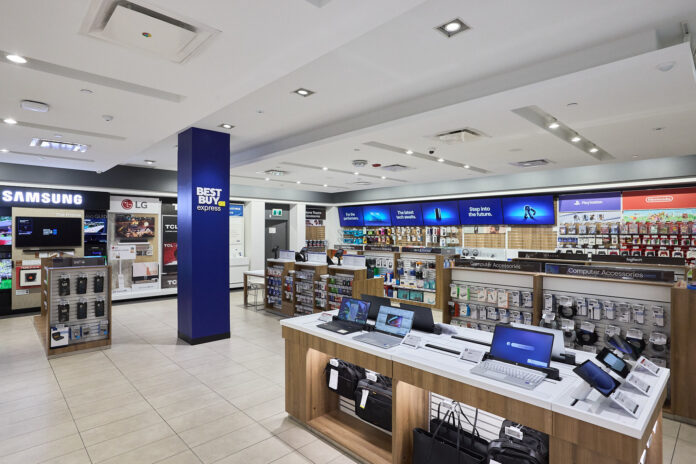
Best Buy Express store. Image: Best Buy Canada Ltd

Fairstone Bank of Canada and Best Buy Canada Ltd. are renewing their exclusive point-of-sale financing partnership, extending a relationship that provides customers with financing options for technology purchases through in-store and online applications.

The companies announced the renewal, saying the partnership, which began in 2020, will continue to offer financing through Fairstone Financial Inc., a subsidiary of Fairstone Bank. Customers can apply for financing online through a digital application that enables approval or prequalification in under two minutes.

Partnership renewal

The agreement extends a retail financing relationship between Fairstone Bank and one of Canada’s largest consumer electronics retailers.

“Best Buy has been a valued partner from the outset, and this renewal reflects the trust, performance and the shared commitment we have built together,” said Emilie Boulay, senior vice-president and chief card services officer at Fairstone Bank. “Together we have delivered fast and seamless financing solutions to Best Buy customers across Canada, and we look forward to continuing to grow that success in the years ahead.”

The companies said the partnership has helped thousands of Canadians make technology purchases more accessible since its launch.

Best Buy customers can access financing both in stores and online, with the application process providing approval or prequalification in under two minutes, according to the companies.

Flexible payment options

The renewal also includes programs intended to give Best Buy customers additional ways to finance technology purchases, including a Monthly Subscription program.

“Technology plays an essential role in how Canadians work, learn, connect and navigate their daily lives,” said Bryan Kooistra, chief financial officer of Best Buy Canada. “By extending our partnership with Fairstone Bank, we’re continuing to provide customers with flexible and transparent financing options, while enabling innovative programs like Monthly Subscription that make it easier to access and upgrade the technology they rely on.”

The companies did not disclose financial terms of the renewed partnership.

Fairstone’s retail financing business

Best Buy is among more than 2,100 merchant partners across Canada that use Fairstone Bank’s retail financing programs. The programs combine proprietary technology and dedicated support, according to Fairstone.

Fairstone Bank and its subsidiaries, including Fairstone Financial Inc. and Home Trust Company, provide financial products including residential and commercial mortgages, consumer deposits and GICs, retail and automobile financing, credit cards and digital lending, as well as unsecured and secured personal loans.

The company offers those products online and through more than 260 branches across Canada. It says it has nearly 100 years of operating history and serves approximately two million customers nationwide.

Best Buy Canada

Best Buy Canada is a wholly owned subsidiary of Best Buy Co., Inc., which trades on the New York Stock Exchange under the symbol BBY.

The Canadian company operates the Best Buy, Best Buy Mobile, Best Buy Express and Geek Squad brands. It has more than 300 Best Buy, Best Buy Mobile and Best Buy Express stores across Canada and sells an expanded range of lifestyle products through BestBuy.ca.

The company also says it operates programs and partnerships aimed at helping youth connect with technology to support their education.

The renewed financing agreement continues a relationship between the two companies that has operated since 2020, with Fairstone Bank remaining the exclusive provider of point-of-sale financing for Best Buy Canada.

More from Retail Insider:

What Best Buy Says About Consumer Spending in Canada Right Now

Old Dutch Foods opens energy-efficient facility in P.E.I.

Old Dutch Foods photo

Old Dutch Foods has opened an 8,400-square-foot accounting office and warehouse in Summerside, P.E.I., bringing its Eastern Canadian operations together in a facility that uses solar power, geothermal heating and cooling and energy recovery technology.

The facility is located in Slemon Park and Old Dutch says the investment is intended to improve operational efficiency while reducing energy consumption at the site.

Energy-efficient operations

The building does not use fossil fuels and releases zero carbon dioxide to the atmosphere, according to the company.

Its solar power system includes an array spanning approximately 160 metres and is expected to generate about 40 kilowatts of power.

The facility also uses geothermal technology as its primary heating and cooling source. The system has 16 geothermal boreholes connected through a vertical closed-loop geothermal heat exchange system, which transfers energy between the ground and the building.

An Energy Recovery Ventilation system captures energy from exhausted air and uses it to temper incoming fresh air. Old Dutch says the system is designed to improve indoor air quality while reducing the energy required to heat and cool the facility.

The new workplace combines warehouse and accounting office operations, with the company saying the design is intended to support long-term operational efficiency.

Company investment

Scott Kelemen, senior national director of brand and market strategy at Old Dutch Foods, said the facility represents an investment in the company’s operations as well as its employees and future.

“Quality has always been at the heart of Old Dutch Foods, and that commitment extends beyond the products we make to the investments we make in our people, our operations and our future,” said Kelemen. “As we look ahead to the next generation of Canadians who will enjoy our products, we are proud to invest in innovative technologies and infrastructure that help us operate more efficiently and responsibly for generations to come.”

Old Dutch Foods image

Old Dutch said the facility is part of its broader environmental efforts across its operations.

Those initiatives include waste reduction and resource recovery measures, including advanced biological wastewater treatment technology, recycling programs and the diversion of food waste for beneficial reuse.

Atlantic operations

The Summerside facility brings accounting and warehouse functions under one roof as the company continues its operations in Atlantic Canada.

Old Dutch said the building reflects its focus on future operations while maintaining its connection to employees and communities that have contributed to the company’s business over several generations.

The company said the combination of renewable energy generation, geothermal technology and modern industrial construction practices is intended to support the facility’s long-term operational efficiency.

More from Retail Insider:

Absolutely Fabrics Expands in Toronto with Summerhill Flagship

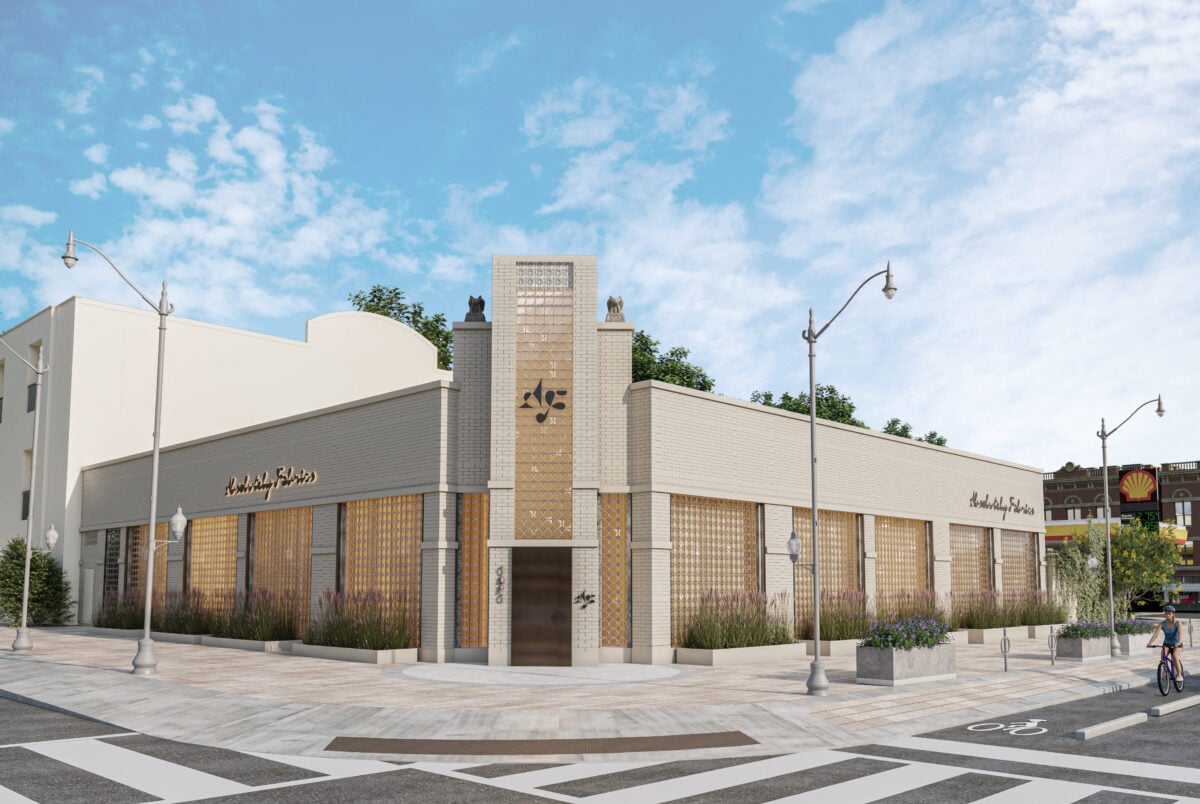
Rendering of the new Absolutely Fabrics at the corner of Yonge and Price Street in Toronto. Rendering: Absolutely Fabrics

Toronto fashion retailer Absolutely Fabrics is preparing to open a second location in Summerhill this September, marking a significant expansion for the independent multi-brand business just three years after launching its original Queen Street West store.

The approximately 7,000-square-foot flagship at 1091 Yonge Street, in space formerly occupied by Sleep Country Canada, is targeting a September 19 opening. The larger location will introduce menswear to Absolutely Fabrics for the first time while giving founder Kaelen Haworth substantially more room to develop the curated, service-oriented approach that has helped build the retailer’s following.

For Haworth, the move north was shaped in part by what the business learned about its customers after opening on Queen Street in 2023. Many of Absolutely Fabrics’ established clients already live in Summerhill, Rosedale and nearby neighbourhoods, and the retailer had increasingly been taking merchandise directly to some of them.

“We were doing a lot of travelling with our clothing, doing events in people’s homes or bringing pieces from the new collection to some of our best clients,” Haworth told Retail Insider. “Knowing that we would have a location closer to where a lot of our clients live and work will be a massive help for us.”

Absolutely Fabrics had been seriously searching Summerhill for about a year before securing the Yonge Street space. Haworth described it as a location she had long hoped to secure and said the timing ultimately worked in the retailer’s favour.

Kaelen Haworth

Summerhill Retail Node Continues to Evolve

The new flagship is opening as the Yonge Street corridor through Summerhill and Rosedale undergoes a broader retail transformation.

Directly across Yonge Street, the historic Five Thieves retail cluster is being expanded through The James at Scrivener Square, a 23-storey luxury rental development by Tricon Residential. The project includes a European-inspired pedestrian retail mews and public square, along with a direct connection to Summerhill subway station. Tenants announced for the project include Mamakas, Gee Beauty, 6 By Gee Beauty, Nutbar, Dear Grain Bakery, Chocolat de Kat and Bluboho.

Toronto fashion boutique Clementine’s is also expected to relocate to The James around October, placing another independent multi-brand fashion retailer within the expanding cluster. The development includes approximately 10,500 square feet of ground-floor boutique retail.

Previous Retail Insider reporting found average household income within one kilometre of Scrivener Square exceeds $300,000. Seventeen residential developments under construction within 1.5 kilometres were expected to add approximately 3,800 units, with dozens more projects in pre-construction.

Haworth acknowledged that ongoing construction in the area could create some challenges over the next few years, but said she remains enthusiastic about the location and the development occurring around it.

Absolutely Fabrics also enters Summerhill with an established customer base. Haworth said many shoppers who deliberately seek out the Queen Street store already come from Rosedale and Summerhill, while destination and appointment customers travel from across Toronto.

“We are a destination store,” she said. “We can’t rely only on walk-in traffic. We have to rely on people hearing about us, knowing about us and wanting to make an appointment and come in.”

Rendering of the new Absolutely Fabrics at the corner of Yonge and Price Street in Toronto. Rendering: Absolutely Fabrics

Rendering of the new Absolutely Fabrics at the corner of Yonge and Price Street in Toronto. Rendering: Absolutely Fabrics

A Larger Expression of Absolutely Fabrics

The additional space in Summerhill will allow Haworth to build a more complete expression of the Absolutely Fabrics concept.

The Queen Street West location combines designer womenswear and vintage merchandise with studio and event space, and Haworth said it continues to generate significant business. The existing store did not have enough room to accommodate menswear in a way she felt would give the category sufficient presence.

“Our store on Queen is phenomenal, and we love it,” she said. “But we couldn’t open menswear in that location. There’s not enough space, and it wouldn’t feel like we were doing it in a really purposeful way. To have this flagship, full expression of our brand, we needed a bigger space and a blank slate.”

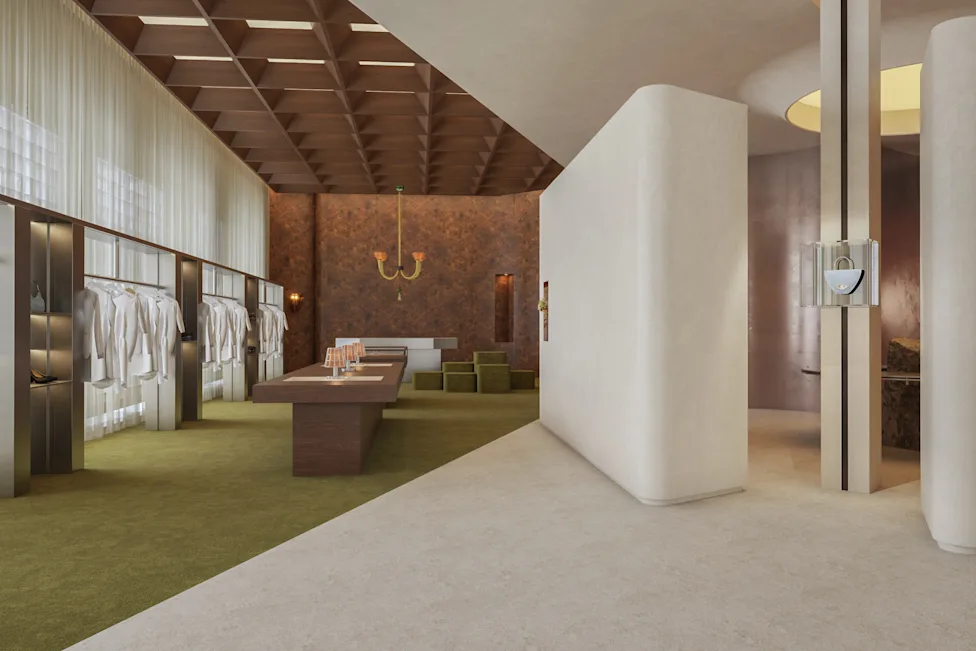
The new flagship is being designed by Haworth in collaboration with Clarisa Llaneza of Clarisa Llaneza Studio, who is also an Absolutely Fabrics customer. Haworth said the design has focused on creating an environment that feels warm, residential and highly considered.

Trevor Wallace of Reflect Architecture is overseeing the space that is being brought to life by Carbon Building Group.

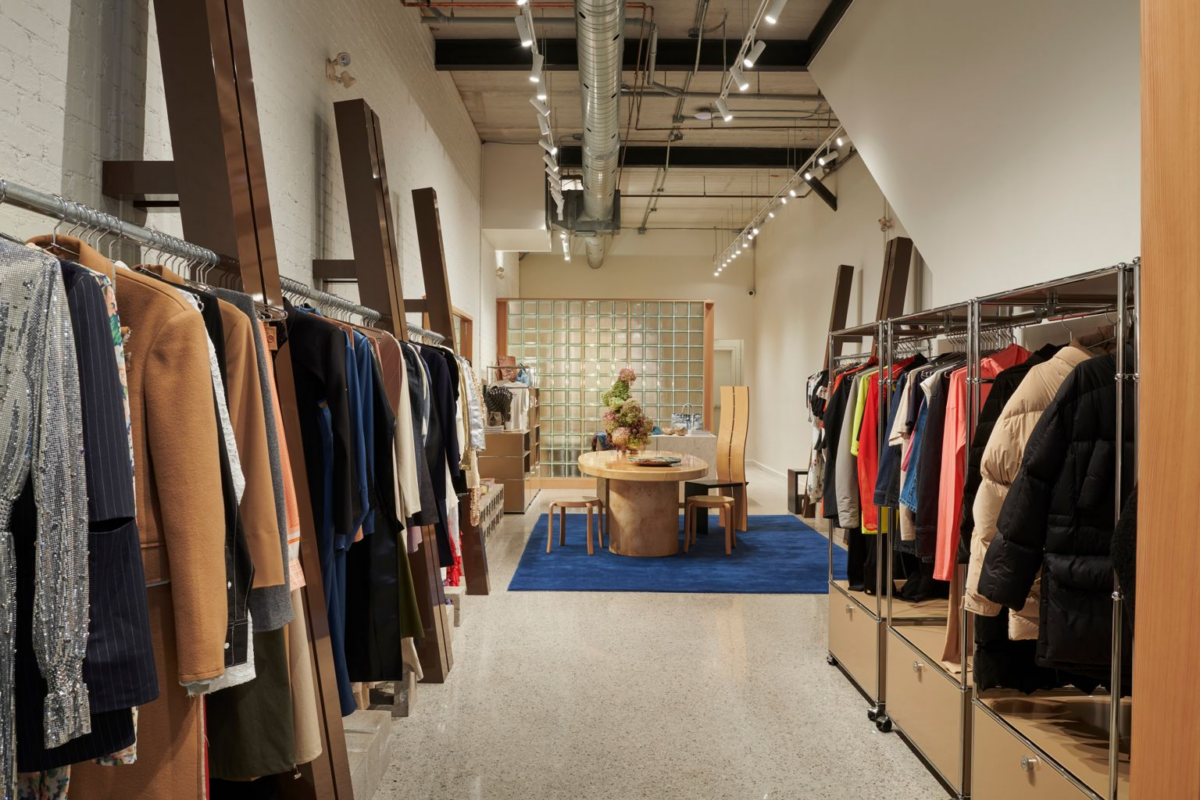
The store is expected to incorporate glass-block windows, burled wood accents, carpeting and coffered ceilings, along with a footwear and accessories feature wall and a dedicated menswear area.

“I really wanted it to feel like a warm and inviting space, but also a really inspiring, highly intentional and thoughtful space,” Haworth said. “I want it to feel like you’ve really stepped into a different place, somewhere that transports you.”

The objective is to encourage customers to spend time in the store, including those who may not arrive with a particular purchase in mind.

“We want people to stay and linger,” she said. “It’s about being there. It’s not just about shopping.”

That philosophy extends to Haworth’s view of higher-end physical retail. She believes customers making significant purchases often want time to try things on, understand the designers and receive guidance from staff.

“People still really enjoy shopping in real life,” she said. “When you’re asking people to spend a lot, you can expect them to want to take their time, try things on and get to know the brands and the pieces.”

Rendering of the new Absolutely Fabrics at the corner of Yonge and Price Street in Toronto. Rendering: Absolutely Fabrics

Menswear Brings New Brands to the Business

Menswear will be exclusive to the Summerhill flagship and represents a new category for Absolutely Fabrics.

The assortment will include Aubero, Studio Nicholson, Willy Chavarria and Rier, with additional labels including ssstein and Soshiotsuki arriving later in the fall. Haworth also identified Martine Rose among the menswear names being incorporated into the business.

The buying strategy follows the approach Absolutely Fabrics has taken with womenswear: seeking designers with limited Canadian availability while developing a distinctive assortment when working with brands already represented in the market.

Haworth said she pays close attention to whether her buys overlap with those of other Toronto retailers. She also sees the store as a potential entry point into Canada for emerging labels with limited domestic distribution.

Soshiotsuki will be exclusive to Absolutely Fabrics in Canada, while Haworth said she expects Aubero to also be a Canadian exclusive. She believes growing international awareness of the designers can create demand among customers who follow fashion closely but have had few opportunities to experience those collections physically in Canada.

“If people know and love brands like Soshiotsuki or Aubero, they’ll have to come to us to buy them,” Haworth said. “We want to be the place where you go for these brands because on some level they might feel niche, but they’re not. If you’re interested in fashion and this world, you know about them and you want to see them in real life.”

Major changes are underway in the area immediately around the new Absolutely Fabrics, including The James mixed-use project across the street. Image: Tricon Residential

Betting on Discovery in a Changed Fashion Market

Haworth returned to Toronto after spending 15 years in New York, where she studied at Parsons and operated two fashion labels, Kaelen and Second Sight. She said her years as a designer eventually helped her recognize that her strengths lay particularly in curation, editing, styling and presentation.

She had long wanted to open a store, although doing so in New York never felt right. Toronto presented a more compelling opportunity.

“I think people think of Toronto as a very conservative place, and I haven’t found that to be true in terms of how people relate to fashion,” Haworth said.

The response to Absolutely Fabrics reinforced that view. Haworth said business has steadily increased since the Queen Street store opened and that the retailer found a receptive audience for the concept.

“There really seemed like there was a need for our kind of store in the city,” she said. “People loved it. The response was great. We’re doing really well, and business has been steadily picking up since we opened our doors.”

The expansion comes during a period of significant change in Toronto’s higher-end multi-brand fashion market, following the Canadian departure of Nordstrom and the subsequent disappearance of Saks Fifth Avenue from the market. The Webster also closed its Yorkville store.

Haworth sees room for independent operators with a tightly defined point of view, particularly when the assortment gives customers access to merchandise they cannot readily find elsewhere.

One area where she believes conventional wholesale buying can lose some of a collection’s appeal is in the transition from runway to retail. Consumers may respond to expressive pieces shown during fashion week, while store assortments often concentrate more heavily on safer commercial merchandise.

“There’s a disconnect,” Haworth said. “Brands will show something on the runway and people will get very excited about it and want to engage with that. Then the pieces that make it to the stores are the really safe, basic, merchandised versions of that.”

Absolutely Fabrics intentionally buys some of the more editorial pieces.

“I want to be able to support those really exciting runway or editorial pieces,” she said. “People want that. They want both, but they definitely want the editorial and the excitement as well.”

That approach places discovery at the centre of the business, whether customers encounter an unfamiliar designer or see a different side of a label they already know.

Absolutely Fabrics was also recently included in The Business of Fashion’s The Best Fashion Stores in the World, a guide to independent retailers with distinctive assortments and experiences. The recognition comes as the young retailer prepares for its largest expansion to date.

“We’re taking a lot of risks, and so far they are paying off, which is excellent,” Haworth said. “But retail ebbs and flows, so we’ll see how we do. I’m not taking that for granted.”

Absolutely Fabrics at 613 Queen Street West in Toronto. Image: Absolutely Fabrics

Looking Beyond Summerhill

Haworth has considered what Absolutely Fabrics could eventually become beyond its two Toronto stores, although she wants to see how the Summerhill flagship performs before pursuing another expansion.

Asked about future growth elsewhere in Canada or internationally, she acknowledged that New York has entered her thinking.

“I have thoughts about expansion, but I’m going to keep them at bay until we open this one and see how we do,” she said. “I have thoughts that include potentially New York, but that’s quite a ways down the road for us.”

For now, the focus is on Summerhill. Construction inside the flagship was progressing quickly when Haworth spoke with Retail Insider in early August, and she said the company was increasingly confident about its targeted September 19 public opening.

The larger store will give Absolutely Fabrics room to extend the approach that has been developing on Queen West since 2023: bringing harder-to-find designers into Toronto, taking more adventurous positions on merchandise and building a physical retail experience around curation, personal service and discovery.

More from Retail Insider:

EQ Bank launches 25-million-point PC Optimum giveaway and in-store campaign

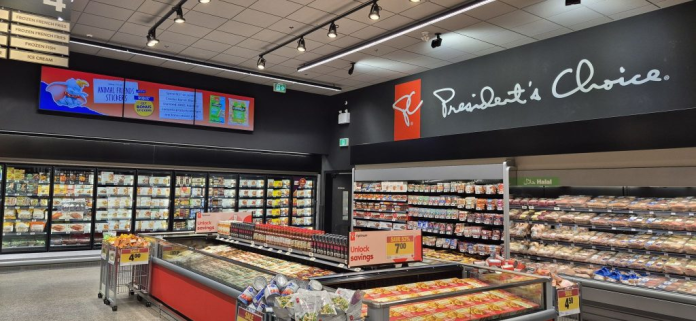
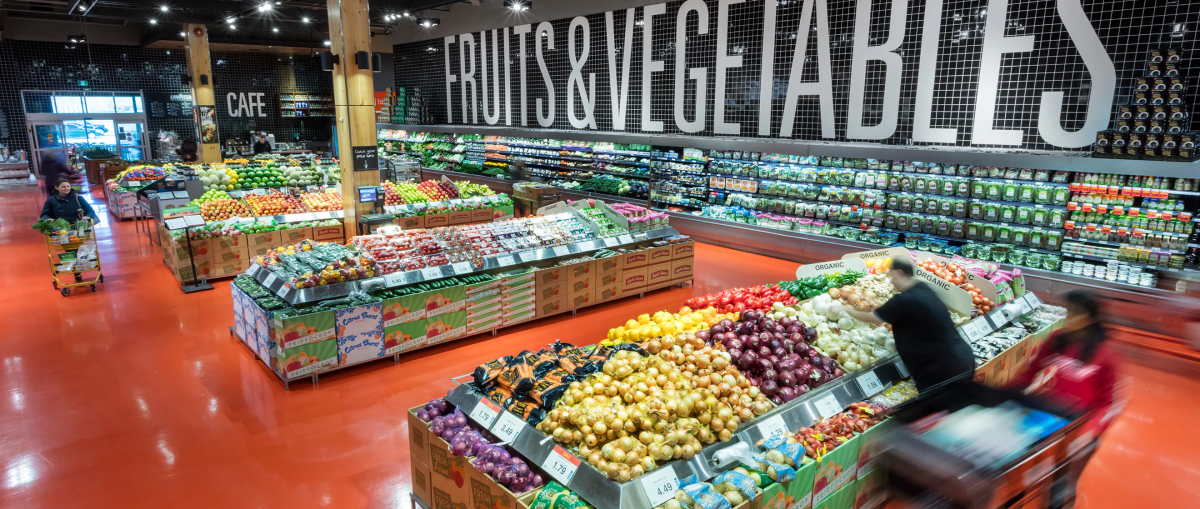
Loblaws at Humbertown Plaza in Toronto. Photo: Loblaw Companies

EQ Bank has launched what it says is its largest-ever single-winner giveaway of PC Optimum points, with 25 million points up for grabs as the bank expands its activities tied to the Loblaw loyalty program.

The two-week Grand Scan Contest, administered by Loblaw, runs from Aug. 13 to 26. EQ Bank is also holding interactive pop-ups at select Loblaw-affiliated grocery stores in Toronto, Vancouver and Calgary, where PC Optimum members can participate in activities offering additional points.

The campaign follows EQ Bank’s role as the exclusive financial services partner of the PC Optimum loyalty program and is part of what the bank describes as a broader effort to connect its banking services with the everyday activities of loyalty-program members.

“We believe that banking should happen where life happens, and Canadians should get more value from the financial choices they make every day,” said Daniel Rethazy, EVP, Personal Banking. “That’s why EQ Bank is showing up in new and meaningful ways this summer – meeting Canadians where they already are and delivering more value in the moments that matter. As we begin this new chapter with PC Financial, this is the first step in how we’re creating even more opportunities for Canadians to make every dollar go further and be rewarded for the everyday choices they make.”

25 million points available

The Grand Scan Contest gives one PC Optimum member a chance to win 25 million PC Optimum points, which EQ Bank describes as the biggest-ever giveaway for a single winner.

PC Optimum members are automatically entered when they spend at least $20 at a participating Loblaw-affiliated grocery store or Shoppers Drug Mart and scan their PC Optimum card using the PC Optimum app or a digital wallet at checkout.

The contest runs nationally through Aug. 26, with additional entry details available through the contest’s online information page.

Pop-ups planned in three cities

EQ Bank is also taking the campaign into stores through in-person pop-ups in Toronto, Vancouver and Calgary.

At the pop-ups, PC Optimum members can take part in Spin-to-Win activities for a chance to earn additional PC Optimum points. The bank will also use the events to introduce customers to its plans for what it calls more connected banking experiences, including ways to earn rewards, grow money and obtain value through everyday banking.

The Toronto event runs from Aug. 13 to 16 at Loblaws Leslie Street, 17 Leslie St. The Vancouver pop-up is scheduled for Aug. 20 to 23 at Real Canadian Superstore Vancouver-Grandview, 3185 Grandview Highway.

The Calgary event is planned for Aug. 27 to 30 at Real Canadian Superstore Calgary-Signal Hill, 5858 Signal Hill Cntr S.W.

The campaign complements existing points-earning opportunities available through the PC Mastercard and PC Money Account.

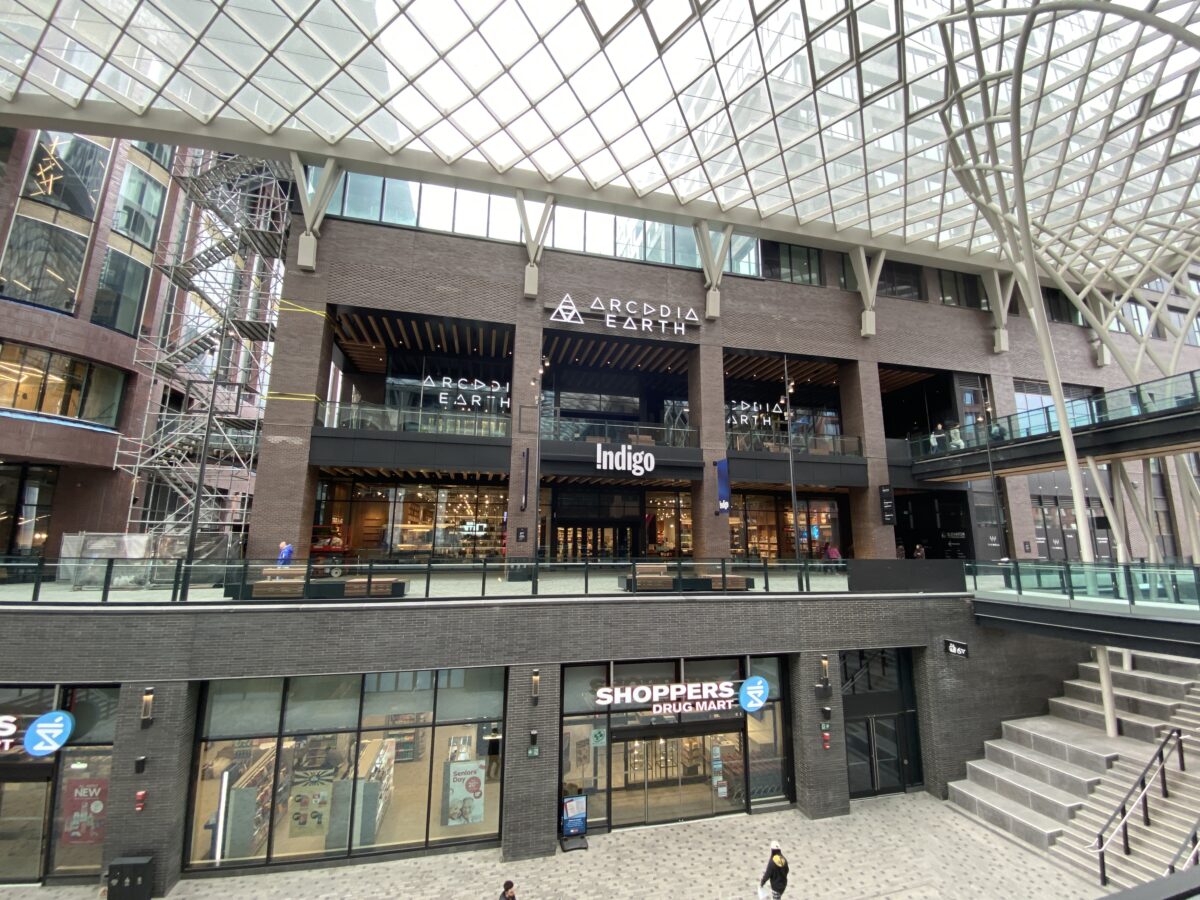
Shoppers Drug Mart at The Well (Image: Dustin Fuhs)

EQ Bank’s PC Financial relationship

The initiative comes as EQ Bank begins a new chapter with PC Financial. EQB Inc., the parent company of Equitable Bank and EQ Bank, says its financial solutions are now connected to the PC Optimum loyalty program, which has more than 18 million members.

EQB says it has approximately $150 billion in combined assets under management and administration and serves nearly four million customers. Equitable Bank operates EQ Bank, which the company describes as Canada’s Challenger Bank.

The company says it provides personal and commercial banking services through everyday banking, lending and connected payments. Its subsidiaries also offer home and auto insurance, estate and trust services, credit union solutions and alternative asset management.

Loblaw Companies Limited operates the PC Optimum program and is Canada’s food and pharmacy leader, according to the release. The retailer has more than 2,800 locations and employs more than 220,000 full- and part-time workers through its stores, franchisees and associate-owners.

Loblaw says its operations include more than 1,100 grocery stores, nearly 1,400 Shoppers Drug Mart and Pharmaprix locations, as well as other grocery, pharmacy, apparel, health, beauty and general merchandise businesses.

More from Retail Insider:

Plaza Retail REIT Draws Takeover Interest as Retail Space Tightens

North Sydney Plaza. Photo: Plaza REIT

Plaza Retail REIT has become the subject of growing transaction interest at a time when the underlying economics of its Canadian retail portfolio appear particularly strong, raising a broader question about the value of shopping centres in markets where new retail space has become increasingly difficult to build.

The Fredericton-based REIT announced August 6 that a special committee of its board had launched a formal review of strategic alternatives following an unsolicited acquisition proposal from Axia Real Assets. Plaza also disclosed that it has since received inbound interest from other parties regarding a range of potential transactions.

The timing is notable because the strategic review is not unfolding against a weak operating backdrop. Plaza’s latest results show committed occupancy of 97.6 per cent, double-digit rent increases on lease renewals and new-leasing spreads approaching 51 per cent. Management says many of its secondary Canadian markets have high barriers to entry and little new competing retail space under construction.

Taken together, those conditions help explain why a portfolio that has historically operated outside many of Canada’s highest-profile retail markets could now be attracting considerable investor attention.

Axia Has Pursued Plaza for More Than Two Years

The current process did not emerge suddenly. Axia Real Assets says it first approached Plaza about a potential acquisition on May 17, 2024, beginning a process that has now stretched over more than two years.

According to Axia, Plaza granted the company exclusivity in December 2024 in connection with a proposed transaction valued at $4.70 per unit. Negotiations continued through 2025 and into 2026, with Axia saying it delivered a draft definitive arrangement agreement in May before ultimately increasing its proposal to $5.28 per unit in cash in June.

The proposed transaction values Plaza at approximately $1.23 billion, including about $670 million of debt, according to Axia. The company has said its proposal is fully financed and is not conditional on obtaining financing or conducting further due diligence.

Axia subsequently made its proposal public, arguing that Plaza’s current structure as a smaller publicly traded REIT has constrained its ability to create value for unitholders. The situation became considerably more significant on August 6 when Plaza confirmed that Axia was no longer the only party expressing interest.

Plaza said its special committee had received inbound interest from other parties involving a range of possible transactions. The review could consider a sale of the entire REIT, transactions involving portions of the portfolio, mergers or other business combinations, asset sales, or Plaza continuing as an independent company.

No additional parties have been identified, and Plaza has cautioned that there is no assurance the review will result in a transaction. Even so, the process has effectively placed one of Canada’s more unusual publicly traded retail property portfolios in play.

Morguard Backs the Axia Proposal

Axia’s offer also carries the support of Plaza’s largest unitholder. Morguard Corporation owns approximately 15 per cent of Plaza and, according to Axia, has indicated that it supports the $5.28-per-unit proposal and would be prepared to vote its units in favour of a transaction on those terms.

That does not determine the outcome of Plaza’s strategic review, particularly now that other parties have expressed interest, but it gives Axia a meaningful degree of institutional support. It also sharpens the debate around how Plaza itself should be valued.

Axia has argued that Plaza has traded at a persistent discount to the underlying value of its assets and that its relatively small scale as a public REIT limits access to capital. It has also pointed to a declining property count and a distribution that has not increased since 2018 as evidence that Plaza could be worth more under different ownership.

Plaza management has presented a different interpretation of the company’s recent evolution. President and CEO Jason Parravano said during the second-quarter conference call that the reduction in property count has been deliberate, with the REIT selling mature or non-core properties, reducing debt and redeploying capital into acquisitions, developments, intensifications and ownership consolidations.

“We are one of the few businesses out there who have sold properties, paid down debt, have not relied on sources of new equity, all while increasing our per unit FFO, our NOI and reducing our payout ratios,” Parravano told analysts.

The competing arguments frame an important question now facing Plaza’s board: whether the REIT’s public-market structure is limiting its potential, or whether improving operating economics and embedded value within the portfolio warrant a higher valuation than the current proposal provides.

Secondary Markets Are Becoming Harder to Replicate

The more important Retail Insider question may be why the underlying properties have become so attractive. Plaza had interests in 189 properties totalling approximately 8.8 million square feet at the end of June, along with additional lands held for development. Its portfolio consists largely of open-air shopping centres and stand-alone small-box retail properties occupied by national retailers in the essential-needs, value and convenience segments.

While Plaza does own properties in major markets, Parravano told analysts that the bulk of the company’s portfolio is located in secondary markets, and those markets are performing particularly well.

“The secondary markets, the barriers to entry are very high,” Parravano said during the earnings call. “And as a result, there’s just not new space being built.”

He added that many of those communities are “extremely captive,” with relatively few competing retail locations available to tenants.

That dynamic matters because a national retailer looking for 5,000 or 10,000 square feet in a major metropolitan area may have several shopping centres, redevelopment projects or new-build opportunities to consider. In a smaller community, there may be only a handful of commercially viable locations offering the appropriate size, parking, visibility and access.

If little additional space is being constructed, existing properties become more difficult to replace.

Plaza’s portfolio includes properties in communities such as Timmins, Sault Ste. Marie and Cornwall in Ontario; Rouyn-Noranda and other smaller Quebec markets; and a range of Atlantic Canadian centres including Summerside and Miramichi.

These are not the locations that typically dominate discussions about institutional Canadian real estate, but scarcity can materially change the value proposition. A shopping centre does not need to be a trophy asset if retailers need the space and cannot easily find or economically build an alternative.

A 51% New-Leasing Spread Shows the Pricing Power

Plaza’s latest leasing numbers provide some of the clearest evidence of that scarcity. During the first half of 2026, lease renewals were completed at rents approximately 12 per cent higher in the first year than the expiring rents, while the increase measured using average rents across the full renewal term was approximately 13 per cent.

Those are already substantial increases, but Plaza’s new-leasing spread was nearly 51 per cent. That figure does not mean existing tenants across Plaza’s portfolio are suddenly facing rent increases of 51 per cent. New-leasing spreads measure the difference between previous rents and the rates Plaza can obtain when space is released to a new tenant, reconfigured or otherwise optimized.

Even with that distinction, the spread is significant because it indicates substantial potential to increase rents on certain spaces as they are re-leased. That creates another source of growth as older leases expire and properties are repositioned at current market rates.

The existing real estate itself therefore becomes part of the growth mechanism. Plaza does not necessarily need to build an entirely new shopping centre or make a large acquisition to generate higher income if it can steadily increase rents within properties it already owns.

The company’s occupancy level strengthens that dynamic. Committed occupancy was 97.6 per cent at the end of June, leaving relatively little vacant space across the portfolio.

Approximately 700,000 to 900,000 square feet of Plaza leases typically expire each year, representing about 10 per cent of the portfolio. As those leases roll over, the REIT has repeated opportunities to negotiate new rental rates in a market where available space remains tight.

Canada’s Retail Supply Problem Extends Beyond Plaza

Plaza’s comments about limited construction are consistent with broader Canadian retail real estate conditions. Commercial real estate research has continued to identify constrained retail supply, elevated construction costs and low vacancy as defining characteristics of the market, while grocery-anchored and necessity-oriented open-air centres have remained among the more resilient property types.

The reasons are largely economic. Construction costs, labour, financing, land values and infrastructure requirements have increased the rents required to justify new development.

In smaller communities, achievable retail rents may not always be high enough to make a new project financially viable, even when retailer demand is strong. That can produce an unusual imbalance in which retailers need space but developers cannot necessarily justify creating more of it.

Existing shopping centres benefit from that imbalance. A property constructed years ago at a substantially lower cost basis may be capable of generating rents that remain workable for retailers while producing economics that would be difficult to replicate through new construction today.

It is one reason otherwise conventional open-air retail properties can become strategically valuable, particularly when they are already occupied by tenants serving recurring household needs.

Plaza’s major tenant roster has included companies such as Shoppers Drug Mart and other Loblaw banners, Dollarama, TJX, Sobeys, Canadian Tire, Staples, Bulk Barn, Giant Tiger, Metro and Princess Auto.

These businesses depend on physical retail networks and, in many cases, continue to operate and expand in communities where appropriately configured real estate can be scarce.

The Markets Plaza Says Were Overlooked May Now Be the Attraction

Plaza has long positioned itself around a strategy of bringing value and convenience retail to markets overlooked by larger REITs. Historically, that positioning could also help explain why Plaza received less investor attention than some larger Canadian retail landlords concentrated in Toronto, Vancouver and Montreal.

Secondary markets carry different perceptions around liquidity, population growth and institutional demand, but the same characteristic can become an advantage when new supply is limited.

If retailers continue to need physical stores in those communities while developers are reluctant or unable to economically add competing space, ownership of established centres becomes increasingly valuable.

That creates an important reversal in how Plaza’s portfolio can be viewed. Exposure to smaller Canadian markets may once have been considered a limitation. In an environment of high replacement costs and tight availability, it may be part of what makes the portfolio attractive.

Canadian Retail Real Estate Is Already Consolidating

Plaza’s strategic review is also unfolding during an active period for Canadian retail real estate. In April, First Capital REIT agreed to a transaction valued at approximately $9.4 billion involving KingSett Capital and Choice Properties Real Estate Investment Trust.

Under the transaction, Choice is expected to acquire approximately $5 billion of First Capital’s retail real estate, while KingSett will acquire the remainder.

The portfolios are not directly comparable. First Capital owns a much larger collection of grocery-anchored properties concentrated primarily in major Canadian urban neighbourhoods, while Plaza has considerably more exposure to secondary markets and smaller-format retail.

Still, the transactions share a broader theme. Open-air Canadian retail properties occupied by grocery, pharmacy, value, service and other necessity-oriented tenants have demonstrated considerable resilience, while new supply remains constrained and established portfolios can be difficult for institutional investors to assemble property by property.

Acquiring an existing platform can provide immediate scale in a property sector where assembling comparable real estate independently could take years. Against that backdrop, the emergence of additional interest around Plaza becomes easier to understand.

Growth Is Increasingly Coming From Inside the Portfolio

Plaza has also been emphasizing growth from its existing properties rather than relying primarily on acquisitions. Management continues to add income through redevelopment, intensification, new pads, tenant reconfiguration and the consolidation of ownership interests in properties previously held through joint ventures.

Acquisitions and projects transferred into Plaza’s income-producing portfolio during 2025 and 2026 represent approximately $3.3 million of annual stabilized NOI, according to management, with additional projects expected to contribute as construction is completed and tenants open.

Parravano said Plaza does not need to assume substantially greater risk to grow because significant opportunities remain within the existing portfolio.

That matters to a potential buyer as well. A purchaser would not simply be acquiring the income currently generated by Plaza’s 189 properties. It would also acquire opportunities to capture higher rents as leases turn over, intensify established retail sites and potentially consolidate additional ownership interests.

Plaza’s balance sheet has also been improving, with debt-to-assets declining to 48.8 per cent excluding land leases. Management described its liquidity position at the end of the second quarter as its strongest in roughly five years.

The strategic review is therefore taking place while the company’s operating fundamentals and balance sheet metrics are improving, adding another dimension to the question of what value a transaction would need to place on the portfolio.

What Plaza Is Worth Could Tell the Market Something Bigger

There is no certainty that Plaza will ultimately be sold. Axia’s $5.28-per-unit proposal remains one possible outcome, other parties have expressed interest, and Plaza’s board has explicitly retained the option of keeping the REIT independent.

Whatever happens next could nevertheless provide an important marker for Canadian retail real estate.

For years, much of the conversation around shopping-centre value focused on major urban assets, enclosed malls and the redevelopment potential of large metropolitan properties. Plaza represents a different part of the market: practical, open-air retail real estate serving everyday consumer needs in cities and towns where additional retail space can be difficult to economically create.

Those properties may lack the profile of downtown flagships or major regional shopping centres, but Plaza’s latest numbers illustrate what scarcity can mean for an established landlord. Occupancy is approaching 98 per cent, renewal rents are rising at double-digit rates, and new leases are being signed at substantially higher rents than the leases they replace.

Investors are now trying to determine what that collection of properties is worth. The answer could provide a revealing indication of how the market values Canada’s increasingly scarce secondary-market retail real estate.

More from Retail Insider:

Luminaire Authentik Opens Toronto Flagship, Plans Canadian Expansion

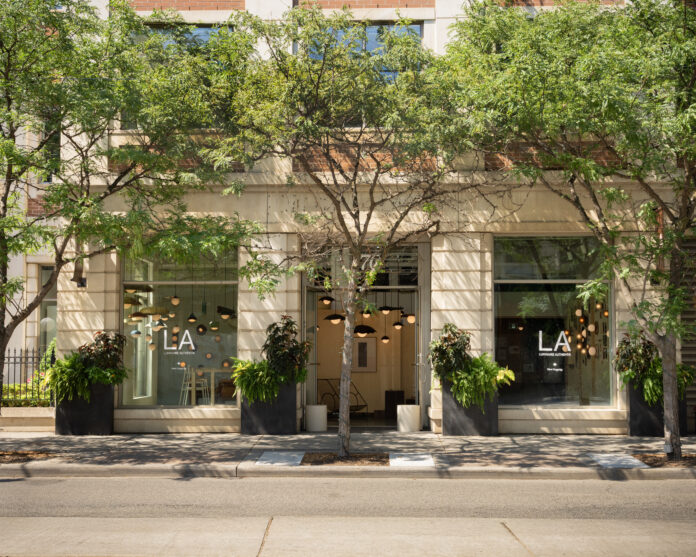
Luminaire Authentik Toronto Showroom

Quebec-based lighting brand Luminaire Authentik has opened a substantially larger Toronto showroom in the King East Design District, giving the growing Canadian manufacturer a new platform for retail sales, professional collaboration and further expansion.

Founder and designer Maude Rondeau

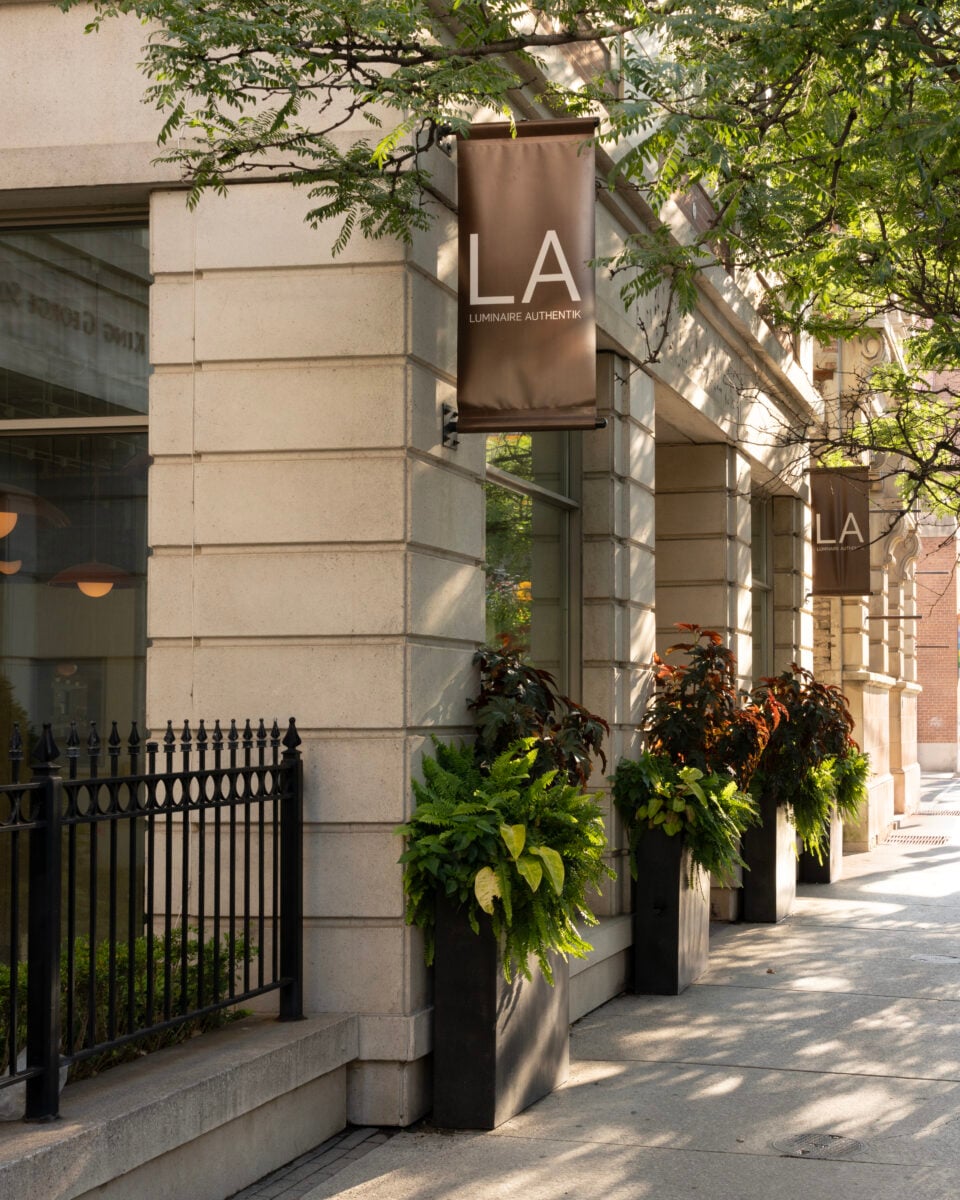
Located at 170 King Street East, the showroom replaces the company’s smaller boutique on Queen Street East in Leslieville. The new space is approximately four times larger and places Luminaire Authentik within one of Toronto’s best-established concentrations of furniture, lighting and interior design businesses.

The opening comes as Luminaire Authentik prepares for further growth outside Quebec. Founder and designer Maude Rondeau said the company is searching for a retail location in Vancouver, while Quebec City is also part of its expansion plans.

For Rondeau, the Toronto move marks an important stage in the company’s evolution from a business launched in her garage to a Canadian lighting manufacturer with a growing physical retail network.

“It was important for us to find the right location and to be in the design district,” Rondeau told Retail Insider. “It was time to make a statement.”

“We are looking at opportunities in the United States, but our first priority is to establish ourselves more fully across Canada,” she added.

A Larger Toronto Presence

Luminaire Authentik first entered Toronto with a boutique on Queen Street East, which opened during the pandemic. The small showroom gave the company an initial presence in Ontario, but its limited footprint eventually became difficult to reconcile with a growing Toronto team and an increasingly involved consultation process.

The King East flagship provides enough room for several clients and design professionals to work with the company at the same time. It also accommodates the brand’s Toronto office alongside a broader product and material presentation.

Rondeau said she had previously considered the King East property but initially believed it was larger than the company needed. When she returned to the space, she began to see how it could support Luminaire Authentik’s longer-term plans.

“I came back and thought, ‘This is the perfect place for us. We are going to make it work,’” she said.

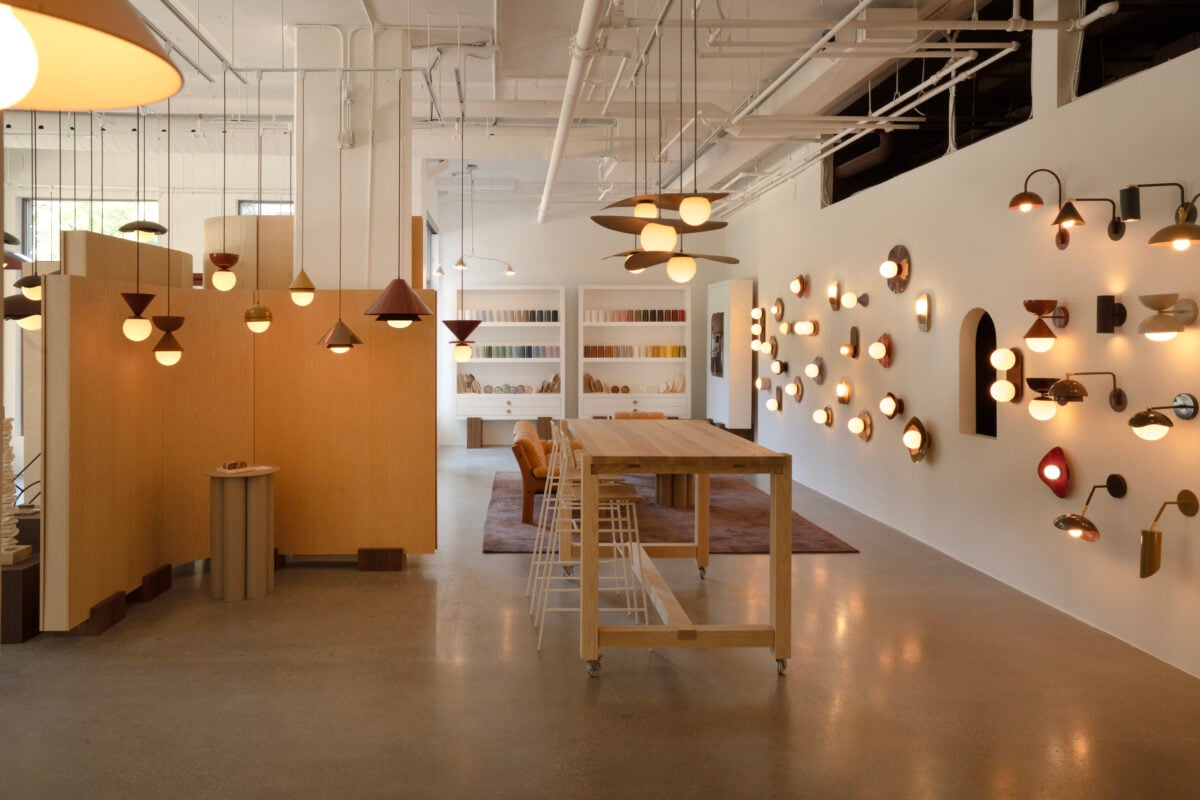
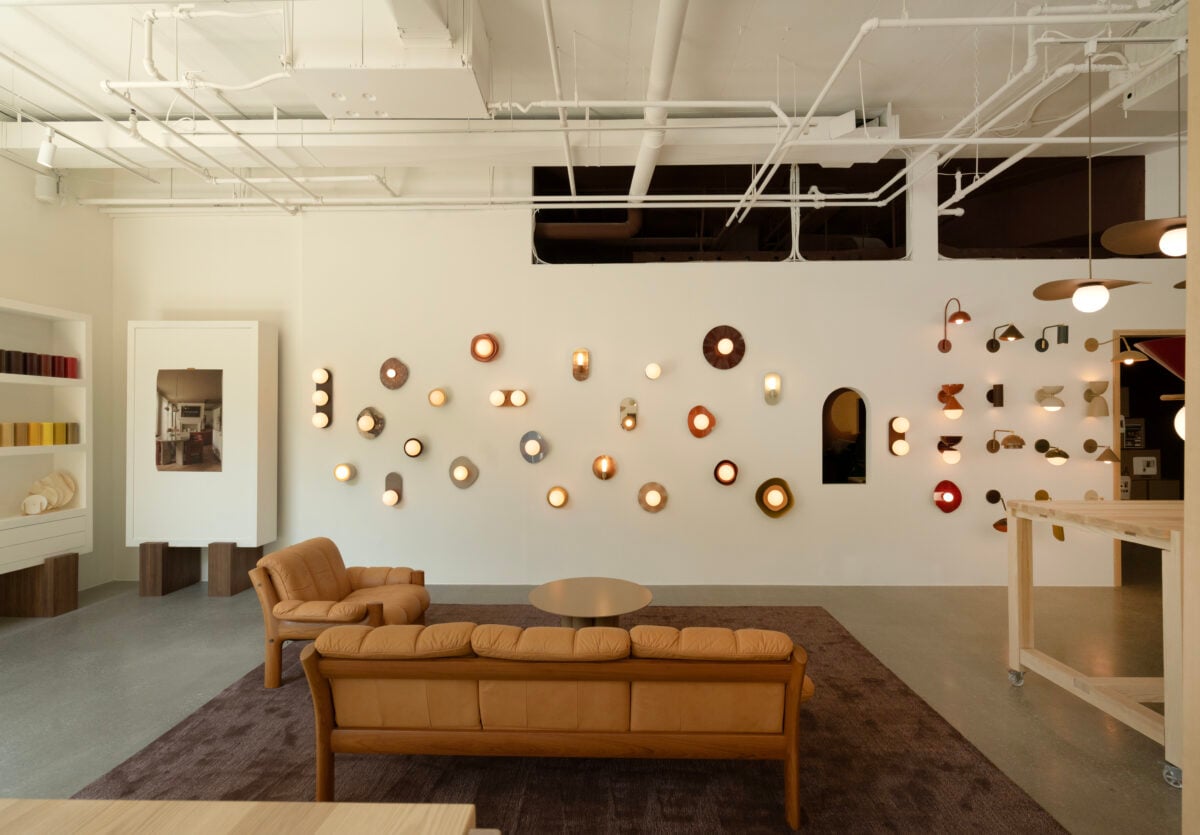
The showroom was developed in collaboration with Toronto-based Mason Studio and organized around a guided process of discovery, consultation and customization. Visitors can see complete lighting families, compare colours and materials, and work through possible configurations with the Luminaire Authentik team.

One area functions as a gallery, presenting the ideas and creative development behind new and upcoming collections. Mood boards and visual storytelling provide a look at how products move from initial inspiration to completed fixtures.

Collections are displayed in coordinated vignettes, while a dedicated wall presents the company’s range of sconces and colours. Several consultation stations allow designers and customers to work on residential and commercial projects within the showroom.

The material library includes the company’s colour range, glass options, natural stone, onyx and other finishes. A second section is being prepared for Lunch & Learns, material presentations and ongoing programming for Toronto’s architecture and design community.

“We wanted enough space to work with several clients at once and to create an environment where people can feel inspired,” Rondeau said. “The showroom takes visitors through the collections, materials and creative process in a much more complete way.”

The location places the company in the King East Design District, a part of Old Town Toronto known for its concentration of furniture, lighting, surface, appliance and interior design showrooms. The area attracts consumers along with architects, designers, developers and other professionals working across the built environment.

That professional audience is particularly important to Luminaire Authentik, whose fixtures are used in residential, hospitality and commercial projects and often require detailed decisions around proportions, finishes and materials.

Luminaire Authentik Toronto Showroom

From a Garage to Quebec Manufacturing

Rondeau founded Luminaire Authentik in Cowansville, Quebec, in 2015 with the goal of making locally designed, customizable lighting available at an accessible price point.

“At the time, it was very difficult to find a locally made design product that was also accessible,” she said. “I realized that the only way to create what I had in mind was to do it myself.”

She began producing fixtures in her garage. As the business expanded, Luminaire Authentik moved into a former grocery store in Cowansville that was converted into a manufacturing facility, workshop and head office.

The Cowansville operation remains central to the company’s identity and growth strategy. Luminaire Authentik says its products are designed, engineered and manufactured locally, with many of its suppliers and business partners located within approximately 30 kilometres of the facility.

Rondeau said keeping production close to the design team gives the company more control over quality, product development and customization. It also allows Luminaire Authentik to test materials and introduce new models without navigating a long and distant production chain.

“Continuing to manufacture locally is one of the company’s main priorities,” she said. “It gives us a great deal of flexibility and allows us to keep developing new models, new materials and new ideas.”

The company has broadened its offering to include fixtures incorporating stone, onyx, mirror and glass. Rondeau said Luminaire Authentik is also preparing to introduce a cast-iron collection in October, with a focus on craftsmanship, texture and the qualities of the material itself.

Manufacturing in Quebec allows the company to make fixtures by hand and adapt them to individual projects. That capability has helped Luminaire Authentik serve homeowners while working with designers, architects and clients in the hospitality, restaurant, office and commercial sectors.

Thousands of Possible Combinations

Customization has become one of Luminaire Authentik’s defining features. The company offers approximately 60 colours, along with different fixture shapes, structures, glass finishes, natural stones, wires and other components. These elements can be combined to create a fixture suited to the dimensions, palette and character of a particular space.

Rondeau estimated that Luminaire Authentik offers approximately 16,000 possible structural combinations before colour and material selections are considered. Once those additional variables are included, the range of possible finished designs grows considerably.

“Customers can choose a shape, a construction and the materials, and then build a light that feels specific to their space,” she said.

The breadth of the assortment also created an operational challenge. The company needed to give customers a clear way to explore the available options without making the process feel complicated.

Luminaire Authentik developed a 3D configurator that allows users to select shapes, structures and finishes, visualize the completed product and submit the chosen configuration to the production team. The digital tool works alongside the physical showroom, where clients can inspect samples and see how colours and surfaces respond to light.

“Our goal has always been to offer a locally made product that is accessible while creating a personalized experience for the client,” Rondeau said.

The showroom brings that customization model into a physical environment where clients can compare materials, discuss projects and refine their selections with the company’s team.

Luminaire Authentik Toronto Showroom

Lighting Takes a Larger Role in Interior Design

Rondeau has seen lighting assume a more prominent position within residential and commercial design during the company’s growth.

Fixtures that were once treated primarily as functional objects are increasingly being selected as central design elements, she said. A pendant, wall fixture or sculptural installation can become a defining feature within a room.

“Lighting is becoming much more important in interior design,” Rondeau said. “People are beginning to treat it almost like a piece of art.”

The character and temperature of light can influence the way furniture, surfaces, colours and materials are experienced. Rondeau said a carefully designed interior can lose much of its effect when the lighting is poorly selected.

“You can have the most beautiful furniture in the world, but if the lighting is not appropriate, it can change the entire space,” she said.

She believes customers are becoming more conscious of the relationship between lighting, atmosphere and emotion. That awareness has supported demand for fixtures that can be tailored to a particular interior.

It also helps explain the company’s continued investment in physical showrooms. Customers can browse and configure products online, but materials and illuminated finishes can appear significantly different when experienced in person.

“For lighting, it is important to be able to touch the materials, feel their texture and see all the finishes,” Rondeau said. “The showroom makes that experience much stronger, which is one of the reasons we plan to open more locations.”

Growing Interest in Canadian-Made Products

Luminaire Authentik’s expansion is taking place as customers pay closer attention to where products are made and how they reach the market.

Rondeau said interest in Canadian-made goods strengthened following the pandemic and has become more visible during recent trade and tariff discussions involving Canada and the United States.

Customers are also increasingly aware of the employment and environmental implications of local manufacturing, she said. Producing in Quebec supports skilled jobs and allows the company to maintain a shorter, more closely connected supply network.

“It is increasingly rare to find a product that is designed and manufactured locally,” Rondeau said. “People are proud to support that.”

For Rondeau, the response has been meaningful because domestic manufacturing was part of the company’s original purpose, long before buying Canadian became a more prominent public conversation.

“Local production has been my priority since the beginning, so I sometimes forget how unusual it has become,” she said. “When I see how proud people are to purchase something we made here, it is incredibly rewarding.”

Luminaire Authentik Toronto Showroom

Vancouver and Quebec City on the Expansion Agenda

Toronto is expected to play an important role in Luminaire Authentik’s next phase of growth.

Rondeau said Ontario offers a large addressable market and considerable room for the company to deepen its relationships with homeowners, designers, architects and commercial clients.

“Toronto is a very important market for us,” she said. “There is a great deal of opportunity here. We continue to grow in Quebec, but there is still much more we can accomplish in Ontario.”

Luminaire Authentik currently operates locations in Montreal, Cowansville and Toronto. Its Cowansville showroom is connected to the company’s workshop and administrative operations and includes a material library for client and professional consultations.

Vancouver is expected to be the next market. The company is currently searching for an appropriate retail space, while Quebec City is also being considered as Luminaire Authentik expands within its home province.

The Toronto flagship offers an early indication of what those future locations could become. The space supports retail purchases, professional consultations, product education and an ongoing conversation around materials and Canadian manufacturing.

Rondeau joked during the interview that she had “caught the bug” for opening showrooms. The comment reflects a serious shift in the business, with physical retail becoming increasingly important to the way Luminaire Authentik introduces its products, works with design professionals and builds awareness outside Quebec.

With manufacturing remaining in Cowansville and new markets beginning to open, Luminaire Authentik is entering a new stage of growth that pairs Canadian production with an expanding national showroom network.

More from Retail Insider:
Montréal tourism season on track for record year as hotel demand, business travel rise

Tourisme Montréal photo

Montréal’s tourism sector is on track for a record year after hotel demand and occupancy increased through the first three months of the peak season, with Canadian, U.S. and international visitors contributing to the gains.

Hotel occupancy reached 82 per cent from May through July, seven percentage points higher than during the same period in 2025, according to a mid-season report released by Tourisme Montréal.

Hotel demand rose 12 per cent over the three-month period, while July demand increased 14 per cent from a year earlier. Average occupancy reached 86 per cent in July.

“This summer, Montréal is reaching new heights, and that speaks to the strength and diversity of our destination,” said Yves Lalumière, president and CEO of Tourisme Montréal. “What is especially encouraging is that this growth comes from several sources and extends across the full season. With August and September still looking very strong, Montréal is clearly on track for a record year.”

Canadian and U.S. markets drive growth

Travel from the United States increased seven per cent from May through July, while Canadian travel grew five per cent. International markets also expanded, rising nearly five per cent during the period.

Tourisme Montréal said travel-planning indicators are also showing increased interest in the city. Google searches related to Montréal accommodations rose 16 per cent in the U.S. Northeast and eight per cent in Ontario.

The organization said the gains are being supported by a combination of tourism and business travel, along with a calendar of cultural, sports and other major events.

Phil Desforges photo

Business events add to hotel demand

Business events were a significant part of the summer performance, with Montréal welcoming 70 groups representing more than 50,000 delegates in June and July.

Several major international conventions were among those events, including gatherings involving the International Society for Stem Cell Research, the Geochemical Society, the American Society of Retina Specialists and the IEEE Power and Energy Society.

July accounted for an estimated 35,000 delegates, compared with 19,300 in July 2025.

A total of 144 conventions are scheduled in Montréal between May and September. Tourisme Montréal said the attendance rate for conventions has been 92 per cent since the beginning of the year, while the organization also has a pipeline of events planned for future years.

Major cultural and sporting events continue

Tourisme Montréal said the city’s cultural, culinary, sports and festival calendar has helped attract visitors with different interests throughout the season.

Osheaga, ahead of its 20th edition, recorded its second-highest attendance in the event’s history. The Festival International de Jazz de Montréal reported its highest attendance ever across its free and indoor programming, while the closing night of Juste pour rire also reached a new attendance peak.

Several major events remain on the calendar, including LASSO, Festival M.A.D., the Beach Pro Tour, the Vans Warped Tour and the UCI Road World Championships.

Strong outlook for August and September

Tourisme Montréal’s projections point to continued growth for the remainder of the season. Hotel demand is forecast to increase four per cent, with occupancy expected to exceed 85 per cent.

September is expected to be particularly strong, with the UCI Road World Championships among the factors contributing to demand. Current projections indicate hotel occupancy could reach about 90 per cent during the competition.

The organization also expects the French market to contribute to tourism activity in the coming months. Air capacity between Paris and Montréal is up 17 per cent across all airlines.

Tourisme Montréal is a private non-profit organization that promotes Montréal as an international leisure and business tourism destination. The organization says it has more than 1,000 members working directly or indirectly in the tourism industry and has been promoting the city for more than 100 years.

It says its mandate includes developing visitor experiences while seeking to maximize tourism’s economic benefits in a way that considers the city’s long-term impacts.

More from Retail Insider:
WeCook partners with chef Chuck Hughes on four-week back-to-school menu

Chef Chuck Hughes and WeCook Executive Chef Gabriel Drapeau

WeCook is teaming up with Montréal chef Chuck Hughes on a four-week collaboration that will add four limited-time meals to the ready-to-eat meal company’s weekly menus beginning Aug. 23.

The collaboration is aimed at the back-to-school period and will see Hughes work with WeCook executive chef Gabriel Drapeau on four meals incorporating products from Hughes’s retail collection.

The dishes will be introduced over four consecutive weekly menus, with two meals available during the first two weeks and two new meals following in the third and fourth weeks.

Four meals over four weeks

The menu will feature:

  • Weeks of Aug. 23 and Aug. 30: Chuck Hughes Antipasto & Bruschetta Salmon with Orzo; and Chuck Hughes Red Pepper Spread Agnolotti with Chicken.
  • Weeks of Sept. 6 and Sept. 13: Chuck Hughes White Balsamic Vinegar Kale & Goat Cheese Harvest Salad; and Chuck Hughes Reuben-Style Grilled Chicken with Mustard Coleslaw.

The meals will use products from Hughes’s retail collection, including Mild Antipasto, Red Pepper Spread, Tomato Bruschetta, White Balsamic Vinaigrette and Mustard Coleslaw.

“For me, good food doesn’t have to be complicated. It starts with great ingredients, simple techniques and big flavours. It was a lot of fun collaborating with the WeCook team and seeing my products used in four completely different meals. We’re both proud Montréal brands, and I hope these dishes make the busy back-to-school season a little easier with food that’s fresh, comforting and full of flavour,” said Hughes.

WeCook’s growth

The collaboration comes as WeCook continues to expand its ready-to-eat meal business. The company says it has grown by 1,000 per cent since 2020 and has created more than 600 jobs.

WeCook, which was established in 2013, operates a federally licensed production facility in Montréal and says it delivers more than 4.5 million meals annually to customers in Quebec and Ontario, as well as major metropolitan areas in the Maritimes and Western Canada from Winnipeg to Vancouver.

The company offers weekly menus of 15 recipes, along with snacks and beverages.

For WeCook, the Hughes collaboration also brings products from the chef’s retail business into prepared meals sold through its delivery service.

“Chuck’s creativity, authenticity and love of great food make him a natural partner for WeCook,” said Michel Gagné, CEO of WeCook. “Together, we’ve created meals that bring the flavours Canadians know from Chuck’s products into convenient, chef-crafted dishes for the busy back-to-school season.”

The four-week menu is scheduled to run through the week of Sept. 13, with each pair of dishes rotating into the company’s weekly offerings during the collaboration.

More from Retail Insider: