Home Blog Page 183

MANMADE Opens First Store at CF Carrefour Laval

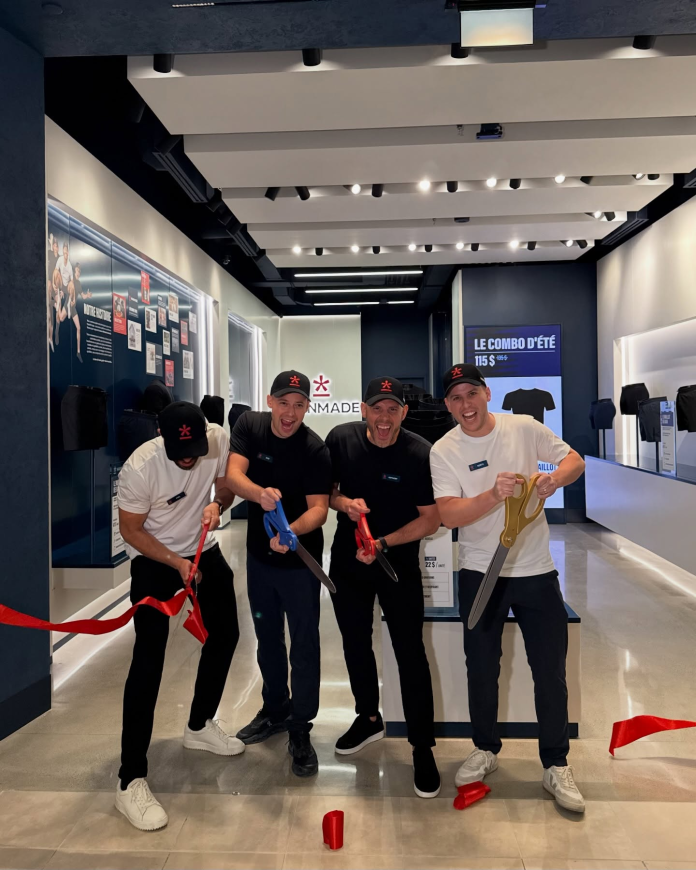
MANMADE founders open the brand's first physical store at CF Carrefour Laval on Friday, May 1, 2026. Photo: MANMADE

Canadian menswear brand MANMADE has opened its first-ever physical retail store, marking a significant step in the company’s evolution from a fast-growing direct-to-consumer business into a multi-channel retailer. The Montréal-based brand, which has built a customer base of more than one million across North America, debuted its inaugural location at CF Carrefour Laval, one of Québec’s most productive shopping centres.

Early performance has been strong. “Since the opening of the store, it’s been fantastic. It exceeded our expectations,” said co-founder Anthony Ciavirella in an interview. The response provides an early indication that the brand’s transition into physical retail may resonate with customers who have followed it online.

The opening signals a broader strategic shift for a digitally-native brand that has relied on e-commerce to drive rapid growth. As customer acquisition dynamics evolve and competition intensifies online, physical retail is emerging as a complementary channel that supports both growth and brand development.

MANMADE founders in a marketing image. Photo: MANMADE

From Finance Careers to Fast-Growing Consumer Brand

Founded in 2021 by Ciavirella, Philip Santagata, Robert Marzin, and Roberto Rebelo, MANMADE began with a simple premise: address what the founders described as the frustration of “bad underwear days.” The four childhood friends left careers in finance to build the company, launching with a single product and a tightly focused vision around quality, fit, and simplicity.

The brand gained traction through its direct-to-consumer model, emphasizing a limited assortment of core products rather than broad collections. Its flagship boxer briefs, made using Modal fabric derived from beech trees, were designed to offer softness, breathability, and durability, with functional features aimed at improving everyday comfort.

MANMADE has since expanded into additional categories including t-shirts, socks, and personal care items, while maintaining a consistent product philosophy. The company’s growth has been supported by strong repeat purchasing behaviour and a loyal customer base built through digital channels.

Building Momentum Through Media and Marketing

The company’s early momentum was accelerated following an appearance on Dragons’ Den in 2022, which introduced the brand to a national audience.

MANMADE has also leaned into localized marketing strategies to build awareness in its core market, including Super Bowl advertising placements in Québec through regional broadcast buys. The approach allowed the brand to reach a large audience while maintaining a targeted geographic focus.

At the same time, the company has built a strong digital presence through founder-led storytelling and relatable content. “Everything started with an iPhone,” Ciavirella said, noting that the brand’s marketing approach has been developed organically rather than through traditional channels.
MANMADE’s first physical store at CF Carrefour Laval. Photo: MANMADE

A Transition Point for a Digital-First Brand

The move into physical retail adds operational complexity, with costs tied to rent, staffing, and in-store execution. It also creates new opportunities to acquire customers, strengthen retention, and deepen brand engagement.

For MANMADE, the decision to open a store was driven in part by customer behaviour. “There is still fifty percent of people that want to touch and feel product before they purchase it,” Ciavirella said.

That insight is particularly relevant in categories such as underwear and essentials, where fabric, fit, and comfort are central to the purchase decision. A physical location allows customers to interact with the product directly, helping to reduce hesitation and build confidence.

Inside the Store Concept

MANMADE’s retail concept is built around a service-driven, highly curated experience that blends elements of showroom retail, hospitality, and digital integration.

Customers entering the store are greeted by brand ambassadors who assist throughout the journey. For those familiar with the brand, the process can be highly efficient. “You come in and you say, ‘I’d like seven pairs of boxers,’ and someone will come up to you with an iPad… we prepare that in the back and bring you your bag,” Ciavirella explained.

The system connects to customer profiles, allowing returning shoppers to quickly reorder past purchases. Transactions take place anywhere in the store using mobile devices, eliminating the need for a traditional checkout.

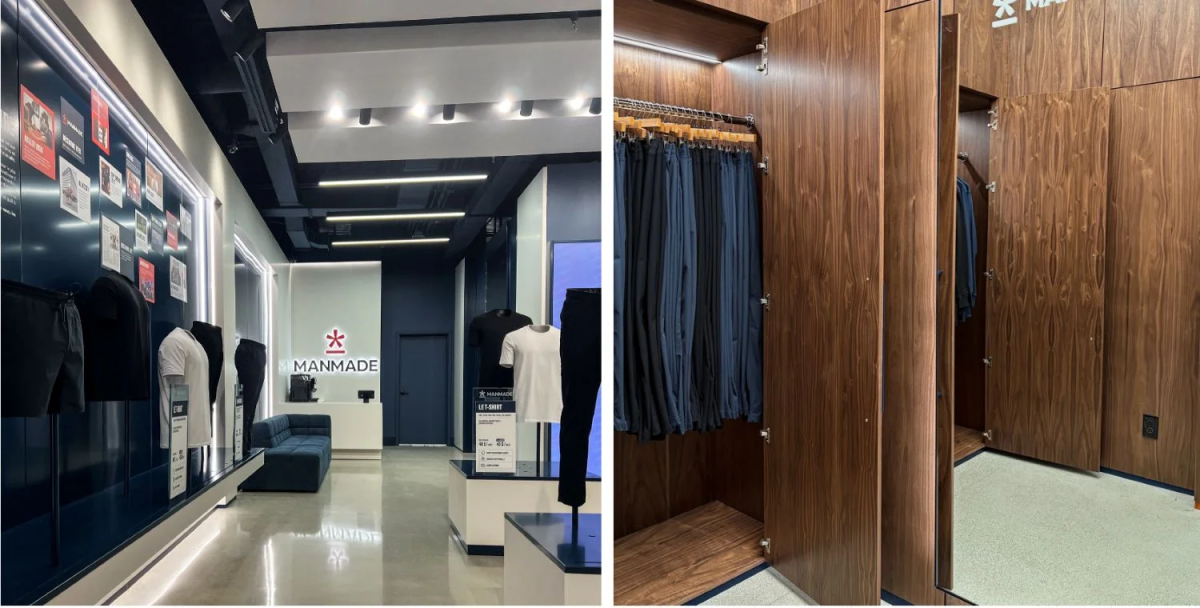
At the same time, the environment supports a more exploratory experience. The store features a central display area with minimal inventory, using custom fixtures and floating mannequins to highlight key products. A large-format digital screen showcases the brand’s marketing content and partnerships, reinforcing awareness and credibility.

Hospitality plays a role in the overall experience. Customers may be offered coffee or branded water while they wait for their order, adding a layer of service more commonly associated with higher-end retail environments.

Ciavirella described the concept as combining elements of Apple, Starbucks, and luxury hospitality brands, with a focus on attention to detail and customer comfort.
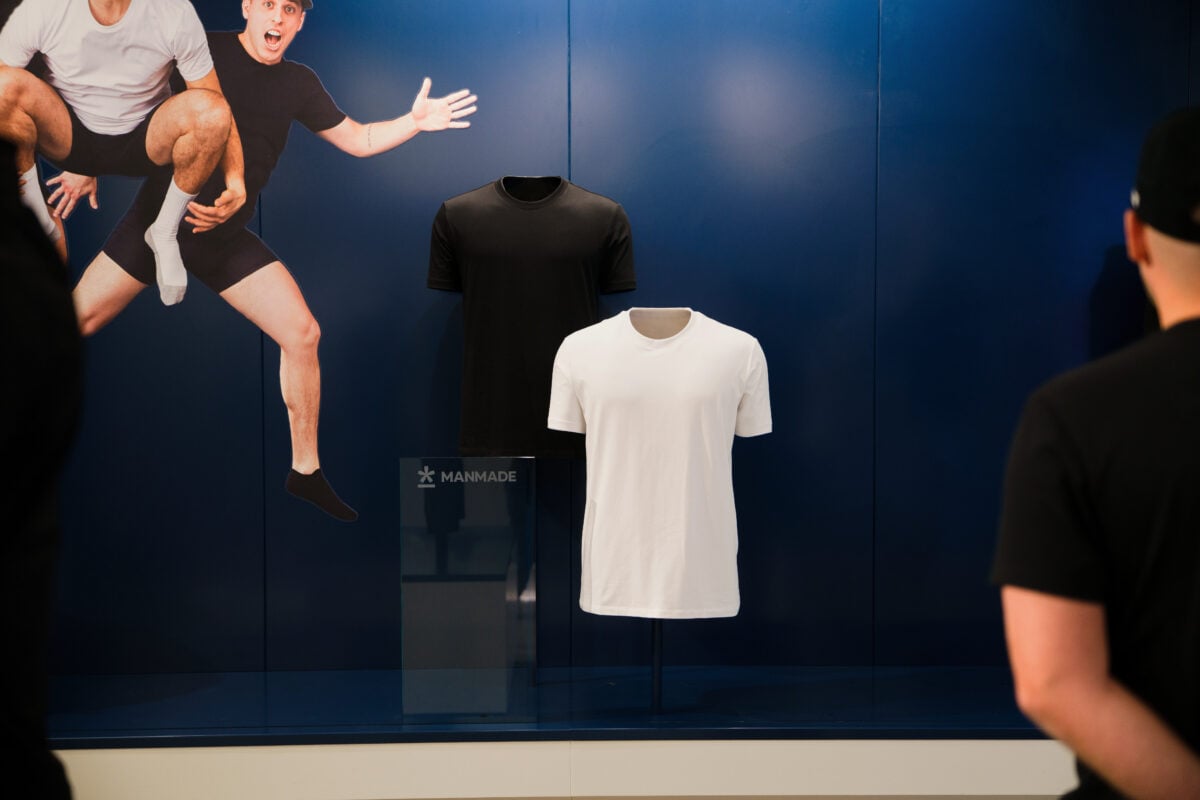
MANMADE’s first physical store at CF Carrefour Laval. Photo: MANMADE

Rethinking the Fitting Room Experience

One of the most distinctive elements of the store is its approach to fitting rooms. Rather than requiring customers to select items on the floor, each fitting room is designed as a walk-in space stocked with the full product assortment across sizes.

“You walk into a massive changing room that feels like a walk-in closet… you have every single one of our products in different sizes,” Ciavirella said.

The format allows customers to try multiple items without leaving the space, reducing friction and eliminating the need to request additional sizes. It also addresses a common pain point in traditional retail environments, where fit issues can create awkward interactions.

The approach aligns with the brand’s broader emphasis on comfort, ease, and functionality.

A Strategic Location with Broader Implications

The choice of CF Carrefour Laval as the first location is notable. The centre consistently ranks among the top-performing malls in the province and attracts strong regional traffic.

The opening also aligns with broader leasing trends across Canadian shopping centres. Landlords continue to introduce a more diverse mix of tenants, including digitally-native brands with established customer bases and distinct brand identities.

Brands that have built awareness online are increasingly seen as strong candidates for physical retail, particularly when they bring a differentiated concept and a clear brand narrative.
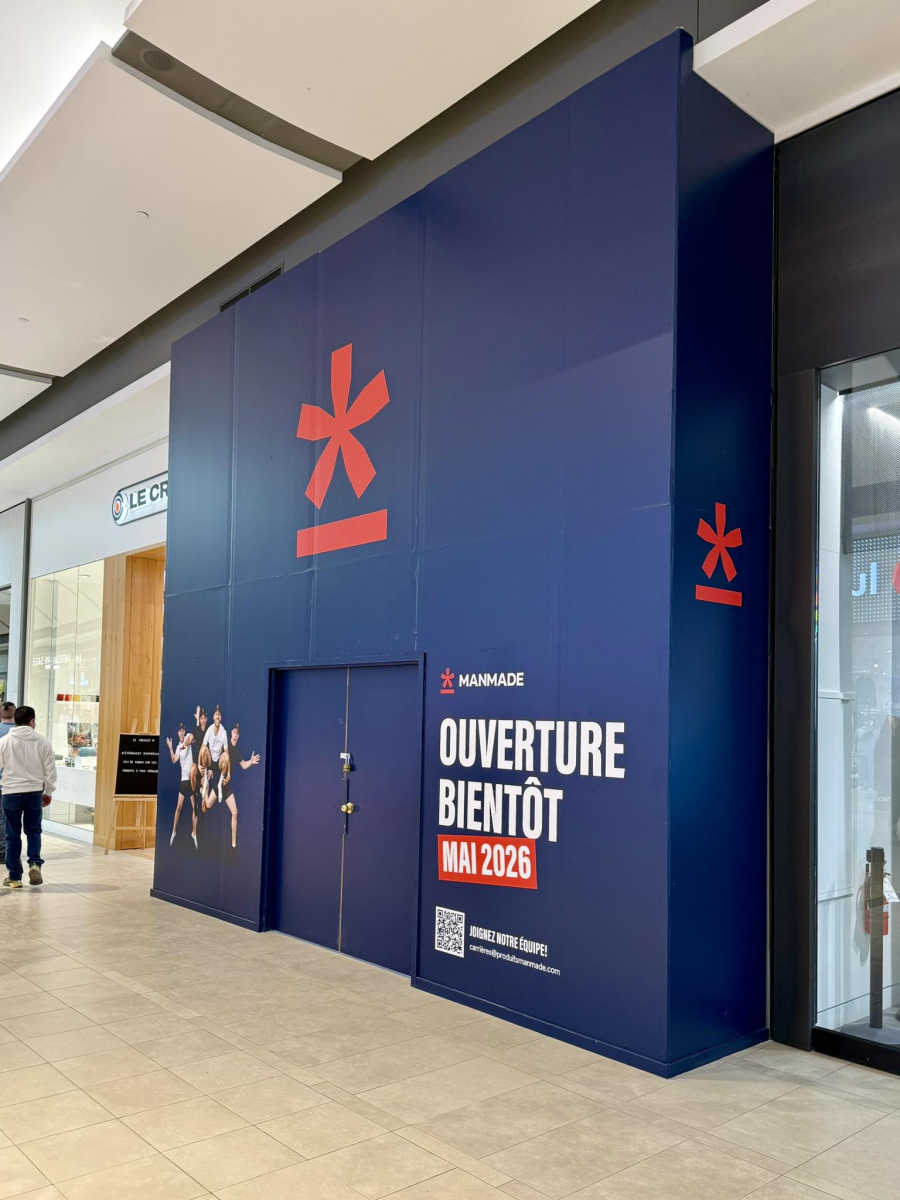
February 2026 construction hoarding for MANMADE’s first physical store at CF Carrefour Laval. Photo: MANMADE

Expansion Plans Take Shape

The company’s retail ambitions are now becoming clearer. MANMADE is targeting between 18 and 20 stores over the next three years, with an initial focus on Québec before expanding into other markets.

The strategy involves building a cluster of locations within a defined geographic radius before scaling further. Potential markets include additional locations in the Montréal area and Québec City, followed by expansion into Ontario.

Ontario already represents the brand’s largest market, accounting for approximately 40 percent of sales, compared to roughly 30 percent in Québec. The Greater Toronto Area is expected to be a key focus in the next phase of growth.

Understanding the Customer

MANMADE’s customer base offers additional insight into its positioning. While the products are designed for men, approximately 50 percent of purchases are made by women buying for partners or family members.

The brand’s core user tends to be older, with Ciavirella noting that the typical wearer is 40 and above, though the broader customer base spans a wide age range.

The focus remains on everyday essentials. “It’s the foundation of a man’s wardrobe,” Ciavirella said, describing products that can be worn across multiple settings, from travel to work to leisure.

Product Discipline and Long-Term Positioning

As the company expands, it continues to emphasize product quality and discipline. Ciavirella pointed to a recent decision to delay the launch of a new polo shirt because it did not meet internal standards.

“We wanted to make sure that product is perfect before going out to market,” he said.

This approach reflects a broader philosophy built around three pillars: product, customer experience, and marketing. The company also backs its offering with a fit and comfort guarantee, reinforcing confidence in the brand.

“If it doesn’t fit right or feel right, it’s backed by people that will make it right,” Ciavirella said.

A Signal of Where Retail Is Headed

MANMADE’s entry into physical retail highlights a broader shift across the industry. Digitally-native brands are increasingly viewing stores as an extension of their online platforms, supporting customer acquisition and long-term engagement.

For MANMADE, the first store represents both an opportunity and a test. It provides a platform to strengthen relationships with customers while introducing new operational demands.

At the same time, the concept offers a glimpse into how retail environments may continue to evolve. By integrating digital tools, service, and product interaction into a single experience, MANMADE is positioning its first store as a model that blends efficiency with personalization.

As the company moves forward, the performance of this location and the rollout of additional stores will offer insight into how effectively a digitally-native brand can translate online momentum into sustained growth within physical retail.
More from Retail Insider:

Frette Opens First Canadian Boutique in Toronto’s Yorkville

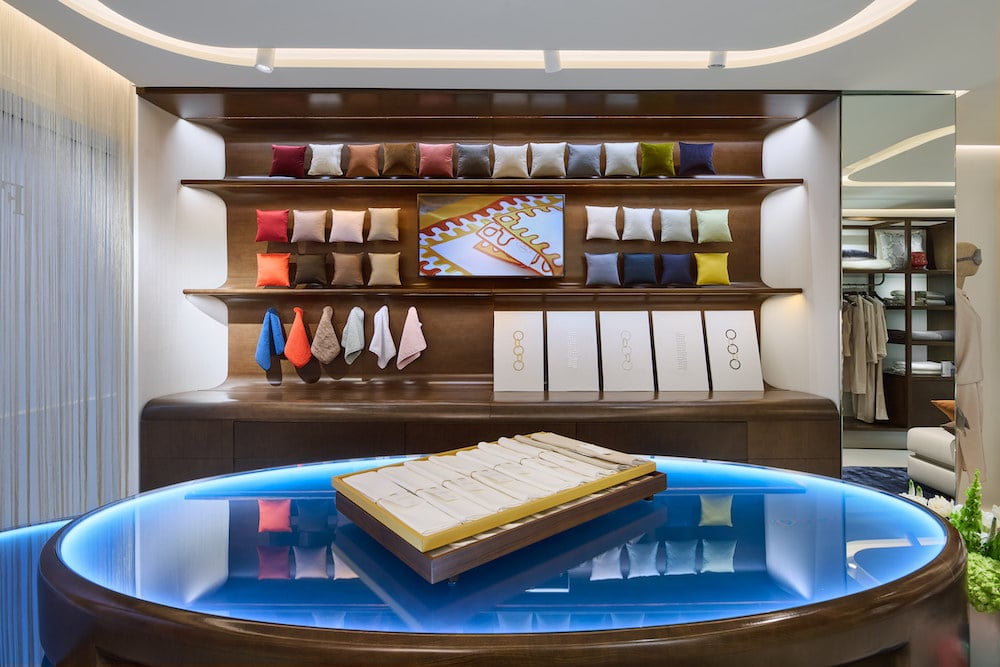
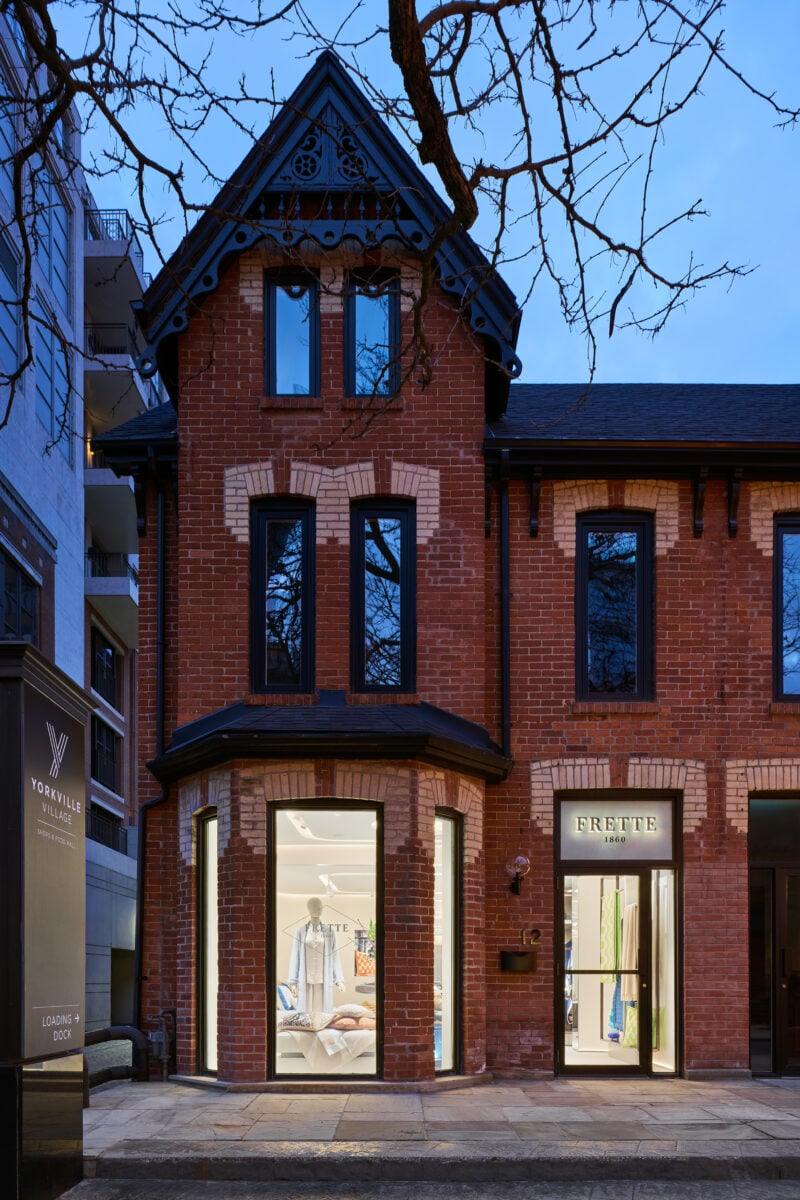
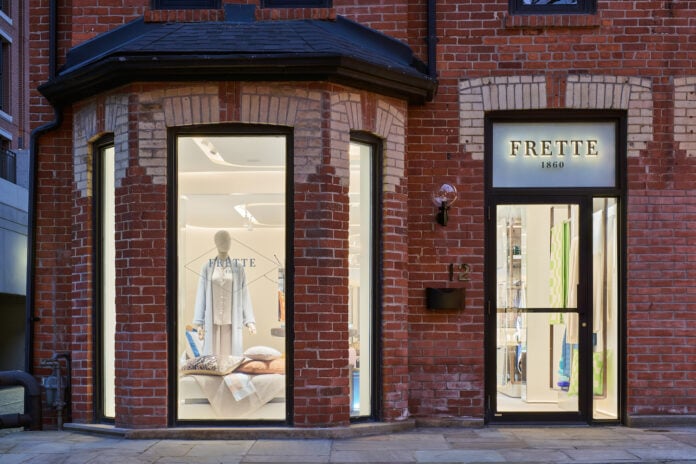
Frette at 12 Hazelton Avenue in Toronto. Photo: Michael Muraz

Italian luxury linen and home furnishings brand Frette has opened its first standalone Canadian boutique in Toronto’s Yorkville neighbourhood, marking another notable international luxury retail entry into the country as the district continues evolving as one of Canada’s dominant luxury shopping nodes.

The new store at 12 Hazelton Avenue introduces not only the brand’s first Canadian physical retail presence, but also the first North American implementation of Frette’s newly developed experiential boutique concept, following its debut in Shanghai in late 2025.

Founded in 1860, Frette is internationally recognized for its Italian-crafted luxury linens, bedding, bath collections, and home accessories. The company’s products have long been associated with elite hospitality and historic institutions, including luxury hotels, European royal households, and landmarks such as St. Peter’s Basilica.

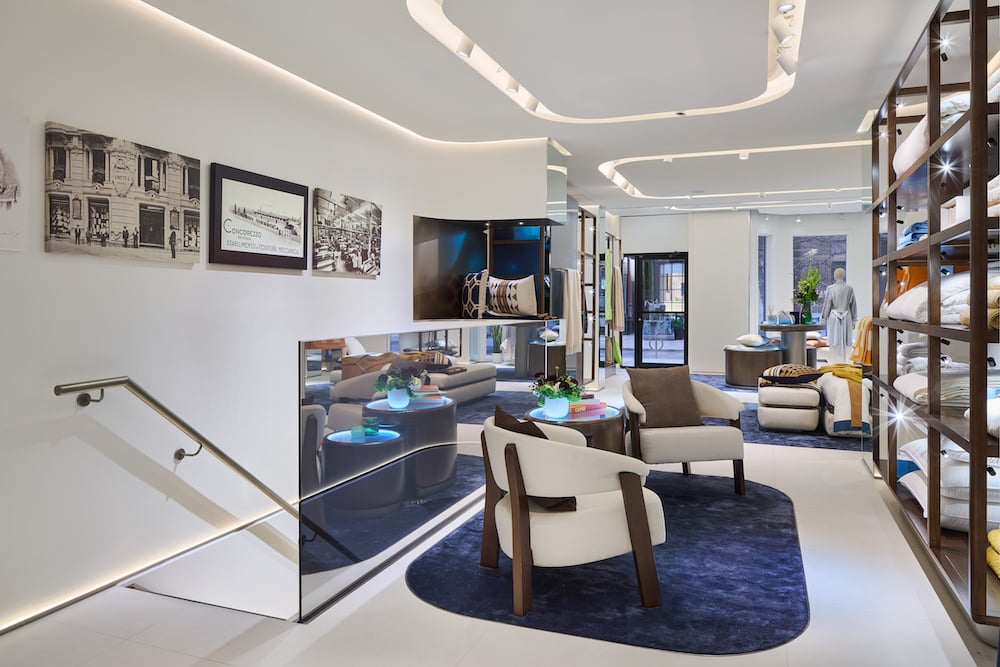
Frette at 12 Hazelton Avenue in Toronto. Photo: Michael Muraz
 

Toronto Chosen as Canadian Entry Point

Executives pointed to Toronto’s growing global profile and established luxury consumer base as key reasons for entering the Canadian market now.

“Toronto is one of North America’s most dynamic and internationally connected cities, with a well-established luxury landscape and a highly discerning clientele that appreciates quality craftsmanship and design,” said Cristiano Quieti, Group Chief Merchandising & Marketing Officer for Frette.

The opening comes as international luxury brands continue to expand their Canadian presence despite broader economic uncertainty affecting other retail sectors. Toronto’s Bloor-Yorkville district, in particular, has seen sustained investment from global luxury retailers as the area transforms into an increasingly affluent high-density residential and shopping district anchored by flagship stores and luxury hospitality.

No other downtown retail node in Canada currently matches the concentration of luxury brands found in the Yorkville area, outside of a smaller luxury cluster near Fairmont Hotel Vancouver in Vancouver.

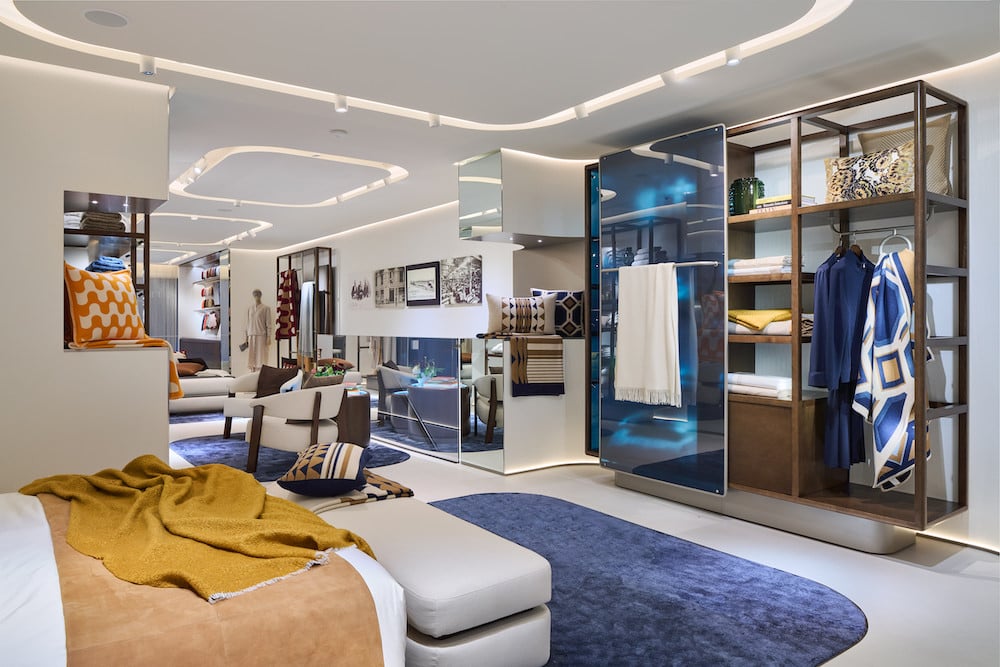
Frette at 12 Hazelton Avenue in Toronto. Photo: Michael Muraz
 

Hazelton Avenue Continues to Emerge as Luxury Lifestyle Corridor

Frette’s arrival also further reinforces the evolution of Hazelton Avenue into one of Toronto’s most refined luxury lifestyle retail streets.

The boutique occupies a space formerly home to Gallery Gevik, while adjacent storefronts and nearby tenants increasingly reflect a curated mix of upscale fashion, wellness, fragrance, and home-focused retailers.

Luxury cashmere and sleepwear brand Derek Rose opened nearby at 14 Hazelton Avenue last year before recently shuttering its Toronto location. Meanwhile, the broader street continues attracting premium concepts including SuitSupply, Le Labo, Atelier Munro, Rodd & Gunn, James Perse, and Hästens.

Industry sources have also indicated that luxury brands including Audemars Piguet and The Row have explored opportunities along the street in recent years.

Located directly behind the new Frette boutique is Yorkville Village, while nearby Yorkville Avenue continues to attract luxury tenants including Chanel, Stone Island, Brunello Cucinelli, Balenciaga, Kiton, and Christian Louboutin.

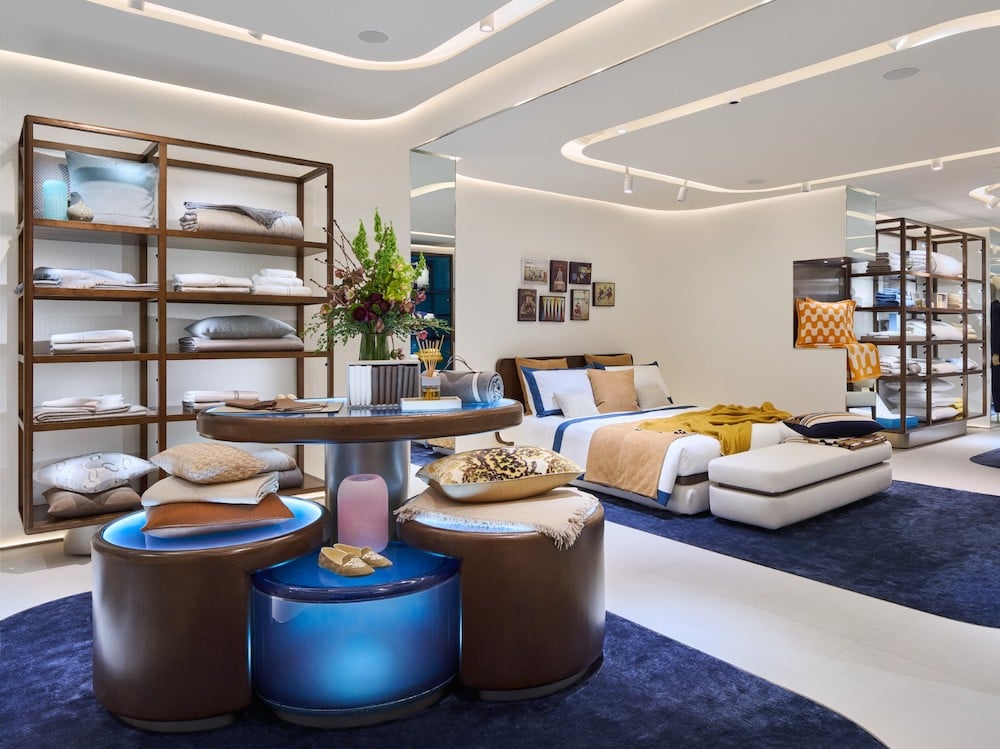
Frette at 12 Hazelton Avenue in Toronto. Photo: Michael Muraz

Boutique Designed as an Immersive Residential Environment

The Toronto location reflects a broader shift within luxury retail toward immersive, experiential store environments designed to deepen engagement and personalization.

Developed by Rotterdam and Dubai-based architecture and design firm ADS74, the concept reimagines the boutique as a private home environment rather than a conventional retail store.

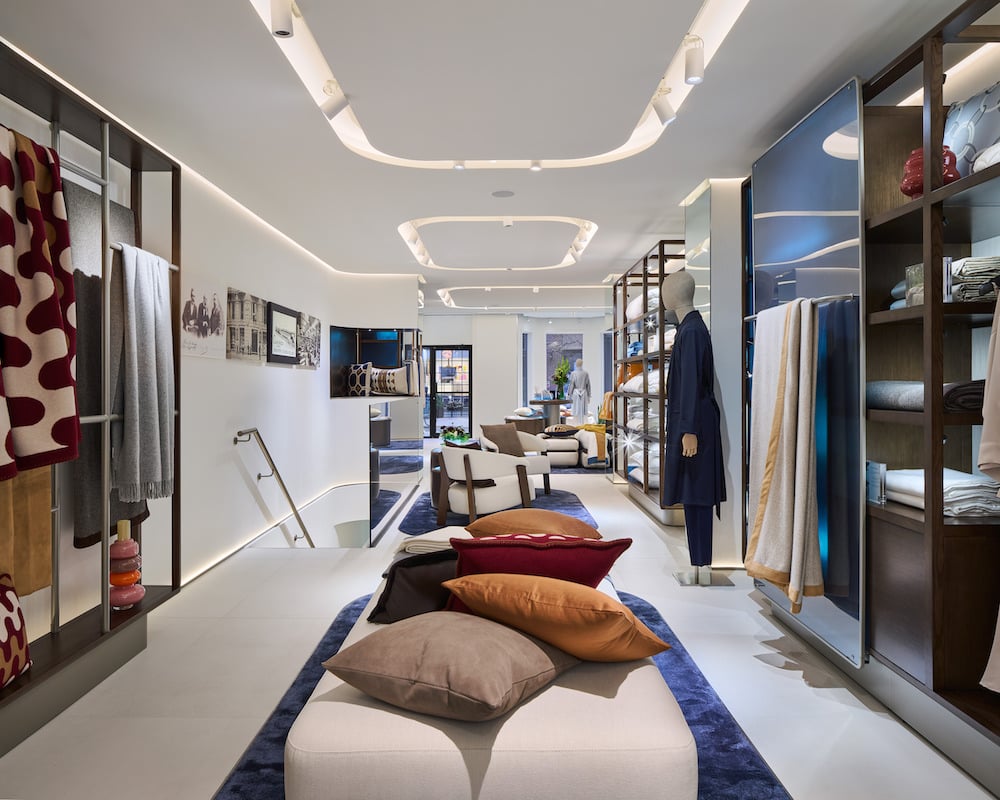
The space features curated residential-style vignettes showcasing the company’s bedding, bath, and home collections in lived-in settings intended to encourage exploration and tactile interaction.

Physical retail remains especially important for luxury home brands such as Frette because customers often want to experience materials firsthand before purchasing.

“Our products are inherently tactile and experiential,” Quieti explained. “Clients want to feel the fabrics, understand the construction, and engage with the collections in person.”

At the centre of the store is the Atelier Bespoke, a dedicated consultation space where customers can customize products through fabric, finish, and embroidery selections using digital visualization tools and one-on-one advisory services.

The boutique also incorporates what the company calls the “Frette Sanctuary Ceremony,” an educational touch-based experience allowing customers to compare fabric types, finishes, and textures in a guided setting.

Frette at 12 Hazelton Avenue in Toronto. Photo: Michael Muraz

Luxury Home Retail Continues to Grow Globally

Frette’s Canadian entry also reflects broader momentum within the global luxury home and hospitality sectors, which have seen increased consumer interest following the pandemic-era focus on residential living and wellness-oriented interiors.

While historically known primarily for bedding and bath linens, Frette has expanded further into broader lifestyle categories including home accessories, loungewear, and bespoke hospitality solutions as part of a larger global growth strategy.

The company currently operates more than 100 boutiques worldwide and maintains hospitality relationships with over 1,000 luxury hotels globally, including brands such as The Ritz-Carlton, St. Regis Hotels & Resorts, and Rosewood Hotels & Resorts.

Executives say the Toronto boutique is intended to strengthen direct relationships with Canadian customers while serving as a long-term foundation for future regional expansion.

“We’re approaching expansion thoughtfully, with a focus on ensuring each location reflects the level of service and experience our clients expect,” Quieti said.

Although the Toronto boutique represents Frette’s first standalone Canadian store, the company has previously maintained a selective wholesale presence in Canada through high-end home and linen retailers including David’s Fine Linens in Toronto, Maison Lipari in Montreal, Palais Royal House & Home in Toronto, and Atkinson’s in Vancouver.

Frette at 12 Hazelton Avenue in Toronto. Photo: Michael Muraz

Toronto Continues Attracting Global Luxury Investment

Frette’s opening adds to a growing list of international luxury retailers establishing standalone Canadian stores in Toronto over the past several years.

The city’s luxury retail market has continued to evolve well beyond traditional fashion categories, increasingly incorporating hospitality-inspired concepts, wellness brands, luxury home furnishings, and experiential retail environments designed around lifestyle and personalization.

That evolution has been particularly visible throughout Yorkville, where rising residential density, international tourism, luxury hotel investment, and affluent local demographics continue supporting premium retail expansion.

Frette at 12 Hazelton Avenue in Toronto. Photo: Michael Muraz

More from Retail Insider:

Canadian unemployment rate increases in April: Statistics Canada

Ketut Subiyanto photo

Employment was little changed in April (-18,000; -0.1%) and the employment rate fell 0.1 percentage points to 60.5%. The unemployment rate increased by 0.2 percentage points to 6.9%, as more people searched for work, reported Statistics Canada on Friday.

Employment varied little across major age groups in April. However, the unemployment rate increased among youth aged 15 to 24 (+0.5 percentage points to 14.3%) and among core-aged men aged 25 to 54 (+0.3 percentage points to 6.1%), said the federal agency.

“Fewer people were employed in Quebec (-43,000; -0.9%), Newfoundland and Labrador (-5,200; -2.1%), Saskatchewan (-4,000; -0.6%) and New Brunswick (-2,700; -0.7%). Employment increased in Ontario (+42,000; +0.5%) and was little changed in the other provinces. Average hourly wages among employees were up 4.5% (+$1.64 to $37.77) on a year-over-year basis in April, following growth of 4.7% in March (not seasonally adjusted),” it said.

Statistics Canada said April marked the second consecutive month of little variation following the monthly decline of 84,000 (-0.4%) in February. On a year-over-year basis, employment in April was up by 67,000 (+0.3%), but recorded a net decline of 112,000 (-0.5%) over the first four months of 2026.

The employment rate—the proportion of the population aged 15 and older who are employed—decreased by 0.1 percentage points to 60.5% in April, matching a recent low observed in August 2025. The rate was down 0.3 percentage points on a year-over-year basis in April, added the federal agency.

“In April, full-time employment fell by 47,000 (-0.3%), while part-time employment edged up (+29,000; +0.8%). The net overall decline in employment over the first four months of 2026 was concentrated in full-time work, which fell by 111,000 (-0.6%) over the period,” explained Statistics Canada.

“There was little change in the number of private and public sector employees as well as in the number of self-employed workers in April. Compared with 12 months earlier, the number of private sector employees was up by 91,000 (+0.7%), while self-employment was down by 55,000 (-2.0%). Public sector employment was little changed over the period.”

In April, the unemployment rate rose 0.2 percentage points to 6.9%, as more people searched for work (+51,000; +3.4%). The unemployment rate has increased 0.4 percentage points since January 2026, but remained below the recent peak of 7.1% observed in August and September of 2025. On a year-over-year basis, the unemployment rate was virtually unchanged in April 2026, it said.

“The proportion of unemployed people who had been continuously searching for work for 27 weeks or more—considered long-term unemployment—was 22.5% in April. This proportion was little changed both in the month and compared with 12 months earlier. However, it remained significantly above the pre-COVID-19 pandemic average of 17.1% observed from 2017 to 2019. At the same time, the monthly layoff rate (0.6%) in April remained in-line with the pre-pandemic average, showing no recent elevation (not seasonally adjusted),” said Statistics Canada.

On a month-over-month basis, employment decreases in April were concentrated in information, culture and recreation (-25,000; -2.8%), construction (-16,000; -1.0%), and in ‘other services’ (-13,000; -1.6%), an industry which includes repair and maintenance as well as personal services, noted Statistics Canada, adding that employment increased in business, building and other support services (+22,000; +3.2%), health care and social assistance (+18,000; +0.6%) and in accommodation and food services (+13,000; +1.1%)


Unemployment rate by province and territory, April 2026

Thumbnail for map 1: Unemployment rate by province and territory, April 2026
Andrew Hencic
Andrew Hencic

“A modest drop in employment coupled with a sizeable jump in the labour force drove up the unemployment rate two ticks this month. Although the monthly data reflect a high degree of variability, the persistently elevated unemployment rate is reflective of a job market that continues to struggle to absorb labour supply. In the coming months we expect the labour force increases to lose steam and help cap further rises in the unemployment rate, said Andrew Hencic, Director & Senior Economist, TD.

“The economic outlook is far from rosy and the ongoing slack in the labour market is reflective of an economy that is still struggling to gain traction. However, with the labour market still soft, the ability of firms to pass on cost increases from the inflation shock to consumers is more limited. This is a key factor that underpins our view that if the sharp rise in oil prices begins to reverse in the coming weeks, the Bank of Canada will be able to stay on hold this year.”

More from Retail Insider:

Affordability Is Changing How Canadians Eat Protein

Grocery basket in a grocery store. Image: iStock/licensed

For years, the food industry assumed Canada’s protein future would be shaped by a dramatic shift toward veganism and strict plant-based eating. That future never arrived. Instead, Canadians have chosen something far more pragmatic and far more disruptive to the market: flexibility.

The latest Canadian Food Sentiment Index from Dalhousie University’s Agri-Food Analytics Lab, supported by Caddle, shows a remarkable transformation in dietary behaviour among Canadian adults. Omnivorous diets, meaning consumers with no specific dietary restrictions, fell from 67.6% in Fall 2024 to 55% in Spring 2026.


Based on Canada’s adult population, that represents approximately 2 to 3.5 million fewer adult Canadians identifying as omnivores in less than two years. Meanwhile, flexitarian diets climbed steadily from 4.6% to 9.4%, paleo also expanded significantly. Vegetarian and vegan diets, despite years of headlines suggesting explosive growth, remained relatively small and mostly stagnant. In fact, at 2.6% of respondents in Spring 2026, the data suggests that roughly 600,000 adult Canadians identify as vegan today. That figure has barely moved over the last several survey waves despite enormous media attention and billions invested globally into plant-based alternatives.


This is not a vegan revolution. It is a protein recalibration, and it is already reshaping Canada’s agri-food economy. Canadians are no longer defining themselves by strict labels like “vegetarian” or “vegan.” Instead, they are becoming opportunistic eaters, adapting their diets based on price, convenience, health goals, protein density, satiety, and increasingly, metabolic concerns tied to GLP-1 medications like Ozempic. The old assumption was binary: consumers would either eat meat or reject it. But today’s consumer wants flexibility and optionality. Someone may eat steak on Friday, Greek yogurt on Saturday, plant-based protein on Monday, and skip lunch entirely Tuesday because of appetite suppression drugs. This creates a far more volatile and fragmented protein economy.

The graph tells us something profound: Canada is not abandoning animal protein. Canadians are becoming more selective about when, how, and why they consume it. That shift is already sending shockwaves through food manufacturing and retail. Traditional meat categories are under pressure, especially premium red meat consumed at home. But value-added proteins are thriving. High-protein snacks, fortified beverages, dairy-based protein products, egg innovations, and hybrid foods are outperforming expectations. The success of protein-enhanced foods, from yogurt to beer, reflects a market obsessed not with ideology, but functionality. Consumers increasingly ask one question before buying food: “What does this do for me?” That is why cottage cheese suddenly became fashionable again. It is why protein bars now occupy entire aisles. It is why dairy is quietly winning the protein wars despite years of criticism from anti-animal-product activists.

Ironically, many plant-based food companies misunderstood consumer psychology. Canadians never truly wanted ultra-processed meat replicas as much as investors believed. They wanted moderation, affordability, and nutritional efficiency. Flexitarianism offers all three. The data also reveals the immense economic pressure Canadians remain under. Meat inflation has consistently outpaced many other food categories in recent years, while household budgets remain stretched. For many households, especially larger families, dietary adaptation is no longer philosophical. It is financial. That is why flexitarianism is growing faster than veganism. Consumers are not necessarily making ethical declarations. They are managing budgets.

The implications for agriculture are enormous. Canada’s livestock sector is unlikely to disappear despite years of predictions suggesting otherwise. But producers will face a more segmented marketplace. Premiumization, traceability, sustainability claims, animal welfare standards, and protein functionality will matter more than sheer volume growth. Meanwhile, pulse producers and ingredient manufacturers may benefit enormously from hybrid consumption patterns. Lentils, chickpeas, pea proteins, and beans are increasingly integrated into mainstream diets without consumers fully abandoning meat. Canada, one of the world’s largest pulse exporters, is uniquely positioned to capitalize on this middle ground.

For over a decade, the food conversation was dominated by activists predicting the collapse of animal agriculture and the inevitable rise of fully plant-based diets. But Canadians have chosen moderation instead of absolutism. That may frustrate ideological purists on both sides, but it reflects how real consumers actually behave during periods of economic uncertainty. People rarely eat according to political theory. They eat according to affordability, biology, convenience, and habit. The future of protein in Canada will not belong exclusively to meat, nor to plants. It will belong to flexibility.

More from Retail Insider:

Leon’s Furniture sees dip in sales in Q1

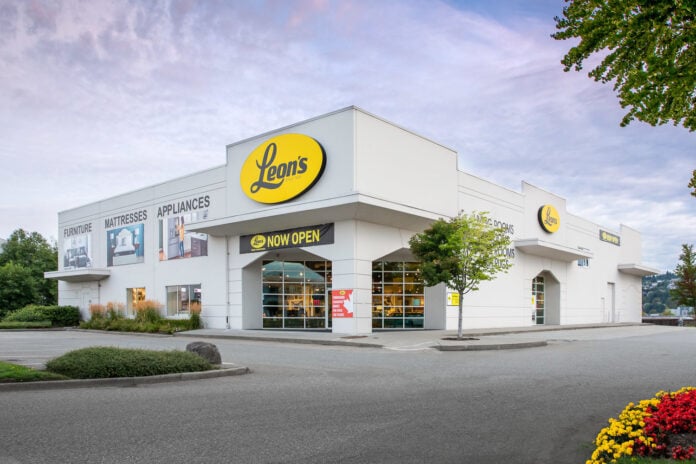
Leon's Furniture Coquitlam (Image: Leon's Furniture Limited)

Leon’s Furniture Limited announced Thursday financial results for the quarter ended March 31, 2026, showing system-wide sales of $672 million, a decrease of 3.5% from the same period a year ago.

“During the first quarter our team executed with discipline in a period defined by macro headwinds, a cautious consumer and particularly demanding prior-year comparables. We continued to grow share in our core categories while expanding gross margin with a consistent focus on thoughtful merchandising and an optimized promotional strategy. The mattress category was a clear standout, delivering mid-single-digit growth in a challenging segment – a direct result of the focused-assortment playbook that drove our furniture gains last year,” said Mike Walsh, President and CEO of LFL.

“While there are elevated risks across the broader economy, from potential tariffs to increased fuel costs, LFL is well positioned to continue to outperform through this cycle and to come out of it in a stronger position as conditions normalize. Retailers across the sector continue to face a more selective consumer, and we are navigating those pressures from a position of strength, with the business better positioned than ever before. Our scale, national distribution network and approximately $561 million in unrestricted liquidity position us to continue delivering value to Canadians, gaining share in our categories of focus, and delivering long-term returns for our shareholders.”

Financial Highlights – Q1-2026

  • System-wide sales for the quarter were $672.0 million, a decrease of 3.5%.
  • Q1 Revenue was recorded at $557.2 million, a decrease of 3.8%, driven primarily by timing of delivered sales in the furniture category as compared to Q1 last year, a challenging macro environment and unfavourable weather.
  • Same store sales decreased 4.2%.
  • Gross profit margin was 44.80%, a 21-basis points improvement driven by favourable category sales mix and improved appliance rates.
  • Net Income was $21.5 million compared to $23.8 million in the prior year.
  • Adjusted net income was $20.1 million compared to $24.1 million in the prior year.
  • On March 31, 2026, unrestricted liquidity was $560.8 million, comprised of cash, cash equivalents, debt and equity instruments and the undrawn revolving credit facility.

Leon’s Furniture Limited is the largest retailer of furniture, appliances and electronics in Canada. Its retail banners include: Leon’s; The Brick; Brick Outlet; and The Brick Mattress Store. With The Brick’s Midnorthern Appliance banner alongside with Leon’s Appliance Canada banner, this makes the company the country’s largest commercial retailer of appliances to builders, developers, hotels and property management companies. The company has 299 retail stores from coast to coast in Canada under various banners. It operates six websites: leons.ca, thebrick.com, furniture.ca, midnorthern.com, transglobalservice.com and appliancecanada.com.

More from Retail Insider:

Hatch’d launches National Nursing Week fundraiser for Stollery Children’s Hospital No Bounds Campaign

Hatch'd photo
Hatch'd photo

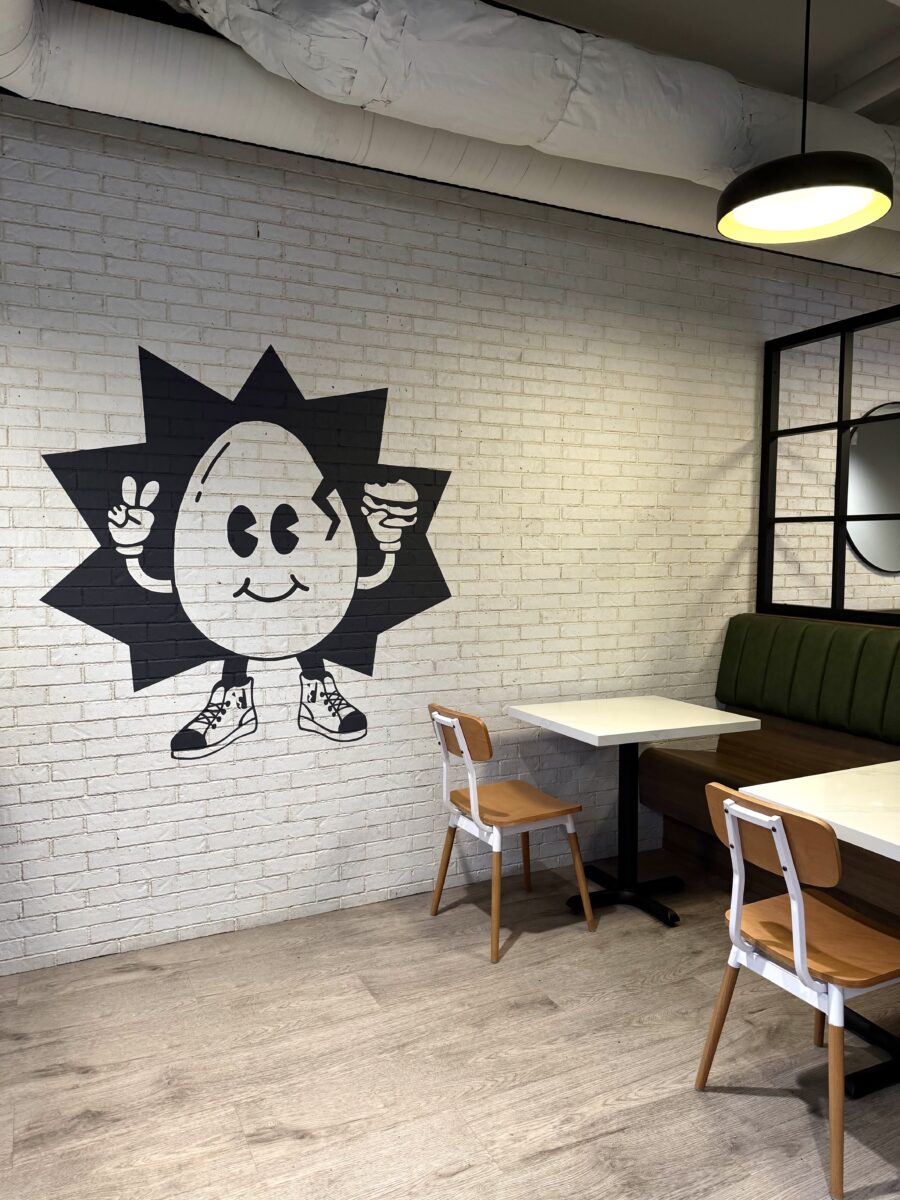
National Nursing Week starts May 11, and Edmonton restaurant Hatch’d is donating a portion of every sale made throughout the week (May 11-17) to the Stollery Children’s Hospital Foundation’s No Bounds Campaign – the $1 billion initiative to build Edmonton’s first standalone children’s hospital. 

The initiative is called Fuel the Frontline, and Hatch’d is turning every breakfast order into a contribution to something bigger than a meal. They’re encouraging hospital staff, nursing students, and the broader U of A community to come in throughout the week, knowing that every order placed contributes directly to the No Bounds Campaign.

Brett Verhulst
Brett Verhulst

Brett Verhulst, Brand Lead at Hatch’d, said the U of A Hospital is right across the street, and the restaurant sees nurses, doctors, and hospital staff coming through its doors every single day. 

“They’re some of our most regular guests, and over time you genuinely build relationships with these people. But that’s just the business side of it – this relationship also hits our team very personally. My oldest daughter has had a couple visits to the Stollery and each time she received such special care and attention that makes me want to give back to this cause in any way that I can,” he said. 

Hatch'd photo
Hatch’d photo

“So National Nursing Week carries a lot of weight for us. It’s not an abstract awareness week, it’s a week that directly celebrates people we know by name. We wanted to mark it in a way that actually meant something to them.

“When we decided we wanted to give back during Nursing Week, we knew we wanted the donation to go somewhere that would actually move the needle. That’s when we learned about the No Bounds Campaign. The Stollery is already the most specialized children’s hospital in Western Canada, but it’s the only one of its kind without a standalone space built specifically for kids. This campaign is raising $1 billion to change that, and to advance pediatric research and innovation that will impact families across this region for generations. That’s a massive undertaking and one that hits close to home when the hospital is your neighbour. We wanted to be part of it, in any small way that we can.”

Verhulst said the initiative aligns with what the brand feels is important.

“We’re working to grow across Alberta and BC, and the thing we keep coming back to is that every Hatch’d location is going to live inside a real neighbourhood. That means something to us. What we’re doing at One12 (112 Street Northwest) this week is honestly a preview of what we want every Hatch’d to look like wherever it lands. We want every location we open to feel like it belongs to that neighbourhood, that it contributes to the community in meaningful ways,” he said.

More from Retail Insider:

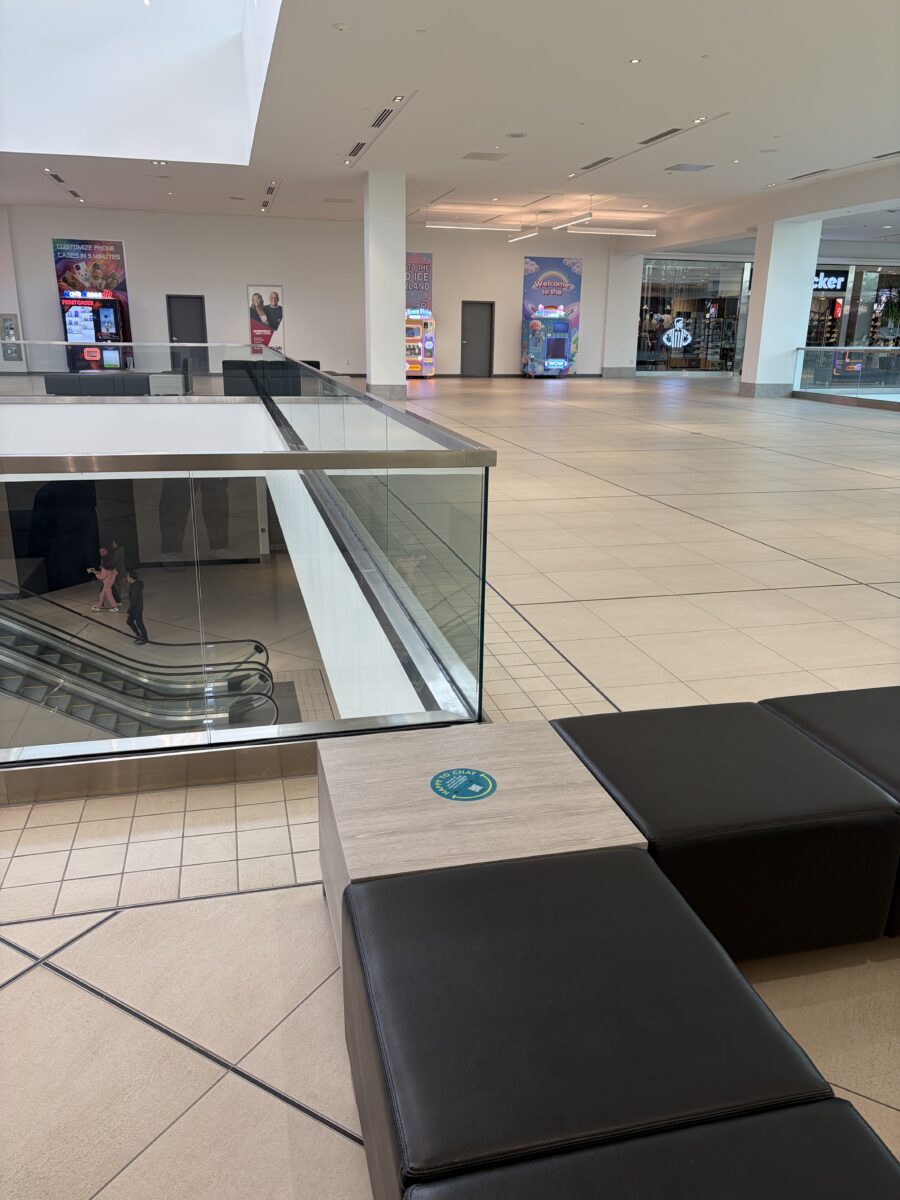
Mic Mac Mall unveils Happy to Chat seating areas

Mic Mac Mall photo
Mic Mac Mall photo

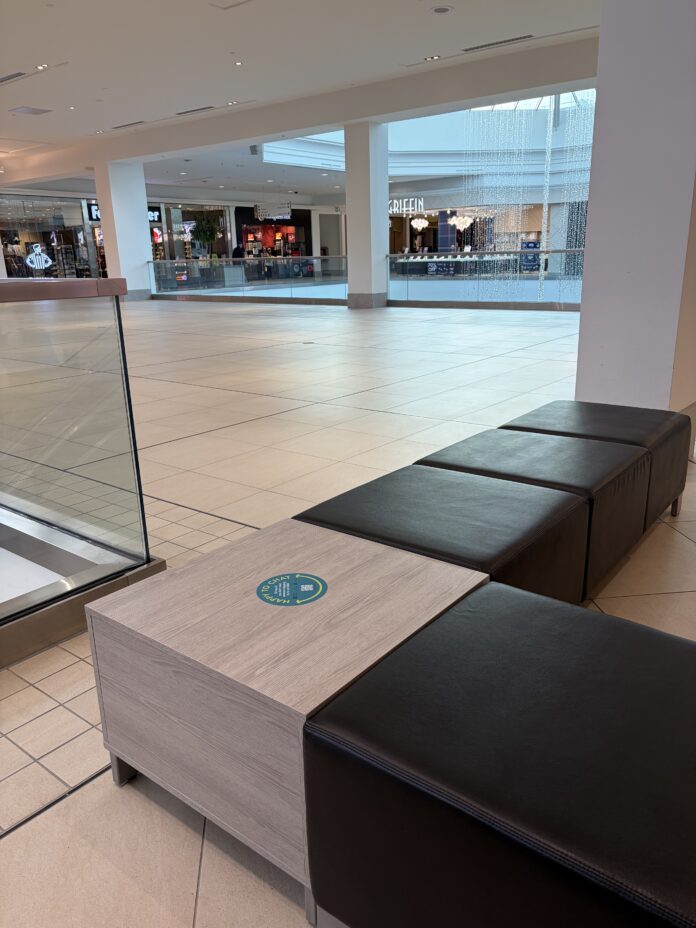
It’s not always easy to talk to new people, but Mic Mac Mall says its newly-designated Happy to Chat seating is aiming to change that.

The concept was launched on Thursday in partnership with the Dartmouth Community Health Board and the Canadian Mental Health Association, Nova Scotia Division. Happy to Chat decals will be placed in designated seating areas throughout the shopping centre. When a guest sits in these marked seating areas, it indicates to others that the person is open to striking up a conversation, said the mall.

The Happy to Chat seating areas are launching during Mental Health Week, which touts the 2026 theme, “Come Together, Canada”, encouraging Canadians to connect with their communities. The Mic Mac Mall seating areas are the second iteration for the region, with an earlier set of benches being launched in Birches Park in Dartmouth, and throughout Eastern Passage in 2025, added the mall.

Mic Mac Mall photo
Mic Mac Mall photo
Tia Hathaway
Tia Hathaway

“Life can feel heavy and isolating sometimes,” said Tia Hathaway, Client Experience and Community Engagement Manager, Mic Mac Mall. “Mic Mac Mall has always been a hub for Dartmouth, and we want to help combat the loneliness that some community members may be feeling. We’re honoured to be the region’s newest Happy to Chat location.”

Monique Mullins-Roberts

“We first introduced the Happy to Chat Bench Project to Dartmouth in 2019, and we’ve seen great success and community connections since then,” said Monique Mullins-Roberts, Dartmouth Community Health board. “We can’t wait to see everyone chatting, meeting new people and coming together in these seating areas.”

More from Retail Insider:

MOVATI Athletic donation campaign to provide more than 164,000 meals

MOVATI is in expansion mode. Photo: MOVATI website

MOVATI Athletic says it will donate $80,185 to food banks in Ontario and Edmonton following a fundraising campaign that also collected nearly 3,500 pounds of food through its fitness club network.

The company said its MOVATI Cares initiatives, including Shake Days and a spring food drive, generated support from members, employees and partners to help address food insecurity in the communities where it operates.

Shake Days, held from April 13 to 15, resulted in the sale of 7,925 shakes and raised $73,725, according to the company. An additional contribution of $6,460 from Gruppo Nutrition brought the total donation to $80,185, which will go to Feed Ontario and Edmonton’s Food Bank.

The company also said its MOVATI Cares Spring Food Drive collected 3,499 pounds of food across its clubs, with each location partnering with a local food bank to distribute donations within its own community.

Participating clubs in Alberta supported Edmonton’s Food Bank, while Ontario clubs partnered with organizations including the Ottawa Food Bank, Burlington Food Bank, Guelph Food Bank, Waterloo Region Food Bank, Food Bank of York Region and Regional Food Distribution Association.

Additional partnerships included Eden Food for Change in Mississauga, UHC – Hub of Opportunities in Windsor, Amherstburg Food and Fellowship Mission, Brantford Food Bank, Kanata Food Cupboard and Kingsville Community Food Bank.

The company said the combined fundraising and food collection efforts are expected to provide more than 164,000 meals to people in need across Ontario and Edmonton.

“The success of our annual Shake Day and Food Drive programs is a testament to the power of our MOVATI community,” said Chuck Kelly, President and CEO of MOVATI. “Thank you to our members, team members, and partners for once again surpassing our goals and helping us create meaningful change for those who need it most.”

Chuck Kelly
Chuck Kelly

MOVATI said the MOVATI Cares program was developed to support charitable organizations focused on helping people lead healthier lives. The company said Shake Days directs 100 per cent of proceeds from MOVATI Café shake sales to partner food banks.

According to the company, Feed Ontario uses bulk purchasing to support food banks across the province, while Edmonton’s Food Bank supports more than 34,000 people each month and distributes more than 400,000 meals and snacks monthly through community partners.

Founded in 1997, MOVATI Athletic operates 19 locations across Ontario and Alberta and employs more than 2,000 people, according to the company.

More from Retail Insider:

Charcoal Group to open five new restaurants across Ontario

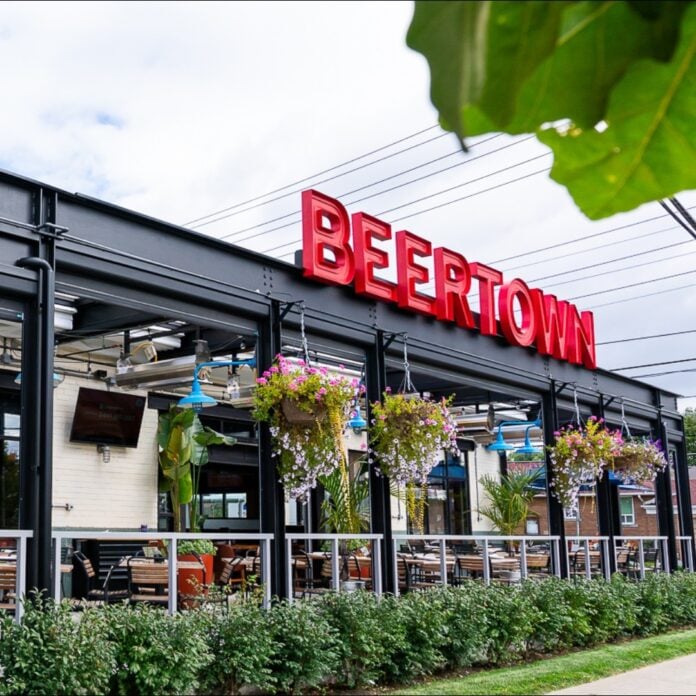
Beertown Etobicoke (Image: Beertown / only1andywright)

At a time when many restaurant operators are pulling back and hospitality industry analysts warn that thousands of establishments could close amid ongoing economic uncertainty, Charcoal Group of Restaurants is moving in the opposite direction – doubling down on what it calls ‘true hospitality’ as the foundation for long-term success. 

The Ontario-based, corporately owned hospitality company is investing $25-30 million over the next 18 months to open five new restaurants across the province, marking a significant expansion of its footprint.

“We’re doing well and we’re very optimistic about the industry, and our investment into expansion reflects that,” said Jody Palubiski, CEO of Charcoal Group of Restaurants. “We see continued opportunity for growth when it’s grounded in strong hospitality and consistent guest experience.”

Jody Palubiski. Photo credit: Charcoal Group

As part of the expansion, Charcoal Group of Restaurants will introduce new Wildcraft Grill + Long Bar locations in Burlington and the Niagara Region. The Niagara location will open alongside a new Beertown restaurant. Beertown will also continue its growth trajectory with planned locations in Peterborough and Richmond Hill.

For Charcoal Group of Restaurants, the expansion of both brands is driven by both confidence in the market and a deliberate focus on long-term community building, it said.

“We’re very selective and want to make sure we’re the right fit for each community, and that we can deliver a meaningful experience through quality, location and hospitality,” said Palubiski. “It’s about more than just opening restaurants. We want our restaurants to serve as community hubs.” 

While much of the broader industry has shifted towards operational efficiencies such as reduced staffing models, increased automation and growing reliance on third-party delivery platforms like Uber Eats and DoorDash, Charcoal Group of Restaurants said it continues to prioritize in-person dining and hospitality-first service.

The company said its restaurants are designed to be more than food and beverage destinations – they are intended as community gathering spaces. From family dinners and business lunches to weekend celebrations, each concept is built around shared experiences and connection. 

“There are a lot of restaurant groups implementing short-term fixes,” added Palubiski. “But there’s no replacement for true hospitality. We’re in the people business. Guests remember how they felt in your space, not just what was on the plate.” 

Charcoal Group, with over 65 years in the hospitality industry, has a group of full-service restaurants across in Southern Ontario. Its restaurants include Solé Uptown, The Charcoal Steakhouse, Martini’s, Dels Italian Kitchen, Wildcraft Grill & Long Bar, The Bauer Kitchen, The Bauer Bakery & Café, Moose Winooski’s, Beertown and Sociable Kitchen & Tavern.   

More from Retail Insider:

Warehouse One Collapse Signals Structural Shift in Canadian Apparel Retail

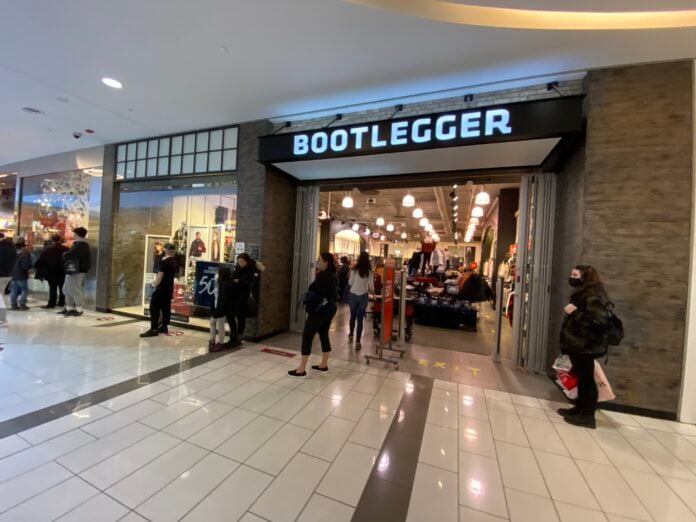
Bootlegger at Guildford from Lower Level - Photo by Lee Rivett

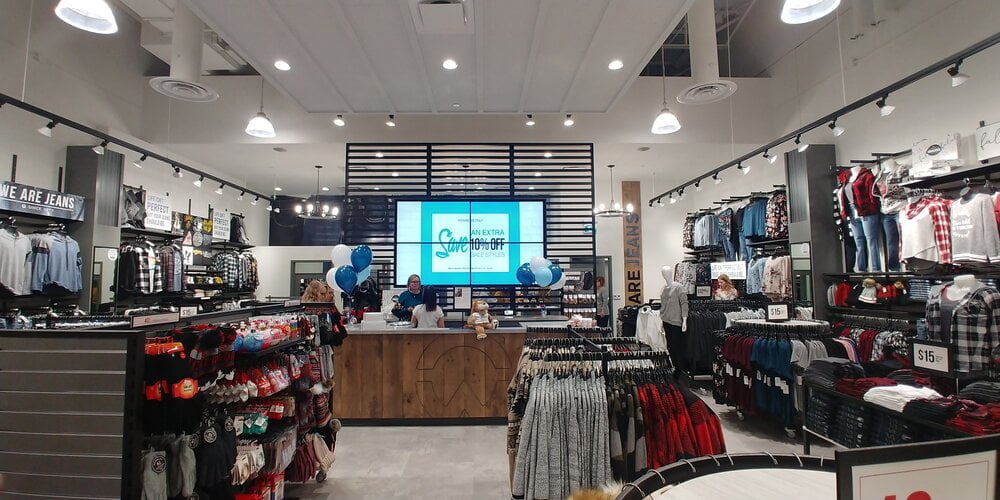
When Warehouse One acquired Bootlegger in 2025, the deal appeared to represent a rare survival story in Canadian apparel retail.

One year later, both chains are headed for liquidation.

The collapse of Warehouse One under Companies’ Creditors Arrangement Act (CCAA) protection this week reflects a deeper structural shift underway across Canadian apparel retail, particularly among middle-market mall brands that once formed the backbone of shopping centres across smaller cities and regional communities.

Court documents filed in Manitoba show the Winnipeg-based company plans to liquidate all 128 stores nationwide after years of mounting losses, shrinking liquidity, and rising pressure from online competitors and ultra-low-cost fashion platforms.

The filing specifically cites “consumer uptake of ultra low cost fashion retailers and other online competition” as a key factor in the company’s collapse.

That language is significant because it directly acknowledges a retail environment that has fundamentally changed in recent years, particularly with the rise of platforms such as SHEIN and Temu, which have dramatically altered pricing expectations in apparel retail.

Bootlegger store in Halifax. Photo: Mapquest
 

The Failed Bootlegger Rescue

One of the most striking aspects of the Warehouse One collapse is the role played by the company’s acquisition of Bootlegger just one year earlier.

At the time of the April 2025 transaction, Warehouse One appeared positioned as one of the surviving players in Canada’s shrinking mid-market apparel sector. The deal preserved stores, jobs, and a recognizable Canadian denim brand following earlier retail distress connected to the Comark Group insolvency proceedings.

Instead, the acquisition ultimately became part of the problem.

Court materials filed this week state that Warehouse One experienced “operational challenges and losses” following the Bootlegger acquisition.

The filing also reveals that shareholders and affiliated lenders advanced more than $39 million to sustain operations since 2020, including approximately $20.5 million following the Bootlegger transaction period beginning in early 2025.

While the acquisition boosted revenue, costs rose sharply as well. Court documents show that store-level, corporate, and overhead expenses increased by approximately 50% year-over-year after the acquisition closed.

Ultimately, the filings state that ownership was no longer prepared to continue funding ongoing losses.

The result is an unusual and symbolic retail outcome: Warehouse One effectively collapsed while attempting to rescue a former rival.

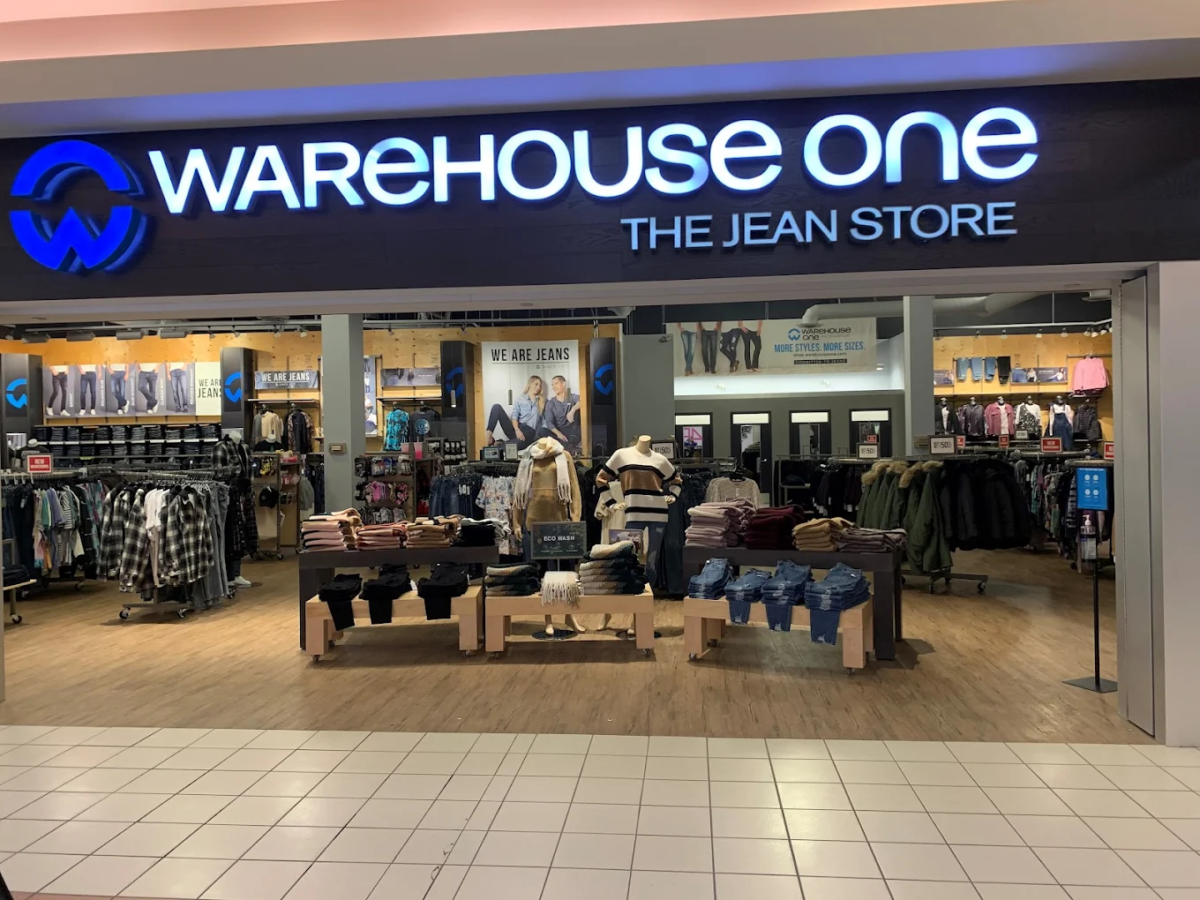
WAREHOUSE ONE, ST. VITAL CENTRE, WINNIPEG. PHOTO: WAREHOUSE ONE


A Different Kind of Retail Collapse

Unlike the recent failures of department store operators or luxury-oriented chains, Warehouse One occupied a very different part of the Canadian retail landscape.

The company’s footprint was concentrated heavily in regional malls, working-class suburban markets, and smaller Canadian communities. Stores operated in markets such as Cold Lake, Quesnel, Meadow Lake, Thompson, Prince Rupert, Weyburn, Flin Flon, Whitehorse, and Stephenville.

This was not a retailer built around downtown luxury shopping districts or flagship urban corridors.

Instead, Warehouse One represented a generation of Canadian mall apparel retail that expanded across regional Canada during the growth years of enclosed shopping centres.

That distinction matters because many of these communities are already facing broader retail challenges. Enclosed mall traffic has declined in numerous secondary markets as consumers increasingly shift spending online, while many regional shopping centres continue to grapple with aging infrastructure and shrinking national tenant rosters. In some smaller communities, replacing a longtime apparel tenant can also prove difficult, particularly as fewer national fashion retailers continue expanding into tertiary Canadian markets.

Court documents state that some smaller-market locations experienced sales declines exceeding 10% year-over-year.

The collapse also raises potential concerns for secondary shopping centres that rely heavily on apparel tenancy. In smaller communities, the loss of a longtime fashion retailer can have broader implications for mall traffic and leasing stability.

The Middle of Canadian Apparel Retail Is Disappearing

Warehouse One’s liquidation also reflects a growing divide within Canadian retail.

At the high end of the market, luxury and experiential retail continue to expand in major urban centres. Shopping destinations such as Yorkdale Shopping Centre, CF Pacific Centre and Royalmount are attracting international luxury tenants and major redevelopment investment.

At the lower end, discount formats and ultra-low-cost online marketplaces continue to gain market share.

The middle of the apparel sector, however, has become increasingly unstable.

Over the past decade, Canada has seen the collapse, retrenchment, or restructuring of numerous apparel chains including Le Château, Smart Set, Jacob, Ted Baker Canada operations, and several Comark-owned banners.

Warehouse One now joins that list.

The company’s filings repeatedly point toward an industry under pressure from changing consumer behaviour, rising costs, and aggressive online pricing competition.

Most of the company’s inventory was sourced internationally and purchased in U.S. dollars, placing additional strain on margins as the Canadian dollar weakened.

At the same time, consumers increasingly shifted spending toward cheaper online alternatives.

Warehouse One store in Cold Lake, Alberta. Photo: Warehouse One

The End of a Prairie Retail Institution

For Winnipeg, the liquidation represents the loss of a retailer with nearly five decades of local history.

Warehouse One was founded in 1977 by Max Maryk, who reportedly began selling denim from the trunk of a car before opening the company’s first physical store.

The business eventually grew into one of Canada’s best-known regional denim retailers, operating a large corporate office, warehouse, and distribution centre in Winnipeg while employing hundreds of Manitoba workers in merchandising, logistics, planning, and retail operations.

Court filings indicate that approximately 232 employees are based in Manitoba alone.

The liquidation now marks the end of a nearly 50-year retail story that once appeared resilient enough to survive earlier waves of Canadian retail disruption.

Instead, Warehouse One became one more casualty of a rapidly changing apparel market.

More from Retail Insider: