Advertisement
Advertisement
Home Blog Page 214

Canadian Retail News From Around The Web For September 3, 2025

Canadian Retail News From Around The Web

News at a Glance

Retail Insider is streamlining its Canadian retail news from around the web to include a handful of top news stories that can be viewed quickly during the day. Here are the top stories from the past 24 hours.

Potential for lower grocery prices on the horizon following removal of Canadian counter tariffs (CTV)

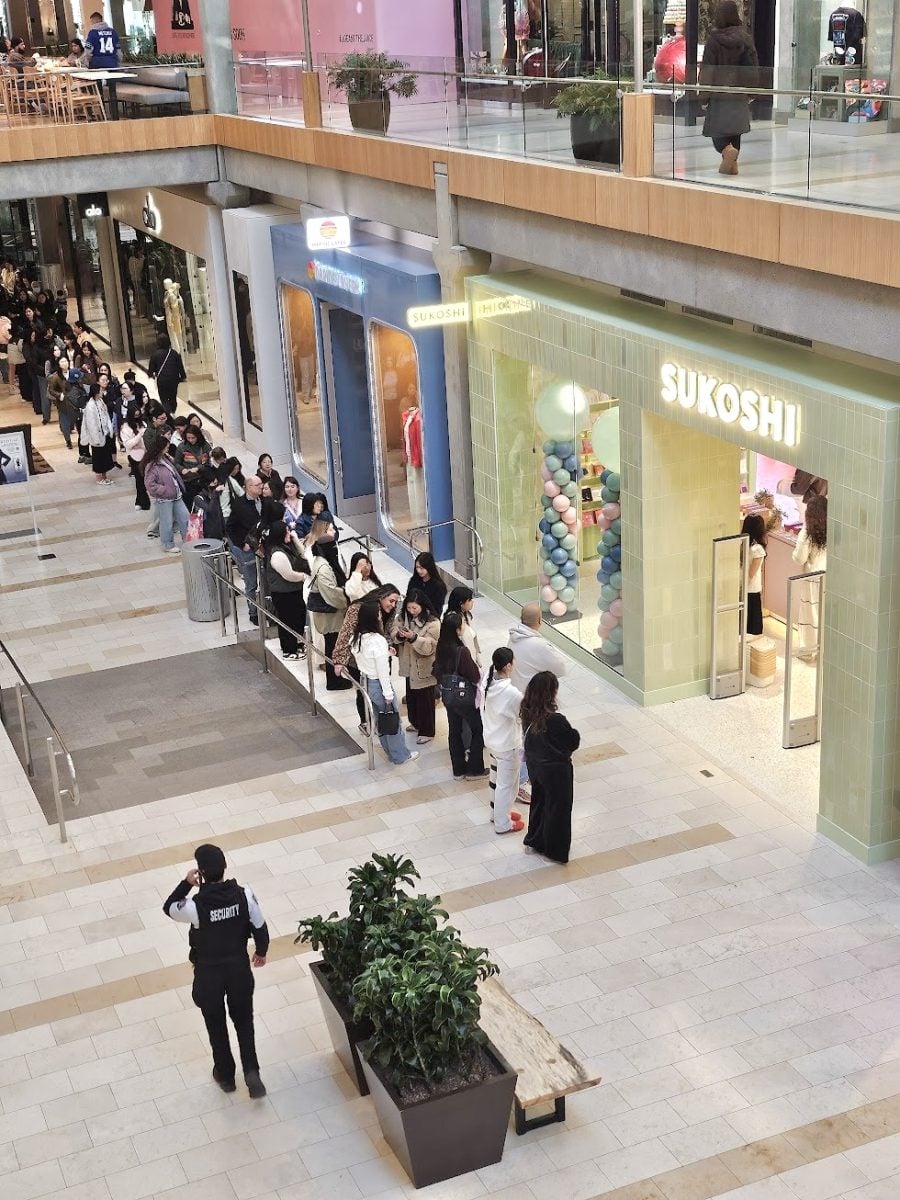
Can a non-corporate grocery chain work across Canada? (CBC)

Ssense lenders seek fast sale of struggling fashion retailer (Fashion Network)

Inspection agency finds ‘maple washing’ in some Canadian grocery stores | Hanomansing Tonight (CBC)

Impact of U.S. tariffs on Canada’s food and beverage sector (MNP)

Opening of new Zellers in Edmonton delayed (CTV)

Montreal’s luxury Royalmount mall one year in: Boom or bust? (Montreal Gazette)

Alimentation Couche-Tard earnings fall after pulling Seven & i Holdings bid (Globe & Mail)

Subway Canada measures “Canadian Classics” in centimetres (Campaign Canada)

New Japanese snack vending machines at three Metro Vancouver SkyTrain stations (VIA)

Canada Goose investors see tailwind as private-equity backer Bain Capital considers selling stake (Financial Post)

Grocery stores say it’s too costly and complex to take empties. How does the Beer Store do it? (Toronto Star)

Silhouettes, not sizes: Meet Daylilie, the Vancouver startup designing bras for athletic bodies (BC Business)

Federated Co-operatives announces sale of Blair’s Crop Solutions ag retail locations to local Co-ops (Grocery Business)

Getting to the bottom of the Crown Royal bottling plant closure as Doug Ford pours scorn on move (Financial Post)

Cape Breton jewelry store break-in foiled by smoke machine, caught on video (CTV)

Alimentation Couche-Tard announces financial results for Q1 Fiscal Year 2026, revenues up 4.5%

Photo- Couche-Tard website

Alimentation Couche-Tard Inc. released on Tuesday its financial results for its first quarter ended July 20 of fiscal year 2026, indicating increased revenues.

Alex Miller
Alex Miller

“We are pleased by our improved performance in this first quarter of the new fiscal year. Across our network, we are reporting positive same store sales, which includes our U.S. market for the first time in several quarters. This progress is propelled by our focus on providing compelling value and ease, especially in our food and beverage offers, to win our customers who continue to watch their spendings. In our fuel business, we had overall good results, especially in Canada and our larger European markets, while in North America, fuel margins remained aligned with previous quarters. We were also proud to close this quarter on 270 sites operating under the GetGo Café + Market brand, and we are already working closely with those teams to learn more about GetGo’s popular food and loyalty programs as we start to grow together,” said Alex Miller, President and Chief Executive Officer.

Filipe Da Silva
Filipe Da Silva

“We are encouraged by our first quarter results, which were partly driven by an enhanced gross profit margin resulting from better food program execution and reduced spoilage. Combined with our disciplined cost control and a sharp focus on efficiency keeping expense growth below the rate of inflation, we are optimistic about our operational priorities. Our TotalEnergies assets once again produced solid sequential performance, with synergy delivery tracking ahead of plan. With our share repurchase program now in full motion, we view it as another way to create sustainable long-term shareholder value while optimizing our balance sheet,” said Filipe Da Silva, Chief Financial Officer.

Quarterly Highlights according to the company:

  • Net earnings attributable to shareholders of the Corporation were $782.5 million for the first quarter of fiscal 2026 compared with $790.8 million for the first quarter of fiscal 2025. Adjusted net earnings attributable to shareholders of the Corporation were approximately $737.0 million compared with $790.0 million for the corresponding quarter of last year, representing a decrease of 6.7%.
  • Net earnings attributable to shareholders of the Corporation were $0.82 per diluted share for the first quarter of fiscal 2026 compared with $0.83 per diluted share for the first quarter of fiscal 2025. Adjusted diluted net earnings per share were $0.78, representing a decrease of 6.0% from $0.83 for the corresponding quarter of last year.
  • Total merchandise and service revenues of $4.7 billion, an increase of 4.5%. Same-store merchandise revenues increased by 0.4% in the United States, by 3.8% in Europe and other regions, and by 4.1% in Canada.
  • Merchandise and service gross margin increased by 0.9% in the United States to 34.6%, while it decreased by 0.9% in Europe and other regions to 38.9%, and by 0.9% in Canada to 33.9%.
  • Same-store road transportation fuel volumes decreased by 0.9% in the United States, and by 1.3% in Europe and other regions, while it increased by 2.2% in Canada.
  • Road transportation fuel gross margin of 44.00¢ per gallon in the United States, a decrease of 4.13¢ per gallon, US 11.41¢ per liter in Europe and other regions, an increase of US 2.73¢ per liter, and CA 14.21¢ per liter in Canada, an increase of CA 1.10¢ per liter.

In June, the company closed the acquisition of 270 company-owned and operated convenience retail and fuel sites operating under the GetGo Café + Market brand from supermarket retailer Giant Eagle Inc., for a purchase price of $1.6 billion, subject to post-closing adjustments. The acquisition also included surplus properties. GetGo sites are located in the states of Indiana, Maryland, Ohio, Pennsylvania and West Virginia, in the United States. The transaction was financed using our available cash and existing credit facilities, including our United States Commercial Paper Program, it said.

“We completed the construction of 10 stores and the relocation or reconstruction of 3 stores, reaching a total of 13 stores since the beginning of fiscal 2026. As of July 20, 2025, another 63 stores were under construction and should open in the upcoming quarters,” added the company.

Couche-Tard is a global leader in convenience and mobility, operating in 29 countries and territories, with close to 17,300 stores, of which approximately 13,200 offer road transportation fuel. With its well-known Couche-Tard and Circle K banners, it is one of the largest independent convenience store operators in the United States and it is a leader in the convenience store industry and road transportation fuel retail in Canada, Scandinavia, the Baltics, Belgium, as well as in Ireland. It also has an important presence in Luxembourg, Germany, the Netherlands, Poland, as well as in Hong Kong Special Administrative Region of the People’s Republic of China. Approximately 149,500 people are employed throughout its network.

Related Retail Insider stories:

Why eTail Toronto 2025 Is the Event Retail Leaders Can’t Afford to Miss

eTail Toronto 2025

In a time when ecommerce and omnichannel strategy are not just competitive advantages but survival tools, the question is no longer if retail leaders should evolve — it’s how fast. For Canadian brands and retailers, the answer might be found at the upcoming eTail Toronto 2025, taking place October 7–8, 2025, at the Hyatt Regency Toronto.

[Register Here]

Billed as the country’s most senior-level ecommerce and omnichannel conference, eTail Canada has become the go-to forum for industry decision-makers looking to accelerate their digital transformation. And this year’s edition promises to be its most impactful yet.

A Community Built for Leaders

More than just another tradeshow or panel-heavy event, eTail Canada is a curated gathering of 500+ retail and brand professionals, from CEOs and CMOs to Heads of Ecommerce and Digital Marketing. Over two days, participants will dive into high-value content designed specifically for leaders navigating the complexities of modern retail.

What sets eTail apart is its sharp focus on real-world strategies and actionable takeaways. The sessions are led by 65+ senior executives from across the retail spectrum, from fashion, beauty, electronics, lifestyle, and more, sharing not just what’s trending, but what’s working. This isn’t theory. It’s strategy in motion.

Less Hype, More Value

Every year, attendees return to eTail for one reason: value. The agenda doesn’t waste time on buzzwords. Instead, it zeroes in on the practical insights executives need to optimize performance and drive growth.

Topics range from:

  • Personalization at scale using AI and data,

  • Seamless omnichannel fulfilment and supply chain agility,

  • Building brand loyalty through next-gen CX,

  • Attribution, performance marketing, and customer acquisition ROI,

  • And navigating digital disruption in the Canadian market.


These are the topics keeping retail leaders up at night—and eTail Canada delivers answers.

Designed for Meaningful Connections

Unlike massive trade expos where quality connections are lost in the crowd, eTail Canada is designed to foster deep, peer-level networking. Attendees can pre-book one-on-one meetings, join interactive roundtables, and participate in curated networking sessions that go beyond small talk.

In an industry where collaboration is becoming essential, this type of engagement is priceless.

What to Expect: Event Details at a Glance

  • Event Name: eTail Toronto 2025

  • Dates: October 7–8, 2025

  • Location: Hyatt Regency Toronto, Ontario

  • Audience: 500–600+ attendees from Canada’s leading retailers, brands, and service providers

  • Format: Executive keynotes, tactical breakouts, live Q&As, networking, and innovation showcases


Who Should Be There?

If you’re a retail leader responsible for growth, digital transformation, or customer experience, this is your room. Executives in ecommerce, marketing, omnichannel, supply chain, and loyalty—across both enterprise and fast-growing DTC brands—will all find a seat at the table.

And for technology providers, media firms, and retail consultancies, eTail Canada offers unmatched access to the industry’s most engaged buyers.

Hotel Rates and Perks

For those traveling from outside Toronto, organizers have secured a preferred rate of ~$359 CAD/night (plus taxes) at the host hotel, the Hyatt Regency Toronto. Staying on-site means you’re never far from the action—and more importantly, the connections that could reshape your strategy.

Sponsorship and Thought Leadership Opportunities

For vendors and solution providers, eTail Canada offers more than booth space—it delivers visibility among real decision-makers. With customizable sponsorship options, executive branding opportunities, and intimate networking formats, the event is designed to help partners build meaningful pipelines.

Why It Matters Now

The Canadian retail market is facing a tipping point. Evolving shopper expectations, rising operational costs, and digital disruption are forcing every brand, regardless of size, to think differently. eTail Canada isn’t just a chance to catch up; it’s a chance to get ahead.

In the words of past attendees:

“eTail Canada is where the industry gets real. No fluff, no noise—just leaders sharing the truth about what it takes to win.”

If you’re serious about reshaping your retail future, then this is where your next chapter begins.

Register Now

Don’t wait for innovation to come to you—go where the innovators are.


Register today at etailcanada.wbresearch.com to secure your spot, take advantage of early-bird pricing, and

reserve your room.

Toronto. October. Strategy. Innovation. Community.
This is eTail Canada / Toronto 2025.

[Register Here]

Yves Veggie Cuisine Ends 40-Year Run in Canada

Image: Yves Veggie Cuisine

Yves Veggie Cuisine, the Canadian brand that helped define the meat-free movement for decades, will disappear from grocery aisles this year. Its parent company, Hain Celestial Group, announced that production will wind down, ending a 40-year presence in the country’s food landscape.

The company confirmed that Yves Veggie Cuisine will not be sold to another operator. Instead, products will remain available on store shelves until fall and into early winter 2026, as inventory is gradually depleted.

“This decision was not made lightly. The meat-free category has been declining for several years, which led to the business becoming increasingly challenging and difficult to sustain,” a spokesperson for Hain Celestial said in a statement.

A Founding Vision in Vancouver

Yves Veggie Cuisine was founded in 1985 by chef and entrepreneur Yves Potvin in Vancouver. At the time, vegetarianism was still a niche lifestyle, and vegan products were virtually nonexistent in mainstream supermarkets. Potvin, who later became known for his innovations in food technology, introduced what would become one of North America’s first veggie hot dogs, a product that quickly captured the attention of consumers seeking alternatives to traditional meat.

Originally launched as Yves Fine Foods, the company rebranded as Yves Veggie Cuisine in 1992. By the late 1990s, it was producing hundreds of thousands of plant-based items each week, including deli slices, veggie bacon, burger patties, and ground round. Potvin was widely credited with inventing the veggie wiener, a product that came to symbolize the brand’s role as a pioneer in plant-based eating.

Rise of a Household Staple

For many Canadian families, Yves Veggie Cuisine became a reliable fixture in the fridge. Known for its soy-based deli meats including ham, turkey, and salami, the brand also offered veggie burgers, meatballs, and hot dogs that were easy to prepare.

Photo: Yves Veggie Cuisine

The company targeted not only vegetarians and vegans but also “flexitarians,” consumers who reduced their meat intake without eliminating it completely. That group, which grew steadily during the 1990s and early 2000s, helped fuel demand for products that were convenient, nutritious, and affordable.

By 2002, the company reported annual revenue of roughly $35 million. That same year, it supplied a soy-based burger to McDonald’s Canada, marking a breakthrough into mainstream fast food.

Acquisition and Expansion

In 2002, Yves Veggie Cuisine was acquired by the Hain Celestial Group, a U.S.-based company specializing in natural and organic products. The deal allowed the brand to expand its reach across North America, securing distribution in major grocery chains.

Hain Celestial continued to market Yves Veggie Cuisine as a leader in the plant-based space, emphasizing its role in everyday meals and its commitment to better-for-you products. The brand became a trusted name in Canadian households, frequently promoted as a healthier alternative to conventional meat.

Accolades followed. In 2018, BrandSpark International named Yves Veggie Cuisine the most trusted vegan brand in Canada, a recognition of both its longevity and its consumer loyalty.

Decline of a Category

Despite its historic success, Yves Veggie Cuisine’s fortunes shifted in recent years. While plant-based eating continues to attract headlines and investment, the category has experienced uneven consumer demand. Sales of meat alternatives have slowed in both Canada and the United States, leaving legacy brands under pressure.

Hain Celestial pointed to those challenges in its announcement, saying that declining demand made the business increasingly unsustainable.

On social media, Yves Veggie Cuisine confirmed the move. “Unfortunately, we are announcing that Yves will begin its farewell from store shelves,” the brand posted. “While we’re still producing for now, you’ll continue to find our products through fall and into early winter 2026.”

Photo: Yves Veggie Cuisine

Consumer Reaction

The announcement triggered an outpouring of responses from longtime customers. Many described the brand as a staple of their kitchens, praising its reliability in providing meat-free options long before plant-based eating became mainstream.

“We recognize that this announcement may be disappointing to many loyal consumers who have supported Yves over the years,” the company said in a follow-up statement. “We are deeply grateful for their trust and commitment to the brand.”

On Instagram, shoppers lamented the news, sharing memories of incorporating Yves Veggie Cuisine into family meals and school lunches. Some expressed frustration that no comparable brand exists in the Canadian market, leaving them with fewer choices.

Legacy and Impact

Yves Veggie Cuisine’s discontinuation underscores the volatility of the plant-based food sector, even as consumer awareness of vegetarian and vegan diets has never been higher. The brand’s contributions remain significant: it helped normalize meat alternatives in grocery stores, offered innovation in product development, and influenced a generation of flexitarian consumers.

Founder Yves Potvin has continued to shape the food industry, launching new ventures in plant-based protein after selling his company. His role in developing the veggie wiener and other staples is often cited as foundational in the evolution of the industry.

Though the brand will soon vanish from shelves, its impact remains. Yves Veggie Cuisine’s 40-year history stands as a reminder of both the challenges and opportunities in plant-based food production.

More from Retail Insider:

Kit and Ace Expands with New Stores in Toronto and Calgary  

Kit and Ace at Bayview Village in Toronto. Photo: Kit and Ace

Canadian apparel brand Kit and Ace continued its retail growth over the weekend with the opening of a new pop-up store at Toronto’s Bayview Village Shopping Centre and the reopening of its storefront at CF Market Mall in Calgary. The moves reflect the brand’s ongoing national expansion strategy, which has gathered momentum in 2025 under the leadership of CEO David Lui and Unity Brands.

The Bayview Village, the brand’s 12th location, spans 2,448 square feet and is designed to reflect Kit and Ace’s evolving retail philosophy. In Calgary, the 3,700-square-foot CF Market Mall store has reopened following a complete renovation that gives it a cleaner and more elevated aesthetic.

Bayview Village Pop-Up: A Full Brand Expression

While the Bayview Village store is a temporary lease, Lui emphasized in earlier discussions with Retail Insider that Kit and Ace never treats its short-term stores like watered-down pop-ups. The store includes blue walls, modern lighting, warm-toned hangers, and mannequins displayed in dynamic, movement-based poses that reflect the brand’s “for people on the move” philosophy.

Women’s apparel, which has been gaining ground within the assortment, now accounts for nearly half of total sales. This marks a significant shift for Kit and Ace, which in earlier years leaned more heavily toward menswear.

Bayview Village itself is undergoing a transformation. Landlord QuadReal is completing a major renovation of the centre’s common areas, which will include new stylized marble flooring and refreshed design elements intended to enhance the mall’s boutique-hotel-like atmosphere. Renovations are expected to wrap up by the end of 2025.

Kit and Ace at Bayview Village in Toronto. Photo: Kit and Ace

CF Market Mall Reopening in Calgary

The Calgary reopening underscores Kit and Ace’s investment in strong regional markets. CF Market Mall is one of the city’s largest shopping destinations, drawing from affluent neighbourhoods in the northwest. The new store design emphasizes a more polished presentation aligned with the brand’s repositioning under Unity Brands.

The large store offers ample space to showcase Kit and Ace’s men’s and women’s technical fashion collections. It also underscores the company’s preference for high-traffic centres that attract a broad demographic of shoppers seeking elevated yet functional apparel.

Kit and Ace at CF Market Mall in Calgary. Photo: Kit and Ace

Expansion Across Canada Continues

The Bayview Village and Calgary openings add to a steady stream of new Kit and Ace stores launched in 2025. In July, the company debuted its largest location to date at CF Toronto Eaton Centre, spanning 4,100 square feet. That followed a May opening at The Well in downtown Toronto and a June launch at Metropolis at Metrotown in Burnaby, British Columbia.

Looking ahead, Lui confirmed that a permanent store will open in November at Park Royal in West Vancouver. He also noted that the company is carefully considering additional Canadian locations as part of its national rollout. “We are not rushing to open dozens of stores,” Lui said previously. “Each opportunity is being evaluated carefully on a case-by-case basis.”

Kit and Ace at CF Market Mall in Calgary. Photo: Kit and Ace

New Product Categories on the Horizon

Beyond real estate, Kit and Ace is preparing to broaden its product offering. Lui said the brand plans to launch new categories with selected partners at a future date, though further details have yet to be announced.

The expansion of categories comes as Kit and Ace positions itself more firmly as a lifestyle brand rooted in technical fashion. This shift represents a continuation of its evolution from its early technical cashmere beginnings to a broader, fabric-driven approach that emphasizes comfort, versatility, and relevance.

Kit and Ace at Bayview Village in Toronto. Photo: Kit and Ace

Staying Focused on the Canadian Market

Although Lui acknowledged that Kit and Ace has received interest from U.S. landlords, he confirmed that the company’s priority remains Canada for now. The decision reflects the brand’s measured approach to expansion and its intent to solidify its home market presence before considering international growth.

Founded in 2014 by Shannon and JJ Wilson, Kit and Ace initially pursued a rapid global expansion that ultimately proved unsustainable. After retrenching in 2017, the brand has rebuilt under new leadership, with Unity Brands taking ownership in 2023. Today, it is regaining prominence by targeting high-traffic shopping centres and lifestyle-driven neighbourhoods across Canada.

Lui has been clear that Kit and Ace is not attempting to chase fleeting trends. Instead, the brand is positioning itself as on-trend—fashionable, functional, and aligned with the realities of modern living. “Our goal is to make clothes that people can live in, travel in, and work in,” Lui explained. Comfort, versatility, and ease remain at the core of the company’s design philosophy.

More from Retail Insider:

Leyad announces sale of Québec City retail site to Costco

Retail site located in Quebec City, sold to Costco (CNW Group/Leyad)

Leyad, a Montréal-based real estate investment and development firm focused on acquiring and repositioning underutilized assets across Canada, has announced the successful sale of a retail site in Québec City to Costco Wholesale Corporation.

The transaction reflects its continued focus on strategic asset repositioning and its ability to execute high-impact deals with leading national tenants, said the company.

Since acquiring the property, Leyad implemented a focused value-add strategy to enhance the site’s appeal and long-term viability. The result was a well-positioned asset that attracted one of North America’s most respected retail brands, it said.

Henry Zavriyev
Henry Zavriyev

“This deal exemplifies Leyad’s ability to identify opportunity, act decisively, and create value through strategic execution,” said Henry Zavriyev, President of Leyad. “We are proud to have transacted with Costco and look forward to continuing to grow our presence in the Canadian retail market.”

The Québec City sale supports Leyad’s broader strategy of acquiring high-potential assets, unlocking their value, and pursuing timely dispositions. The company remains active across Canada and is currently evaluating new retail investment opportunities, added the company.

The site is at Mega Centre Lebourgneuf, located at 5600 Boul des Gradins in Quebec City.

Related Retail Insider stories:

Giant Tiger and Indspire launch 4th-year collaboration to support Indigenous post-secondary students

Patrick Hunter
Patrick Hunter

Giant Tiger Stores Limited is launching its fourth-year partnership with national Indigenous charity Indspire to create an exclusive orange shirt and raise awareness for National Day for Truth and Reconciliation.

Featuring a one-of-a-kind design by Two-Spirit Ojibwe artist Patrick Hunter, the shirt is available now at select Giant Tiger stores and GiantTiger.com, with 100% of profits raised from the sale of this shirt being donated to Indspire in support of the Learning from the Past Fund. This fund provides bursaries to Indigenous post-secondary students pursuing an education in Indigenous Studies and Languages, said the retailer.

Featuring author and activist Phyllis Webstad, Hunter, and Indspire Laureates, click HERE to watch how the partnership is driving education, awareness, and support through the Learning from the Past Fund.

“Huy tseep q\’u Indspire and Giant Tiger. I’ve been able to accomplish so much, through this bursary and through the award. I’m very, very grateful,” said Learning from the Past Fund bursary recipient Zoe George, Tsleil-Waututh & Squamish Nation.

Mike DeGagné
Mike DeGagné

“Our ongoing collaboration with Giant Tiger is a powerful example of what reconciliation in action looks like,” said Mike DeGagné, President & CEO of Indspire. “The proceeds from the Orange Shirt Campaign help create lasting change by supporting First Nations, Inuit, and Métis students as they pursue education rooted in their languages, cultures, and communities. We are proud to work with partners like Giant Tiger who share our vision for a future shaped by strong Indigenous voices.”

Gabrielle Hargrove
Gabrielle Hargrove

“We’re proud to continue our longstanding partnership with Indspire. Through the sale of this shirt, we’ve proudly raised over $1.3 million to date, an extraordinary milestone that’s making a real difference for Indigenous post-secondary students,” said Gabrielle Hargrove, Senior Vice President and Human Resources Officer at Giant Tiger Stores Limited. “This initiative shows the incredible impact our stores and customers can make together. Every shirt sold helps shape a student’s future and create meaningful change in the communities we’re so proud to serve.”

Giant Tiger said it is proud to be a longstanding partner of Indspire, supporting programs that help Indigenous students graduate and become the leaders of tomorrow. Through the sale of the shirts, it has raised more than $1.3 million to date, in support of the Learning from the Past Fund, funding bursaries for Indigenous post-secondary students pursuing studies in Indigenous languages and culture.

For more information on the partnership with Indspire, visit gianttiger.com/pages/truth-and-reconciliation.

Hunter is a Two-Spirit Ojibwe artist originally from Red Lake, Ont. He specializes in acrylic paintings and digital designs, inspired by his Ojibwe roots. He creates with the intention of bringing more joy into the world, while increasing the awareness of Indigenous cultures and iconography.

Indspire is a national Indigenous registered charity that invests in the education of First Nations, Inuit, and Métis people for the long-term benefit of these individuals, their families, communities, and Canada. With the support of its funding partners, Indspire provides financial awards, delivers programs, and shares resources to help Indigenous students achieve their highest potential. In 2024-25, Indspire provided more than $31.6 million through over 8,800 bursaries and scholarships to Indigenous students across Canada.

Giant Tiger is a privately held company with over 260 locations across Canada.

Related Retail Insider stories:

GoBolt joins Shopify Fulfillment Network

GoBolt Parcel Van

GoBolt, a technology-led third-party logistics (3PL) provider, has joined the Shopify Fulfillment Network (SFN), expanding merchant access to its scalable fulfillment and sustainable last mile delivery solutions through Shopify’s curated Fulfillment Network.

This partnership builds on GoBolt’s existing integration with Shopify, where merchants can connect their store with a suite of apps in minutes through a self-serve process, said the company.

Brands that choose GoBolt benefit from an end-to-end logistics solution that spans inventory management, warehouse fulfillment, last mile delivery, and returns processing, all supported by an advanced Shopify integration and delivered with industry-leading speed and sustainability, it said.

Mark Ang, co-founder of GoBolt

“Being selected as a Shopify Fulfillment Network Partner validates our commitment to building logistics solutions that truly fit what brands need,” said Mark Ang, Co-Founder and CEO of GoBolt. “This isn’t just about integration — it’s about giving merchants the control, visibility, and sustainability they need to compete and scale confidently.”

Fulfillment Designed for Growth

As a newly named Shopify Fulfillment Network Partner, GoBolt said it offers merchants fast, flexible fulfillment with unprecedented operational control:

  • Minutes to Connect — Self-serve integration that connects in just a few clicks.
  • Advanced Fulfillment Control — Features like Order Tagging, Fulfillment Holds, and Merged Orders give merchants granular control over which orders to fulfill without developer intervention.
  • Multi-Location Management — Manage fulfillment across strategically located facilities in key markets including Toronto, Vancouver, Calgary, Los Angeles, New York, and Houston through GoBolt’s Merchant Portal.
  • Affordable, Fast Delivery — Ship your orders using its heavily-discounted shipping rates, or with GoBolt Parcel, the highest-rated and most sustainable carrier in North America.

GoBolt said it supports over 400 fast-growing ecommerce brands — including Carpe, Outway, Koio, Cariuma, tentree, Honeylove, Meater, and more — helping them achieve measurable results like a 77% reduction in order fulfillment times and a 35-50% reduction in shipping costs.

The company was founded in 2017

Related Retail Insider stories:

Canadian Retail News From Around The Web For September 2, 2025

Canadian Retail News From Around The Web

News at a Glance

Retail Insider is streamlining its Canadian retail news from around the web to include a handful of top news stories that can be viewed quickly during the day. Here are the top stories from the past several days.

B.C. billionaire wanting Bay leases doesn’t have cash to launch new chain: landlord (CBC / The Canadian Press)

Zellers trademarks sold to Quebec retailer, court documents show (CTV / The Canadian Press)

No fines for big grocers that promoted imported food as Canadian (CBC)

Most of Canada’s counter-tariffs on the U.S. have now ended (Global)

Company behind Jack Daniel’s says boycott is ‘significant’ as sales to Canada fall 62% (CBC)

Leyad’s Strategic Retail Acquisitions and the Future of Retail Real Estate in Canada (AInvest)

Healthy Planet coming to Belleville, Ont. in October (Grocery Business)

Downtown Vancouver Pizza Shop Gets Lease Terminated For Missing $115K In Rent (Noms)

Edmonton opens first new Zellers in Canada at Londonderry Mall (Edmonton Journal)

Manitoba extends $15M loan guarantee to Palliser Furniture-associated company (CBC)

Renovated Jean Coutu store reopens in Trois-Rivières, Que. (Grocery Business)

Click-clack comeback: Toronto shop thriving amid typewriter renaissance (CP24)

Grocery Store of Toronto: How to Shop Kensington Market (NOW)

Man sues Winnipeg grocer alleging ‘egregious assault’ by staff as he tried to steal car outside store (CBC)

Traffic officer thwarts Winnipeg shoplifting attempt, police say (Global)

Australia ‘rejects’ The Reject Shop as all shops, most likely under Dollarama rebranding amid major acquisition (The Economic Times)

How to create a marketing automation strategy without costly mistakes

An effective marketing automation strategy can help you save time, personalize customer communication, and increase sales without raising your workload. However, without careful preparation, you might end up committing resources to tools or workflows that fail to deliver results. How to create a marketing automation strategy without common slip-ups? Obey these rules and keep your automation smart, relevant, and profitable.

Start with clear, measurable goals

One of the fastest ways to derail an effective marketing automation strategy is starting without defined objectives. Before choosing tools or designing workflows, set goals tied to metrics such as click-through and conversion rates or revenue growth. Keep them specific and time-bound – for example, “increase email conversions by 15% in three months” beats vague aims like “get more engagement.” This ensures every action you take serves a clear purpose.

A small e-commerce store, for example, might avoid wasted effort by focusing automation on abandoned cart recovery. This targeted approach reduces lost sales, improves retention, and provides measurable ROI. Having defined objectives makes it simpler to fine-tune campaigns when performance changes.

Know your audience

Without in-depth audience understanding, your marketing automation strategy risks becoming irrelevant. Build detailed customer personas based on behavior, demographics, and purchase motivations. Use analytics tools to track site navigation patterns, buying history, and reactions to earlier campaigns. Segmentation ensures your automation delivers timely, personal communication instead of generic blasts.

A retailer selling sports equipment could segment audiences into beginners, enthusiasts, and professionals. Each group would receive different product recommendations, training tips, or exclusive offers. This level of personalisation increases relevance and boosts customer loyalty.

Choose tools compatible with your existing systems

A common slip-up is picking tools that don’t work well with your CRM, e-commerce platform, or analytics setup. Select platforms that work smoothly with your current workflow, enable multi-channel messaging, and adapt as your business grows. This prevents data silos and ensures centralized management of all customer touchpoints.

For example, an online fashion store could integrate its email marketing tool with its e-commerce backend. This allows automated product recommendations based on browsing history, restock alerts, and loyalty reward notifications. This creates a seamless and consistent experience for customers across all channels.

Map automation to real customer journeys

A generic, one-size-fits-all workflow is a major marketing automation strategy pitfall. Instead, map out actual paths customers take – from first visit to repeat purchase – and design automation to match. Trigger messages based on real behaviors, such as viewing a specific product or leaving items in the cart. This method ensures that every message reaches the audience at the optimal time and resonates with their needs.

A jewelry seller could create a workflow triggered when a visitor views engagement rings. The sequence might include an educational guide, a limited-time discount, and customer testimonials. This thoughtful approach nurtures trust and increases purchase likelihood.

Continuously test and adjust your workflows

Relying on a “set it and leave it” mindset is the quickest way to weaken an efficient marketing automation plan. Regularly review performance metrics, run A/B tests on subject lines or timing, and update workflows as your audience and products evolve. Even small adjustments can yield big improvements over time.

A subscription box business might test sending renewal reminders two days earlier than usual. If conversions rise, the change can be applied permanently. This iterative process ensures your automation stays aligned with customer behavior.

An effective marketing automation strategy doesn’t replace the human element – it enhances and expands it with precision. The key is knowing how to create a marketing automation strategy that adapts to your audience and delivers measurable results. By avoiding common slip-ups, you’ll maximize the return on every automated message you send. Start small, improve continuously, and let data guide you toward sustainable growth.