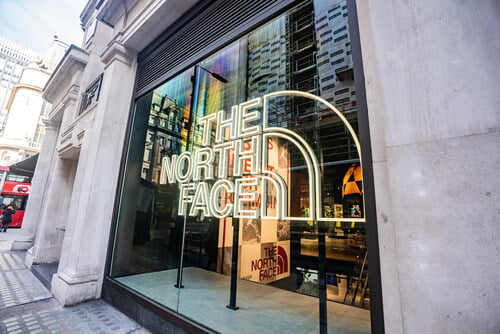
Nedap, a leader in item-level inventory visibility, is partnering with VF Corporation, a global leader in apparel, footwear and equipment whose portfolio of iconic active and outdoor lifestyle brands includes The North Face, Vans and Timberland.
As part of the collaboration, VF Corporation will deploy the Nedap Inventory Engine across its brand portfolio and 1,500+ stores, creating a stronger foundation for end-to-end inventory visibility and more seamless, data-driven retail operations, according to a news release.
The deployment starts in Q2-2026 with The North Face and will expand to additional VF brands over time. With brands rooted in performance, elevated design and innovation, VF serves consumers worldwide across outdoor, active and workwear lifestyles, it said.
The partnership supports VF’s ambition to create a single view of stock, built on a single, trusted view on inventory across its operations. With the Nedap Inventory Engine, VF aims to enhance stock accuracy, improve product availability and strengthen omnichannel performance across all regions. In addition to the store rollout, VF has expanded the initiative into its distribution channels, enhancing visibility and supporting efforts to address grey-market activities and strengthen brand protection, explained the brand.
Carsten Trenz
“Our consumers expect the same level of product availability and service whether they shop online, in-store or through any of our brand touchpoints,” said Carsten Trenz, VP of Digital at VF Corporation. “Unified visibility across our operations allows us to deliver that consistency and build long term customer loyalty.”
Hope Waldron
Hope Waldron, VP of Supply Chain Strategy, VF Corporation, added: “Extending our RFID program beyond stores to include distribution centers and vendor partners at the source gives us greater transparency across our entire supply chain. That visibility improves our ability to ensure product availability, strengthen brand protection, and deliver a more consistent consumer experience.”
VF said it selected Nedap following a successful pilot using an alternative solution, after which the company reassessed its long-term requirements for scalability, architecture and global support. Nedap was chosen based on:
The most robust, innovative and future-proof platform architecture
A proven track record of guiding and advising organizations through complex rollouts at scale
A user community that drives continuous improvement and shared innovation across leading retailers
Hilbert Dijkstra
“In today’s retail landscape, unified commerce only works when brands can rely on one consistent source of truth for their inventory,” said Hilbert Dijkstra, Managing Director Retail at Nedap. “VF’s decision to invest in end-to-end visibility reflects a clear vision for the future: the ability to serve consumers seamlessly across any channel. Through ongoing innovation of our platform, we help VF operate with confidence, agility and precision.”
Nedap empowers retailers to turn inventory movement into real-time insight and real-world results. Nedap has a workforce of over 1,000 employees and operates on a global scale. The company was founded in 1929 and has been listed on Euronext Amsterdam since 1947. Its headquarters is located in Groenlo, the Netherlands.
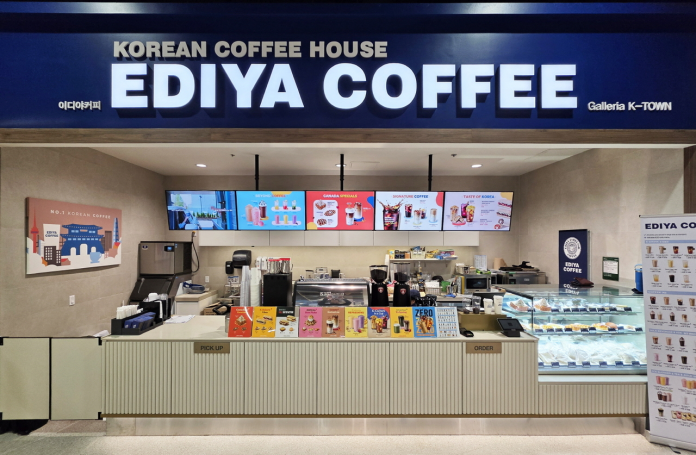
Ediya Coffee at Galleria Supermarket in Thornhill, Ontario. Photo: Ediya Coffee
South Korean coffee chain Ediya Coffee has entered the Canadian market with the opening of its first location inside Galleria Supermarket in Thornhill, a prominent Korean commercial hub within the Greater Toronto Area. The launch marks an important step in the company’s broader global growth strategy as it looks to establish a presence in North America.
The company said it selected Canada due to rising global interest in Korean food culture and strong domestic coffee consumption. Toronto was identified as a strategic entry point given its sizable Korean population and diverse consumer base, allowing Ediya to leverage both brand familiarity and growing curiosity around Korean-style beverages and desserts.
The Thornhill location experienced steady foot traffic from its opening last month, with long lines forming as customers sought to experience the brand’s offerings. While Korean consumers represented a core audience, the store also attracted a broader demographic of local customers interested in Korean-inspired drinks and food items.
The menu features a mix of signature Korean beverages and localized offerings tailored to Canadian tastes. Core items include “A-mang-chu” iced tea with mango, strawberry latte, dalgona latte, and sikhye, a traditional Korean sweet rice drink. Canada-specific products such as the Maple Nut Cream Latte and Signature Half & Half Latte reflect an effort to align with local flavour preferences.
Food offerings combine Korean-style desserts, including honey caramel bread and dalgona ice cream waffles, with savoury items such as burritos and sandwiches incorporating flavours like buldak and bulgogi. This hybrid menu approach positions the brand within both the specialty beverage and quick-service food categories.
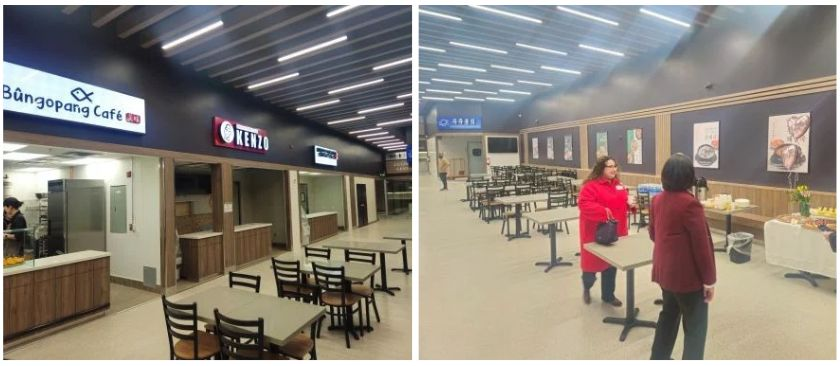
Galleria Supermarket K Town Branch Food Court
A Strategic “Glocal” Approach to Expansion
Ediya’s Canadian entry reflects a deliberate “glocal” strategy, blending globally recognized Korean menu items with locally adapted products. This approach is designed to differentiate the brand in a competitive coffee landscape dominated by established players such as Tim Hortons and Starbucks.
The company has positioned itself slightly below premium independent cafés in pricing while maintaining a distinct aesthetic and product mix. In contrast to its value-oriented positioning in South Korea, Ediya is entering Canada as a specialty concept, allowing for higher price points and margin potential.
Ediya’s move into Canada comes at a time when the company is navigating increasing competition in its home market. While it remains South Korea’s largest coffee franchise by store count, with more than 3,000 locations, its traditional mid-market positioning has been challenged by ultra-low-cost competitors.
In response, the company has been evolving its brand through premium product development and character-driven marketing initiatives. A recent collaboration with the Rilakkuma intellectual property reportedly drove a 42 percent increase in daily sales, highlighting a shift toward experience-driven and fandom-based consumption.
Data-Driven Operations and Expansion Pipeline
The Thornhill store also serves as a testing ground for Ediya’s operational and technological capabilities. The company has integrated a generative AI chatbot system into its Canadian operations, which manages a significant portion of customer inquiries while collecting real-time feedback to inform menu adjustments and customer experience improvements.
Ediya plans to use insights from this initial location to guide further expansion, with a target of opening up to three stores in Canada by the end of 2026. At the same time, the company is preparing for entry into Southeast Asia, including a planned move into Laos through a master franchise agreement.
While many Canadian retailers are slowing expansion, Pickleplex is accelerating—what’s driving your confidence to keep signing leases and scaling right now?
We’re seeing very strong, consistent demand for high-quality indoor and outdoor racquet sport experiences, and that demand is still underserved in most markets. Our model is built around recurring membership, which gives us good visibility into revenue and utilization early on. At the same time, landlords are actively looking for experiential tenants that drive traffic and community engagement, which aligns well with what we offer. Partnerships like Cadillac Fairview on the top level of the parkade at Shops at Don Mills is a good example of repurposing underutilized space into vibrant pickleball destinations shows how retail real estate is evolving, and we’re well positioned to be part of that shift.
Steven Fry
You’ve grown from one location in Barrie to 14 across Ontario—what does your ideal location look like today, and how has your real estate strategy evolved?
Our ideal location has always started with a retail-first mindset—high-quality, high-traffic areas where people already spend their time. From day one, we prioritized visibility, accessibility, and being embedded in strong communities over simply finding the cheapest space.
As we’ve grown, our strategy has expanded to include a wider mix of formats—malls, select industrial spaces, outdoor builds, and more unique specialty locations. That evolution allows us to reach players in different ways while staying true to the core principle of meeting people where they live, work, and socialize.
Justin Farbstein
Members are averaging 30 hours on court per month—what’s behind that level of engagement, and how does it translate into business performance?
Pickleball is inherently social and easy to pick up, which drives frequency, but we’ve built a structured programming model that keeps members engaged—leagues, clinics, ladders, and social play. Our clubs become part of people’s weekly routines. That level of usage translates directly into strong retention and ancillary revenue across lessons, events, and food and beverage where applicable. It also creates a strong community dynamic, which is a big driver of long-term value.
How important are experiential activations and partnerships—like your work with RioCan and The Well—in building the brand and driving traffic?
They’re a core part of our strategy. We’re not just building courts—we’re building destinations. Partnerships with groups like RioCan and activations at The Well have shown how pickleball can anchor a broader lifestyle experience. These types of activations drive meaningful foot traffic, introduce new players to the sport, and create a much stronger brand connection than a traditional facility alone. Our work with Cadillac Fairview at Shops at Don Mills is another step in that direction, bringing the sport into a highly curated retail environment.
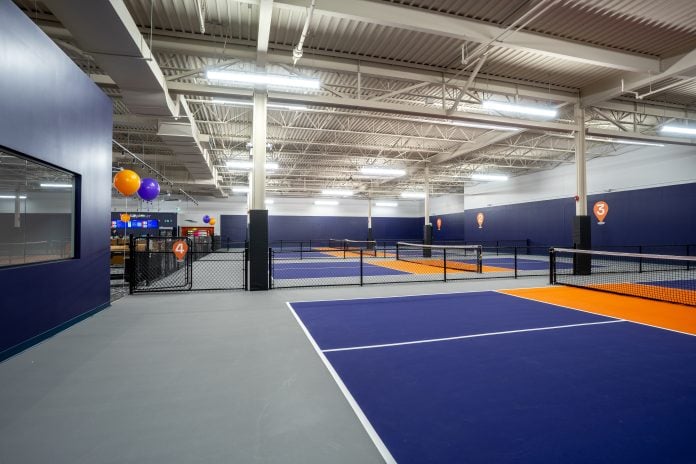
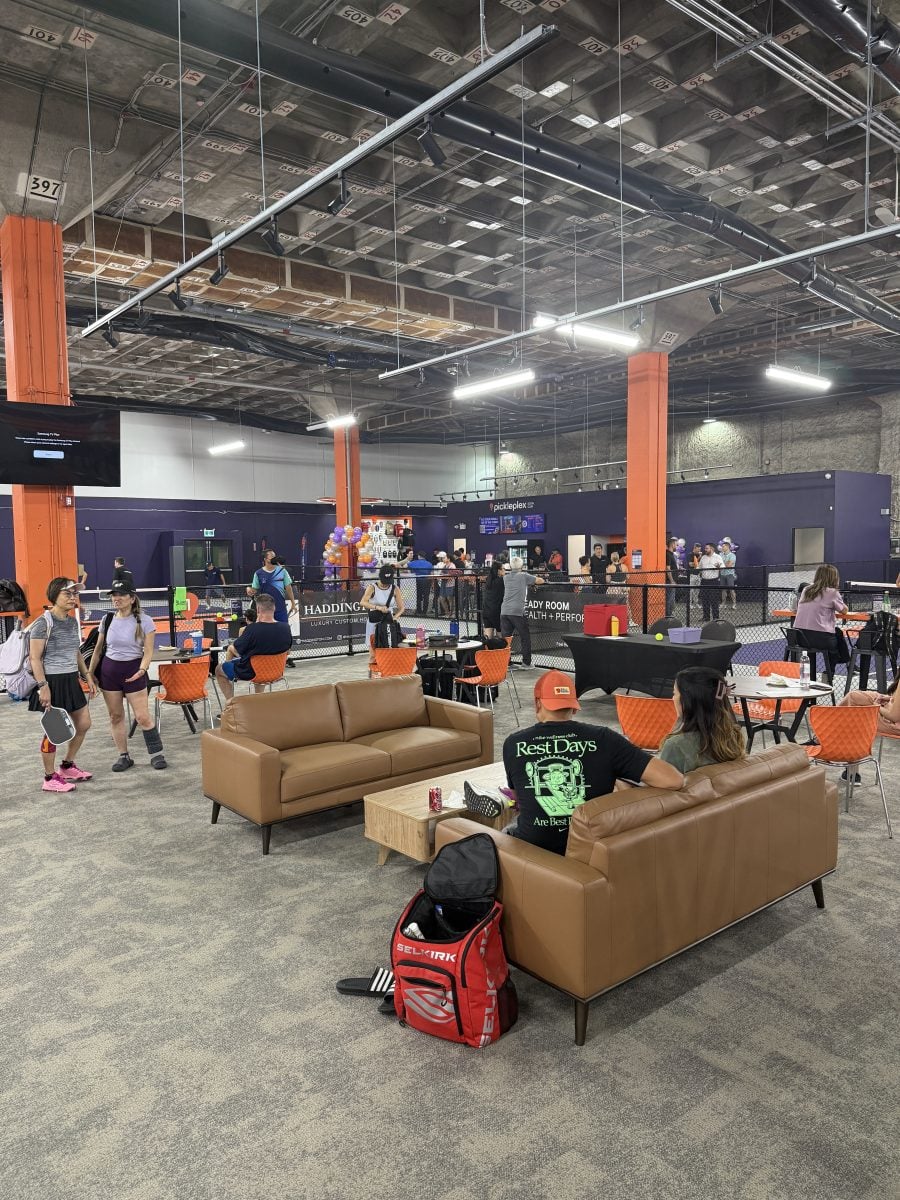
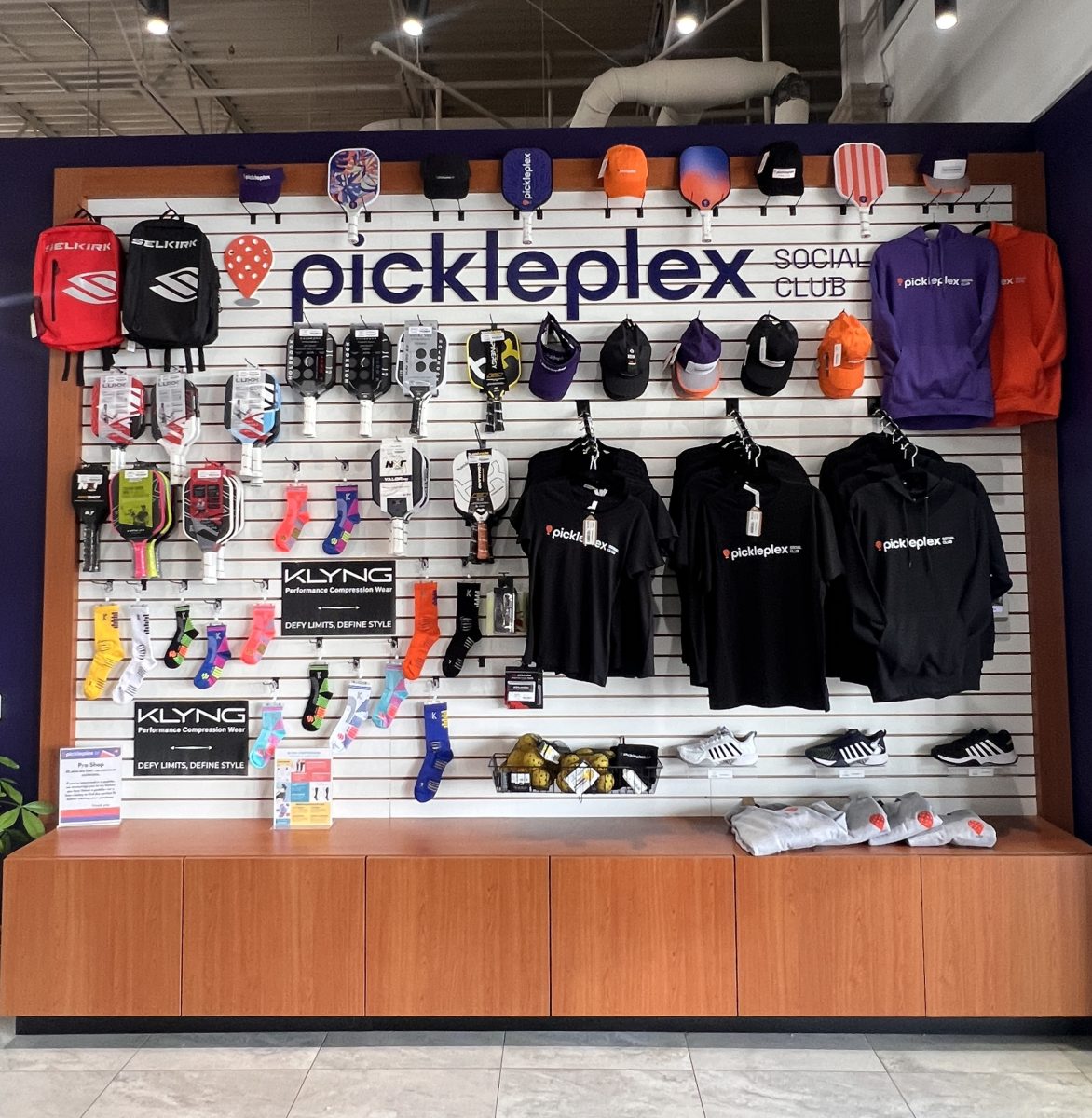
Pickleplex photoPickleplex
What does hosting the 2026 Pickleball Canada National Championship mean for Pickleplex’s brand positioning and future growth?
Hosting the Pickleball Canada Nationals is a major milestone for us. It reinforces our position as a leading operator in the country and validates the quality of our facilities and programming. It also brings national visibility to the brand, both with players and with potential partners and landlords. Events like this help accelerate growth by building credibility, attracting new members, and opening doors to larger partnerships and future expansion opportunities.
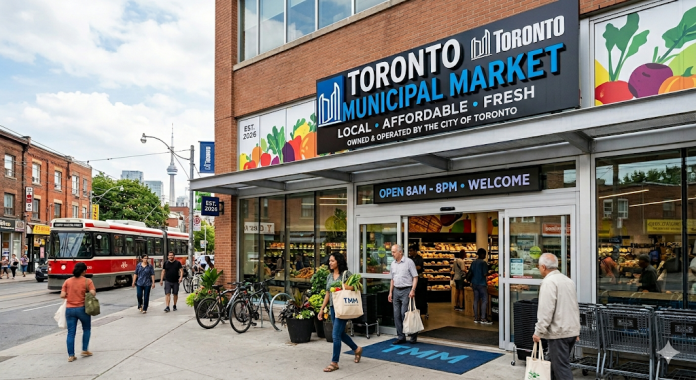
Does Canada need public grocery stores? The debate has moved into the mainstream since Avi Lewis became the new leader of the NDP after campaigning on a plan for government-run grocery stores.
The premise is relatively straightforward: governments would build and run grocery stores that offer pricing at levels well below those of traditional stores.
New York City mayor Zohran Mamdani has announced plans for municipal grocery outlets to be built in each of New York City’s five boroughs. (AP Photo/Seth Wenig)
The real question is whether public grocery stores are feasible and, if so, whether they’re the most effective way to deliver relief to consumers. The evidence suggests otherwise.
Scale is everything in grocery retail
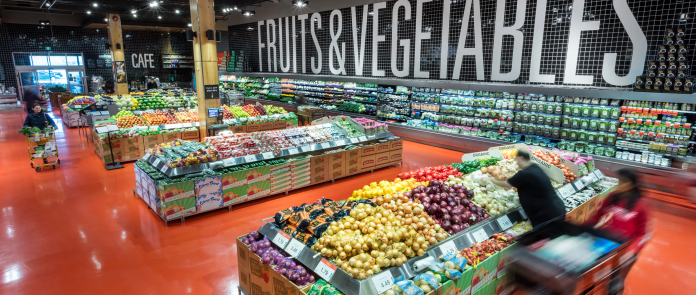
Successful food retailing requires significant distribution infrastructure to efficiently bring products to the retail location. Loblaws, Canada’s largest food retailer, has more than 2,400 stores. Empire Group, which includes brands such as Sobeys, has more than 1,600 stores. This scale allows them to achieve significant purchase volumes while lowering distribution costs.
Even with those advantages, large retailers achieve relatively low margins. Operating income (revenue minus direct costs and excluding things like taxes and depreciation) generally represents between four and six per cent of total revenue.
A new government-run chain operating without that infrastructure would be starting from behind, and would require substantial subsidies to achieve the promised price reductions.
Some proposals suggest public stores could only carry staples, which would reduce the cost of inventory. While that’s true, this overlooks how grocers cover overhead: by the size of the “basket” of each customer. Basket size is the total value of everything each customer buys.
Basket size is a key metric for grocers, who often price select staples below cost to draw customers into the store. Margins on those staples are already thin, meaning government stores would require greater subsidies to achieve discounts without the benefit of higher-margin secondary products.
Examples come with trade-offs
Supporters of public grocery stores point to examples in Mexico, the United States and Canadian provinces. Upon closer examination, however, these examples highlight the challenges and costs that suggest that this path is not feasible.
Mexico has operated government-run grocery stores for years. The number of stores has declined significantly in the past decade, with only approximately 50 remaining, located predominantly in the Mexico City area.
Price tracking by Profeco, the country’s federal consumer protection office, shows these stores are less than two per cent cheaper than Walmart (the dominant Mexican food retailer) and some private grocers are cheaper still. A significant informal food sector of market stalls offers additional competition. This is nowhere near the 35 to 40 per cent savings being promised in Canada.
The U.S. military commissaries offer groceries that are almost 25 per cent cheaper on average for active service members and veterans. But federal appropriations pay for labour, rent/real estate, distribution costs and other overheads.
There is some suggestion that the commissaries should be privatized to achieve the efficiencies of larger chains while still providing cheaper options for soldiers’ families and veterans living close to the bases.
Provincial control of alcohol and cannabis retail in Canada is sometimes raised as a parallel. However, these models are not designed to lower prices. Instead, they are designed to collect taxes and control prices. The policy direction runs opposite to what public grocery advocates are proposing, so this comparison is invalid.
What governments are already doing
Food prices are rising for reasons largely out of the control of Canadian governments, including geopolitical events (such as the wars in Ukraine and Iran) and the climate crisis. What governments can do is cushion the impact for those hit hardest.
Canada’s GST/HST rebate program already does some of this, offsetting taxes paid on goods and services to eligible households. Beginning in July, the new Groceries and Essentials Benefit will replace the GST/HST credit. The structure and eligibility rules will remain the same, but payments will increase by 25 per cent for five years.
The program is not in the range of 35 to 40 per cent, but it’s intended to offset much of the increases Canadians have experienced over the past few years. This program provides direct and targeted benefits for those feeling the most pressure from rising food prices.
Unlike a tax rebate, the program cannot target specific consumers, but it can target certain categories of food. Milk and bread are cheaper for shoppers, for example, but frozen pizzas are not.
The most effective path forward
Building a national chain of public grocery stores would immediately raise a question of equity: how would governments decide which communities get a store and which don’t?
The cost of building thousands of stores would be prohibitive; a few dozen would leave most Canadians without access while costing governments more per transaction that consumers would save. And, because anyone could shop there, it would dilute the benefit for those who need it most.
The money would be much better spent directly supporting the Canadians who need it most. Direct payments remain the most efficient use of taxpayer money. They can be targeted to low-income households and deployed quickly.
Nutrition North-style subsidies work well in specific areas but can’t target individual households. A card or voucher system could combine both approaches by targeting and selecting eligible food products, though the administrative costs would either dilute the benefit to recipients or raise the overall price of the program.
Even so, a well-designed voucher program would almost certainly deliver more value per dollar spent than building and operating retail infrastructure from scratch.
There are ways to make food more affordable for Canadians. Government grocery stores just aren’t one of them.
About the Author:Michael von Massow is a Professor of Food Economics at the University of Guelph.
Food inflation in Canada may have eased to 4.0% in March, but don’t be misled by the headline. The number that matters most—food purchased from stores—actually rose to 4.4%, up 0.3 percentage points. That increase tells us something important: cost pressures are not fading. In fact, they are shifting—and intensifying in key categories.
Look at what’s driving the change. Meat and vegetables are both rising, and for very different reasons. But together, they paint a clear picture of a food system still under strain.
Start with meat. Beef prices are up 12.7%, chicken 7.5%, pork 6.2%. This is not short-term inflation. It’s structural. North America is still dealing with the aftershocks of herd contraction. Farmers reduced livestock during periods of high feed costs and uncertainty, and rebuilding those herds takes time—often years. In the meantime, supply remains tight.
Layer on top of that higher input costs. Feed, transportation, labour, and processing have all become more expensive. Energy, in particular, plays a critical role. From running farm equipment to transporting animals to powering processing plants, rising fuel costs are pushing prices upward across the entire protein supply chain. These are not costs that can easily be absorbed—they are passed on.
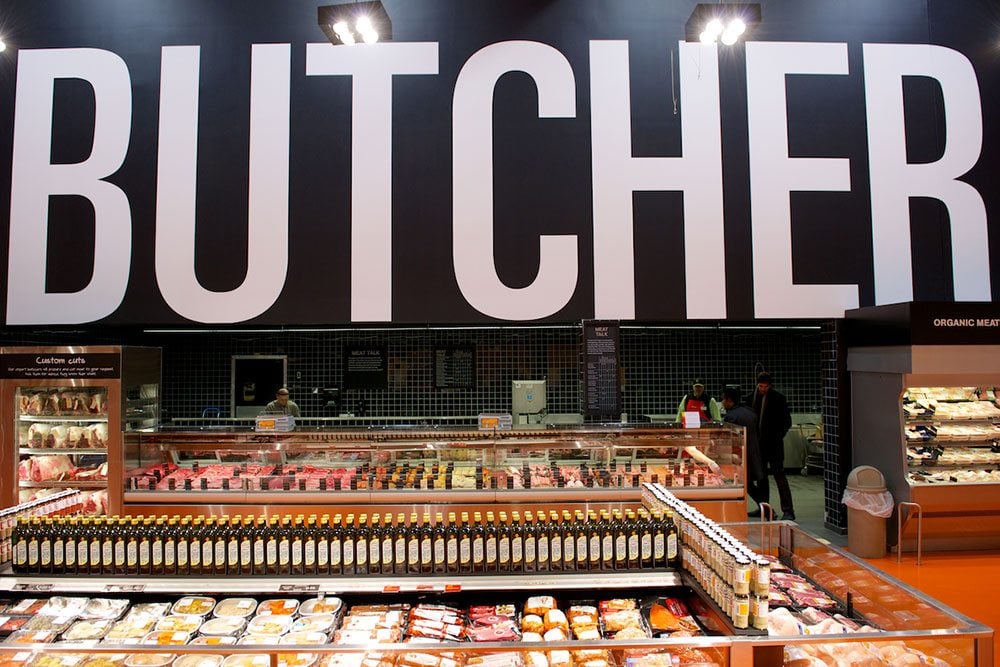
Loblaw Store Meat Department. Photo: Loblaws
Vegetables, on the other hand, are telling a different story—one of volatility. Prices for cucumbers surged 28.4% in March, tomatoes 14.3%, lettuce 11.7%. These increases are not about long-term supply constraints. They are about exposure.
Produce is highly sensitive to weather, logistics, and energy. Much of what Canadians consume during the winter months is imported or grown in greenhouses—both of which are energy-intensive. Heating greenhouses, transporting goods over long distances, and managing cold-chain logistics all depend heavily on fuel. When energy prices rise—or even become unpredictable—produce prices respond quickly.
Climate variability is compounding the problem. Unfavourable growing conditions in key producing regions, whether in the United States or Mexico, can disrupt supply overnight. Unlike meat, where production cycles are long, produce markets adjust rapidly—and often sharply.
What’s unusual right now is that both categories are rising at the same time.
Typically, consumers can offset increases in one category with stability in another. But when proteins remain structurally expensive and produce becomes highly volatile, there are fewer places to turn. This is what makes the current moment particularly challenging for households.
And there is another layer to consider: energy.
Energy costs increased in March, and that matters more than most realize. Food prices don’t react instantly to energy shocks—they absorb them over time. Transportation costs adjust first, followed by production and processing. The full impact can take months to appear at retail.
Which means the increases we are seeing now in meat and vegetables may only be the beginning.
This is why the 4.4% grocery inflation rate should not be dismissed. It is not just a number—it is a signal. A signal that underlying cost pressures are still working their way through the system. A signal that volatility is becoming a defining feature of the food economy.
The narrative that food inflation is easing is, at best, incomplete. Yes, the overall rate has moderated. But the categories that matter most to consumers—the staples, the essentials—are still rising, driven by forces that are neither temporary nor easily reversed.
Canadians are not just dealing with inflation. They are adjusting to a new reality—one where meat remains expensive, vegetables swing unpredictably, and the cost of feeding a household is shaped as much by global energy markets as it is by what’s on the shelf.
Groceries are not getting cheaper. They’re getting more complicated.
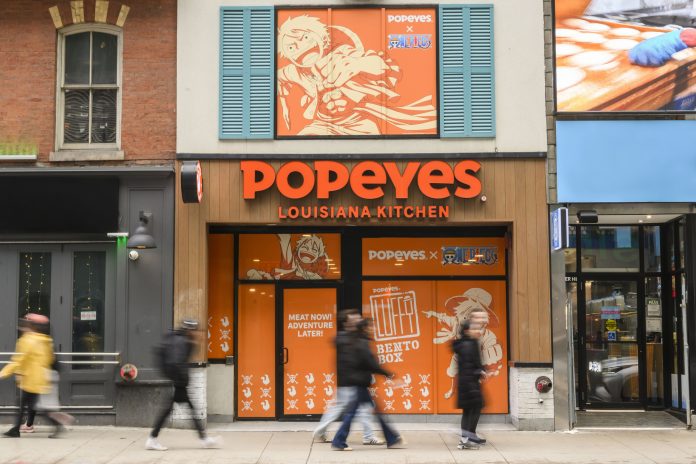
Popeyes® Sets Sail with ONE PIECE with an Epic Anime-Inspired Menu (CNW Group/Popeyes Louisiana Kitchen, Inc.)
Popeyes says it is bringing the spirit of adventure to Canadian fans with the launch of its first anime collaboration Popeyes x ONE PIECE in partnership with the legendary studio Toei Animation.
A celebration of the global hit series and pop culture phenomenon ONE PIECE, Popeyes x ONE PIECE launched recently with a limited-time menu, transforming the epic world of ONE PIECE into a craveable dining experience sure to satisfy any anime or Popeyes fan, said the brand.
“At Popeyes, we’re always looking for bold ways to show up for our fans,” said Matt Harper, Sr. Director of Marketing, Popeyes Canada. “Partnering with Toei Animation lets us tap into ONE PIECE, a global phenomenon that shares our passion, energy and sense of adventure. We’ve brought together the iconic world of this beloved series with the unmistakable flavour of Popeyes to create a limited-time experience that fans across Canada won’t want to miss.”
Matt Harper
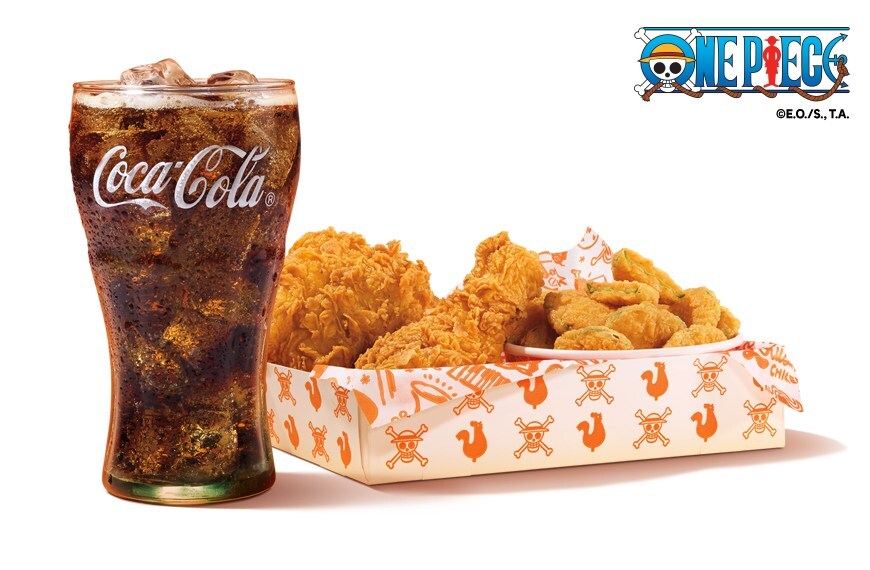
The Popeyes x ONE PIECE menu includes Choppers Cupcake ($4) and TheLuffy Bento Bundle ($9.99), featuring:
Two pieces of Popeyes iconic Signature Chicken
Crispy, golden-brown fried pickles battered in signature seasoning
Choice of a fountain drink
For fans looking to experience the collaboration beyond the menu, the Popeyes restaurant located at 273 Yonge St. in Toronto has been transformed into an immersive experience featuring iconic ONE PIECE moments you won’t want to miss, available until April 27, said Popeyes.
The Popeyes x ONE PIECE menu is only available for a limited time, at select restaurants across Canada.
The Luffy Bento Bundle (CNW Group/Popeyes Louisiana Kitchen, Inc.)
Founded in New Orleans in 1972, Popeyes has become one of the world’s largest chicken quick service restaurants with over 4,000 restaurants in the U.S. and around the world.
“Based on the globally beloved and best-selling manga of all time created by Eiichiro Oda and brought to life by Toei Animation, the iconic ONE PIECE episodic series follows pirate Monkey D. Luffy and his Straw Hat Crew on their epic quest to find the “One Piece,” the legendary treasure of Gol D. Roger, former King of the Pirates. Now over 25 years since the episodic series’ Japanese TV debut in 1999, ONE PIECE has taken its place in mainstream pop culture as one of the most successful and enduring anime franchises of all time, attracting millions of fans of all ages around the world. Today, the franchise currently spans 15 feature films, multiple video games, a trading card game and an ever-growing catalog of licensed merchandise and location-based entertainment,” explained the brand.
Based in Los Angeles, Toei Animation Inc. manages the distribution of Toei Animation’s top properties, including franchise series Dragon Ball, Sailor Moon, ONE PIECE, Digimon, Saint Seiya and many others, to North America, Latin America, South Africa, Australia and New Zealand. Toei Animation’s Los Angeles office also oversees all categories of consumer product licensing based on its film and television brands within these territories.
Retail Insider’s latest articles are listed below, followed by Canadian Retail News From Around the Web. Highlights include cautious Canadian consumer spending plans amid inflation pressures and economic uncertainty, as a Bank of Canada survey shows. Lululemon is expanding in Mexico with both stores and e-commerce, signalling strong confidence in the market. Meanwhile, Canadian shopping centres see increased sales concentration in top malls, reshaping the retail real estate landscape. Together, these stories underscore shifting consumer behaviour and evolving growth strategies across North America.
In the first quarter of 2026, before the war in the Middle East, consumers’ spending plans remained muted, held back by concerns about high prices and economic uncertainty. Still, consumers became less negative about their spending plans than in the previous quarter as downward pressure from trade tensions eased, according to the latest Canadian Survey of Consumer Expectations released Monday by the Bank of Canada.
“Consumers continued to view the labour market as soft, with fears of losing their job still elevated. This quarter, concerns about job losses increased among workers in sectors where artificial intelligence poses a higher risk of task replacement,” said the Bank of Canada.
“Before the war in the Middle East, near‑term inflation expectations were largely unchanged and still above the survey’s historical average. Expectations of strong food price inflation remain an important driver of high one‑year‑ahead inflation expectations. Long‑term inflation expectations declined slightly from 12 months ago.
“Results of a special survey conducted after the outbreak of the war in the Middle East suggest most households expect the war to weaken the Canadian economy and raise prices.”
In its Business Outlook Survey, which was also released Monday, the Bank of Canada said survey evidence, gathered mostly before the war in the Middle East, shows that business sentiment improved slightly from last quarter to levels similar to those from before the trade conflict with the United States began.
“Firms expect improvements in sales growth. Fewer firms than last quarter reported that trade tensions are impacting their sales outlook, while more said public spending is supporting sales. Investment intentions improved, and hiring intentions have recovered from weak levels. This reflects improving domestic demand and a lessening of the effects of uncertainty. Nevertheless, some firms reported that trade tensions are dampening their plans to invest,” said the Bank of Canada.
“Businesses expect average-sized increases in input and selling prices. Survey results from before the start of the war in the Middle East indicate that firms largely expect stable price growth over the next 12 months. Firms’ one-year-ahead inflation expectations have ticked up slightly, driven by the views of those surveyed in March after the outbreak of war in the Middle East. However, expectations at all horizons remain below the peak reached during the height of the trade conflict in early 2025.
“Results of follow-up calls suggest that many firms are already facing higher input costs due to rising prices for energy, fertilizer and freight linked to the war in the Middle East. Others expect increases in the coming months as these costs are passed on by suppliers. Most firms’ outlooks for sales, investment and employment are roughly unchanged.”
Entrance doors to Lululemon at Yonge and Bloor in Toronto. Photo: Craig Patterson
Lululemon is accelerating its expansion into Mexico with a dual-track strategy that combines a newly launched e-commerce platform with a significant increase in physical store openings.
The company has introduced lululemon.mx, giving customers across Mexico access to its full assortment of technical apparel, footwear, and accessories. At the same time, lululemon is expanding its store network in the country, underscoring a coordinated push to scale both digital and brick-and-mortar operations in the market.
The launch of lululemon.mx marks a key milestone in the brand’s efforts to build a fully integrated omnichannel presence in Mexico. The platform enables nationwide access to the brand’s product assortment, supporting markets where physical locations are still limited while complementing existing and future stores.
“Across our North America business, we are continuing to strategically invest in the growth and evolution of our omnichannel guest experience through a combination of new and elevated stores and enhanced digital capabilities,” said Carla Anderson, Senior Vice President and General Manager, North America, lululemon. “The launch of lululemon.mx, alongside our planned store expansion in Mexico, highlights an exciting next chapter in our North America growth journey. The momentum we are driving in Mexico reflects the strength and relevance of our brand within the community and signals the continued opportunity ahead as we build connected, engaging, and consistent experiences for our guests.”
The synchronized rollout of digital and physical infrastructure signals that Mexico is no longer a secondary market, but a central component of lululemon’s North American growth strategy.
Store Expansion Signals Long-Term Commitment
As part of its fiscal 2026 plans, lululemon expects to open approximately 15 stores across North America, including eight new locations in Mexico. By the end of the fiscal year, the company anticipates operating more than 30 stores in the country.
This level of expansion represents a meaningful allocation of new store growth to Mexico, indicating confidence in the market’s long-term potential. The strategy builds on the brand’s earlier presence in key urban centres and extends its reach into additional regions.
By pairing store openings with a national e-commerce platform, lululemon is effectively building a scalable retail ecosystem that supports both immediate access and future physical expansion.
Future Lululemon store at 1035 Ste-Catherine St. W. in Montreal. Photo: Retail Insider
Community-Led Approach Builds Market Presence
In parallel with its retail expansion, lululemon continues to invest in community-driven initiatives to strengthen brand awareness and engagement in Mexico.
The company recently hosted the lululemon 10K CDMX 2026 race, which attracted nearly 8,000 participants and reinforced its connection to the local running community. Earlier in the year, lululemon also brought together more than 100 Mexico-based ambassadors for a multi-day summit.
These initiatives reflect the brand’s established approach of building local communities through experiential activations and ambassador networks, supporting both customer acquisition and long-term loyalty.
Mexico Emerges as a Core Growth Market
The Lululemon Mexico expansion comes at a time when the company is increasingly looking beyond more mature markets such as Canada and the United States for growth.
Mexico is now positioned as a key driver within the company’s North American portfolio, supported by rising consumer interest in wellness and premium athletic apparel. The combination of direct-to-consumer digital access and an expanding physical footprint allows lululemon to capture demand across a broader geographic base.
Toronto-based Bento Sushi is expanding the boundaries of convenience food with the launch of Canada’s first grab-and-go scallop sushi lineup, now available nationwide across major grocery retailers. The move brings a traditionally premium seafood ingredient into a category built on speed, accessibility, and operational efficiency, reflecting a notable evolution in Canada’s prepared food landscape.
The new offering is being rolled out across banners including Loblaw Companies Limited, Metro Inc., and Sobeys, along with additional partners such as Longo’s, Real Canadian Superstore, and Calgary Co-op. Pricing ranges from $11 to $16 depending on region and product format, positioning the lineup firmly within the premium tier of grab-and-go meals.
Elevating the Grab-and-Go Category
The introduction of a grab-and-go scallop sushi lineup marks a strategic shift in a category that has traditionally prioritized value and speed over premium ingredients. Scallops, typically associated with fine dining, are now being integrated into everyday retail environments, offering consumers a more elevated meal option without sacrificing convenience.
“This is a meaningful step forward in how we think about innovation in a category where consumers are constantly looking for new, fresh ideas,” said Dave Jones, President and CEO of Bento. “Today’s consumers want quality, variety, and a sense of discovery. Bringing scallops into this space allows us to deliver something that feels both elevated and effortless.”
From a retail perspective, the move signals growing competition within prepared foods, where differentiation through menu innovation is becoming increasingly important to drive both traffic and basket size. As grocery retailers continue to invest in in-store food experiences, premiumization is emerging as a key lever for growth.
Product Lineup Targets High-Protein Demand
The new assortment is designed to align with consumer demand for high-protein, restaurant-quality meals that fit into busy lifestyles. Each product features fully cooked scallops and is prepared fresh daily by sushi chefs using responsibly sourced seafood.
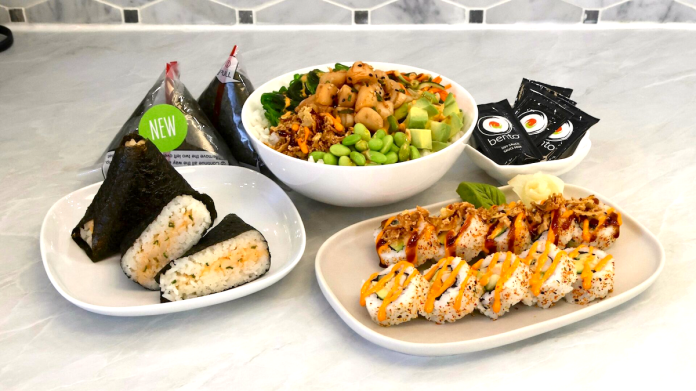
The lineup includes scallop-based rolls, onigiri, and poke bowls, formats that are already familiar to consumers but now enhanced with a higher-end ingredient. The result is a blend of indulgence and accessibility, offering a differentiated option within the grab-and-go set.
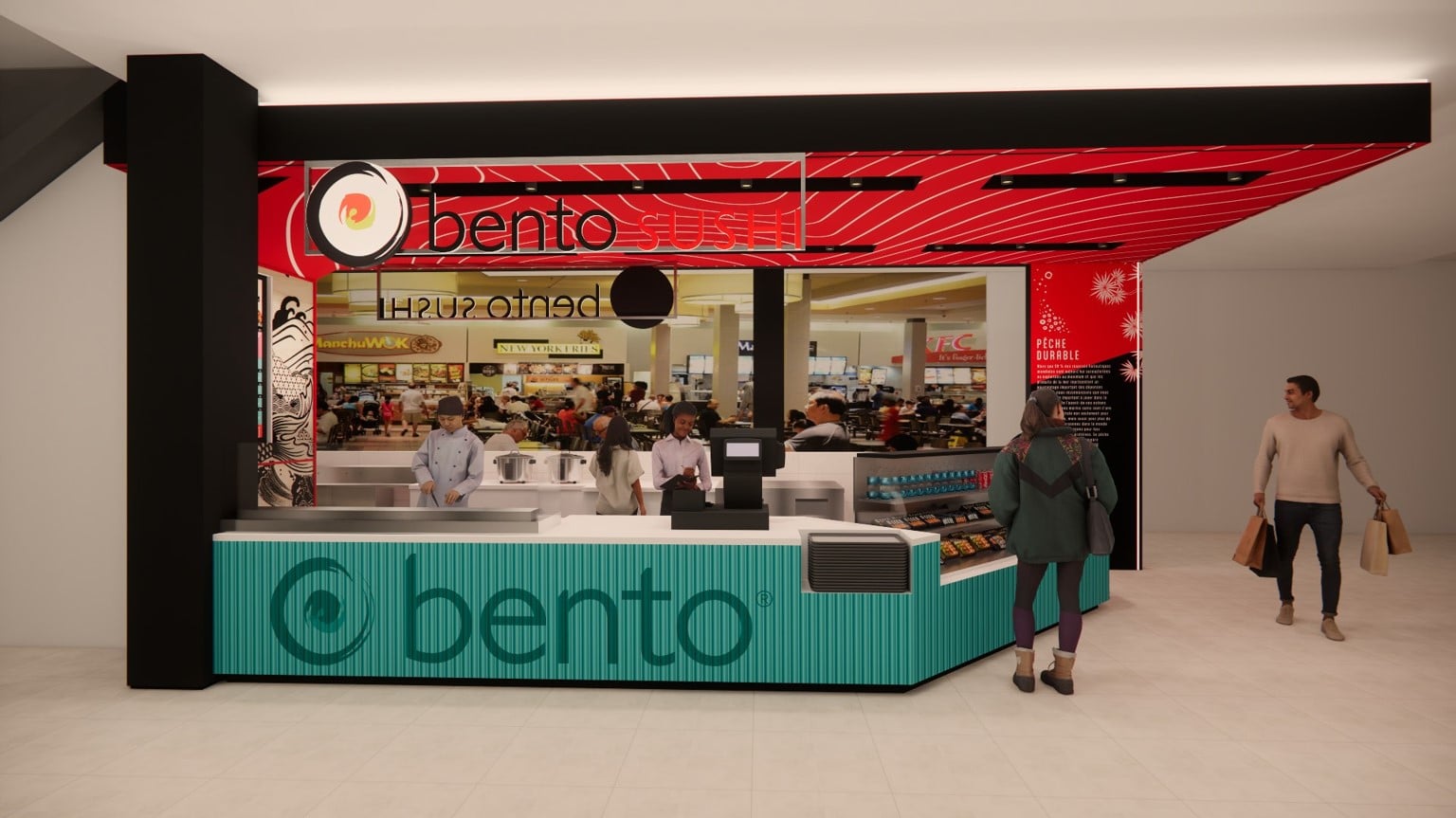
Rendering of the updated Bento Brave in St. Bruno, Quebec. Image: Bento Brave
National Rollout Across Multiple Channels
Bento’s grab-and-go scallop sushi lineup is available immediately across its extensive retail network, which includes more than 950 locations across North America. In addition to grocery kiosks, the company operates in shopping centres, transit hubs, universities, and healthcare environments, giving it broad reach across multiple consumer touchpoints.
The company also plans to extend the offering into foodservice and higher education locations in the coming months, further expanding distribution as demand evolves. This multi-channel approach reflects Bento’s “hub and spoke” operational model, which combines in-store preparation with centralized production and distribution.
Growth Strategy Supported by Brand Evolution
The launch comes amid a broader transformation for Bento, following the introduction of its “Bento Brave” branding initiative in late 2025. The rebrand aims to reposition sushi as an everyday meal option, supported by a more vibrant and accessible visual identity developed in partnership with Jump Branding & Design and Dialogue 38.
Founded in 1996 in Toronto, Bento has grown into Canada’s largest sushi company and the second largest in North America, serving more than 34 million portions annually. The business operates under the Wonderfield Group umbrella, following its acquisition by Yo! Sushi in 2017.