

Commonplace, a US-based alternative to Facebook Marketplace, with built-in payments and delivery, designed for the growing number of people who want to buy and sell secondhand but don’t want the risks of meeting strangers, is contemplating a move into the Canadian market.
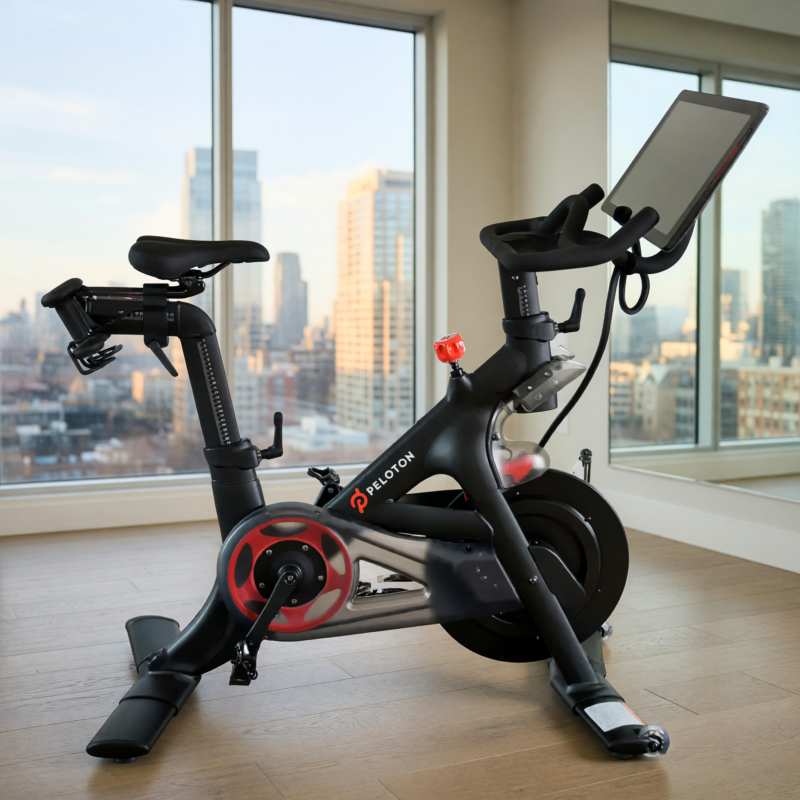
Commonplace is a logistics-enabled local marketplace focused on buying and selling bulky, high-value secondhand items like fitness equipment, wellness products, appliances, mobility and furniture. The company was built around a simple idea: people want the savings of buying secondhand, but not the friction, risk, or inconvenience that traditionally comes with it, explained Ari Kimmelfeld, Founder.
“We launched two years ago with a focus on home gym equipment and wellness products, categories where traditional peer-to-peer marketplaces tend to break down due to logistics and trust challenges. From there, we’ve expanded into broader home categories like appliances, outdoor equipment, and furniture. (cars, golf carts, and ebikes coming this month).

“What makes Commonplace different is that we are not just a listing platform. We handle the hardest parts of the transaction, including payments and delivery. Today, we operate with a network of thousands of trained delivery professionals, enabling us to facilitate transactions that would otherwise be too difficult or risky for typical marketplaces.
“In terms of reach, we serve users across the U.S., anywhere from northern Montana to southern Texas and coast to coast. We deliver within 1,000 miles of the seller, so buyers can shop for items that may not otherwise be available near them. This is especially beneficial for users who are far from a major metro area. Importantly, our delivery rates are a fraction of the cost of a typical moving company, and our aim is to reduce delivery fees over time.”
Canada is definitely a market Kimmelfeld is thinking about.
“There’s already strong secondhand demand through platforms like Facebook Marketplace and Kijiji, but the experience is still very manual. You have to deal with strangers, figure out delivery, and take on payment risk,” he said.
“In Canada, those problems are even bigger because of distance and higher logistics costs. That’s where Commonplace fits in. We handle delivery, payments, and add inspection and warranty so people can actually trust what they’re buying.
“It’s a market with a lot of premium inventory and a fragmented resale experience, which is exactly what we’re built for.”
Kimmelfeld said consumers want secondhand prices without secondhand risk. The future of recommerce belongs to platforms that make buying used feel as safe and convenient as buying new.
“The growth of secondhand shopping is raising the bar across the board. Consumers no longer see recommerce as a fringe behavior. They see it as a smarter way to shop, especially for high-ticket items. But with that shift, they prefer the experience that feels far more professional than the old peer-to-peer model. People still want the value of buying secondhand, but they do not want the friction, uncertainty, or risk that traditionally came with it. They want trusted listings, secure payments, delivery they can rely on, and a process that feels as easy as buying new,” he said.
“The biggest issues are scams, unsafe meetups, unreliable sellers and buyers, payment risk, and the operational hassle of moving large items. On traditional platforms, users often have to message strangers, negotiate endlessly, figure out logistics themselves, and hope the item is real and in the condition described. That might be tolerable for a lamp or a chair, but it breaks down for bulky, expensive items like gym equipment, saunas, appliances, and wellness products. Commonplace is built to remove that chaos by creating a more structured, trusted experience with secure payments, managed delivery, and more seller accountability throughout the transaction.
“Each item undergoes a driver inspection and customer verification before it is picked up. On more technical items like Hot tubs, golf carts, or cars we offer a professional mechanic inspection of the item prior to pickup, so the customer can get a full operating report on the item before spending a few thousand dollars on it. Additionally, for added trust we charge a $1 deposit and only charge the remaining amount once the customer can see it delivered and tested. “
Kimmelfeld said built-in payments and delivery fundamentally change the experience from informal and risky to seamless and dependable.
“Historically, peer-to-peer marketplaces were really just listing platforms. They helped people find each other, but then left everything else to the buyer and seller. Once you integrate payments and logistics, the platform becomes responsible for making the transaction actually happen. That dramatically reduces friction, increases trust, and expands the types of people willing to participate. Many consumers are open to buying secondhand, but not if it requires cash, truck rentals, awkward coordination, or inviting strangers into their home. The easier and safer the process becomes, the bigger the market can get,” he said.
“A few years ago, secondhand was often associated more with bargain hunters or people willing to tolerate inconvenience in exchange for a lower price. Today, participation is much broader. You are seeing more mainstream consumers, more affluent households, and more people furnishing homes or upgrading their wellness and fitness setups through secondhand channels. There is also much less stigma. People are increasingly proud of buying intelligently, reducing waste, and avoiding the markup of retail. Secondhand is becoming less about compromise and more about efficiency, access, and value.
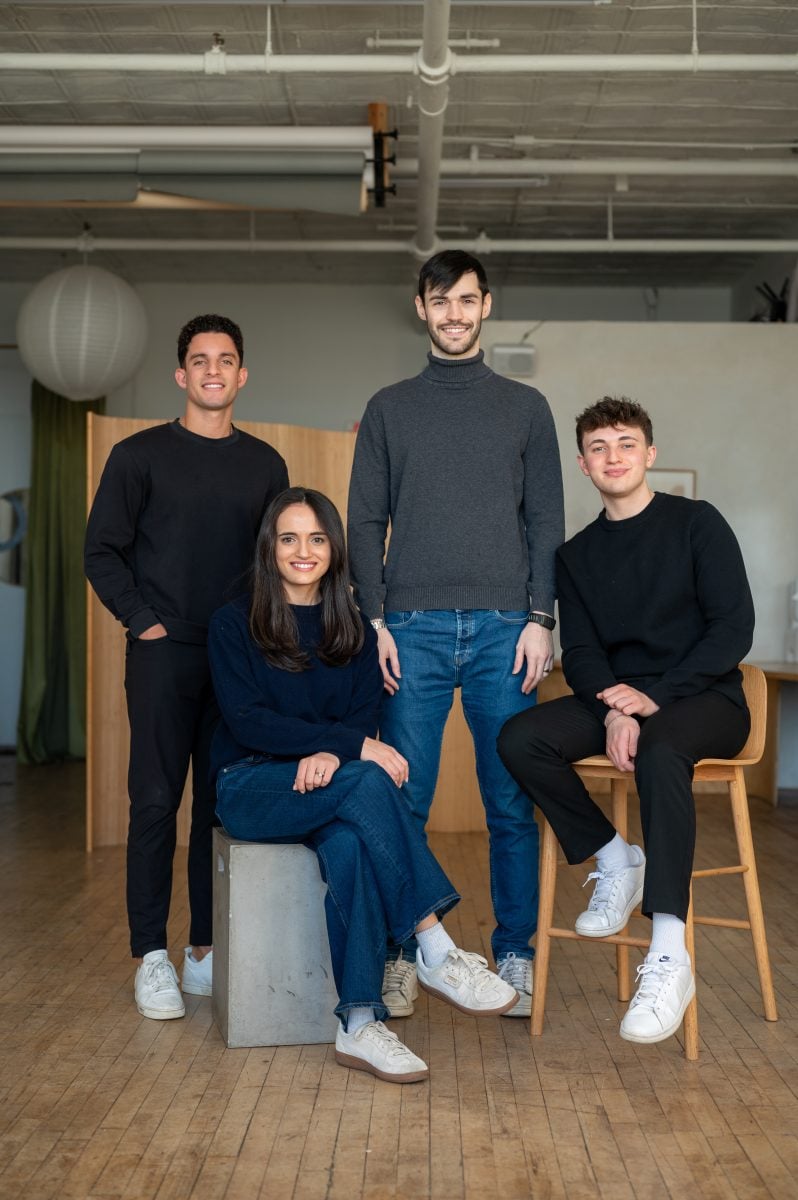
Kimmelfeld said recommerce will continue moving from fragmented peer-to-peer interactions toward more structured, service-backed platforms.
“As the category matures, the winners will not just be the marketplaces with the most listings. They will be the ones that can create the most trust and remove the most friction. Trust-first platforms will play a major role because they unlock categories and customers that were previously hard to serve. When you combine better verification, integrated payments, delivery, and post-sale support, secondhand starts to compete not just with other marketplaces, but with retail itself. That is where the real growth is,” he added.
More from Retail Insider:












Interesting move—expanding into Canada right now feels both strategic and challenging. On one hand, there’s clear opportunity as retailers continue to grow and experiment with new formats, especially in urban markets. On the other, the Canadian retail landscape is becoming more complex, with shifting consumer behavior and ongoing economic pressure shaping how brands succeed .
It’ll be interesting to see how Commonplace positions itself—whether it leans into local partnerships and value-focused offerings, which seem to resonate more with Canadian shoppers lately. run 3 online