Home Blog Page 238

Lane Bryant Enters Canada via Walmart Partnership

Photo: Lane Bryant

Lane Bryant, one of the best-known plus-size fashion brands in the U.S., is entering Canada through an exclusive distribution partnership with Walmart Canada. Canadian shoppers will gain access to the brand’s trend-forward assortment online immediately, with products arriving in 320 stores nationwide beginning February 1, 2026.

The rollout represents Lane Bryant’s first major retail expansion into Canada and reflects a broader shift in how international apparel brands are choosing to enter the market. Rather than opening standalone stores or pursuing traditional department store distribution, Lane Bryant is leveraging Walmart Canada’s scale, traffic, and national footprint to reach customers at once.

For Walmart Canada, the launch strengthens its fashion proposition in a category where Canadian consumers have long cited limited choice, inconsistent fit, and a lack of recognizable brands. For Lane Bryant and its partners, the collaboration offers an efficient, asset-light path into a market that has become increasingly difficult to enter through conventional channels.

“We know the Canadian consumer has been looking for more choices in plus-size fashion,” said Mary Castilow, Brand President of Lane Bryant. “Lane Bryant has been the market leader in the U.S. for decades, and this collaboration with Walmart Canada represents an exciting opportunity to extend that leadership, bringing Canadian women affordable, stylish fashion designed specifically for them.”

A National Launch With Immediate Scale

The Lane Bryant collection is available online immediately and will roll out in stores beginning February 1, with distribution across 320 Walmart Canada locations. In-store sizing will range from 1X to 4X, while select styles will be available online in extended sizes up to 6X. The assortment includes tops and blouses, denim, dresses, activewear, and wardrobe staples designed with fit and comfort as core priorities.

From a merchandising perspective, the launch is significant for its breadth and consistency. Rather than testing the brand in a limited number of markets, Walmart Canada is introducing Lane Bryant across its existing plus-size store network at once, ensuring a uniform national presence.

“Introducing Lane Bryant at Walmart Canada helps us bring our customers the stylish, better-fitting options in plus-size fashion they’ve been asking for,” said Molly Dobson, Vice President of Fashion at Walmart Canada. “We’re excited to bring this beloved brand to Walmart Canada. This offering helps close a gap in the market and reinforces our role as a retailer women can count on for trend-forward fashion at accessible prices.”

The move also reflects Walmart Canada’s continued investment in apparel, particularly in categories where fit and brand credibility influence purchase decisions as much as price.
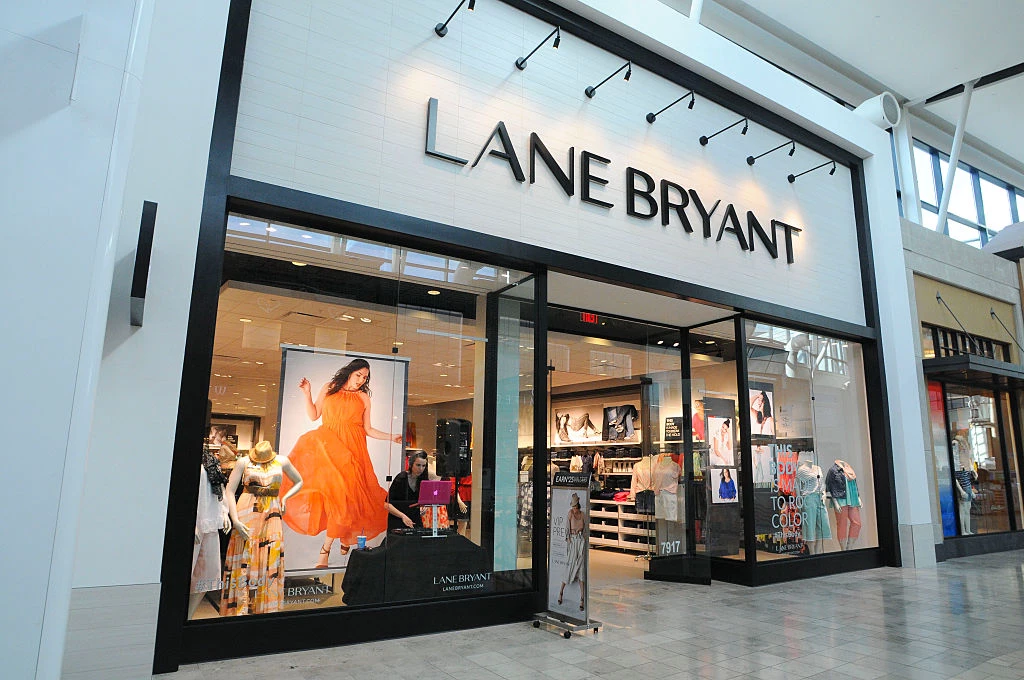
A Lane Bryant store. Photo: arloren

How the Deal Came Together

Lane Bryant’s entry into Canada is being executed through Walmart Canada’s collaboration with Centric Brands, which is working under a strategic licensing agreement with KnitWell Group, the parent company of Lane Bryant.

Centric Brands is responsible for licensing, product development, and execution for the Walmart Canada channel, bringing experience from previous Canadian-exclusive launches and mass-market retail partnerships.

In an interview with Retail Insider, Kellie Crane, Senior Vice President of Sales at Centric Brands, said the opportunity emerged naturally following earlier cross-border initiatives.

“I lead a number of Canadian-exclusive launches at Centric Brands, including the Ann Taylor and LOFT rollout with Hudson’s Bay,” Crane said. “When that chapter came to an end, it opened the door to new conversations with KnitWell Group. Lane Bryant quickly emerged as a strong opportunity, and we presented the concept to Walmart Canada as a significant, scalable launch.”

Crane noted that the timing was right for both the brand and the retailer, particularly given ongoing changes in Canada’s apparel distribution landscape.

A Monobrand Strategy Inside Walmart

One of the most notable aspects of the launch is how deeply Lane Bryant is being integrated into Walmart Canada’s plus-size assortment. Rather than adding the brand alongside existing private labels, Walmart Canada is repositioning the category around a single, dedicated brand destination.

“This is a major commitment,” Crane said. “The Lane Bryant launch will replace Walmart Canada’s existing plus-size assortment with a single, monobranded destination. It’s a sizable shift and reflects strong confidence from all partners in the strength of the brand.”

By consolidating its plus-size offer around Lane Bryant, Walmart Canada is betting on brand recognition, fit consistency, and fashion credibility to drive loyalty and repeat visits. The approach also simplifies the shopping experience for customers who often struggle to navigate fragmented plus-size assortments.

“The collection will launch in 320 Walmart Canada locations, matching the retailer’s existing plus-size distribution,” Crane added. “It’s a true national rollout, going live across the country at once.”
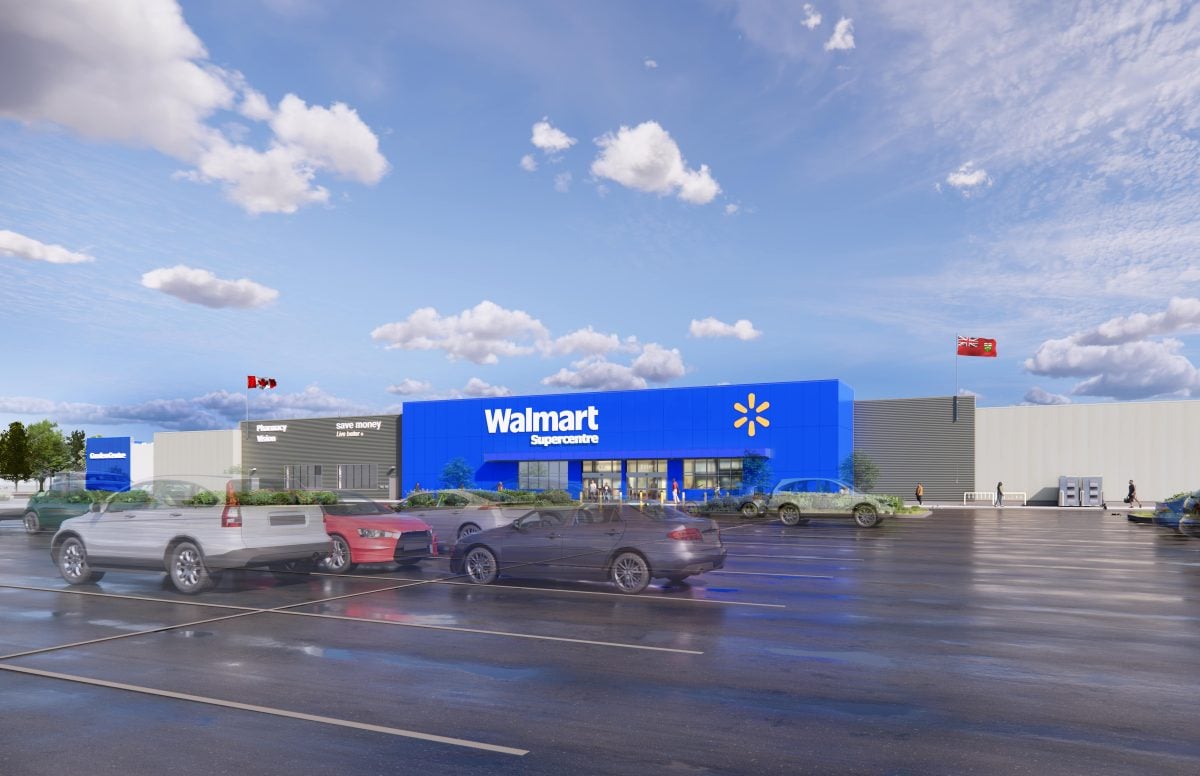
Photo- Walmart
Photo- Walmart Canada

Why Lane Bryant Travels Well

Founded more than 120 years ago by Lena Himmelstein Bryant Malsin, Lane Bryant was built on the belief that women of all sizes deserved clothing designed specifically for them. Over time, the brand has become one of the most recognized names in plus-size apparel in the United States, earning loyalty through a focus on fit, comfort, and wearable style.

Today, Lane Bryant operates hundreds of stores across the U.S. alongside a substantial e-commerce business, serving a customer base that values both fashion relevance and sizing consistency. That heritage, combined with strong brand awareness among Canadian consumers familiar with U.S. retail, made the brand a compelling candidate for cross-border expansion.

“Lane Bryant is a brand that deeply resonates with consumers,” said Brent Unger, President of the Lifestyle Division at Centric Brands. “We are proud to partner with KnitWell to bring Lane Bryant to Walmart Canada, where it will become a go-to plus-size fashion destination for Canadian shoppers.”

Filling a Gap in the Canadian Market

The launch comes at a time when Canadian apparel consumers face fewer mid-market and department store options than in the past. Several international brands that once relied on department store distribution have been forced to rethink how they reach Canadian shoppers, particularly at scale.

Crane acknowledged that reality during the interview, pointing to the narrowing set of viable entry points for brands seeking national exposure.

“There are fewer options for brands and for consumers than there used to be,” she said. “That’s why partnerships like this matter. Walmart Canada offers reach, consistency, and the ability to deliver fashion at scale.”

She also highlighted Walmart’s broader evolution in apparel as a factor in the decision.

“Walmart has made meaningful progress in fashion, particularly in how it presents and executes at the value end of the market,” Crane said. “There’s a real opportunity there, especially in Canada, where accessible, well-designed apparel options have become harder to find.”

What Shoppers Can Expect

The Lane Bryant assortment at Walmart Canada is positioned as trend-forward but wearable, balancing everyday essentials with seasonal fashion updates. New styles will arrive regularly, reinforcing the brand’s relevance and encouraging repeat visits both online and in-store.

Sizing strategy also plays a key role. By offering extended sizes online while maintaining a focused in-store range, Walmart Canada can serve a broader customer base without compromising merchandising clarity or store productivity.

For shoppers, the value proposition combines Lane Bryant’s design and fit expertise with Walmart’s pricing and convenience, a pairing that both partners believe will resonate strongly.


More from Retail Insider:

Apple Reports Record Q1 2026 Financial Results

iPhone 17. Photo: Apple.

Apple, an American technology company, is reporting significant financial achievements for its first quarter of fiscal 2026, which ended on December 27, 2025. The company posted quarterly revenue of $143.8 billion, marking a 16 percent increase compared to the previous year. Diluted earnings per share also saw a substantial rise to $2.84, reflecting a 19 percent year-over-year growth.

CEO Tim Cook highlighted the performance, stating, “Today, Apple is proud to report a remarkable, record-breaking quarter, with revenue of $143.8 billion, up 16 percent from a year ago and well above our expectations.” This surge was driven by unprecedented demand for the iPhone, which performed exceptionally well across all geographic segments. Additionally, Services revenue reached an all-time record, up 14 percent compared to the previous year.


According to Kevan Parekh, Apple’s CFO, the strong quarterly performance led to earnings per share growth of 19 percent and the generation of nearly $54 billion in operating cash flow. Parekh noted, “These exceptionally strong results generated nearly $54 billion in operating cash flow, allowing us to return almost $32 billion to shareholders.”

Dividend Declaration

In conjunction with its financial results, Apple’s board of directors declared a cash dividend of $0.26 per share. This dividend is set to be payable on February 12, 2026, to shareholders who are recorded as of the close of business on February 9, 2026.


Future Outlook

Apple has indicated its commitment to maintaining transparency with investors. The company plans to host a live streaming of its Q1 2026 financial results conference call beginning at 2:00 p.m. PT on January 29, 2026. The webcast will be available for replay for approximately two weeks thereafter.

In a reminder of the importance of strategic foresight, Apple’s press release noted forward-looking statements that pertain to the business’s future, addressing potential risks including global economic conditions, product design and manufacturing challenges, and legal uncertainties. More detailed information on these aspects can be found in the Company’s filings with the SEC.

With its continued emphasis on innovation and customer satisfaction, Apple maintains its status as a leader in the technology sector, bringing to market not only hardware like iPhones and iPads but also an ecosystem of services that includes the App Store, Apple Music, and Apple Pay.

More from Retail Insider:

Starbucks Canada Rolls Out Tiered Rewards Program

Photo from Starbucks website
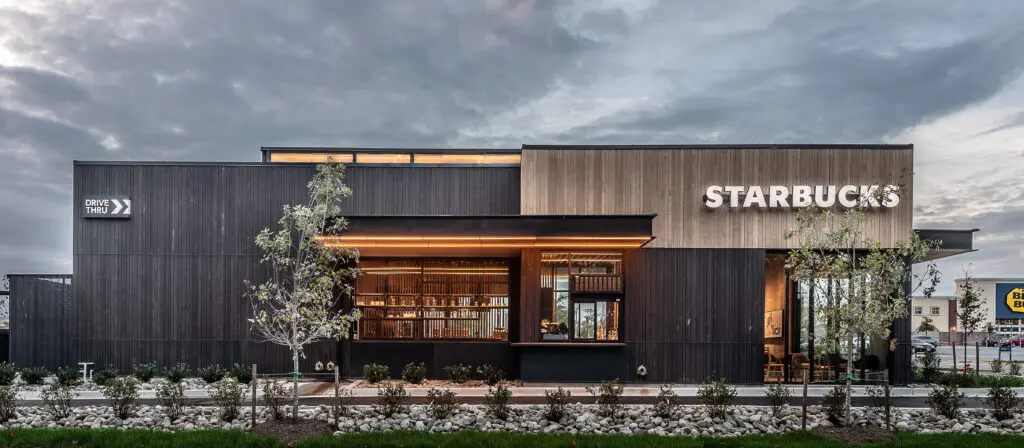
Photo: Starbucks

Starbucks Canada is undertaking one of the most significant loyalty program changes in its history, rolling out a fully reimagined Starbucks Rewards structure that aims to deepen customer engagement, accelerate value delivery, and strengthen long-term loyalty. Launching March 10, the updated program introduces three clearly defined membership tiers, Green, Gold, and Reserve, marking a shift toward a more personalized and experiential loyalty model.

The overhaul reflects years of customer feedback and changing expectations around how consumers interact with retail brands, particularly in foodservice. Starbucks says the redesigned program is intended to deliver meaningful value more quickly while also rewarding its most engaged customers with enhanced benefits that go beyond traditional points-based systems.

With more than 38 million active Starbucks Rewards members across North America, the loyalty program remains one of the company’s most powerful growth engines. In Canada, where Starbucks continues to maintain a dense store network and strong digital adoption, the company believes the new structure better aligns with local customer habits and expectations.

Responding Directly to Member Feedback

According to Starbucks, the redesign was shaped by extensive feedback from members who wanted greater flexibility, faster access to rewards, and more personalization beyond simply accumulating Stars.

“Our members across the board told us they wanted more meaningful value, more personalization, and more ways to engage beyond simply earning Stars,” said Deborah Neff, Vice President, Product and Marketing, Starbucks Canada. “That feedback guided every part of the redesign.”

One of the most common concerns raised by customers was Star expiration, an issue Starbucks addressed by introducing tier-based expiration rules that reward engagement without penalizing occasional visits. At the same time, members also asked for quicker ways to redeem rewards, prompting the introduction of a new 60-Star redemption option that allows customers to receive $2 off any eligible purchase.

“We heard concerns about Star expiration, which led us to create new ways to extend Star life, or remove expiration entirely as members move up in the program,” Neff said.

Image: Starbucks

A Strategic Shift in Starbucks’ Loyalty Philosophy

The new Starbucks Rewards Canada program also reflects a broader strategic shift underway at the company globally. Starbucks executives describe the relaunch as a key component of the company’s “Back to Starbucks” strategy, which emphasizes reconnection with customers, improved in-store experiences, and renewed brand loyalty.

“We’re redefining the industry with customer-focused benefits that set the new standard and ignite fandom,” said Tressie Lieberman, Global Chief Brand Officer at Starbucks. “Starbucks Rewards has always been about creating connection, and we’re building on that success with a reimagined program inspired by members’ feedback, offering faster, more meaningful benefits that deliver everyday value.”

Lieberman described the tiered structure as a foundation for future innovation, allowing Starbucks to recognize different levels of engagement while opening the door to more premium and experiential rewards.

“Our new program delivers a more rewarding experience that deepens engagement,” she said. “It’s a key milestone and will reinvigorate what it means to be a Starbucks Rewards member.”

Introducing Green, Gold, and Reserve Membership Levels

Under the new framework, Starbucks Rewards Canada members are grouped into three tiers based on the number of Stars earned within a 12-month period. Members can move between tiers at any time as their engagement grows, with progress tracked directly through the Starbucks app.

The Green tier serves as the entry point and remains accessible to casual and frequent customers alike. Members earn one Star per dollar spent and continue to enjoy familiar benefits such as a birthday reward and personalized offers. A notable new feature at this level is Free Mod Mondays, which provides one complimentary beverage modification on a selected Monday each month.

“Like many people, Mondays are not always my easiest day,” Neff said. “That’s why I’m most excited about Free Mod Mondays. I love the idea of giving my morning latte an extra shot of espresso to get things going or experimenting with a new syrup to brighten the start of my week.”

Green members’ Stars remain valid for six months, but expiration can be extended monthly by completing a qualifying activity such as making a purchase, redeeming a reward, or digitally reloading a Starbucks Card.

Once a member earns 500 Stars within a year, they advance to Gold status. Gold members earn Stars at an accelerated rate of 1.5 Stars per dollar spent and unlock Stars that never expire. Additional benefits include an extended seven-day window to redeem birthday rewards and at least four exclusive Double Star Days annually.

At the top tier, Reserve membership is designed to recognize Starbucks’ most loyal customers. Members who earn 2,500 Stars within 12 months qualify for Reserve status and earn 1.7 Stars per dollar spent. In addition to all Green and Gold benefits, Reserve members receive at least six exclusive Double Star Days annually, a 30-day birthday redemption window, and access to experiential rewards that extend beyond the store.

Photo: Starbucks

Elevating Loyalty Through Experience

One of the most notable shifts in the Starbucks Rewards Canada program is the emphasis on experiential loyalty at the Reserve level. Rather than focusing solely on transactional rewards, Starbucks is introducing curated experiences that reinforce emotional connections to the brand and its coffee culture.

Reserve members may gain access to exclusive merchandise, curated events, and opportunities to win all-expenses-paid trips to destinations such as Tokyo, Milan, or Costa Rica, where they can explore coffee culture firsthand.

“Today’s customers want more than a simple transaction, they want to feel seen and connected,” Neff said. “With experiential rewards, we’re able to build on that promise by offering moments that feel personal, memorable, and grounded in the craft our baristas bring to every cup.”

She added that these experiences are intended to deepen customers’ understanding of the brand’s coffee journey while strengthening emotional loyalty.

“When customers feel genuinely celebrated and included, their bond with the brand becomes stronger, more personal, and more enduring,” Neff said.

Faster, More Flexible Rewards Redemption

A central pillar of the redesign is faster access to rewards, an area where Starbucks acknowledged clear member demand. The introduction of a new 60-Star redemption tier allows members to take $2 off any qualifying purchase, enabling meaningful rewards in as few as four visits for some customers.

“We know customers want to be able to redeem rewards faster,” Neff said. “That’s why we added the 60-Star tier, giving members $2 off any eligible item and allowing them to see value very quickly.”

In addition to the new tier, Starbucks continues to offer a range of redemption options, including drink customizations, brewed coffee and bakery items, handcrafted beverages, food items, packaged coffee, and select merchandise.

The company believes that providing multiple redemption pathways helps accommodate different customer behaviors and preferences, whether members prioritize frequent visits, larger purchases, or occasional treats.

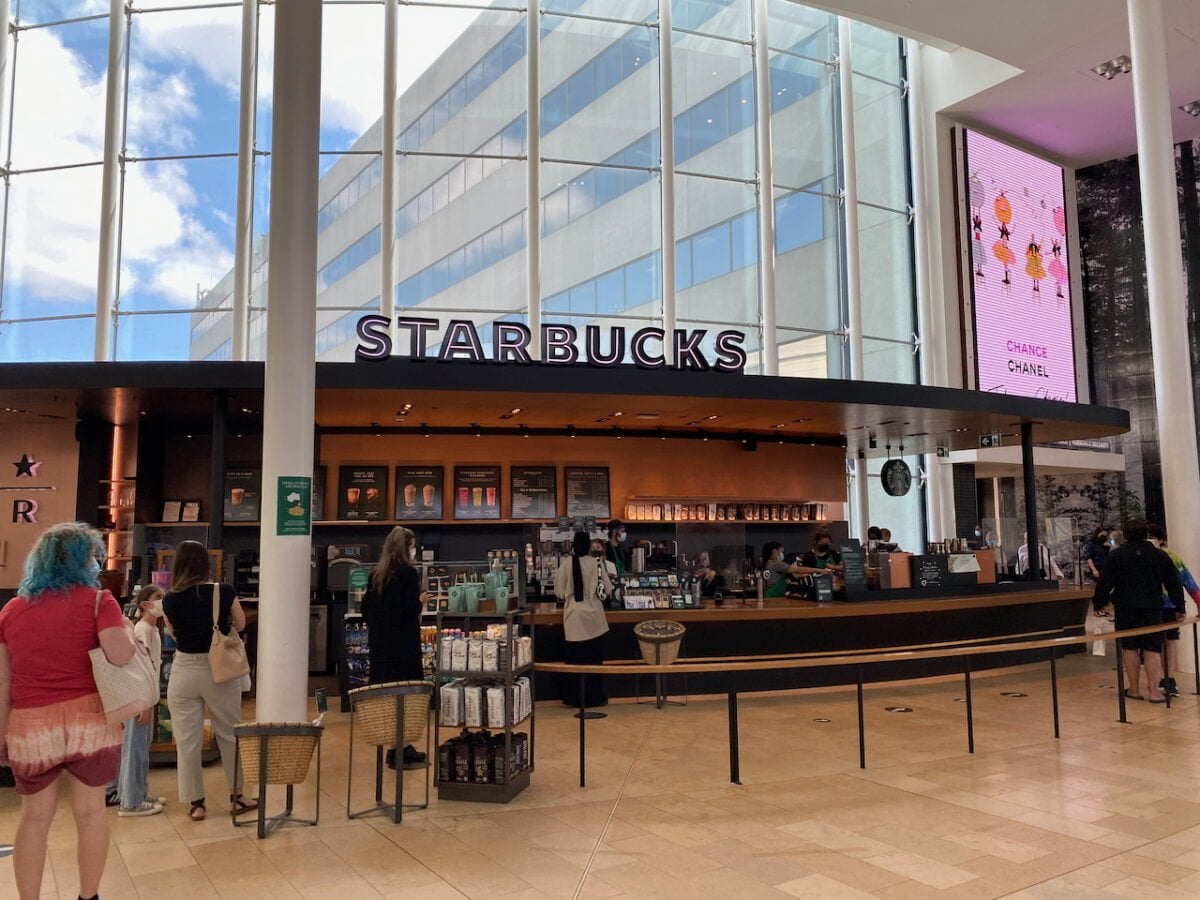
Starbucks at Yorkdale Shopping Centre
Starbucks at Yorkdale Shopping Centre – Photo by Dustin Fuhs (July 31st, 2021)

Balancing Frequency and Spend

Unlike some loyalty programs that heavily favour either visit frequency or transaction size, Starbucks says its redesigned model aims to reward both behaviours. Members earn Stars on every purchase, while digital reloads of Starbucks Cards provide bonus Star opportunities at specific thresholds.

“The new program is designed to recognize both how often members visit and how much they choose to spend,” Neff said. “By offering both visit-based and spend-based opportunities, the program remains rewarding no matter how customers prefer to engage with Starbucks.”

This dual approach reflects Starbucks’ understanding of diverse customer habits across urban, suburban, and commuter-focused locations throughout Canada.

What Members Will See at Launch

When the Starbucks Rewards Canada program launches on March 10, members will automatically be placed into a tier based on their Starbucks Rewards activity during the 2025 calendar year. All existing Stars will remain in members’ accounts, ensuring continuity during the transition.

Each tier is valid for 12 months, with members required to requalify annually to maintain Gold or Reserve status. Starbucks says the app will clearly display tier progress and benefits, reinforcing transparency and ease of use.

Measuring Success and Looking Ahead

In its first year, Starbucks says it will closely track engagement metrics such as visit frequency, Star earning and redemption behaviour, and progression through membership tiers to assess the program’s effectiveness.

“Our goal is to ensure the redesigned program delivers meaningful value while strengthening long-term customer relationships,” Neff said.

Looking forward, Starbucks views the relaunch as a foundation rather than a finished product. The company plans to continue evolving Starbucks Rewards Canada through expanded partnerships, deeper digital engagement, and additional experiential offerings.

“The redesigned program establishes a strong foundation for future innovation,” Neff said. “As expectations evolve, we’ll continue introducing new ways for members to personalize their experience and engage beyond traditional transactions.”

More from Retail Insider:

Payroll employment in retail trade decreases in November: Statistics Canada

Photo: RDNE Stock project

Payroll employment in retail trade decreased by 4,700 (-0.2%) in November, bringing the cumulative decline since June to 14,600 (-0.7%). The decline over this period was driven by clothing, clothing accessories, shoes, jewelry, luggage and leather goods retailers (-8,400; -4.0%) and sporting goods, hobby, musical instrument, book, and miscellaneous retailers (-4,500; -2.2%), according to a report released Thursday by Statistics Canada.

Compared with one year earlier, payroll employment in retail trade was down 30,700 (-1.5%) in November, led by food and beverage retailers (-12,100; -2.2%) and general merchandise stores (-7,700; -2.9%). Year-over-year declines were recorded in seven out of nine subsectors, said the federal agency.

“Payroll employment in accommodation and food services decreased in November (-3,600; -0.3%) for the third consecutive month, bringing the cumulative loss since September to 9,000 (-0.7%). These recent declines partially offset the cumulative gain recorded from April to August (+14,800; +1.2%),” added Statistics Canada.

“On a year-over-year basis, payroll employment in this sector was down 10,500 (-0.8%) in November, with declines recorded in four out of six industries. Full-service restaurants and limited-service eating places (-7,700; -0.8%) accounted for most (73.2%) of the year-over-year decline.”

Statistics Canada said the overall number of employees in Canada receiving pay and benefits from their employer—measured as “payroll employment” in the Survey of Employment, Payrolls and Hours—decreased by 26,200 (-0.1%) in November, following an increase of 11,900 (+0.1%) in October. On a year-over-year basis, payroll employment was up by 48,300 (+0.3%) in November.

Monthly payroll employment declines were recorded in 10 of the 20 sectors in November, including retail trade (-4,700; -0.2%), manufacturing (-4,200; -0.3%), accommodation and food services (-3,600; -0.3%) and arts, entertainment and recreation (-2,700; -0.8%). The losses were partially offset by an increase in health care and social assistance (+2,000; +0.1%), it said.

Meanwhile, there were 472,100 vacant positions in Canada in November, little changed from October, when a decrease of 18,800 (-3.9%) was observed. On a year-over-year basis, job vacancies were down by 67,200 (-12.5%) in November 2025.

More from Retail Insider:

Canadian Retail News From Around The Web For January 29, 2026

Canadian Retail News From Around The Web

News at a Glance

Retail Insider is streamlining its Canadian retail news from around the web to include a handful of top news stories that can be viewed quickly during the day. Here are the top stories from the past 48 hours.

Furniture sales continue to slump in tandem with real estate market (Globe & Mail)

Metro CEO says consumers still shopping at discount banners amid high food prices (Canadian Press)

Amazon employees in Canada told about layoffs through premature internal email (CBC)

Empire reshapes e-commerce strategy, closes Alberta facilities (Grocery Business)

Calgary gold retailers see ‘huge increase’ in business as precious metal prices soar (CBC)

Canadian PM Carney announces series of measures aimed at lowering food costs (Reuters)

Jim Pattison Developments says sale of warehouse to ICE ‘still subject to certain approvals’ (Vancouver Sun)

Healthy Planet to open new locations in Ontario, uses e-commerce to reach national customers (Grocery Business)

Sheena Rioux takes on director, retail sales role at Sofina Foods Canada (Grocery Business)

How the K-shaped economy is splitting B.C. retail (Business in Vancouver)

Edmonton’s retail market called resilient in new report (CBC)

Why convenience retail in Canada needs a food-led reset (Grocery Business)

5 charged in arson, extortion offences targeting Winnipeg convenience store owners, police say (CBC)

Japanese strawberries enter Canadian retail at $30 per pack (Hortidaily)

Opinion: Alberta can lower food prices by banning supermarket property controls (Edmonton Journal)

Rutland Home Hardware now a Rona location, ownership stays the same (Castanet)

Tim Hortons dismisses exit rumors, plans 50 new stores in Korea (Joonang)

AI-enabled fraud surges as most retailers remain unprepared, Deloitte warns

Photo: Nataliya Vaitkevich

According to Deloitte’s latest report on AI enabled fraud in retail, only 3% of retailers feel well prepared to address AI-enabled fraud risks. 

As retailers embrace AI-driven innovation, fraudsters are using the same technology to launch more complex, scalable attacks. In just one quarter, retailers with high AI adoption saw a 37% spike in fraudulent traffic. Additionally, 69% of retailers experienced AI-enabled fraud in the past year, and 87% expect fraud to keep rising. 

Kevin Luh, a partner responsible for fraud strategy and transformation at Deloitte, explained that the problem isn’t about awareness, as most retail leaders do recognize the importance of AI-enabled fraud. 

The gaps are in the execution. The 97% of retailers struggle in three areas, he noted:

  • Funding Constraints – fraud initiatives are deprioritized over other growth initiatives
  • Resource Limitation – limited or no specialized fraud and AI skillsets to implement or operationalize the strategy to mitigate AI-enabled fraud
  • Technology Effectiveness – limitations of the legacy technology that wasn’t built for the new world of AI-enabled, high-velocity attacks
Kevin Luh
Kevin Luh

“In short, retailers aren’t ignoring the risk, but they face the agility challenges to implement changes,” said Luh.

He said the 37% spike isn’t about retailers adopting AI, but rather it is tied to LLM(Large Language Models)-referred shopping traffic. 

“When a consumer uses tools like ChatGPT to browse, compare, and make a payment, those transactions are 1.7 times more likely to be fraudulent than a consumer visiting the eCommerce site directly. The elevated fraud risk includes the use of stolen credit cards, abuse of customer-friendly return policies, and promotional loopholes,” said Luh.

“The blind spot is that LLM-referred traffic masks many signals that retailers rely on to identify fraud, such as device fingerprints, digital behavioural telemetry, and session patterns, making the fraudulent behaviours indistinguishable from legitimate consumers.”

Traditional fraud controls were implemented for a world where attack patterns change slowly and over time. In an AI-driven environment, he noted: 

  • Tuning cycles are too slow – Fraudsters can generate different sorts of attacks quickly and change their attack pattern to evade known detection, but retailers often need hours, days, or weeks to manually tune the systems to ensure limited or no disruption to legitimate consumers.
  • Limitation of detecting bot-like behaviours – Retailers rely on identifying bot-like behaviours as they are more prone to being fraudulent; however, with more consumers using LLM agents for online shopping, those digital telemetry and device fingerprint signals have become unreliable.

“Customer trust is foundational and difficult to rebuild once lost. As retailers pursue growth opportunities enabled by agentic AI, fraud and security needs should be treated as design inputs rather than an afterthought,” added Luh.

“For many leading organizations, security and fraud risk considerations are already embedded in the design rather than being retrofitted after incidents occur to achieve balanced growth, customer experience, and brand reputation”.

For retailers facing budget and talent constraints, what are the first two or three high-impact actions they should take now to modernize their fraud strategy and reduce risk within the next 12 months? Luh said there are two highest-impact actions that retailers can consider:

  1. Conduct a focused fraud-risk assessment to prioritize near-term investment areas – identify and estimate potential exposure to new and emerging fraud risks, evaluate existing capabilities, and highlight critical gaps to address. This ensures funding priority to focus on immediate-term initiatives.
  2. Expand external intelligence and partnership – acknowledge retailers cannot out-innovate the fraudster alone. In addition to upskilling the internal staff, augment defences with the expanded use of external consortium intelligence from solution providers, networks, and payment partners.

More from Retail Insider:

New Walmart Supercentre coming to Alberta in southwest Edmonton

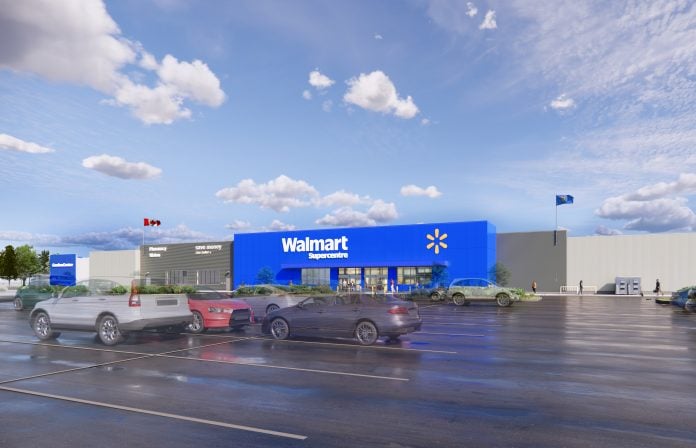
Photo- Walmart
Photo- Walmart

To better serve its customers in Edmonton, Walmart Canada says a new Supercentre is expected to open in 2027 in Desrochers Village, on Heritage Valley Trail SW.

The retail said the approximately 140,000 square-foot southwest Edmonton Supercentre will feature:

  • A full grocery department with fresh produce, bakery, fresh protein assortment (including chicken, beef, pork and seafood) and deli
  • Its full general merchandise assortment, including home, electronics and apparel
  • A Pharmacy

It said customers will be able to access Walmart Canada’s full online order pickup and delivery options for grocery and general merchandise.

Kelly Voisin
Kelly Voisin

“We’ve been part of the Edmonton community since 1994 and can’t wait to bring a new Supercentre to the community, helping to make it even more convenient to shop with Walmart,” said Kelly Voisin, Director, Real Estate, Walmart Canada. “This new store is part of our $6.5 billion investment announced in 2025 that will bring even more Supercentres and our everyday low prices to customers across the country.”

In 2025, Walmart Canada said it announced a $6.5 billion investment over the next five years to expand its store and supply chain footprint. As part of this plan, in 2025 Walmart Canada opened new Supercentres in Port Credit and Oakville in Ontario and grand opened its Ambient Distribution Centre in Vaughan, ON. So far, six new Supercentres are slated to open over the next two years: Fort McMurray, AB, Sherbrooke, QC, Tsuut’ina Nation, AB, Hamilton, ON, London, ON, and Edmonton, AB. In addition, the Squamish, BC Walmart store will become a Supercentre, adding fresh grocery to our existing assortment to better serve itscustomers.

Walmart Canada operates 59 stores in Alberta, including 12 in Edmonton, and employs over 14,000 associates in the province. 

More from Retail Insider:

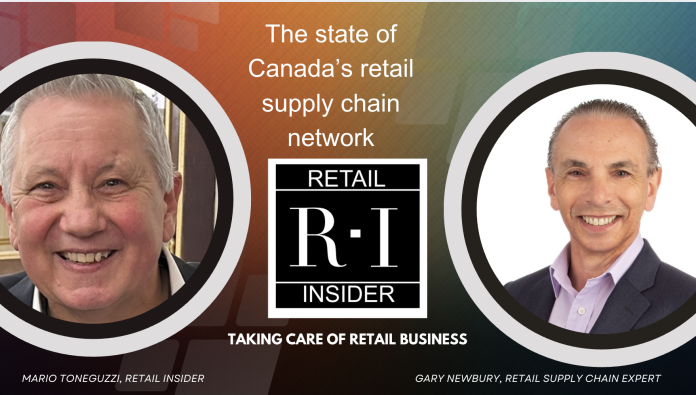
VIDEO: Canadian retailers face structural supply chain reckoning: Gary Newbury

Canadian retailers are confronting a fundamentally different supply chain environment where past operating models no longer work, according to Gary Newbury, an expert in end-to-end retail supply chain networks.

Newbury says many retailers are still relying on systems and processes designed for a far simpler, pre-2019 world. While global disruptions over the past few years exposed vulnerabilities, he argues that the real shift is the disappearance of any margin for error. Cost pressures from labour, transportation, inventory carrying and tariffs are now structural, not temporary, making it impossible to negotiate or spreadsheet costs away.

According to Newbury, supply chain cost should be treated as a design issue. Retailers that expect conditions to “return to normal” are already behind, as expenses continue to rise and flexibility continues to shrink. Sustainable cost control, he notes, requires re-engineering how goods flow through the network, not simply cutting headcount or squeezing vendors.

He also points to last-mile fulfillment as a growing challenge. E-commerce options such as same-day delivery, click-and-collect and free returns expanded rapidly, but often without sufficient operational control. Newbury says service promises are increasingly misaligned with economic reality, particularly as return volumes and reverse logistics costs climb.

On automation and artificial intelligence, Newbury urges pragmatism over hype. While he supports targeted automation, he cautions that most retailers are not ready for fully autonomous supply chains. The greatest value today comes from process clarity, reliable data and disciplined execution rather than ambitious, futuristic visions.

Cyber risk and AI governance are also rising concerns as retailers expose more systems to suppliers and partners. Newbury says control will matter more than novelty heading into 2026.

Finally, he describes sourcing volatility as a board-level risk. Tariffs, geopolitical uncertainty and foreign exchange fluctuations are forcing retailers to rethink global sourcing, with nearshoring emerging as a risk-management strategy rather than a cost play.

Overall, Newbury emphasizes that supply chain resilience is now a strategic imperative for Canadian retail.

More from Retail Insider:

Restaurants Canada encouraged by federal government’s announcement of new food affordability measures

Photo: Tima Miroshnichenko

Restaurants Canada says it is encouraged by this week’s announcement by the federal government of an enhanced GST credit to deal with food affordability, and new investments in Canada’s food production and supply chain infrastructure. 

“This announcement is a move in the right direction in taking action to address the real challenges that Canadians are facing with escalating food costs, an issue we have been actively discussing with the federal government and parliamentarians over the past year,” explained Kelly Higginson, President and CEO, Restaurants Canada.

“Millions of Canadians rely on restaurants daily for some of their meals, but restaurants are also one of the first discretionary spending categories that Canadians cut from their budgets when they are struggling. In a 2025 survey, 75% of Canadians told us they are reducing their restaurant visits due to cost-of-living increases. As a result, 41% of restaurants are operating at a loss or just breaking even, up from 12% in 2019.

“The foodservice industry is the fourth-largest private sector employer in the country, with nearly 1.2 million employees, including 500,000 youth. Addressing food affordability helps to strengthen restaurants’ ability to hire and train the next generation of workers and support the prosperity of every community across the country.

Kelly Higginson
Kelly Higginson

“While the GST credit increase will help the hardest-hit Canadians afford daily essentials, including meals purchased from restaurants, we will continue to work with the government on broader affordability measures, including exempting all food from GST, as it did during the 2025 GST holiday.”

Earlier this week, the federal government said the global landscape is rapidly changing, leaving economies, businesses, and workers under a cloud of uncertainty. 

“In response, Canada’s new government is focused on what we can control: building a stronger economy to make life more affordable for Canadians. To that end, we are securing new trade and investment partnerships abroad and building our strength at home – to create good career opportunities with higher wages for Canadians,” it said. 

“Our plan is moving Canada’s economy from reliance to resilience, though some of the biggest long-term payoffs of this transformation will take time to be felt. To ensure Canadians have the support they need right now, the government has introduced a series of new measures to bring down costs – including cutting taxes for 22 million Canadians, supercharging homebuilding, and protecting and expanding vital social programs.”

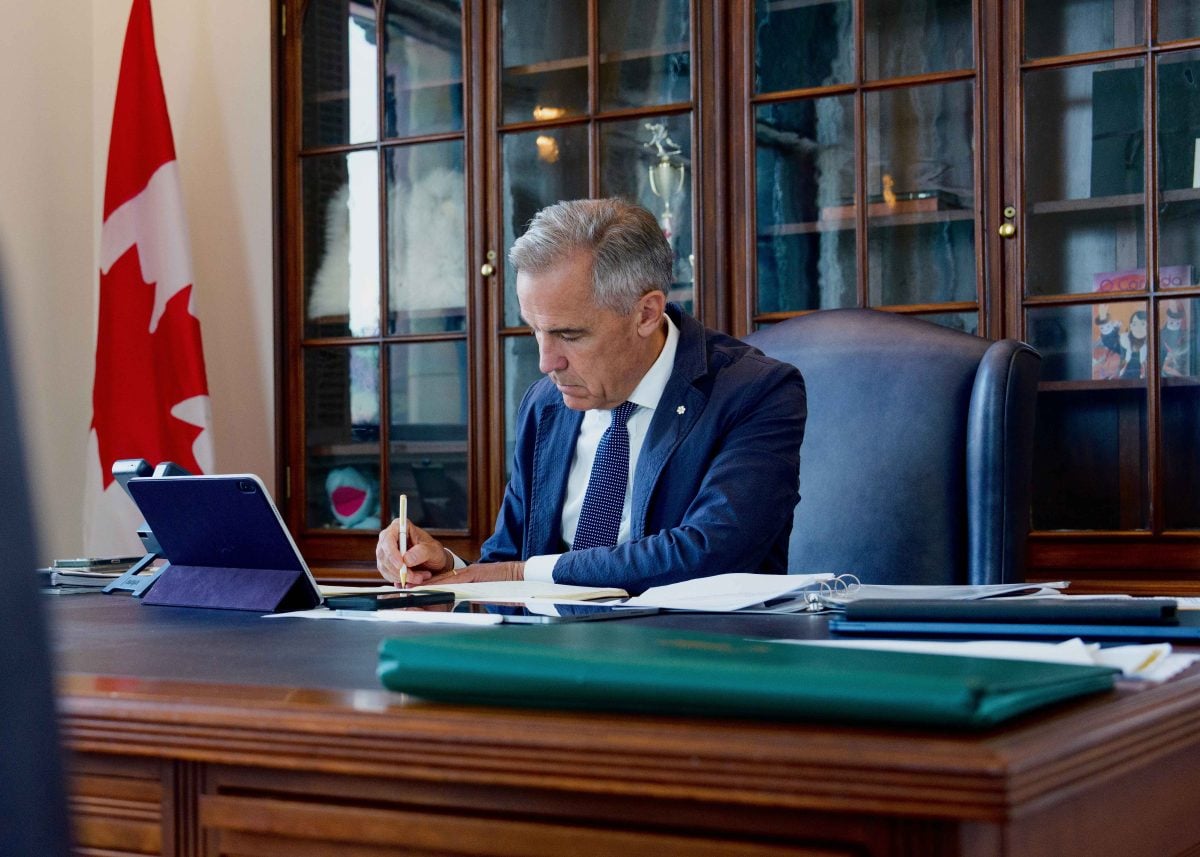
Prime Minister Mark Carney introduced new measures to make groceries and other essentials more affordable:

1.    Putting more money back in Canadians’ pockets

  • The government is introducing the new Canada Groceries and Essentials Benefit – formerly the Goods and Services Tax (GST) Credit. We are increasing its amount by 25% for five years beginning in July 2026.
  • In addition to that, we are providing a one-time payment, equivalent to a 50% increase this year.
    • Combined, this means that a family of four will receive up to $1,890 this year, and about $1,400 a year for the next four years; and a single person will receive up to $950 this year, and about $700 a year for the next four years.
    • The new Canada Groceries and Essentials Benefit will provide additional, significant support for more than 12 million Canadians.
Prime Minister Mark Carney

2.    Tackling food insecurity, supporting producers, and strengthening supply chains

  • The government is setting aside $500 million from the Strategic Response Fund to help businesses address the costs of supply chain disruptions without passing those costs on to Canadians at the checkout line.
  • For the same purpose, the government will create a $150 million Food Security Fund under the existing Regional Tariff Response Initiative for small and medium enterprises and the organisations that support them.
  • To lower the cost of food production, we are introducing immediate expensing for greenhouse buildings. This allows producers to fully write off greenhouses acquired on or after November 4, 2025, and that become available for use before 2030. This measure supports increased domestic supply and investment in food production over the medium-term.
  • To ease immediate pressures with food banks, the government is providing $20 million to the Local Food Infrastructure Fund. This supports food banks and other national, regional, and local organisations to deliver more nutritious food to families in need.
  • To tackle the root causes of food insecurity, we are developing a National Food Security Strategy – one that strengthens domestic food production and improves access to affordable, nutritious food.
  • This strategy will also include measures to implement unit price labelling and support the work of the Competition Bureau in monitoring and enforcing competition in the market, including food supply chains.

“One of the best things about Canada is that you don’t have to be born rich to succeed. To protect that fundamental value, we are building a stronger economy that benefits everyone – creating thousands of new career opportunities with better wages. We’re also bringing in new measures to lower costs and make sure Canadians have the support they need now. We’re building Canada strong, because we’re strongest when we look after each other and when we ensure everyone has the chance to get ahead,” said Carney.

More from Retail Insider:

Canadians turn to AI for shopping, but trust remains the biggest barrier: IBM study

Photo: Andrea Piacquadio

The annual global IBM consumer retail study, recently released in collaboration with National Retail Federation (NRF), indicates Canadians are moving from browsing to guided buying:

  • Nearly half of Canadians (45%) use AI in their shopping journey (research, reviews, deals)
  • AI app usage is up 82% in two years.
  • Conversational commerce (chat/voice/messaging) is becoming a primary interface for discovery and purchase.

But trust is the new battleground: 

  • only 19% trust AI recommendations outright
  • Canadians want AI agents that do the work like deal hunters, service agents, review guides, personal shoppers.
Jayme Johnson
Jayme Johnson

“Canadians aren’t just browsing. Nearly half now use AI during their shopping journey, and adoption of AI apps has surged 82% in two years. This isn’t just a tech trend. It’s a shift in how decisions are made. Retailers that embed trust and transparency into these experiences will turn convenience into confidence, and confidence into loyalty,” said Jayme Johnson, Partner & Industry Leader, IBM Consulting Canada.

Retailers and Brands quoted in the study: 

Matthieu Houle
Matthieu Houle

Matthieu Houle, CIO at ALDO Group: “AI is turning shopping into a trusted conversation, much more than a search. Consumers now rely on assistants that feel almost human, know their preferences, and offer neutral, best-for-me advice that reshapes how they validate and decide what to buy.”

Byron Ells
Byron Ells

Byron Ells, Vice President, Marketing Technology and Digital Experience, Sobeys: “How do you make sure an agent is choosing your brand over another? What’s the role of the brand or retailer? These are interesting questions that we need to answer.”  

Key Insights – Canadian data 

  1. AI Adoption & Shopping Behaviors
    • AI adoption in Canada is accelerating, with nearly half (45%) of consumers using AI in their shopping journey from researching products (42%) to finding deals (28%).
    • Canadian use of AI apps surged 82% in two years, outpacing global growth (62%), signaling a rapid shift toward conversational commerce.
    •  Despite this digital shift, 82% of Canadians still shop in-store, highlighting a hybrid shopping model.
    • Bottomline: AI is reshaping the shopping journey, guiding consumers as they research, discover and decide what to buy.
  2. Digital Retail Preferences
    • Consumers want convenience and integration: 28% seek super apps combining commerce and services, 24% want smart-home shopping with AI personal shoppers and autonomous delivery, and 27% look for effortless social platform purchasing.
    • While 40% value beautiful stores with no wait times, AI-powered solutions are nearly as important for Canadian shoppers.
  3. Trust & Data Sharing
    • Trust remains critical: 52% of Canadians are comfortable sharing data, but concerns about privacy (45%), misuse (39%), and data resale (34%) persist.
    • Only 19% trust AI recommendations outright, while 22% cross-reference sources and 14% validate social media content before making decisions.
  4. AI Agents Desired by Canadians
    • AI agents are moving from concept to reality: Canadians want practical helpers—39% want a deal hunter, 33% a customer service agent, 27% a product review agent, and 23% a personal shopper.

“The interesting thing I’m seeing is consumer preferences of where they want AI to help them in the shopping journey. There are some obvious ones that we probably know and maybe even use ourselves around researching products, finding reviews, and finding a good deal,” explained Johnson.

“What’s interesting is some of the other areas that are lower in terms of a percentage right now, but I think show us where AI is going in terms of what customers want, and therefore what retailers are going to have to do to be able to interact not just with us as human consumers, but even to interact with AI as a shopping agent working on our behalf and maybe shopping without us intervening to make a decision, as long as it falls within the parameters we set out.”

Sharing data a key part of AI experience

Johnson said consumers must be okay to share their data which is a key part of the AI experience.

“Many Canadian consumers are comfortable sharing their data, but brands have to earn and keep our trust with that data. Many consumers are still worried about data privacy, security, that the data’s going to be misused or sold without their consent, or that they’re going to get unwanted ads or messages,” she said.

“So when organizations and retailers think about data and how to build that trust, there are elements of security and transparency. They need to look within their organization. They’ve got vast and varied data, often scattered across the enterprise, and they need to figure out how best to bring that together in a secure, compliant way where it’s governed across the enterprise—especially where you have sensitive customer information.

“Then, if you’re using AI and building and scaling AI that’s using that data, you and I as consumers need to have transparency into what was used and how it was used to generate the feedback, insight, or decision coming out of those AI models.”

Photo: Kampus Production

Grocery sector leveraging digital channels

Johnson said she’s seeing differences across segments. 

“Grocery, especially where you’ve got home delivery and capabilities through a mobile app or website, is leveraging digital channels that already exist to infuse AI, not only for the retailer, but for the shopper in that digital channel.

“But we see it across the spectrum . . . They’re all using it in different ways. I think it also comes down to brand authenticity. The experience of grocery is different than, say, a Canada Goose or a lululemon, or someone in apparel or fitness, or buying a car or appliances.

“They’re all leveraging it. Many are still experimenting, and I think that’s where we’re going to start to see more of a pivot to more robust, enterprise-wide, AI-first digital channels and AI models, versus experimenting here and there.

“At the end of the day, you can think of it like agents talking to agents. My personal shopping AI is going to work with my deal-hunter AI agent, which is connected into my purchasing agent, and all of these come together to orchestrate everything. This is where experimenting needs to evolve into more of an enterprise AI-first operating model. Part of that is starting to think about AI as a consumer segment. Just like they target you and me as humans, as AI agents start making decisions for us, retailers need to get product data, store data, and promotion data out to agents in a way that’s readable, understandable, digestible, and actionable so those agents can make decisions on our behalf.

“I think the trend we’re starting to see is more focus on a unique consumer segment and a unique entry point for commerce that’s machine and AI, not just the human side.”

More from Retail Insider: