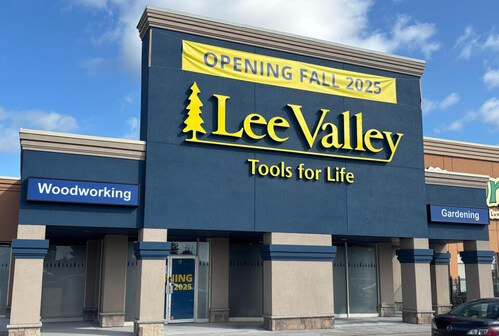
Lee Valley Tools in Pickering, ON. (CNW Group/Lee Valley Tools)
Lee Valley Tools, the Canadian, family-owned retailer, is unveiling its brand-new 19th location in Pickering on Saturday, September 20.
The flagship store is conveniently situated just off Highway 401 at 1755 Pickering Parkway, marks the brand’s return to the eastern Greater Toronto Area, it said.
Lee Valley Tools in Pickering will be home to the company’s largest and most concentrated in-store product displays in Canada, designed to inspire creativity and encourage hands-on interaction. Customers can engage with tools, explore displays, and participate in workshops and demonstrations led by Lee Valley Tools Customer Advisors. Dedicated customer parking will also be available on-site, added the retailer.
Jason Tasse
“When it comes to the journey of creating something, no one believes in or supports this more than Lee Valley – whether an aspiring craftsperson or a seasoned enthusiast, we have designed an in-store experience for everyone,” said Jason Tasse, President & Chief Operating Officer, Lee Valley Tools. “We’ve been looking for an ideal location in the GTA for some years, and we’re excited to officially open Lee Valley Tools’ 19th Canadian store in Pickering, creating new jobs and bringing a superior retail experience to the community.”
For more than 40 years, Lee Valley Tools has grown from a small, Ottawa-based mail-order business into a national brand with a robust online presence. Today, the company offers a broad assortment of products and continues to evolve while remaining committed to supporting the creative journeys of its customers, it said.
Founded by Leonard and Lorraine Lee, the Canadian company began with a single product, a barrel stove kit, and quickly grew to offer an extensive range of tools for woodworking, gardening, kitchen, and home.
EXTERIOR OF SOBEYS GROCERY STORE. PHOTO: SUPERMARKET NEWS
Empire Company Limited announced on Thursday its financial results for the first quarter ended August 2, 2025, saying it was the strongest quarterly earnings per share in its history.
For the quarter, the company recorded net earnings of $212 million ($0.91 per share) compared to $208 million ($0.86 per share) last year. On an adjusted basis for the quarter, the Company recorded net earnings of $212 million ($0.91 per share) compared to $219 million ($0.90 per share) last year.
Michael Medline, president and CEO, Empire Company Limited (CNW Group/Empire Company Limited)
“Fiscal 2026 is off to a solid start as we delivered another quarter of strong bottom line growth, the strongest quarterly earnings per share in our history, underscoring the fact our team’s execution continues to improve,” said Michael Medline, President & CEO, Empire.
Empire Company Limited is a Canadian company headquartered in Stellarton, Nova Scotia. Empire’s key businesses are food retailing, through wholly-owned subsidiary Sobeys Inc., and related real estate. With approximately $31 billion in annual sales and $17 billion in assets, Empire and its subsidiaries, franchisees and affiliates employ approximately 129,000 people.
Its banners include brands such as Longo’s, Safeway, Farm Boy, FreshCo, IGA.
The company said it is continuing to enhance data capabilities and deepen its understanding of its customers, allowing the company to effectively capture emerging trends.
“Over recent years, the Company has accelerated investments in renovations, conversions, and new stores along with store processes, communications, training, technology and tools. Investing in the store network will remain a key priority, demonstrated by a sustained emphasis on renovations and continued new store expansion. The Own Brands program enhancement will remain a priority through increased distribution, product innovation and supporting Canadian suppliers,” it said.
“The Company intends to invest capital in its store network and is on track with its plan to renovate approximately 20% to 25% of the network, which started in fiscal 2024 and continues through fiscal 2026. This capital investment includes important sustainability initiatives such as refrigeration system upgrades and other energy efficiency initiatives.”
SUMMARY RESULTS – FIRST QUARTER
Comparative amounts have been rounded to the nearest million to conform with current year presentation.
(in millions of Canadian dollars, except per share amounts)
August 2, 2025
August 3, 2024
13 Weeks
13 Weeks
$ Change
Sales
$ 8,258
$ 8,137
$ 121
Gross profit
2,235
2,126
109
Operating income
382
369
13
Adjusted operating income(1)
382
383
(1)
EBITDA(2)
671
645
26
Adjusted EBITDA(1)
671
659
12
Net earnings(3)
212
208
4
Adjusted net earnings(1)(2)(3)(4)
212
219
(7)
Diluted earnings per share
EPS(3)
$ 0.91
$ 0.86
$ 0.05
Adjusted EPS(1)(3)(4)
$ 0.91
$ 0.90
$ 0.01
Diluted weighted average number of shares outstanding (in millions)
233.4
242.3
(8.9)
Dividend per share
$ 0.22
$ 0.20
$ 0.02
August 2, 2025
August 3, 2024
13 Weeks
13 Weeks
Gross margin(2)
27.1 %
26.1 %
EBITDA margin(2)
8.1 %
7.9 %
Adjusted EBITDA margin(1)
8.1 %
8.1 %
Same-store sales(2) growth
0.8 %
0.5 %
Same-store sales(2) growth – food(5)
1.9 %
1.0 %
Same-store sales(2) (decline) growth – fuel
(13.4) %
4.4 %
Effective income tax rate
26.0 %
22.6 %
(1)
See “Non-GAAP Financial Measures & Financial Metrics” section of this News Release for a description of the types of costs and recoveries included.
(2)
See “Non-GAAP Financial Measures & Financial Metrics” section of this News Release.
(3)
Attributable to owners of the Company.
(4)
See “Adjusted Impacts on Net Earnings” section of this News Release.
(5)
Previously named – same-store sales, excluding fuel.
“Since fiscal 2018, the Company has been expanding its FreshCo discount banner to Western Canada and its significant growth has been driven by store conversions and regional expansion. The value proposition and strong multicultural assortment, along with the addition of the Scene+ loyalty program, has supported the growth and expansion of the Discount banner,” said Empire.
“The Company opened two new FreshCo stores in Western Canada during the quarter and one subsequent to the end of the quarter. As at September 10, 2025, FreshCo has 51 stores operating in Western Canada and expects to open an additional four stores in fiscal 2026. The Company expects to have opened 65 FreshCo stores in Western Canada over the next several years.”
“For fiscal 2026, capital spend is expected to be approximately $850 million, with approximately half of this investment allocated to renovations and new store expansion (including a 1.5% increase in store footprint expansion from new stores), 25% allocated to IT and business development projects and the remainder allocated to logistics and sustainability. By the end of fiscal 2026, the Company expects to complete the network renovations of approximately 20% to 25%, which began in fiscal 2024.”
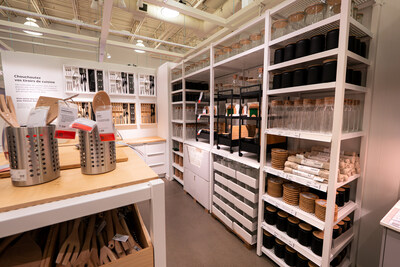
Plan and order points offer customers one-on-one appointments with IKEA experts to plan, design, and purchase home furnishing solutions for any room in the home such as kitchen renovations or bedroom storage systems. Once orders have been placed, they can be delivered to their homes or collected from the pick-up location at the Plan and order point. (CNW Group/IKEA Canada Limited Partnership)
IKEA Canada is launching a new Plan and order point in Kelowna, BC, the second location in the province, following Abbotsford.
This continued growth demonstrates the home furnishing retailer’s commitment to becoming more accessible to Canadians where they live, work, and socialize. Currently, the nearest physical IKEA meeting point for Kelowna residents is about four hours away by car, said the retailer.
“Plan and order points offer customers one-on-one appointments with IKEA experts to plan, design, and purchase home furnishing solutions for any room in the home such as kitchen renovations or bedroom storage systems. Once orders have been placed, they can be delivered to their homes or collected from the pick-up location at the Plan and order point,” it said.
“For those looking to instantly refresh their spaces, the Kelowna Plan and order point will feature a limited number of products from the IKEA range (excluding food – sorry, no meatballs) for immediate purchase and takeaway.”
Kelowna Plan and order point to offer high-quality design services, bringing affordable, inspiring home furnishing solutions closer to BC residents. (CNW Group/IKEA Canada Limited Partnership)
Located in the Central Park Power Centre at 1500 Banks Rd, #104, the IKEA Kelowna Plan and order point is expected to open in spring 2026. It will be the 12th Plan and order point location across Canada.
“As the cost of living continues to rise and everything from groceries to gas becomes less affordable, it has become our priority to offer more affordable, functional, and inspiring home furnishing solutions to Canadians — no matter where they live or how they choose to shop with us,” said Jessie Quick, Country Business Development and Transformation Manager, IKEA Canada.
Jessie Quick
The retailer said Plan and order points are one of the many ways IKEA Canada has been transforming its business to deliver a seamless retail experience wherever, whenever, and however customers choose to shop with the renowned home furnishing retailer. Insights show that Plan and order points help to reduce the distances that customers must travel to visit an IKEA location, which has affordability, accessibility, and sustainability benefits.
In addition, IKEA Canada said it has recently made all online and in-store planning services free of charge for our customers; reduced in-home kitchen planning and measuring from $199 to $129; lowered the entry delivery fee of $39 to $19; and added ‘Rooms of Choice’ for all deliveries depending on the needs of the customer.
IKEA has been present in the BC market for nearly 50 years when the first Canadian store opened in Richmond in 1976. To date, there are two IKEA stores, three pick-up locations, a vast number of parcel pick-up locations, and one customer distribution centre.
Janet McGowan
“We are thrilled to continue our growth in Western Canada where we have built a rich history and meaningful connections with the BC community,” said Janet McGowan, Market Area Manager, West Market, IKEA Canada. “We look forward to providing our new neighbours in Kelowna with beautiful, functional, and sustainable home furnishings that fit their budget and evolving needs at home.”
Founded in 1943 in Sweden, IKEA is a leading home furnishing retailer, offering a wide range of well-designed, functional home furnishing products at prices so low that as many people as possible can afford them. IKEA Canada is part of Ingka Group which operates 574 IKEA stores, shops and planning studios in 31 countries, including 16 in Canada.
For those looking to instantly refresh their spaces, the Kelowna Plan and order point will feature a limited number of products from the IKEA range (excluding food – sorry, no meatballs) for immediate purchase and takeaway. (CNW Group/IKEA Canada Limited Partnership)
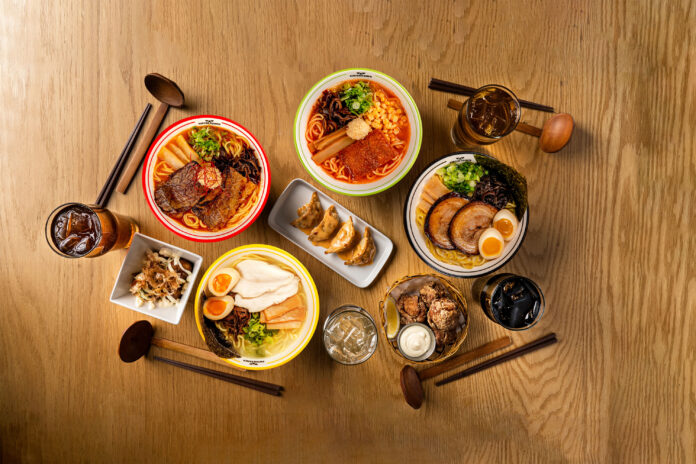
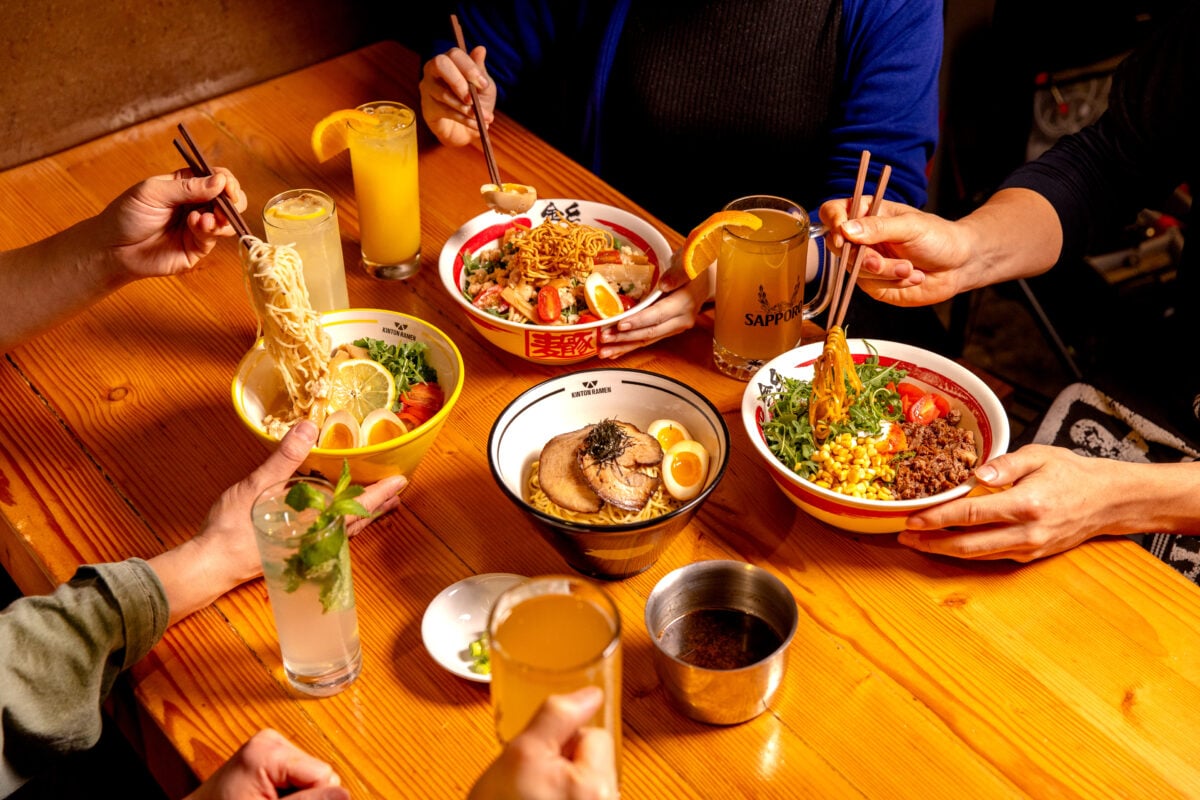
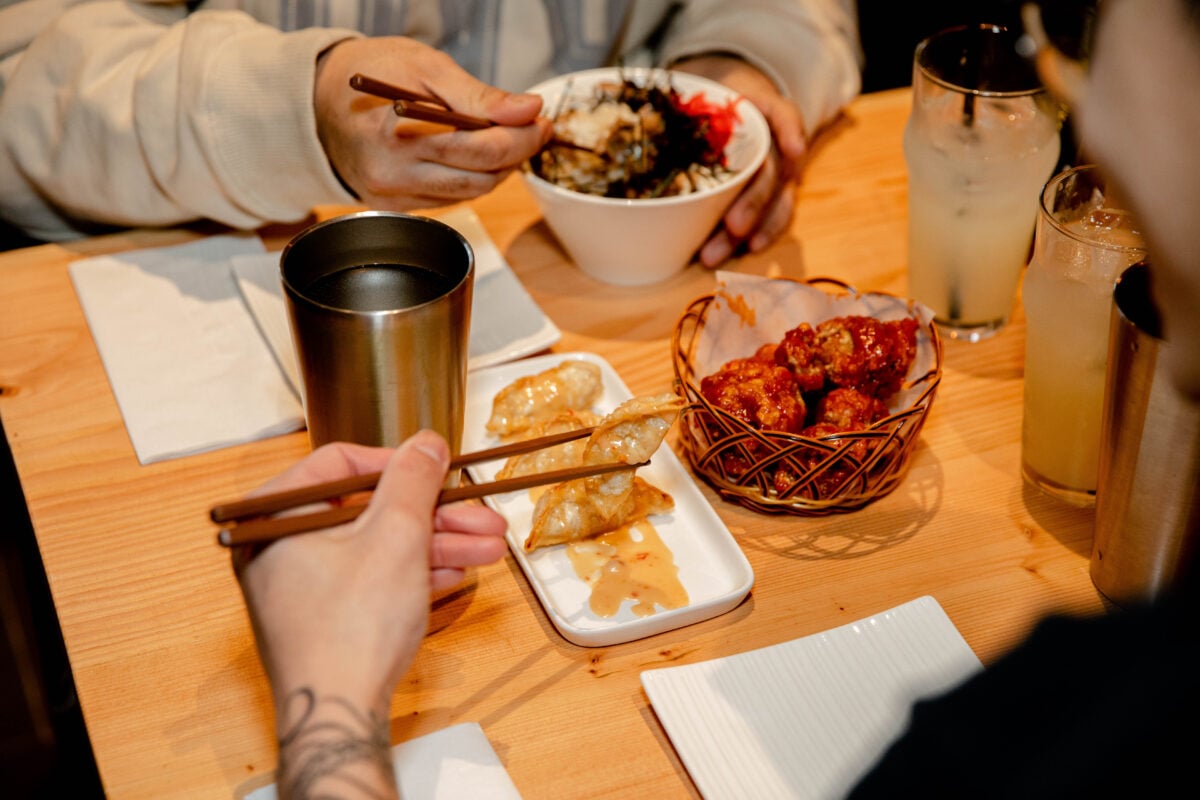
Kinton Ramen is opening three new Alberta locations on September 20, marking an important milestone in the company’s cross-country expansion.
Following successful soft openings, Kinton Ramen Terra Lose in Edmonton, along with Kinton Ramen Mission Calgary and Kinton Ramen University Heights Calgary, will officially open their doors to the public.
“This milestone reflects our team’s dedication and operational excellence – and we’re excited to deliver an exceptional dining experience to our guests.”
This expansion is part of a broader Area Representative Agreement with The Labreche Group, which plans to open 12 Kinton Ramen locations across Alberta over the next five years.
Each grand opening will feature a ribbon-cutting ceremony about 15 minutes before doors open, followed by 50% off all regular ramen items to celebrate the occasion.
“It represents a significant step in our Alberta growth strategy,” said White. “We’re committed to bringing authentic Japanese ramen to more communities and creating spaces where people can connect over great food.”
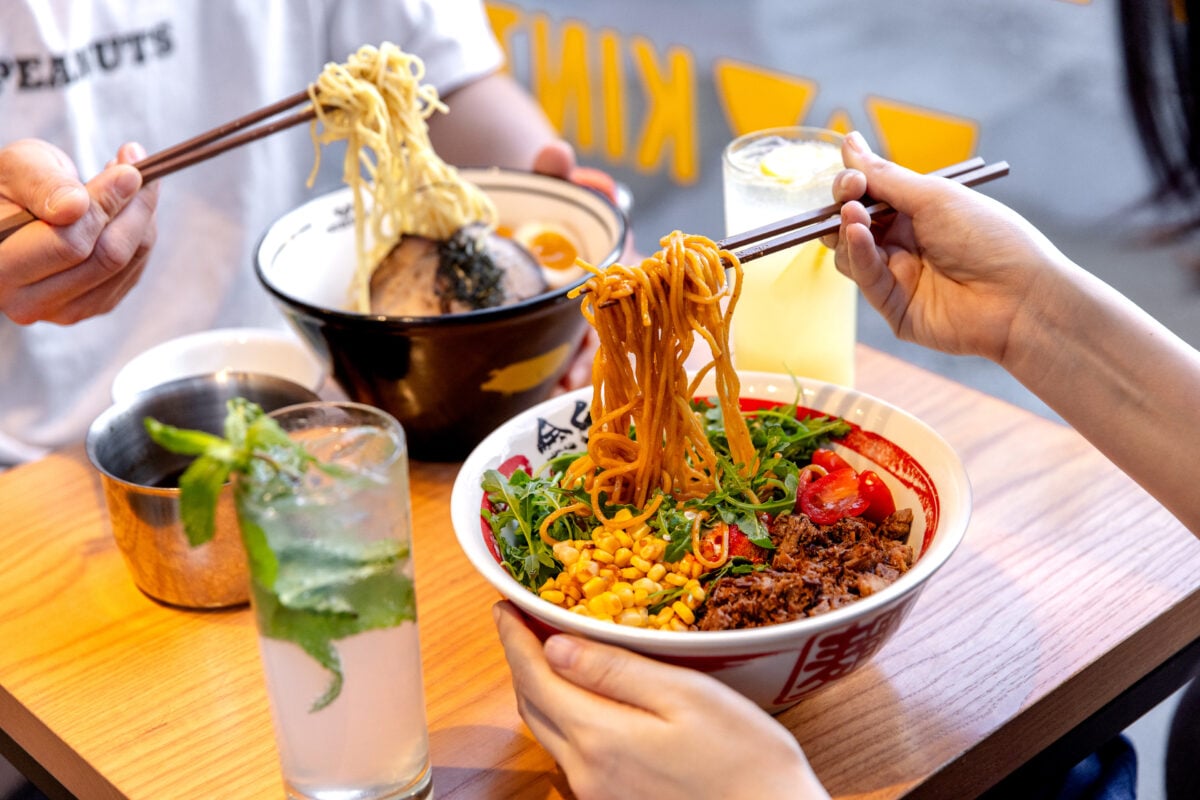
With more than 50 locations across Canada, the brand continues to grow by combining innovative ramen creations with traditional recipes. Since franchising began in 2021, the restaurant has expanded across Canada, making its unique dining experience accessible to more people. The official opening of the multiple Alberta locations, highlighting the rising demand for authentic ramen in the province, it said.
In addition to dine-in service, people can enjoy a variety of ramen dishes, combo specials and seasonal offerings through delivery and takeaway options. Orders are available via order.kintonramen.com, Skip the Dishes, Uber Eats and DoorDash.
The brand was one of Toronto’s first Japanese ramen restaurants. Founded in 2009, Kinka Family is a full-service international hospitality group. It owns and operates a diverse portfolio of restaurants in Toronto, Montreal, Vancouver and New York. Included are Kinka Izakaya, Kinton Ramen and JaBistro.
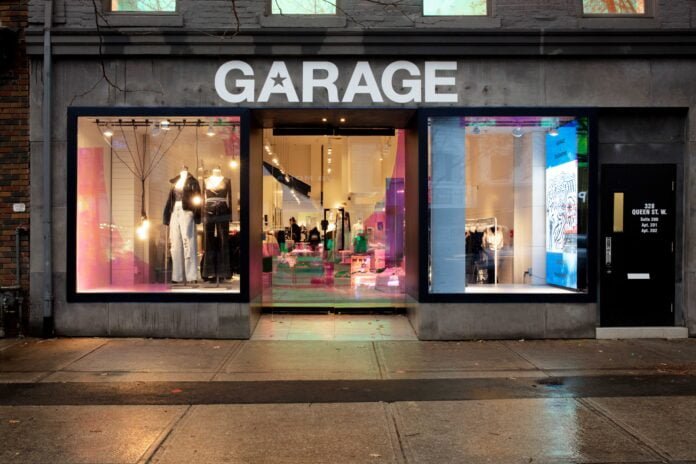
Garage Pop-up on Queen Street West in Toronto, 2021 (Image: Groupe Dynamite)
Groupe Dynamite, parent company of the Garage and Dynamite banners, is emerging as a standout performer in Canadian retail. The Montreal-based fashion group posted second-quarter fiscal 2025 results that exceeded expectations, driven by strong comparable sales, robust profitability, and the success of its evolving store concept. The results highlight a rare bright spot in apparel retail, underscoring the power of fast execution and bold marketing strategies.
In the second quarter, Groupe Dynamite reported comparable sales growth of 25.7 percent on a constant currency basis. This was well ahead of consensus estimates of roughly 16.7 percent. The company also delivered its best profitability in three years, with EBITDA margins climbing to 36.9 percent. Gross margin slipped by 239 basis points to 63.6 percent due to tariff impacts, but this was more than offset by a 550-basis-point reduction in SG&A expenses, reflecting better fixed cost absorption. The net effect was an EBITDA margin increase of 310 basis points year-over-year.
Quarterly earnings per share also came in ahead of expectations, with Q2 FY25 EPS at $0.57, up 43 percent year-over-year. This exceeded Stifel’s forecast of $0.42 and consensus of $0.44.
Martin Landry, analyst at Stifel, noted that the results far surpassed expectations, prompting an upward revision to earnings and revenue forecasts. Stifel now projects fiscal 2025 revenue of C$1.19 billion and fiscal 2026 revenue of C$1.38 billion. EPS estimates have also been raised, with the brokerage expecting C$1.74 in fiscal 2025 and C$2.02 in fiscal 2026. Stifel lifted its target price on the company’s shares to C$53.
Updated Guidance Reflects Momentum
The company raised its fiscal 2025 comparable sales guidance to between 17 and 19 percent, up from earlier forecasts. Management also expects EBITDA margins between 32 and 33.5 percent for the year. The outlook reflects confidence in continued traffic gains, effective paid digital campaigns, and disciplined inventory management. Inventory currently sits at approximately 45 days of sales, a lean position that helps mitigate fashion risk.
Central to Groupe Dynamite’s success is its ability to move quickly from concept to store. About 31 percent of the company’s SKUs now move from fabric to shelf in under eight weeks, a speed advantage that allows the banners to respond nimbly to emerging trends. This agility, combined with marketing designed to resonate with Gen Z shoppers, has created a cycle of repeat visits and high engagement.
Landry pointed out that low inventory days and rapid design-to-shelf turnaround reduce markdown exposure, boosting profitability even in a volatile fashion environment. The strategy places Groupe Dynamite ahead of competitors weighed down by longer product development timelines.
Dynamite concept store at Royalmount in Montreal. Photo courtesy of Dynamite
Store Concept Driving Traffic and Basket Size
The retailer’s “Dynamite 3.0” store format is another growth lever. Early openings in Montreal’s Royalmount, West Edmonton Mall, and Saint-Bruno have shown higher traffic and larger average order values compared to legacy stores. The format emphasizes modern design, enhanced digital integration, and experiential elements to engage shoppers. A broader rollout is expected as results confirm the model’s effectiveness.
This format strategy reflects a wider industry shift in which physical stores are not just transactional but experiential, designed to drive dwell time and basket expansion. For Groupe Dynamite, the store upgrades are complementing its already strong digital performance.
Risks on the Horizon, A Rare Bright Spot in Canadian Apparel
Despite its strong showing, risks remain. Approximately 75 percent of Groupe Dynamite’s products are sourced from China, leaving the company exposed to potential tariff changes and geopolitical shifts. Additionally, reliance on a Gen Z-focused customer base means the brand must consistently stay ahead of fast-moving fashion cycles. The company’s multiple-voting share structure and low liquidity also pose challenges for some investors.
Still, analysts see considerable upside. Stifel’s latest revision underscores that Groupe Dynamite has become one of the busiest traffic drivers in enclosed malls, a position that gives it negotiating leverage with landlords and visibility with consumers.
At a time when many apparel retailers are struggling with declining foot traffic and heavy discounting, Groupe Dynamite is bucking the trend. Its Q2 results show that fast execution, smart marketing, and store innovation can generate both sales growth and profitability. The company’s ability to adapt quickly to consumer tastes and to invest in high-performing retail formats makes it one of the few growth stories in Canadian apparel retail.
Retail Insider is streamlining its Canadian retail news from around the web to include a handful of top news stories that can be viewed quickly during the day. Here are the top stories from the past 24 hours.
Knix Founder Joanna Griffiths at the Bloor Street Holt Renfrew Knix pop-up, March 2025. Image: Knix/Holt Renfrew
Leading intimates brand Knix says its new Active collection will feature Grammy-nominated artist and recent Tony Award winner Nicole Scherzinger.
This launch marks an exciting chapter in Knix’s activewear evolution, with Nicole bringing her signature strength and style to the “Better Than Ever” campaign that showcases how being active and feeling good in your own skin can make you feel better than ever, said the retailer.
The collection features an array of fashion forward activewear styles including the brand’s signature HiTouch leggings, strappy bras and work out tops along with mesh detailing and cut outs. The collection leans into bonding which gives a sleek and clean finish to the collection. The studio bomber, studio jogger and studio hoodies feature CloudCut, Knix’s newest innovation in fabrication. The CloudCut pieces are designed as versatile transitional apparel, effortlessly blending minimalist style with performance comfort. Ideal for lounging, layering to and from the gym, or tackling a busy day, the collection supports light to medium studio-style workouts and everyday activities alike. Engineered with technical precision, each style is built to perform as well as it looks, delivering both form and function, said Knix.
Knix & Nicole Scherzinger Link Up for “Better Than Ever” Campaign Highlighting the Brand’s New Activewear Collection
“This campaign is very meaningful to me, and working with Knix feels especially aligned,” said Scherzinger. “I have never felt stronger physically, mentally, or spiritually, and I know I’m just getting started. I’m proud to partner with Knix to celebrate this universal idea of strength and to showcase the latest collection – as someone who lives in activewear, this is some of the best product I have ever tried!”
Knix explained that it initially launched sports bras in 2018 with their iconic Catalyst Sports Bra which at the time outperformed every other sports bra on the market for bounce rate reduction via third party testing at the Research Group in Breast Health at the University of Portsmouth.
In 2021 Knix said it added activewear to its product portfolio alongside super model Ashley Graham. Knix brings their extensive expertise in bra design, functional fabrics, and fit to their activewear offerings, uniquely bringing to market highly technical products that combine fashion, function and fit. The new collection includes a diverse selection of pieces, from oversized and cropped hoodies with coordinating joggers, to stylish jackets and bombers, high-rise training shorts, long-sleeve active tops, workout camis, sports bras, leggings, and more. Offered in a broad selection of colors, with sizes spanning from XS to 4XL.
Image: Joanna Griffiths
“With this collaboration, we set out to create a collection that meets women exactly where they are – strong, dynamic, and constantly moving,” said Joanna Griffiths, Founder and President of Knix. “Every piece is built for comfort, performance, and versatility. Having Nicole bring her energy to this campaign as she reaches new heights in her career is the perfect reflection of what this collection is all about—feeling better than ever, no matter your phase in life.”
The launch comes off the heels of Knix’s first store opening in New York City, located at 242 Lafayette Street in SoHo, with further retail openings planned for the remainder of 2025 + 2026 across North America. The collection is available for purchase at knix.com and in all retail locations.
DoorDash delivery person on a bicycle. Photo: DoorDash Canada
Do you use platforms like UberEats or DoorDash to order meals at the office or at home? If so, you’re not alone. The growth of these applications has been significant in recent years, though it varies widely across regions and generations. According to a survey conducted in late August by Dalhousie University’s Agri-Food Analytics Lab, in partnership with Caddle, 27.4% of Canadians now order through these platforms more than once a month. That’s a clear increase from 2020, when only 20% of Canadians did so on a regular basis.
In 2020, one in five Canadians used food delivery apps regularly. Today, it’s one in four.
Regional differences are stark. Alberta leads the country, with 34.6% of residents using delivery apps regularly, followed by British Columbia at 30.3%. Nationally, UberEats remains the reference platform, with nearly three-quarters (72.7%) of regular users.
But adoption is far from universal. Nearly 58% of Canadians either stopped using these apps or never adopted them. Cost is the main deterrent: 57.2% point to food prices, while 52.9% cite platform fees. Here lies a paradox: while food inflation has pushed grocery baskets up by 27% over five years, food delivery services have gained ground. Canadians are showing a willingness to spend more not for the food itself, but to save time and increase convenience. Delivery, in this sense, is becoming a modern trade-off—where efficiency and comfort outweigh strict economic rationality.
Generational patterns make this even clearer. Among millennials, 38.6% are regular users, closely followed by Gen Z at 38.1%.By contrast, only 25.1% of Gen X and 12.1% of baby boomers say they use these services regularly. Younger Canadians, despite having less disposable income, are more willing to allocate funds to delivery. For them, the smartphone is practically an organic extension of daily life. Ordering a meal with a few taps isn’t indulgence—it’s normalcy in a consumption culture shaped by instantaneity.
This has direct implications for the back-to-school season. College and university students—often living away from home for the first time, juggling coursework, part-time jobs, and social lives—are especially drawn to food delivery apps. With limited cooking skills and tight schedules, many will turn to these services as an alternative to grocery shopping or campus dining halls. In fact, this demographic is likely to drive even higher seasonal spikes in usage, reinforcing how digital platforms are reshaping not just family kitchens, but also student life.
This trend, however, raises questions of food literacy. Older generations valued cooking and saw meals as moments of preparation and togetherness. Increasingly, younger Canadians outsource this step, with less time invested in the kitchen. The cultural shift carries consequences: it changes our relationship with food, weakens culinary skills, and may ultimately affect health and our connection to local food traditions.
Finally, it is important to remember that every delivered meal represents the work of farmers, processors, distributors, and restaurateurs who uphold a complex and resilient food chain. As Canadians embrace convenience, we must not lose sight of this reality. Eating is never just consumption—it is a link to an entire national food economy. Recognizing that link, while adapting to new consumption models, is critical if we want to balance convenience with appreciation for the people and systems that put food on our tables.
BC’s foodservice industry generates more than $20 billion in economic activity, representing nearly 5% of the province’s GDP. It employs nearly 183,000 British Columbians, including 68,000 youth, representing one in five youth jobs, said the national organization on Wednesday.
“However, there are geographic areas and skill gaps that make it necessary for some foodservice businesses to recruit temporary foreign workers. Chefs and cooks make up the majority of TFWs in foodservice. These are skilled workers that require specific training and we don’t have the domestic labour supply to meet demand. Tourism-heavy areas with aging populations often don’t have the youth necessary to meet the sharp rise in demand during specific periods of the year. Additionally, 24-hour businesses, like highway comfort stations, have a hard time staffing overnight shifts and may resort to the program,” said Kelly Higginson, President and CEO, Restaurants Canada.
Kelly Higginson
“TFWs represent just 3% of the total foodservice workforce in Canada, but without those critical workers, many foodservice businesses would not be able to operate. They may have to shorten their hours, reduce their Canadian staff or simply close their doors.
“TFWs are always a last resort as it’s much easier and less costly to hire local talent. Businesses have to prove they have made a significant effort to recruit locally by posting the position on job boards, at the prevailing market wage before they can apply for a Labour Market Impact Assessment. It can then take over a year and cost nearly $9,000 to recruit a single TFW.
“Restaurants Canada agrees that there are changes to be made to the TFW program in order to ensure it supports Canadian and foreign workers and aligns with our economic needs. But those changes should not be made without consulting the businesses they will impact and taking into account the real gaps that exist in Canada’s labour market.”
Restaurants Canada is a national, not-for-profit association advancing Canada’s diverse and dynamic foodservice industry. Restaurants are a $124 billion industry employing nearly 1.2 million Canadians and the number one source of first-time jobs in Canada.
According to a recent CBC news report, Eby called for the end of Canada’s temporary foreign worker (TFW) program — blaming Ottawa’s flawed immigration policies for filling up homeless shelters and food banks.
“The temporary foreign worker program is not working. It should be cancelled or significantly reformed,” Eby said during an unrelated announcement in Surrey, B.C., last Thursday.
“We can’t have an immigration system that fills up our homeless shelters and our food banks. We can’t have an immigration system that outpaces our ability to build schools and housing. And we can’t have an immigration program that results in high youth unemployment.”
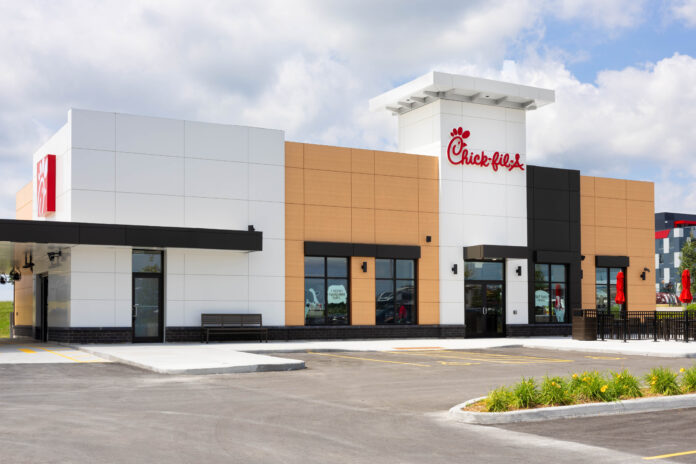
A new Chick-fil-A restaurant is opening its newest location in the Masonville area of London on Thursday, September 11, creating approximately 100 full- and part-time jobs.
Chick-fil-A, Inc. selected Michael Camporese to be the local Owner-Operator of the new restaurant.
Located at 1669 Richmond Street, London, it will be open Monday through Saturday from 10:00 a.m. to 10:00 p.m., offering dine-in, drive-thru and carry-out.
Michael Camporese
“As an Operator, you’re uniquely positioned to make a meaningful impact, not just on the business, but on every individual who walks through your doors. It’s an incredible opportunity to lead by example, shape careers, and cultivate a culture where people feel empowered, valued, cared for, and inspired to pursue excellence.”
During a family trip to Port Orange, Florida, Camporese was first introduced to Chick-fil-A’s exceptional service, meticulous detail, and amazing food. The experience resonated deeply, and he’s now excited to bring a new Chick-fil-A restaurant to the province he calls home.
Camporese’s vision extends beyond the restaurant walls. He’s committed to creating meaningful jobs, supporting local causes, and building a welcoming space where every guest feels valued and leaves feeling a little better than before.
Camporese is committed to giving back to the London community by: ● Participating in the Chick-fil-A Shared TableTM program, which redirects surplus food to local non-profits and has helped to create more than 35 million meals to date;
Celebrating the opening with a donation of C$40,000 from Chick-fil-A, Inc. to Second Harvest to support local hunger relief efforts in the greater London area. Since 2020, Chick-fil-A has donated about C$2 million (US$1.46 million) to Second Harvest to address food insecurity.
Chick-fil-A, Inc. is the third largest quick-service restaurant company in the United States, known for its freshly prepared food, signature hospitality and unique franchise model. More than 200,000 people are employed by local Owner-Operators in more than 3,000 restaurants across Canada, the United States and Puerto Rico.
Chick-fil-A opened its first restaurant in the UK in early 2025 with the goal of launching five locations across the UK within the next two years. The first Singapore restaurant is set to open in late 2025, marking the brand’s entry into Asia.
The family-owned and privately held company was founded in 1967 by S. Truett Cathy.