Home Blog Page 282

8 Tips for Choosing a Luxury Perfume

When we think of a luxury perfume, we usually imagine something refined and effortless to wear. Not loud or attention-seeking, but composed and well-made.
At the same time, luxury perfumery covers a wide range of styles, moods, and interpretations, which can make the choice feel less obvious.
The tips below are meant to help you navigate that variety and choose a fragrance with more intention, beyond first impressions.

#1 Look for Structure, Not Shock

Many luxury perfumes are not built around a single dominant note or an instantly recognizable signature. Instead, they rely on structure, how the opening, heart, and base relate to each other, and on materials that reveal depth gradually.

Because of this, two fragrances can smell similar at first spray yet feel completely different once they settle. Sweetness, strength, or immediate projection are often poor indicators of quality in this context.

#2 Judge the Dry-Down, Not the Opening

The way a perfume wears depends heavily on context. Temperature, humidity, movement, and even clothing can change how a scent comes across. A fragrance that feels elegant indoors may become overwhelming outside, while a quiet opening can gain warmth and presence over time.

Because many luxury perfumes are designed to sit closer to the skin, their effect is often subtle and personal. Wearing a scent through a full day, rather than judging it in the first few minutes, gives a far more accurate sense of whether it fits your routine and style.

#3 Pay Attention to Material Quality

Luxury perfumes often reveal their quality through feel rather than volume. Instead of focusing on how strong a scent is, it helps to notice how it behaves on the skin.

Smoothness of transitions

Notes shift without sharp edges. The change from fresh to warm, or from light to dense, feels natural rather than abrupt.

Clarity, not clutter

Even complex compositions tend to feel clean and intentional. Each element has space, and nothing feels overloaded.

Comfort over time

High-quality materials are usually easier to wear for hours. They are less likely to feel scratchy, heavy, or tiring as the scent develops.

Restraint as a choice

Many high-end perfume brands invest in materials that don’t need to shout. The quality is sensed up close, not announced across the room.

This shift in focus is often what makes a luxury perfume enjoyable to wear over time.

#4 Test on Skin, in Real Conditions

Luxury perfumes are shaped as much by the environment as by their composition. Testing them properly means stepping outside the controlled setting of a store.

  • Temperature and humidity matter – Heat can amplify sweetness and density, while cooler air can mute certain notes. What feels balanced indoors may behave very differently outside.
  • Movement changes perception – Walking, commuting, and daily activity affect how a scent lifts, settles, and reappears over time.
  • Clothing and proximity play a role – Fabrics, layers, and how close others are to you influence how the fragrance is perceived, both by you and by those nearby.


Wearing a perfume through a normal day reveals far more than a quick test. It shows whether the scent adapts naturally to your routine or feels out of place once real life begins.

#5 Ignore Gender Labels, Focus on Character

Luxury perfumery often treats gender as secondary to mood, material, and expression. Many fragrances are created with a specific atmosphere or personality in mind rather than a strict category.

Notes don’t have a gender

Woods, florals, spices, and resins shift character depending on how they’re used. Context matters more than labels.

Marketing doesn’t define wearability

Gendered branding often reflects who the brand imagines wearing the scent, not who actually can.

Personal response comes first

How a fragrance feels on your skin and fits your presence is more relevant than whether it’s listed as “for him” or “for her”.

Approaching perfume this way opens up more options and makes it easier to choose a scent that feels natural rather than prescribed.

#6 Evaluate Evolution, Not Just Longevity

Longevity is often measured in hours, but in luxury perfumes, how a scent evolves matters just as much. After two to four hours, the fragrance should feel settled and coherent, not flat or heavy. A perfume that simply lingers without staying pleasant adds little value.

#7 Understand the Brand’s Point of View

Behind every luxury perfume is a clear point of view. Some houses are driven by minimalism and restraint, others by richness, tradition, or artistic expression. This philosophy influences everything from ingredient choices to how a fragrance evolves on the skin.

Brands with a clearly defined aesthetic and material focus, like Xerjoff, tend to follow a consistent creative direction across their collections, which makes their fragrances feel coherent even when styles vary.

Consistency across the line

Brands with a strong identity tend to share a recognizable feel, even when individual perfumes differ in style.

Style over trends

A defined point of view often means less reaction to short-term trends and more focus on longevity and coherence.

#8 Know When to Stop Sampling

With luxury perfumes, having more options doesn’t always lead to a better choice. Smelling too many fragrances in one session can blur distinctions and make even well-built scents start to feel similar. Instead of comparing endlessly, it helps to narrow the selection to a few candidates and spend real time with each one.

A short break before revisiting a fragrance often reveals details that were easy to miss at first and clarifies how it truly feels to wear. This approach reduces decision fatigue and makes it easier to recognize the scent that stays with you naturally, rather than the one that simply stood out in the moment.

A Scent of You

At a certain point, choosing a luxury perfume becomes less about comparison and more about recognition. You stop asking whether it’s impressive enough and start noticing whether it feels right. When that happens, the fragrance no longer feels like a decision, but something that settles in naturally and stays.

How Custom Rugs Enrich Interior Design Throughout The Home

In interior design, function is influenced by and enhanced by the design of the space. While paint colors, furniture, and lighting often get the most attention, one of the most transformative elements in interior design can be the rug. Specifically, custom rugs offer a tailored approach to home décor that enhances both the visual and functional qualities of a space.

Store-bought rugs don’t offer the custom sizing and designing that custom rugs do. Gone are the days of buying a rug that does not fit or work with a space. Now, the perfect rug can be built online by customers.

Techniques to enhance durability and special materials like wool are available through custom rug websites, making custom rugs a durable, long-lasting option for any room.

Custom Rugs for Interior Design

The personalization aspect of custom rugs is key. Angela Lawton writes for Retail Insider, “As consumers become more savvy and discover that they have more choices than ever, retailers must examine their practices to stay relevant and credible.” Customization bridges the gap between customer need and retailer relevance. But what do customers need?

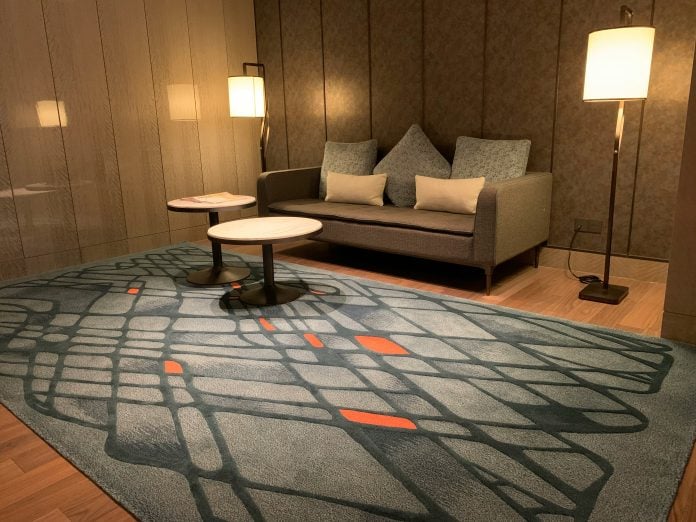
Customers likely desire a rug that can be guaranteed to fit a space, regardless of the dimensions. Oddly sized or shaped rooms can pose a challenge for a homeowner to find a rug for the area. Custom rugs take the stress out of the process, allowing customers to build their perfect rug for their dream home, anchoring furniture layout, and enhancing spatial flow.

Custom rugs allow customers to design a rug tailored to their space, using their preferred color palette. Unique patterns or artwork can be designed in the rug at the customer’s choosing and the manufacturer’s ability, creating cohesion or intentional focal points.

Choosing the Right Custom Rug

Blogger and interior designer Sarah Gibson offers valuable tips on the placement and arrangement of rugs in an interior space. In social spaces, such as the living room or a general gathering area, she suggests choosing a rug large enough to fit at least the front legs of all major furniture pieces, because this visually connects the furniture and rug.

Considering functionality, allowing at least 24 inches of rug space beyond the table in a dining area accommodates pulled-out chairs. This is to ensure that they do not get caught on the edge of the rug with movement.

Where to Order Custom Rugs Online

In the age of the internet, quality craftsmanship and personalization have never been more accessible. Leading online platforms can offer tools to create custom rugs tailored to an individual’s needs, all from the comfort of their couch.

It is essential to look for companies that offer high-resolution previews of their designs, eco-conscious materials, transparent production timelines, and live customer support.

Why Quality Matters in Custom Rugs

Not all custom rugs are created equal. Materials, weave quality, and origin significantly impact a rug’s longevity and appearance. Wool, silk, and cotton provide durability and elegance.

Custom rugs can be sourced from craftsmen whose expertise ensures customers receive a high-quality, well-made product. Hand-tufted or hand-knotted techniques result in denser, longer-lasting rugs compared to machine-made ones.

FAQs

Q: What size rug should I get for my living room?
For most living rooms, an 8×10 or 9×12 rug works well. All front furniture legs should ideally rest on the rug to create a cohesive layout.

Q: Are custom rugs more expensive than store-bought ones?
While the initial cost may be higher, custom rugs are often more durable and better tailored to your needs, offering greater long-term value.

Q: How long does it take to get a custom rug?
Depending on the complexity and manufacturer, custom rugs may take 4–10 weeks from design to delivery.

Q: What materials are best for custom rugs?
Wool is highly durable and ideal for most spaces. For a more luxurious feel, silk or wool-silk blends are also popular.

Strengthening Your Retail Supply Chain: How to Protect Against Rising Theft Risks

Businesses rely on their products making a safe journey from the warehouse to retail shelves. However, the vulnerabilities are too high to ignore the threats. Organised criminal networks constantly target cargo, leading to multimillion-dollar losses. The good news is your company can take action and minimise risk. Here are seven strategies to protect your operation from retail supply chain theft.

1. Increase Physical Security

Physical security is paramount to retailers because it serves as a deterrent to outside threats. By upgrading the security devices on your property, you can deter criminals before they think about trespassing. Experts recommend installing cameras around sensitive areas and entrances to ensure an effective first line of defence, as monitored systems let you record evidence and spot suspicious activity in real time.

Bright lights are another essential physical deterrent for your business. A thief may feel exposed and vulnerable under the bright light, so implement motion-activated devices throughout the property, particularly in areas with limited lighting. Back corners, alleyways and fence lines are wise places to install floodlights, considering they’re a psychological deterrent.

2. Use Best Cybersecurity Practices

While physical barriers are helpful, your team should also prioritise cybersecurity health. American law enforcement officials said internet crimes exceeded US$16 billion in 2024, which is a 33% increase from the previous year. Criminals are becoming more sophisticated — they can breach digital systems and access logistics data to see which products are shipped and which routes your fleet takes.

Your company’s strategies should include regular security audits. Vulnerability scans and penetration tests are essential tasks for identifying outdated software and other security flaws. Multifactor authentication is another critical aspect for your employees. If a thief obtains a password, it becomes less valuable because the code is sent to a cell phone or an email address.

3. Enact Strict Access Control

Access control is crucial in preventing retail supply chain theft, regardless of its origin. The digital environment is a primary target for thieves, so it helps to implement role-based access control protocols. For instance, a logistics coordinator should only be able to see the regional schedule but not the financial data. Meanwhile, warehouse associates can only see the manifest for specific trucks.

Physical access control is the next line of defence. As a business owner, you should control and monitor your locations through zoning. This strategy divides warehouses and distribution centres and limits access to sensitive areas. It’s wise to limit access to server rooms or loading docks with key fobs or biometric scanners so you can instantly grant and revoke access.

4. Implement GPS Tracking

Cargo theft across Canada and the U.S. has risen at alarming rates. A recent study indicated that incidents rose by 27% in 2024, which concerns industry experts. Therefore, it’s essential to go above and beyond by using countermeasures like GPS trackers.

These devices provide real-time visibility during the entire trip and emphasise the importance of active processes. They also prevent retail supply chain theft through geofencing, which creates virtual boundaries around your routes and distribution centres. It sends alerts to your phone if a fleet vehicle deviates from the path or enters a high-risk area. Once you have the information, you can verify the situation with the driver or contact law enforcement for further assistance.

5. Leverage Data Analytics

Preventing theft is typically a reactive approach, as it involves responding to external threats, but you can make it more proactive and intelligent through data analysis. Internal research can reveal actionable information and critical patterns. For example, analytics tools display the locations of past thefts and high-risk zones, indicating where the majority of thefts occur.

Forecasters anticipate a US$83.79 billion value for data analytics in 2026, signalling more popularity among industries. These tools are essential for retailers because they enable targeted security strategies. You may review the research and devote extra resources to protecting TVs or car batteries. Businesses can go a step further by applying this information to future shipments and flagging specific products.

6. Thoroughly Vet Employees

External threats are significant and should be taken seriously, but it’s just as essential to safeguard your business from internal risks. Protection starts with comprehensive background checks and should include searching for patterns. For instance, hiring managers should review drivers and security personnel for traffic violations and records of violence.

The background check should also extend to the worker’s employment and professional history. Your team should be thorough in contacting previous employers and asking targeted questions. Make it robust by implementing periodic evaluations, especially for staff in high-risk positions.

7. Practise Incident Response Plans

Retail supply chain theft prevention tactics are crucial to maintaining a secure perimeter. However, your business must be ready when incidents arise. A swift and methodical response can be the difference between manageable losses and catastrophes.

Make a plan for your team so everyone understands their roles. If they have a checklist, they can execute it immediately:

  • Notify the first point of contact.
  • Call law enforcement officials.
  • Preserve the evidence.
  • Secure the area by locking doors and gates.
  • Open the incident log to document all actions.
  • Confirm law enforcement has been contacted.

Preventing Retail Supply Chain Theft in the Digital Age

Theft is becoming more organised and sophisticated, so proactive approaches are necessary to create a resilient and formidable defence. Asset protection requires a commitment to physical deterrents, cybersecurity strategies and internal processes. Advanced technologies and meticulous vetting can go a long way in reducing vulnerabilities and protecting supply chain security.

How to Choose ERP Software for Your Apparel Business: A Buyer’s Guide to Must-Have Features and Top Vendors

An apparel business that wants to grow needs more than a generic enterprise resource planning (ERP) system. Styles come in many colors and sizes, new products launch often and margins are tight. A basic system will struggle to keep up. A reliable apparel ERP connects inventory, production, sales and finance in one place so everyone views the same data. The best ERP software for apparel is the one that matches how industry teams work daily and meets logistics expectations.

Why Apparel Businesses Need a Specialized ERP

Inventory isn’t simply about quantity and stock-keeping units (SKUs). Each style breaks down into multiple colors and sizes, and sometimes fits or lengths. Without a matrix-based system, teams end up with spreadsheets to track variations, increasing the risk of stockouts in key sizes or overstock in slow movers. A specialized apparel ERP uses style, color and size handling to keep this matrix under control and reduce manual work.

Seasonal demand is also an issue. Collections roll out by season and trends can shift quickly. According to retail and apparel experts, seasonal peaks put stress on planning and replenishment, and companies are moving toward advanced forecasting tools to keep up with demand swings and new product introductions. An apparel ERP that supports seasonal forecasting and delivery changes helps teams buy and produce with confidence.

The supply chain behind a garment is often global and fragmented. Brands and wholesalers work with mills, trim suppliers, factors and logistics partners spread across regions. Industry analysis shows apparel companies relying on tech platforms for end-to-end visibility,  from product planning through sourcing and manufacturing to distribution. An ERP can track materials, production status and inbound shipments, so potential delays are identified early.

Must-Have Features in an Apparel ERP

It helps to focus on a few core capabilities that support daily operations across merchandising, production, finance and logistics. Certain features should be core to the choice.

Real-Time Inventory Visibility

The system should provide a single view of stock by category across stores and warehouses. Multi-location visibility helps brands lower shipping costs and reduces fulfillment delays by routing orders to meet the most suitable facility. For apparel, that same visibility needs to reach down to the size level so planners see actual availability.

Production and Materials Planning

The ERP should support bills of materials, fabric and trim requirements, cut tickets and production orders. This setup lets teams see material shortages before they affect deliveries and synchronize purchasing with product schedules. For seasonal collections, planning tools should handle future deliveries and multiple drops for the same style, so launches stay on track.

Supplier and Order Management

A strong apparel ERP will manage purchase orders, monitor supplier performance and handle import logistics, such as landed cost tracking and lead times. The complete supply chain should be visible from purchasing through shipment and receipt, so companies can react faster to disruptions.

Integrated Financials

Sales orders, purchases, inventory movements and returns should post directly into the general ledger and subledgers. This setup cuts manual reconciliation and supports better margin analysis by style, collection and channel, which matters when planning for incoming seasons and negotiating with suppliers.

Scalability and Integration

As the business grows, the ERP should have the capacity to handle more SKUs, warehouses and users without any performance issues. Integration with e-commerce platforms and marketplaces, such as Amazon and Shopify, plus point-of-sale (POS) and electronic data interchange (EDI) systems, has become a standard for apparel brands seeking unified data across channels.

What Is the Best Apparel ERP Software? 3 Top-Rated Vendors

Three vendors stand out in apparel for combining deep industry functionality with broad ERP capabilities. This list was selected for the companies’ apparel-specific capabilities, years of experience, customer ratings and ease of implementation.

1. FDM4

FDM4 is a long-established apparel ERP software provider with a browser-based platform built specifically for apparel, footwear and related industries. It offers cloud deployment and licensed models, and can host the application in its own infrastructure or work with a client’s preferred hosting partner.

FDM4’s strengths begin with apparel-centric design. The system handles detailed product style, color and size structures, pre-packs, and assortments. It includes demand and forecasting modules, and provides comprehensive supply chain visibility from purchasing through distribution. Because it develops its own software and provides in-house support, customers have a single point of contact for software, database, hardware, network and security concerns.

It serves small brands to large enterprises, especially those with complex wholesale and distribution needs. Pricing models typically include software-as-a-service (SaaS) subscriptions and licensing, with specifics depending on user count, modules and hosting choices.

2. ApparelMagic

ApparelMagic is a modern cloud-based ERP that focuses on ease of use and quick adoption for apparel brands. It runs in the browser and specializes in visual product management and integrations with popular sales channels. These make it well-suited to small and medium-sized brands that need structure around product development, sales and inventory without a heavy IT footprint.

Feature-wise, it covers core apparel workflows, including style creation, materials management, pre-production and costing. It integrates with popular e-commerce and B2B platforms, which helps growing brands sync orders and inventory across multiple channels. Its user interface is designed to be accessible for teams that may not have deep ERP experience, reducing training time and improving adoption. 

3. BlueCherry by CGS

BlueCherry by CGS is an enterprise-level suite built for global apparel and consumer lifestyle companies. It is known for handling high transaction volumes and complex international operations. This makes it suitable for large enterprise and high-growth brands managing multi-country sourcing, extensive wholesale networks and large internal teams.

BlueCherry offers end-to-end supply chain visibility. Its solution is highly configurable, with options for different production models, sourcing strategies and compliance requirements. Pricing is typically quote-based.

Making a Smart ERP Choice for Your Apparel Business

Shortlist a few apparel ERP vendors then run focused demos using real scenarios, like new season launches, late fabric deliveries and multi-channel fulfillment. Ask for references from brands similar in size and segment, and confirm how the system performs after going live. Use those insights to choose the ERP that best supports workflows and growth plans.

How Can a Car Accident Lawyer Assist You

For those of you who have been involved in a car accident recently, recollecting what has happened to you might be distressing. There are so many tasks to focus on such as recovering from the injuries, filing insurance claims, and legal proceedings. This is where a car accident attorney steps in and can make a notable difference in your case. Here’s how they can help you.

Legal Knowledge

Areas of law that are concerned with car accidents are not easy to comprehend. Regulation in case of a car accident is different in every other state regarding the fault, the damages, and even the timeline to file a claim. A lawyer specializing in car accidents handles these specific laws and assists you during the entire process. They will assure you of your rights and let you know what you are capable of doing next.

Valuing Your Claim

After an accident, one should always be on the lookout to determine their case’s worth. A Philadelphia car accident lawyer can assess the likelihood of success in your scenario, which includes medical care, earnings lost, property damage, and emotional distress. Having worked on similar cases, they are able to set the expectations for you regarding the value that you can expect from a settlement.

Negotiate with Insurance Companies

It’s apparent that insurance companies do everything to limit their payout on claims. They might propose an early resolution that sounds appealing but is insufficient to meet your needs. You do not need to worry as a car accident lawyer will be responsible for all sorts of communication with the insurance company on your behalf. Their negotiation skills illustrate their potential to work hard for you to pursue compensation.

Collecting the Required Testimonies

Being persuasive alone is not enough, one has to have proof to win the case at any legal undertaking. This includes police accounts, medical histories, and statements from witnesses. A lawyer will most likely appreciate what needs to be proven and help you prove that.

Defending Your Case in the Court

The services of a lawyer, in the event that your case proceeds to court, will prove invaluable. They are capable of defending your interests in the most effective manner possible with regard to your case. The courtroom, legal protocol, and advocating for a client is a skill set that these professionals are prepared for. This is especially relevant where there is an issue of the other party denying liability or where there is a large amount of damages to be awarded.

If your collision occurred in Las Vegas or elsewhere in Nevada, having a lawyer with local experience can make a noticeable difference in the outcome of your claim. A Las Vegas Car Accident Lawyer understands Nevada’s unique accident laws, local courts, and how insurance companies typically handle claims in the region. They can gather the right evidence, coordinate with local experts, and ensure you take the correct legal steps within the state’s strict timelines. Their familiarity with the area means your case can be managed more efficiently and strategically from start to finish.

Contingency Fee Practices

A lot of car accident attorneys operate under the practice where they only get paid if the victim wins the case. This means that they don’t pay their wages in advance, which means they have to win the case. This method democratizes access to legal assistance, as any potential client need not be concerned about the unaffordable fees for assignment.

Need legal help? Contact a lawyer

A car accident lawyer can be a great asset especially when you have been involved in an accident. They provide legal knowledge, negotiation skills, and even moral support, which makes the stress of your situation’s complexities less.

If you hire a lawyer, it is highly likely that you receive fair compensation for your injuries, and stress due to an accident will be minimized. If you are in such a situation, do not hesitate to call a car accident lawyer who can provide you with appropriate legal advice.

Remembering Karl Dodham of Hudson’s Bay’s Queen Street

Karl Dodham. Photo Ana Fernandes

Toronto’s retail community is mourning the loss of Karl Dodham, a longtime visual presentation leader whose work helped define the holiday experience at the Hudson’s Bay Company Queen Street flagship for decades.

Karl died on Wednesday, December 3, 2025, surrounded by family. His passing follows a year of profound change for many former Hudson’s Bay employees, after the Queen Street flagship and the company’s entire Canadian store network closed in June 2025. For those who worked inside the building, the loss of the store and the loss of Karl feel closely connected.

Karl Dodham

For generations of Torontonians, the Queen and Yonge building was where Christmas began. Families gathered outside to see the windows, then flowed inside to wander immersive holiday environments that felt closer to theatre than traditional retail. Behind that experience were craftspeople who treated visual merchandising as a public responsibility. Colleagues say Karl was one of the people who carried that responsibility most seriously.

A Life Defined by Integrity, Faith, and Care

“It is with great sadness that we share news of the passing of Karl. He went home to be with his Maker and Lord on Wednesday December 3, 2025. Karl was surrounded by family in his final hours,” his obituary reads.

Those closest to him describe a man guided by strong values and quiet generosity.

“Karl was a man of great integrity who was true to his word. He lived by his core values, and they were evident in his words and actions,” the family wrote. “Karl based his life on the love of God, family, and purposeful living. He felt he had a role in life to open his arms and home to others.”

Creativity extended well beyond his professional life.

“He was a creative genius who found ways to make everything beautiful. An avid gardener, a loving daddy to his fur baby Darcy, a formidable host, and a lover of nature.”

The family expressed deep gratitude to the Sunnybrook Hospital Cardiac ICU team, noting that staff treated Karl “with great respect and care as if he was one of their own family members.” In lieu of flowers, donations were requested for the Sunnybrook Cardiac ICU unit.

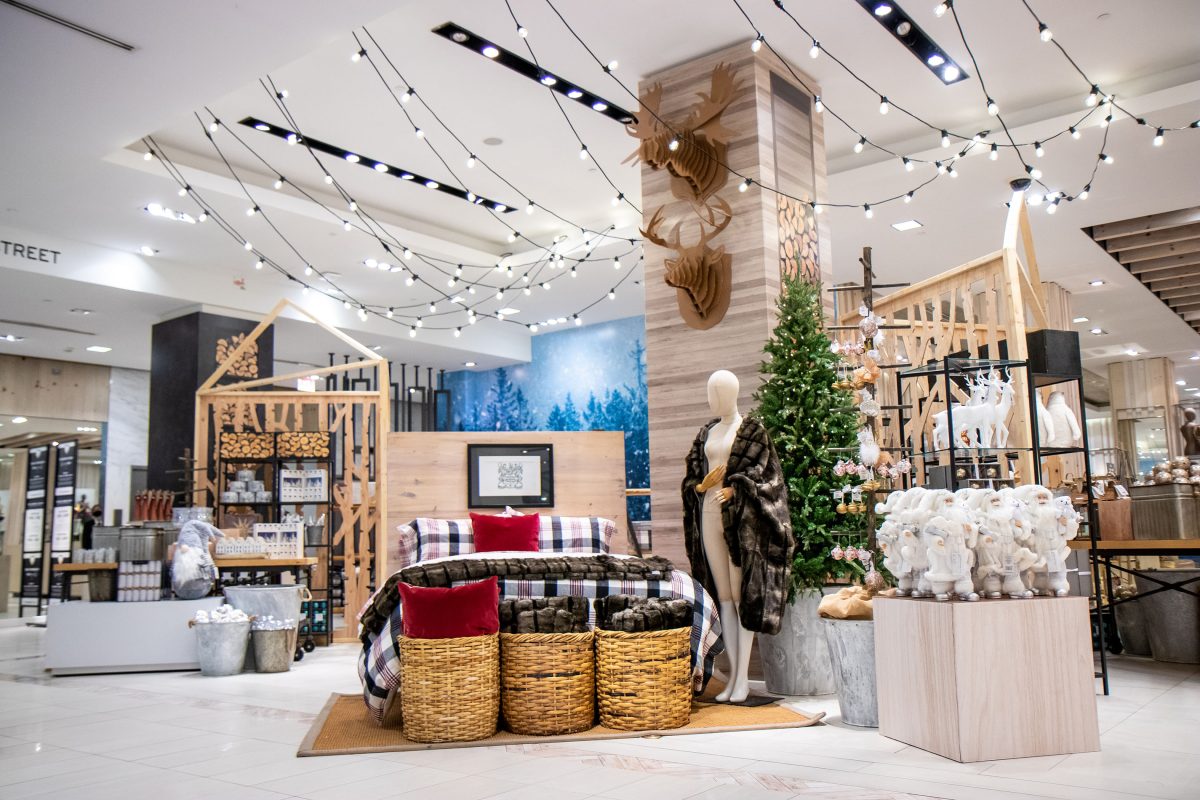
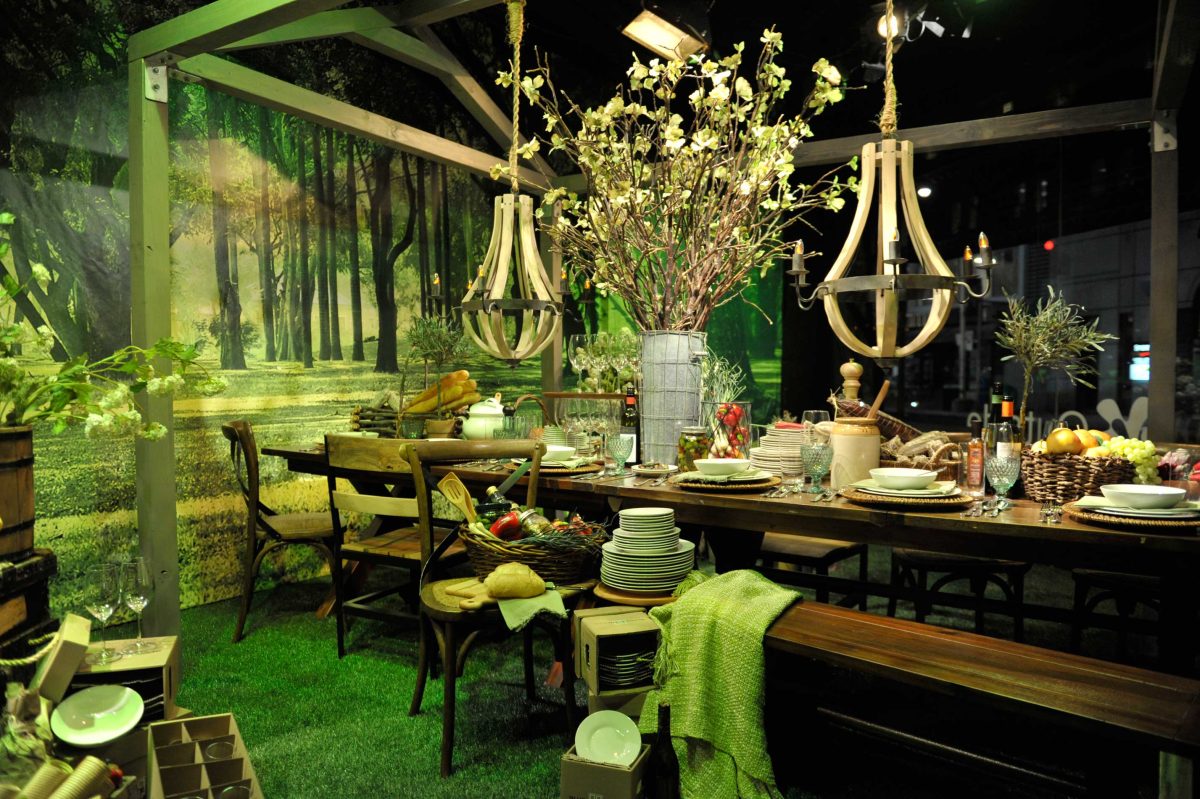
Holiday Displays in the Hudson’s Bay Queen Street store. Photo supplied

The Queen Street Flagship as a Cultural Institution

The Queen Street flagship occupied a singular place in Toronto’s cultural memory. Originating as a Simpsons department store in the late 19th century, the building developed an early reputation for elaborate Christmas windows that drew crowds long before experiential retail became industry shorthand.

Under Hudson’s Bay, that tradition continued. The windows became a seasonal marker for the city, and the interior holiday environments extended the story inside the store. For those who built them, these displays were not simply visual merchandising exercises. They were moments of civic connection.

That is where Karl’s work lived.

Holiday window displays in the Hudson’s Bay Queen Street store. Photo: James Doiron

“He Looked at the Windows as a Stage”

Agata Salvatore, a former Visual Presentation Specialist at the Queen Street store, worked with Karl for more than 30 years. She describes a department that handled everything from mannequins to in-store marketing to windows, shifting constantly with the needs of the business.

“In the visual department, the work covered everything, from dressing mannequins to in-store marketing to helping with the windows,” she said.

Karl, she explained, brought a distinct sensibility shaped by his love of theatre.

“He came from a theatrical background. Even though he studied early childhood education, theatre was his real passion, and he brought that sensibility into the store.”

That perspective influenced how he approached window design.

“He always looked at the windows as a stage,” Agata said. “He thought carefully about sightlines and whether customers could see something clearly from a particular angle. If something looked messy, it had to be concealed.”

It was a meticulous approach, and one that helped elevate the Queen Street windows beyond simple decoration.

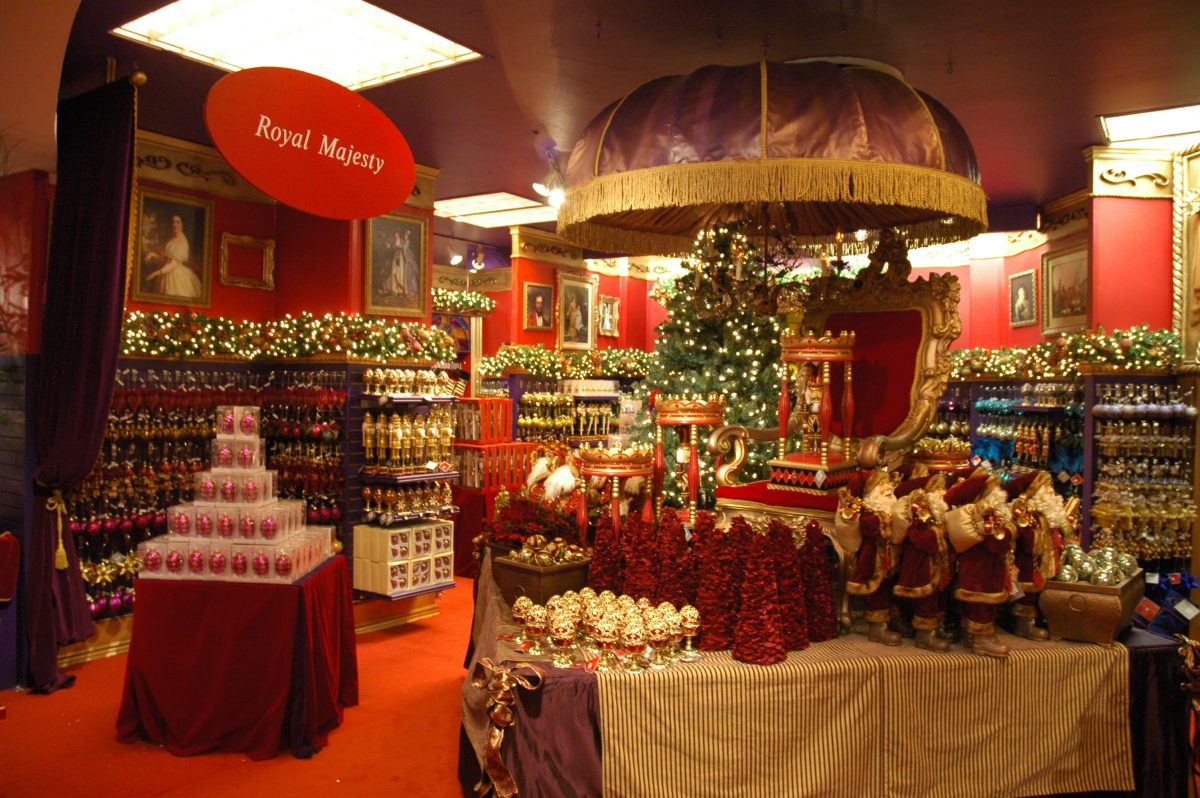
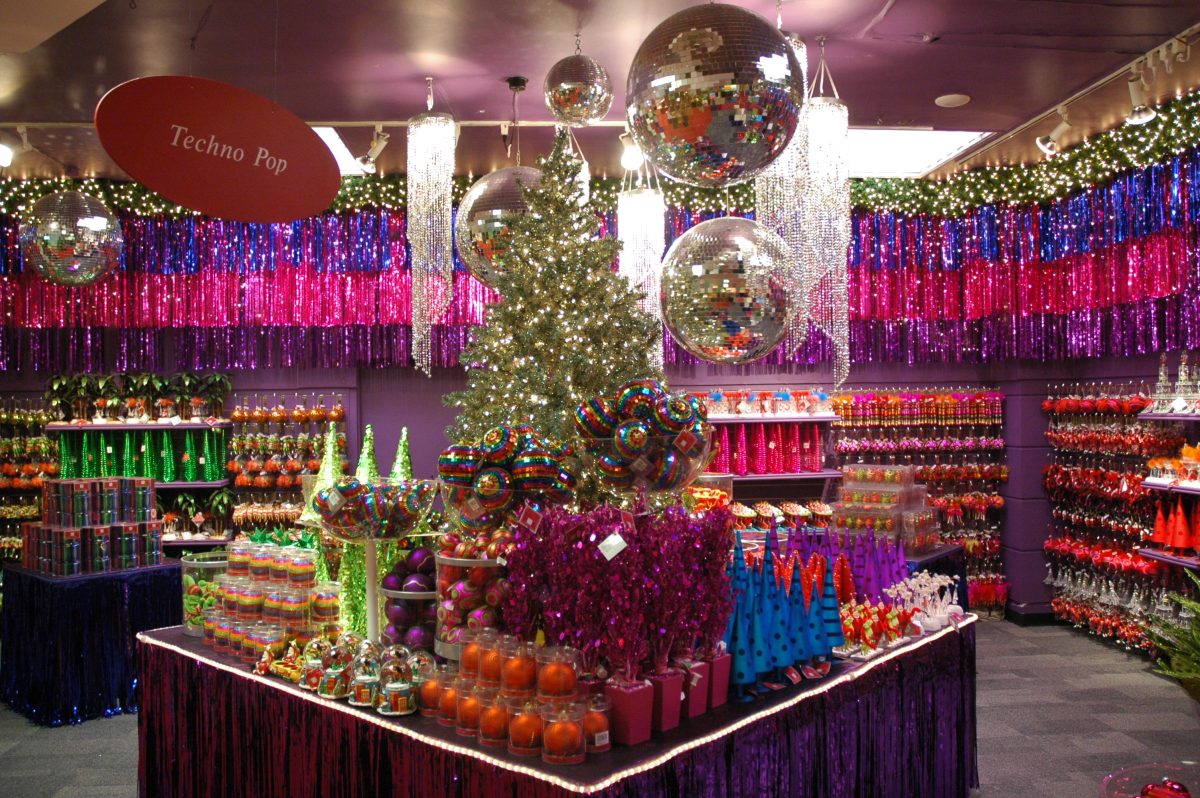
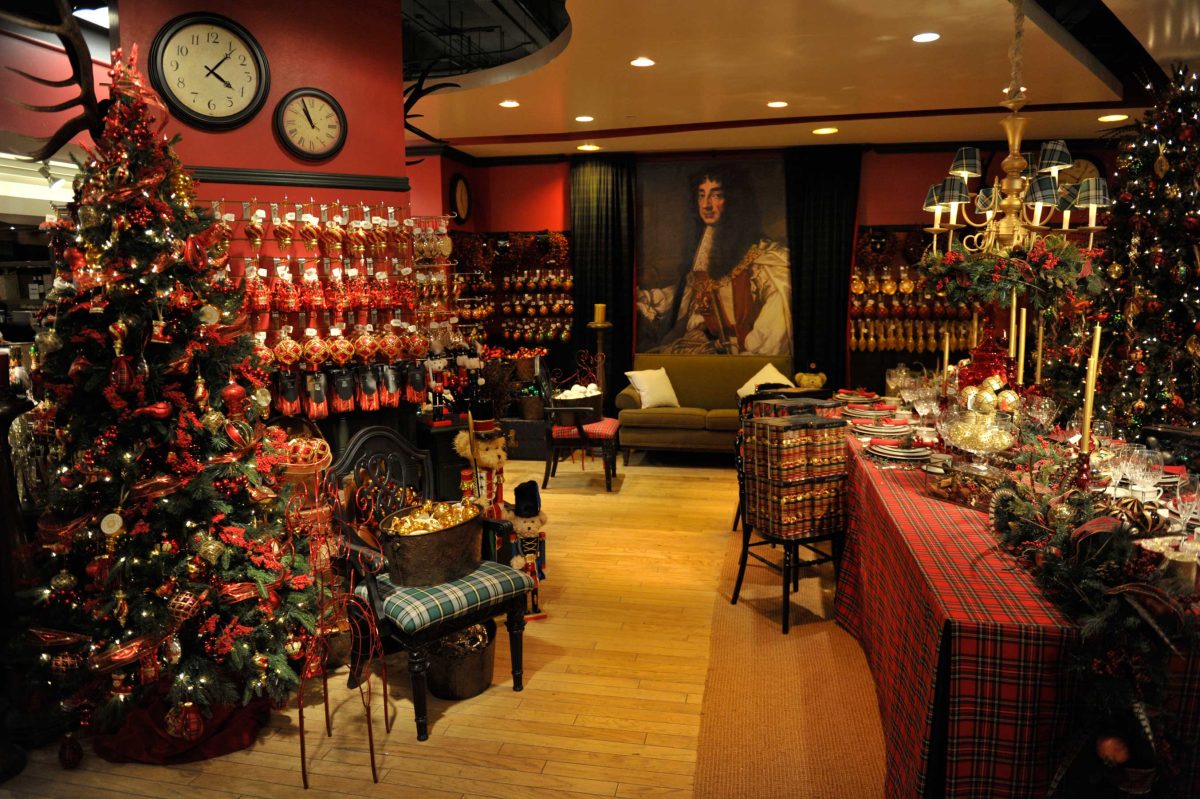
‘Christmas Street’ on the 5th floor in the Hudson’s Bay Queen Street store, early 2000s. Photo supplied

Christmas Street and the Art of Escape

Inside the store, Karl became closely associated with Christmas Street, the immersive holiday environment that once drew visitors deep into the building. Agata said he was involved from its earliest days and gradually became central to its creative direction.

“From the beginning, Karl was involved with Christmas Street,” she said. “It became part of who he was, and he was exceptionally good at it.”

At its height, Christmas Street featured themed rooms that transformed retail space into something closer to an installation.

“At one point, we had full theme rooms,” she said. “Karl was deeply involved in developing those concepts.”

Christmas Street on the 5th floor of the Hudson’s Bay Queen Street store in the early 2000s. Photo:: James Doiron

One theme remains particularly vivid in her memory.

“There was one called Tsarina, which had a Russian feel inspired by the colours of the ornaments we received,” she recalled. “He would look at what we had and build an entire atmosphere around it. That’s how he worked.”

Those environments were unique to Queen Street.

“That level of immersion was exclusive to the flagship,” she said. “You did not see that elsewhere.”

More importantly, she remembers how the space made people feel.

“People would come in during lunch or after work and just wander,” she said. “For a while, they forgot about their day. It was a happy place for them.”

Christmas Street on the 5th floor of the Hudson’s Bay Queen Street store. Photo: James Doiron

A Builder Who Could Make Ideas Real

Ana Fernandes, former Creative Director at Hudson’s Bay, worked with Karl across seasonal roles and window presentations. She remembers him as being most fulfilled when leading the annual Christmas shop.

“I worked with Karl in many capacities throughout my career with Hudson’s Bay, from seasonal in-store to window visual presentation, but he was truly at his best, and happiest, when leading our annual Christmas shop,” she said.

For Ana, Karl’s defining strength was his ability to turn imagination into reality.

“If a prop did not exist, he would build it. His imagination, craftsmanship, and dedication were unmatched.”

She also described a shared creative philosophy that shaped the holiday windows.

“Karl and I shared a deep appreciation for whimsy,” she said. “A window was never complete without thoughtful final details, the elements that made people pause, smile, laugh, and feel a sense of wonder.”

One moment captures that spirit for her.

“One of my most cherished images of Karl is a photograph I took during the installation of exterior foliage for our animated windows. Despite the minus-10 temperature, his smile never faded.”

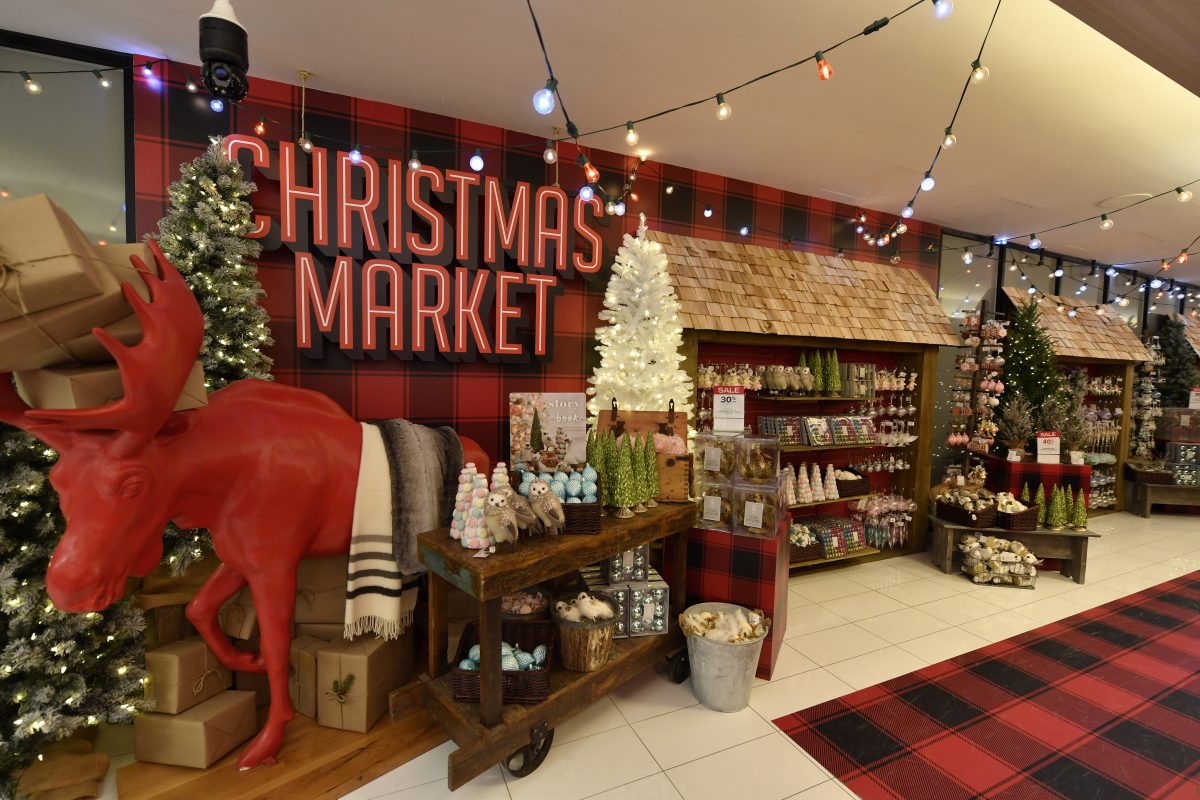
Display in the Hudson’s Bay Queen Street store. Photo supplied

Protecting the Experience for the Public

Raymond Chan, former Senior Visual Merchandising Manager at Hudson’s Bay, said Karl’s career spanned more than four decades, beginning at Simpsons before he joined Hudson’s Bay, where he spent over 35 years.

“Karl spent more than 40 years in the retail industry,” Raymond said. “He began at Simpsons and then moved to Hudson’s Bay, where he dedicated the majority of his career.”

Raymond described Karl as someone who specialized in home, hard goods, and, above all, Christmas. During the flagship’s strongest years, Karl led large-scale holiday builds.

“In the early years, he had the resources to design everything from scratch,” Raymond said. “He oversaw construction and worked with teams of 10 to 12 people to bring those spaces to life.”

What stood out most, Raymond said, was how fiercely Karl protected the public’s opportunity to experience the finished work.

“He always pushed to keep the displays up longer,” he said. “Families were travelling from out of town, from places like Sudbury, specifically to see the windows and Christmas shop.”

For Karl, those visits mattered.

“He wanted everyone to have a chance to appreciate the experience,” Raymond said. “He truly believed in what the holiday season meant at the Queen Street store.”

Regal Holiday display in the Hudson’s Bay Queen Street store. Photo supplied

A Year-Round Vision, Not a Seasonal Switch

Former Queen Street General Manager Richard Montgomery, who led the flagship for nearly 12 years until 2020, shared a similar view of Karl’s role behind the scenes. In his assessment, Christmas at Hudson’s Bay was never a seasonal project that simply appeared in November. It was a year-round undertaking shaped and refined long before the first decorations arrived.

Montgomery said Karl approached the holiday season with a rare combination of creative instinct and operational discipline. From early strategy and concept development through to final execution on the floor, Karl was deeply involved in every stage. The result was a holiday experience that reflected care, precision, and respect for a tradition that many customers held dear.

In Montgomery’s view, Karl’s contribution was so central that it is difficult to imagine the Queen Street holiday program without him. Had Hudson’s Bay continued as an operating retailer, he said, Karl would have remained irreplaceable, and his absence would have been felt immediately by anyone who truly understood how the Christmas season came together inside the flagship.

Holiday Displays in the Hudson’s Bay Queen Street store. Photo supplied

A Teacher and Mentor

Beyond the spectacle, colleagues consistently return to Karl’s generosity with knowledge.

“He was very creative, but he was also an excellent teacher,” Agata said. “If someone didn’t know how to do something, he took the time to show them.”

That mentorship mattered in a hands-on discipline where skills are passed through practice and patience. For many younger team members, Karl represented a standard of craftsmanship and care that shaped how they approached their own work.

Karl Dodham and team in the Hudson’s Bay Queen Street flagship store. Photo: Raymond Chan

A Legacy That Endures

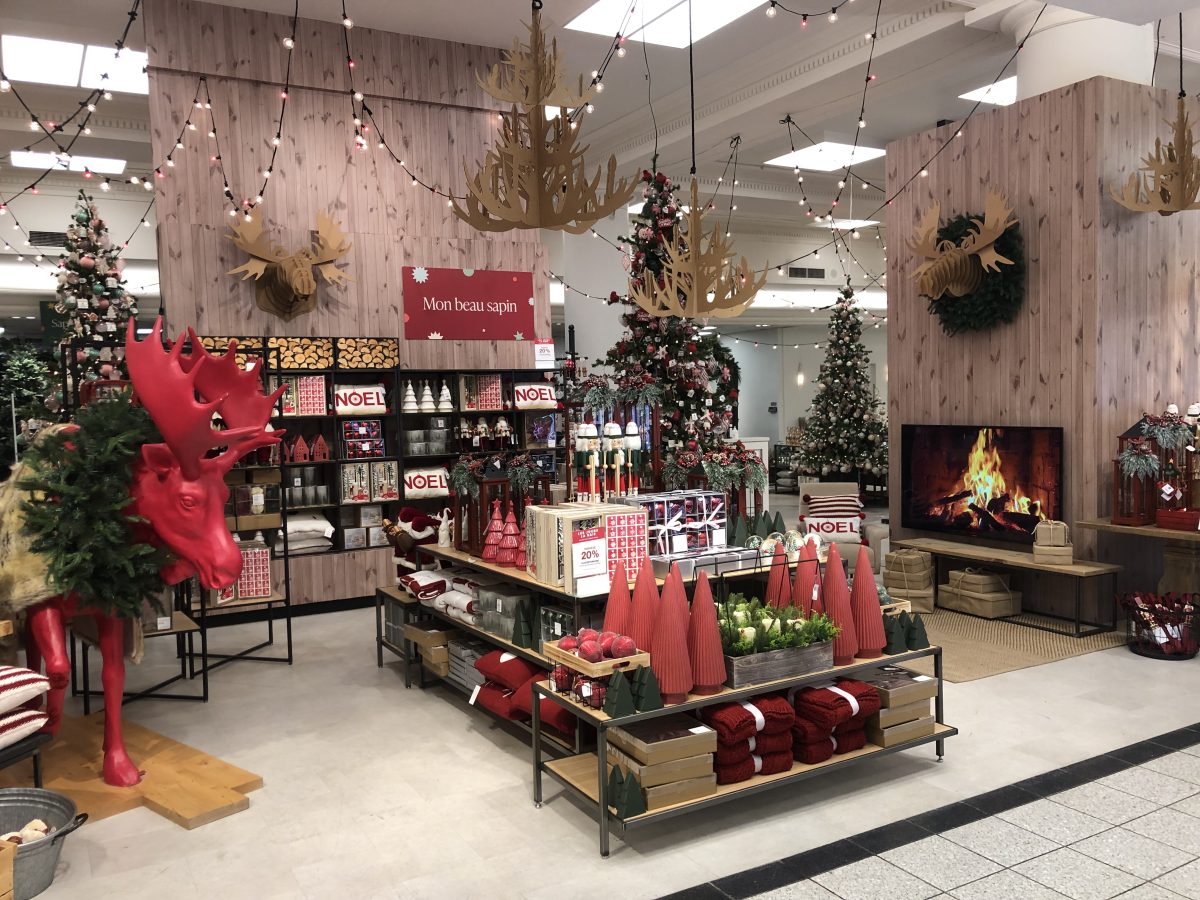
The closure of Hudson’s Bay in 2025 marked the end of a historic chapter in Canadian retail. The Queen and Yonge building remains, and holiday displays have since returned under new stewardship, but the culture that once lived inside the store has dispersed.

For those who built the tradition, the legacy is not just architectural or visual. It is human.

Karl Dodham was a craftsman who understood that retail could be joyful, immersive, and meaningful. He built experiences that asked nothing of visitors except that they stop, look, and feel something.

For a city that grew up with those windows, that is a lasting gift.

He will be deeply missed.

More from Retail Insider:

Canadians Temper Holiday Spending as Boxing Day Nears

Boxing Day. Photo: Unsplash

As the final days of the holiday shopping season unfold, fresh data suggests that Canadian retailers should brace for a restrained finish to 2025. Insights shared by David Ian Gray point to a consumer base that remains disciplined, fatigued, and increasingly skeptical of promotional activity. The findings are based on the annual December shopper survey conducted with Angus Reid Group, a study that tracks last-minute gifting and Boxing Week expectations beyond anecdotal observation.

Gray notes that the traditional Canadian pattern of a sharp in-store surge during the final weekend before December 24 has now passed. Attention has shifted to last-minute gifting and preparations for Boxing Day and Boxing Week, which historically differ from U.S. holiday dynamics. However, expectations for a meaningful spending rebound appear muted this year, reinforcing a continued sober Canadian holiday retail outlook as the year comes to a close.

David Ian Gray

Budget Discipline and Shopper Fatigue Dominate

According to Gray, financial restraint continues to shape consumer behaviour across income levels. He observes that “budget discipline remains strong across income levels, with only 17% reporting impulsive holiday spending.” The data also shows that shoppers spent less than last year during Black Friday and devoted less time to searching for deals, suggesting that deal fatigue is becoming entrenched.

Gray adds that while Boxing Week may provide some activity driven by gift card redemption, it is unlikely to deliver a significant lift in overall spending. “Will shopping be seen as a low-pressure distraction? Or are consumers fatigued and looking for downtime?” he asks, noting that Boxing Day is expected to be busy but characterized by limited per-visit spend rather than robust basket growth.

Promotions Lose Urgency and Credibility

One of the most consistent findings in the survey is growing skepticism toward retail promotions. Gray reports that “79% rated holiday deals as ‘mediocre’ or ‘poor,’ a consistent trend since 2023.” The distinction between major promotional events has also eroded, with 91% of respondents seeing no meaningful difference between Cyber Monday and Black Friday.

Early Boxing Day promotions, some of which began before December 20, appear to have reinforced the perception that urgency is largely manufactured. Gray notes that many consumers are opting to wait rather than react quickly, a shift that complicates traditional end-of-year promotional strategies and further dampens expectations within the Canadian holiday retail outlook.

Buying Canadian Matters, But Only to a Point

Support for Canadian-made and Canadian-sold products remains strong in principle, yet price sensitivity continues to override patriotic intent. While 78% of respondents say buying Canadian is important, Gray highlights that 35% still purchased from international websites, a figure unchanged from the past two years. What might be different is an avoid-US sentiment.

“‘Buy Canadian’ is indeed a valuable tie-breaker, but only when price and quality and availability are acceptable,” Gray explains. When those conditions are met, national branding can still be effective in the final stretch of the season. “We must remember many holiday-centred items, like electronics, do not have domestic substitutes.”

However, smaller independent retailers face mounting challenges. Heavy promotional noise from larger players makes it difficult for local brands to stand out, suggesting a difficult finish for independents hoping to close the year on a strong note.

Marketing Efficiency Under the Microscope

The survey also sheds light on which marketing channels are breaking through and which are falling short. Canadians continue to notice social media and YouTube advertising, yet these formats are proving less persuasive at the point of purchase. Interestingly, mailed flyers gained increased visibility, with 36% noticing them compared to 27% in 2024, although this awareness did not translate into higher sales.

Despite widespread claims of inbox fatigue, email remains the most effective sales channel, particularly when paired with clear and consistent in-store signage. Gray also points to emerging behaviour that retailers should not ignore, noting that 13% of shoppers are now actively using AI tools to research products and compare prices.

In the short term, he advises retailers to focus on targeted email campaigns and aligned in-store messaging through December 24 and into Boxing Week, a tactic that aligns closely with current realities in the Canadian holiday retail outlook.

Operational Performance Shows Improvement

There is, however, some positive news on the operational front. While 18% of respondents reported errors in their Black Friday online orders, Gray notes that overall service levels and in-stock positions have improved both online and in-store since 2023. “There is significant room for improvement, but this is trending the right way,” he says, suggesting that operational investments made over the past year are beginning to show results.

These improvements may not drive incremental spending in the short term, but they contribute to longer-term trust and satisfaction, factors that will matter as retailers plan for 2026 and beyond.

Recognizing Frontline Contributions

Gray closes his observations with a reminder of the human element behind the data. “A shoutout to the frontline workers at this time,” he says. “You are often underappreciated, but you are so vital to the business and to Canadian shoppers.” As retailers navigate a challenging end to the year, the role of frontline staff remains central to delivering consistent service during one of the most demanding periods on the retail calendar.

Taken together, the survey findings reinforce a measured and cautious Canadian holiday retail outlook. With disciplined consumers, diminished promotional urgency, and modest expectations for Boxing Day uplift, retailers are finishing 2025 akin to 2024 and in a markedly different environment than in years past, one that places a premium on efficiency, clarity, and trust rather than sheer promotional volume.

More from Retail Insider:

Mastercard introduces Merchant Cloud for the evolving digital commerce landscape

Photo: Adobe

As digital commerce accelerates across the Canadian economy, many businesses continue to navigate an increasingly complex web of payment technologies, security protocols and multi-market expansion requirements. Designed to address this complexity, Mastercard has introduced Merchant Cloud: a next-generation platform that combines the company’s global network intelligence with a unified suite of services, focused on supporting merchants, acquirers and enterprise partners in a rapidly evolving, AI-enabled marketplace.

The new platform brings together gateway services, advanced security solutions and adaptive optimization tools, creating a single access point that helps organizations streamline operations and scale their businesses. It represents continued modernization efforts within Mastercard’s acceptance ecosystem, helping support Canadian organizations to compete at home and abroad.

Balinder Ahluwalia, Senior Vice President and Head of Market Development and Digital Partnerships in Canada for Mastercard, says the introduction of Mastercard Merchant Cloud reflects both the pace of change in digital commerce and the company’s commitment to anticipate the needs of its merchant partners. According to Ahluwalia, Mastercard is focused on building simple infrastructure that helps enable growth, reduce barriers and empower companies to innovate.

“Mastercard is committed to anticipating what is next in digital and agent-driven commerce,” he says. “With Merchant Cloud, we’re giving our partners a simplified, scalable infrastructure designed to optimize security and efficiency, and ultimately, supporting accelerated growth across Canada’s payments ecosystem.”

Rogers Communications, Canada’s leading communications and entertainment company, is among the initial partners to use Mastercard Merchant Cloud.

Balinder Ahluwalia, Senior Vice President and Head of Market Development and Digital Partnerships in Canada for Mastercard,

A Unified Platform Built for Modern Commerce

At the core of Mastercard Merchant Cloud is the vision of creating a single, modular environment that can bring together traditionally siloed services. Instead of implementing multiple third-party tools, businesses may access scheme agnostic solutions for credential tokenization, digital wallets, guest checkout, identity verification, fraud protection and approval rate optimization through one overarching platform.

This approach helps reduce integration time, simplify onboarding and create flexibility for merchants and payment service providers. The platform’s gateway services can also support omnichannel commerce, offering efficient transaction routing and deeper data insights, with the capability to be compatible with global card networks, domestic schemes, mobile wallets and alternative payment methods.

Merchant Cloud’s design with scheme-agnostic solutions helps merchants and partners build acceptance models that prioritize consumer choice and reduce friction, whether those transactions occur in-store, online or through emerging digital interfaces.

AI-Driven Approval Rate Optimization

The platform integrates artificial intelligence, supporting both merchant decision-making and operational performance. Mastercard’s Payment Optimization Platform, known as POP, uses the company’s network intelligence and, in the near future, AI-facilitated authorization messages, aiming to help merchants increase approval rates. This kind of optimization can be important in an environment where even small changes in approval performance may translate into meaningful revenue gains.

Mastercard Merchant Cloud also includes fraud monitoring and identity verification tools that help organizations identify risk and reduce exposure to potential fraudulent transactions. The Transaction Risk API, for example, offers capabilities to analyze client-provided data and returns risk scores with actionable insights. This level of intelligence aims to support acquirers, payment facilitators and PSPs in managing fraud while maintaining a seamless customer experience.

Cybersecurity remains one of the primary concerns for many Canadian businesses, and Mastercard aims to design its security framework to evolve continuously with global threat patterns. By centralizing identity, cyber and fraud capabilities, the platform delivers a level of protection that can scale with enterprise needs while helping to avoid creating unnecessary operational burden.

Photo: Mastercard

Preparing for Agent-Driven Commerce and the Future of Payments

As agentic commerce emerges, Mastercard Merchant Cloud is positioned to help Canadian retailers prepare for a future where automated transactions may become more commonplace. Though agentic commerce is not generally available in Canada yet, the platform aims to offer support for emerging capabilities and payment protocols, helping merchants provide consumers with a trusted experience when interacting with digital agents and automated shopping environments.

This forward-looking structure reflects Mastercard’s belief that the next major shift in payments will be driven by intelligent systems capable of executing transactions independently. Merchant Cloud is designed to give businesses the tools to participate in that shift while maintaining a strong focus on security or consumer trust.

Available in Canada with Global Capability and Omnichannel Support

Mastercard Merchant Cloud brings global reach directly to Canadian organizations. The platform connects to more than 240 acquirers worldwide and supports over 35 payment types, including alternative payment methods and domestic and global wallets. For businesses planning international expansion, this level of integration minimizes friction while helping them adapt to regional preferences.

Preparing Canadian Businesses for What Comes Next

With so many exciting developments in technology and payments, there’s an opportunity for Canadian businesses to capitalize on these advancements. As AI, automation and intelligent commerce become defining forces, Mastercard Merchant Cloud aims to give business leaders a powerful foundation to help build secure, seamless and innovative payment experiences.

Ahluwalia adds the vision behind the new platform is grounded in simplicity and scalability.

To learn more about Mastercard Merchant Cloud and how it can support your organization’s growth and modernization strategy, visit the Merchant Cloud product page.

This content was developed by Retail Insider in partnership with Mastercard. For partnership opportunities with Retail Insider, contact Craig Patterson at craig@retail-insider.com

Tom Ford Opens First Canadian Storefront at Yorkdale

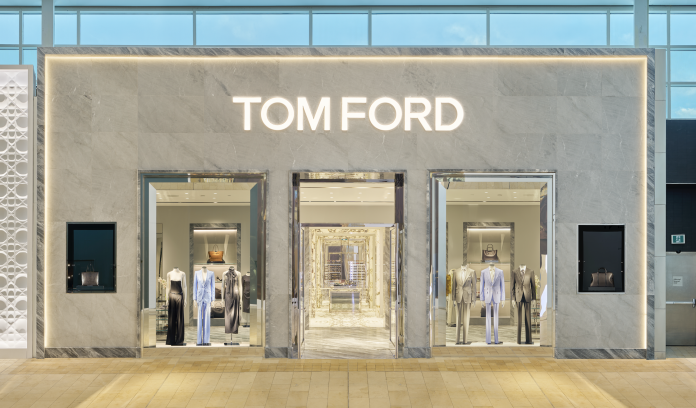
Tom Ford at Toronto's Yorkdale Shopping Centre. Photo: Tom Ford

Tom Ford has officially entered the Canadian luxury retail market with the opening of its first standalone fashion boutique at Yorkdale Shopping Centre in Toronto. The new location represents a milestone for the global luxury house and signals a deeper commitment to direct-to-consumer retail in North America.

Spanning more than 3,000 square feet, the Tom Ford Yorkdale boutique brings together the brand’s full men’s and women’s collections under one roof for the first time in Canada. The store offers ready-to-wear, leather goods, accessories, footwear, fragrances, beauty, eyewear, and underwear, creating a comprehensive brand environment that Canadian consumers have not previously experienced in a single standalone location.

For Yorkdale, already widely regarded as Canada’s premier luxury shopping destination, the opening further reinforces its position as the country’s most important landing point for global fashion houses entering or expanding in the Canadian market.

A Flagship Environment Designed for the Full Tom Ford World

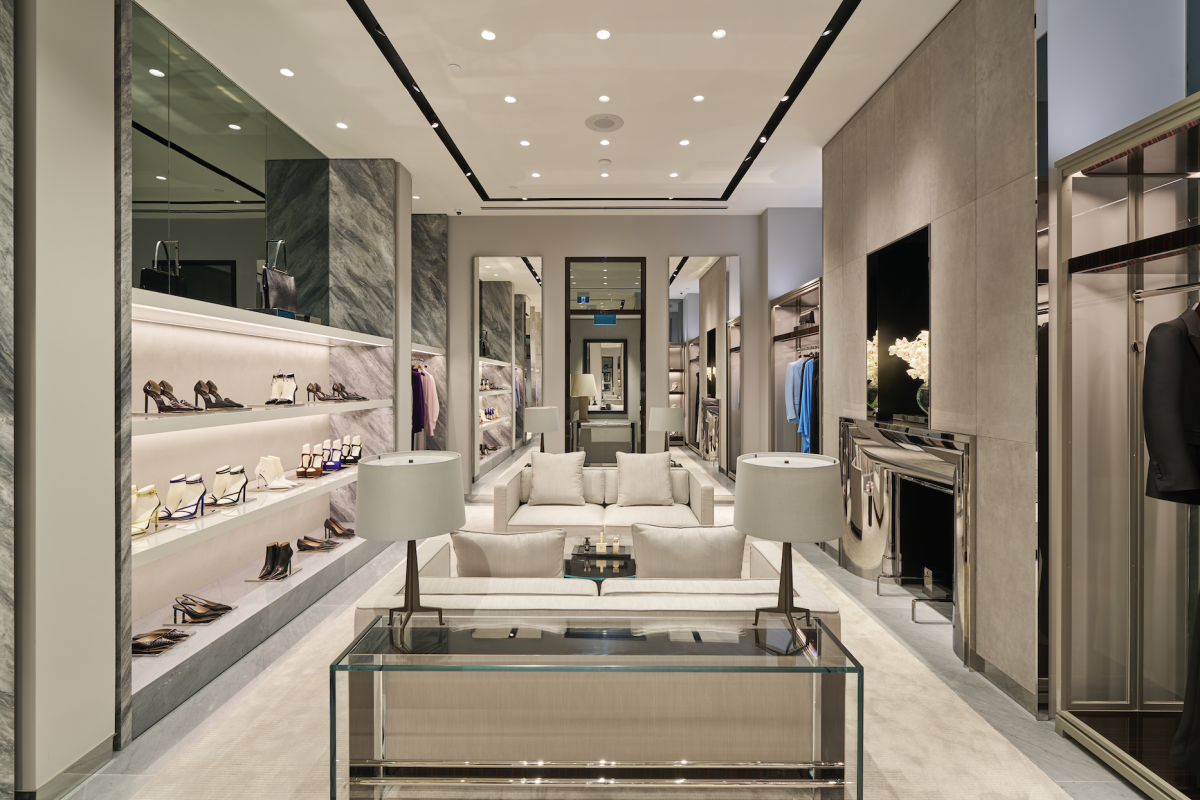
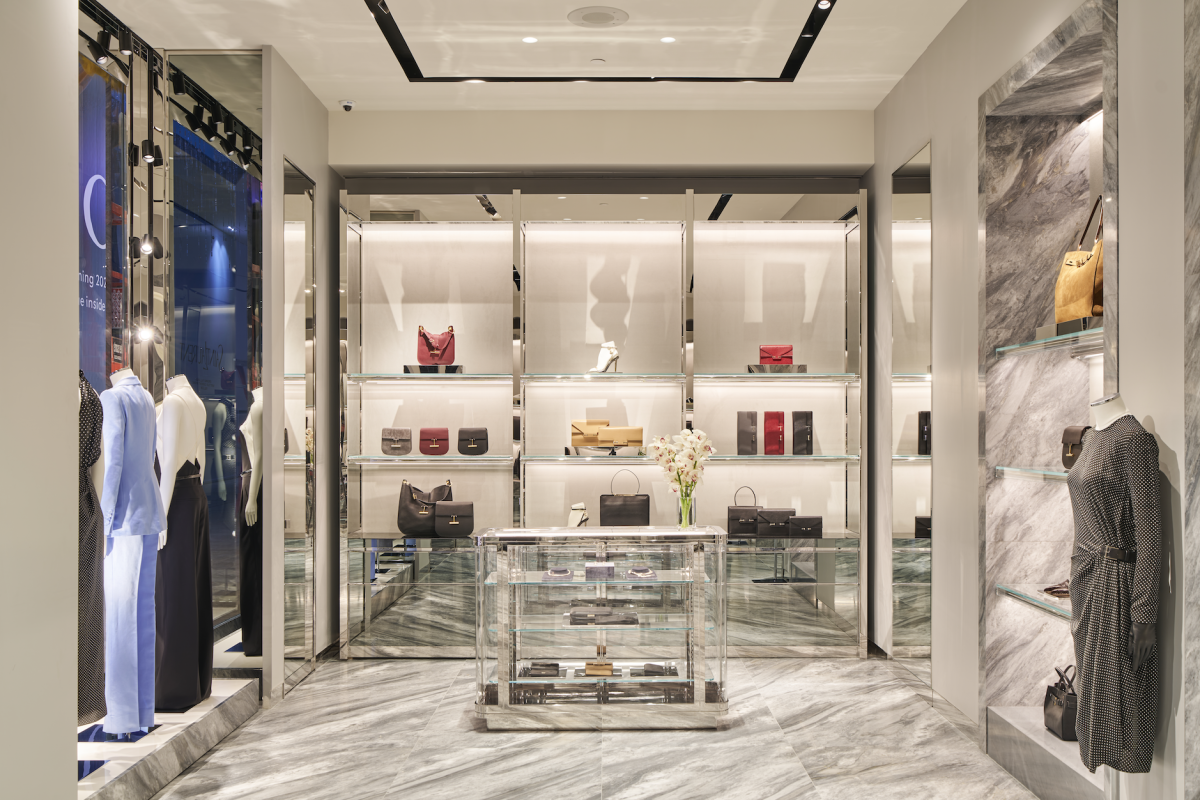
The Yorkdale boutique has been designed to reflect the brand’s Madison Avenue flagship in New York City, translating Tom Ford’s distinct aesthetic into a highly curated Canadian retail environment. The interior is outfitted in the brand’s signature palette of greys and deep brown tones, complemented by chrome and glass accents that emphasize clean architectural lines and understated opulence.

Luxurious materials such as Cala Paonazzo marble and Macassar ebony are used throughout the space, with sleek display cabinets and mirror-finished surfaces contributing to a refined and immersive experience. Discreetly partitioned walls create a sense of privacy, reinforcing the exclusivity associated with the Tom Ford name while offering a comfortable, intimate setting for high-touch luxury retail.

The store’s design is intended to elevate the shopping experience beyond traditional transactional retail, positioning the boutique as both a destination and a brand statement within Yorkdale’s evolving luxury wing.

Tom Ford at Toronto’s Yorkdale Shopping Centre. Photo: Tom Ford

Made to Measure as a Cornerstone of the Offering

A central feature of the Tom Ford Yorkdale boutique is the brand’s made to measure service, which offers clients a highly personalized sartorial experience. Through private one-on-one appointments, customers can design custom garments tailored to their individual preferences, proportions, and lifestyle needs.

Each made to measure suit is crafted by master tailors at the Tom Ford atelier, with weeks devoted to cutting, construction, and finishing. The process uses fabrics sourced from some of the world’s most respected mills, underscoring the brand’s emphasis on craftsmanship, material quality, and precision.

The inclusion of made to measure services reflects Tom Ford’s broader strategy of deepening client relationships through customization and experiential retail, particularly in key flagship locations.

A Strategic Location Within Yorkdale’s Luxury Wing

The Tom Ford Yorkdale boutique occupies a prominent position within the shopping centre’s newest luxury wing, situated between Loewe, which opened at Yorkdale last year, and a newly opened Dior flagship. Directly across the aisle, two of the mall’s largest upcoming luxury stores are also taking shape, with Saint Laurent planning an expanded 11,000-square-foot location and Gucci set to open a 12,000-square-foot flagship in 2026.

This concentration of top-tier luxury brands has rapidly transformed the wing into one of the most significant luxury retail clusters in North America. Recent openings in the area include Brunello Cucinelli, Versace, Jimmy Choo, Maison Margiela, Rimowa, and Loro Piana, among others. Together, these brands create a critical mass that draws both domestic and international shoppers, reinforcing Yorkdale’s role as a global luxury destination rather than a regional shopping centre.

Oxford Properties, which owns and manages Yorkdale Shopping Centre, has played a central role in curating this luxury ecosystem, attracting brands seeking high visibility, strong performance, and proximity to peer flagships.

Brokerage firm DWSV Realty, led by David Wedemire and Stan Vyriotes, represented Tom Ford in the lease transaction at Yorkdale. The deal reflects both the brand’s long-term confidence in the Canadian market and Yorkdale’s continued ability to secure marquee luxury tenants in highly competitive global leasing environments.

Tom Ford at Toronto’s Yorkdale Shopping Centre. Photo: Tom Ford

Tom Ford’s Canadian Presence Until Now

Prior to the Yorkdale opening, Tom Ford maintained a limited but carefully curated presence in Canada through wholesale and shop-in-shop partnerships. Tom Ford menswear has been available in dedicated environments at several Harry Rosen locations nationwide, while Holt Renfrew operates Tom Ford menswear boutiques at its Vancouver and Montreal flagships.

Holt Renfrew previously carried Tom Ford womenswear in Toronto and Vancouver, but the Yorkdale boutique marks the first time Canadian consumers have access to the full men’s and women’s ready-to-wear collections, accessories, and footwear within a single standalone Tom Ford space.

Industry observers have long speculated about Tom Ford’s plans for Canada, with Toronto and Vancouver frequently cited as priority markets. While Yorkdale now represents the brand’s confirmed Canadian foothold, questions remain about whether additional standalone locations may follow in Vancouver over time.

A Brand With Deep Roots in Modern Luxury

Tom Ford founded his namesake brand in 2005 after a highly influential tenure as creative director at Gucci, where he was widely credited with transforming the Italian house into a global symbol of modern luxury. Under Ford’s leadership, Gucci experienced unprecedented growth and cultural relevance, setting the stage for his own label to emerge with a similarly bold identity.

From its earliest collections, Tom Ford became synonymous with refined glamour, sharp tailoring, and a confident, sensual aesthetic. The brand expanded rapidly across menswear, womenswear, accessories, eyewear, and fragrance, establishing itself as one of the most recognizable names in contemporary luxury.

One of the brand’s earliest and most enduring successes was the launch of Tom Ford Black Orchid in 2006, a fragrance that remains a global bestseller and helped cement Tom Ford Beauty as a powerhouse category. Tom Ford eyewear, produced in partnership with the Marcolin Group, has also become a defining element of the brand’s visual language, known for its distinctive silhouettes and signature “T” detailing.

Over the years, Tom Ford has dressed a wide range of cultural figures, including Michelle Obama, Beyoncé, and Daniel Craig in multiple James Bond films, reinforcing the brand’s association with power, sophistication, and modern elegance.

Ownership Changes and a New Chapter

The opening of the Tom Ford Yorkdale boutique comes during a pivotal period in the brand’s corporate evolution. In 2023, The Estée Lauder Companies completed its acquisition of the Tom Ford brand in a landmark transaction valued at approximately $2.3 billion. Under the deal, Estée Lauder became the sole owner of all Tom Ford trademarks and intellectual property, while licensing the fashion business to Ermenegildo Zegna Group under a long-term agreement.

This structure allows Estée Lauder to continue operating Tom Ford Beauty and fragrance as core assets within its luxury portfolio, while Zegna oversees Tom Ford Fashion, including ready-to-wear, accessories, and retail. Tom Ford Eyewear remains licensed to the Marcolin Group under an extended agreement.

Following Tom Ford’s departure as creative director in 2023, the brand entered a transitional period that included the brief tenure of Peter Hawkings. In 2024, Haider Ackermann was appointed as the brand’s new creative director, with his first collections expected to shape the next phase of Tom Ford’s design direction beginning in 2025.

The Tom Ford brand is now firmly in an expansion phase, with plans to nearly double its global store count from 51 locations in 2023 to more than 100 stores by the end of the decade. Under Zegna’s leadership, Tom Ford Fashion has outlined ambitious growth targets across Europe, Asia-Pacific, and the Americas, with North America identified as a key priority. The Yorkdale opening aligns with this strategy, serving both as a market entry point and a signal of confidence in Canada’s luxury consumer base.

More from Retail Insider:

Specsavers Marks 250 Stores in Canada With Mission Opening

Vicky Peng and team at the new Specsavers at Real Canadian Superstore in Langley, BC. Photo: Specsavers

Specsavers Canada has reached a major national milestone with the opening of its 250th store, located inside the Real Canadian Superstore on Lougheed Highway in Mission, British Columbia. The location is led by Retail Partner Vicky Peng, a licensed optician whose journey from store manager to business owner reflects the optometry-led partnership model that has defined Specsavers’ rapid growth across the country.

The Mission opening represents how quickly Specsavers has scaled since entering Canada in 2021, and how decisively it has positioned grocery-anchored retail as a new access point for primary eyecare. In just four years, the brand has moved from an initial British Columbia foothold to becoming the country’s largest optical retailer by store count, serving hundreds of thousands of Canadians annually.

Specsavers entered the Canadian market in late 2021 through the acquisition of Image Optometry, launching its first locations in Nanaimo and Coquitlam. From the outset, the company committed to a high-investment expansion strategy designed to remove barriers for optometrists and opticians while accelerating national coverage. That approach included covering 100 percent of startup costs for new locations and applying its joint-venture partnership model rather than a traditional franchise structure.

The results have been swift. Within two years, Specsavers surpassed 100 Canadian locations. By December 2025, it had crossed the 250-store threshold, with Mission serving as the milestone location. The pace has been further amplified following the announcement of a major relationship with Loblaw Companies Ltd., which will see more than 100 Specsavers locations open inside grocery stores nationwide.

A Community-Focused Location in Mission

For Vicky Peng, the Mission store represents both a personal and professional achievement. After more than 15 years in the optical industry, she stepped into ownership through Specsavers’ partnership model, which allows licensed professionals to run their own businesses while benefiting from centralized operational support.

“My journey to becoming a store owner began with a simple passion, helping people experience the world more clearly,” Peng said. “What started as a love for improving vision grew into a commitment to creating a space where care and quality come first.”

She described Mission as a natural fit for the Specsavers model, particularly given the community’s family-oriented character and demand for convenient healthcare access.

“Mission is an incredibly community-minded city, and that’s exactly the kind of place where accessible, high-quality eyecare can make a meaningful difference,” Peng said. “Families are busy, and having eyecare where people already shop removes a real barrier.”

Real Canadian Superstore in Mission, BC. Photo: Real Canadian Superstore Mission via Facebook

Grocery-Anchored Eyecare as a Growth Engine

The Mission location also underscores the strategic importance of grocery-anchored retail to Specsavers’ Canadian expansion. By situating stores inside Real Canadian Superstores and other Loblaw banners, the company is embedding eyecare into existing consumer routines rather than asking patients to make separate trips.

John Faires, Trading Director at Specsavers Canada, said convenience remains one of the most persistent obstacles preventing Canadians from booking regular eye exams.

“One in three Canadians are overdue for their regular eye exam,” Faires said. “By opening locations within grocery stores, we’re making it easier for people to fit eyecare into their everyday lives.”

He added that grocery-anchored locations often serve large catchment areas and smaller urban centres that have historically been underserved.

“These stores have steady foot traffic and broad reach,” Faires said. “They allow us to meet people where they already are while delivering a clinical experience that often exceeds expectations.”

Addressing an Eyecare Access Gap

The expansion strategy is closely tied to public health considerations. According to Specsavers, one-third of Canadians remain overdue for an eye exam, increasing the risk of preventable vision loss. In many communities outside major urban centres, access to comprehensive eyecare can require long travel times or limited appointment availability.

Specsavers has positioned its national rollout as a response to that gap. By combining extended retail hours, digital booking tools, and in-store clinical services, the company aims to normalize regular eye exams as part of routine household care rather than an occasional medical errand.

“Eye health often falls down the priority list for busy families,” Faires said. “Convenience changes that behaviour.”

Image: Specsavers Canada

Technology Raising the Standard of Care

A central pillar of the Specsavers value proposition is the inclusion of advanced diagnostic technology as part of standard eye exams. All Specsavers locations are equipped with optical coherence tomography, or OCT, a three-dimensional eye scan that allows optometrists to see beneath the surface of the retina.

“OCT allows us to detect sight-threatening conditions like glaucoma, diabetic eye disease, and age-related macular degeneration much earlier,” Faires said. “By equipping stores with this technology, we’re helping to reduce avoidable blindness.”

Peng said many first-time patients are surprised by how comprehensive the exam experience is.

“People don’t expect that level of technology in a retail setting,” she said. “We take time to explain results, answer questions, and make sure patients understand their eye health, not just their prescription.”

Value and Fashion as Complementary Drivers

Beyond clinical care, affordability remains a key differentiator for Specsavers in the Canadian market. The brand’s pricing model, supported by global sourcing and scale, has allowed it to position fashionable eyewear as accessible rather than aspirational.

“Customers are often surprised by the range and prices of our glasses,” Peng said. “Fashionable frames used to feel like a luxury. People are realizing they can look great without overspending.”

Although Specsavers operates at national scale, each location is locally owned and operated through its partnership structure. Retail partners manage day-to-day operations and customer experience, while independent optometrists operate their clinical practices within the stores.

Faires said that balance has been critical to building trust in smaller communities like Mission.

“People appreciate knowing that their local Specsavers is owned by someone who lives and works in the community,” he said. “That local accountability matters.”

For Peng, ownership has deepened her connection to the customers she serves.

“It’s rewarding to continue serving this community with the backing of a trusted brand,” she said. “It allows me to focus on care while still building something of my own.”

Rapid Growth Reflects Market Demand

Reaching 250 stores in four years has positioned Specsavers as the largest optical retailer in Canada by footprint, a title that reflects both consumer demand and execution speed. The company reports that Canadians have responded strongly to its combination of professional care, modern stores, and transparent pricing.

“Our growth is a sign that we’re filling a real gap,” Faires said. “Access, quality, and affordability all matter, and Canadians expect them together.”

Specsavers has already cared for more than one million Canadians since entering the market and continues to track toward its long-term goal of serving one million patients annually.

What Comes Next for Specsavers Canada

While store openings have dominated headlines in recent years, Specsavers says its focus is beginning to shift. With a national footprint largely established, the company is now prioritizing care quality, technology adoption, and long-term patient relationships.

“Our focus is moving from rapid expansion to elevating the experience within our stores,” Faires said. “That includes introducing new products, expanding exclusive partnerships, and continuing to educate Canadians about the importance of regular eye exams.”

Communities like Mission are expected to remain central to that strategy, particularly as Specsavers deepens its presence in smaller cities and regional markets.

“Our commitment is long-term,” Faires said. “We want to change lives through better sight and ensure every Canadian can access the eyecare they need.”

More from Retail Insider: