

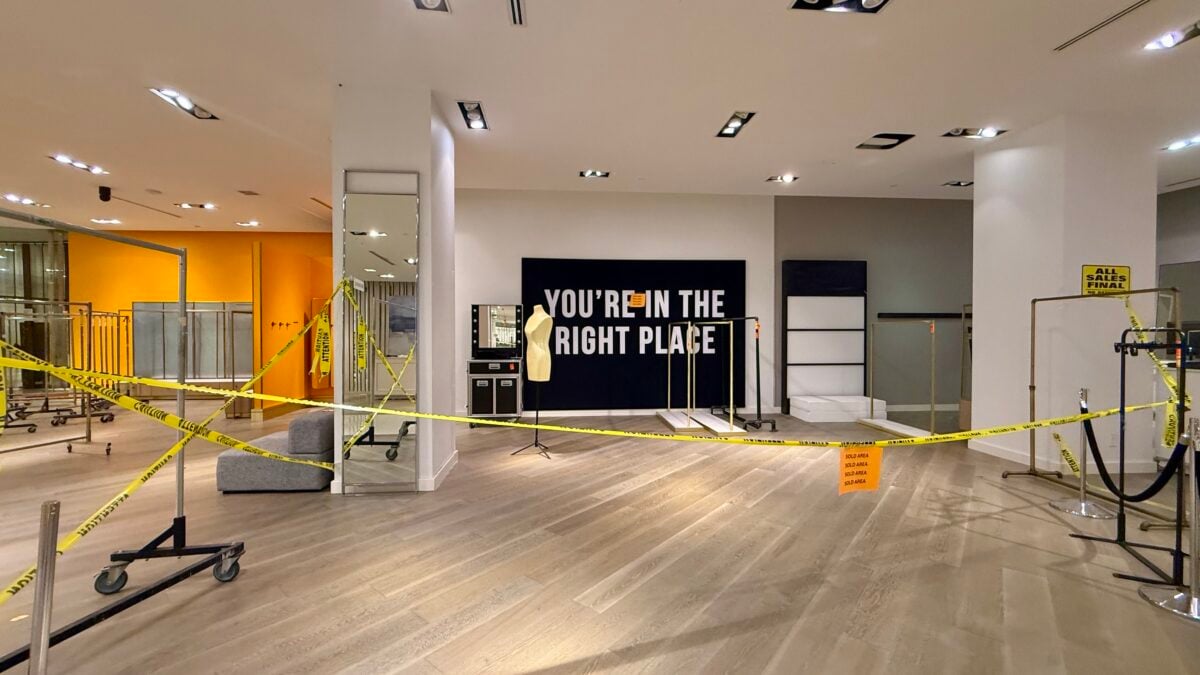
The doors have officially closed. On Sunday, June 1, 2025, the Hudson’s Bay Company ended its centuries-long run as a department store chain in Canada. After months of liquidation sales and public speculation, the retailer’s final locations, including its once-iconic downtown flagships, ceased operations, drawing to a close one of the most storied and enduring chapters in Canadian commerce. What was once the world’s longest continually operating commercial enterprise as a department store chain is now relegated to history books, marking a sobering moment for Canadian retail, culture, and national identity.
With Hudson’s Bay’s closure, Canada loses not only its last full-scale department store chain but also the final remnant of a retail format that once served as the commercial and social anchor of the nation’s urban centres and suburban malls. The end of Hudson’s Bay as a department store completes a decades-long unraveling of the country’s department store sector.
The closures follow earlier exits by other iconic department stores that once defined Canadian retail. Eaton’s, once the largest department store chain in the country, declared bankruptcy in 1999. Simpsons, which had been acquired by Hudson’s Bay in 1978, was fully absorbed and rebranded in 1991. Woodward’s, a Vancouver-based competitor, was acquired by HBC in 1993. Sears Canada, which had become the nation’s dominant mid-market chain for much of the late 20th century, was liquidated in 2018. Now, with Hudson’s Bay gone, the department store model—once the primary destination for apparel, housewares, cosmetics, and life milestones like bridal registries—has vanished entirely from the Canadian retail landscape.
The Last Downtown Flagships Go Dark
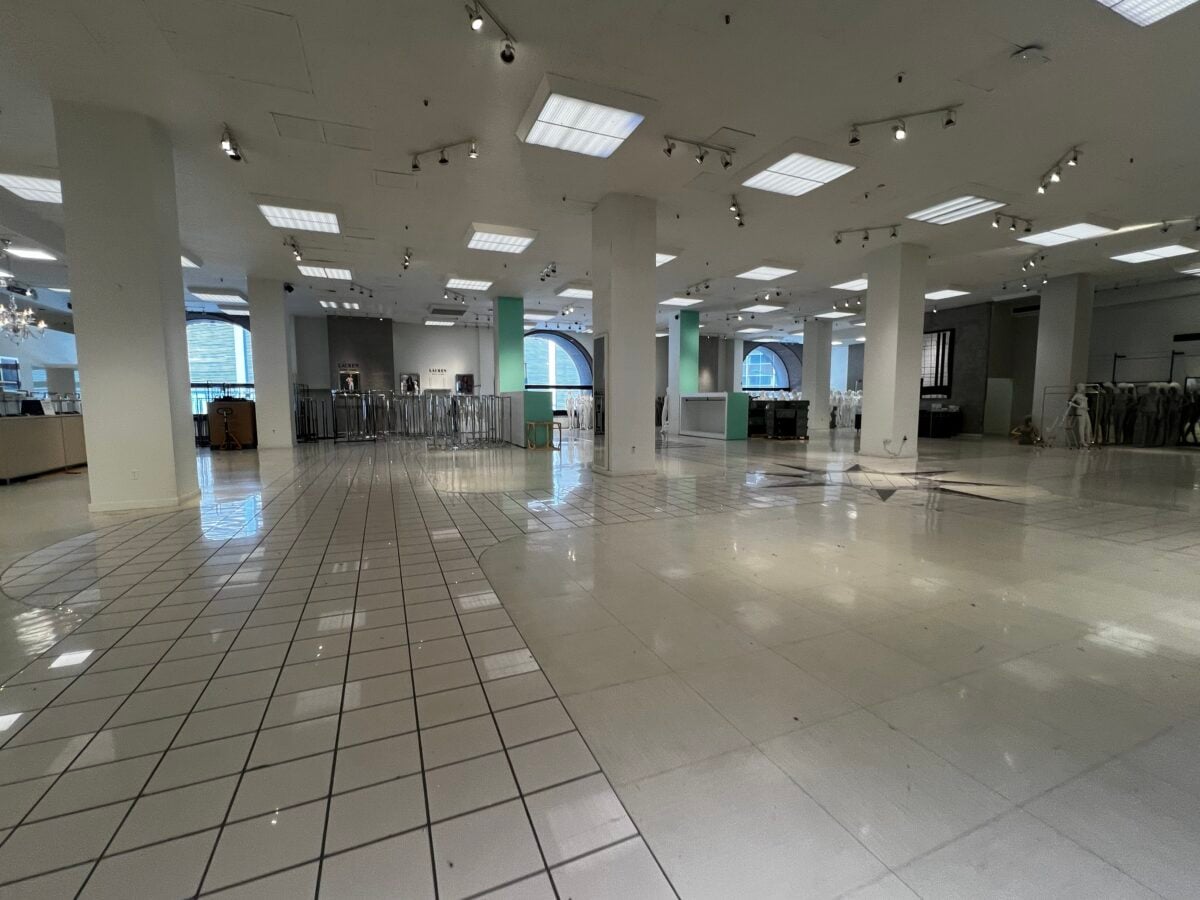
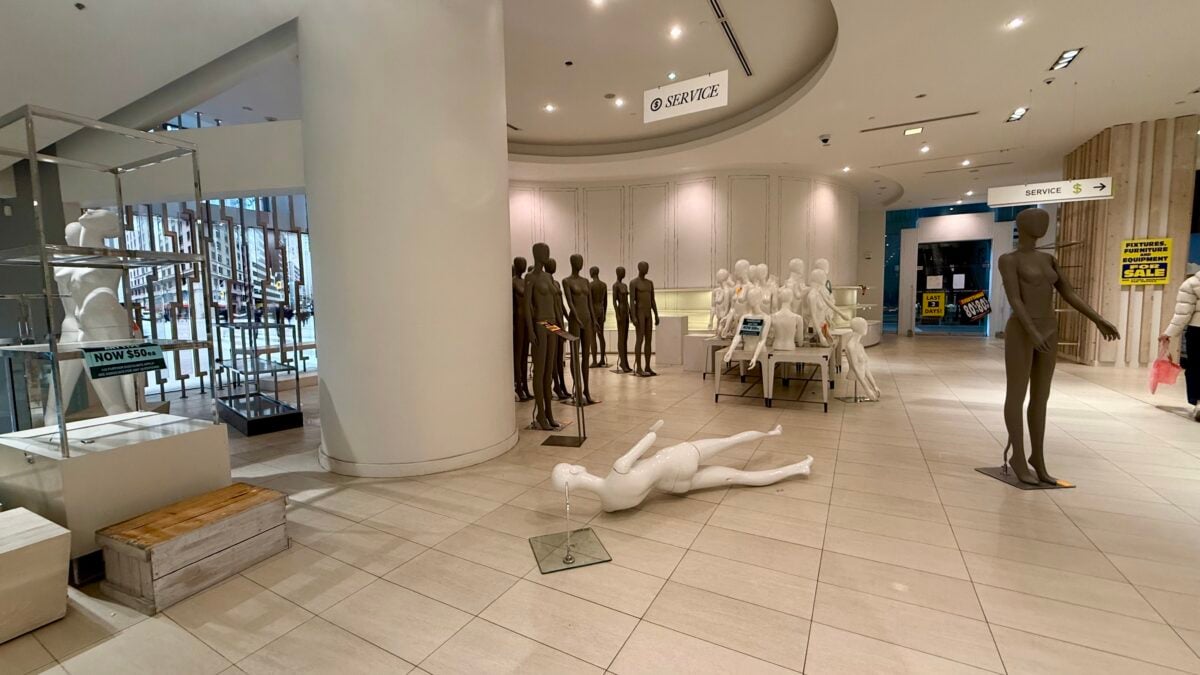
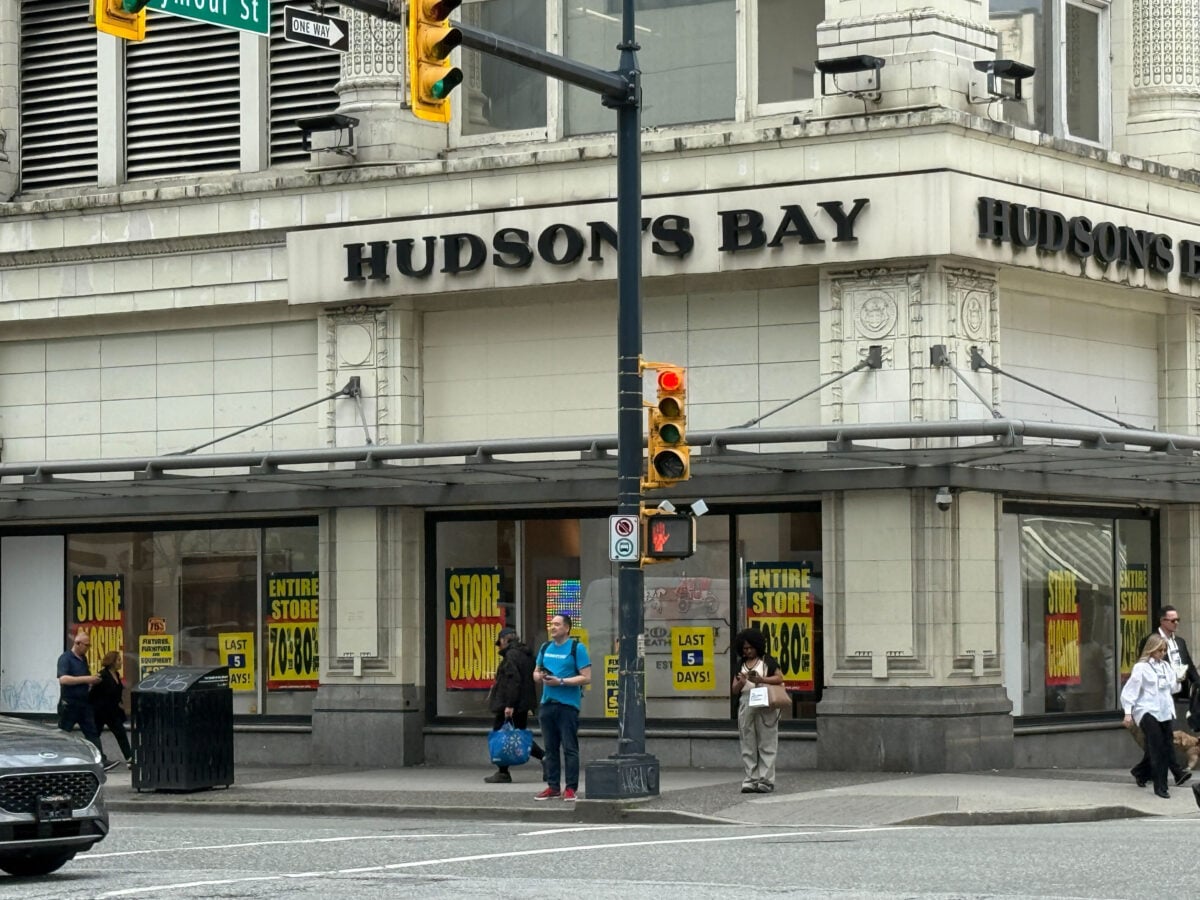
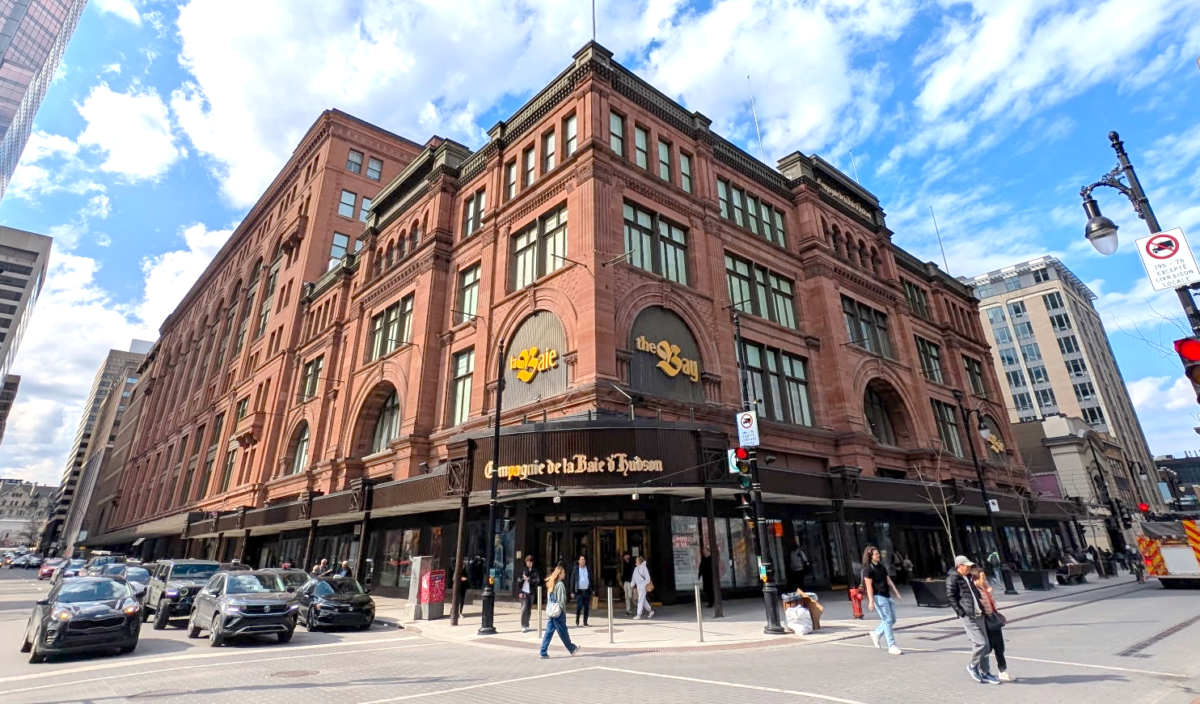
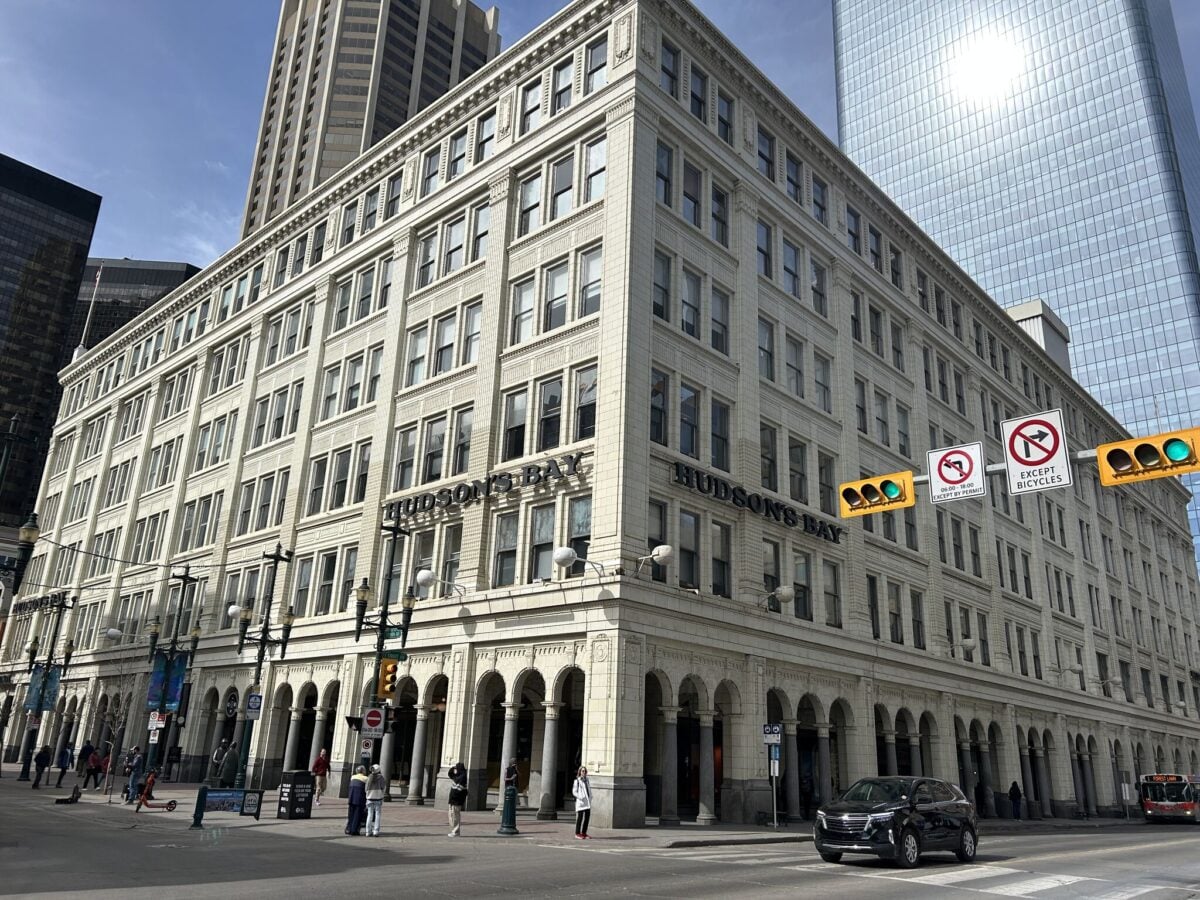
Perhaps the most visible and immediate consequence is the vacuum left in Canada’s major downtown cores. Flagship stores in Toronto, Vancouver, Montreal, Calgary and Ottawa have now all shuttered. In Toronto, the Queen Street flagship, originally the Simpsons flagship converted to Hudson’s Bay in 1991, closed after generations of serving as a central shopping destination. Vancouver’s Granville Street location has also gone dark, alongside the Montreal Sainte-Catherine Street location (formerly Morgan’s), Calgary’s Stephen Avenue flagship, and Ottawa’s store on Rideau Street (formerly Freiman’s).
The closure of these landmark flagships leaves vast amounts of prime downtown real estate vacant, wiping away major anchors that had served as commercial, social, and even architectural icons in the urban core. The shutdown of these flagship properties marks the first time in well over a century that Canada’s largest cities will no longer have full-line department stores operating in their downtowns.
Weihong (Ruby) Liu, who acquired 28 suburban Hudson’s Bay store leases for her new yet-to-be-named department store concept, excluded these flagship locations from her bid. Her acquisition focuses on suburban properties that offer more immediate redevelopment potential. As a result, the historic core of Hudson’s Bay’s department store empire is being left behind, and the future of these enormous properties remains uncertain.
The End of an Institution With Deep Canadian Roots
For many Canadians, Hudson’s Bay was far more than a department store. Its history is deeply intertwined with the very creation of the country. Chartered in 1670 by King Charles II of England, the Hudson’s Bay Company (HBC) began as a fur trading enterprise. Its royal charter granted it exclusive trading rights over Rupert’s Land, which covered approximately 40 percent of present-day Canada. The company’s early trading posts, including York Factory, Fort Garry, and Fort Edmonton, were instrumental not only in commerce but in the westward expansion of European settlers.
As the fur trade declined in the 19th century, HBC transformed into a major landholder, selling large portions of Rupert’s Land to the Canadian government in 1869. This transaction played a pivotal role in Canadian Confederation and western expansion. Over time, many of its trading posts evolved into general merchandise stores, setting the stage for its eventual transition into full-scale department store retailing.
By the 20th century, Hudson’s Bay had grown into Canada’s dominant department store operator, opening flagship stores across major cities. The chain became synonymous with Canadian family life, from back-to-school shopping and holiday gift-giving to bridal registries and household purchases. Its own private-label products, most notably the multistripe Hudson’s Bay point blanket, became recognized worldwide as Canadian icons.
A String of Strategic Acquisitions Built a National Giant
Hudson’s Bay’s dominant position in Canadian retail was built through several strategic acquisitions that gradually consolidated Canada’s department store industry under its banner. The 1960 acquisition of Morgan’s gave HBC its first major urban retail presence in Eastern Canada. Morgan’s Quebec locations would eventually be rebranded as La Baie, while other locations outside Quebec were converted into The Bay.
In 1978, Hudson’s Bay acquired Simpsons, one of its largest national competitors. Simpsons’ presence was strongest in Ontario, Quebec and Atlantic Canada, and its acquisition allowed HBC to finally operate coast-to-coast. By 1991, the Simpsons name was retired as stores were converted to the Hudson’s Bay brand.
The acquisition of discount chains Field’s and Zellers in 1978 allowed HBC to also compete in the discount segment, which was growing rapidly at the time. Woodward’s, based in Vancouver, was acquired in 1993 after struggling financially. Its acquisition eliminated HBC’s strongest western Canadian competitor and cemented Hudson’s Bay as the leading department store chain across the entire country.
The Zellers brand remained an important part of HBC’s portfolio for decades before most Zellers leases were sold to Target Canada in 2011. Target’s ill-fated expansion into Canada ultimately collapsed by 2015, leaving a gap in the mid-market retail segment that was never fully filled.
The Shift to Foreign Ownership and Global Expansion
The latter decades of Hudson’s Bay’s existence saw a shift from Canadian ownership to foreign and private equity control. In 1979, HBC was sold to Kenneth Thomson but later passed into the hands of American financier Jerry Zucker. Following Zucker’s death, U.S. private equity firm NRDC Equity Partners, controlled by Richard Baker, acquired HBC in 2008.
Under Baker’s leadership, Hudson’s Bay pursued aggressive international expansion strategies. In January 2012, the company acquired U.S. department store Lord & Taylor, strengthening its presence in American retail. The following year, in 2013, HBC entered the luxury segment with its $2.9 billion USD acquisition of Saks Fifth Avenue and Saks OFF 5TH. In 2015, HBC expanded into Europe with the purchase of Germany’s Galeria Kaufhof, which was later merged with rival Karstadt to form Galeria Karstadt Kaufhof. The company continued to diversify with its 2016 acquisition of online luxury flash sale retailer Gilt Groupe.
While these international ventures temporarily positioned HBC as a global luxury retail and real estate conglomerate, most of the expansions failed to deliver sustained profitability. Mounting debt, operational challenges, and underperforming assets ultimately placed enormous financial strain on the organization.
The Pivot to Real Estate and Digital Operations
By the early 2020s, as financial pressures mounted, Hudson’s Bay began restructuring its operations into separate entities. Its core business was divided into Hudson’s Bay (department store retail), Saks (luxury and digital retail), Saks OFF 5TH (off-price retail), and HBC Properties and Investments (real estate holdings). Significant investment went into digital channels, with Saks.com spun out as a standalone entity in 2021, backed by private equity investor Insight Partners.
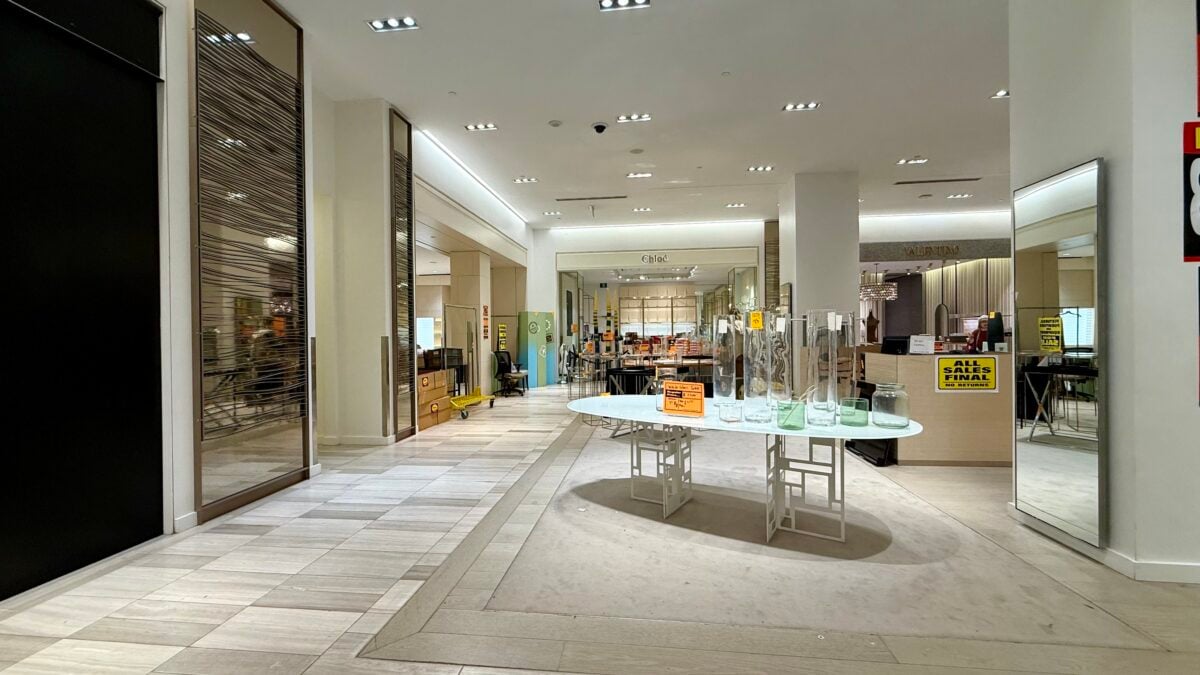
Even with these moves, Hudson’s Bay’s physical stores continued to see declining foot traffic, as consumer habits shifted rapidly to online shopping, especially during and after the COVID-19 pandemic. Despite investment in technology and digital operations, the company was unable to reverse the deteriorating performance of its traditional department store locations. Falling revenue coincided with a lack of investment, as stores were left to languish with non-functioning escalators and failing HVAC systems.
2025: The Financial Collapse
By March 2025, Hudson’s Bay’s financial situation had reached a breaking point. On March 7, 2025, the company filed for creditor protection under Canada’s Companies’ Creditors Arrangement Act (CCAA). At the time of filing, Hudson’s Bay was operating 80 Hudson’s Bay stores, three Saks Fifth Avenue stores, and 13 Saks OFF 5TH locations across Canada.
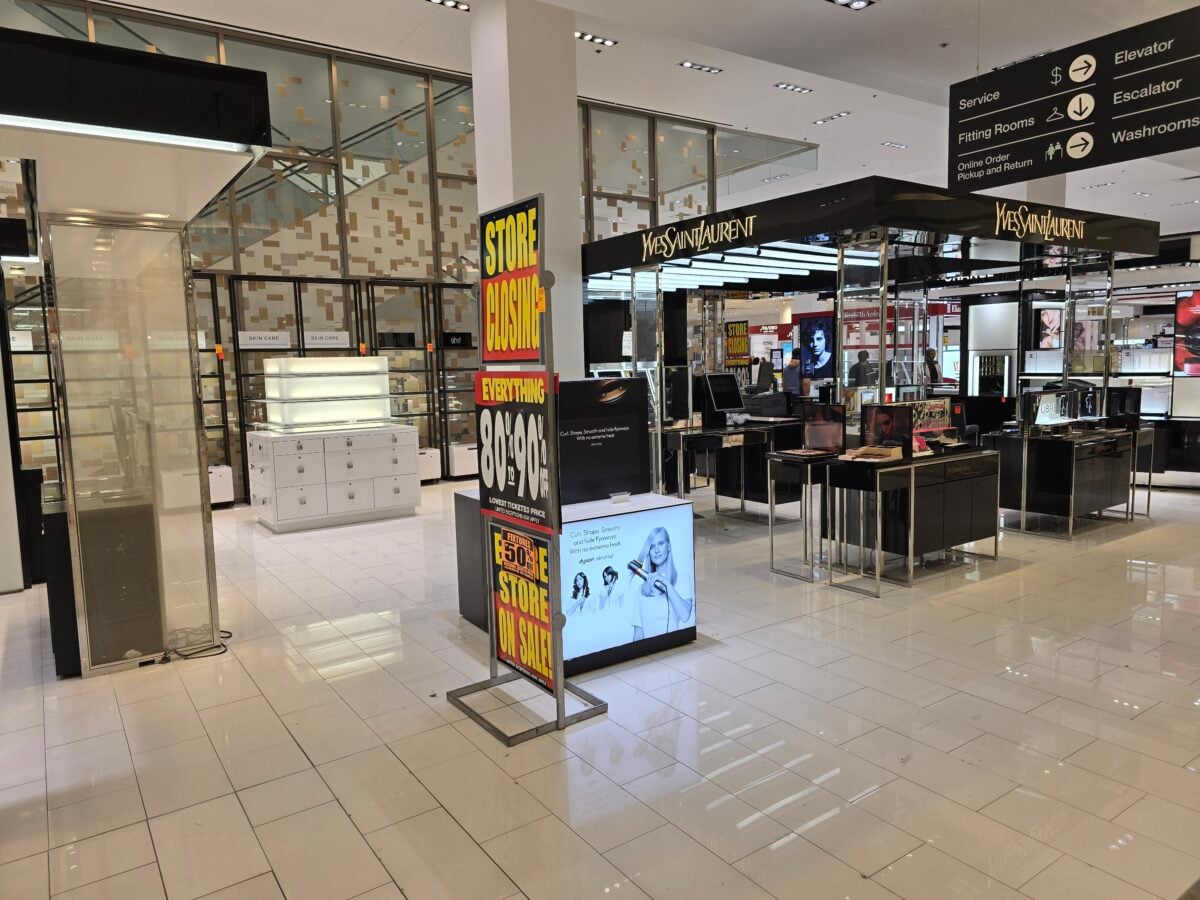
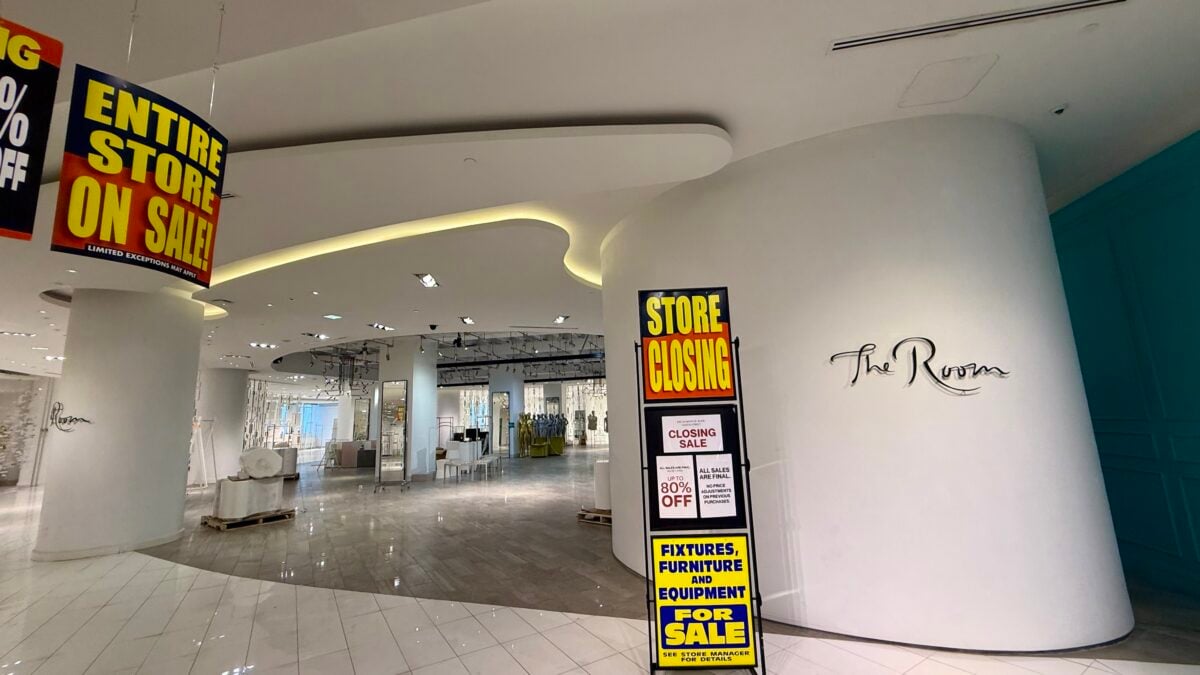
Liquidation sales began on March 24, with full closures scheduled through mid-June. In total, approximately 8,347 employees—nearly 90 percent of the company’s workforce—lost their jobs with more to come. Canadian Tire Corporation purchased the Hudson’s Bay intellectual property, including its branding and trademarks, for $30 million CAD. Meanwhile, Ruby Liu’s acquisition of 28 suburban store leases salvaged portions of the real estate portfolio, but excluded the flagship downtown locations that had long defined Hudson’s Bay’s public image.
Real Estate Consequences and Urban Uncertainty
The closures of these large downtown department store locations leave behind significant real estate challenges. These flagship buildings occupy some of the most valuable and historic commercial real estate in the country. All are heritage-designated structures that will require extensive planning, capital investment, and creative vision to redevelop for new uses. Potential redevelopment scenarios include office conversion, institutional repurposing, mixed-use residential, or cultural uses. However, the sheer size and complexity of these buildings make adaptive reuse difficult, particularly in urban cores already contending with fluctuating office demand in a post-pandemic environment.
The absence of these department store anchors also creates ripple effects for surrounding downtown retail districts. Many nearby retailers depended on Hudson’s Bay’s ability to generate pedestrian traffic. Without that anchor tenant, downtown shopping areas face the risk of reduced footfall and declining vitality, not to mention vagrancy.
The Impact on Canada’s Retail Ecosystem
The end of Hudson’s Bay’s department store business creates significant ripple effects throughout Canada’s broader retail industry. Canadian apparel brands have lost a key national wholesale distribution channel, forcing many to rely more heavily on direct-to-consumer models, e-commerce marketplaces, and specialty boutiques. Cosmetics brands, particularly in the prestige segment, will shift more volume into specialty retailers such as Sephora and Shoppers Drug Mart. Traditional bridal registries, once a reliable Hudson’s Bay offering, have largely fragmented into smaller niche providers or online platforms. Home goods, housewares, and small appliance sales—categories where department stores once dominated—are also increasingly fragmented among big-box retailers and specialty chains.
Secondary suburban malls anchored by Hudson’s Bay stores are expected to experience challenges as foot traffic declines. While some suburban locations may be repurposed into new concepts under Ruby Liu’s ownership, many secondary malls may face longer-term uncertainty without the draw of a department store.
Consumers, who once relied on Hudson’s Bay as a one-stop shopping destination for everything from fashion to home décor, will now navigate a far more fragmented and multi-channel retail environment.
The Cultural Loss for Canadians
Beyond commerce, the closure of Hudson’s Bay represents the loss of a powerful cultural institution. Generations of Canadians shopped at Hudson’s Bay for back-to-school clothing, holiday gifts, wedding registries, and home essentials. The company’s fur trading origins were interwoven with the earliest moments of Canadian history, its stores expanded alongside the growth of the nation itself, and its products, like the Hudson’s Bay multistripe blanket, became globally recognized symbols of Canada.
For many Canadians, the closure of Hudson’s Bay department stores is not simply the loss of another retailer—it is the end of a living connection to Canada’s national story.
Lingering Questions About Ownership and Leadership
While the decline of department stores worldwide is well documented, many observers place considerable blame for Hudson’s Bay’s downfall on its most recent owner, Richard Baker. Critics argue that Baker failed to reinvest adequately in Hudson’s Bay’s physical stores and brand, prioritizing financial engineering, real estate transactions, and risky international acquisitions that ultimately proved unsuccessful.
As Hudson’s Bay struggled, questions mounted over where capital was allocated and whether the company’s core Canadian operations were sacrificed in pursuit of broader, more speculative ambitions abroad, including Saks Global.
A Historic Transition Now Complete
The closure of Hudson’s Bay’s department stores marks one of the most extraordinary corporate life spans in history, spanning over three and a half centuries from its fur trading origins to its rise and fall as Canada’s dominant department store chain. Though Canadian Tire’s acquisition of the Hudson’s Bay intellectual property may preserve aspects of the brand in some form, and Ruby Liu’s forthcoming suburban department store concept may capture certain retail opportunities, neither will replace what Hudson’s Bay represented to generations of Canadians.
The final store closures on June 1, 2025, signify not just the end of a company, but the end of an era in Canadian commerce, culture, and identity.










Very well written and a good final tribute to HBC!
I visited two stores on the last day (Eglinton Square, former Morgan’s but the store my parents took me regularly when growing up and of course Queen Street – saw Brian Gluckstein on a working escalator) and a special thanks and best wishes to all the staff who stayed until the end and continued to offer excellent customer service. HBC has played an important role in my life from elementary school and high school grad wear to outfitting my home to buying my kids take home outfits from the hospital there. Uniquely, HBC allowed me to graduate in menswear from Cherokee to Nautica/Tommy to Lacoste to Hugo Boss and Strellson – it was the only company in Canada that offered so much range and upward mobility in guys fashion.
I hope Canadian Tire surprises us by buying the Queen Street Store lease and opening a HBC store as a flag ship. It could make sense to consolidate all their stores at the Eaton Centre in one place and maybe bring back the Christmas windows display.
What are you thoughts on the Bonnie Brooks led bid that didn’t materialize? It was odd for me to have that leak before the court date this week to finalize the purchase. For all the anger towards Richard Baker, I believe it was he who hired Bonnie Brooks.
In 1979 I thought it was Kenneth Thompson who beat out a bid by George Weston. You may need to correct the one paragraph.
What a tragedy.
For all the talk of online shopping, category-killers, generational shifts, NONE of this had to happen. Unfortunately what is lost cannot be rebuilt. It’s a shame the Bonnie Brooks plan failed to launch — that was a probably the type of bid that might have worked — alas, I don’t actually believe anyone left at HBC, and certainly not the lenders, landlords and other stakeholders had any real interest or belief in a going-concern bid. This became a cash-out and run play — and consumers (and employees above all) are left out in the cold. I truly do wonder what this will mean for retail in Canada — in apparel in particular. I still did most (if not all) of my “better” shopping at HBC — mainly at Queen Street when I was on work trips to Toronto — the 5th floor was still the most comprehensive assortment of menswear I’d ever seen in my relatively limited travels. I don’t see myself shopping online — so aside from perhaps the occasional trip to a specialty store I wonder where I will shop (if I shop at all?). Maybe Simons. I’m a Gen Xer who was raised in the fading light of the dominance of the likes of Eaton’s and Simpsons…apparel shopping for me is the whole experience — clicks don’t do it for me (unless I’m buying socks…). Like many (I suspect) I had essentially stopped shopping during the past year or so of The Bay’s downward spiral. I went to my local location in December when I needed a belt (…among the worst of the worst as far as neglected locations go) — and they’d stopped stocking men’s belts…alas my last Bay purchase was a Rodd & Gunn polo at Fairview Pointe-Claire.
Only a few short years ago the retail landscape in this country looked SO different.
I completely agree with your comment that no one really had an interest in keeping HBC alive.
I feel like loyal customers and store level employees were the ones who cared. The downward spiral of both the Bay and Zellers was hard to watch. The hard truth is that Richard Baker bought HBC fair and square and he could do what he wanted to it. Canadians could have bought it two times in recent memory there were bids to privatize it, but no one saw the value as Mr. Baker who made a killing off the assets.
I too shopped for my clothes at the 5th Floor on Queen and the gap in menswear will be hard for some other company to fill. We do have higher end men’s store chains in Canada but I am not as comfortable browsing at them compared to being left alone until I needed help at the Bay.
My last big purchase at the Bay was a point blanket (green) during the last week of the store closure at Queen Street (they still had dozens in stock and only sold out at 60% off) and it was still labeled for the ill fated adventure of Hudson’s Bay in the Netherlands. Those stores closed more than 5 years ago and HBC still couldn’t get rid of that stock – I really hope that Canadian Tire knows how to remarket the stripes. I do like how the sale price of the IP had 1670 in the price tag.
One cashier I spoke to was 74 years old, she said many have worked there for over 30 years. It was consistently busy for the last few weeks, I went on the last afternoon and at 6:30pm, there was still a long line of over 30 people for the 80% off discounted jewelry and some customers shouting at the cashiers, they went through a lot in the last couple of weeks.
The problem was their prices were way too high, I found exact clothes at Winners for 60% less. Another nail in the coffin was the Queen St. location has been cut off from the Eaton Center on the outside by the Ontario Line construction, they didn’t even have Christmas window displays last year.
Just walking around the empty store, this building is massive inside, it will probably be converted to high end condos like every other space in Toronto. We are losing our culture and heritage, very sad thing.
I am sad that the Hudson Bay stores have closed I worked the Queen street store for two years and it was like losing my family and friends when the stores closed. Yes it was the oldest store in canada and one of the oldest in the world and it really is sad that it is now gone . Richard Baker the owner of the Hudson Bay is responsible for the demise of this store and should never be allowed to purchase another retail chain again. he bought the company for the real estate which he sold for billions more than he paid for the company and then he let the stores rot and decline with no input of money to keep them looking like the majestic stores they were. For shame on him for simply buying them to make more money but that is what he does with all the retails stores he purchases. A texas billionaire what is what we were told he was when I worked at the Bay and he became a slum lord owner in many years. I am sad to see photos and videos of the store I felt so proud to work in empty and barren of mechandies and customers. I hope something will open in the old Bay locations as Canada needs place to shop besides online companies like wayfair and amazong.
It is so sad to see Hudson Bay stores close, the only place where everything had great quality and you can get everything in one trip. Well, it is all about who can make the most money out of it and this is it.
While it’s true that American ownership played a role in the terrible mismanagement of HBC during the final years, it’s worth noting that Eaton’s, Woodward’s and Dylex (among others) were all Canadian controlled and managed when they went under. It’s not just foreign owners who can run a business badly. Nor am I surprised that the Bonnie Brooks bid failed, as disappointing as that development was. Similarly, a 2018 bid by Sears Canada president Brandon Stranzl to keep that company operating didn’t succeed, as lenders thought they’d get better returns with a liquidation.
My birthday was the day of the end of hudsons bay (why??!!)
The Bay’s not in touch with the modern day consumer and prices are a bit too high to be competitive. However, I’ll miss the Bay and all the memories I have from shopping there with my mom as a kid