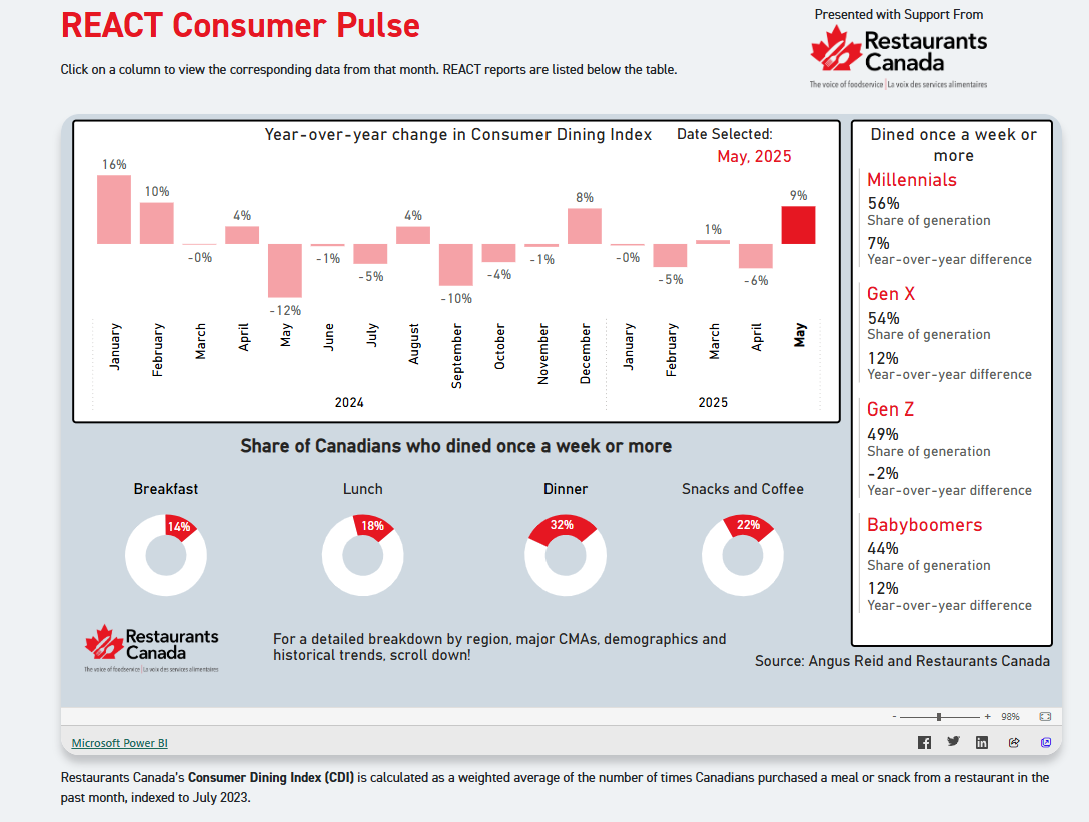
The strongest growth came from the dinner day part. In May, 31% of Canadians reported purchasing dinner from a restaurant at least once a week, up from 24% the year before. This increase was largely driven by more frequent visits among consumers aged 35 to 54, said Restaurants Canada.
Despite the overall increase, certain day parts lagged behind. The snack and coffee category saw a two-point drop from April, with a minimal year-over-year increase of one percentage point. Lunch showed a similar pattern, indicating continued weakness in mid-day dining.
Much of May’s overall rise can be credited to Millennial consumers (30 to 41 years old). In 2025, 56 percent dined out once a week or more, compared to 51 percent a year earlier. Gen X (42 to 59 years old) also made a notable impact, with 54 percent dining out weekly—up significantly from 42 percent in May 2024, added Restaurants Canada.
For more details, check out the latest REACT report here.
“While progress to date has been encouraging, we also have seven different jurisdictions taking seven different approaches to mutual recognition. That kind of patchwork can wind up recreating the barriers it was meant to knock down,” said Ryan Mallough, CFIB’s vice-president of legislative affairs.
“We’re marching the ball down field, but we haven’t reached the end zone just yet. The premiers and the prime minister have instructed the Committee on Internal Trade to reach a pan-Canadian mutual recognition agreement for December. We’ll be watching those conversations closely to ensure we cross the goal line and finally eliminate Canada’s internal trade barriers once and for all.”
Nova Scotia, the first province to introduce and implement mutual recognition legislation, achieved the highest grade in CFIB’s 2025 Internal trade report card with a score of 9.4 (A grade). Ontario is a close second after eliminating all of its CFTA exemptions, scoring a 9.2 (A grade), said the CFIB.
The 2025 report card grades are:
Jurisdiction
Canadian Free Trade Agreement Exceptions(40%)
Select Barriers to Internal Trade (20%)
Status of Items from Reconciliation Agreements (40%)
Bonus Indicator: Mutual Recognition (Multiplier)
Overall Score and Grade
NS
2.3
F
5.9
D
8.9
A-
8.5
9.4
A
ON
10
A+
6.0
D
8.2
B
5
9.2
A
MB
7.3
C+
5.4
D
9.6
A
5
8.9
A-
BC
6.3
C-
4.1
D
9.2
A
5
8.5
B+
FED*
6.8
C
9.7
A
0
8.2
B
AB
7.9
B
4.1
D
9.5
A
1
8.0
B
PEI
3.1
F
4.7
D
8.8
A-
5
7.8
B
SK
6.8
C
5.3
D
9.2
A
1
7.7
B-
NB
4.8
D
4.7
D
8.5
B+
1
6.6
C
QC
0.0
F
3.6
F
8.9
A-
3
6.0
C-
NL
4.1
D
2.6
F
8.5
B+
1
6.0
C-
NT
4.8
D
2.0
F
8.8
A-
0
5.8
D
NU
4.5
D
2.0
F
8.6
B+
0
5.6
D
YT
1.3
F
3.0
F
8.8
A-
0
4.6
D
The federal government is scored on two areas: the economic impact score based on the procurement exceptions they maintain from the CFTA in 2025, and the implementation status of reconciliation agreements. Both areas are weighted equally (50% each) as the select barriers area was not available for this analysis.
The report grades three major areas of interprovincial/territorial cooperation: CFTA exceptions, select barriers to trade, and the status of items from reconciliation agreements. There’s an updated bonus indicator that rewards jurisdictions that accept other regions’ regulations and standards as sufficient within their own jurisdiction, said the CFIB.
SeoRhin Yoo
“Three years ago, we challenged governments to blow a hole through Canada’s internal trade barriers by adopting mutual recognition policies to get the flow of goods, services and people moving across the country. At the time, we heard all the reasons why it couldn’t be done. But just in the past six months we’ve seen seven jurisdictions with mutual recognition legislation on the books,” said SeoRhin Yoo, CFIB’s senior policy analyst for interprovincial affairs.
“The internal trade file is finally getting the attention it has desperately needed since the CFTA was signed in 2017. While there’s lots of reason for optimism, we’ll be closely watching governments’ next steps, including the crucial regulations that will follow legislation, to ensure the rules match the rhetoric and small businesses feel actual progress on the ground.”
The CFIB is Canada’s largest association of small and medium-sized businesses with 100,000 members across every industry and region.
The last thing any retailer wants to see is an accident in their store. However slippery floors, precarious merchandise displays, and other conditions can cause accidents and injuries that affect shoppers and employees. Worse yet, accidents can lead to legal problems that result in costly payouts and blemished reputations for retailers. That’s why it’s so important to be proactive about creating a safe environment less likely to cause issues. Keep reading to learn how retailers can protect shoppers and staff from in-store accidents.
Address Common Risks
Taking the time to identify potential in-store accident triggers can help prevent actual accidents from happening. Parts of the store may be dimly lit, for instance, making it harder to see obstructions and other tripping hazards. Installing better lights is an easy fix to illuminate those areas. Likewise, if a door is difficult to open or the flooring is uneven, it’s relatively simple to tackle these structural issues with the help of a qualified repair person.
Other common problems can include wet floors after mopping and merchandise displays prone to falling. In these instances, staff will need to intervene with solutions. Signage indicating that floors are slippery can alert walkers to move with more caution. Other interventions can include introducing non-slip floor mats to workspaces or high-traffic pathways. And staff should know the best practices for stacking or displaying merchandise to ensure it doesn’t fall and hit someone.
Ultimately, ongoing vigilance is key. Retail managers should do daily checks within the store, making sure the walkways are safe and noting any maintenance needs. Retailers should be aware that they can be liable for injuries sustained by staff or shoppers if there is an existing problem that they don’t fix. In short, being dutiful about store safety is an essential part of a retailer’s job. An attorney skilled in injury law in Denver can act as a guide to make sure retailers have policies in place. And they can provide support for retailers entangled in litigation if there is an injury in the store.
Make Sure Staff Understand Safety Protocols
Managers can head off in-store accidents by making sure they train their staff. Small businesses need to be able to trust that their employees are focused on best practices when it comes to store safety. All employees should know how to reach items on high shelves, for instance. They should be able to access temporary signage to indicate the presence of wet floors or debris. And if an accident does occur, they should know the right steps to document and report it.
Ideally, this type of training should be embedded within onboarding for new staff. But even seasoned employees can benefit from refreshers. Managers should commit to offerly quarterly or biannual trainings so everyone is on the same page. Encouraging a culture of safety and open communication can keep all individuals safer.
Respond to Accidents Quickly
Sometimes the best prevention protocols can’t stop accidents from occuring. For retailers, that means it’s critical to follow a series of steps that can help improve outcomes. Failing to take action quickly can result in slower medical intervention for injured parties and potentially lead to legal consequences.
After an accident, a retail manager should address injuries first. They should have a designated first aid kit for minor cuts and bruises. But they should reach out right away to medical professionals if injuries are more severe. Then they should create an incident report with details about what happened. Witnesses may be able to weigh in with their accounts of the scene. And camera footage can offer another unbiased perspective that can help demonstrate that a retailer was swift in offering help.
Avoid In-Store Accidents
Retailers owe it to their customers and employees to cultivate a safe environment. They should have regular safety trainings for employees and audit the store for maintenance needs. With clear procedures in place and some legal guidance, retailers can offer a welcoming and secure shopping space. Customers and employees will take notice, helping build a positive reputation for the retailer.
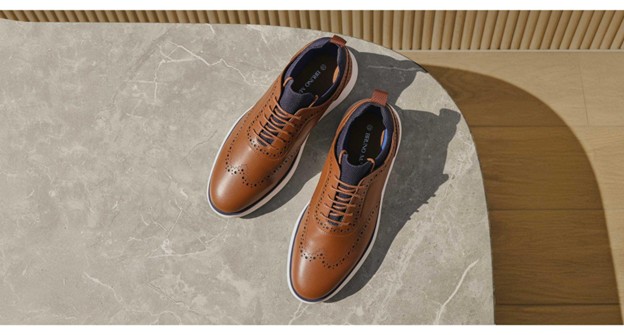
Bruno Marc, a fast-rising name in men’s footwear, is expanding its reach in 2025 with a bold new lineup that reflects the evolving needs of today’s style-conscious, comfort-driven consumer. Blending performance engineering with modern design, the brand’s latest launches are making a statement not just in fashion–but in the shopping space.
Bruno Marc’s growth reflects broader shifts in the men’s footwear sector: consumers are demanding more versatile, wearable styles that can transition seamlessly across lifestyle moments. In response, the brand’s Spring/Summer 2025 range focuses on flexibility, breathability, and all-day wear–without compromising the visual appeal traditionally tied to premium dress shoes.
Key technologies like CrossFlex™, MexFlex™, and KnitFlex™ are central to the brand’s material and comfort innovations–targeting busy professionals, hybrid workers, and urban commuters alike.
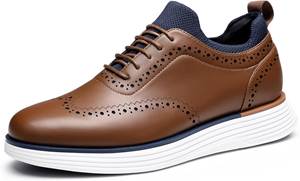
CrossFlex GentEdge
A reimagined classic, the GentEdge introduces Bruno Marc’s signature CrossFlex™ tech into formalwear, offering increased flexibility for men constantly on the move. Finally, a dress shoe that feels as good as it looks—fluid flexibility meets boardroom polish.
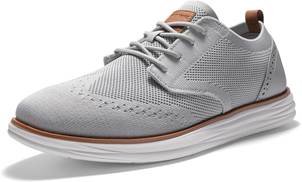
With a breathable knit upper and smart-casual appeal, this model straddles the sneaker/dress shoe category–ideal for consumers valuing style versatility in hybrid settings. If a tailored sneaker existed, this would be it—flexible, featherlight, and surprisingly sharp.
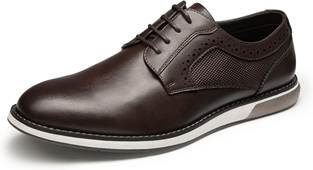
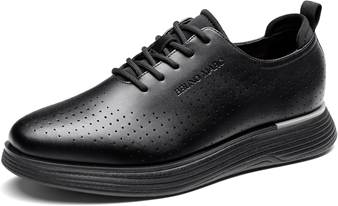
Built to keep up with your longest days and liveliest nights, the SuiteCraft blends contemporary style with breathable comfort and flexible support. Whether you’re powering through back-to-back meetings or unwinding at a late-night gathering, this shoe ensures you stay comfortable and sharp from morning to midnight.
A minimalist update on the original SuiteCraft, this style reflects the increasing demand for clean, understated formal options that also deliver ergonomic support. Minimalist, modern, and made to move—built for today’s multitasking man.
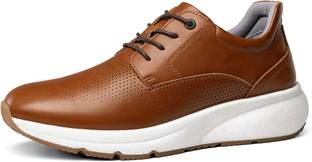
Part of the growing athleisure segment, the ActiveMetro leverages MaxFlex technology to support active daily routines while maintaining a streamlined urban aesthetic. Your new favorite hybrid—sporty enough for errands, sleek enough for the office.
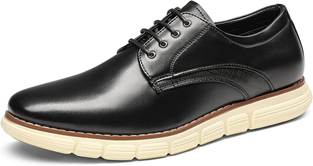
A performance-first dress show featuring CrossFlex™ support, anti-slip soles, and moisture-wicking liners–engineered for long days on your feet, in polished form. Polished to impress. Cushioned to perform. The dress shoe that outlasts your longest day.
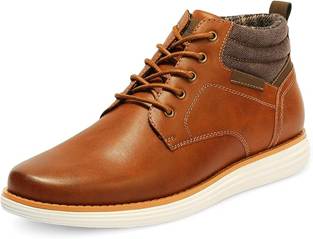
A high-cut option with outdoor styling cues, the CrestHigh boot offers cold-weather function with modern lines, suited for both city and countryside consumers. All-terrain style with metropolitan edge—this boot does both, brilliantly.
Today’s consumers aren’t interested in being boxed into one category — whether it’s work shoes, casual sneakers, or performance kicks. They want shoes that can keep up with their busy, varied lifestyles. Bruno Marc understands this perfectly. Their collection is designed to fit the needs of hybrid workdays, fast-paced city living, and active social calendars. By using advanced materials like CrossFlex™, MaxFlex™, and KnitFlex™, the brand delivers footwear that’s comfortable, durable, and breathable — exactly what the modern man demands.
The Spring/Summer 2025 lineup from Bruno Marc strikes the perfect balance between timeless style and modern innovation. The CrossFlex GentEdge revitalizes the traditional Oxford with flexible soles ideal for men on the move, while the KnitFlex SmartCraft reinvents casual elegance with breathable knit uppers that work just as well in a café as they do in the office. For the urban commuter, the MaxFlex ActiveMetro provides shock-absorbing comfort without sacrificing sleek city style.
Bruno Marc isn’t just innovating with products — their retail approach is equally savvy. Leveraging Amazon’s powerful data and logistics systems, they’re able to move inventory quickly, target customers more effectively, and deliver a smooth shopping experience. This digital-first strategy not only speeds up the brand’s growth but also builds lasting customer loyalty through reliable, fast delivery and engaging online presence.
What sets Bruno Marc apart is not just their cutting-edge footwear but their dedication to making quality and style accessible. With prices that offer premium features without the premium tag, the brand appeals to men who want the best without compromise. As retail shifts towards more personalized and experience-driven shopping, Bruno Marc’s well-rounded approach to design and distribution positions it as a key player ready to make a lasting impact in men’s footwear. With premium features at an accessible price point and a strong foothold in e-commerce, Bruno Marc is a brand to watch in the years ahead.
The Palms at The Rec Room Granville, photo credit: Tom Belding (CNW Group/Cineplex)
Cineplex Inc., Canada’s leading entertainment and media company, has announced that longtime President and CEO Ellis Jacob will retire from the company on December 31, 2026.
In the interim, Jacob will continue to lead Cineplex and assist the transition to a new leadership structure, said the company in a news release.
Ellis Jacob
“The Board is delighted to recognize Ellis, who has built Cineplex Inc. over the past four decades into one of the world’s best operators of movie theatres and family entertainment centres,” said Board Chair Phyllis Yaffe.
“Ellis is, quite simply, a giant in our industry. It has been a privilege to work alongside him for many years and we look forward to working with him through this transition.”
The company said Jacob is the recent recipient of the Canadian Cinema and Television (Canadian Academy) Tribute Award at the 2025 Canadian Screen Awards. In 2022 Mr. Jacob was honoured by the National Association of Theatre Owners (NATO) with the 2022 NATO Marquee Award at CinemaCon in Las Vegas. He is the recipient of numerous other awards and recognition, including the Order of Canada and the Order of Ontario.
“After thoughtful consideration, I welcome this next chapter. For decades, I have been focused on making Cineplex a great Canadian company, and I move forward with immense pride in what we’ve built for generations of Canadian movie fans who come to us for those magical moments of escape that can only be found in a true theatre experience,” said Jacob. “I remain committed to working with the Board and the talented team at Cineplex during this transition period and have unwavering confidence in Cineplex’s bright future.”
The company is a top-tier Canadian brand that operates in the Film Entertainment and Content, Amusement and Leisure, and Media sectors. Cineplex offers a unique escape from the everyday to millions of guests through its circuit of over 172 movie theatres and location-based entertainment venues. In addition to being Canada’s largest and most innovative film exhibitor, the company operates Canada’s favourite destination for ‘Eats & Entertainment’ (The Rec Room), complexes specially designed for teens and families (Playdium), and an entertainment concept that brings movies, amusement gaming, dining, and live performances together under one roof (Cineplex Junxion). It also operates successful businesses in cinema media (Cineplex Media), digital place-based media (Cineplex Digital Media or CDM), alternative programming (Cineplex Events) and motion picture distribution (Cineplex Pictures).
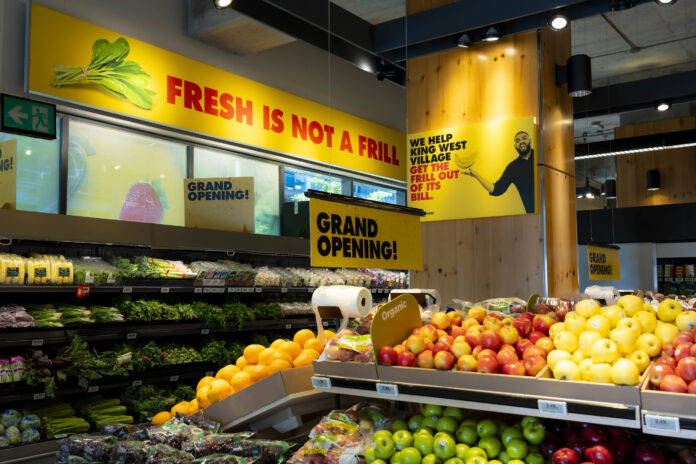
New small format No Frills opens in downtown Toronto (CNW Group/Loblaw Companies Limited - Public Relations)
While food inflation in May saw a lower rate of growth than April, it remains elevated compared to overall inflation, said Loblaw Companies Limited in its latest Food Inflation Report.
“That said,Canadians have historically seen some relief at the register on fresh products over the summer months as June kicks off the local growing season in Canada. July and August will have the widest variety of local fruit and vegetables, with savings expected on local products through until about October,” said the Loblaw report.
“The Canadian agriculture industry is a cornerstone of the national economy, supporting over 2 million jobs and ensuring a stable food supply. Grocery stores across the country purchase tens of billions of dollars worth of food from Canadian farmers each year, highlighting the critical role local producers play in feeding Canadians.”
This month, strawberries and bunched vegetables (asparagus, carrots, green onions and radishes) shift from imported to locally grown, providing Canadians with lower prices due to no foreign exchange and less transportation costs, fresher produce and longer shelf life. In many cases, the produce is harvested and ready for purchase in 1-2 days, versus U.S. or Mexican produce that can take 3-4 days in transit to reach distribution centres. Local field strawberries are generally up to 20 percent cheaper than their imported counterparts at this time of year, explained Loblaw.
“Currency often plays a role in grocery pricing in Canada. As retailers seek to diversify their international supply chains beyond the U.S., the strengthening EURO and other international currencies compared to the Canadian dollar has offset some of the benefits, especially for things like fresh produce, deli meats and cheeses, some vinegars, olive oil, and seafood. While this shift could help improve supply stability over time, it might mean slightly higher prices in these categories in the short term,” said the report.
The Loblaw report said:
Canadian Dollar: The USD has weakened since the beginning of the year over ongoing investor uncertainty regarding tariffs and U.S. fiscal health. Given many commodities trade in USD, this is beneficial to food prices.
Coffee: Rains in growing regions and improved crops have helped drop coffee prices in the most recent month. Prices remain up more than 150% since 2024, but this recent reduction is a positive sign.
Sugar: Strong supply out of Brazil and India paired with weaker demand recently has sent sugar to a four-year low.
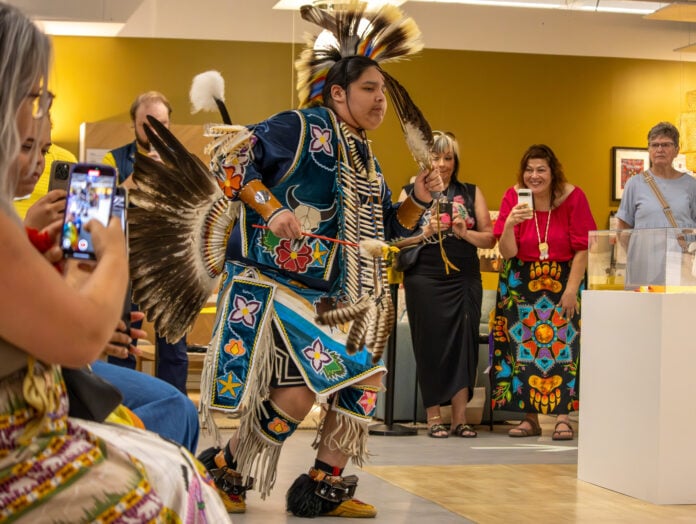
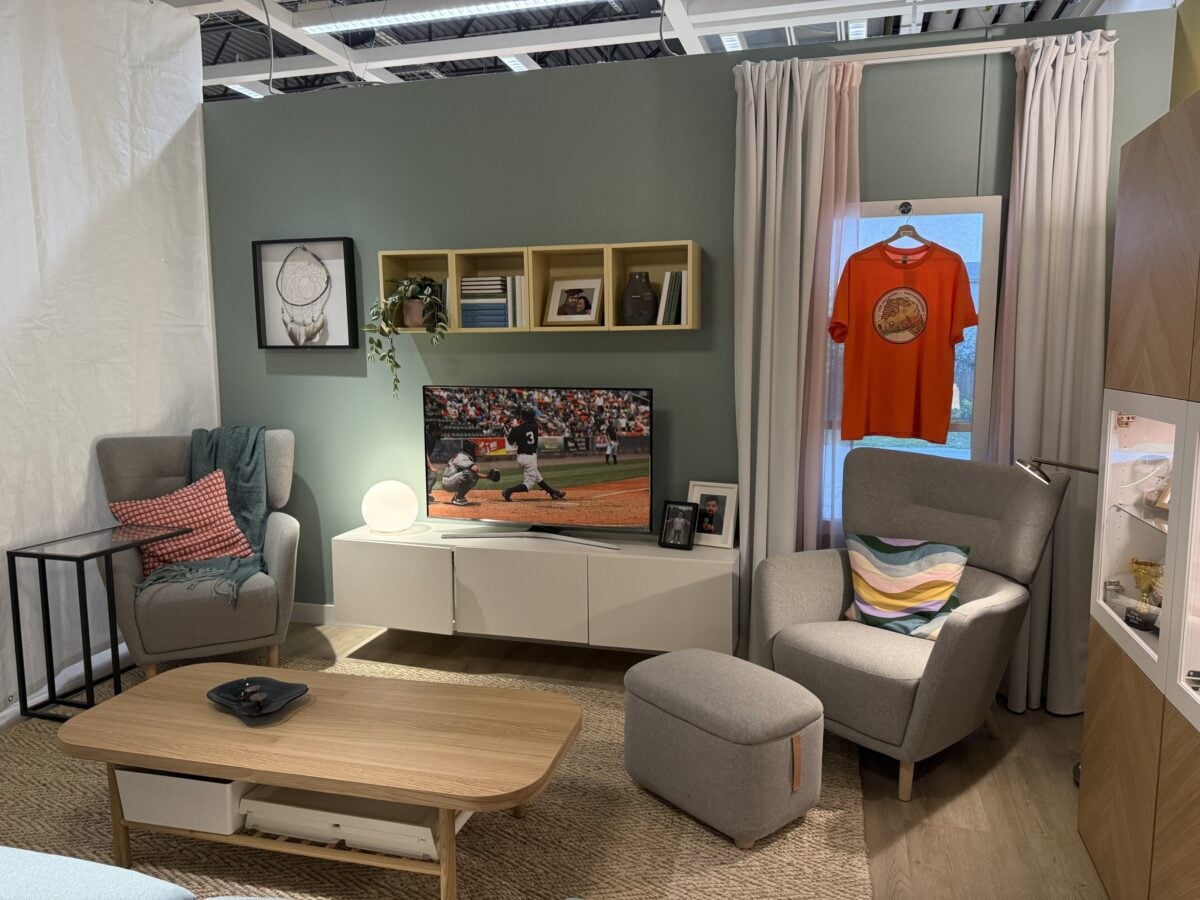
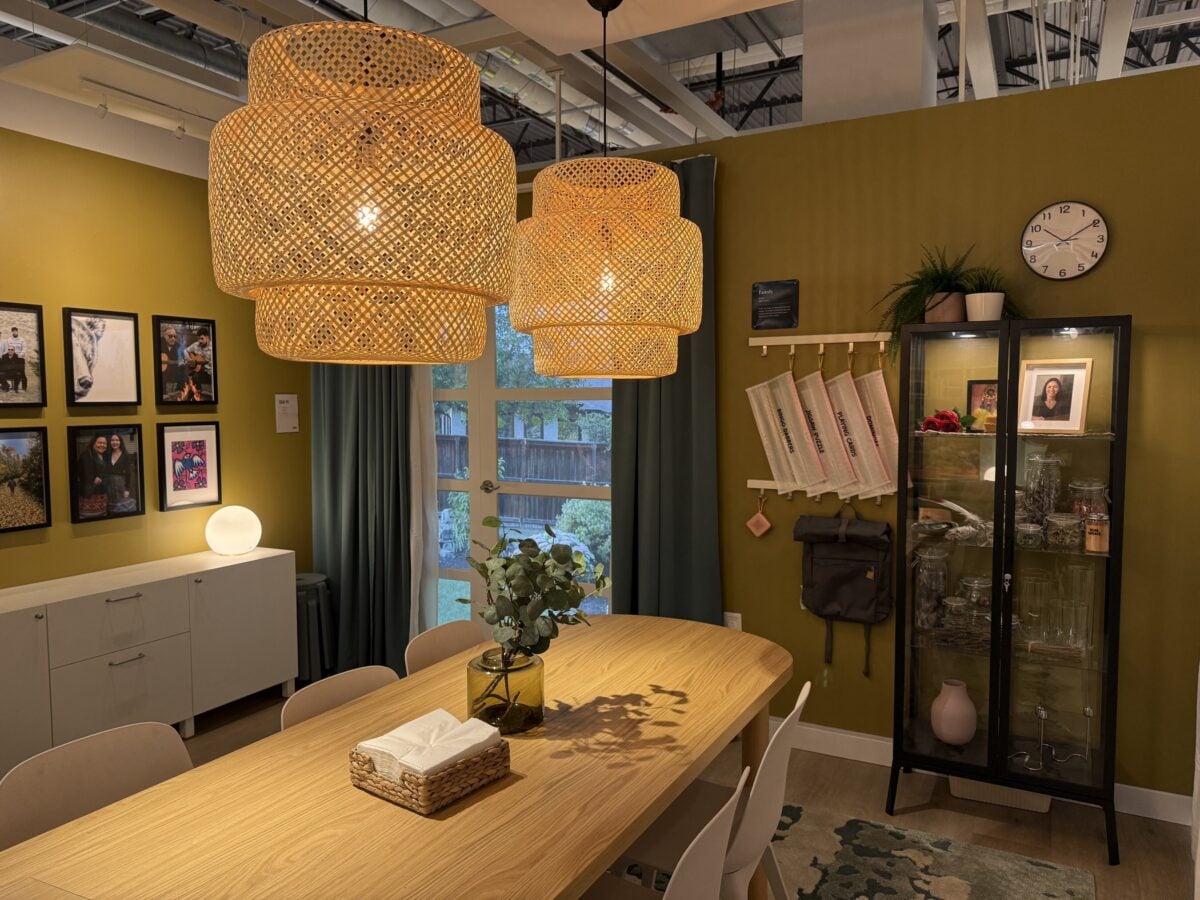
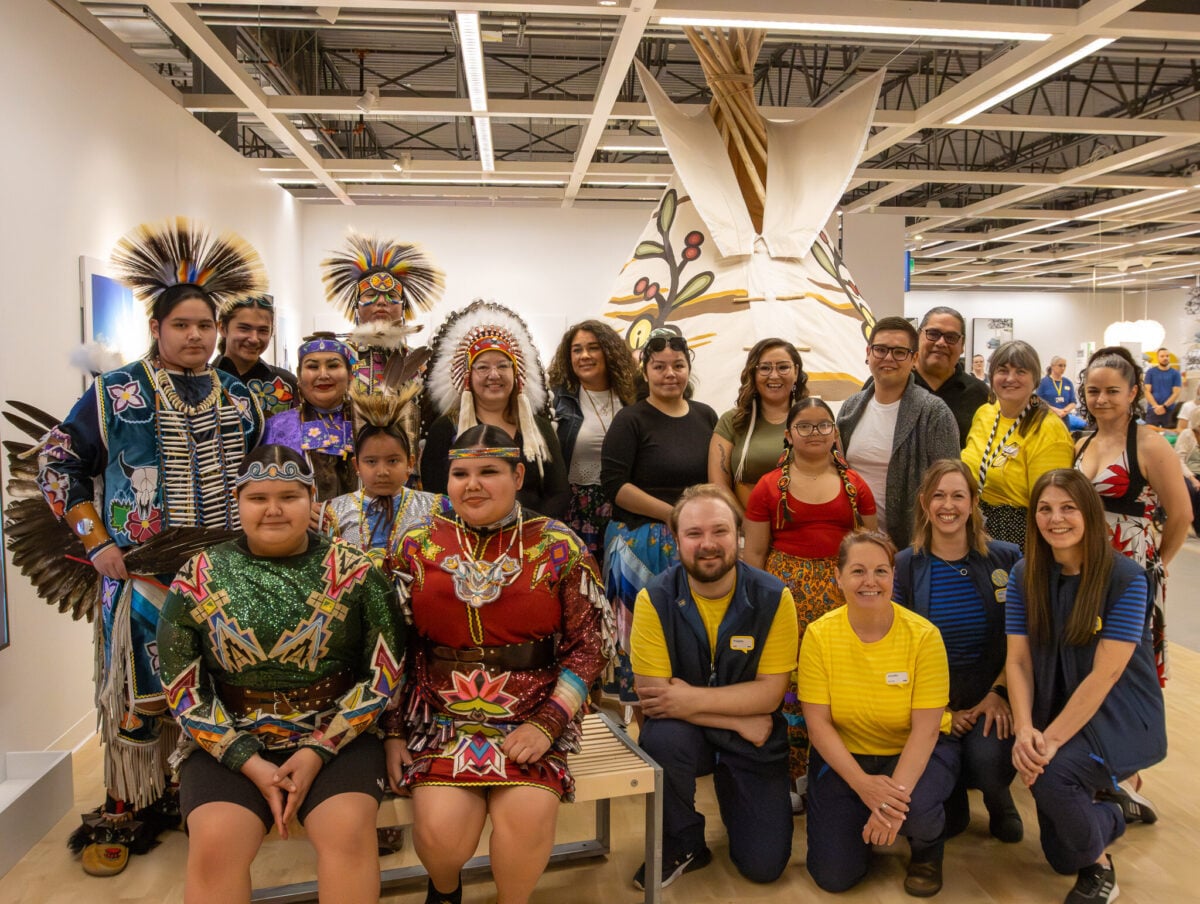
IKEA Canada Indigenous Reconciliation Strategy comes to life through impactful room-setting and educational tipi unveiled on National Indigenous Peoples Day (CNW Group/IKEA Canada Limited Partnership)
IKEA Winnipeg recently unveiled inspiring Indigenous-influenced spaces as the renowned home furnishing retailer said it continues its commitment to building positive and respectful relationships between Indigenous and non-Indigenous people through its Indigenous Reconciliation Strategy.
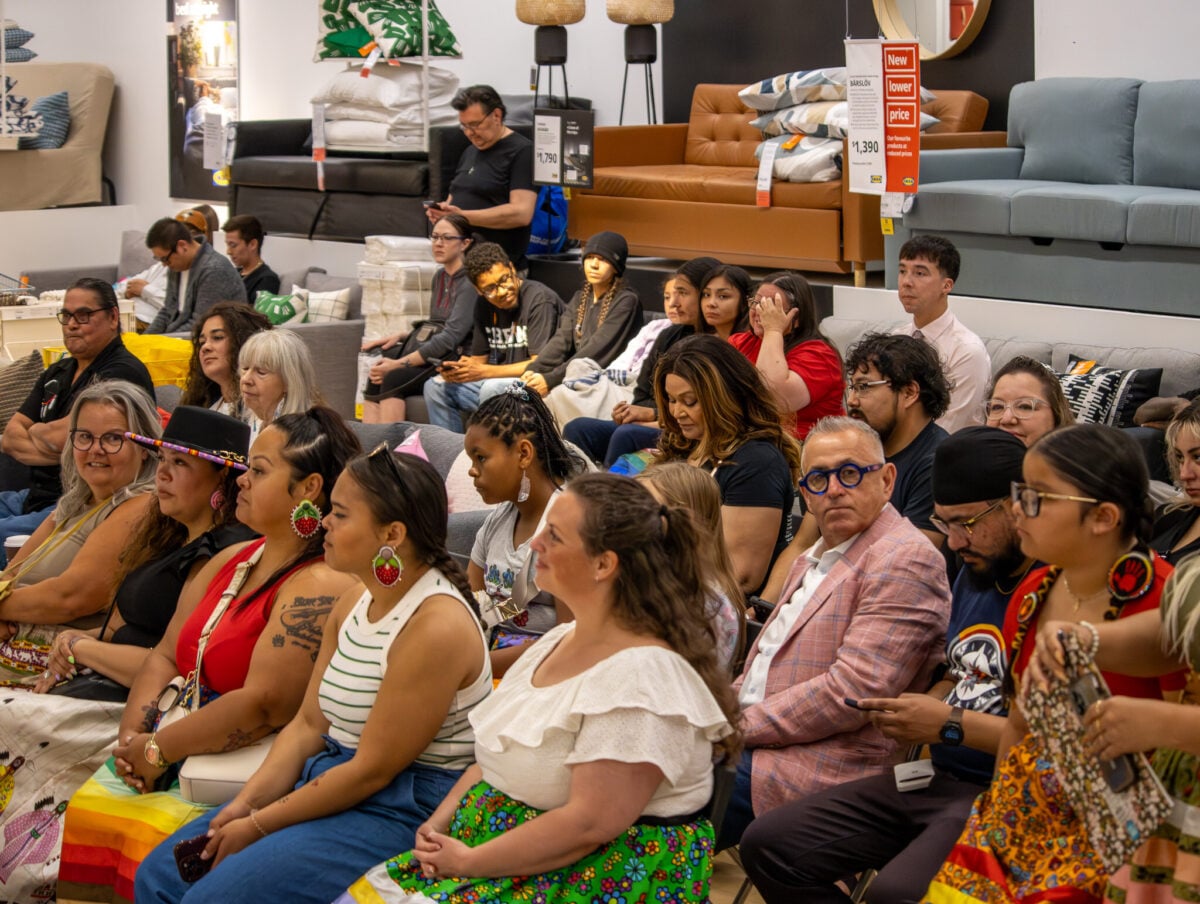
The exhibit was unveiled on June 21 to coincide with National Indigenous Peoples Day, and provided customers and co-workers with a realistic view of how traditional Indigenous activities and practices come alive in a modern living room. The educational tipi, raised in unison with the Indigenous community and IKEA Winnipeg co-workers, offered customers a safe space to learn about Indigenous culture in the spirit of truth and reconciliation.
The Indigenous room-setting and tipi exhibit, which will remain in the store for the long-term, is the latest initiative in a series of actions taken by IKEA Winnipeg in collaboration with an Indigenous advisor and the local Indigenous community, said the retailer.
Andrea Dreilich, Communication and Interiors Manager, IKEA Winnipeg (CNW Group/IKEA Canada Limited Partnership)
“Manitoba has the largest urban Indigenous population in Canada with 18 per cent of the population identifying as Indigenous. With only 12 per cent of our customer base identifying as Indigenous, we knew there was work to be done to ensure that all people feel welcome and represented at IKEA,” said Andrea Dreilich, Communication and Interiors Manager, IKEA Winnipeg. “To achieve this, we are collaborating with local Indigenous families to better understand their unique life at home challenges and developing relevant solutions in our showrooms to help them create a better life at home. The living room we recently unveiled is only the first of more solutions to come.”
IKEA said the Winnipeg store is just one of many IKEA units that have been engaged in ongoing dialogue, collaboration, and relationship-building efforts with their local Indigenous communities guided by the IKEA Canada Indigenous Reconciliation Strategy. Rooted in the Truth and Reconciliation Commission of Canada (TRC) Call to Action #92 – Business and Reconciliation, the strategy, established by IKEA Canada in 2021, encompasses learning and teaching, collaboration and amplification, and reciprocity with Indigenous communities, it said.
Examples of initiatives from IKEA units across Canada include:
Indigenous showrooms at IKEA Edmonton, IKEA Halifax, and IKEA Calgary;
Support in the creation of the Ta Tsíptspi7lhḵn/the Language Nest by IKEA Richmond and the Vancouver Customer Distribution Centre (CDC);
Creation of impactful Indigenous art installations at IKEA Ottawa and IKEA Beauharnois Distribution Centre/Customer Distribution Centre (DC/CDC);
Partnership with the Canadian Library Project to use BILLY bookcases as a platform to educate and raise awareness about Missing and Murdered Indigenous Women and Girls (MMIWG);
Education for IKEA co-workers through the 4 Seasons of Reconciliation training program; and
Partnerships with Indigenous social entrepreneurs like the Setsuné Indigenous Fashion Incubator in 2017, prior to the establishment of the IKEA Reconciliation Strategy.
John Williams, Equality, Diversity and Inclusion Leader, IKEA Canada (CNW Group/IKEA Canada Limited Partnership)
“At IKEA, equality is deeply rooted in our values, and it is our ambition to be a force for positive change in society. Our vision is to create a better everyday life for the many people. With that comes a commitment to support Indigenous cultures and contribute to reconciliation with First Nation, Inuit, and Métis peoples, which goes together with our commitment to increase ethnic, racial, and national diversity in leadership,” said John Williams, Equality, Diversity and Inclusion Leader, IKEA Canada. “As we approach the 10th anniversary of the TRC’s 94 Calls to Action, we recognize there is more progress to be made, difficult conversations to be had, meaningful partnerships to be formed, voices to be amplified, and Indigenous culture to be celebrated – all of which, we will continue to strive for within the communities where we operate.”
Founded in 1943 in Sweden, the company is a leading home furnishing retaile. IKEA Canada is part of Ingka Group which operates 400 IKEA stores in 31 countries, including 16 in Canada. Last year, IKEA Canada welcomed 32.6 million visitors to its stores and 162.6 million visitors to IKEA.ca.
Contemporary Indigenous Family Room-setting at IKEA Winnipeg (CNW Group/IKEA Canada Limited Partnership) Contemporary Indigenous Family Room-setting at IKEA Winnipeg (CNW Group/IKEA Canada Limited Partnership) IKEA Canada Indigenous Reconciliation Strategy comes to life through impactful room-setting and educational tipi unveiled on National Indigenous Peoples Day (CNW Group/IKEA Canada Limited Partnership)IKEA Canada Indigenous Reconciliation Strategy comes to life through impactful room-setting and educational tipi unveiled on National Indigenous Peoples Day (CNW Group/IKEA Canada Limited Partnership)IKEA Canada marks ongoing Indigenous Reconciliation journey with Indigenous-inspired spaces at IKEA Winnipeg (CNW Group/IKEA Canada Limited Partnership)
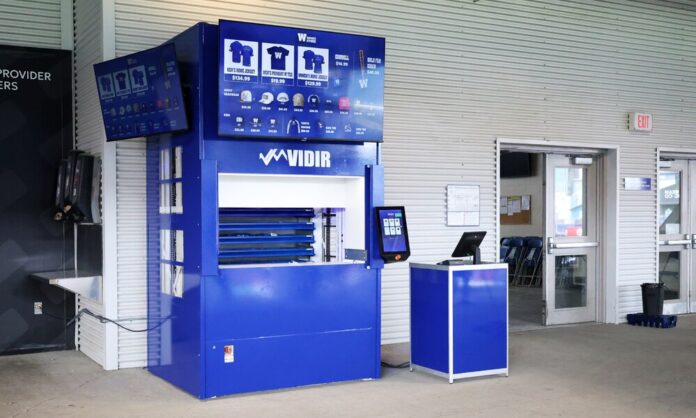
The Vidir Merchandise Vending Machine is an automated storage unit that secures your inventory in a compact space, maximizing sales and service time. (CNW Group/Vidir Solutions)
Vidir Solutions, a leader in automated storage and retrieval systems (ASRS), officially launched itsMerchandise Vending Machine at the Winnipeg Blue Bombers’ home opener on June 12.
This groundbreaking product instantly enhanced the fan experience by offering a seamless way for supporters to purchase team merchandise on game day. It also improves team operations by automating the merchandise sales process in a compact space, greatly improving the speed of service while maximizing on-hand inventory quantities, it said in a news release.
“While the Winnipeg launch showcases the machine’s impact on the sports and entertainment industry, Vidir’s automated retail solutions are already in use across Micro Center locations throughout the United States. These installations help retailers improve inventory management, reduce stockouts, increase sales, and enhance loss prevention efforts,” explained the company.
The company said the Merchandise Vending Machine is the first of its kind to be found at a North American sporting event. The solution maximizes the storage density of game day essentials, including hats and jerseys, ensuring more products are easily accessible to fans in the concourse. It automatically stores items up to 30 feet off the ground and delivers purchased goods to the customer in as little as 30 seconds, it added.
Carissa Rempel
“We’re excited to launch the Merchandise Vending Machine at the Winnipeg Blue Bombers’ home opener,” said Carissa Rempel, Co-Owner at Vidir Solutions. “This product not only enhances the game-day experience by offering quick access to fan gear but also supports operational efficiency with its easy installation and fully assembled delivery. It’s an honor to work with the Bombers to bring this cutting-edge technology to the stadium, providing a glimpse into the future of fan engagement.”
Vidir Solutions is a global leader in automated storage and retrieval systems, specializing in high-density storage solutions that maximize space, efficiency, and safety. With a focus on innovation, Vidir Solutions provides a range of products designed to optimize operations across various industries.
Sebastian Picardo, President and Chief Executive Officer of Holt Renfrew since 2020, will be stepping down from his role effective September 30, 2025. The announcement was made by the company, which noted that Picardo has decided to return to Europe with his family and will be relocating to London to explore new professional opportunities. His departure marks the end of a pivotal five-year tenure during which he led Canada’s leading luxury department store chain through an era of intense transformation.
In a statement issued Friday, the company confirmed that a global search is actively underway to appoint a new President and CEO, with final candidates currently under review.
Picardo assumed leadership of Holt Renfrew at one of the most challenging moments in modern retail history. Joining the company in mid-2020, he entered during the height of the COVID-19 pandemic—a time when global supply chains were disrupted, consumer behaviour was shifting rapidly, and luxury retail faced mounting pressure to adapt.
Under his leadership, Holt Renfrew stabilized and evolved. The company acknowledged Picardo’s critical contributions in guiding the brand through turbulent times, stating, “His strong leadership and vision played an integral role in guiding Holts through a time never seen before in the retail landscape.”
In his own farewell message, Picardo reflected on the magnitude of the challenges and the successes that followed, noting that the company stands “stronger as a brand than ever before.”
Holt Renfrew at 50 Bloor St. W. in Toronto. Photo: Craig Patterson
A Strategic Shift in Merchandising and Customer Reach
A key part of Picardo’s impact was his work to evolve Holt Renfrew’s merchandising strategy to better reflect the changing preferences of luxury consumers in Canada. He introduced a broader assortment that included more contemporary and accessible fashion and lifestyle labels, helping the brand connect with a wider demographic.
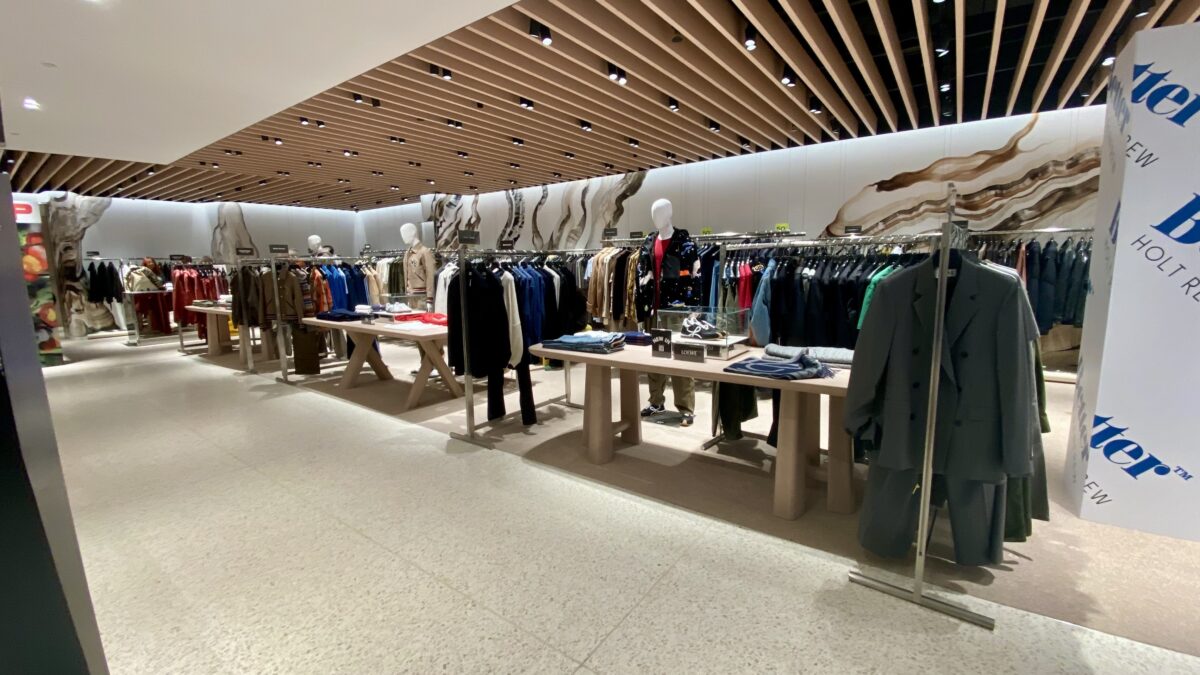
Among the new brands brought into the assortment under Picardo’s watch were SKIMS, Canadian undergarment brand Knix, jewellery brand Mejuri, RAINS, Adidas, and On running shoes, among others. More recently, the retailer also introduced a Levi’s denim pop-up at its Calgary location, with plans to expand Levi’s into more Holt Renfrew stores across the country.
The expansion of the brand mix reflected a vision to maintain Holt Renfrew’s luxury credentials while becoming more inclusive, relevant, and accessible to a broader customer base.
Men’s designer area ON3 in Holt Renfrew at 50 Bloor St W in Toronto. Photo: Craig Patterson
Digital Transformation and New Store Concepts
In parallel with changes to the product assortment, Picardo oversaw a significant modernization of Holt Renfrew’s digital infrastructure. The retailer launched a redesigned website featuring improved navigation, easier product discovery, and a marketplace model that expanded the breadth of offerings online.
Additionally, sales associates were provided with new digital tools to enhance customer engagement, enabling more personalized and remote shopping experiences that became particularly vital during periods of lockdown and reduced store traffic.
One of the more high-profile changes during his tenure was the closure of the standalone Holt Renfrew Men’s store at 100 Bloor Street West in Toronto. The men’s offering was relocated to the main flagship at 50 Bloor Street West and became part of the ON3 concept—a new third floor space that blends men’s and women’s contemporary fashion, SKIMS, and H Project within an integrated environment.
ON3 ribbon cutting, December 2024. Left-to-right. Xia Vanisouvong, Assistant General Manager, Holt Renfrew Bloor Street. Sebastian Picardo, President, and CEO, Holt Renfrew. And Ralph Roach, Divisional Vice President, General Manager, Holt Renfrew Bloor Street. Photo: Holt Renfrew
A Focus on People, Values, and Purpose
Picardo’s influence was also evident in company culture. In his departing remarks, he described the evolution of Holt Renfrew into a “more purpose-led company driven by our mission and values.” He cited improved employee engagement and noted that the company saw the “lowest turnover in years,” attributing that to a revitalized workplace culture.
He also highlighted growth in the company’s own-bought business, which improved in profitability during his time as CEO. Holt Renfrew also experienced an increase in customer numbers, which Picardo described as evidence that “more customers are choosing Holts.”
According to Picardo, the company had cemented a strong strategy and integrated goals, with a network of strengthened partnerships and community connections supporting continued growth.
International Experience Brought to Canadian Luxury Retail
Born in Argentina, Picardo brought a deeply international perspective to the Canadian luxury landscape. Prior to his arrival at Holt Renfrew, he held the position of Deputy President and Chief Operating Officer at Lane Crawford, the prestigious luxury department store based in Hong Kong. There, he played a pivotal role in advancing the company’s omni-channel strategy and customer experience across Greater China.
Earlier in his career, Picardo held executive positions at several globally recognized brands. At Burberry, he led key digital transformation initiatives that helped modernize the British fashion house. He also held leadership roles at Net-a-Porter, Alexander McQueen, and professional services firm Deloitte.
In addition to his corporate leadership background, Picardo is a chartered accountant and holds academic credentials in public accounting, business management, business administration, and international finance. He also recently completed the Advanced Management Program at Harvard Business School.
Yorkdale Shopping Centre marked 60 years (October 2024) with a panel discussion hosted by Mosha Lundström Halbert. Panelists included (left to right) Ian Rosen, President and COO of Harry Rosen, Bernard Leblanc, CEO of La Maison Simons, and Sebastian Picardo, CEO of Holt Renfrew. Photo: Craig Patterson
Positioning Holt Renfrew for the Future
During his time in Canada, Picardo expressed confidence in the long-term viability of the country’s luxury retail market. He cited population growth, increased immigration, and a post-pandemic shift in consumer mindset as key factors driving demand for luxury experiences and products.
He also introduced short-term retail pop-up concepts in cities where the brand no longer has permanent stores—as a way to test new markets and engage regional shoppers. These types of innovations reflected his view that luxury retail needed to combine in-person service with digital reach and cultural relevance.
In his final comments, Picardo shared optimism for the company’s future, saying, “With every leadership change comes a great new injection of knowledge, thought leadership, energy, and possibilities.” He added, “I look forward to staying connected and watching Holts thrive.”
A Legacy Brand in Transition
Founded in Quebec City in 1837 as a furrier, Holt Renfrew has grown into one of North America’s most enduring luxury retail institutions. Today, it is owned by Wittington Investments, the Weston family’s holding company, which also controls Loblaw in Canada and Associated British Foods in the United Kingdom.
Holt Renfrew operates six key retail locations in Canada, including its flagship store at 50 Bloor Street West in Toronto. Other Ontario locations include Yorkdale Shopping Centre and Square One in Mississauga. In Montreal, the brand operates the historic Holt Renfrew Ogilvy on Sainte-Catherine Street. Additional stores are located in downtown Calgary at The CORE and in Vancouver’s CF Pacific Centre.
The company continues to operate a robust national e-commerce platform at holtrenfrew.com, which has become an increasingly important part of its customer engagement strategy.
Holt Renfrew is widely viewed as Canada’s closest equivalent to U.S. luxury retailers such as Saks Fifth Avenue and Neiman Marcus, with a reputation for providing personalized service, exclusive designer labels, and a curated retail environment.
Holt Renfrew CEO Sebastian Picardo at Holt Renfrew Calgary, November 2023 (Image: Mario Toneguzzi)
What Comes Next
The departure of Sebastian Picardo represents a major leadership change for Holt Renfrew at a time when the luxury sector is continuing to adapt to shifting consumer demands, digital disruption, and global economic pressures. As the company searches for its next leader, all eyes will be on who takes the helm—and how they will carry forward the foundation built over the past five years.
For now, the company emphasized its confidence in the executive leadership team in place and expressed gratitude for Picardo’s tenure. “We are grateful for everything Sebastian brought to Holt Renfrew, our brand, our people, partners, and communities,” the company said.
As Picardo prepares for his return to Europe, he leaves behind a stronger Holt Renfrew, equipped with a clearer strategy, sharper digital tools, and a broader vision of luxury for the Canadian consumer.
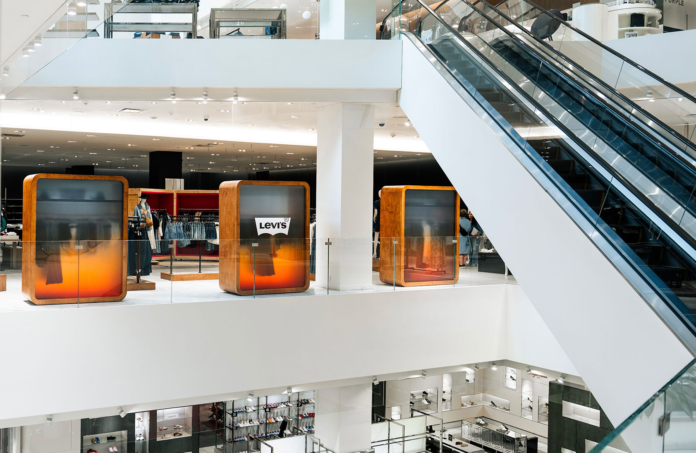
Levi's pop-up at Holt Renfrew in Calgary, June 2025. Photo: Levi's
Global denim icon Levi’s® has officially launched at Holt Renfrew, starting with pop-up shops and in-store activations at select locations across Canada. The partnership marks a major step in Levi’s® strategy to expand its premium presence in the Canadian market, following the recent closure of Hudson’s Bay stores — previously a key retail partner for the brand.
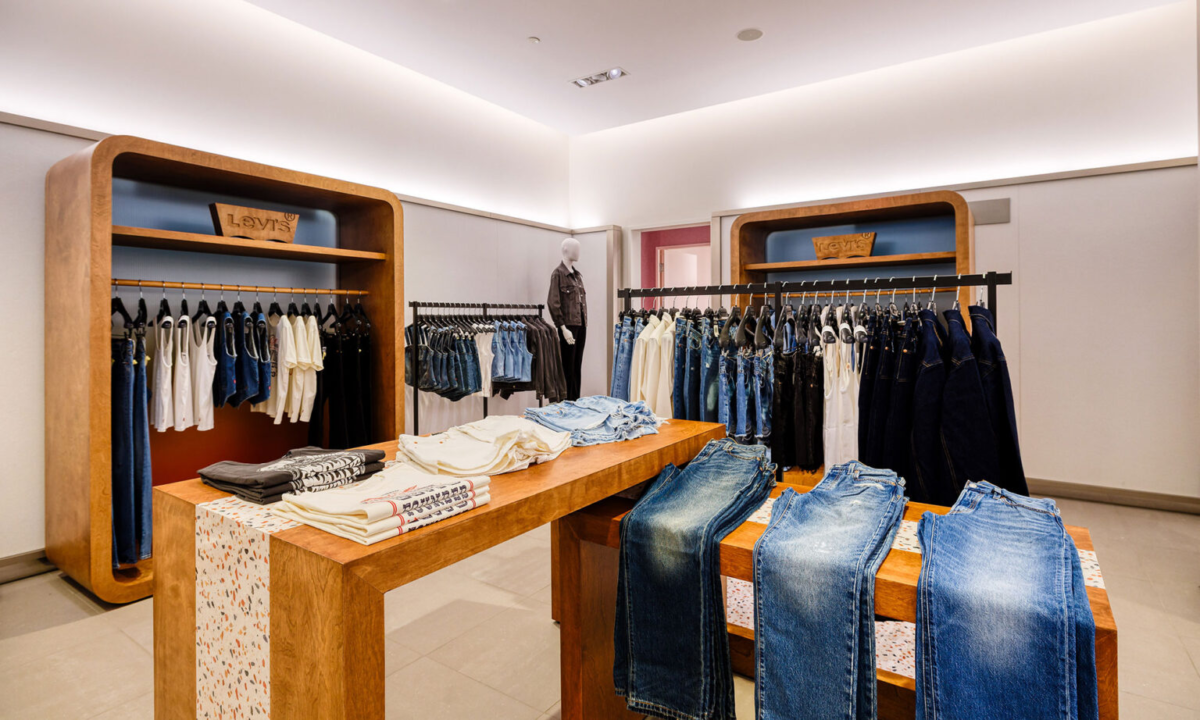
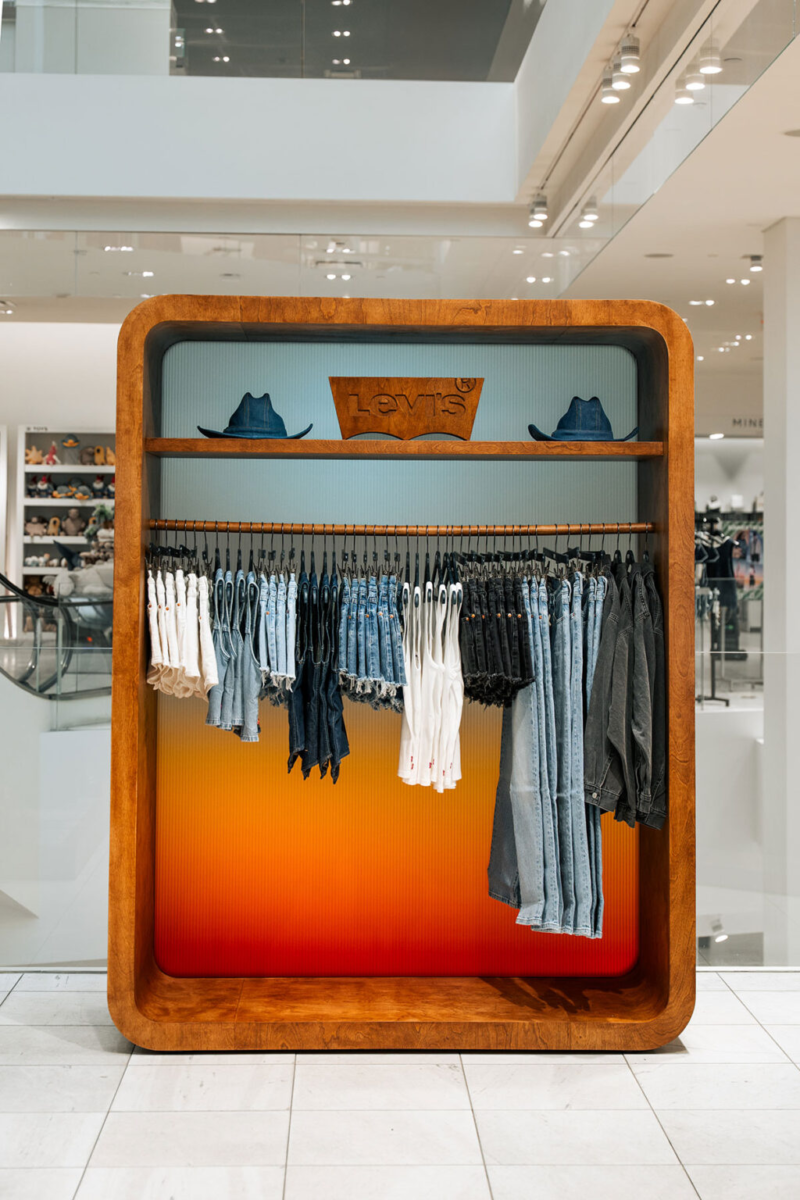
Beginning this summer, Levi’s® products are being showcased through pop-up concepts in Holt Renfrew stores, with early launches in Calgary and at Holt Renfrew Ogilvy in Montreal. These locations feature a focused selection from the Levi’s® Red Tab™ collection — including the iconic 501® jean, western shirts, Trucker jackets, and limited-edition pieces crafted by regional Levi’s® Tailor Shops.
“In Calgary and Montreal, fans can now experience the essence of Levi’s® in an elevated setting,” said Vicky Skelton, managing director for LS&Co. Canada. “This partnership with Holt Renfrew allows us to bring that spirit to life in a premium setting, offering consumers not just iconic Levi’s® pieces, but immersive experiences that celebrate self-expression and style.”
Vicky Skelton
National Rollout and Exclusive Experiences
Additional Holt Renfrew locations will debut Levi’s® offerings throughout the summer. In August, the Toronto Bloor Street flagship will launch with curated assortments from both the Red Tab™ and Blue Tab collections. Vancouver’s location will include an in-store Levi’s® Tailor Shop with a dedicated tailor on-site, allowing guests to personalize garments in real time. At the Yorkdale and Square One stores, Levi’s® collections will be integrated into the denim department.
The launch of Levi’s® pop-up shops coincides with the brand’s introduction of its most elevated product line: the Blue Tab collection. Originally launched in Japan and now available in the U.S. and Canada, Blue Tab features exclusive denim pieces made from premium fabrics that fuse Levi’s® American heritage with Japanese craftsmanship and modern silhouettes.
Levi’s® is engaging consumers through unique in-store events. In Calgary, the launch was accompanied by a Levi’s® Bandana Bar where shoppers could personalize bandanas while enjoying a live DJ and coffee from a branded barista station. The experience will be replicated at Montreal’s Ogilvy store from July 26 to July 27.
Carolyn Wright
“Denim is a rapidly growing business here at Holts, and Levi’s® has a legacy of authenticity and quality in denim,” said Carolyn Wright, senior vice president of Product at Holt Renfrew. “This partnership with Levi’s® reinforces Holt Renfrew as a destination for premium denim and features unique items, only available at Holts, underscoring our brands’ shared values of empowering self-expression.”
Filling the Void Left by Hudson’s Bay
The new partnership with Holt Renfrew follows a major shift in Canada’s department store landscape. Levi’s® was previously a major seller at Hudson’s Bay stores, where the brand generated tens of millions of dollars in annual sales. That channel closed abruptly after Hudson’s Bay Company filed for bankruptcy protection and shuttered all of its department stores across Canada in early June 2025.
Holt Renfrew’s new relationship with Levi’s® helps fill the retail gap left by Hudson’s Bay’s exit, giving Canadian consumers access to the brand in a premium setting. The timing creates a strategic opportunity for both companies — with Levi’s® securing continued brick-and-mortar visibility, and Holt Renfrew gaining sales volume from a heritage brand with longstanding customer loyalty.
Levi’s pop-up at Holt Renfrew in Calgary, June 2025. Photo: Levi’s
Ecommerce and Standalone Store Strategy in Canada
In addition to the Holt Renfrew launch, Levi’s® continues to grow its direct-to-consumer operations in Canada. The brand operates a Canadian ecommerce site at Levi.com, offering a full assortment of apparel and accessories, including the Red Tab™ and Blue Tab collections. Levi’s® has also been expanding its network of standalone stores across the country in recent years, reinforcing its commitment to serving Canadian consumers through both physical retail and digital channels.
Bandana bar at the Levi’s pop-up at Holt Renfrew in Calgary, June 2025. Photo: Levi’s
These standalone locations, found in major shopping centres, offer tailored brand experiences and services such as tailoring, personalization, and limited-edition drops. The retail expansion supports Levi’s® broader omnichannel strategy to meet customers wherever they shop, whether through store partnerships, owned stores, or digital platforms.
Holt Renfrew Broadens Its Merchandise Strategy
While historically positioned as a destination for luxury labels and designer fashion, Holt Renfrew has been broadening its merchandising strategy in recent months to include a wider range of price points and product categories. This evolution reflects a broader shift in retail, as consumer expectations around value, uniqueness, and brand accessibility continue to evolve.
Rather than focusing solely on price or prestige, Holt Renfrew is increasingly curating products that are exclusive, limited-edition, or otherwise hard to find in the Canadian market. The inclusion of Levi’s® — a globally recognized heritage brand offering both iconic and premium lines — aligns with this new vision.
The move positions Holt Renfrew as a key player in Canada’s changing department store landscape. With the departure of Nordstrom and the closure of Hudson’s Bay, Holt Renfrew is filling an important void — offering both elevated shopping experiences and distinctive product assortments that span luxury to premium accessible.
This strategic pivot allows Holt Renfrew to retain its luxury positioning while embracing a broader community of shoppers who value quality, craftsmanship, and individuality over status alone.
Levi’s pop-up at Holt Renfrew in Calgary, June 2025. Photo: Levi’s
Positioning for the Future
As Holt Renfrew continues to reimagine its role in the Canadian department store landscape, its partnership with Levi’s® signals a broader opportunity: to serve as a new kind of premium destination — one that balances high fashion with heritage, exclusivity with accessibility, and product with experience.
For Levi’s®, the collaboration builds on its omnichannel strategy and brand elevation initiatives across North America. “We’re excited to continue the business momentum we’ve experienced with the premiumization of our brand,” said Skelton. “Our push to elevate the Levi’s® brand through new product assortment and our retail experience is a pivotal step, allowing us to connect with a whole new community of fans.”
With pop-ups underway and new activations on the horizon, the Levi’s® partnership reinforces Holt Renfrew’s position as a forward-looking retailer — and offers Canadian shoppers a new way to engage with one of the world’s most iconic denim brands in an upscale setting.