Home Blog Page 310

Douglas Mandel Unveils ‘Luxury That Connects’ Series

Photo: Douglas Mandel

Luxury retail consultant and former Dior executive Douglas Mandel has launched a new thought leadership series on LinkedIn, offering twice-weekly posts that examine how brands can balance heritage with innovation while deepening human connection in stores and online. Titled Luxury That Connects, the series will run for at least ten weeks through autumn, with each article designed as a concise, standalone insight grounded in Mandel’s two decades in global luxury.

“This autumn, I’ve launched Luxury That Connects: A 10+ Week Journey Through Stories, Strategy & Service,” said Mandel in an interview. “Each piece blends story with strategy, lessons in brand, people, and performance that I now apply as a consultant helping brands navigate the shifting realities of modern luxury.”
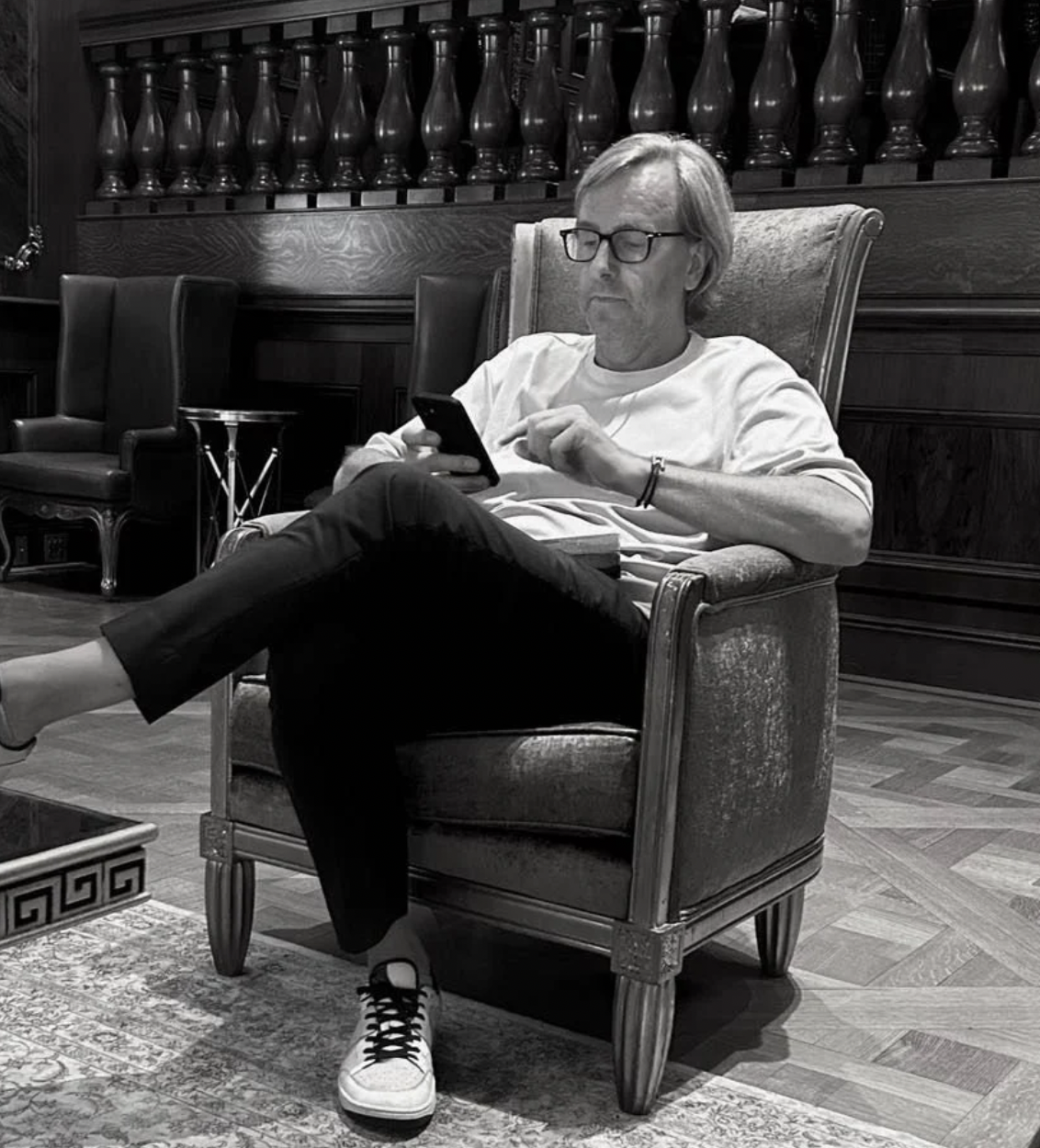
Douglas Mandel

Mandel’s career includes extensive leadership experience in Canada, where he played a transformative role in redefining Dior’s retail presence and client experience across the country.

A Career That Spans Continents — and Reshaped Dior Canada

Mandel’s perspective has been shaped by a career that spans Europe, North America, and Russia, including senior roles at Christian Dior Couture and work with Assouline Publishing. He began as a tailor and menswear designer after studying fashion design at Sheridan College, later earning an MBA in International Luxury Brand Management at ESSEC Business School near Paris.

As Regional Vice President overseeing Dior Canada, Mandel was instrumental in transforming the brand’s Canadian retail footprint. When he began his tenure, Dior operated primarily through concessions at Holt Renfrew and a standalone store inside the Fairmont Hotel Vancouver. Mandel led a period of significant expansion that changed how Dior engaged with Canadian clients.

He opened the Dior flagship at The Colonnade in Toronto, introduced Dior Men to the Canadian market, and expanded the Holt Renfrew partnership from leather goods-only concessions to full-line boutiques offering ready-to-wear, footwear, and accessories. These developments helped establish Dior’s modern retail presence in Canada and set a new benchmark for how international luxury brands operate in the country.
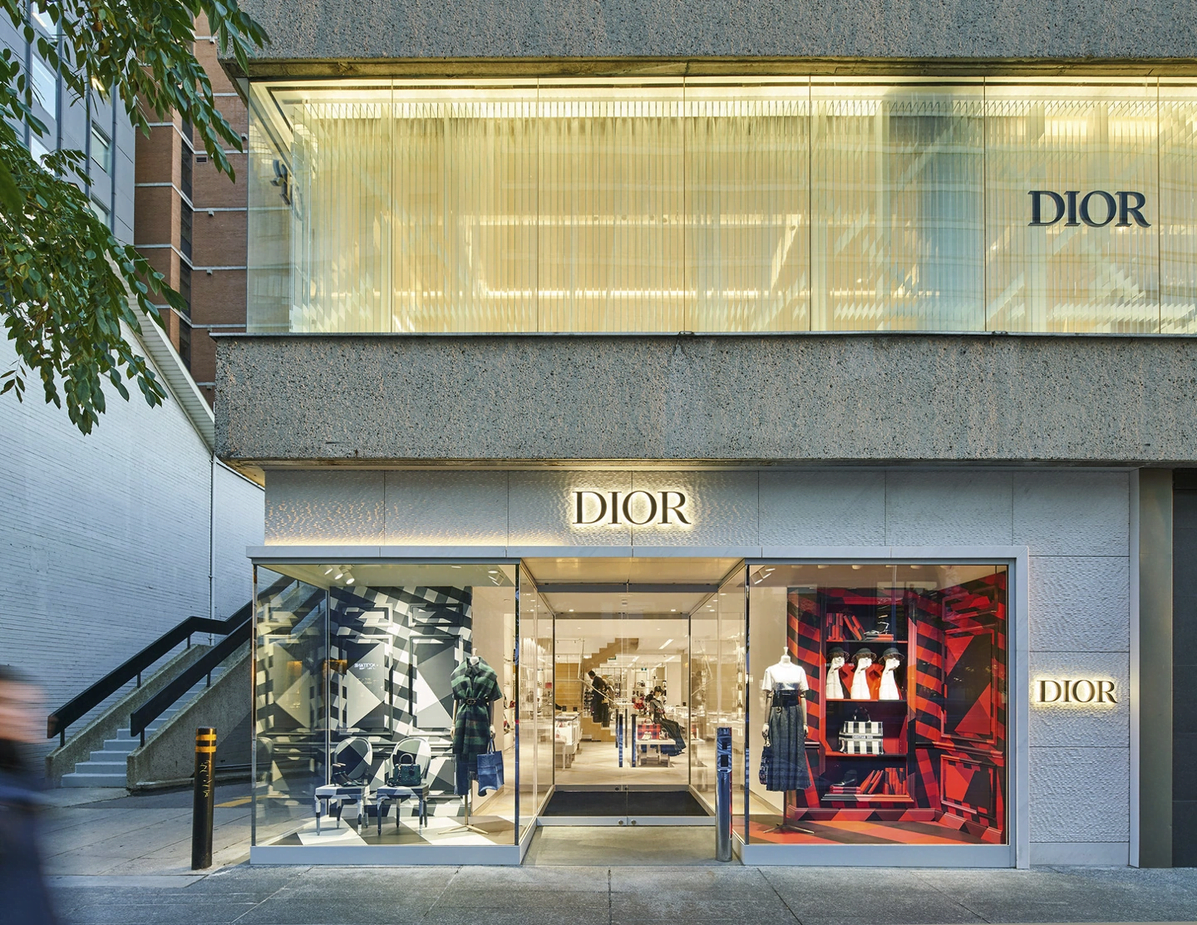
Dior at The Colonnade, 131 Bloor Street West in Toronto (Image: SAJO)

Mandel’s global leadership also extended to major markets including Selfridges in London, and he oversaw flagship openings in Moscow and Las Vegas. Each experience informed his understanding of how local culture, team engagement, and brand storytelling intersect to shape the luxury experience.

“I started putting my experience and history down on paper,” he said. “It led me to realize there may be content here that can help people, inspire them, and give an insight into the luxury world. The luxury world is quite different than typical retail, and I want to use these stories to share, create exposure, and connect.”

Why Now: A Market at an Inflection Point

Mandel frames the series around a luxury sector that is reassessing fundamentals. He references widespread changes in creative leadership at European fashion houses, a slower global growth backdrop, and what he calls “price fatigue” among shoppers who are more selective than they were during the pandemic period.

“The industry is at a crossroads,” he said. “Technology is reshaping retail. Culture is redefining value. Clients today expect intimacy, not intimidation, meaning, not just marketing. It is a moment to ask what is next and whether there is a different way to build these businesses.”

A central theme is the enduring paradox of luxury. Brands must remain rooted in craft and history while engaging modern audiences who live across digital channels and expect seamless service.

“The paradox of luxury is to be anchored in history and heritage while also being modern,” said Mandel. “The best brands continually play with modernity but stay rooted in their anchor. Now technology is everywhere, so the question is how to embrace it, and what to embrace, without losing the soul of the brand.”

He argues that the most valuable applications of technology in luxury are those that equip associates with context and clarity when a client walks in. “There is so much data online, yet in a store the sales associate often does not know a client’s recent journey. That is a missed opportunity. Tech should enhance the human connection, not replace it.”
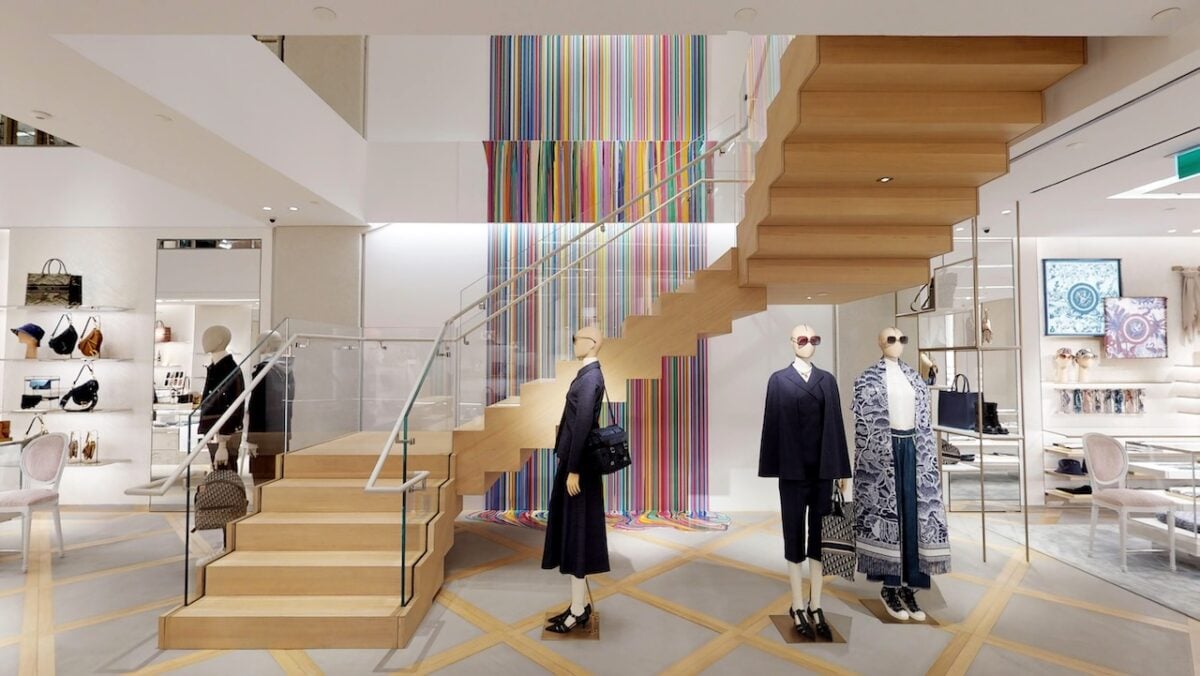
Dior at The Colonnade, 131 Bloor St West in Toronto (Image: SAJO)

From Intimidation to Intimacy

Mandel’s store leadership background informs his view of clienteling and service. The traditional aura of exclusivity still matters, yet the experience must feel welcoming and personal once a client steps inside.

“Luxury stores can feel intimidating, and that mystique is part of the brand,” he said. “But once a client is inside, the best sales associates know how to connect. They build relationships and understand their clients deeply. That is where true luxury happens.”

He trained teams with a simple premise. “If someone walks into a Dior store, there is a high chance they intend to buy,” he said. “The job is to meet them where they are, without assumptions, and make them feel known.”

Mandel observes that post-pandemic discretionary spending has rotated toward travel, hospitality, and experiences. Luxury brands, he says, are now competing with hotels and restaurants for the same share of wallet and attention. The implication for retailers is clear: the store must deliver an experience that can stand alongside an unforgettable trip or a special dinner.

“People are spending on experiences,” he said. “Travel is luxury, dining is luxury. The challenge for brands is to create emotional resonance equal to those experiences.”

Storytelling as a Strategic Asset

Each installment in the series draws from lived experience, including the production of a major fashion show in Moscow’s Red Square. For Mandel, storytelling and strategy are inseparable. Compelling narratives give context to craftsmanship, translate heritage for new audiences, and create the desire that drives long-term loyalty.

“Storytelling is how luxury builds dreams,” he said. “Luxury is not about need, it is about desire and the invitation to enter a world. The fashion show, the boutique experience, and the daily work of associates all serve that story.”

As luxury has shifted further toward direct-to-consumer models, runway shows have evolved as well. “In the past, shows were for buyers,” he said. “Now they serve the client and the world, and they create an emotional connection that drives loyalty.”

Mandel cautions against chasing one demographic at the expense of another. While brands court Gen Z with content and collaborations, the highest spending often remains with older clients who hold significant wealth. The task for leaders is to balance relevance to new audiences with respect for core clientele.

“There is a lot of talk about Gen Z, but baby boomers still hold enormous wealth,” he said. “The key is balance, appeal to the next generation without alienating the clients who are spending today.”
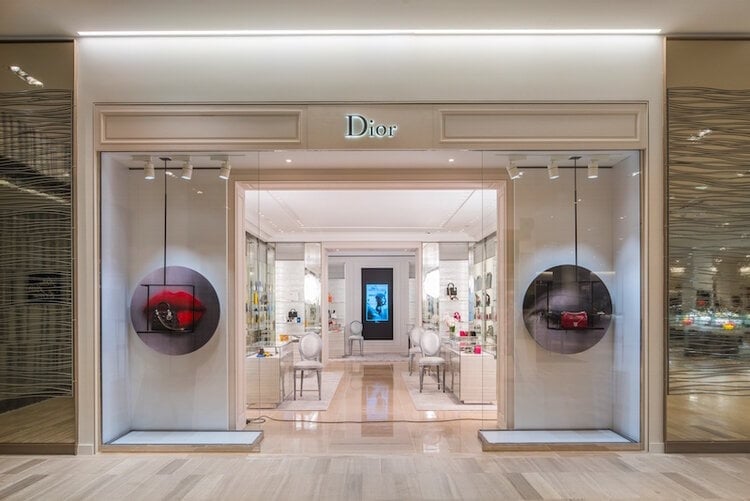
DIOR’S CONCESSION AT SAKS FIFTH AVENUE IN TORONTO, 2021. PHOTO: DIOR

Giving Back to the Industry

Mandel positions the series as a contribution to an industry that shaped his career, and as a practical resource for leaders and teams across retail categories, not only luxury.

“Whether you are a retail executive, an emerging brand founder, or a clienteling specialist, I hope these stories help you think differently and act with more clarity,” he said. “Sales associates are the brand ambassadors. They bring the brand to life every day. If the series helps organizations train and support them better, the client experience improves immediately.”

Published twice per week on LinkedIn, the posts are short, direct, and designed to stand on their own while building a broader narrative over the season. Early entries preview the blend of field stories and practical frameworks that Mandel now applies through his consultancy. Topics range from launching immersive pop-ups, to training teams in client-first mindsets, to building brand strategies rooted in clarity and consistency.

“Each post is meant to provoke, inspire, and help you think more clearly about the business of luxury,” said Mandel. “Not every story has a neat ending, but every moment helped shape the consulting frameworks I use today.”

How to Follow the Series

Luxury That Connects publishes twice weekly on LinkedIn and will continue through the autumn season, with additional entries planned beyond the first ten posts. Readers can follow along to explore how heritage, people, and technology intersect in the modern luxury landscape.

In addition to the written pieces, a video component will accompany the series. Retail Insider’s Craig Patterson will host video discussions with Douglas Mandel on various topics covered in Luxury That Connects. Patterson will also interview Mandel and produce accompanying feature articles for Retail Insider, offering readers and viewers deeper insights into the ideas shaping modern luxury and the evolving business of client connection.

“I want the series to connect the brand, the people behind it, and the performance that leaders are chasing,” Mandel said. “If it sparks new ideas or better training on the shop floor, it has done its job.”

Editor’s note: Douglas Mandel’s series, Luxury That Connects, appears twice per week on LinkedIn throughout autumn. Readers can search for the series title on LinkedIn to access the latest posts.


More from Retail Insider:

Scene+ Points Days offers up to 7x points

Photo: Scene+
Photo: Scene+

Scene+ is launching its first-ever Scene+ Points Days, a limited-time event running Nov. 7 to 9, that offers members in Ontario and Quebec the opportunity to earn bonus points across several partner retailers.

During the three-day promotion, all Scene+ members can earn double points on everyday purchases when they scan their card at participating locations, which include Sobeys, Foodland, FreshCo, IGA, Les Marchés Tradition, Rachelle Béry, Cineplex, Home Hardware and others.

Scotiabank cardholders can increase their rewards even further — earning up to seven times the points — by registering an eligible credit or debit card by Oct. 24 through the event’s dedicated website.

Simona Salter
Simona Salter

“At Scotiabank, we are focused on helping our clients earn more every day and enjoy rewards faster through events that deliver real value,” said Simona Salter, executive vice-president of cards, loyalty, payments and client experience at Scotiabank. “Scene+ Points Day is a great opportunity for members to accelerate their points earning and discover all Scene+ has to offer.”

Members can earn 1,000 points when spending $100 at participating grocery stores, including Sobeys, IGA and Foodland. Additional offers include 10 points per $1 spent on movie concessions, two points for every $3 spent on dining, and 100 points for every $50 spent at Home Hardware.

Candice Troupe
Candice Troupe

“At Scene+, our priority is delivering exceptional value and a more personalized experience to our members,” said Candice Troupe, senior vice-president of marketing and partnerships at Scene+. “Scene+ Points Days underscores the strength of our program by rewarding members in ways that matter most to them. With the added advantage of a Scotiabank Scene+ credit or debit card, members can unlock even greater points earning potential, reinforcing the strong connection between everyday spending and meaningful rewards.”

The offers are available to eligible Scene+ members in Ontario and Quebec only. Canadians who are not yet members can sign up and begin earning rewards immediately by visiting sceneplus.ca. Terms and conditions apply.

More from Retail Insider:

Statistics Canada reports August retail growth

Gray Collection to open new hotel and restaurant in Montreal

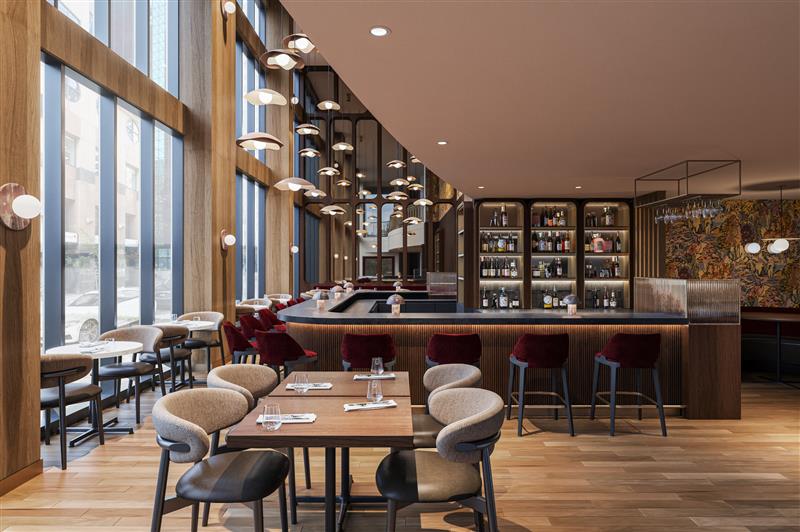
Benjamin restaurant. Image: Gray Collection

Hospitality group Gray Collection is expanding its Montreal portfolio with the opening of a new boutique hotel and restaurant in the city’s downtown core.

The company announced recently that Metcalfe Montreal is set to open in 2026. It will be the second property under the Metcalfe name, following the success of Metcalfe Ottawa.

The upcoming hotel is described as a space that will “embody quiet luxury, balancing classic elegance with modern minimalism.” According to Gray Collection, guest rooms will feature “refined finishes, and serene interiors defined by clean lines, rich textures, and an earthy, neutral palette.”

“Every element has been carefully considered to provide guests with an intimate escape that reflects Montreal’s dynamic energy while expressing the warmth, refinement, and timeless sophistication central to the Metcalfe boutique hotel experience,” the company stated in a press release.

A new restaurant, Benjamin, is also scheduled to open in November 2025 as part of the same development. Gray Collection said the restaurant will “immerse” guests in “the timeless traditions of the classic steakhouse, elevated by French-inspired design and cuisine.”

“The restaurant will blend nostalgia with modernity, offering a refined dining experience that reflects both heritage and contemporary style for discerning travelers,” the release said.

Looking further ahead, Gray Collection plans to launch what it describes as its most luxurious property to date by late 2027. The project will include a new restaurant, a rooftop terrace, and “elegantly appointed rooms.”

Dimitri Antonopoulos

“These new openings represent a bold new chapter for Gray Collection, not only in terms of scale, but in the depth of experience we’re creating,” said Dimitri Antonopoulos, president of Gray Collection. “We’ve always believed in the power of thoughtful design, exceptional service, and creating lasting memories. With our upcoming expansions of properties, we are continuing to advance that vision—bringing something truly remarkable to our hometown and beyond.”

The announcement follows recent accolades for the hospitality group. In the 2025 Condé Nast Traveler Readers’ Choice Awards, all Gray Collection hotels were ranked among the top five in Eastern Canada. Auberge du Vieux-Port placed second, Metcalfe Ottawa third, Le Petit Hôtel fourth, and William Gray fifth.

Gray Collection describes itself as a group of authentically local hotels and restaurants offering “friendly luxury,” focused on community, design, and service. Its full portfolio can be found at graycollection.com.

More from Retail Insider:

Tommy’s Express Car Wash opens in Brampton

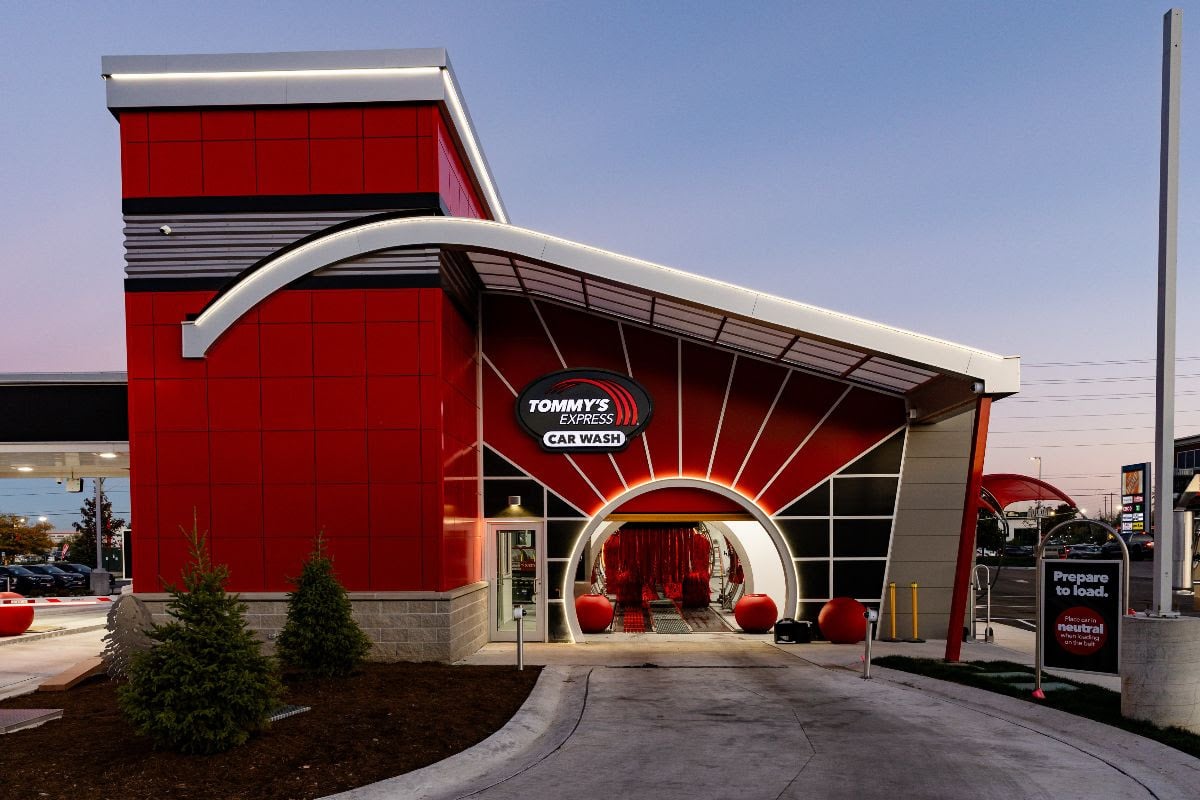
Photo: Tommy’s Express Car Wash

Canada’s first Tommy’s Express Car Wash has opened in Brampton, according to OpenShine, a division of OpenRoad Group.

The new location, situated at 6 Maritime Ontario Blvd., marks the entry of the U.S.-based franchise into the Canadian market. A grand opening is planned for November.

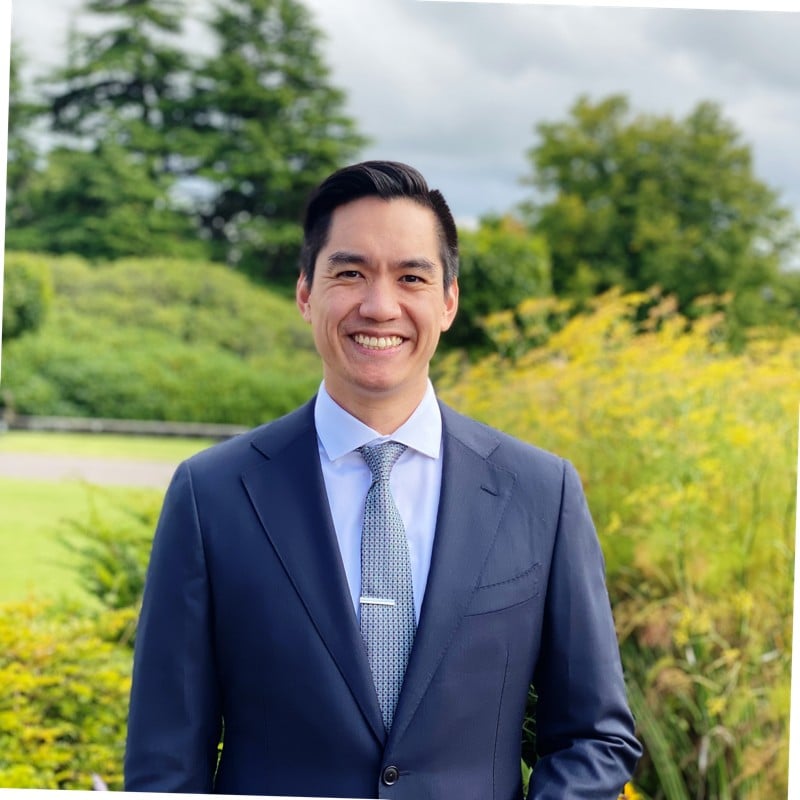
Christian Tjia
Christian Tjia

“Our team has been working hard behind the scenes to bring the very first Tommy’s Express Car Wash to Canada,” said Christian Tjia, operations manager at OpenShine. “We’re proud to bring a new upscale car wash service to Canada, one that is trusted by millions across the globe. We can’t wait to welcome drivers for their first wash and shine at Tommy’s Express Brampton.”

Tommy’s Express Car Wash operates more than 250 locations worldwide and was ranked No. 7 on the 2024 Professional Car Wash and Detailing Magazine Top 50 Conveyor Carwashes brands list. The company’s facilities are known for their belt conveyor systems, free vacuums, mat washers, and a tunnel design built for speed and efficiency.

The Brampton location includes a first-to-market moulded mat washer and automatic entry through license plate scanning for monthly TommyClub members. Vehicles up to 84 inches in height and 96 inches wide can be accommodated.

TommyClub members can manage payments and vehicle information through a proprietary mobile app and choose between unlimited or pay-per-wash plans. 

Photo: Tommy’s Express Car Wash
Ryan Essenburg
Ryan Essenburg

“It’s an exciting milestone to see Tommy’s Express Car Wash officially opening in Canada,” said Ryan Essenburg, president and chief innovation officer of Tommy Car Wash Systems. “Together with OpenShine, we’re bringing a new car wash experience to Canadian drivers, featuring our industry-leading belt conveyors and high-capacity tunnel design that delivers an efficient and easy wash every time.”

Wash packages range from the basic Quality Wash to the Works Wash, which includes conditioner, deep cleaning foam, hot carnauba wax, rain and UV protection, among other features. Customers can also purchase interior Detail Kits.

A mural of the city of Brampton is featured at the entrance to the wash tunnel.

The Tommy’s Express mobile app is available for download.

More from Retail Insider:

Statistics Canada reports August retail growth

Il Cappello Enoteca opens in Vancouver

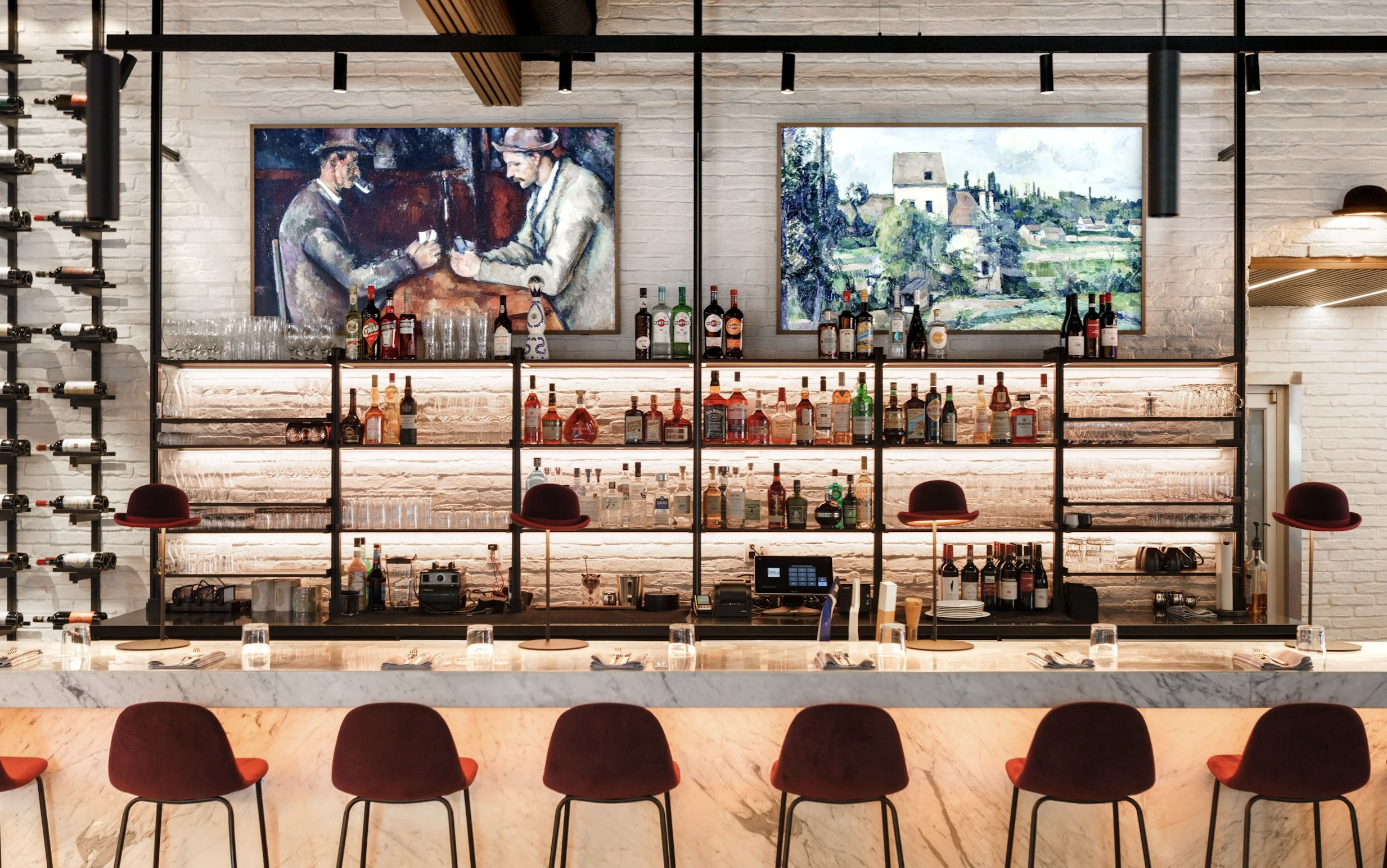
Photo: Il Cappello
Photo: Il Cappello

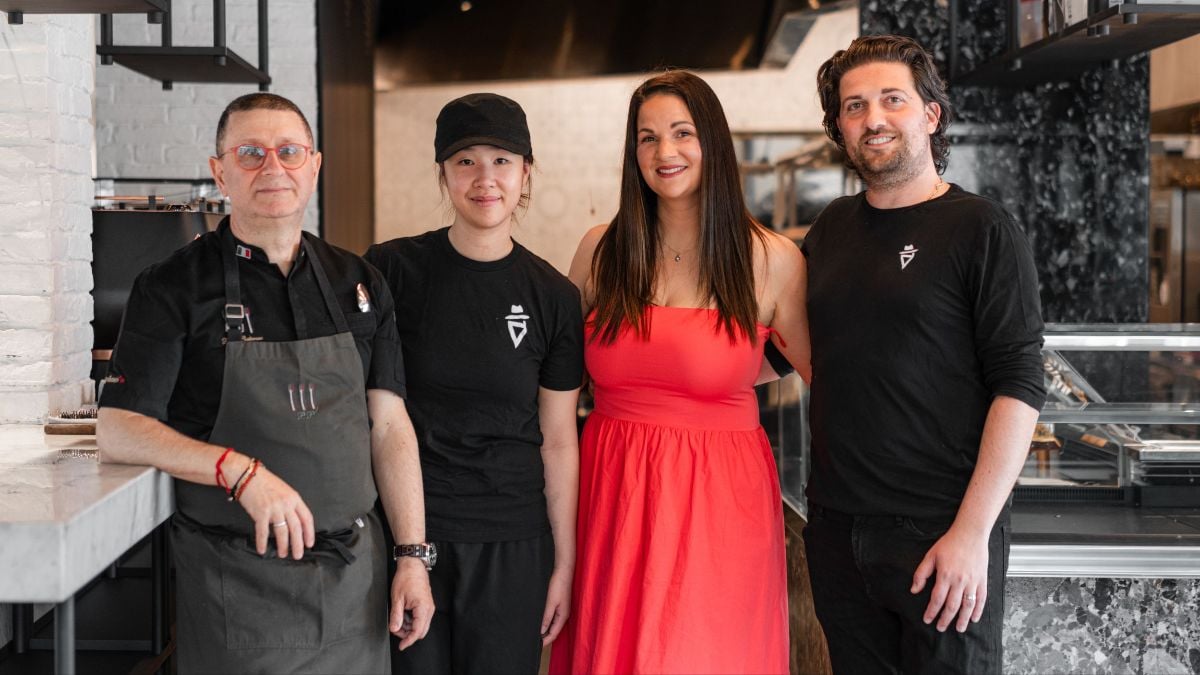
The final piece of La Famiglia Dolce Amore’s new culinary trio has opened. 

Il Cappello Enoteca (6011 Hastings Street) is the flagship (and first) full-service restaurant from husband-and-wife duo Giancarlo and Daniela Cusano.

The 2,000-square-foot restaurant offers seating for 100 people across an intimate dining room and an enclosed, year-round patio. The space is designed to feel refined yet relaxed, where guests are invited to, in true Italian fashion, metti giù il cappello, sei a casa — lay down your hat, you’re home, said the company.

“Il Cappello is truly the ‘hat’ of Dolce Amore, the finishing touch, and we couldn’t be more excited to finally to host guests in our restaurant space,” explained Giancarlo and Daniela. “Just like our gelato shop and caffetteria, this restaurant is a reflection of our family’s love for authentic and warm Italian hospitality. We want the community to bring their friends, loved ones, and families to dine with us.”

Pino Posteraro (culinary director), Joyce Mak (pastry chef), and Daniela & Giancarlo Cusano of Dolce Amore

Led by acclaimed culinary director Chef Pino Posteraro (previously Cioppino’s Mediterranean Grill), and Sicilian-born head chef Daniele Navarria, who has previously worked at some of the UK’s most prestigious restaurants, such as The Clove Club and Le Gavroche, the menu is guided by a classic progression of Italian dining – antipasti, primi piatti (first course / pasta and risotto), pizza, piatti principali (main course), and dolce (dessert), said the company.

The front-of-house is led by general manager and sommelier Vincent Massiot (previously Cioppino’s). The wine program features largely Italian wines, with some from B.C. and other select regions. Highlights include Poggio Torselli, a historic vineyard in Tuscany, and wines from Indigenous grape varieties that have been brought back to life in recent years.

Originally founded in 2002 by the Grippo family on Vancouver’s beloved Commercial Drive, Dolce Amore began as a neighbourhood gelateria known for its handcrafted, small-batch gelato. In 2017, daughter Daniela and her husband Giancarlo Cusano reimagined the business as The Gelato Mafia, bringing new energy and personality to the brand with their signature slogan, “Naturally Made, Criminally Good.” 

Under La Famiglia Dolce Amore, the family has opened LoLo Lounge in North Vancouver, home to Canada’s first affogato bar, and a new culinary HQ in North Burnaby, featuring TGM Terrazza, Dolce Amore Bar & Caffetteria, and Il Cappello Enoteca.

More from Retail Insider:

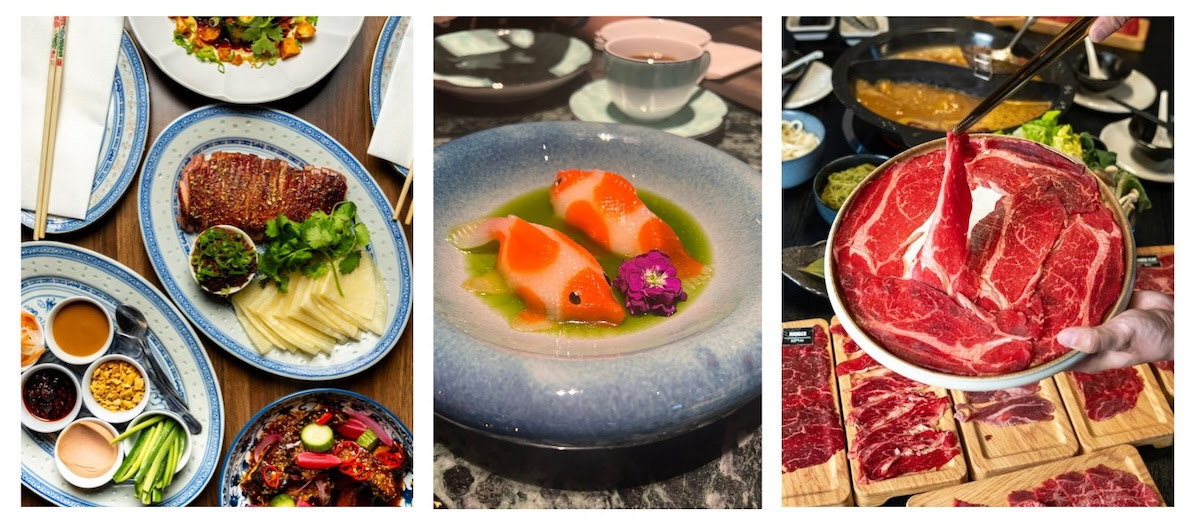
Chinese Restaurant Awards reveal Top 50 honourees for 2025 Elite 30 Canada Awards

Photo: Chinese Restaurant Awards

The Chinese Restaurant Awards (CRA) has unveiled its Top 50 Honourees, finalists for its inaugural Elite 30 Canada Awards, which will be announced live at a special awards ceremony in Vancouver at The Vancouver Club on October 29. This is the CRA’s 16th Annual Awards, but its first to rank Chinese restaurants across Canada and Asia.

Founded in Vancouver in 2008, the Chinese Restaurant Awards have become the definitive guide for Chinese cuisine in Metro Vancouver for discerning diners. For years, a diverse panel of judges have visited restaurants of all sizes anonymously to seek out their favourite dishes, eateries, hole-in-the-walls, and undiscovered talent, says the organization.

“We are excited to announce our Top 50 Honourees, and soon, our ranked Elite 30 later this month,” said Rae Kung, Managing Director of the Chinese Restaurant Awards. “It truly brings me so much joy that we are able to celebrate the cuisine of my heritage across Canada this year. This list is dedicated exclusively to Chinese cuisine, of which there are many diverse options in Canada – from Cantonese dim sum, upscale banquet spots, to contemporary Chinese and Sichuan cooking. Our mission has never changed. We still aim to uncover the finest signature dishes and to highlight the talent behind them.”

The Elite 30 Canada Awards is curated by the newly established Canada Taste Advisors Panel, chaired by founding judge Lee Man, regarded as one of the most influential voices in Vancouver’s Chinese dining scene. The panel brings together 15 people with diverse backgrounds (including food writers, healthcare professionals, finance professionals, and frequent diners), united by the belief that Chinese dining is not defined by restaurants alone, but by the signature dishes that capture their essence through flavour – creating enduring experiences.

“What sets our taste advisors apart from other accolades is these are individuals who have intimate knowledge of what Chinese cuisine is – they know its flavour, the history, and nuances because they have been eating it all their life,” said Lee Man. “They are familiar with both the regional traditions and modern applications. Every recognition decided by our panel reflects genuine care in selecting our award winners.”


Top 50 Honourees — Elite 30 Canada Awards  (alphabetic order)

  • A BENTO — Vancouver | Taiwanese
  • aKin — Toronto | Modern Asian
  • Bamboo Grove Restaurant — Richmond | Cantonese
  • Ban Bu Xian — Vancouver & Richmond | Sichuan
  • Car’s Dessert — Richmond | Hong Kong Style Dessert
  • Casa Victoria Fine Dining and Banquet — Markham | Cantonese
  • Cha Kee — Richmond | Hong Kong Style Cafe Food
  • Chang’ An — Vancouver | Shaanxi / Northern Chinese
  • Chengdu Street Food — Richmond & Toronto | Sichuan
  • Chinatown BBQ — Vancouver | Cantonese BBQ
  • Din Tai Fung — Vancouver | Taiwanese / Shanghainese Dim Sum
  • Dynasty Seafood Restaurant — Vancouver | Cantonese Seafood
  • Fishman Lobster Clubhouse Restaurant — Scarborough | Cantonese Seafood
  • Flavourful House — Richmond Hill | Cantonese
  • Geng Shi Ji — Richmond | Hunan
  • Gols Lanzhou Noodle — Manitoba / Ontario / Quebec | Lanzhou Noodle House
  • Gongfu Bao — Ottawa | Hong Kong Style & Taiwanese
  • Golden Paramount Seafood Restaurant — Richmond | Cantonese / Shunde
  • HK BBQ Master — Richmond | Cantonese BBQ
  • iDen & Quan Ju De Beijing Duck House — Vancouver | Peking Duck / Northern Chinese
  • Jiangnan Wok — Richmond | Jiangnan
  • Jumbo Lobster Restaurant — Richmond Hill | Cantonese Seafood
  • Kalvin’s Szechuan Restaurant — Vancouver | Taiwanese / Sichuan
  • Lai Wah Heen — Toronto | Contemporary Cantonese
  • Landmark Hotpot House — Richmond | Hong Kong Style Hotpot
  • Lanxuan Restaurant — Richmond | Cantonese
  • Long’s Noodle — Richmond | Shanghainese
  • Loon Fong Hotpot — Richmond Hill | Hong Kong Style Hotpot
  • Master Beef Hot Pot — Calgary | Hotpot / Alberta Beef Specialty
  • Max Noodle House — Richmond | Cantonese Noodles & Congee
  • May Yan Seafood Restaurant — Scarborough | Cantonese
  • Memory Corner — Richmond | Taiwanese
  • Mimi Chinese — Toronto | Modern Chinese
  • Miss Qu Barbecue & Restaurant — Markham / Scarborough | Chongqing Jianghu
  • Mott 32 — Vancouver & Toronto | Peking Duck / Modern Chinese
  • Nian Yi Kuai Zi — Markham / Scarborough | Chongqing Jianghu
  • Nouilles de Lan Zhou — Montreal | Lanzhou Beef Noodles
  • Oncle Lee Kǎo — Montreal | Chinese
  • Osmanthus Chinese Fusion Restaurant — Richmond | Shanghainese
  • R&D — Toronto | Modern Canadian Asian 
  • Sang-Ji Fried Bao  — Toronto & North York | Shanghainese
  • Sea Harbour Seafood Restaurant — Richmond | Cantonese
  • Tai Er Suancai & Fish — Richmond | Sichuan 
  • Takumi BBQ — Ottawa | Dongbei BBQ
  • The Fish Man — Richmond | Sichuan / Cantonese Seafood
  • The Jade Seafood Restaurant — Richmond | Cantonese
  • Uno Beef Noodle — Richmond | Taiwanese
  • Wonton Hut — Markham | Cantonese Noodle House
  • Xi’An Flavour — Richmond | Shaanxi / Xi’an
  • Yu Seafood — Richmond Hill & Yorkdale | Cantonese

The Elite 30  Canada Awards will be presented alongside the Asia  distinctions, including the Elite 15 Asia and a slate of individual awards. These honours include Rising Star Chef of the Year, Dim Sum Chef of the Year, and Master Chef of the Year, each conferred separately in the Asia and Canada regions.

More from Retail Insider:

Solo Dining and Cost Pressures Reshape Canadian Restaurants

U.S. Tariffs Threaten Canadian Agri-Food Exports

Agri-food in Canada. Image: Bioenterprise Canada

The United States and President Trump are clearly frustrated with Canada’s handling of trade negotiations involving softwood lumber, automotive parts, oil, aluminum, and steel. Whether Ontario’s anti-tariff advertising campaign—funded by the Ford government—is the direct reason Washington raised tariffs from 35% to 45% on non-CUSMA imports is beside the point. What matters is that the escalation reflects a deteriorating diplomatic climate that will have very real consequences for Canadian agri-food exporters.

Some analysts argue that a 10-percentage-point increase is inconsequential. It is not. The issue isn’t simply what is being tariffed or by how much—it is the tone of the relationship. Canada is increasingly perceived as erratic and reactive, a country negotiating from emotion rather than strategy.

Premier Doug Ford’s “stand up to America” messaging—complete with a nostalgic Ronald Reagan cameo—may have been rooted in genuine conviction. Ford likely believes, as many Canadians do, that defending the country’s interests with bold language is the right thing to do. But again, that doesn’t matter. In diplomacy, tone often outweighs intent. What plays well domestically can sound defiant or even antagonistic abroad, and the consequences are already being felt across industries.

Over the past year, Ford has gone on public tirades against foreign-owned companies such as Crown Royal, accusing them of abandoning Ontario, and Stellantis, for seeking federal and provincial support for their electric vehicle plant. These theatrics may score short-term political points, but they have long-term costs. They reinforce the impression that Canada is hostile to international investors at a time when collaboration—not confrontation—is what’s needed most.

Such rhetoric fuels uncertainty on both sides of the border. The results speak for themselves: higher tariffs, weaker investor confidence, and American partners quietly pivoting away from Canadian suppliers. Tariffs or no tariffs, many Canadian food exporters are already losing American accounts — not because of trade rules, but because of eroding trust and poor diplomacy.

Premier Ford’s political campaigns and threats of lawsuits may be popular talking points at home, but they are costly for the country as a whole. Washington’s retaliatory measures do not distinguish between provinces. They affect all exporters, including Canada’s food manufacturers that rely heavily on the U.S. market.

Those who believe the new 45% rate will have little effect on trade are mistaken. Canadian food companies are already losing U.S. contracts — not because of the tariffs themselves, but because Canada is now viewed as a business risk. Some Canadian importers now face steeper duties than competitors in Vietnam, Laos, or even Myanmar. The problem is not the tariff schedule—it’s perception. And right now, the optics for Canada’s agri-food sector are poor.

While many Canadians dismiss President Trump as unpredictable or combative, the deeper question is what happened to Canada’s once-cohesive “Team Canada” approach to trade. The agri-food industry in particular depends on cross-border stability and predictability. Alienating our largest customer — one that represents 34 percent of the global consumer market — is not a sustainable strategy.

There is no trade war. There are no sides. What we are witnessing is an American recalibration of domestic fiscal policy with global consequences. Canada must adapt to this new reality with prudence, not posturing.

Results to date suggest one clear lesson: Canada needs a new approach—especially from Queen’s Park.

More from Retail Insider:

Canadian Retail News From Around The Web For October 27, 2025

Canadian Retail News From Around The Web

News at a Glance

Retail Insider is streamlining its Canadian retail news from around the web to include a handful of top news stories that can be viewed quickly during the day. Here are the top stories from the past weekend.

B.C. billionaire Ruby Liu loses court fight to take over Hudson’s Bay properties (CBC)

Canadian consumers advance bid to sue meat giants over alleged beef price fixing (BIV)

September sees higher grocery prices as Consumer Price Index rises: Statistics Canada (Grocery Business)

Bodycams worn by Toronto FreshCo cashiers raise questions about safety and privacy (CBC)

Candy prices are one of the scariest sights this Halloween (CBC)

Small business customer satisfaction rates dip at major Canadian banks: JD Power (Retail Banker Intl)

Dollarama’s 2025 Expansion Proves That Value Retail Is Going Global (TIKR.com)

Shindico Acquires Water Tower Land for Retail Development (Connect CRE)

NL Posts Strongest Retail Sales Growth in Canada (VOCM)

A Toronto institution celebrates 110 years of churning out bagels and danishes (Canadian Jewish News)

Toronto’s oldest cigar shop is moving to Mississauga (InSauga)

How curated vintage stores have taken over Montreal’s shopping scene (Globe & Mail)

Railtown menswear brand HAVEN projects a quiet confidence (Georgia Straight)

Canada’s first 100% Indigenous-owned department store to open pop-up in Toronto (Toronto.com)

Blue Jays mania reaches new level at Ottawa sports stores (CBC)

Dressing as Trump for Halloween not so funny in 2025, Canadian costume shops say (CityNews)

How retailers can lean into their small business competitive advantages: ADP analysis

Photo: Ketut Subiyanto

By Jonathon Meany, Head of Service, Small Business, ADP Canada

October is Small Business month in Canada. A time to celebrate the heart and hustle that keep our communities and economy thriving. Across the country, small retailers aren’t just selling products; they’re shaping neighbourhoods, creating jobs and keeping local culture alive.

For retail entrepreneurs, this month also marks the start of the busiest shopping season. With holiday preparations underway, it’s the perfect moment for small retail businesses to pause, reflect and double down on what makes them special.

Small Business Advantages

New data from ADP Canada’s Happiness@Work Index found that 85% of Canadians prefer to shop at and support small businesses when possible. When asked why, Canadians pointed to supporting the local community (54%), quality customer service (52%), competitive pricing (41%), and skilled labour (34%) as the top factors influencing their decision.

Jonathon Meany
Jonathon Meany

For retail leaders, these insights reveal something powerful: Canadians aren’t just buying products, they’re buying into values. They want to feel connected to the people behind the brand, to their community, and to a sense of purpose in where they spend.

The question for small retailers is: how can you tap into those competitive advantages to drive growth while maintaining operational excellence? The answer lies in being intentional, building everyday practices that foster trust, empower employees and deepen authentic customer engagement.

Prioritize Customer Service as a Key Differentiator


For small retail businesses, exceptional customer service isn’t just a transaction, it’s the foundation of your brand. Unlike large retailers, who might have more rigid structures, small businesses have the unique ability to offer highly personalized services every day.

From remembering the names of “regulars” to providing tailored product recommendations, these types of personal touches create brand loyalty and relational equity within your local community.

To create truly authentic customer experiences, great customer service must become part of your onboarding, training and daily rhythm, not just a seasonal focus. Invite your team to own the experience: ask questions, solve problems on the spot and personalize interactions. Consistency in these small moments can build loyalty that outlasts any season.

Focus on Skills Development

Developing a skilled and confident workforce isn’t just about productivity, it’s about pride. When employees feel supported and trusted, they bring that same confidence to every interaction. A skills development program that helps employees continuously learn and hone new skills is essential for small businesses to maintain their competitive advantage.

With two key small business differentiators being quality customer service and skilled labour, small retail businesses should consult with HR experts to create a tailored skills development program that fits their business.

ADP Research recently found 17% of Canadian workers strongly agree their employer invests in the skills they need to advance their career in the near future, making skills development a potential game-changing differentiator to set a small business apart from the competition.

Photo: Pavel Danilyuk

Building a Culture of Care

As a customer, it can be quite easy to identify when you’ve encountered a great retail experience; but what often gets missed is that behind every great retailer is a team of people who feel valued, supported, and engaged in their work. According to ADP Research’s Today at Work Issue 1, 55% of workers who feel they are on the best team report full engagement, further highlighting the real importance of a cohesive company.

As a small business retailer, a culture of care starts with leadership. When employees feel appreciated, recognized and part of something meaningful, they naturally extend that same care to customers that can’t be found anywhere else.

Leading by example, regularly checking-in and simple gestures like celebrating milestones and encouraging open feedback, remind your team that they belong to something bigger. That sense of belonging can directly translate into stronger service, higher morale and better business outcomes.


Stay Compliant with Confidence

Compliance may not be the most exciting part of running a small retail business, but it’s one of the most essential. From payroll accuracy to evolving labour standards, regulations are constantly changing and staying compliant is a key part of protecting what you’ve built.

As your small retail business grows, administrative responsibilities naturally become more complex, especially when it comes to HR, payroll, and compliance. This can take time away from focusing on strategic priorities to propel the business forward, like excellent customer service. Partnering with an HR and payroll provider can help you navigate compliance requirements and administrative work with confidence, while helping minimize risk.

According to ADP Canada’s Small Business Toolkit, cloud-based payroll and HR solutions can help new business owners tackle challenges like cost control, security and scalability. These solutions often include built-in compliance tools to help you navigate complex federal, provincial or territorial regulations.

Ultimately, compliance done right is about more than avoiding potential penalties, it’s
about protecting your people and your brand.

Photo: RDNE Stock project


Use Technology to Drive Efficiencies

In recent years, technology has helped level the playing field for small retailers. From automation in operations, to digital marketing, to quick and easy payroll, today’s tools allow small businesses to compete with the efficiency and scale of much larger organizations. Investing in such technology frees up valuable time to focus on customers and growth: the things that really matter.

As we continue to celebrate Small Business Month, remember being small isn’t a limitation, it’s an advantage. Leaning into the power of personalization and authentic experiences can help retail small business owners make this upcoming season more than just a busy quarter, but a catalyst for future success.

More from Retail Insider:

Statistics Canada reports August retail growth

Gen Z entrepreneurs eye e-commerce amid challenges, TD survey finds

Court Blocks Ruby Liu’s Bid for Former Hudson’s Bay Leases

Weihong (Ruby) Liu in front of the Court House at 330 University Avenue in Toronto on June 23, 2025. Photo: Craig Patterson

A British Columbia billionaire’s attempt to revive the Canadian department store model has come to an abrupt end. Ruby (Weihong) Liu, chairwoman of Central Walk Group, has lost her high-profile legal bid to acquire 25 former Hudson’s Bay leases across Canada. The Ontario Superior Court’s ruling, issued by Justice Peter Osborne, effectively blocks Liu’s plan to launch a new national department store chain under her own name.

The decision follows months of court hearings, public appeals, and heated exchanges between Liu and some of Canada’s largest commercial landlords, including Cadillac Fairview, Oxford Properties, and La Caisse (formerly Ivanhoé Cambridge). The landlords had fought vigorously to prevent Liu’s company from taking over the prime retail leases, arguing that her plan was unworkable and financially unsound.

Judge Finds Plan “Fell Short of a Reasonable Standard”

In his written decision, Justice Osborne concluded that Liu’s business plan “fell well short of a reasonable standard” required to demonstrate the ability to meet lease obligations. He cited significant concerns about her understanding of the financial and operational requirements necessary to run a large-scale department store chain.

“This raises reasonable concerns as to her involvement in and understanding of the Business Plan,” Osborne wrote, referencing inconsistencies in Liu’s testimony and the confusion she displayed during cross-examination over key financial commitments and corporate structure. The court monitor also noted that Liu appeared unfamiliar with details of her companies’ audited financial statements and the equity commitments underpinning the proposed transaction.

Justice Osborne emphasized that these gaps undermined confidence in Liu’s ability to deliver on her own plan. He added that the company she established to acquire the leases “is not an established business at all, let alone one established in the sphere in which it will be required to perform the lease obligations, the operator of a major national department store chain with all that entails.”

The judge also underscored that the proposal lacked credible evidence of experienced retail leadership or sufficient capital reserves to ensure viability beyond the initial investment period. The court monitor echoed this assessment, warning that the venture risked becoming insolvent in the near term if the leases were transferred.

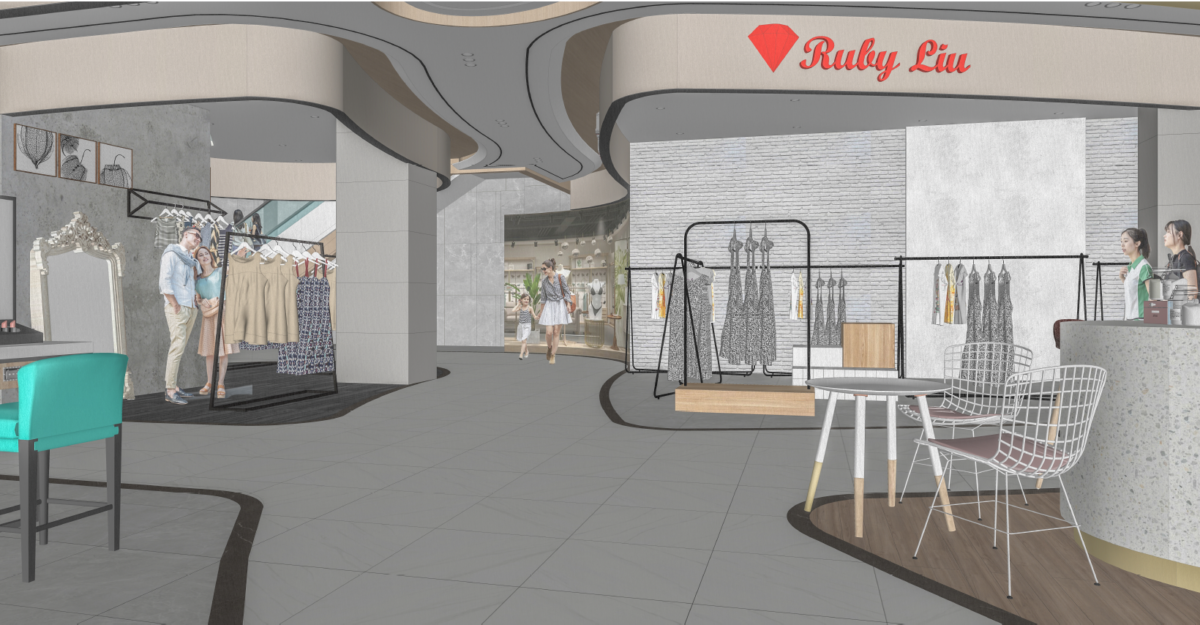
Rendering of the proposed Ruby Liu department store at CF Sherway Gardens in Toronto. Image: Ruby Liu Commercial Investment Corp./Central Walk

The Hudson’s Bay Collapse and Lease Auction

Founded in 1670, Hudson’s Bay entered creditor protection under the Companies’ Creditors Arrangement Act (CCAA) in March 2025, burdened by $1.1 billion in debt and declining sales. The liquidation of its assets, including dozens of long-term store leases, was intended to repay senior lenders and recover as much value as possible for creditors.

Liu’s $69.1 million bid, first announced in May, was the highest offer received for 28 former Hudson’s Bay locations. The leases were considered valuable not only for their size but also for their historic anchor-tenant terms, which included below-market rents and renewal options extending decades into the future.

Although Liu’s proposal was initially approved for her three British Columbia sites, including Tsawwassen Mills, Mayfair Shopping Centre in Victoria, and Woodgrove Centre in Nanaimo, the remainder of her acquisition faced immediate opposition. Major landlords argued that Liu lacked the operational experience and financial capacity to revive a national retail chain.

A Bold Vision Meets Fierce Resistance

Liu’s vision was undeniably ambitious. She aimed to transform the empty department stores into vibrant community destinations combining fashion, beauty, lifestyle, and entertainment. Her proposed Ruby Liu stores would have included cafés, potentially children’s play areas, and cultural spaces, merging retail with social and experiential elements.

“We will create spaces full of life, where people reconnect through experiences, not just shopping,” Liu said earlier this year in a public statement. She also promised to rehire former Hudson’s Bay employees, pledging to invest $475 million in the new business, including $120 million for store renovations and more than 1,200 new jobs.

But while her promises captured public attention, they failed to convince landlords and creditors. The court-appointed monitor and several legal teams argued that Liu’s business plan underestimated costs and lacked credible financial backing. They also criticized her unconventional tactics, including the use of a Change.org petition to rally support and her direct email communications with Justice Osborne, which were deemed “inappropriate” by the Ontario Superior Court’s chief justice.

Rendering of a fashion department inside of a Ruby Liu department store. Image: Ruby Liu Investment Corp./Central Walk

Landlords Raise Red Flags

Throughout the hearings, landlords’ lawyers argued that Liu’s plan was “doomed to fail.” They said her renovation budgets were unrealistic, her management team lacked retail experience, and her financing was unclear. They also questioned her ability to stock stores with sufficient inventory or attract credible brand partners in time to meet her proposed opening schedule.

Landlords maintained that forcing them to accept Liu as a tenant under the CCAA’s lease-assignment provisions would risk long-term harm to their shopping centres. Several argued that the presence of an untested retail chain in their anchor spaces could diminish property value and destabilize existing tenant relationships.

Ultimately, Justice Osborne sided with the landlords, concluding that Liu’s company failed to demonstrate it could “perform the obligations” of such extensive leases or deliver on its operational commitments.

A Divisive Figure in Canadian Retail

Liu’s rise in the Canadian retail and real estate landscape has been dramatic. A billionaire property developer from China, she built her fortune through large-scale mixed-use projects before relocating to Canada. Through her Central Walk Group, she acquired major shopping centres in British Columbia, including Mayfair, Woodgrove, and Tsawwassen Mills, as well as a golf resort on Vancouver Island.

Her sudden emergence as a would-be retail operator surprised many in the industry. While some observers saw her as a bold new entrant capable of revitalizing empty retail spaces, others viewed her approach as unorthodox and poorly prepared.

Supporters, including some former Hudson’s Bay employees, expressed optimism that her venture could have saved jobs while occupying real esate. Critics, however, pointed to her lack of retail experience and unconventional courtroom behaviour as reasons for concern.

Controversy Inside and Outside the Courtroom

Liu’s campaign to acquire the leases became as much a public spectacle as a legal proceeding. On Chinese social media, she shared updates about her court appearances and openly criticized the landlords’ lawyers, accusing them of bias and corruption.

Her unfiltered communications raised questions about her understanding of the Canadian legal process. At one point, she directly emailed the presiding judge, calling him “a person of justice and strength” and asking him to “please give me a chance.” Justice Osborne later noted these actions in his ruling and emphasized that such correspondence was improper.

The monitor overseeing the CCAA proceedings also voiced concerns about Liu’s professionalism, stating that her team appeared disorganized and unprepared during portions of the cross-examination. The monitor’s recommendation to reject her offer carried significant weight in the final judgment.

Aftermath: What Happens to the Leases?

It remains unclear what will happen to the 25 leases at the centre of the dispute. Some may revert to the control of landlords, while others could be reopened for bids from previous participants in the court-supervised auction.

Lawyer Maria Konyukhova, representing Hudson’s Bay, had argued that Liu’s proposal represented the last viable path to recover value from the leases. The deal, if approved, would have generated approximately $50 million for senior creditors. With its rejection, those creditors may face deeper losses, while landlords regain full control of their prime retail assets.

Despite the controversy, the outcome may accelerate redevelopment plans for several of the former Hudson’s Bay spaces. Many big boxes are expected to undergo major repositioning, with anchor spaces likely to be subdivided for multiple tenants or repurposed for mixed-use development.

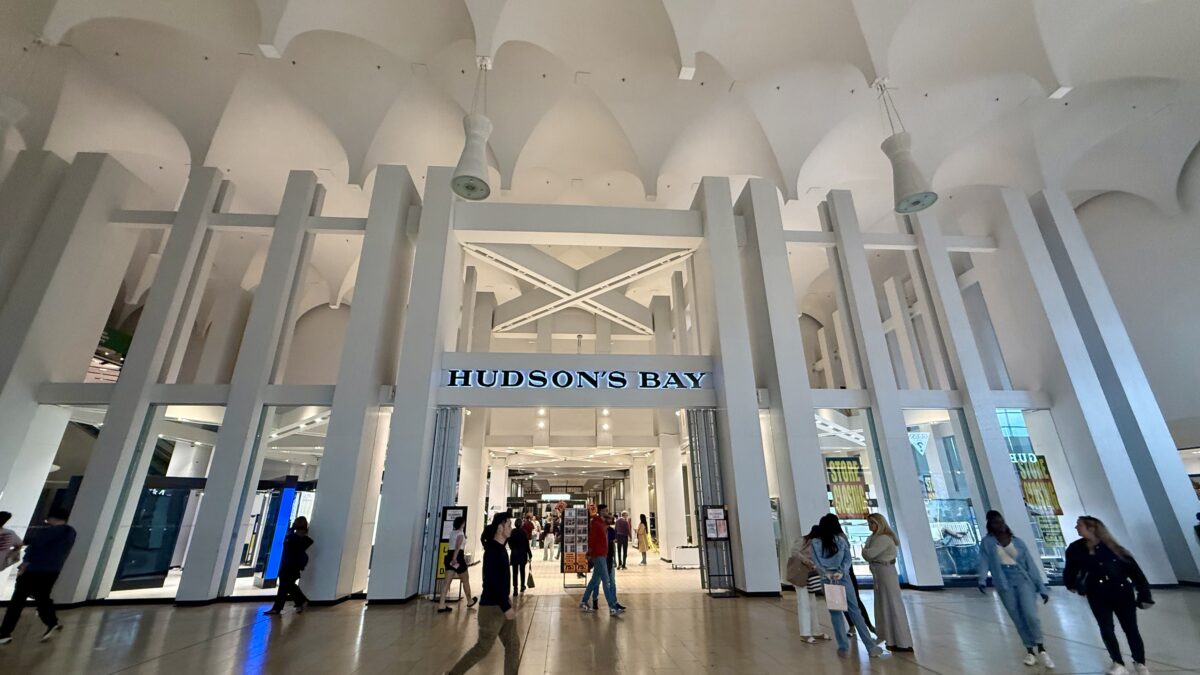
Hudson’s Bay Yorkdale on June 1, 2025, shortly before closing forever. Photo: Craig Patterson

The End of an Era for the Canadian Department Store Model

The Hudson’s Bay insolvency and the collapse of the Ruby Liu bid together signal a broader transformation in Canadian retail. Department stores once served as the backbone of shopping centres, drawing steady customer traffic that supported smaller tenants. However, the economic realities of 2025 have rendered the traditional anchor model increasingly unsustainable.

Leases that were once assets are now viewed as liabilities by many landlords, given their large footprints and expensive upkeep. The lack of bidders for 62 other Hudson’s Bay locations underscores this structural challenge.

Liu’s attempt to revive the department store concept, albeit with an experiential twist, was among the few serious efforts to reimagine these spaces at scale. While her defeat halts the vision of a nationwide Ruby Liu chain, her approved properties in British Columbia remain a testing ground for what could become a smaller, hybrid retail model emphasizing community engagement, events, and entertainment alongside traditional retail.

Broader Implications for Retail Real Estate

For Canada’s retail real estate sector, the case has become a touchpoint in the debate over how to adapt large-format spaces in a post-department-store world. The legal clash between landlords and an ambitious new entrant reflects tensions between innovation and institutional caution.

Cadillac Fairview, Oxford Properties, and La Caisse have collectively invested billions in revitalizing their shopping centres, introducing luxury tenants, mixed-use components, and entertainment anchors. Their opposition to Liu’s plan underscores the priority they place on maintaining brand alignment, design cohesion, and long-term asset value.

For emerging developers and retailers, the outcome may serve as a cautionary tale: bold vision alone is not enough to navigate the complex ecosystem of Canada’s retail property industry. Financial credibility, operational experience, and stakeholder trust remain indispensable.

A Vision Unfulfilled, but Not Forgotten

Although Ruby Liu’s national department store dream has been curtailed, her ambition leaves a lasting mark on Canadian retail discourse. Few figures have generated as much discussion about the future of anchor retail or the role of independent capital in reshaping Canada’s shopping landscape.

Whether Liu will proceed with her three approved stores in British Columbia remains to be seen. Industry observers will be watching closely to determine whether those locations evolve into functioning retail destinations or remain empty testaments to a vision that challenged convention but ultimately fell short in execution.

More from Retail Insider: