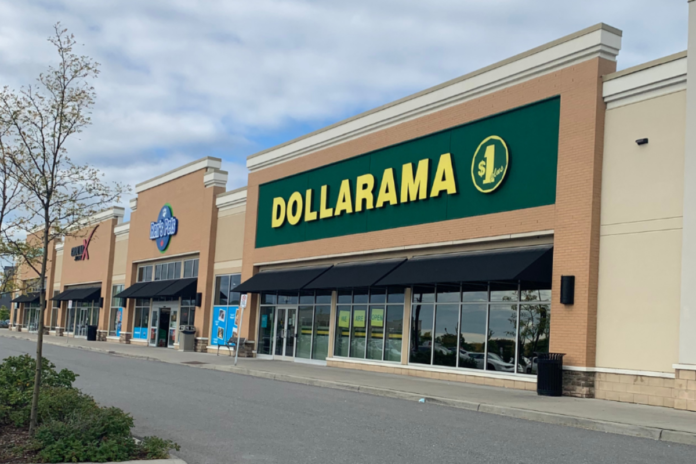
“We are off to a strong start to fiscal 2026 as we successfully pursue our Canadian growth, with comparable store sales supported by sustained consumables demand and positive seasonal offering performance. Dollarcity also continued to deliver value and advance its expansion plans, with the first stores in Mexico slated to open imminently,” said Neil Rossy, President and CEO.
Neil Rossy
“With The Reject Shop shareholders set to vote later this month, our acquisition of Australia’s largest discount retailer remains on track and is expected to close by the end of July. We’re excited to begin this new chapter of growth, while staying focused on our core Canadian business and Dollarcity partnership.”
Fiscal 2026 First Quarter Results Highlights Compared to Fiscal 2025 First Quarter
Sales increased by 8.2% to $1,521.2 million, compared to $1,405.8 million
Comparable store sales increased by 4.9%, over and above 5.6% growth in the corresponding period of the previous year
EBITDA increased by 18.8% to $496.2 million, representing an EBITDA margin of 32.6%, compared to 29.7%
Operating income increased by 20.7% to $388.8 million, representing an operating margin of 25.6%, compared to 22.9%
Net earnings increased by 26.9% to $273.8 million, resulting in a 27.3% increase in diluted net earnings per common share to $0.98, compared to $0.77
Unrealized gain of $10.4 million relating to the derivative on our equity-accounted investment, positively impacting EBITDA margin by 70 basis points and diluted net earnings per common shares by $0.03
22 net new stores opened, compared to 18 net new stores
Founded in 1992 and headquartered in Montréal, Dollarama is a recognized Canadian value retailer offering a broad assortment of consumable products, general merchandise and seasonal items both in-store and online. With stores in all Canadian provinces and two territories, its 1,638 locations across Canada provide customers with compelling value in convenient locations, including metropolitan areas, mid-sized cities and small towns.
Dollarama also owns a 60.1% interest in Dollarcity, a growing Latin American value retailer. Dollarcity offers a broad assortment of consumable products, general merchandise and seasonal items at select, fixed price points up to US$4.00 (or the equivalent in local currency) in 644 conveniently located stores in Colombia, Guatemala, El Salvador and Peru.
During its first quarter ended March 31, 2025, Dollarcity opened 12 net new stores, compared to 15 net new stores in the same period last year. As at March 31, 2025, Dollarcity had a total of 644 stores, with 377 locations in Colombia, 109 in Guatemala, 77 in El Salvador and 81 in Peru. This compares to 632 stores as at December 31, 2024, said Dollarama.
Also on Wednesday, Dollarama published its fiscal 2025 ESG Report available for download in the Sustainability section of its corporate website.
The team at Second Cup Canada, Metrolinx and members of the community celebrate the opening of a Second Cup location at Kipling GO Transit Bus Terminal in Etobicoke, Ontario, June 5, 2025. Photo credit: Kevin Chaves
Second Cup Café, one of Canada’s leading specialty coffee retailers, has officially opened its latest location at the busy Kipling GO Transit Bus Terminal in Toronto’s Etobicoke area. The new café marks the 179th location for Second Cup in Canada, highlighting the brand’s continued growth under its parent company, Foodtastic.
The grand opening celebration, held on June 5, attracted more than 100 customers eager to visit the new location. Patrons were treated to complimentary hot and cold beverage samples, baked goods, and coupons for future purchases. In addition, Second Cup offered a 15% discount on all items throughout the grand opening day as part of its community engagement efforts.
“The Kipling GO Transit Bus Terminal Second Cup kiosk is a perfect example of how we’re evolving to meet the needs of modern commuters—combining convenience, quality, and a fresh new design to deliver an elevated coffee experience on the go,” said Cendrine Lavigne, Marketing Director of Second Cup. “We’re excited to serve great coffee and be a part of the daily routines of thousands of people passing through Kipling GO Transit Bus Terminal each day.”
Serving Busy Commuters in a Growing Neighbourhood
The new Second Cup café occupies more than 500 square feet inside the transit hub, strategically located to serve both daily commuters and nearby residents. The Kipling GO Transit Bus Terminal functions as a key interchange connecting Toronto’s TTC subway system at the western terminus of the Bloor Line with the MiWay bus system serving Mississauga. The station is also surrounded by growing residential condominium developments, office towers, and quick-service restaurants, making it an increasingly vibrant mixed-use district in Etobicoke.
The Kipling location now joins five other Second Cup cafés already operating in the Etobicoke area, further strengthening the brand’s footprint in the west end of Toronto.
The new location is owned and operated by seasoned Second Cup franchisees Kartik Behl, Gemma Behl, and Harry Sidhu. Together, the partners now manage a total of nine Second Cup locations across the Greater Toronto Area, including cafés at the University of Toronto St. George campus, Commerce Court in Toronto’s financial district, and Heartland in Mississauga. Their growing portfolio reflects Foodtastic’s franchise-driven expansion model that has become central to Second Cup’s growth strategy in recent years.
A Canadian Coffee Brand with Deep Roots
Second Cup Café was founded in August 1975 by Tom Culligan and Frank O’Dea, who opened their first kiosk in a Toronto shopping mall. Originally offering six blends of whole-bean coffee, Second Cup grew to become one of Canada’s most recognizable specialty coffee brands. Over the decades, the company expanded its menu offerings to include a broad range of espresso-based beverages, teas, baked goods, and light food items, while emphasizing sustainability and ethical sourcing.
In March 2025, Second Cup celebrated its 50th anniversary, marking a half-century as a fixture of Canadian café culture. That milestone came amid significant growth under the stewardship of its current parent company.
Metrolinx Kipling Mobility Hub. Photo: Strasman Architects Inc.
Foodtastic’s Acquisition and Growth Strategy
Second Cup’s parent company, Quebec-based Foodtastic Inc., acquired the brand in 2021. On February 8, 2021, Aegis Brands, then the parent of Second Cup, signed a definitive agreement to sell “substantially all of the assets” of Second Cup to Foodtastic for approximately $14 million CAD in cash, subject to adjustments. The sale formally closed on April 26, 2021, with net proceeds to Aegis totalling approximately $12 million CAD after customary adjustments. An earn-out tied to royalties from newly opened cafés was also included in the deal structure.
At the time of the transaction, Foodtastic CEO Peter Mammas emphasized the company’s plan to revitalize the Second Cup brand and expand its national footprint. “We see Second Cup as a quality Canadian brand with growth potential,” Mammas said when the deal was announced. “Our goal is to position Second Cup for long-term growth with an enhanced premium-coffee focus.”
The purchase was part of Foodtastic’s larger strategy of acquiring and growing established Canadian foodservice brands with scalable franchising models.
Second Cup Now Foodtastic’s Top Performer
Since the acquisition, Second Cup has become one of the strongest-performing brands in Foodtastic’s diverse portfolio. In an April 2025 interview with Retail Insider, Mammas stated that Second Cup had emerged as Foodtastic’s best-performing banner. At that time, more than 20 new Second Cup locations were in the pipeline, including the recently opened Kipling GO Terminal café.
Foodtastic now operates more than 1,200 franchised restaurant locations across Canada with 22 different banners, including brands such as Freshii, Quesada, Pita Pit, Milestones, and several others. The Montreal-based company has aggressively grown its portfolio in recent years through a combination of acquisitions and organic expansion, with Second Cup playing a key role in its ongoing growth strategy.
Strategic Partnerships with Transit Authorities
The new Kipling location reflects Second Cup’s broader approach of situating cafés in high-traffic areas such as transit hubs, office complexes, and mixed-use developments. The partnership with Metrolinx, the Ontario government agency responsible for regional transportation in the Greater Toronto and Hamilton Area, allowed Second Cup to secure prime retail space inside the newly redeveloped Kipling GO Transit Bus Terminal.
Metrolinx continues to oversee major transportation infrastructure investments across the Greater Golden Horseshoe region, including GO Transit, UP Express, and the PRESTO fare system. Its ongoing work to modernize transportation hubs has created new opportunities for retailers like Second Cup to access large volumes of daily commuters seeking convenient, high-quality food and beverage options while in transit.
A Continued Focus on Growth
Second Cup’s opening at Kipling is part of Foodtastic’s larger plan to grow the brand domestically. The continued rollout of new cafés, including locations in commuter hubs, suburban plazas, university campuses, and office complexes, signals that Second Cup remains an important player in Canada’s competitive specialty coffee market. As consumers increasingly seek convenience combined with premium offerings, Second Cup is positioning itself to meet that demand while maintaining its Canadian roots.
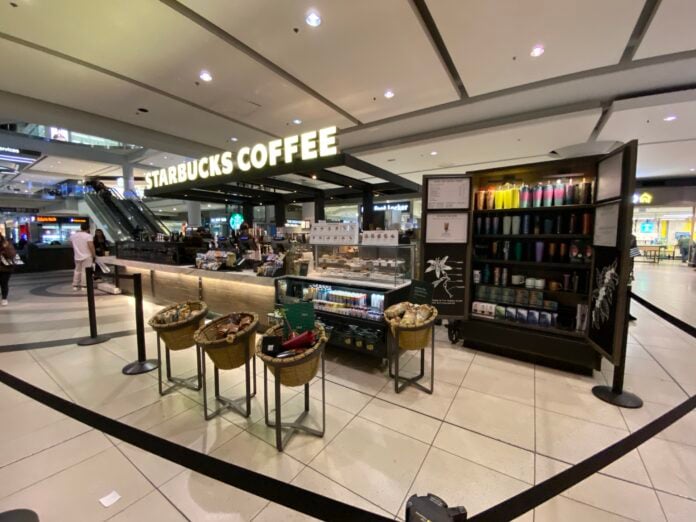
Starbucks Coffee Company at CF Toronto Eaton Centre (Image: Dustin Fuhs)
This week, Starbucks is hosting over 14,000 coffeehouse leaders from across North America at Leadership Experience 2025 (LE25) in Las Vegas—its largest leadership gathering ever and the first under chairman and CEO Brian Niccol and COO Mike Grams.
Brian Niccol
“Getting ‘Back to Starbucks’ means refocusing on what has always set us apart — a welcoming coffeehouse where people gather, and where we serve the finest coffee, handcrafted by our skilled baristas,” said Niccol.
“We are bringing together our coffeehouse leaders from across North America to celebrate, empower and equip them to accelerate our transformation. The coffeehouse experience defines the Starbucks brand, and these leaders and their teams bring that experience to life for millions of customers every day.”
A New Era of Leadership and Customer Experience
Starbucks said LE25 is an important milestone for the company. Over three days, coffeehouse leaders will engage in immersive workshops, connect over new ways of working, hear directly from company leaders, and experience the first-ever Starbucks Global Barista Championship, celebrating craft, connection, excellence at its best.
“The event will accelerate Starbucks turnaround—centered on exceptional service, simplified routines, and deeper customer connections. Leaders will explore new innovations, clearer customer service standards, and a renewed focus on hospitality, including a goal of four-minute wait times – without compromising the warmth and connection that define the Starbucks Experience,” it said.
Mike Grams
“This isn’t just a reset—it’s a recommitment to who we are when we are at our best,” said Grams.
“LE25 is our moment to recommit to a culture of hospitality and excellence. We’re making progress, have real momentum with our “Back to Starbucks” plan and are on the right track to turn the business around.”
Since launching its Back to Starbucks strategy nine months ago, the coffee powerhouse said customers are already feeling the difference, with welcoming spaces, more confident baristas, faster service, and the return of small but meaningful touches like ceramic mugs, handwritten notes on cups, a more consistent dress code, and a much-loved customer favourite: the condiment bar.
“Our turnaround is rooted in listening—to partners and customers—and taking action on what we hear,” added Grams. “We’re listening and testing in the coffeehouse, and then applying our learnings to scale quickly and enhance the customer and partner experience.”
Leading with Partners, Winning with Customers
Starbucks said it continues to be a leader in partner (employee) care, offering competitive pay and industry-leading benefits such as a recently launched paid parental leave top-up benefit for all eligible Canadian store partners, equity in the form of stock, $5,000 in mental health benefits for eligible partners and more. Additionally, as part of its focus on making Starbucks the best job in retail, the company has established a goal to hire 90% of retail leaders from within, fostering a culture of growth and opportunity.
“We believe a great partner experience fuels the customer experience,” said Grams. “We always have more work to do, but our partners are rallying behind Back to Starbucks and telling us they like what they see. When our partners feel supported, our customers notice the difference too.”
Photo from Starbucks website
Coffee and Craft Take Center Stage
LE25 kicked off Monday with Starbucks largest-ever coffee tasting, featuring a first taste of the new Starbucks 1971 Roast™, available in the U.S. and Canada this Winter. The company is also celebrating the impact of its investment in the Global Farmer Fund, supporting long-term sustainability across Origin communities.
LE25 will also spotlight the first-ever Starbucks Global Barista Championship— a celebration of Starbucks baristas who embody the company’s commitment to community, connection and craft. Over the three-day competition, 12 baristas from around the world will showcase their coffee passion and expertise through a variety of skills and knowledge-based competitions.
“We’re returning to what made us iconic: handcrafted coffee, human connection, and a relentless focus on excellence,” said Niccol. “We’re reigniting the soul of Starbucks, together.”
Retail Insider is streamlining its Canadian retail news from around the web to include a handful of top news stories that can be viewed quickly during the day. Here are the top stories from the 24 hours.
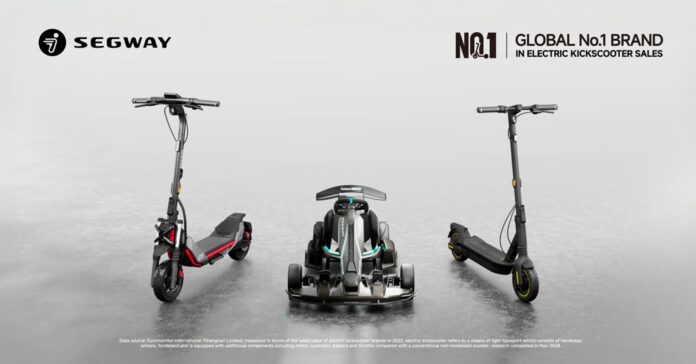
Segway, recently named No. 1 in global electric kick-scooter (eKickScooter) sales with more than 13 million sold worldwide, announced Tuesday the launch of its upgraded official online store in Canada at https://store-ca.segway.com/.
This upgrade marks a significant milestone in Segway’s continued global expansion, offering Canadian consumers an enhanced shopping experience with more product options and exclusive offers, said the company.
The refreshed Canadian online store features a more intuitive design and improved navigation, making it easier than ever for customers to browse and purchase Segway’s popular electric scooters and other innovative micromobility solutions. This redesign aims to serve Canadian consumers seeking innovative and more sustainable methods of transportation, added Segway.
Tom Hébert
“At Segway, we are committed to providing all consumers with a wide variety of value-driven, premium micromobility solutions, along with an exceptional shopping experience,” said Tom Hébert, VP of sales at Segway.
“Our upgraded online store reflects our ongoing dedication to supporting the growing demand for innovative and alternative transportation methods across Canada. We’re excited to better serve our loyal customers and spread the Segway smile to even more individuals and families throughout this great country.”
The upgraded Canadian webstore will also feature products not previously available directly from Segway in Canada, including the Max G3, ZT3 Proand GT3 electric scooters.
Segway is offering exclusive online giveaways and limited-time sales events, featuring top-selling models and special deals, including a chance to win a ZT3 Pro all-terrain electric scooter and savings of up to 50 percent off MSRP.
“Alongside the upgraded online store, Canadian consumers can purchase Segway products through a variety of trusted partners, including Best Buy Canada, Canadian Tire and Amazon.ca. Currently, Segway’s latest third-generation electric commuter scooter — the F3 Pro, which combines efficiency, convenience, and comfort to create the ultimate everyday ride — is available exclusively at Best Buy Canada,” said the company.
“Segway transformed micromobility in 1999 with the revolutionary Personal Transporter, igniting global curiosity about the future of personal transportation. With a mission of “Simply Moving,” Segway is dedicated to simplifying how people and goods move, improving efficiency and enhancing the overall experience of everyday life. For decades, Segway has continuously set new benchmarks in short-distance transportation and consumer robotics, constantly pushing the boundaries of innovation. Today, as the global leader in micromobility solutions, Segway’s offerings have evolved far beyond its origins. From e-scooters and GoKarts to e-bikes, powersports vehicles and personal robots, Segway is pioneering the future of mobility with breakthrough technology, delivering innovative products that redefine the way we move.”
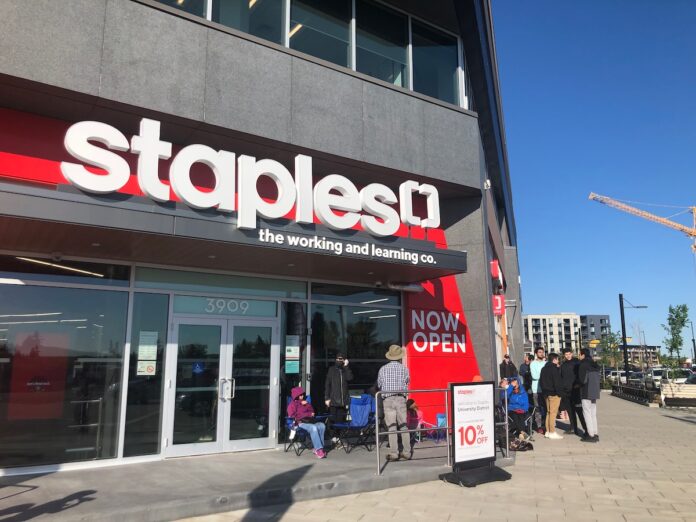
Over the past 20 years, Staples’ focus on corporate citizenship has included ambitious recycling and sustainability goals, supporting equity programs in communities across Canada, and providing educational resources to students in need, said the company.
Rachel Huckle
“At Staples Canada, our commitment to community impact extends beyond promises – it’s a continuous effort to create meaningful change in the communities we serve through our focus on environmental sustainability, equity, and education,” said Rachel Huckle, CEO, Staples Canada.
“We’re proud to have achieved three of our seven sustainability goals ahead of target, of raising more than $2.3 million for our Even The Odds initiative for health equity in our country, and for providing more than $900,000 in support to students through our annual School Supply Drive program. These milestones reflect our dedication to empowering Canadians and building stronger communities.”
Environment: Solutions That Will Never Go to Waste As part of its ongoing environmental efforts, Staples outlined its Goals for a Greener Future in 2020, “a set of bold sustainability targets to achieve by 2025.” The report highlights its progress, including:
10.1 million writing instruments recycled: As Canada’s sole provider of writing instrument recycling, in partnership with TerraCycle, since 2012, Staples has successfully diverted more than 10 million writing instruments from landfills, surpassing its 2025 goal of 8 million units.
938,000 kilograms of used batteries recycled: Through its partnership with Call2Recycle, Staples has exceeded its goal of 750,000 kilograms, earning the 2024 Leader in Sustainability Award for the fifth consecutive year.
8 million units of ink and toner cartridges recycled: Staples partners with HP and eCycle solutions to recycle ink and toner cartridges, achieving 94% of its goal to recycle 8.5 million units by 2025.
10.6 million tonnes of electronics recycled: In partnership with eCycle Solutions, Staples has diverted 10.6 million tonnes of electronics from landfills, exceeding 78% of its goal of 13.5 million tonnes by 2025.
Reducing Carbon Emissions with Renewable Energy, EV Fleet and Tree Planting
Staples said it is committed to reducing carbon emissions through key initiatives, including powering its facilities with 100% clean, renewable electricity from Bullfrog Power, making Staples the top retailer for Bullfrog Power in Canada. In 2024, its Electric Vehicle fleet helped reduce CO2 equivalents by more than 3,674 kilograms, with plans to expand. Staples also celebrated its 17-year partnership with Tree Canada and has planted nearly 250,000 trees, supporting community greening projects across the country.
Supporting Canadians with Free Recycling Solutions
“Staples is dedicated to making an impact in communities across the country, offering more than 2,500 eco-friendly products in-store and online, free in-store recycling programs, and renewable energy solutions powering its stores and supply chain operations. Its 298 store locations across Canada offer a variety of free recycling solutions for customers, which include: Ink and Toner Recycling, Electronics Recycling, Writing Instrument Recycling, Battery Recycling, and Secure Shredding Services, as well as Nespresso Pod Recycling at select locations,” it said.
Equity: Making the Future Fair for Everyone
In 2024, Staples’ Even The Odds partnership with MAP, Canada’s largest health equity research centre, raised more than $2.3 million to help fund research and community solutions across Canada. The company said the initiative addresses three key areas:
Ending Chronic Homelessness: The Navigator Program helps unhoused patients recover after hospitalization by connecting them with healthcare and social services.
Creating Healthy Starts for Kids: The APPLE Schools program helps elementary students in underserved communities develop healthy habits that last a lifetime.
Improving Access to Care and Disease Prevention: Programs like Our Healthbox provide free health supplies to communities in the Maritimes, and the Healthy Food Prescription program supports low-income patients living with diabetes.
Education: Unlocking Potential through Learning
“Staples raised more than $900,000 through its annual School Supply Drive to support students across Canda. Working with partners United Way/Centraide and Kiwanis Club, this initiative helps eliminate barriers to education for children in Canada. The company also invested in educational opportunities for its associates through programs like Lead Forward leadership development, online learning resources, and its Associate Scholarship Awards, which granted 23 academic scholarships valued at $1,000 each to associates and their families in 2024, it said.
To view Staples’ full Community Impact and Sustainability report, visit staples.ca/environment.
Canada’s Greenest Employer for 2025
“Staples Canada was recognized for its leadership in sustainability and commitment to environmental responsibility. From energy efficiency and waste reduction to decarbonization, their strategy touches many aspects of the business. Through in-store recycling, renewable energy partnerships, and carbon reduction initiatives, Staples is reducing their footprint—and helping customers and communities make a positive impact,” explained the retailer, which has a network of 298 stores across Canada.
Home Hardware Strengthens Support to Canadian Farmers (CNW Group/Home Hardware Stores Limited)
In response to a current gap in farm product availability in Canada, Home Hardware Stores Limited said Tuesday it is stepping up to support agricultural communities across the country.
Recognizing the vital role farmers play in communities from coast to coast, Home Hardware Stores Limited said it is dedicated to providing additional access to products such as livestock feed, equipment, tools and essential supplies. Home currently offers a variety of items available in the farming category and will be introducing a significant number of additional products to the assortment, ensuring that Canadian farmers have reliable access to the resources they need to succeed.
“Home is launching a Farm Assortment Catalogue on June 19, 2025 to highlight existing agricultural products, as well as new items being added to the lineup. Home has been hard at work to source the best farm items in the country which range from livestock feed, stall mats, fencing, feed pans, buckets, welding wire, farming attire and more. In addition to this, Home’s eCommerce team has added a Farming Supplies page to the website to ensure products are accessible to Canadian farmers shopping online,” it said.
Scott Bennett
“Our teams have been working with rural Home Dealers and suppliers to identify the current gaps in the market,” said Scott Bennett, Director of Merchandise Strategy & Execution, Home Hardware Stores Limited. “The expanded farm assortment complements the other products we offer at our Home stores including housewares, power tools, welding and more. Our goal is to ensure Canadians have access to the tools they need to sustain their communities for the long term.”
Through an expanded product selection and deeper engagement with local agricultural communities, Home is delivering expert service, advice, and quality products, reinforcing its commitment to serve customers from coast to coast, said Home Hardware, which was founded 60 years ago in St. Jacobs, Ontario.
Home Hardware Stores Limited is Canadian and the country’s largest Dealer-owned and operated home improvement retailer with more than 1,000 stores operating under the Home Hardware, Home Building Centre, Home Hardware Building Centre and Home Furniture banners.
Convenience is king and pets are royalty. Skip announced Tuesday it is raising the bar in the pet world with a national partnership with leading omni-channel pet retailer, PetSmart.
Canadians can now order over 15,000 PetSmart products directly on Skip, ranging from premium food and litter to toys and accessories, all from the comfort of their home.
“This partnership marks a significant step in Skip’s evolution into everyday retail, building on last year’s brand relaunch, dropping TheDishes, and reinforcing its role as the country’s go-to destination for daily convenience. By offering PetSmart products on demand, Skip expands its range of essentials while deepening its commitment to making life more convenient for Canadians. Reinforcing the network’s growing selection, Skip’s latest ad spot features Jon Hamm wandering through a store, jokingly telling another shopper he “shoulda skipped it” after seeing him struggle with a large bag of pet food, a humorous nod to Skip’s convenience,” said Skip.
Paul Sudarsan
“Partnering with PetSmart is a big move in Skip’s mission to become Canadians’ go-to destination for everyday convenience,” says Paul Sudarsan, VP of Retail and New Verticals. “We’re creating a retail experience where getting what you need, whether it’s dinner, groceries, or dog food, is fast, easy, and hassle-free.”
Customers across the country can now order PetSmart products directly through the app or on skipcanada.com.
To celebrate the launch, the company will be rolling out a bright orange mobile pet inspired truck for a two-day city-wide tour of Toronto. Pet owners and their furry friends will be invited to visit the ‘good boi’ on wheels to snag co-branded pet essentials from toys to treats and everything in between, as well as exclusive promo codes. Skip+ members who visit the puppy-themed truck plus anyone who signs up on the spot will be entered to win gift cards and a private photoshoot for their pet, it said.
The truck will make its first appearance at Lakeshore Boulevard Parklands in Toronto on June 14 at 10 a.m. (1389 Lake Shore Blvd W).
IKEA Canada announced Tuesday it has transformed its rewards from IKEA Family into a more innovative loyalty program that offers members a personalized experience tailored to their unique home furnishing needs.
“Rewards from IKEA Family supports members throughout their entire journey, from dreaming, to planning, to bringing ideas to life in their homes. Members can now collect points, symbolized by the iconic Allen key, whenever they interact and shop with IKEA. These points can be redeemed for a variety of valuable rewards, including product discounts, delivery and assembly services, and even free food in the Swedish Restaurant,” said the retailer.
De’ana Torresan
“At IKEA Canada, we believe in fostering genuinely rewarding and personalized relationships with our IKEA Family members,” said De’ana Torresan, Customer Engagement & Loyalty Manager at IKEA Canada. “With over 5.8 million members in Canada, these are our most engaged and loyal customers. We want to enhance their shopping journey by recognizing and rewarding them every time they interact and shop with us.”
The program is free to join and allows members to earn points and unlock a variety of rewards – not only for their purchases, but also for the interactions they have, both online and in-store, said the company.
Members can earn or collect the following points:
One point for every $5 spent in-store or online
One point when logging into the profile on IKEA.ca or the app
Five welcome points for new members who sign up
Two points when creating and saving a favourites list or gift registry
20 points when creating and saving a kitchen plan in the online planning tool
25 points when booking and attending a planning appointment
Jonelle Ricketts
“Loyalty programs continue to inspire more frequent brand interactions, influence customer behaviour, and play a crucial role in supporting affordability,” said Jonelle Ricketts, Head of Marketing at IKEA Canada. “By offering personalized rewards and discounts, rewards from IKEA Family not only fosters brand loyalty but also makes our customers feel more valued.”
Since launching in Canada in 2012, the program has continually evolved to better serve the many Canadians with enhanced benefits, rewards and engagement opportunities. Along with new rewards, members can continue to enjoy instant benefits such as member discounts, member-only workshops and events, free regular coffee or tea in the Swedish Restaurant, and more, said the retailer.
Founded in 1943 in Sweden, the company is a leading home furnishing retailer, offering a wide range of well-designed, functional home furnishing products. In Canada, it is part of Ingka Group which operates 574 stores, shops and planning studios in 31 countries, including 16 in Canada. Last year, IKEA Canada welcomed 32.6 million visitors to its stores and 162.6 million visitors to IKEA.ca.
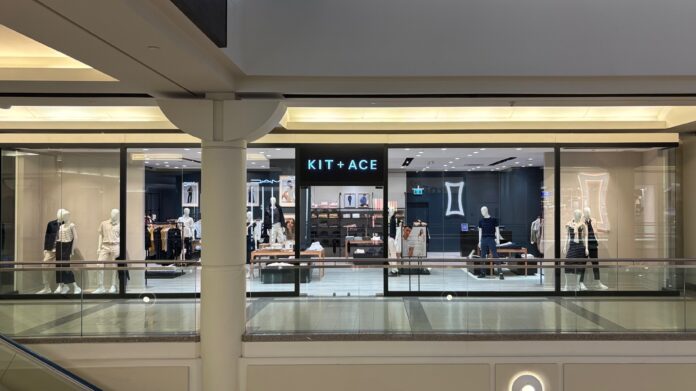
Kit and Ace at Metropolis at Metrotown in Burnaby, BC. Photo: Kit and Ace
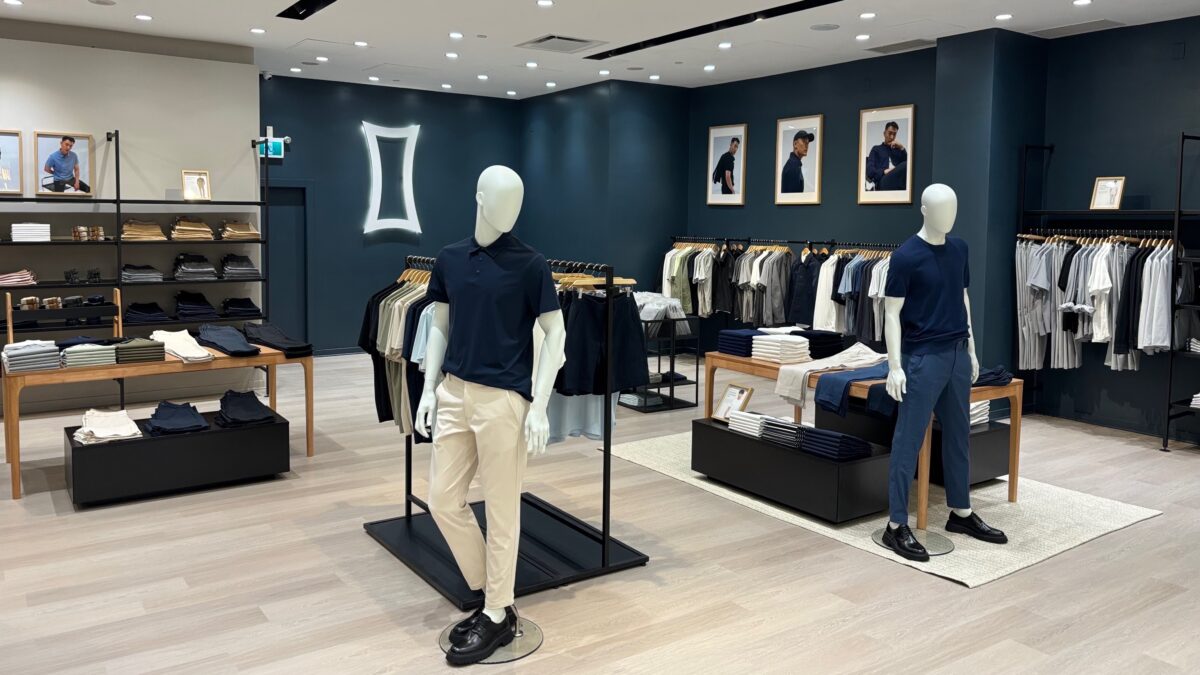
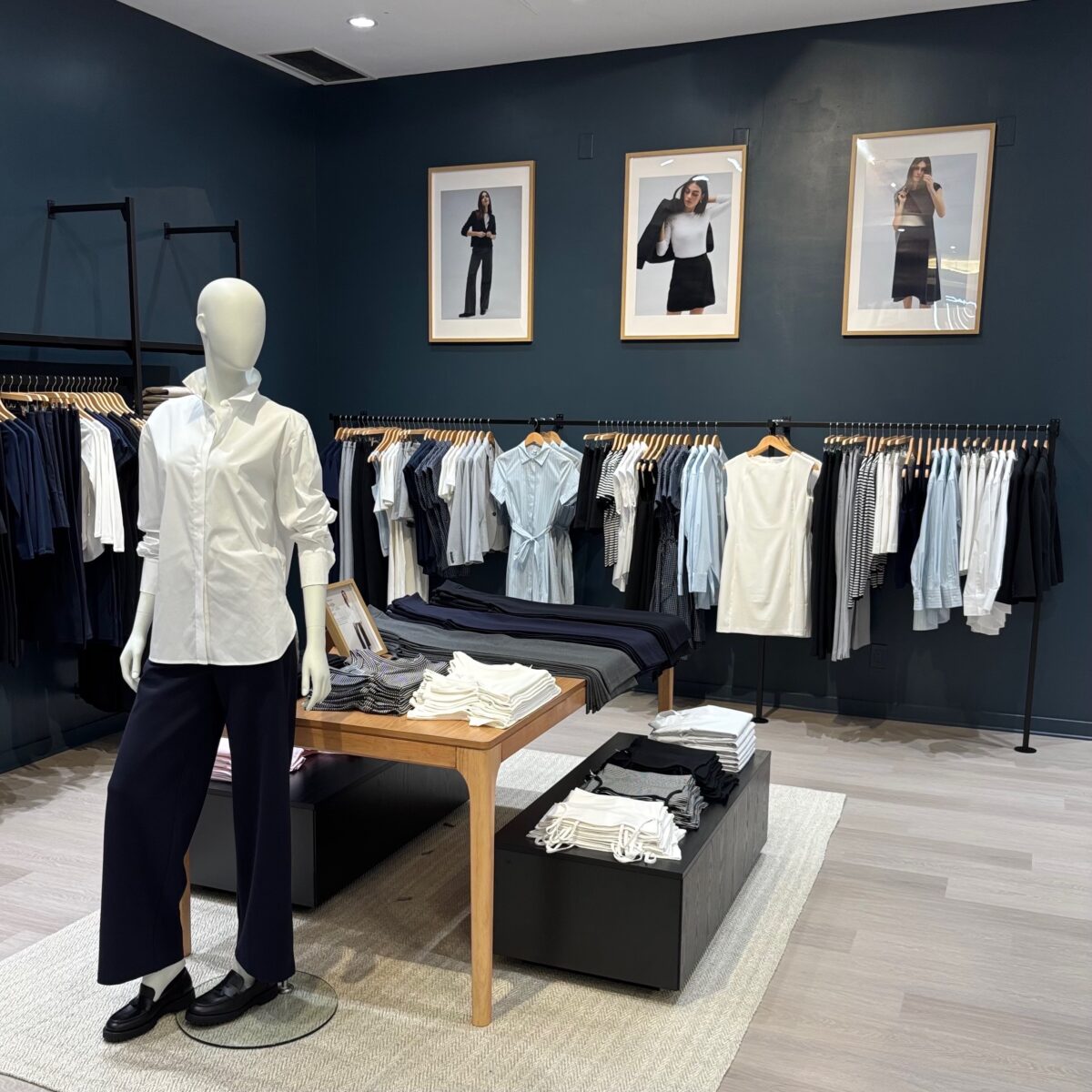
Canadian apparel brand Kit and Ace has opened its newest store at Metropolis at Metrotown in Burnaby, British Columbia. The pop-up marks the 11th store for the growing brand, following closely on the heels of its 10th location, which opened last month at The Well in downtown Toronto. The Burnaby pop-up serves as a test to gauge consumer demand in Metro Vancouver’s largest shopping centre.
Metropolis at Metrotown’s status as British Columbia’s largest shopping centre, and Canada’s third-largest by floor area, provides a significant platform for Kit and Ace as it continues its aggressive expansion plan. The shopping centre spans more than 1.78 million square feet and features over 450 stores and services, drawing high traffic both locally and from the broader Metro Vancouver region.
A Strategic National Expansion Plan
Kit and Ace’s growing footprint is part of a broader national expansion strategy under the leadership of CEO David Lui. Since the brand’s acquisition by Unity Brands Inc. in July 2023, Kit and Ace has embarked on a steady and deliberate growth plan targeting Canada’s top retail nodes. Unity Brands, co-founded by Canadian retail veterans Joe Mimran, Frank Rocchetti, and David Lui, has brought extensive industry experience to the restructured company.
David Lui
The company’s expansion strategy focuses on a blend of high-traffic shopping centres, lifestyle-driven retail nodes, and select urban neighbourhoods. The Burnaby pop-up follows this formula, leveraging Metropolis at Metrotown’s robust foot traffic and connectivity to Greater Vancouver through its direct integration with Metrotown SkyTrain station and the adjacent 24-hour bus exchange.
Store Realignments and Upcoming Openings
Kit and Ace’s expansion efforts are not limited to new store openings but also include relocations and major renovations. At CF Toronto Eaton Centre, the existing third-floor pop-up store will relocate to the former Williams Sonoma space this July, positioning the brand in a more prominent retail location within one of Canada’s highest-traffic malls. That storefront is almost 4,800 square feet, according to Cadillac Fairview lease plans.
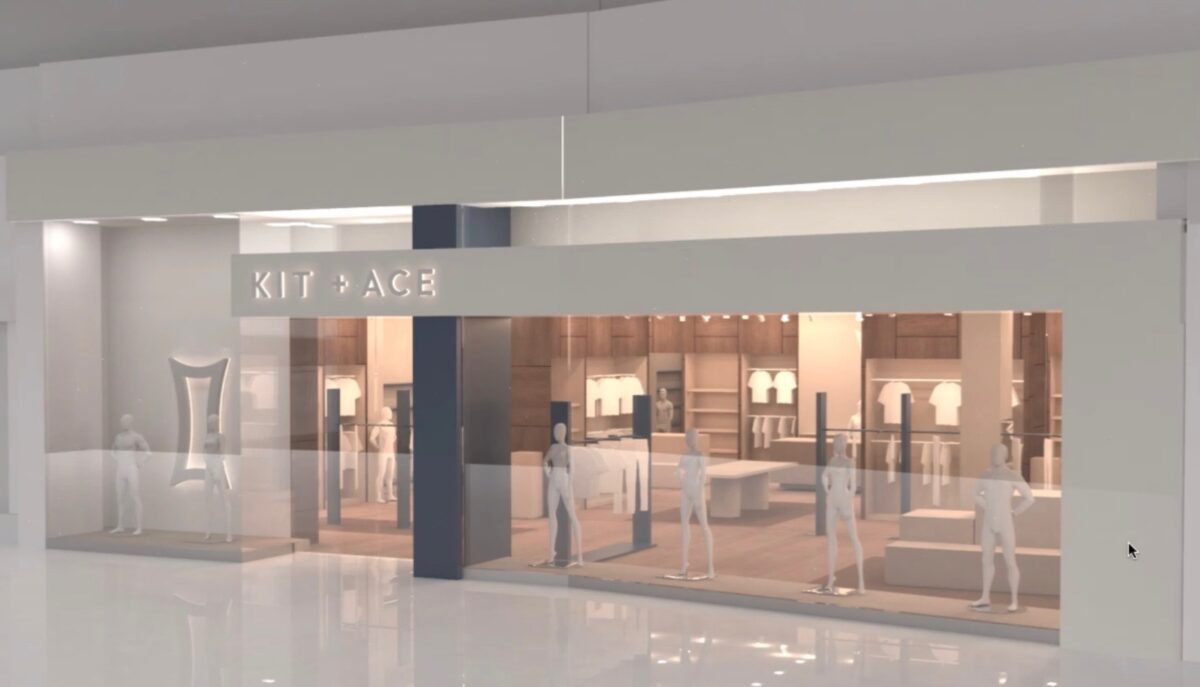
The growth trajectory continues into the fall of 2025, when Kit and Ace plans to open two more locations: one at Bayview Village in Toronto and another at Park Royal in West Vancouver. In Calgary, the Kit and Ace store at CF Market Mall is slated for a full-scale renovation, with renderings already showcasing the updated store design that reflects the brand’s elevated aesthetic.
Kit and Ace at Metropolis at Metrotown in Burnaby, BC. Photo: Kit and Ace
Product Development and Brand Evolution
Alongside store expansion, Kit and Ace is advancing its product strategy through ongoing research and development. New products and categories are expected to launch soon, extending the brand’s offerings and reinforcing its identity of blending performance with luxury.
Since its founding in 2014 by Shannon and JJ Wilson—members of the family behind Lululemon—Kit and Ace has been known for its performance-based essentials designed for urban professionals. While its initial years saw rapid international expansion, the brand underwent significant restructuring following a contraction in 2017. Under its current ownership, Kit and Ace has refocused on Canada, building a more measured and sustainable retail strategy.
Rendering of the updated Kit and Ace at CF Market Mall in Calgary. Image: Kit and Ace
Metropolis at Metrotown: A Key Location for Growth
The choice of Metropolis at Metrotown for Kit and Ace’s latest pop-up aligns with the shopping centre’s continued prominence in British Columbia’s retail landscape. The centre’s extensive tenant mix includes major retailers such as Uniqlo, Zara, Walmart, H&M, Winners/HomeSense, Muji, Sport Chek, Indigo, and the newly closed Hudson’s Bay space, which shuttered on June 1, 2025, along with the remainder of the HBC chain’s department stores.
Originally developed in the mid-1980s on a former Ford Canada site, Metrotown evolved through several major redevelopments and consolidations. The current integrated complex, known as Metropolis at Metrotown, emerged in 2005 through the merging of the original Metrotown Centre, Eaton Centre, and Station Square developments. Today, it serves as a retail, dining, and entertainment hub, complemented by nearby office towers, including the Metrotowers complex.
Direct access to public transit remains one of Metropolis at Metrotown’s competitive advantages. The adjacent Metrotown SkyTrain station (under construction) ranks among the busiest in Metro Vancouver, while the integrated 24-hour bus loop further extends the centre’s accessibility to Burnaby and neighbouring municipalities.
Kit and Ace at Metropolis at Metrotown in Burnaby, BC. Photo: Kit and Ace
Maintaining Vancouver Roots Amid National Growth
While Kit and Ace has made substantial inroads into markets such as Toronto and Calgary, the brand’s home base remains Vancouver, where its first store opened in Gastown in 2014. The Vancouver market remains key to the company’s growth strategy, with strong brand awareness and a loyal customer base that has followed Kit and Ace through its various phases of evolution.
Calgary has also emerged as an important market for Kit and Ace, reflecting the brand’s resonance in multiple Canadian urban centres known for their active professional populations and interest in functional yet stylish apparel.
Looking Ahead: Future Flagship and Continued Expansion
As Kit and Ace continues to build momentum, discussions are ongoing for a permanent flagship location in Toronto, which remains one of the brand’s top-performing markets. Until a flagship site is secured, the company continues to rely on pop-up formats as a nimble and effective way to build brand presence and test various locations.
Through 2025, Kit and Ace is expected to announce additional store openings, further diversifying its presence across Canada with both permanent stores and short-term pop-ups.