

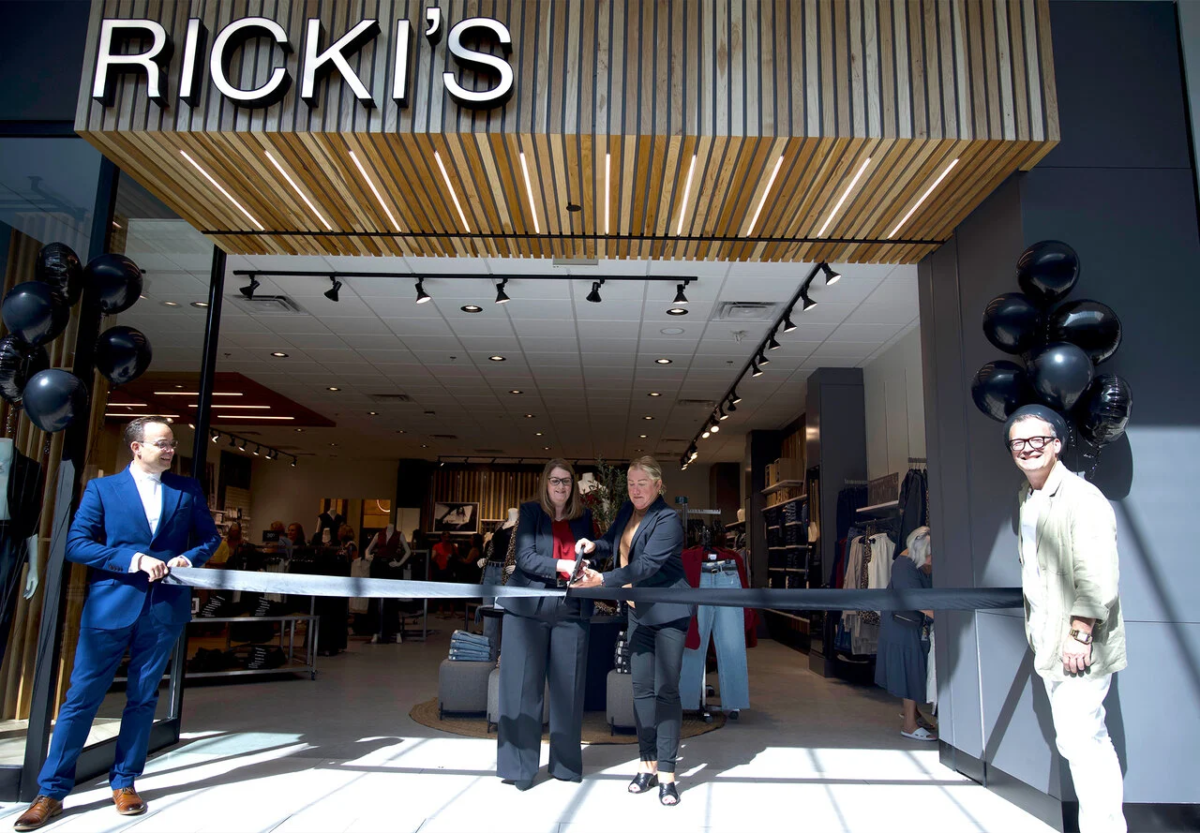
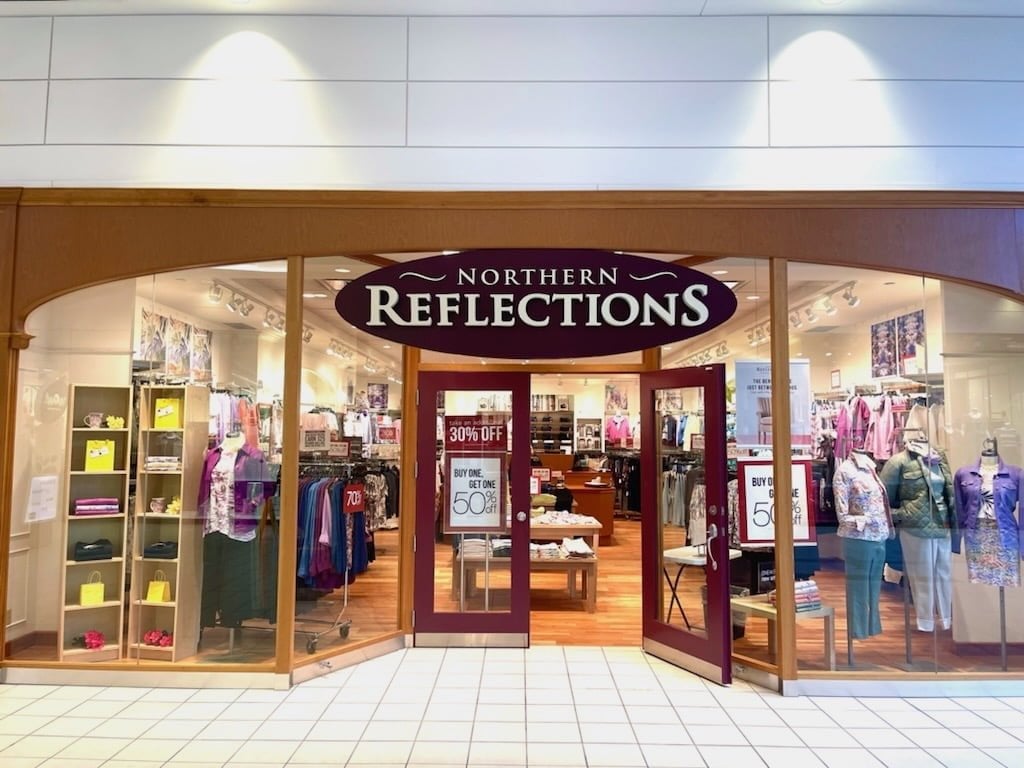
The Canadian women’s apparel market is facing turbulent times, with mid-priced specialty retailers experiencing significant challenges. Recent announcements, such as Comark’s closure of its Ricki’s and Cleo banners and the acquisition of Northern Reflections by Putman Investments, have highlighted the precarious state of this segment.
Randy Harris, founder of Trendex North America, shared his insights on these developments and the broader implications for the industry during an in-depth conversation.
The Mid-Priced Segment: A Shrinking Market
Harris didn’t mince words when discussing the fate of mid-priced women’s retailers, a segment he describes as “in the worst possible position.” He cited economic uncertainty, shifting consumer preferences, and increased competition as compounding factors.

“This niche is shrinking,” Harris stated. “If you’re a mid-priced retailer without a unique brand proposition, there’s no future for you. We see flashes in the pan—brands that rise and disappear within a few years.”
Harris highlighted that many retailers in this segment struggle to differentiate themselves, relying heavily on private-label products without the marketing budgets to build lasting brand recognition. He speculated that Doug Putman, now at the helm of Northern Reflections, would likely slash marketing expenditures to cut costs.
“Marketing is always the first thing to go,” he noted. “But in this segment, it’s essential to stand out.”
Northern Reflections: A Transition Fraught with Challenges
Northern Reflections has attempted to reinvent itself in recent years, shifting away from fleece tops and “cute Christmas sweaters” to a more modern product lineup. However, Harris questioned whether these efforts will yield long-term success.
“They’ve worked to change their image, but it’s still an uphill battle,” he said. “The segment they’re in isn’t growing, and standing out requires substantial investment. It’s hard to see how they’ll achieve sustainable growth.”
Harris predicted that Putman’s immediate focus would be on profitability, likely through closing underperforming stores and cutting costs. “Putman’s strategy will probably involve slashing marketing budgets, which might save money in the short term but won’t help them stand out in a crowded market.”
Erosion of Demand for Dressy Apparel
Another hurdle for women’s specialty retailers lies in evolving consumer behaviour. Harris observed that women in the 40-plus demographic are buying less dressy apparel—a staple for many mid-priced brands.
“The market isn’t growing, and much of the demand is shifting toward casual and practical clothing,” Harris explained. “This leaves retailers like Northern Reflections and their competitors scrambling to adapt.”
He added that the age group traditionally targeted by these retailers is also exploring e-commerce and second-hand options, further fragmenting the market.
The Competitive Landscape: Independent Retailers and Regional Dynamics
While national chains like Ricki’s and Cleo have dominated headlines, Harris pointed out that the Canadian market is dotted with independent retailers, particularly in smaller communities.
“In towns like Red Deer, you’ll find independents catering to this niche,” Harris said. “They’re not in big cities, but they fill a gap with a curated selection of brands. However, these stores face their own challenges in keeping up with changing trends and consumer demands.”
Despite their localized appeal, these independents are under pressure from second-hand retailers and discount chains, which continue to draw budget-conscious consumers. Harris also noted that many independents lack the scale or resources to compete with larger, more established brands.
Second-Hand Retail: A Growing Threat
Harris emphasized that second-hand retailers are gaining traction among budget-conscious consumers, particularly in the women’s mid-priced segment. “Women in the 40-plus demographic are increasingly turning to second-hand options,” he said. “They’re looking for value and variety, which these retailers are offering.”
This trend reflects a broader shift toward sustainability and affordability, which has disrupted traditional retail models. Harris acknowledged that while second-hand shopping isn’t a new phenomenon, its impact on the mid-priced segment has grown significantly in recent years.
E-Commerce: Not the Panacea Many Expected
While e-commerce has surged in popularity across many retail segments, Harris argued that its growth in Canadian apparel has been overestimated.
“People always talk about Lululemon and Aritzia as though they represent the entire market, but they don’t,” Harris said. “The real market is brands like Reitmans, and their e-commerce sales have been down. Even Canada Goose reported a decline in online sales last quarter.”
Harris believes that mid-priced retailers’ reliance on e-commerce to offset in-store losses is unlikely to yield long-term success. “Consumers in this demographic are looking for value, and e-commerce isn’t necessarily delivering that,” he stated.
A Grim Outlook for the Segment
Harris concluded the discussion with a sobering assessment of the mid-priced women’s retail market. “This is an unglamorous niche, and it holds out very little prospect for sustained success,” he said. “Retailers in this segment are under immense pressure, and many will not survive without drastic changes.”
While Harris acknowledged the resilience of independent retailers and the potential for niche players to carve out a loyal customer base, his overall outlook remained cautious. “The facts are the facts,” he said. “This segment faces structural challenges that won’t be resolved overnight.”
He ended with a pragmatic suggestion for survival: “Retailers need to innovate, differentiate, and build a strong understanding of their target audience. Without a unique offering or a clear value proposition, they’re not going to last.”














What this article fails to take note of is the growing popularity of websites like Temu & Shein which are taking business away from retailers like Rickis and Cleo. As a woman of this demographic, I used to do most of my shopping at Rickis. However, in the last two years, most of my clothes come from Temu. All my friends and colleagues who are in the same age range also buy their clothes from Temu or Shein.
That is so interesting! I honestly didn’t know Shien and Temu were carrying similar clothing, and that the Canadian consumer had embraced this — I’ll do more research here because these Chinese marketplaces could actually be negatively impacting Canadian retailers far more than I realized.
Since moving to Canada, Northern Reflections has been my go-to place for flannel pajamas (due to their generous sleeve size and over-all comfort). I avoid supporting Chinese sites and Amazon. This year, by December, the very limited selection of two styles were sold out by December. I hope they can find their way to stay open!
Thank you for this article. It is validating everything that I have been saying for the past few years and we have pivotted at our Port Dover, Ontario businesses to change with the trends, the consumer and what’s happening. I own a new mid-range fashion store which focusses on style, value, quality & keeps prices as low as possible plus I own a gently-used ladies’ fashion boutiques right across the street…not consignment (Second To None) so they can shop at either location to find their perfect style & price point to their liking. I personally curate everything at each of our stores & we pride ourselves on taking care of the consumer. We advertise daily, do events, shows, have a successful online shop and keep our name out there. We plan NOT to be one of the statistics. Thanks again. All the best. Cindy Vanderstar, Owner (here is our website if you’re curious)!! https://cashmereandcobwebs.com/