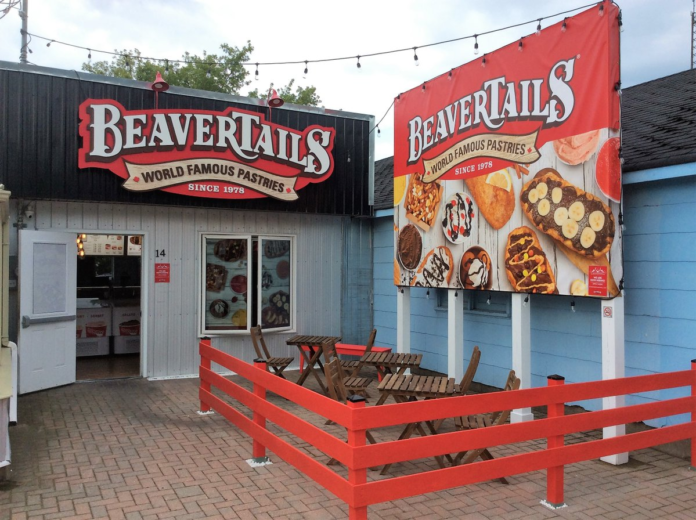
BeaverTails location in Grand Bend, ON. Photo: Tourism Sarnia-Lambton
BeaverTails is inviting their fans to celebrate National BeaverTails Pastry Day, on Friday June 6, a sweet annual tradition that brings communities together over a shared love of iconic indulgence.
From 3 PM to 5 PM, select BeaverTails shops across Canada will be giving away free classic cinnamon & sugar pastries — no purchase required.
“This year’s celebration is about more than just dessert. In partnership with Jack.org, a Canadian’s charity training that works alongside youth to improve mental health outcomes in every province and territory, BeaverTails is encouraging guests to make a voluntary donation at participating locations. Every dollar raised will help support Jack.org’s youth-led initiatives across the country,” said BeaverTails.
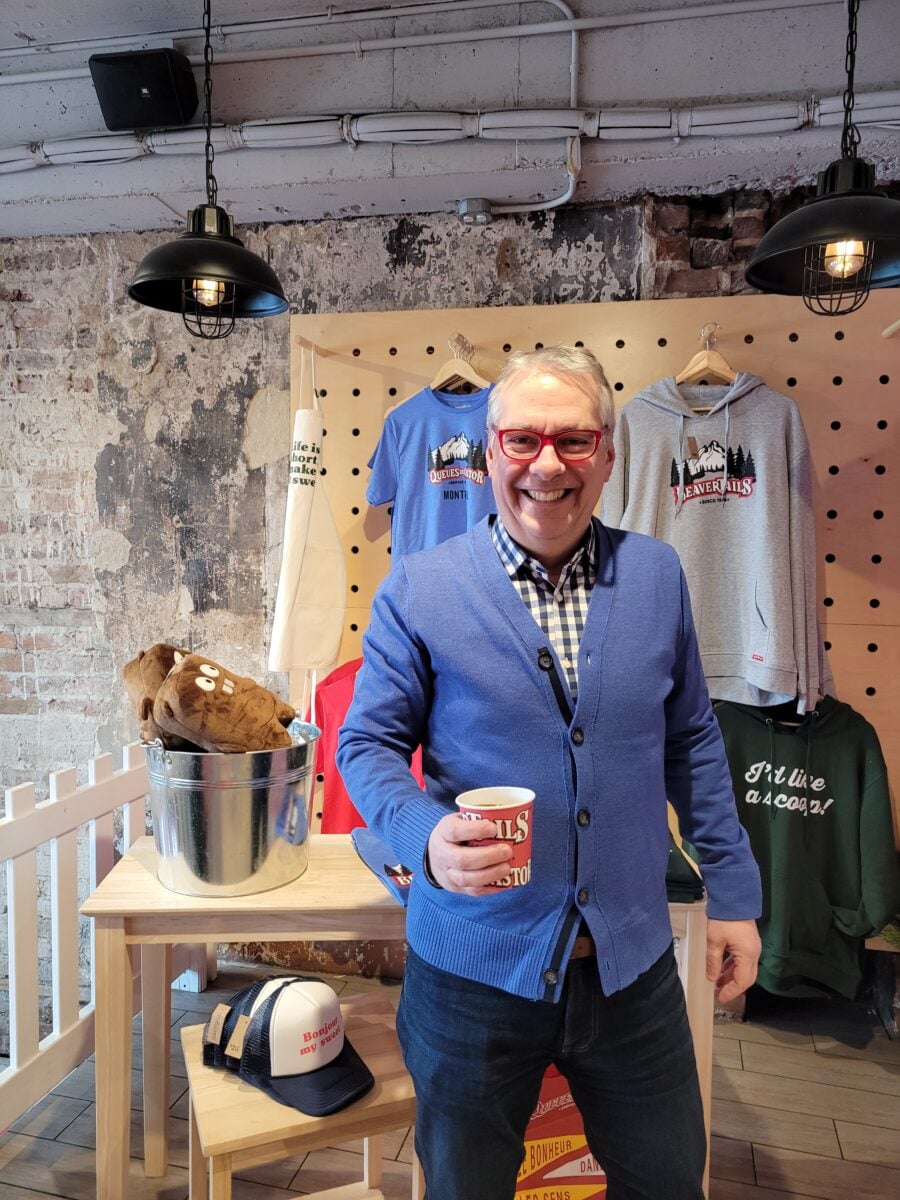
Pino Di Ioia
“BeaverTails has always been about joy, sharing, and community,” said Pino Di Ioia, CEO of BeaverTails Canada Inc. “National BeaverTails Pastry Day is the perfect opportunity to celebrate this community spirit by spreading joy while supporting an organization and a cause we believe in deeply. We are proud to support Jack.org and help raise awareness and funds for youth mental health, a cause that is more important than ever.”
The company said the event marks the beginning of a broader, long-term partnership between BeaverTails and Jack.org.
“As part of its corporate social responsibility efforts, BeaverTails is committed to building meaningful relationships with organizations real impact in the communities that the brand serves. The collaboration with Jack.org will extend beyond National Pastry Day, including a weeklong initiative planned for October 2025, all aimed at supporting youth mental wellness across Canada,” added BeaverTails.
Participating BeaverTails Locations by Province
Province
Store Locations
Alberta
Calgary – 17th Ave Edmonton – 82nd Ave West Edmonton Mall Canmore – Main St Banff – East & West Jasper – Patricia St Waterton Park
British Columbia
White Rock – Marine Drive Victoria – Broughton Whistler – Mountain Square
Manitoba
The Forks National Historic Site
New Brunswick
Saint John Waterfront
Nova Scotia
Halifax Waterfront
Ontario
Amherstburg North Bay Waterfront Peterborough – Chemong Rd Trenton – Homestead Marketplace Waterloo – Boardwalk Toronto – Waterfront Toronto – Premium Outlets Niagara Falls – Clifton Hill Kingston – Market St Huntsville – Main St Sault Ste. Marie – Roberta Bondar Park Grand Bend – Main St Ottawa – Tanger Ottawa – Byward Market Outlet Collection at Niagara Blue Mountain – Village LEAD
Quebec
Old Montreal – De la Commune Old Quebec – St Jean Old Quebec – Petit Champlain Mont-Tremblant – Kandahar (upper) Mont-Tremblant – Curé-Deslauriers (lower) Magog – rue Merry Brossard – DIX30 Mega Parc Montreal Premium Outlets
BeaverTails has been making Canadian artisanal pastries since 1978. Today, there are 195 active establishments in Canada and The United States, as well as international distribution licenses in countries such as France and Qatar. Jack.org is Canada’s largest network of young people supporting young people, offering youth a space to safely learn about mental health, support their peers, seek professional support, and advocate for a future where youth can thrive in mental wellness.
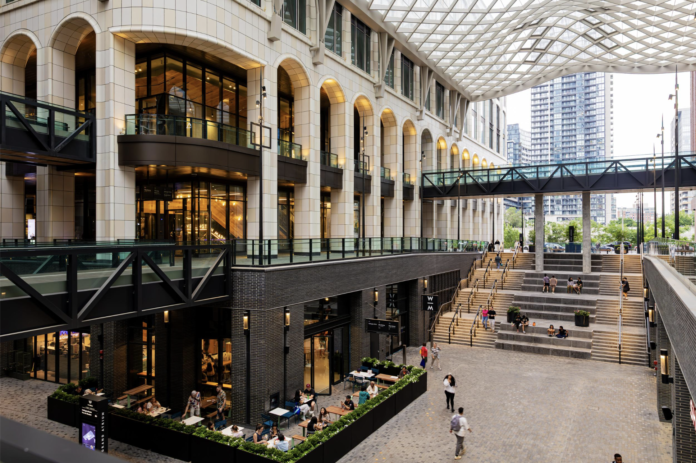
The Well in Toronto. Photo: Hariri Pontarini Architects
President Donald Trump’s administration has put Canada–U.S. relations on edge, and Canadians are finding ways to support local industry as much as possible. The U.S. government’s whipsaw tariff announcements have focused on goods, leaving services trade between Canada and the U.S. largely ignored. However, services are one spot where Canadians can hit back. In 2023, despite a $108.6 billion goods trade surplus with the United States, Canada had a services deficit of $13.8 billion, according to a recent report on the tourism sector by the Conference Board of Canada.
Travel is one of the main areas where Canadians support the U.S. economy much more than Americans support Canada. To put the value in context, in 2023, Canadians spent $26.6 billion on tourism in the U.S. compared to the $12.9 billion Americans spent in Canada, it said.
“If Canadians were to transfer all their U.S. travel dollars to Canada, this would be the upside impact on domestic tourism. In reality, the figure will be much lower. Canadians will still travel to the U.S. for personal and business reasons. Weak business and consumer confidence will also reduce travel spending more broadly, as travel is often discretionary. On net, we still estimate that travel spending in Canada, by Canadians, could increase by up to $10.3 billion this year stemming from this shift in travel preferences. This figure falls to $8.8 billion once the impacts of reduced American travel to Canada is included,” said the report.
Water Street in Vancouver’s Gastown area. Photo
Trends Favour Domestic Travel this Year
The Conference Board said two opposing forces will drive Canadian domestic tourism spending this year. The first is the weak economy. All else being equal, weaker consumer confidence usually translates into weaker travel spending. The second is how Canadians will change their international travel spending patterns. The weak Canadian dollar and recent aggressive stance from the U.S. towards Canada has led to a shift in Canadians’ intentions to travel and spend in the United States.
“Consumer sentiment, a leading indicator for travel spending, is very weak. In March, The Conference Board of Canada’s Index of Consumer Confidence reached a record low, falling below its previous nadir set during the global pandemic. Canadians are concerned about their labour market prospects in the year ahead and generally don’t believe that now is a good time to make major purchases. Under these circumstances, many Canadians will be cautious with discretionary spending,” explained the report.
“Meanwhile, heightened scrutiny while crossing the border into the United States, as well as a new registration requirement for Canadians staying more than 30 days, will discourage Canadian travel to the United States. Along with many European countries, Canada has updated its travel advisories for the U.S. after several instances of prospective entrants to the U.S. being arbitrarily detained or turned away for social media posts.
“As well, the weak Canadian dollar will deter many Canadians from visiting the U.S. Previous research has found that Canadian border crossing volume falls when the Canadian dollar depreciates and this effect becomes more pronounced when the dollar is particularly weak. The dollar remains around 72 cents, which is low compared to long-term historical averages, but is similar to where it was last year, and above lows at the start of this year.”
The Conference Board said the confluence of circumstances has already started to keep Canadians away from the United States. In April, the number of Canadians returning from the U.S. by car and air declined by 18.7 compared to the same month in 2024. This trend is likely to continue.
“The Conference Board of Canada’s Travel Intentions Survey is another indicator showing a shift in behaviour. The survey asks Canadians how likely they are to take an overnight leisure trip to the United States at some time in the next few years. In our April 2025 survey, the share of respondents either very likely or somewhat likely to take a U.S. trip in the next few years fell to 27.1 per cent from 53.2 per cent in our November 2024 survey . This decline is apparent across Canadians in all income brackets. On the other hand, most provinces are reporting increased interest from Canadian tourists,” it said.
Canadians less likely to take an overnight leisure trip to the U.S.
(percentage share of survey respondents, by income bracket)
Source: The Conference Board of Canada
How Much Canadians Spend in the U.S.
In 2023, Canadians spent $26.6 billion while visiting the U.S.—more than in all other countries combined. Adjusting for prices, and assuming no growth in real travel spending, this would translate into approximately $27.7 billion in 2025. Most of this spending happened during trips made for leisure (67.3 per cent) or business (13.4 per cent) purposes. If this travel spending were redirected domestically, this would be an upper bound on the amount we could expect Canada’s tourism sector to benefit. Several caveats apply, however, said the Board.
“Canadians typically spend more per trip when travelling internationally than when travelling domestically. Even as Canadians shift to domestic trips, they will be unlikely to spend as lavishly on these vacations, although there is likely to be a shift in the type of domestic trips being made towards longer and higher cost trips compared to historical norms. Tariffs, weaker near-term economic growth, and a highly uncertain outlook will limit discretionary spending,” it said.
As well, many Canadians will continue to visit the U.S. For example, given the close historical ties between the U.S. and Canada, citizens in both countries maintain links with family and friends across the border. These social visits to friends and relatives will likely continue to a greater degree than leisure and business visits. On balance, however, Canadians are travelling to the U.S. less frequently, which provides an opportunity for Canada’s tourism industry.”
What Could the Economic Benefit Be?
Using data from our Travel Intentions Survey, arrival and expenditure figures, and The Conference Board of Canada’s national economic forecast, the impact of these travel shifts can be quantified. Between April 2023 and 2025, the share of Canadians’ intending to take their longest overnight summer trip in the United States fell from 14.6 per cent to 6.5 per cent. This would imply a $15.4 billion shift in travel spending away from the U.S. in 2025, noted the report.
“However, this total will not necessarily be spent in Canada. Some Canadians avoiding the U.S. will still travel abroad. In April, Canadians returning by air from non-U.S. destinations increased by 9.9 per cent versus 2024. In our April 2025 Travel Intentions Survey, the share of Canadians intending to spend their longest overnight summer trip overseas also increased, which could be interpreted as capturing 22.5 per cent of travel that may have otherwise been bound for the United States. Spending on these overseas trips could account for $3.5 billion of total spending displaced from the United States,” it said.
“Considering the economic turbulence taking place, many Canadians will not take an overnight trip and will either save or spend their discretionary dollars on non-tourism goods and services this year. Based on the decrease in Canadians’ overall travel intentions between April 2023 and April 2025, this loss may absorb approximately $1.6 billion of the potential total. Some of these funds will be spent in Canada, though not necessarily on tourism.
“Based on these survey-backed assumptions, the additional potential tourism spending pool available to Canada’s domestic tourism industry will amount to approximately $10.3 billion. The actual share of this total that will be spent on domestic tourism could be more modest, however, as Canadians have historically spent less on an average domestic trip compared to a trip to the United States. Yet, more Canadians will take their longest overnight summer trip within Canada, boosting domestic tourism spending more than what historical averages of spending per trip would suggest.”
Substantial share of displaced spending could benefit domestic tourism
($ billions)
Source: The Conference Board of Canada
American Tourists are Still Welcome
This extra spending by Canadians could be offset by weaker inbound tourism from the United States. Although Canadian officials have been diligent in aiming trade war rhetoric toward the U.S. administration and not its people, American tourists may not feel welcome in Canada as the relationship between the two countries has deteriorated. In April 2025, land arrivals by U.S. residents to Canada fell by 10.7 per cent year-over-year while air arrivals fell by 5.5 per cent. The economic turbulence in store for the U.S. economy (which contracted in the first quarter of 2025) will also dampen inbound tourism spending, said the Conference Board.
“Given that Canadians are avoiding travel more than the other way around, and that Canadians also spend twice as much in the U.S. as Americans do here, the net benefit will be positive for Canada. If the annual decline in U.S. arrivals to Canada averages the drop in same-day and overnight travel reported in April, this would account for approximately $1.5 billion in lost U.S. spending. This would leave a net benefit to Canadian tourism as large as $8.8 billion. Remaining welcoming to prospective U.S. visitors will be important to maintaining visitor flows from Canada’s largest international tourism source market and maximizing the benefits of the shift in Canadian travel intentions.”
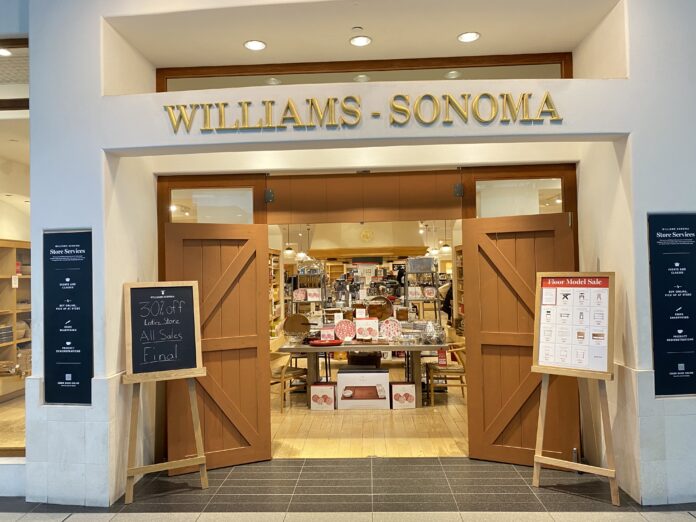
Williams Sonoma Closing at CF Toronto Eaton Centre (Image: Dustin Fuhs)
Affirm, the payment network that “empowers consumers and helps merchants drive growth”, has announced the expansion of its partnership with Williams-Sonoma, Inc. into Canada.
This builds on the companies’ multi-year partnership in the U.S. and brings Affirm to Canadians shopping at Williams-Sonoma, Inc.’s family of brands including Williams Sonoma, West Elm, Pottery Barn, Pottery Barn Teen, Pottery Barn Kids, and Mark & Graham, said the company in a news release.
Whether shopping for a sofa at their local West Elm or furnishing a new nursery with Pottery Barn Kids, approved Canadian shoppers can now split their purchases into monthly payments with Affirm. The process is simple: after selecting Affirm at checkout, consumers go through a quick, real-time eligibility check. If approved, they can choose the customized payment plan that best suits their needs and rest assured that they will never pay any late or hidden fees, it said.
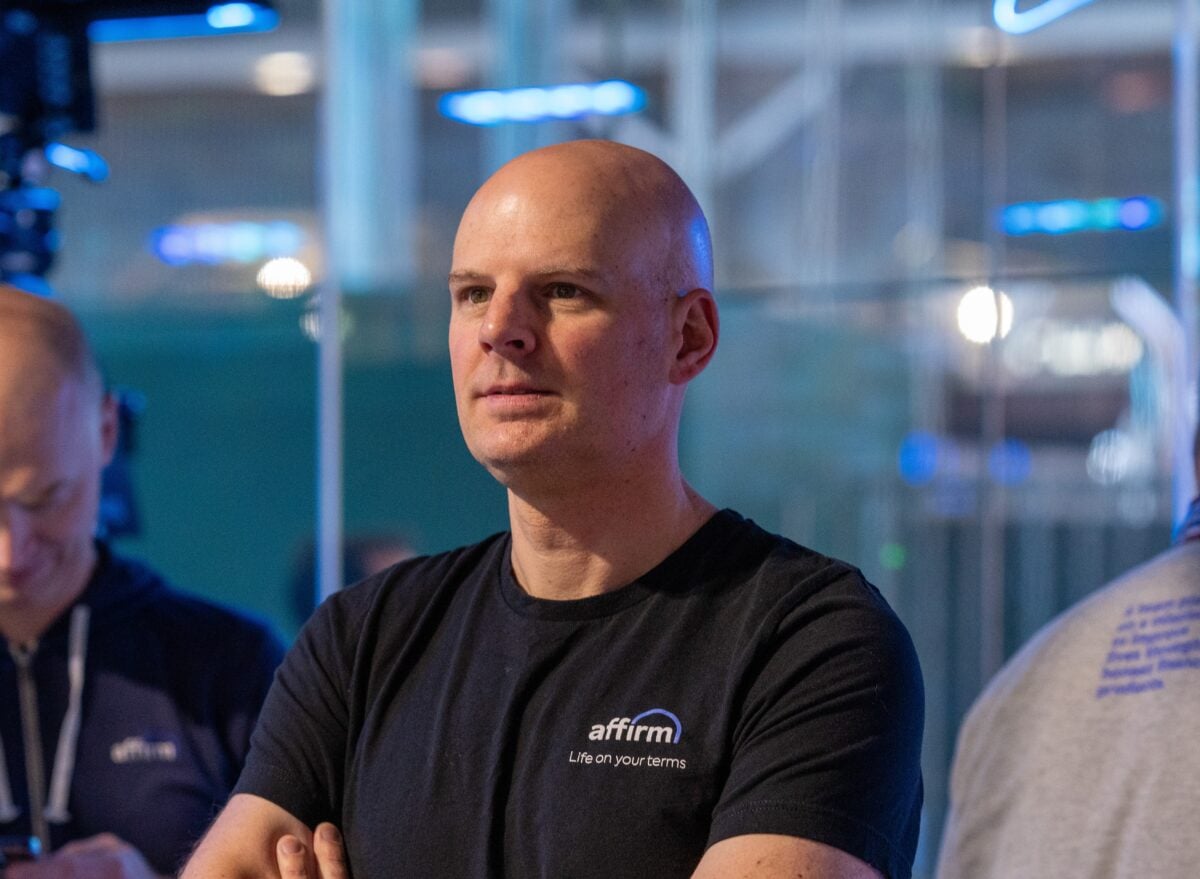
Wayne Pommen
“As Canadian consumers continue to embrace smarter and more flexible ways to manage spending on home furnishings and essentials, Affirm has become a go-to choice for greater payment control and transparency,” said Wayne Pommen, Chief Revenue Officer at Affirm. “We’re thrilled to build on our successful collaboration with Williams Sonoma and their family of brands to bring more Canadians the financial clarity, flexibility, and peace of mind they deserve.”
With this launch, Williams-Sonoma, Inc. and its family of brands join leading Canadian retailers, including Amazon, Apple, Samsung, Brown’s Shoes, and more in offering Affirm’s payment solutions to their customers, said Affirm.
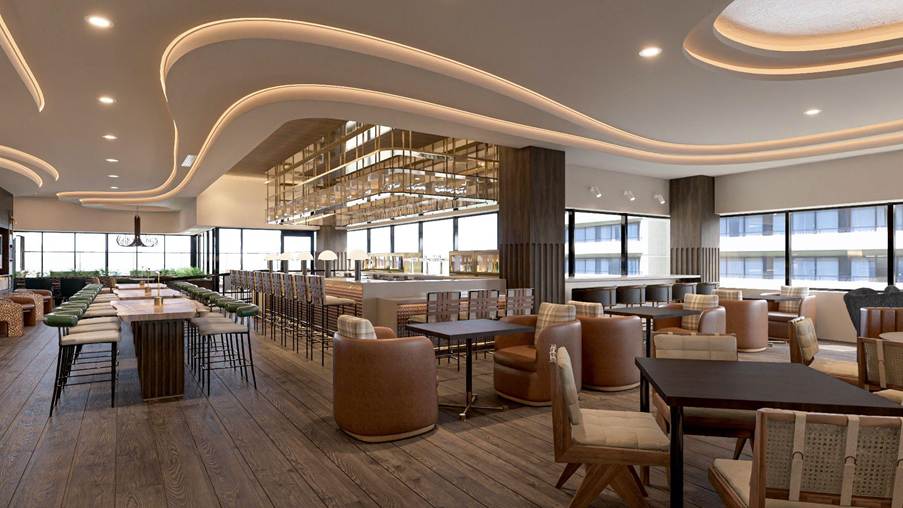
Bow & Bend Rooftop, located on the 12th floor of the new Element Hotel Calgary Downtown on 4th Ave SW, is set to open in early summer, offering people spectacular views of the iconic Bow River which flows through the city.
The restaurant is part of a conversion project which is turning an under-utilized downtown office into a hotel, the Element by Westin, through the City of Calgary’s Downtown Development Incentive Program. Bow & Bend is set to be a key element in revitalizing Calgary’s West End, bringing renewed energy, hospitality, and vibrancy to the downtown core.
“With regional cuisine crafted from locally sourced ingredients and stunning panoramic views of the Bow River and the Canadian Rockies, Bow & Bend offers a unique blend of natural and urban charm from one rooftop patio destination,” said Johen Lemieux, General Manager, Bow & Bend, operated by Concord Hospitality.
The Element is being developed by PBA Group of Companies (PBA), a Calgary based, women owned and led real estate firm with over 60 years of experience delivering integrated commercial real estate solutions.
“Bow & Bend’s sleek design mixed with inviting textures in the details creates the feeling of both luxury and comfort. The open-air dining room or patio is the ideal place for sharing a meal with friends or family or dropping in for after-work cocktails and snacks. The restaurant’s space is open-concept and bright, featuring large wall-to-wall windows, and seats 210 people between its dining room, patio, and two private Riverwalk rooms,” said the company.
The company said the menu at Bow & Bend has been carefully crafted using locally sourced ingredients from Alberta. For dinner, guests can expect a mix of small plates for sharing, soups and salads, burgers, house-made pasta, and mains. The Head Chef, Ashutosh Salunke, brings expertise from his previous role as the Executive Sous Chef at the luxury Sparkling Hill Resort & Spa in Vernon, British Columbia.
“We are thrilled to bring an elevated twist on traditional local flavours to the downtown Calgary dining scene,” says Salunke.“Our shareable menu will change slightly from season to season, allowing guests to both try new things and order classic favourites.”
In 2022, PBA launched its hospitality portfolio with The Dorian, a $125 million, dual-brand Marriott Autograph Collection and Courtyard hotel recognized globally with a Michelin Key for its design, culinary excellence, and guest experience.
Hublot at the Yorkdale Shopping Centre in Toronto. Photo: Craig Patterson
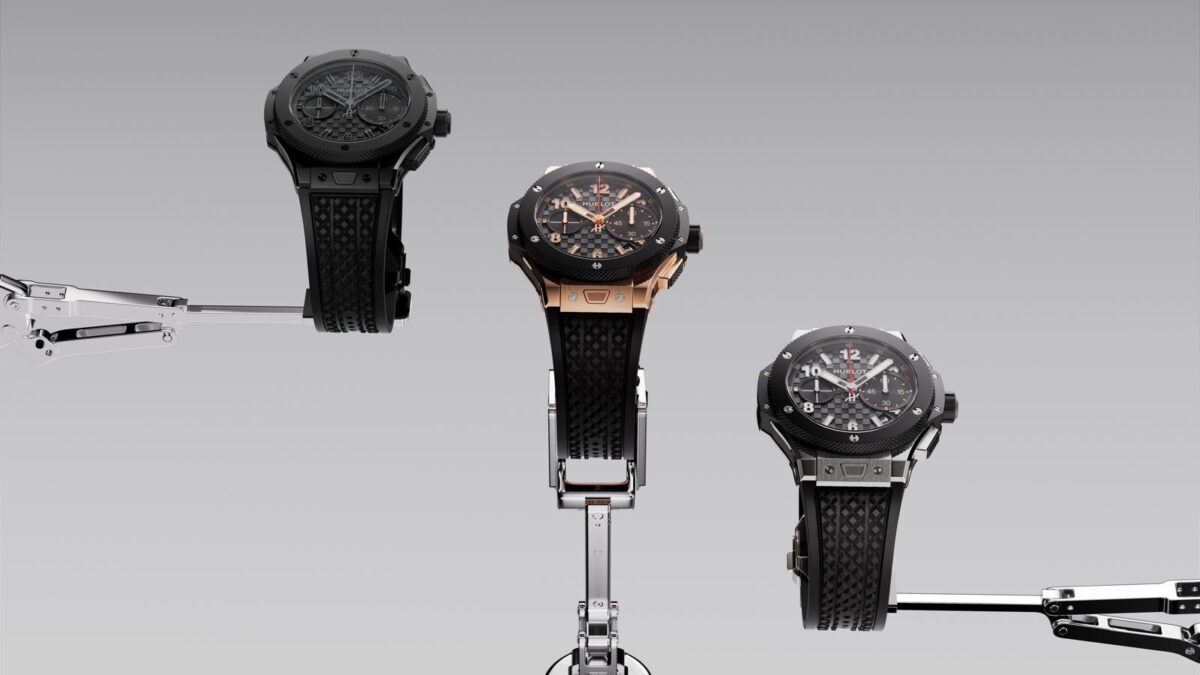
Hublot is bringing a rare treat to Canadian luxury watch enthusiasts with an exclusive exhibition of its newly launched Big Bang timepieces. The watches, introduced in April 2025 at the renowned Watches and Wonders event in Geneva, will be on display only at Hublot’s boutique in Toronto’s Yorkdale Shopping Centre from May 30 to June 5, 2025.
This traveling showcase is part of the global celebration marking the 20th anniversary of the Big Bang collection, a landmark moment for one of the brand’s most iconic series.
“We are thrilled to celebrate 20 years of such an iconic collection, and to have it here in Toronto is truly exciting,” said Jhonnattan Meneses, Assistant Boutique Director of Hublot at Yorkdale.
Image: Hublot
Yorkdale Boutique Chosen for Canadian Showcase
Toronto’s Yorkdale Shopping Centre was selected as the exclusive Canadian location to host this traveling collection, reflecting the mall’s strong performance in the luxury retail segment. Hublot has seen success at its Yorkdale boutique, which opened in September 2019 as the brand’s first corporately-owned Canadian location.
Strategically situated in the heart of Yorkdale’s luxury wing—alongside Qeelin, TAG Heuer, and Jaeger-LeCoultre—the Hublot store has become a key destination for high-end watch collectors and fashion-forward clientele alike.
Yorkdale itself has earned a reputation as Canada’s top luxury shopping centre, featuring over 270 retailers and welcoming more international brands than any other mall in the country. Its upscale 65,000-square-foot expansion, which will include flagship stores for Dior and Saint Laurent, has solidified its position as a magnet for luxury consumers.
Image: Hublot
The Big Bang Legacy: Two Decades of Fusion and Innovation
First launched in 2005 under the leadership of then-CEO Jean-Claude Biver, the Big Bang chronograph introduced a new era of luxury watch design. The model exemplified Hublot’s Art of Fusion philosophy—seamlessly blending traditional Swiss craftsmanship with cutting-edge materials such as ceramic, carbon fiber, and rubber.
Over the years, the Big Bang collection has become synonymous with bold design and technical innovation. Its influence has been so significant that the Big Bang is now considered a pillar of Hublot’s identity and success.
This year’s 20th-anniversary editions continue that tradition, with new designs and limited-run models that underscore Hublot’s drive to push the boundaries of horology.
Watches Debuted at ‘Watches and Wonders’ in Switzerland
The Big Bang anniversary pieces that will be displayed at Yorkdale were unveiled last month at Watches and Wonders 2025, the preeminent annual gathering of the global watchmaking industry in Geneva.
At the event, Hublot revealed a range of new models showcasing complex materials and in-house movements, including refinements of its celebrated Unico and Meca-10 calibres. Among the key highlights are anniversary editions featuring sapphire, Magic Gold, and other proprietary materials that highlight Hublot’s continued investment in R&D.
The Yorkdale showcase will give Canadian watch collectors and fans a rare opportunity to experience these pieces up close.
Image: Hublot
Vancouver Location Also Marks Strong Brand Presence
In addition to Toronto, Hublot maintains a significant presence in Vancouver, where it operates a prominent boutique on Alberni Street. This two-level, 2,800-square-foot store opened in 2017 within The Carlyle retail complex, originally through a local franchise arrangement. It has since transitioned to a corporate store under LVMH ownership, aligning with Hublot’s global branding strategy.
Located in Vancouver’s ‘Luxury Zone’, the boutique neighbours prestigious brands such as De Beers, Prada, Moncler, and Saint Laurent. Alberni Street continues to thrive as the city’s premier luxury retail corridor, attracting high-spending tourists and local clientele alike.
Hublot’s Global Strategy: Canada as a Key Market
Hublot’s dual presence in Toronto and Vancouver reflects its focus on penetrating Canada’s most affluent and trend-conscious markets. By establishing flagship boutiques in both cities, the brand has effectively positioned itself to serve a growing base of discerning watch buyers.
Globally, Hublot has maintained a dynamic pace of innovation and expansion. Under Julien Tornare, who became CEO in 2024, the brand is pursuing a strategy of streamlining product launches and focusing on meaningful milestones—such as the Big Bang anniversary—to elevate its profile.
Tornare’s leadership is seen as a strategic move to maintain Hublot’s cachet in a saturated luxury market while avoiding overexposure from excessive limited editions.
Hublot’s History: From Bold Beginnings to Global Powerhouse
Founded in 1980 by Carlo Crocco, Hublot broke conventions from the outset with its signature combination of gold cases and rubber straps—an industry first. Despite initial skepticism, this unorthodox pairing caught on, paving the way for Hublot’s future as an innovator.
The brand’s turning point came in 2004 with the appointment of Jean-Claude Biver. The following year’s launch of the Big Bang was a breakthrough moment, earning accolades and skyrocketing sales.
In 2008, luxury conglomerate LVMH acquired Hublot, solidifying its global stature. Since then, the brand has continued to develop proprietary innovations such as:
Magic Gold: A scratch-resistant alloy co-developed with EPFL.
In-House Movements: Including the automatic Unico chronograph and Meca-10.
Exotic Materials: Extensive use of sapphire, titanium, carbon fiber, and ceramic.
Sports, Culture, and Design: Expanding the Brand
Beyond horology, Hublot has become a cultural force through its partnerships and high-profile ambassadors. It has served as the official timekeeper of major events like the FIFA World Cup, and maintains partnerships with clubs such as AFC Ajax and Juventus.
These partnerships underscore Hublot’s approach to integrating lifestyle and luxury—a strategy that resonates with modern consumers seeking more than just a timepiece.
ICSC is set to bring its newest retail real estate event series, RETAIL FORWARD, to Montreal on Thursday, June 5, 2025. Running from 12:00 p.m. to 6:00 p.m. at Le Windsor Ballrooms, the streamlined program is designed to accelerate dealmaking between retailers, tenants, brokers, landlords, and other key players in Quebec’s retail ecosystem. [Register Here]
The one-day event is framed as a hyper-local and hyper-focused initiative to foster meaningful in-person connections. It emphasizes targeted negotiations and information sharing, aiming to facilitate high-value retail leasing activity in a condensed and productive format.
Retailers in the Spotlight
A significant highlight of the event is its focus on giving retailers and tenants premium visibility. More than 50 retailers, foodservice chains, and service providers are listed as participants, representing a diverse mix of national and regional brands across categories.
Notable names include:
Food & Beverage: Tim Hortons, Starbucks, McDonald’s, Ben & Florentine, Thaï Express, Edo Japan, Osmow’s, Poke by Sushi Shop, Wetzel’s Pretzels, and more.
Retail & Services: MINISO, Sleep Country Canada, Mr. Lube, TD Bank, and RONA Inc.
Grocery & Fitness: Dollarama, Sobeys Québec Inc., and Éconofitness.
This retailer-forward approach positions brands to pitch their expansion plans directly to landlords, brokers, and developers while streamlining the matchmaking process between tenants and available sites.
Event Format: Focused and Fast-Paced
The event will unfold in three parts:
12:00 PM – 6:00 PM: Registration and badge pickup
1:00 PM – 4:00 PM: Retail dealmaking sessions
4:00 PM – 6:00 PM: Networking reception
The core dealmaking session is purpose-built to support rapid negotiations, creating opportunities for brokers and landlords to meet decision-makers and evaluate alignment on site needs in real time.
The Site Shopper: A Retailer Reference Tool
Each attendee will receive a copy of The Site Shopper, a printed directory containing detailed site specifications and contact information for participating retailers. The guidebook is positioned as a critical asset for dealmakers, enabling them to quickly identify viable leasing prospects and initiate discussions on-site.
Cost-Effective Access for Retailers
In line with ICSC’s effort to lower barriers to entry and stimulate retail expansion, registration is complimentary for retailers—regardless of ICSC membership status. Retailers can also reserve complimentary dealmaking tables to meet with landlords and leasing agents directly on the show floor.
Retail Forward Builds on ICSC’s Mission
The RETAIL FORWARD initiative is part of ICSC’s broader efforts to support the evolution of marketplaces and the commercial real estate industry. The event reflects the organization’s focus on cultivating community-driven retail spaces by creating real-world opportunities for stakeholders to build networks, form partnerships, and advance new projects.
With Montreal’s active retail landscape and vibrant commercial corridors, the June 5 event is expected to draw strong participation from brands, landlords, and brokers who are shaping the future of urban and suburban retail across Quebec.
A Catalytic Gathering for Quebec’s Retail Real Estate Sector
With more than 50 retailers confirmed, a curated environment for efficient dealmaking, and no cost for retailer participation, RETAIL FORWARD in Montreal is positioned to become a high-impact event in the city’s 2025 retail calendar. As the Quebec retail industry continues to navigate economic uncertainty, events like this are critical in fostering direct relationships, accelerating leasing activity, and fuelling local retail growth.
Young teacher helps to read her student. Elementary school kids sitting on desks and reading books in classroom.
Balancing a full-time business while pursuing a career in teaching may seem overwhelming, but with the right strategy, it’s entirely possible. Whether you’re driven by a passion for education or seeking a career transition, these six steps will help you navigate the journey smoothly without sacrificing your entrepreneurial success.
1. Research Teaching Requirements in Your State
Before diving in, it’s essential to understand the specific qualifications needed to become a teacher in your state. Most states require a bachelor’s degree, which can be in any field, though education-related degrees are often preferred.
Additionally, you’ll need to complete a teacher preparation program and pass licensure exams such as the Praxis Core or Praxis 5001 for elementary education. To help you prepare and familiarize yourself with the test format and key concepts, downloading a free Praxis 5001 guide can be a valuable resource.
2. Choose an Alternative Certification Program
If you don’t hold a degree in education, alternative certification programs (ACPs) offer a practical pathway into the teaching profession while allowing you to continue working. These programs are designed for career changers and provide the necessary training to transition into a teaching career without requiring a traditional education degree. Many ACPs feature flexible online coursework, part-time schedules, and even hands-on experience through residencies or internships in a classroom setting.
One of the key benefits of ACPs is that they allow you to begin teaching, often at your preferred grade level, while completing certification requirements. This means you can earn a salary as a teacher-in-training while fulfilling coursework and preparing for certification exams. The flexibility of these programs makes it easier to balance your business commitments while working toward your new career in education.
3. Leverage Your Business Skills in the Classroom
Your entrepreneurial experience is a significant asset in teaching. Skills like leadership, time management, and problem-solving translate seamlessly into education. You might consider specializing in business education, such as teaching entrepreneurship or economics to high school students, or exploring career and technical education (CTE) programs.
Another option is adult education or corporate training, where your business background can be particularly valuable. These niches allow you to merge your expertise with teaching, making the transition smoother.
4. Optimize Your Time with Strategic Scheduling
Juggling a business and teacher certification requires disciplined time management. One effective strategy is blocking scheduling, where you dedicate specific hours each day to business tasks and teacher preparation.
Automating business processes using tools like CRM software, email automation, or virtual assistants can also free up time. Additionally, prioritizing high-impact tasks ensures you focus on revenue-generating business activities while dedicating evenings or weekends to coursework.
5. Pass Your Teaching Exams Efficiently
For prospective teachers and future teachers, preparing for licensure exams can be daunting, but studying smart is key to success. Whether you’re a student teacher completing undergraduate programs or pursuing advanced degrees in a graduate program, efficient preparation will help you pass your subject matter exam with confidence.
Since time is limited, using test guides can help you identify key topics in childhood education or your specific field, allowing you to focus your efforts. Taking practice tests will gauge your readiness, and studying in short, focused sessions, such as 30 minutes daily, is more effective than cramming.
Collaborating with fellow teachers can also provide valuable insights and support. If possible, schedule your exams during slower business periods to minimize stress and allow for better preparation. By following these strategies, you’ll be one step closer to launching a rewarding career in education.
6. Transition Gradually into Teaching
Teacher shortages are on the rise, creating opportunities for career changers. However, you don’t have to abandon your business all at once. Instead, consider a gradual transition that allows you to gain experience while maintaining stability.
Start by substitute teaching to get hands-on classroom experience with minimal commitment. If you prefer more consistency, explore part-time teaching roles, whether in-person during evenings or through online platforms, while slowly scaling back your business hours.
You could also bridge the gap by exploring education-adjacent side hustles, such as tutoring, curriculum development, or instructional coaching. These options let you test the waters, build relevant skills, and ease into the field without financial pressure.
Frequently Asked Questions (FAQs)
1. Can I become a teacher without an education degree?
Yes, alternative certification programs allow professionals with bachelor’s degrees in any field to become licensed teachers. These programs provide the necessary training and coursework to meet state requirements.
2. How long does it take to get certified while running a business?
The timeline varies depending on the program, but it typically takes between six months and two years. Self-paced options can help you move faster if your schedule is tight.
3. Will my business experience help me as a teacher?
Absolutely. Leadership, public speaking, and project management skills are highly valuable in education. Your real-world experience can also make lessons more engaging and practical for students.
4. Can I teach part-time while keeping my business?
Yes, many schools offer part-time, adjunct, or online teaching roles that can fit around your business schedule. This allows you to gradually transition into teaching without giving up your entrepreneurial work.
Bottom Line
Becoming a teacher while running a business is achievable with the right approach. By leveraging alternative certification programs, optimizing your time, and applying your entrepreneurial skills in the classroom, you can successfully transition into education without sacrificing your business. With strategic planning, you can build a fulfilling career in teaching while maintaining your entrepreneurial success.
Retail Insider is streamlining its Canadian retail news from around the web to include a handful of top news stories that can be viewed quickly during the day. Here are the top stories from the past several days.
How Motion Automation Is Transforming Retail Environments: A Look at Progressive Automations’ Smart Solutions
Retail environment and possibilities are changing fast. Customers walk in expecting speed, convenience, and a little wow factor. And what about retailers? They’re racing to keep up not just with trends, but with smarter ways to use their space. And in these circumstances and changes motion can be essential and will create retail environments that are not only efficient but genuinely engaging.
From dynamic product displays to adjustable counters and hidden storage that rises at the push of a button, motion automation is no longer a “nice-to-have.” It’s becoming a practical upgrade for modern retailers. And companies like Progressive Automations are making that shift easier with reliable, customizable solutions that fit right into daily store operations.
Imagine a display that changes its shape or height based on what’s being promoted, or lifts out of a cabinet when a customer approaches. With Progressive Automations, those ideas are already real. Their systems are designed to respond smoothly and quietly, which makes a big difference on a busy shop floor where attention to detail matters.
Retailers are using motion automation to build interactive kiosks, movable shelving, and automated demo stations that adjust based on customer interaction. Instead of static setups, stores now offer changing layouts throughout the day, something that catches the eye and creates a more memorable experience.
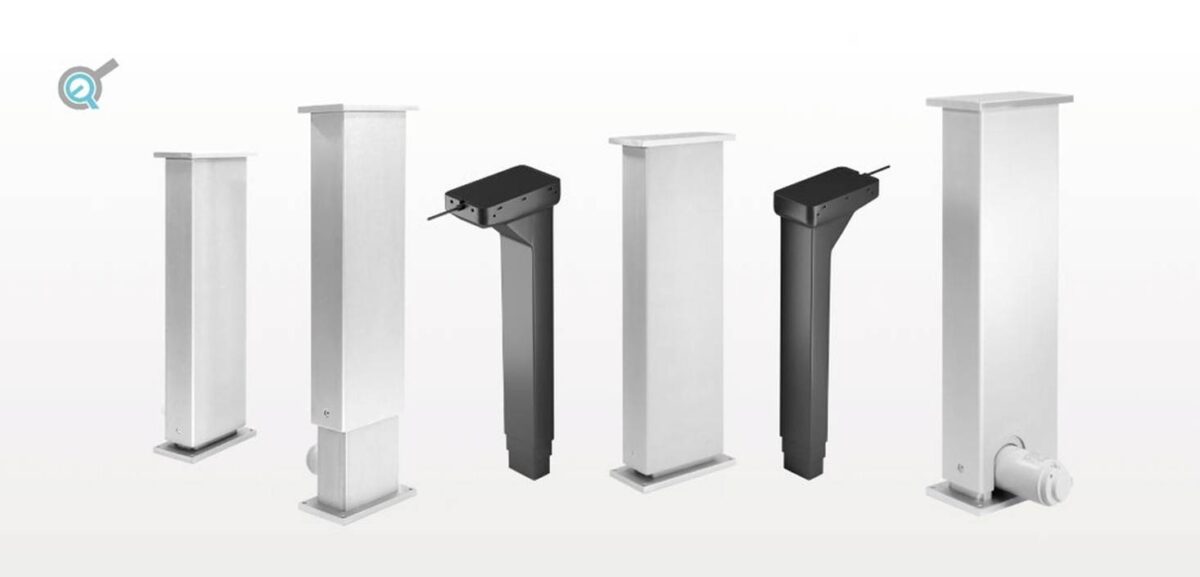
The backbone of many of these upgrades is the Modular Lifting Columns — compact and powerful components that support vertical motion in display furniture and checkout counters. They can handle weight, offer smooth transitions, and work well in spaces that need clean lines and hidden tech.
Space-Saving Without Compromise
Retail square footage isn’t cheap. Every inch counts, especially in high-traffic stores or pop-up environments. So automation isn’t just about making things look cool, it’s about getting more out of limited space.
Take product demos, for example. Instead of dedicating permanent space to showcasing electronics or appliances, stores can install motorized lift panels that reveal the demo area when needed and hide it away afterward. It keeps the space tidy, secure, and versatile. That’s a real win for store design teams who need to work smarter with their layouts.
Thanks to the plug-and-play nature of many systems from Progressive Automations, these upgrades don’t need a full renovation to get started. Retailers can integrate motion solutions into their current setups with minimal disruption. It’s easy to retrofit, which is especially useful for brands with multiple locations or franchise models.
Flexible Counters, Safer Workflows
Checkout areas and service counters are getting an upgrade too. Adjustable-height counters powered by Modular Lifting Columns are helping to improve both staff comfort and customer access. This is especially important in settings that serve a wide range of people: kids, elderly customers, or those using wheelchairs. Being able to raise or lower a counter with the press of a button adds flexibility that’s often overlooked.
Retailers are also using motion automation for behind-the-scenes improvements. Think of storage units that lower from overhead, or stockroom tables that change height based on the task. These upgrades can reduce strain on employees and help improve workflow during peak hours.
Beyond comfort, there’s a safety bonus here too. Motorized systems reduce the need for ladders or heavy lifting in many day-to-day tasks, lowering the risk of workplace injuries. That matters when you’re running a store that’s open twelve hours a day, seven days a week.
Designed to Blend In
Nowadays, automation has a reputation for looking industrial. But in retail, appearance matters. What sets these modern systems apart is their ability to work quietly in the background. Most units are slim, discreet, and designed to blend right into sleek interior designs.
Retailers can choose finishes and configurations that match their brand identity. Whether it’s a high-end boutique, a big-box tech store, or a minimalist furniture shop, automation can now feel like part of the design instead of a bolt-on addition.
The design flexibility also allows businesses to tailor solutions based on season, product focus, or even time of day. A store might feature kitchen appliances in the morning, then transform into an event space for cooking classes in the evening — all thanks to panels, lifts, and displays that move at the tap of a button.
Real Examples in the Field
Progressive Automations works with a wide range of retail clients, from electronics to home improvement and fashion. One example includes a large hardware store that installed adjustable workbenches in their DIY demo zone. Now, customers can try out tools at a comfortable height, regardless of their height or physical ability.
Another client used lifting columns to create a rotating luxury handbag display. Instead of a row of shelves, the bags rise individually into view, giving each item the spotlight, and leaving shoppers with a lasting impression.
And in smaller concept stores, motion automation is often used to hide or reveal entire product zones. A section that holds seasonal décor can disappear behind a movable wall, then slide back into view during the holidays. These solutions help stores stay fresh without requiring constant manual rearrangement.
The Future of Motion in Retail
The retail world is shifting toward smarter, more responsive spaces—and automation is right at the heart of it. As customer expectations evolve, stores are moving beyond just good service. They’re becoming environments that adjust, adapt, and deliver better experiences for everyone who walks through the door.
What makes this possible is the reliability and simplicity of the tools involved. With plug-and-play kits, strong support systems, and flexible designs, Progressive Automations helps retailers move forward with confidence, whether they’re testing new layouts or building full-scale concept stores.
Retail automation isn’t about replacing people. It’s about giving staff better tools and giving customers a more intuitive, comfortable experience. And that’s something all future-ready retailers can get behind.
Smart motion systems are helping stores look sharper, run smoother, and stay more adaptable in a changing market. From eye-catching displays to ergonomic workspaces, the possibilities keep growing. And with proven systems like Modular Lifting Columns, even complex ideas are becoming easy to put into action.
Retailers who want to lead, not follow, are already taking notes. And if the past few years have taught us anything, it’s that being ready to adapt is one of the best ways to stay ahead.
Introduction to the Evolution of Automotive Retail
The automotive industry is navigating its most significant transformation in decades. Traditional dealerships once defined by brick-and-mortar transactions are rapidly evolving into hybrid, tech-savvy platforms that serve the growing demands of digital-first consumers.
Today’s automotive retail isn’t just about selling vehicles—it’s about delivering seamless customer experiences. From the earliest research phases to service appointments years after purchase, buyers expect clarity, convenience, and connection. That’s where retail innovation becomes essential.
With technologies like VIN decoding now central to the automotive retail industry, the line between online discovery and offline purchase is fading. These tools provide the infrastructure retailers need to stay relevant, agile, and profitable.
What Is VIN Technology and Why It Matters
Every vehicle carries a unique 17-character Vehicle Identification Number (VIN). This code unlocks everything from factory specs and drivetrain type to accident history, previous ownership, recalls, and service logs.
In the context of auto retailing, VIN data offers something invaluable: competitive advantage. It provides automotive retailers with clarity and control over inventory, enables them to respond to customer expectations, and equips sales teams with insights that close deals faster.
For customers, it’s empowerment. A buyer can verify if a used vehicle has a history of flood damage or confirm whether a car supports AWD—all with one lookup.
By leveraging Vingurus VIN Lookup, dealers can transform the car buying process into a smarter, more transparent transaction. This level of data access enhances trust—an invaluable currency in today’s automotive retail environment.
Enhancing the Car Buying Journey with VIN Tech
The car buying journey has shifted. It’s no longer a straight line from showroom visit to sale—it’s an intricate path woven through online research, social reviews, virtual test drives, and personalized offers.
VIN technology supports each touchpoint along this journey. By allowing buyers to instantly decode key specs, brands can reduce decision friction and empower more informed purchases. Whether a shopper is comparing AWD options or validating trim levels, the VIN provides certainty.
This creates a richer, more data-driven customer journey, improving satisfaction and reducing return rates. And for dealers, it means fewer wasted leads and more qualified prospective customers walking through the door.
Improving Customer Experience Across Channels
Customer experience no longer depends solely on the showroom—it’s shaped by every online listing, every chatbot reply, every follow-up email. To thrive in an omnichannel environment, automotive companies must ensure consistency and personalization across touchpoints.
That’s where VIN technology shines. By integrating VIN decoding into websites, apps, and even email marketing tools, dealerships can ensure each individual customer receives tailored content that matches their vehicles of interest.
Consider the path of a digital shopper: they search online for a midsize AWD SUV. The dealer’s platform, powered by VIN data, highlights available inventory that meets those specs, complete with pricing history, accident records, and upcoming service appointments.
The result? A faster, smoother transition from online interest to offline sale—and a boost in brand image and market share.
Transforming Service Appointments and After-Sales
After the sale, the relationship continues. Dealers that prioritize long-term engagement often outperform those focused solely on front-end transactions. Here, VIN technology plays a pivotal role.
By leveraging VIN data, dealerships can schedule service appointments proactively, alert customers to recalls, and send personalized offers for accessories or trade-ins. For example, a VIN-linked system can identify when a vehicle’s brake pads are due for replacement—saving customers time and preventing breakdowns.
This fosters loyalty. It reduces churn. And critically, it drives repeat sales, sustaining growth in the face of rising consumer expectations.
New Retail Strategies Shaped by VIN Technology
The most forward-thinking retailers are reimagining how they engage customers—and VIN tech is their compass. One clear advantage? Smarter inventory management.
Using VIN data, dealerships now segment inventory by drivetrain, mileage, service history, and more. This enables real-time adjustments to pricing, supply planning, and promotions. It’s a level of precision that drives operational excellence and reflects true retail innovation.
Another game-changer is trade-in evaluation. Traditionally, trade-in values varied wildly between dealers. But with VIN-powered assessments, auto retailing becomes more standardized and transparent, enhancing the customer experience and building trust.
Ultimately, these changes are not just about tech—they’re about retail strategies that prioritize clarity, personalization, and agility.
The Future of Automotive Retail: Smart, Data-Driven, Connected
The future of automotive retail isn’t hypothetical—it’s already being shaped by data, AI, and VIN-integrated platforms.
Imagine ai technologies that combine VIN data with customer data to recommend optimal lease terms, payment plans, or even new vehicles based on lifecycle insights. Or predictive alerts powered by machine learning that notify dealers when a specific model is likely to spike in market demand.
These aren’t predictions—they’re blueprints already in motion.
As the automotive retail industry moves toward direct to consumer models, maintaining a consistent, rich experience across digital and physical spaces becomes vital. Brands must evolve beyond the traditional retail model and build integrated ecosystems that deliver value at every touchpoint.
Here, VIN technology offers a foundation of trust, personalization, and scalability.
Challenges and Considerations in Implementing VIN Tech
Despite its advantages, integrating VIN tools into the dealership workflow isn’t without hurdles.
First, data privacy must be prioritized. Storing and transmitting VIN-related information—especially when paired with individual customer identifiers—requires rigorous cybersecurity protocols.
Second, legacy systems in many dealerships aren’t built to support real-time data analytics or automated processes. Bridging these tech gaps often demands new platforms, new skills, and a cultural shift toward digital thinking.
And finally, not every team is prepared. From the senior vice president in charge of product strategy to the sales rep on the lot, adoption relies on education. VIN tools are powerful, but only when used properly—and that requires buy-in across the organization.
Conclusion: Why VIN Technology Is a Game-Changer in Auto Retailing
Dealers who embrace VIN innovation aren’t just improving efficiency—they’re redefining what automotive retail can be.
By unlocking insights into vehicles, streamlining the car buying experience, and delivering transparency in both online and offline environments, VIN systems grant dealerships a clear competitive advantage.
It’s no longer about staying current—it’s about staying relevant. And in a market where consumer expectations grow daily, those who lead with data, personalization, and smart tech will win market share in the next decade.
From inventory management to service appointments, from dynamic pricing to brand loyalty, VIN technology is not a trend—it’s the engine powering the future of the automotive industry.
FAQs
Q1: What is VIN technology and how is it used in automotive retail?
VIN (Vehicle Identification Number) technology helps retailers access detailed vehicle specs, ownership history, and service records to support better inventory control, sales accuracy, and customer trust.
Q2: How does VIN data improve the customer experience in the car buying journey?
VIN tools offer consumers clarity—allowing them to confirm features, check accident histories, and match expectations with reality. This reduces surprises and supports informed decision-making.
Q3: Can VIN tools help with post-sale service and appointments?
Absolutely. VIN-based systems can automate service appointments, track upcoming maintenance, and offer personalized after-sales offers that extend the relationship beyond the point of sale.
Q4: What are some challenges retailers face when adopting VIN innovations?
Common barriers include legacy system limitations, lack of staff training, cybersecurity concerns, and aligning retail strategies across departments.
Q5: Is VIN technology essential for staying competitive in the future of automotive retail?
Yes. In a data-driven marketplace, VIN technology provides the transparency, efficiency, and customer-focused value that modern automotive retailers must deliver to thrive.