

In a sharply worded letter filed earlier this month in a New York lawsuit, Saks Global directly blamed Pathlight Capital for Hudson’s Bay’s inability to secure the financing it desperately needed to avoid its ongoing liquidation under court protection in Canada. Saks Global’s chief legal officer, Andrew Woodworth, outlined the accusations in a letter dated March 26, 2025, addressed to Pathlight’s managing director.
“As a result of these actions and inactions by Pathlight, HBC was forced to initiate restructuring proceedings under the Companies’ Creditors Arrangement Act (CCAA) in Canada,” Woodworth wrote. He further added that “Pathlight’s ongoing intransigence further frustrated HBC’s CCAA proceedings, and, on March 21, 2025, forced HBC to announce a near total liquidation.”
The accusations surfaced just days after Hudson’s Bay reached a critical point in its restructuring efforts. On March 26, shortly after Saks Global sent the letter, Hudson’s Bay concluded that it would not be able to secure sufficient financing to continue operating. The retailer subsequently accelerated its liquidation efforts, moving toward the closure of all remaining stores.
Hudson’s Bay Nears End of Operations
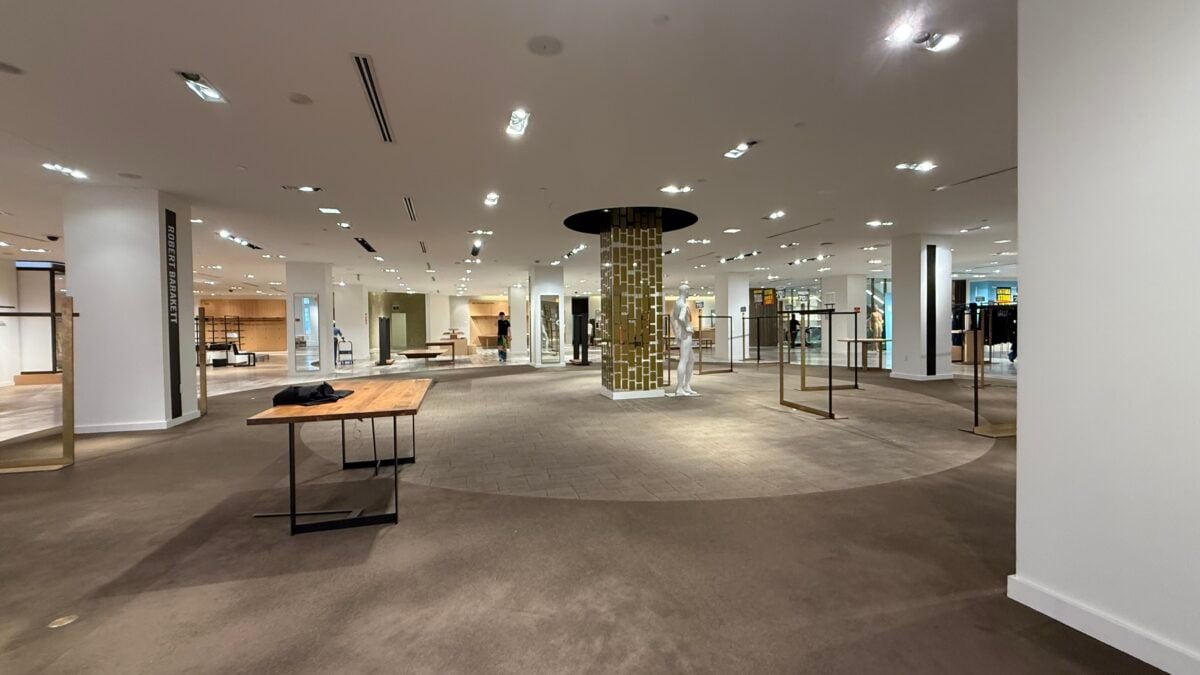
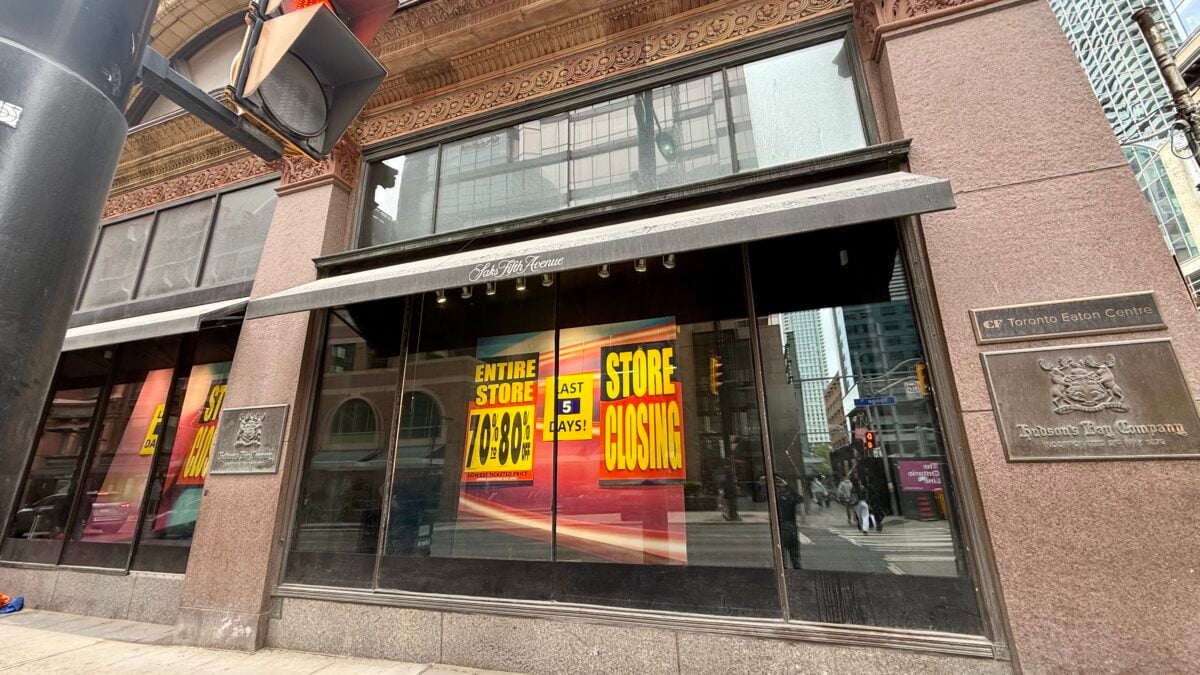
Following its court-supervised process under the CCAA, Hudson’s Bay announced that it would proceed with full liquidation sales across its 80 remaining Hudson’s Bay locations, along with 13 Saks OFF 5TH and three Saks Fifth Avenue stores operating under a licensing agreement with Saks Global. These store closures, anticipated to conclude by Sunday, will mark the end of Hudson’s Bay as an operating department store after more than 350 years in business.
Neither Hudson’s Bay, Saks Global, Pathlight Capital, nor their legal representatives have publicly commented on the dispute or the allegations contained in the recent court filings.
Complex Financial Ties Between Saks Global and Pathlight
Saks Global itself was established just last year as part of a major restructuring involving Hudson’s Bay’s luxury assets. In 2024, Hudson’s Bay acquired Neiman Marcus and Bergdorf Goodman, combining them with its Saks Fifth Avenue banner to form Saks Global. The reorganization created a luxury-focused entity separate from Hudson’s Bay’s core department store business.
Court documents reveal that Pathlight Capital played a role in facilitating that transaction. As part of the deal, Pathlight agreed to release Saks Global from certain obligations tied to a loan Hudson’s Bay had previously secured. In exchange, Pathlight received millions of dollars in payments.
However, tensions between the two sides have since escalated. Pathlight is now suing Saks Global in New York court, seeking repayment of an outstanding debt of US$8.8 million. Saks Global, in turn, is refusing to pay, asserting that Pathlight “cannot and should not benefit from its own actions,” which it claims ultimately contributed to Hudson’s Bay’s financial collapse.
Pathlight Among Hudson’s Bay’s Largest Secured Creditors
When Hudson’s Bay filed for creditor protection in Canada under the CCAA, Pathlight Capital emerged as one of the company’s largest secured lenders. At the time of the filing, Pathlight was listed as being owed more than $95 million by Hudson’s Bay.
The precise details of how Pathlight’s involvement may have contributed to Hudson’s Bay’s failure to secure new financing remain part of the ongoing legal dispute. Saks Global’s argument appears to suggest that Pathlight’s conduct as a creditor created obstacles that blocked Hudson’s Bay from accessing additional capital, ultimately pushing the company into full liquidation.
Accelerating Collapse of an Iconic Canadian Retailer
The liquidation now underway represents the near-total dissolution of one of Canada’s oldest and most iconic companies. Founded in 1670, Hudson’s Bay evolved over centuries from a fur trading business into a department store chain that once dominated Canadian retail. Its steady decline in recent years reflected broader challenges facing the department store sector globally, as consumer habits shifted and online competition intensified.
The involvement of multiple financial players, including private equity firms and specialized lenders such as Pathlight, added additional complexity to Hudson’s Bay’s capital structure during its later years. While Hudson’s Bay previously underwent restructurings and ownership changes, the current liquidation marks a definitive end to its legacy department store operations.
Legal Disputes Could Impact Saks Global’s Future
The ongoing legal battle between Saks Global and Pathlight Capital could carry broader implications for Saks Global itself. The luxury retailer, still operating Saks Fifth Avenue and other luxury banners, remains closely tied to Hudson’s Bay’s former parent company through licensing agreements and shared ownership history.
Saks Global’s strong language in its filing signals a more aggressive legal posture as it seeks to limit liability and protect its position in the face of creditor demands. The case may also shed further light on the financial engineering that preceded Hudson’s Bay’s demise — including asset transfers, spin-offs, and the allocation of debt obligations between various entities.
Broader Industry Implications
The developments underscore the ongoing challenges faced by department store operators in North America, where shifting consumer patterns, rising costs, and increasingly complex financing arrangements have left even once-dominant players vulnerable. As liquidation sales continue across Hudson’s Bay and Saks stores in Canada, creditors and financial partners are now left to untangle competing claims to remaining assets.
Meanwhile, observers within the retail and investment communities are closely watching the outcome of the Saks Global–Pathlight litigation, which may offer additional insights into the broader circumstances that led to the accelerated failure of Canada’s most historic retailer.












Craig you are doing a wonderful job cover HBC. Truly a fantastic journalist, keep it up! Have a feeling HBC was on bought time and has poor leadership for the business. It really did nothing to change, renovations to stores half done, things falling apart, merchandise that was just a weird mix. How 355 years of history can just be over like that is sad. Hudson’s Bay should have been able to survive. It just needed a massive overhaul and good leadership, but unfortunately it never received that. Would love to know what’s happen with our beloved Zellers brand