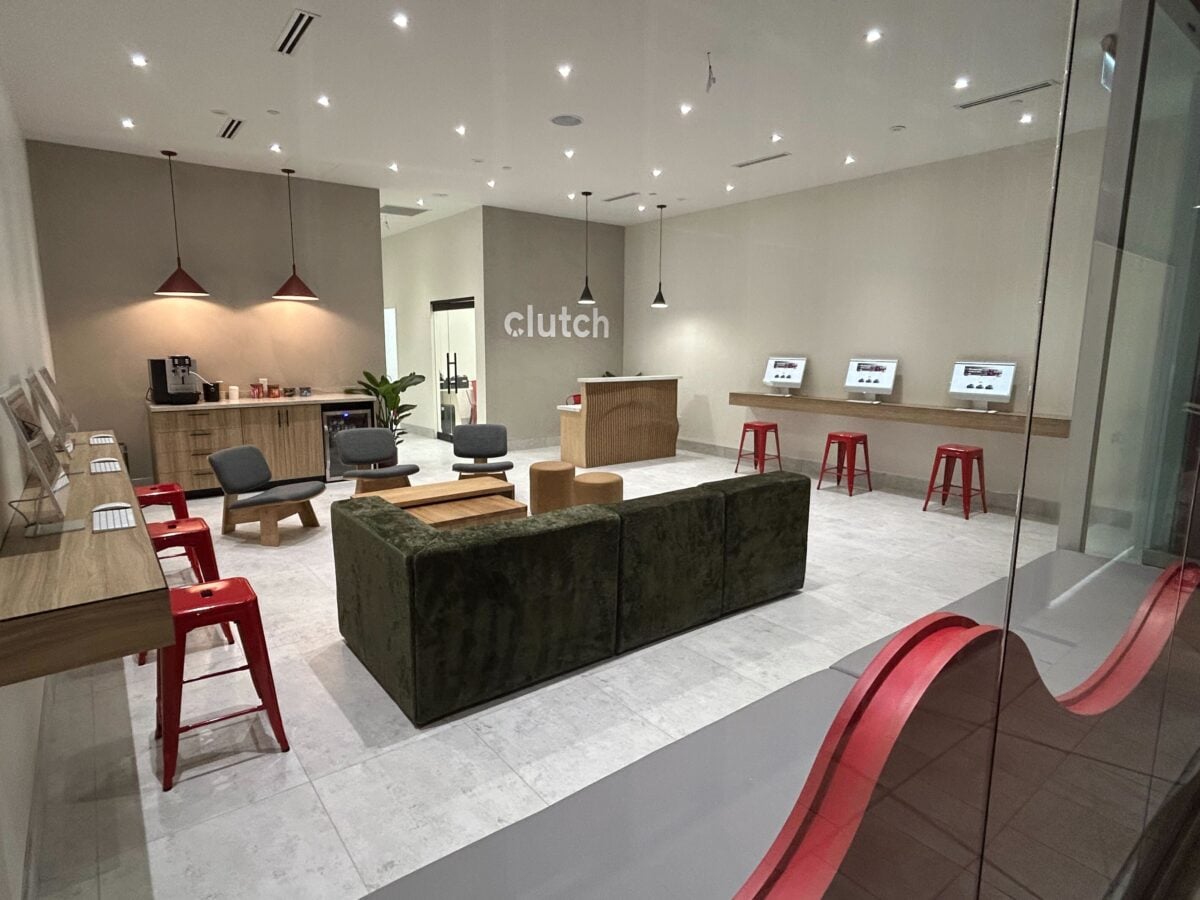
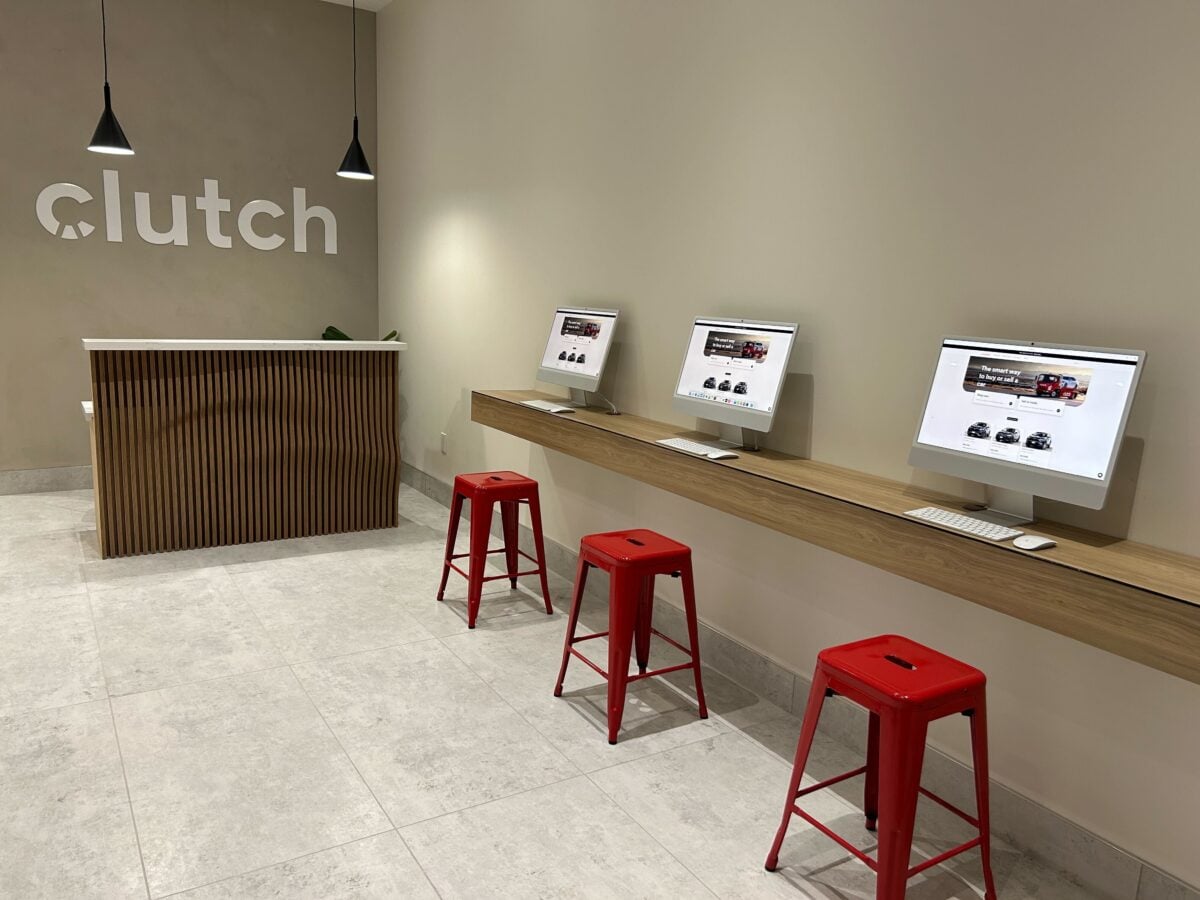
Clutch, Canada’s fastest-growing online used car retailer, has opened its first Customer Hub inside Cadillac Fairview’s Markville Mall (5000 Hwy 7, Markham, ON).
This opening marks a significant milestone in Clutch’s mission to make buying and selling pre-owned cars easier, more convenient, and more accessible for all Canadians, said the company.
Dan Park
“This space is about giving our customers more choice and flexibility,” said Dan Park, CEO of Clutch. “While most of our customers love the ease of buying a car entirely online, some value having a physical space where they can interact with our team. Our new Customer Hub brings the best of both worlds together, and is a place where technology and human connection meet.
“This Customer Hub at CF Markville Mall puts us closer to our customers, making it easier and more convenient for Canadians to buy and sell vehicles. The new location brings Clutch’s trusted, tech-powered experience directly into a popular retail environment, offering unparalleled convenience, speed, and flexibility.
“Clutch’s Instant Cash Offer provides customers with a firm, no-haggle offer to buy their vehicle in minutes. Customers can drop off their vehicle at the Hub or schedule a home pickup, creating a seamless path from online valuation to final transaction. It’s fast, hassle-free, and built entirely around the customer.
“This launch marks a major milestone in Clutch’s mission to reinvent the car ownership experience – removing friction, building trust, and making it easy to transact on your terms.”
Photo: Clutch
Park said CF Markville is just the beginning.
“Clutch is building a network of Customer Hubs across Canada to complement its powerful online platform and extend its reach from coast to coast. Ultimately, Clutch wants to deliver a true omni-channel experience where customers are dictating how, when, and where to buy and sell a vehicle,” he said.
“Each location will deliver the same high-quality, customer-first experience Canadians have come to expect, whether they’re accepting an Instant Cash Offer or shopping for their next vehicle. The future is all about choice: digital convenience backed by real-world access, nationwide.”
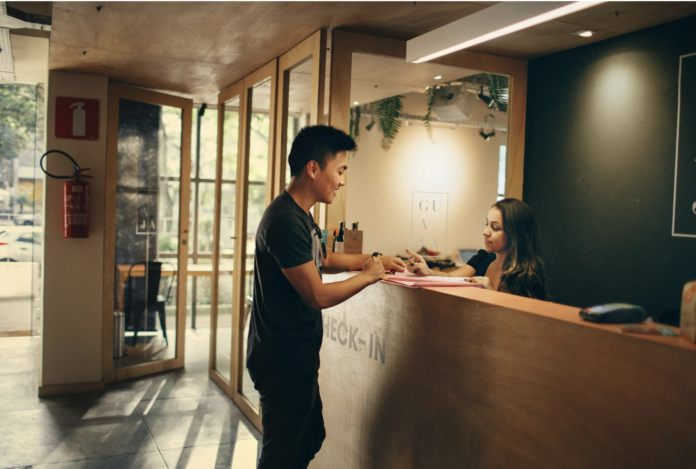
Strategically located in one of the Greater Toronto Area’s busiest shopping centres, this inaugural Customer Hub will serve as a dedicated pick-up and drop-off point for customers buying or selling through Clutch.ca. It offers a physical touchpoint in an otherwise digital-first experience, bridging the gap between online convenience and in-person service, explained the company.
Photo: Clutch
Services Offered Include:
Convenient Pick-Up and Drop-Off: This location will serve as a centralized hub for customers to pick up or drop off vehicles purchased or sold through Clutch.ca, streamlining the handoff experience.
On-Site Support from Clutch Experts: Friendly and knowledgeable Clutch experts will be available on-site to facilitate vehicle hand-offs and ensure a smooth and seamless experience.
Guided Digital Shopping: Customers can browse Clutch’s full online inventory using dedicated in-store computers, with staff available to assist in navigating listings, comparing vehicles, and answering any product-related questions.
Customer Education and Guidance: Clutch experts will provide in-person guidance on the digital car-buying process.
Founded in 2016, Clutch is Canada’s leading online retailer for pre-owned vehicles.
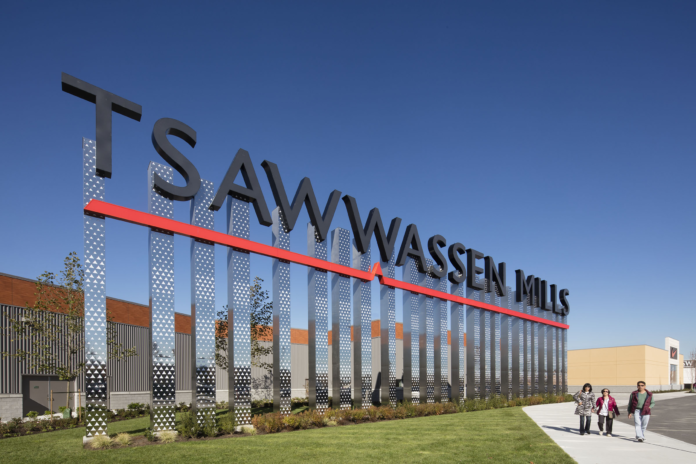
Tsawwassen Mills in South Delta, BC. Photo: Central Walk
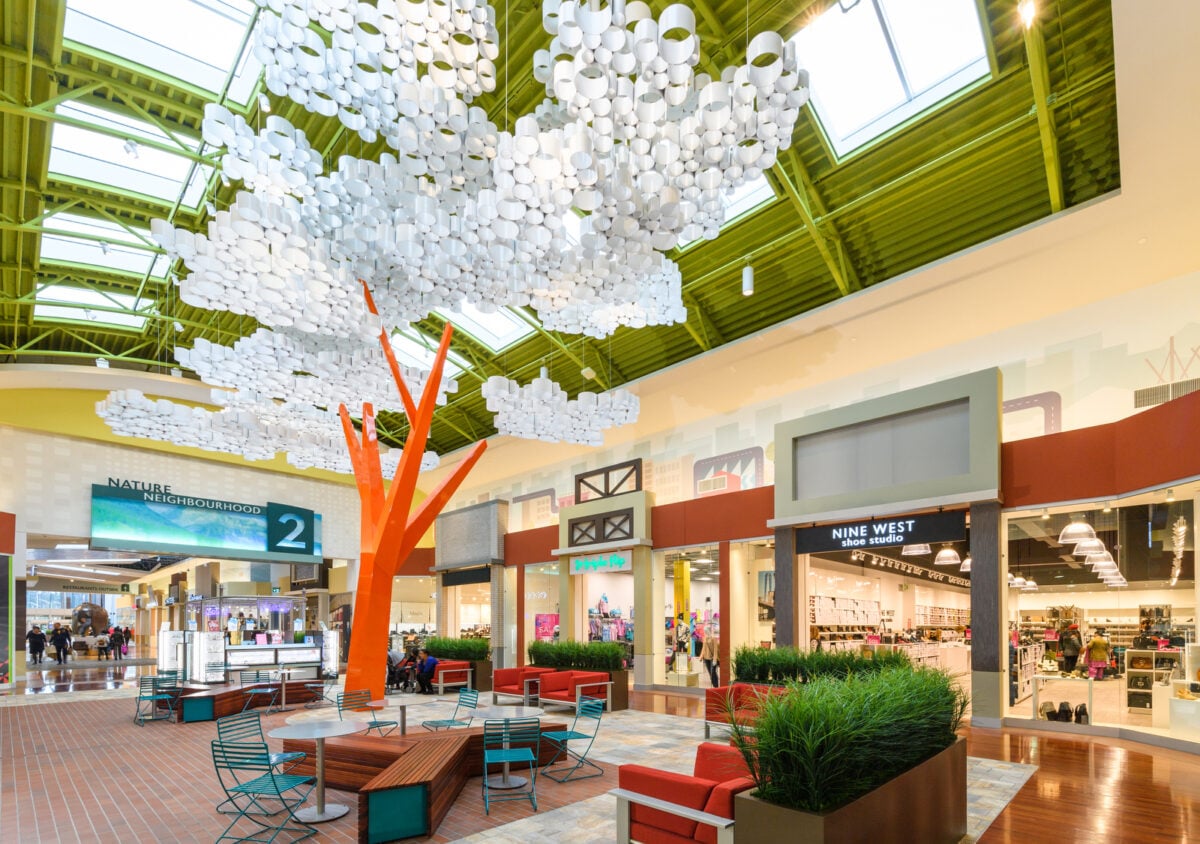
Tsawwassen Mills, located on Tsawwassen First Nation land in Delta, British Columbia, has undergone a remarkable transformation since being acquired by Central Walk in May 2022. Under the leadership of Weihong (Ruby) Liu, Chairwoman of Central Walk, and Linda Qin, CEO of Central Walk, the shopping centre has shifted from a traditional outlet model to an ambitious, multi-functional destination blending retail, culture, entertainment, and community engagement.
“We focus on community service. We focus on family and kids. We focus on promoting the mall and helping our tenants to thrive,” said Qin in an exclusive interview.
The 1.2 million-square-foot centre, originally developed by Ivanhoé Cambridge for $600 million, now houses around 200 tenants including Bass Pro Shops. However, Central Walk has added significant experiential elements to revitalize the property and attract a broader demographic.
Entrance 3 at Tswwassen Mills. Image: Central Walk
Family-Friendly Entertainment Anchors the Revamp
One of the standout additions is Flyoland, a 30,000-square-foot children’s playground. “It’s become a hotspot for families,” Qin explained.
Adding to the entertainment roster is the newly introduced 5D cinema, which offers an immersive experience not commonly found in Canada. “This must be the first one in Canada,” Qin noted. “It’s fun, family-oriented, and a hotspot for entertainment.”
Beyond these attractions, Central Walk is preparing to unveil an Emoji-themed play area designed to serve as a photo-friendly, creative space for children. “It will be a hub where people can take pictures and enjoy a very unique vibe,” Qin added.
Tsawwassen Mills Shopping Centre. Image: Central Walk
Permanent Stage and Cultural Programming
Another key initiative includes a permanent stage space at Entrance 3. “Ms. Liu is willing to sacrifice about 7,000 to 8,000 square feet of retail area to create a permanent stage for cultural and community events,” Qin shared. This stage will host a variety of performances and events, from fashion shows to multicultural celebrations.
Michael Zhang, General Manager of Grand Commercial Management, an affiliate of Central Walk, emphasized the importance of these entertainment and cultural additions. “We want to make this a one-stop suburban destination for the whole family,” Zhang said.
Honouring Indigenous Culture with Tourism Initiatives
Central Walk is also working closely with Tsawwassen First Nation to honour local Indigenous culture. Plans include the installation of totem poles, educational signage, and an enclosed street space featuring Indigenous art and storytelling elements.
“We want to build a tourism hotspot that educates both locals and tourists about the rich First Nations history and culture,” Qin explained. “By next June, we plan to have a major celebration to inaugurate this cultural area.”
Zhang elaborated further: “We are working with TFN leadership to ensure the cultural installations are authentic and meaningful. It’s our way of showing respect and creating a learning experience for visitors.”
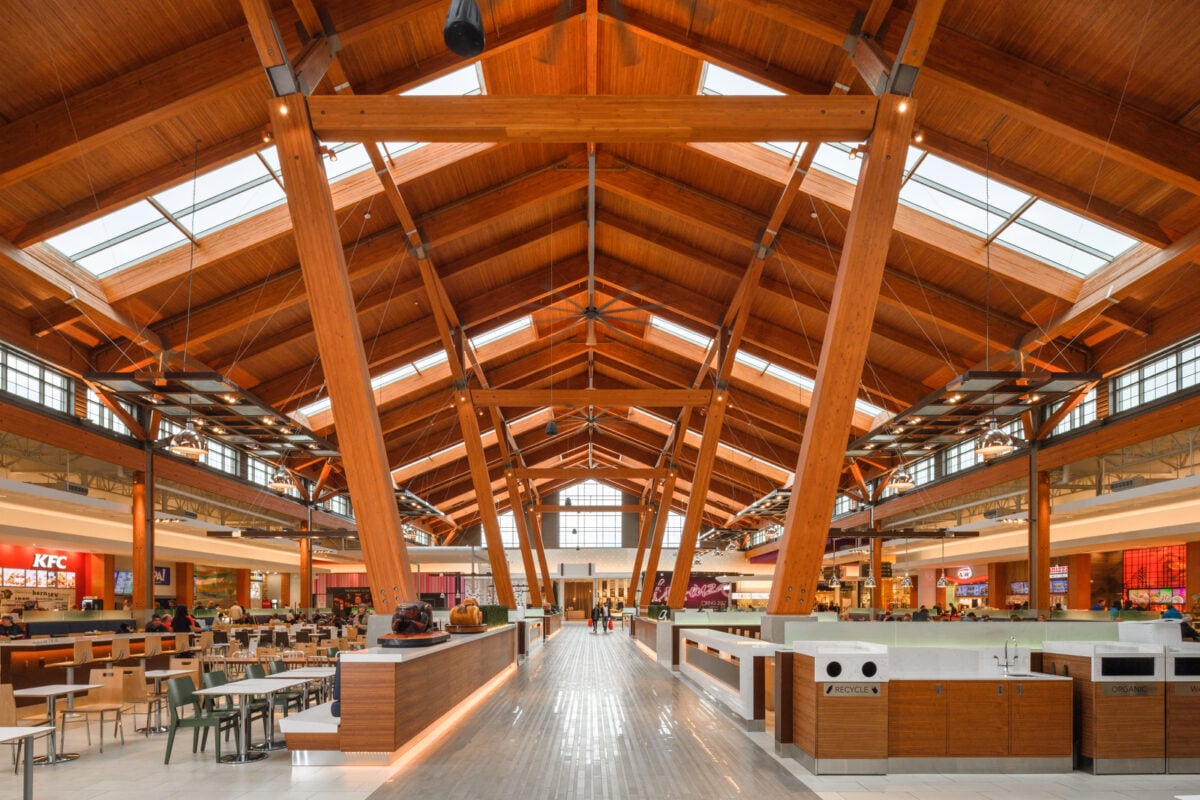
Tsawwassen Mills Food Court. Image: Central Walk
Asian Fusion Food Hall: TM Wonder
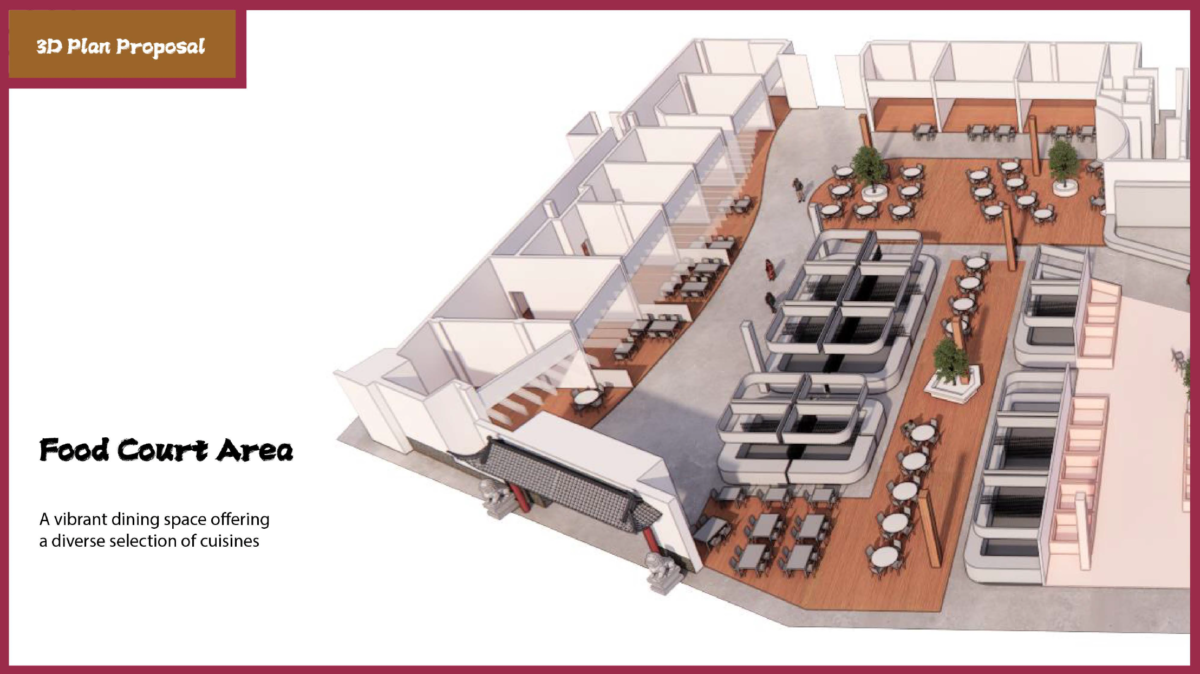
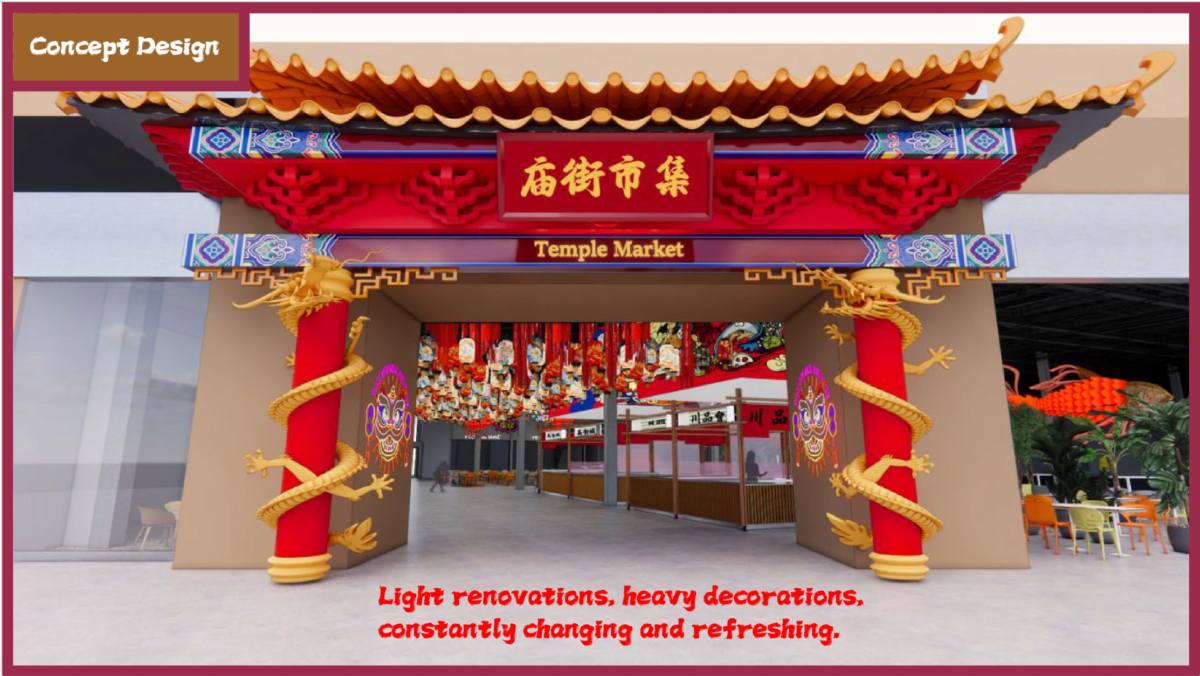
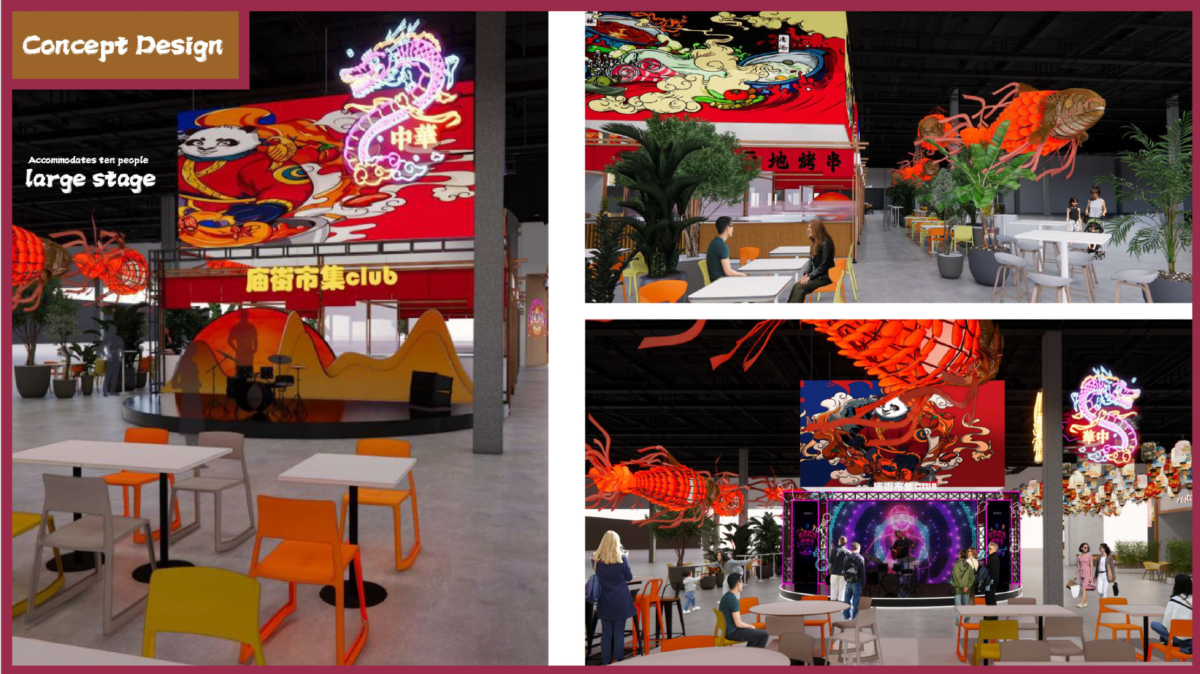
Perhaps one of the most ambitious projects underway is a 24,000-square-foot Asian fusion food hall named TM Wonder. Inspired by similar developments in Asia such as Thailand’s Iconsiam, TM Wonder is designed to be more than just a food court.
“What we want is to create a higher customer satisfaction level,” Zhang said. “We looked at our changing demographics, with increased populations of Indian, Chinese, and Korean customers, and decided to create a food and entertainment space that reflects this multicultural makeup.”
Rendering of TM Wonder, a new multicultural food hall concept opening at Tsawwassen Mills. Image: Central Walk
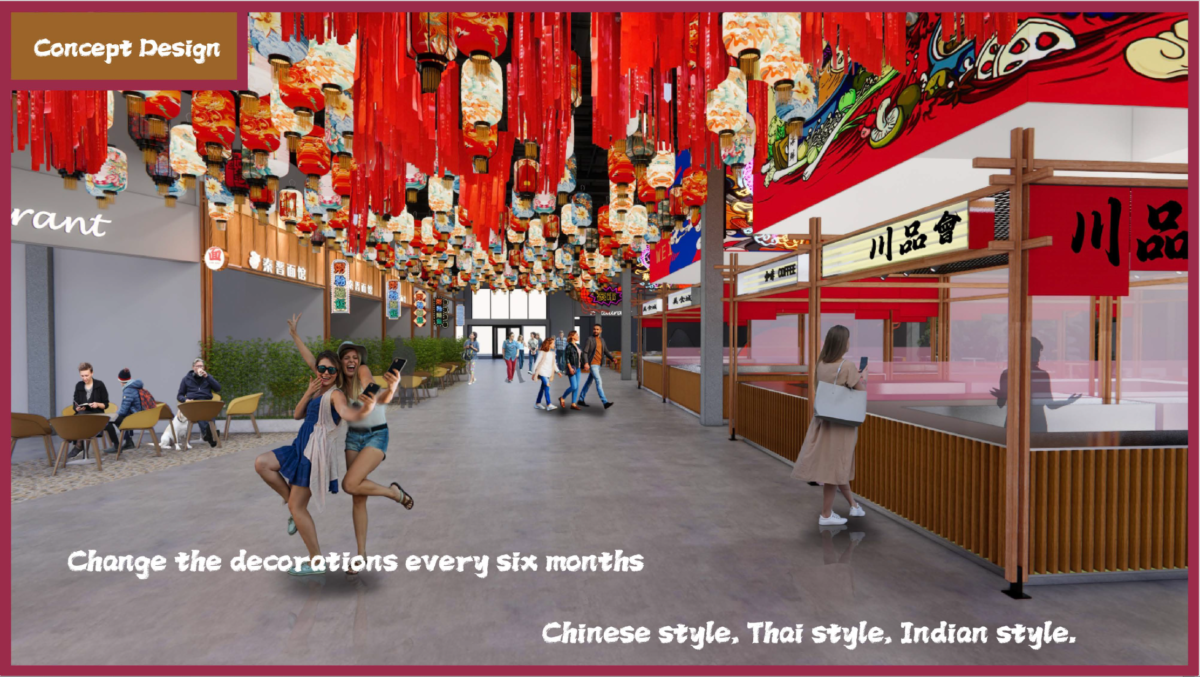
The space will include 18 kiosks and CRUs (commercial retail units), a central bar, and live entertainment with stages for performances like jazz, classical music, DJs, and weekend theme markets. “Every weekend will feel different,” Zhang explained. “We want people to explore new foods and cultures each time they visit.”
The ability to extend operational hours thanks to independent exterior entrances is also a key differentiator. “Food courts inside malls often have to close when the mall closes,” Zhang noted. “TM Wonder will be able to stay open later, creating more opportunities for social dining and entertainment.”
Rendering of TM Wonder, a new multicultural food hall concept opening at Tsawwassen Mills. Image: Central WalkRendering of TM Wonder, a new multicultural food hall concept opening at Tsawwassen Mills. Image: Central Walk
Tenant Mix Expands as Leasing Accelerates
Central Walk continues to attract new tenants to the property. Zhang confirmed that discussions are ongoing with major grocery retailers, as well as Japanese fashion powerhouse.
Additionally, the former Saks OFF 5TH space is being eyed for potential conversion into a large-format supermarket, thanks to its ideal layout with independent truck access.
Other new tenants include popular brand Lee’s Donuts, expected to open by September, adding another family-friendly element to the growing food and beverage lineup.
Rendering of TM Wonder, a new multicultural food hall concept opening at Tsawwassen Mills. Image: Central Walk
Pickleball and Outdoor Event Space
Beyond the mall interior, Central Walk is investing in outdoor facilities to further broaden its appeal. A new pickleball venue is being constructed in the parking lot between Entrances 3 and 4. “We signed a contract with the pickleball association of B.C. to build a venue that will host provincial competitions,” Qin revealed.
“That alone could bring an additional million visitors to the property each year,” she added.
Foot Traffic Growth and Revenue Impact
The results of these investments have been impressive. “When we acquired the property in 2022, annual foot traffic was around 4.2 million. By 2023, it had grown to 4.8 million, and in 2024 we expect it to surpass 5.6 million,” Zhang detailed.
“Even as other malls experience flat or declining traffic, ours continues to grow year-over-year,” he noted.
The entertainment and experiential offerings play a critical role in this success. “As a landlord, we see these tenants as traffic drivers,” Zhang explained. “They give families a reason to visit on weekends, which in turn benefits the retailers.”
While entertainment-focused tenants often pay lower rent than traditional retailers, Zhang noted that the value they bring to the overall property far outweighs the lower rental income. “They attract crowds, and when people come for entertainment, they often stay longer and spend more across the mall.”
Rendering of a fashion area in the new Ruby Liu department store. Image: Ruby Liu
Foreshadowing Ruby Liu’s Department Store Vision
The innovations at Tsawwassen Mills may offer a preview of what Ruby Liu has planned for her forthcoming department store chain. After acquiring 28 former Hudson’s Bay leases across British Columbia, Alberta, and Ontario, Liu aims to reinvent the department store concept with a strong experiential and community focus.
“We want to create inclusive, multifunctional hubs that serve families, promote active lifestyles, and provide meaningful engagement for youth,” Liu previously said in a press release.
Zhang noted that the thinking behind TM Wonder and other experiential elements aligns closely with Liu’s broader retail philosophy: “It’s about creating places where people want to gather, explore, and spend time.”
Looking Ahead
For Central Walk, Tsawwassen Mills represents not just a successful retail project but a living laboratory for new ideas in the Canadian market. “We have faced challenges since the grand opening years ago, but with these out-of-the-box approaches, we are finding our own way in a challenging economic environment,” Zhang concluded.
With continued investments in culture, entertainment, food, and community engagement, Tsawwassen Mills stands as a powerful example of how shopping centres can evolve into vibrant suburban destinations—and perhaps a blueprint for Ruby Liu’s bold new retail ambitions across Canada.
At a time when Canadians are feeling the squeeze from rising grocery bills and dining out costs, IKEA Canada continues to prioritize value, offering warm, hearty meals at prices that feel like the good old days.
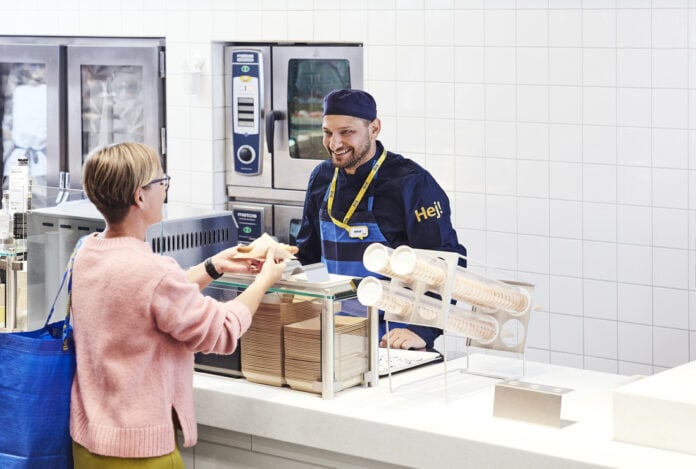
Whether it’s their $5.99 breakfasts (a plate loaded with scrambled eggs, bacon, sausage, home fries, and pancakes), Swedish Thursdays, offering 50% off meals, or newly expanded plant-based options, IKEA Canada’s food menu is proof that affordability doesn’t have to come at the expense of quality or taste. And now, just in time for summer, they’re adding something special to the mix: A full Swedish Midsummer Buffet for only $24.99 – a three-course celebration with salmon, meatballs, desserts and more.
These offerings reflect IKEA Canada’s broader mission to support Canadians through accessible pricing, both on the showroom floor and in the restaurant, explained the company.
Elena Pozueta Larios
“For IKEA, being affordable for the many people remains our absolute priority — especially in times of economic uncertainty and rising living costs. IKEA Canada is committed to supporting our customers during this period of higher food inflation. Despite rising costs, we have consciously absorbed these increases to ensure we continue to serve the many. Our goal is to offer affordable meals and remain accessible to those with tighter budgets by providing full meals at very reasonable prices,” said Elena Pozueta Larios, Head of IKEA Food, IKEA Canada.
“At IKEA, we have always prioritized creating an overall experience that is a fun day out for the entire family and we know that food is the gateway to people’s hearts. By offering relevant and enticing food options in our stores, we drive traffic with irresistible deals and very low prices. This not only brings customers into our stores but also enhances brand awareness by tapping into our Swedish identity. When the time comes for a consumer to make a purchase, they will remember IKEA.”
Larios said IKEA aims to inspire and enable the many people to move towards healthy and sustainable lifestyles by offering affordable, attractive, and accessible home furnishing products and food that support a healthy and sustainable life at home.
Photo: IKEA
“Our plant-based options have been warmly received by our Canadian customers. Our recent and newest addition, the plant-based nugget, has been a particularly popular addition in our Swedish Bistros. Additionally, the vegetable rice dish—our most affordable offering in the Swedish Restaurant—has achieved remarkable success in its first four weeks, with demand tripling our initial projections. Canada is the top second country in the world across IKEA for selling the Plant balls in our Swedish Food market.
“The IKEA Swedish Midsummer experience is happening across all IKEA stores in Canada, with the exception of our extra small format stores in downtown Toronto and Scarborough Town Centre.
“We are planning to revitalize the shopping experience in our Swedish Restaurants by introducing a digital buying process. This innovation will reduce waiting times and enhance the overall dining experience at IKEA. By embracing this added digital customer journey, we aim to connect with newer generations, build brand awareness, and foster trust in our brand. We are aiming to set up this new process within our next fiscal year.”
“With more Canadians looking to stay within the country this summer, now is a great opportunity to explore our local businesses and communities and keep the loonies local. Every time Canadians choose to shop at a local small business, 66 cents of every dollar stays in the local economy.”
This year, almost 40% of businesses expect summer tourism revenue to remain the same as last year, while about equal shares expect either higher or lower revenues. New data from CFIB found that 37% of those surveyed noticed changes in tourists’ behaviour. Among those, 58% of businesses are seeing growing interest from Canadian travelers, and 37% noticed visitors choosing more affordable options for goods or services.
The CFIB is Canada’s largest association of small and medium-sized businesses with 100,000 members across every industry and region.
Cross-border travel takes a hit amid trade tensions
A public opinion poll conducted by CFIB with members of the Angus Reid Forum found that 10% of Canadians have canceled their business travel to the U.S and 22% cancelled their personal travel.
Among those who have finalized their travel plans or have yet to do so, 56% plan to travel within their province, 51% elsewhere in Canada, and 21% elsewhere in the world other than the U.S. Only 11% are travelling or looking to travel to the U.S. this summer, said the CFIB
To help the tourism industry, CFIB said it is urging all three levels of government to reduce permit and licensing requirements while actively promoting buying local and travelling within and to Canada.
“Governments and Canadians have a significant role in strengthening our economy and supporting independent local businesses. We encourage people from coast to coast to get out and explore their communities, their provinces and their country this summer to create new memories and help give small businesses a much-needed boost.”
Cozey, the direct-to-consumer Canadian furniture brand known for its “sofa-in-a-box” concept, officially opened its Ottawa pop-up on June 12, marking its first physical presence in the National Capital Region. The brand’s founder and CEO, Frédéric Aubé, confirmed the 4,000-square-foot location will remain open until January 2026 — making it Cozey’s longest-running pop-up to date.
“This is a big market for us,” said Aubé in an interview with Retail Insider. “Ottawa is actually in our top five performing regions in Canada, even though we haven’t invested heavily in local marketing until now.”
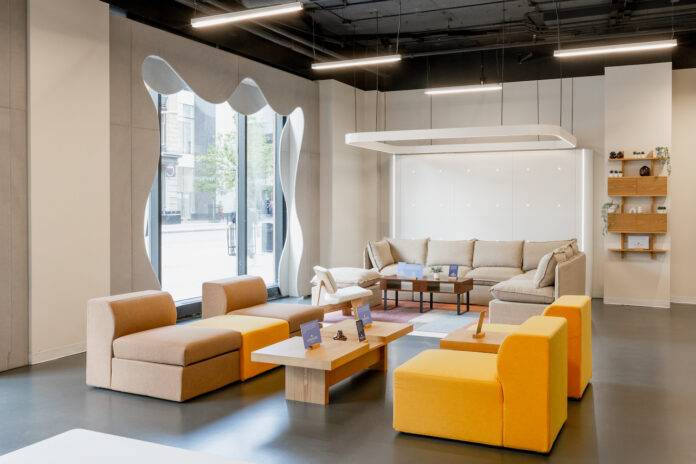
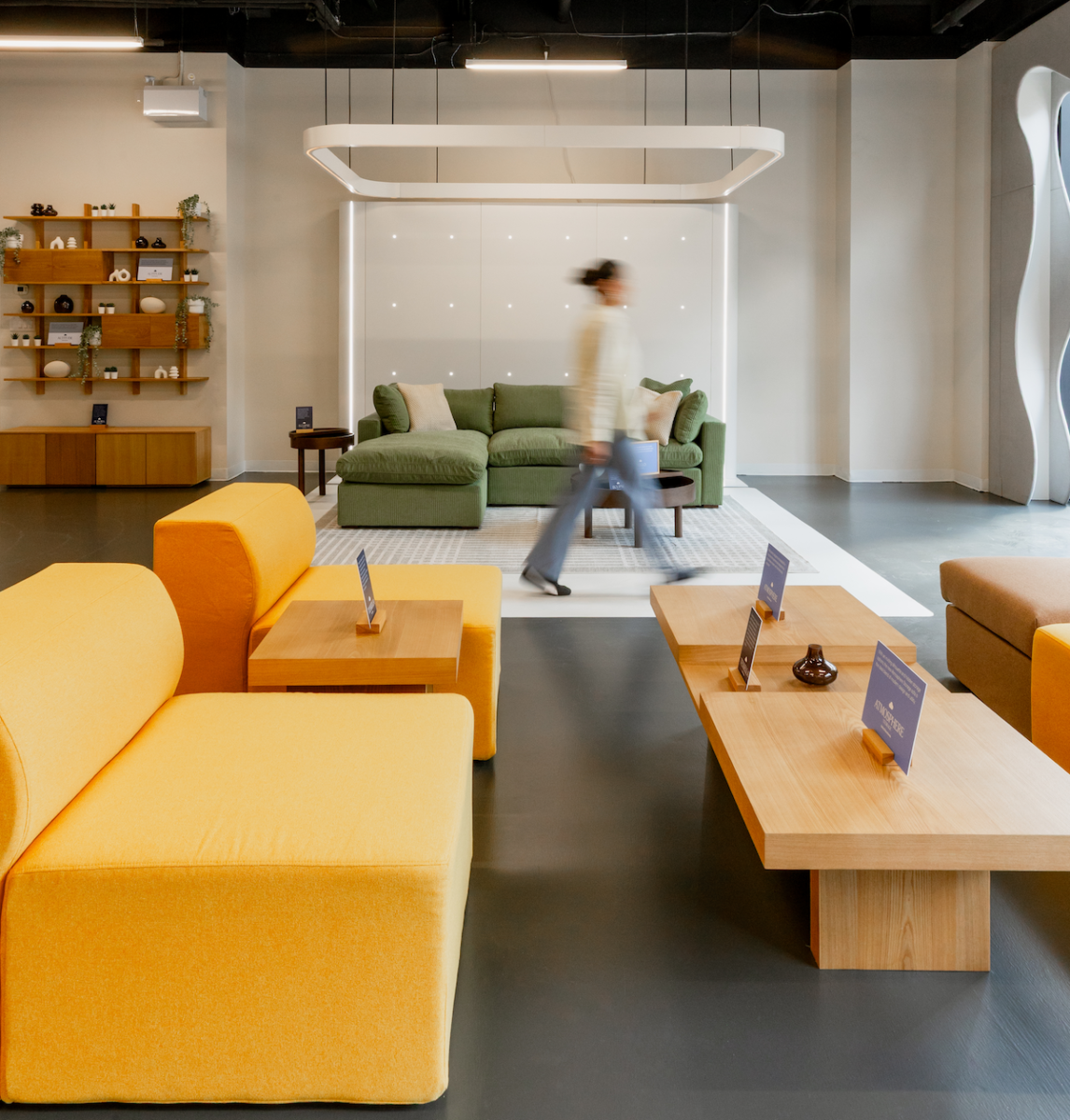
Located at 137 Rideau Street, the pop-up spans two floors and showcases Cozey’s full lineup of modular sofas, washable rugs, and accessories in an interactive showroom format. Aubé noted the company specifically targeted a high-visibility streetfront presence rather than locating the store inside a shopping centre.
Frédéric Aubé, Founder and CEO of Cozey
“We’ve always leaned toward street-level spaces,” he explained. “It’s about controlling the entire customer experience. Rideau Street gave us the right mix of visibility, foot traffic, and space to test a new two-level retail concept.”
The Ottawa store closely mirrors Cozey’s permanent flagship on Queen Street West in Toronto and serves as a market trial that could lead to a permanent store depending on performance.
“If it goes well, we’re definitely considering a permanent store here,” Aubé said. “That’s the whole point of the pop-up — to fully evaluate the market over several months.”
Cautious but Ambitious Growth
Cozey, founded in Montreal during the pandemic in 2020, has quickly emerged as a major player in the North American furniture landscape. Starting online with a focus on modular sofas that can be delivered in courier-sized boxes and assembled without tools, the brand quickly gained traction by offering modern convenience, quality materials, and a customer-centric ethos.
“We started with a simple idea: let’s make great furniture that people can easily assemble themselves,” said Aubé. “Even people with zero experience — like me — should be able to do it.”
Cozey’s rise has been steady and deliberate. After launching online, the brand opened its first pop-up at Toronto’s Stacked Market, followed by temporary showrooms in Vancouver, Montreal, and New York City. Its first permanent store debuted in Toronto in 2024. Now, Cozey is pursuing long-term growth with a measured rollout of permanent stores.
“We want to be cautious,” said Aubé. “I’ve seen too many DTC brands try to scale retail too fast and lose control. We’re building the infrastructure and team to do this the right way.”
In-Store Experience Fuels Online Growth
Despite its online roots, Cozey has found that physical showrooms significantly enhance digital performance. In markets where pop-ups or permanent stores have launched, online sales tend to rise — a retail trend commonly referred to as the “halo effect.”
“We’ve seen strong omni-channel benefits from physical stores,” Aubé said. “When customers interact with the brand in-person, they’re more likely to convert online. Toronto is our biggest region by far now, and I’m sure our Queen Street flagship plays a major role in that.”
That tactile in-person experience is central to Cozey’s value proposition. While customers often discover the brand through digital channels, seeing and trying out the furniture in-store remains a key step before purchase.
“Our products are designed to be touched and experienced,” he said. “People want to feel the comfort, understand how the modules work, and visualize them in their space. It’s not something you get from a screen.”
Modular, Canadian, and Customer-Focused
Cozey’s core product lineup includes modular sofas, chaise lounges, storage solutions, and washable rugs. Everything is designed with a tool-free assembly model, making the products especially appealing for urban dwellers or those who frequently move.
“We’re trying to remove all the friction that comes with traditional furniture buying,” said Aubé. “No tools, no waiting weeks for delivery, no difficult returns.”
“There’s a lot of pride in being a Canadian brand,” Aubé said. “We’ve got 150 people working for Cozey in Canada, and our goal is to grow that even more. When I see companies like Canada Goose or Lululemon succeed globally, I want Cozey to be part of that Canadian retail story.”
A Long-Term Vision
As Cozey tests the waters in Ottawa, Aubé emphasizes the company’s focus on sustainability — both in product and strategy.
“This is a marathon, not a sprint,” he said. “We’re not rushing into dozens of stores overnight. We’re learning, improving, and building something durable. That’s what will set us apart.”
The Rideau Street pop-up is now open to the public, offering visitors an opportunity to interact with the Cozey brand in-person — and perhaps get a first look at the company’s next phase of national growth.
In spite of ongoing inflation worries, tariff tensions and tightening operating margins, four in 10 Canadian small and mid-market enterprises (SMEs) are spending more on business travel in 2025 than last year, according to a new national YouGov survey from Corporate Traveller Canada, the business travel division of Flight Centre Travel Group.
At a time when many Canadians are reining in personal spending, 42 per cent say they expect to increase their travel budgets, pointing to the enduring value of in-person relationship building, business acquisition and team connectivity, said the company.
This sentiment aligns with Corporate Traveller Canada’s own booking data, which shows a 6% increase in domestic and international business bookings in Q1 2025 compared to the same period last year, driven primarily by clients in professional services, mining and manufacturing sectors, it said.
Almost 3 in 4 (70%) Canadian SMEs fear that inflation will affect their business’s ability to afford corporate travel.
Demand for Corporate Travel Reaching New Heights
More than 4 in 5 (82%) SMEs believe demand for corporate travel will be the same as or higher than pre-pandemic levels over the next 12 months.
Majority of SMEs Think Corporate Travel Remains Viable
Taking the current and forecast inflationary environment into account, 15% of SMEs say travel remains highly viable (little to no change) and almost half (48%) say it’s viable, though some reduction may be necessary.
Savvy Businesses Taking Steps to Manage Costs
Over the past 12 months, 84% of Canadian SMEs have gotten smart about where they spend their travel budget—but only 30% have reduced travel frequency.
Opted for cost-effective options (economy class, budget accommodations) – 32%
Encouraged or mandated advanced bookings to secure lower rates – 28%
Reviewed and optimized policies – 27%
Set stricter travel expense limits and budgets – 25%
Negotiated discounts with airlines, hotels or car rental companies – 24%
Implemented an approval process for all travel requests – 24%
Used data analytics or technology (e.g. AI-based tools) to monitor and control expenses – 21%
“While prices for essentials remain elevated—they rose by 3.8 per cent in April 2025 compared to April 2024—Canadians are getting a temporary financial reprieve when it comes to the cost of airfare. In March 2025, prices fell 12 per cent YoY. That decrease remained low for April 2025, at a YoY drop of 5.8 per cent,” said the company.
New data from Lightspeed Commerce Inc., the unified omnichannel platform powering ambitious retail and hospitality businesses in over 100 countries, suggests a new consumer landscape is emerging—where price and quality still matter, but Valuespending is taking centre stage.
Lightspeed said its survey of 2,000 consumers across the U.S. and Canada reveals that 92% of respondents consider themselves at least somewhat intentional with their purchases, while 40% say they are very intentional. Today’s shoppers aren’t just buying products—they’re also buying into values. Nearly half (45%) say brand values will play a bigger role in future purchases, signaling a clear shift toward mindful, purpose-driven consumption—what Lightspeed calls Valuespending.
Dax Dasilva
“Consumers today are balancing cost with conscience,” said Dax Dasilva, CEO and Founder of Lightspeed. “It’s not always about the lowest price—it’s about choosing brands that reflect their values. And when those values align, loyalty can follow more easily. This new era of intentional spending—Valuespending—is reshaping retail and pushing businesses to be more transparent and authentic.”
While price (78%) and quality (67%) remain key priorities, more consumers (62%) now say it’s important that their purchases align with their personal values or identity, said Lightspeed.
The survey also found:
27% have made purchases based on national pride
18% supported brands for charitable or social causes
18% chose products for their sustainability impact
15% factored in a CEO’s political alignment
32% of shoppers who report making values-based buying decisions, this is a new behaviour. Driving this shift are a stronger belief that their spending has more impact than before (50%), a sense of living in a more divided world (45%), and influence from social media (23%)
96% of Gen Z consumers say they shop intentionally, with 66% noting that it’s important their purchases reflect their values. For this cohort, sustainability (37%), national pride (29%), and cultural alignment (26%) top the list of decision drivers. More than half (51%) say their most recent purchases were made with “thought and intention.” Social media plays a major role—61% of Gen Z discover value-aligned brands online, far more than other generations
32% of Gen Z shoppers say they fear being judged for buying from the “wrong” brands—highlighting a generational mix of purpose and peer pressure reshaping the retail space
While just 16% of U.S. respondents say they’ve made purchases in the past six months based on local or national campaigns like “Buy American,” that number jumps to 38% in Canada. Similarly, 45% of Canadian consumers say supporting local businesses best reflects their values, compared to 36% of U.S. shoppers. This trend points to a growing sense of national alignment at the checkout—especially in the context of trade tensions.
“These insights show us that consumer expectations are evolving,” added Dasilva. “From sustainability to social impact, the brands that listen, adapt, and ‘walk the talk’ can thrive in this age of Valuespending.”
Lightspeed is the POS and payments platform powering businesses at the heart of communities in over 100 countries. It was founded in Montreal in 2005.
The countdown to Canada’s most celebrated summer holiday is on and, for bars and restaurants, this Canada Day long weekend could be a make-or-break moment, according to Square.
A new survey commissioned by Square found that 72% of Canadians plan to spend more time vacationing in Canada and enjoying local restaurants this year—an increase attributed to the current political climate.
To help food and beverage sellers make the most of the busy holiday and succeed, technology company Square announced recently it is launching its most powerful, portable point-of-sale device yet alongside a suite of industry-specific features and upgrades to empower Canadian businesses to move faster, deliver better customer experiences and grow.
According to newly-released Square data, Canada Day weekend is far more than just a celebration: it’s an important revenue driver for the hospitality industry. In 2024, bars and restaurants using Square to run and grow their businesses saw a 36% nationwide sales jump over the July 1st holiday weekend—building on a 30% rise in 2023. The boost didn’t stop there: after the long weekend, sales remained elevated above the annual average for the next two months—a crucial period for operators aiming to shore up their bottom lines before Fall.
Square said this year, nearly three-quarters (72%) of surveyed Canadians anticipate spending more time in the country and at local restaurants, bars and pubs due to the current political climate—and almost half (47%) plan to “make the most of summer in Canada.”
Square is launching Square Handheld, “a powerful and pocketable point-of-sale device that weighs in at 0.34 kgs and is only 1.6 cm thick. For quick-service restaurants, that means cutting down on lines during a busy rush, and for full-service restaurants, it’s taking orders tableside or from across the bar.” help them thrive in the economy.
Retail Insider is streamlining its Canadian retail news from around the web to include a handful of top news stories that can be viewed quickly during the day. Here are the top stories from the past 24 hours.
Net revenues decreased 4.1% to $158.9 million, primarily due to severe winter weather in the month of February and economic uncertainty.
Comparable sales decreased 4.5%.
Gross profit % was down 100 basis points to 55.7%.
Adjusted EBITDA was negative $10.6 million.
Net loss was $10.0 million, or $0.20 per share.
Andrea Limbardi
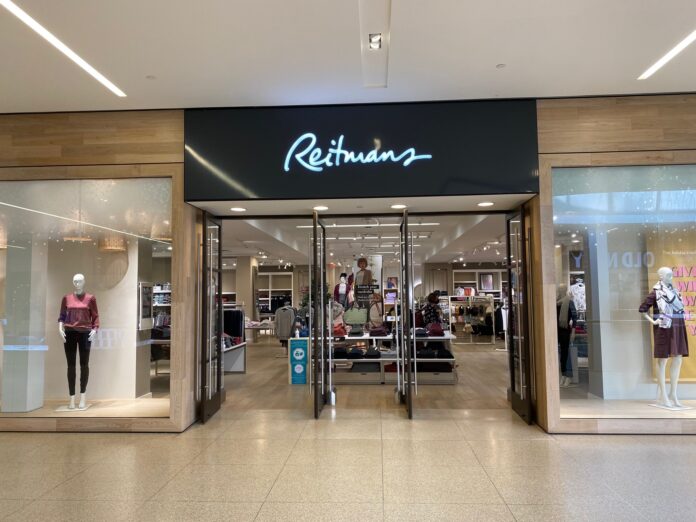
“While our e-commerce revenue grew in Q1, it was not enough to offset lower in-store traffic resulting from near-record snowfall accumulations in some regions during February,” said Andrea Limbardi, President and CEO of RCL.
“We saw improvement once the weather cleared; however, consumers were more price-conscious amid ongoing economic uncertainty. We proactively moved our merchandise with selective and strategic promotional activity, ending the quarter with healthy inventory levels. However, these actions resulted in a year-over-year gross profit impact. I am pleased with the performance of our Reitmans brand, which performed well in the quarter, responding to customers’ concerns over the economy with its hallmark of great styles and quality at accessible price points.
“Our disappointing financial results underscore the importance of implementing the five-year strategic plan we announced in April. This strategy is designed to drive long-term profitable growth and ultimately make our business more resilient. As part of our ongoing efforts to optimize our store fleet, we opened three new Reitmans stores, one RW&CO store, and two PENN stores that were relocations during the quarter. Meanwhile, under our strategy to fuel growth with modernization, we moved forward with the first phase of our digital strategic roadmap. Reflecting our commitment to a seamless customer journey across all our touch points, this first phase will include newly designed front-end e-commerce storefronts for all three brands and migrating to ShopifyTM. We expect the migration and launch of our enhanced e-commerce offering to be completed this fiscal year.”
The Company operates 394 stores under three distinct banners consisting of 225 Reitmans, 86 PENN., and 83 RW&CO
On May 3, RCL said it had working capital of $134.8 million, including cash of $85.4 million compared to working capital of $165.7 million, including cash of $158.1 million as at February 1, 2025 and working capital of $153.4 million, including cash of $98.9 million as at May 4, 2024. At the end of the first quarter, RCL had no long-term debt other than lease liabilities and no amounts were drawn under the Company’s bank credit facilities.