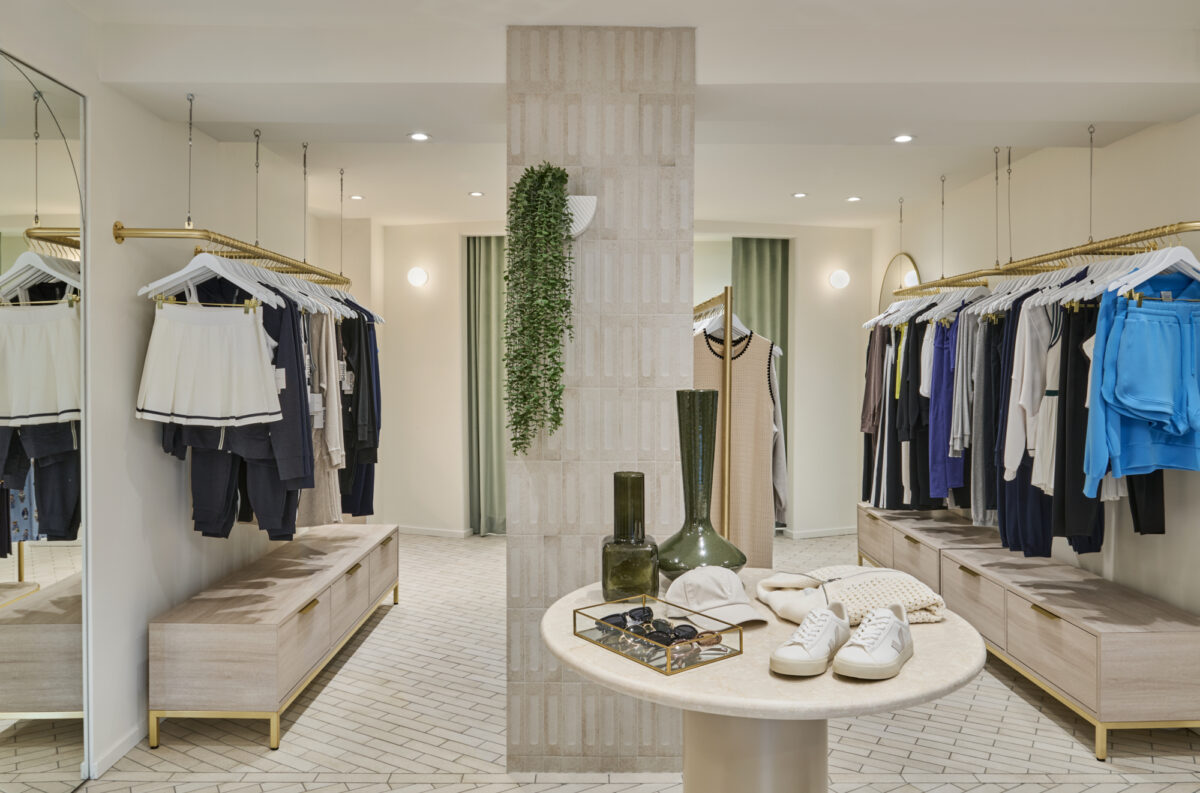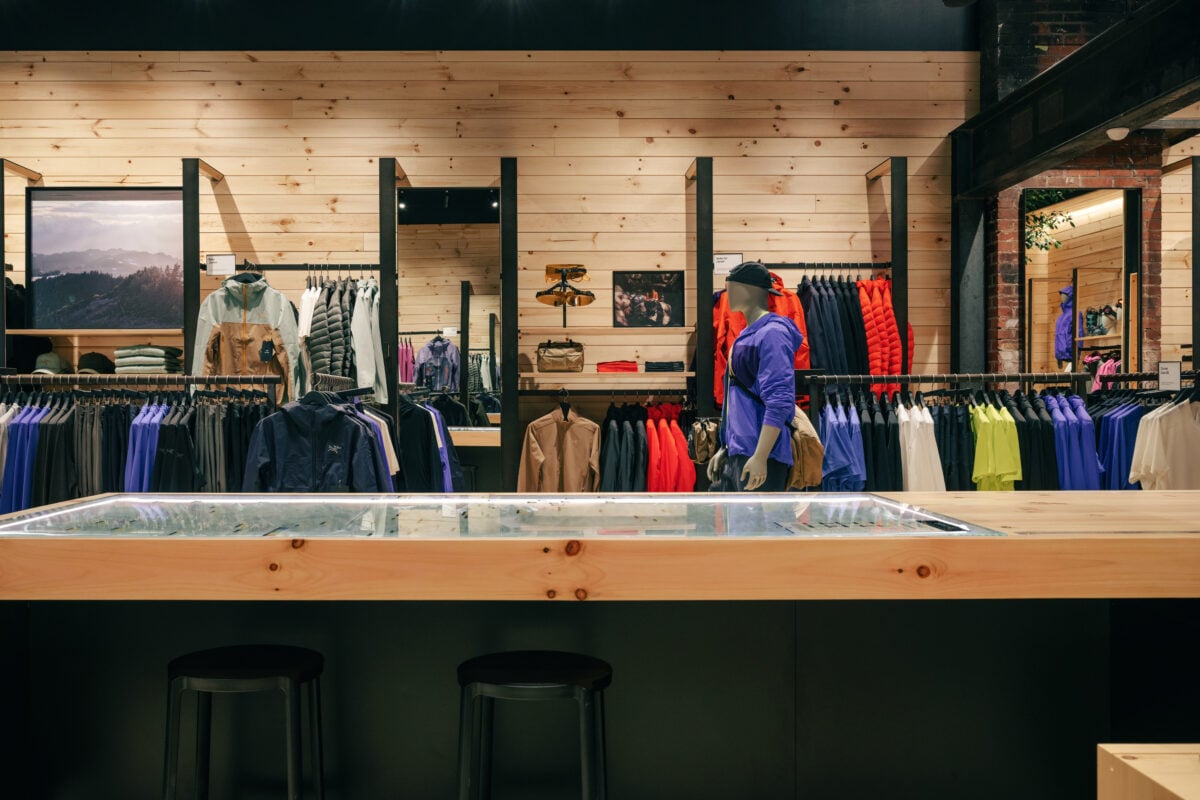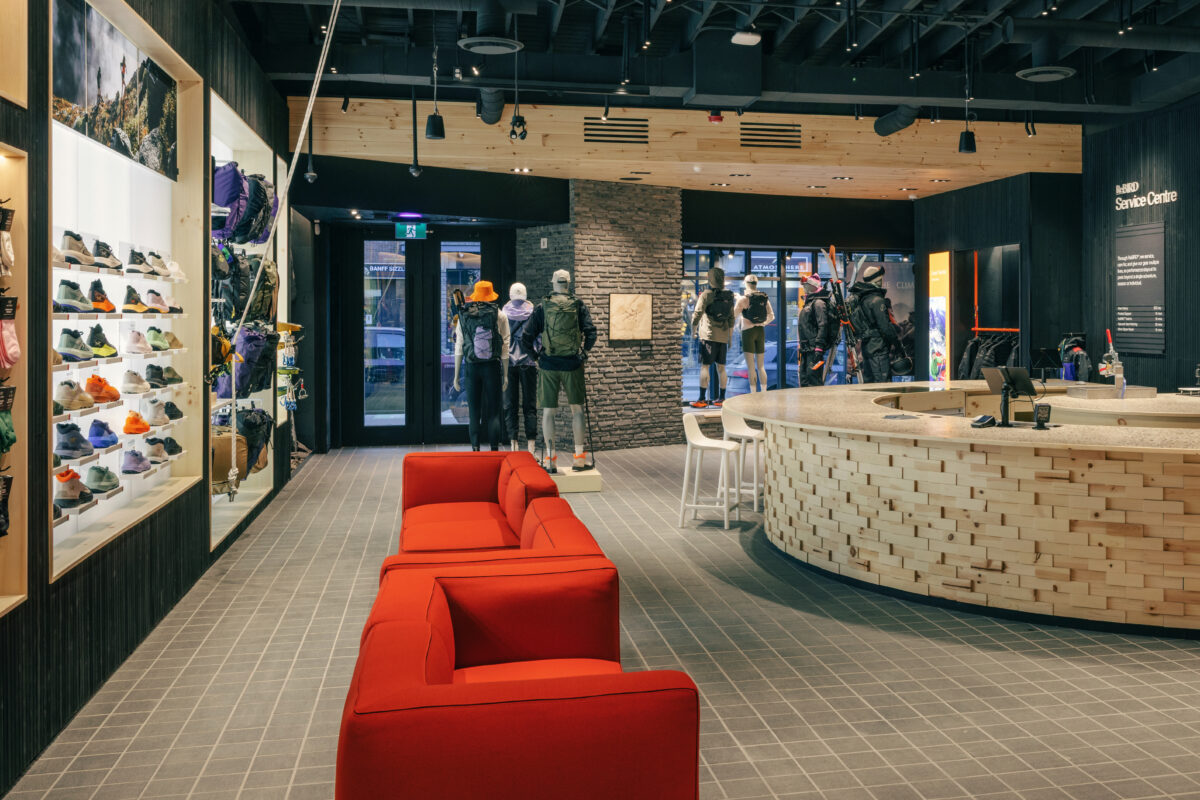
Pret a Manger at A&W Marine Gateway in Vancouver on July 25, 2022. Photo: Lee Rivett
A&W has announced an exclusive agreement to serve Pret A Manger’s Classic Blend coffee in all its Canadian restaurants.
The partnership between A&W and Pret A Manger, which began in 2022, is now reaching new heights. This move comes as part of a broader ten-year development plan signed by both companies in May 2024. The agreement not only includes the nationwide coffee rollout but also plans for opening more standalone Pret A Manger cafés across Canada.
From Concessions to Cups: The Journey of Pret in Canada
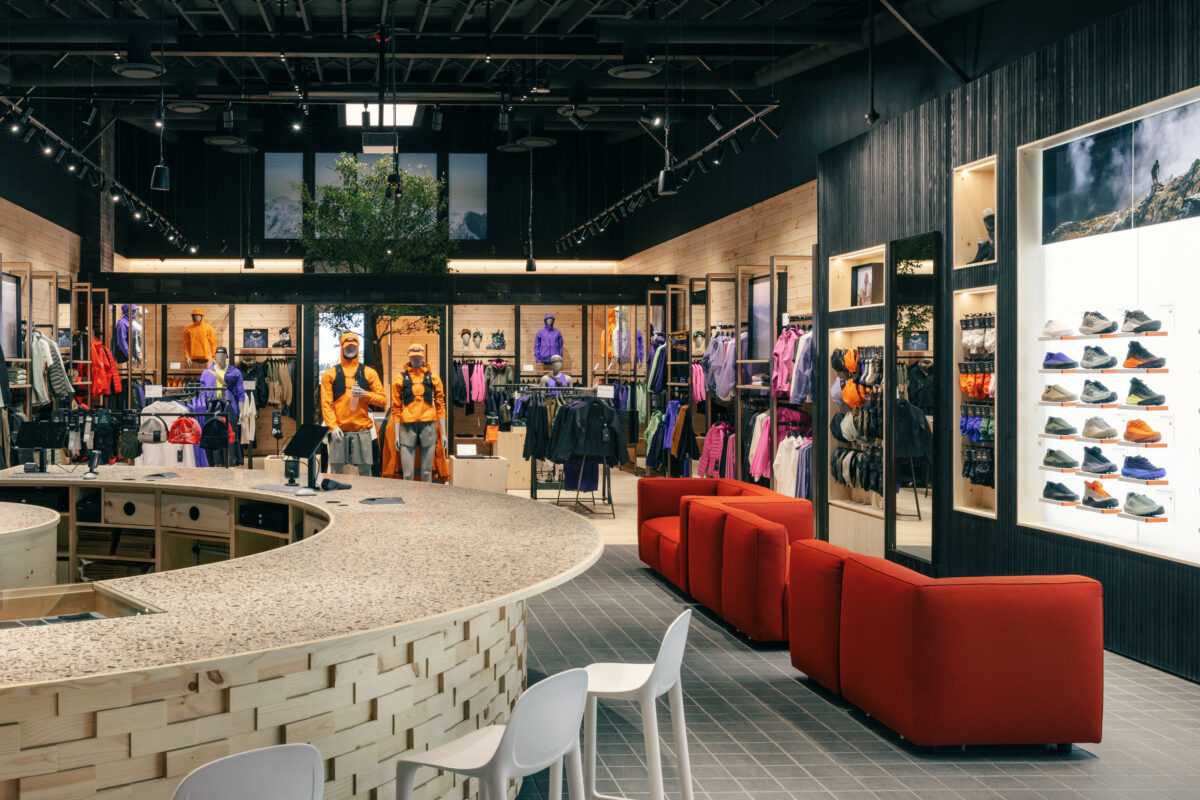
Pret A Manger, the UK-based coffee and food-to-go chain, first entered the Canadian market in July 2022. Initially, the brand operated concession sites within select A&W restaurants. The cautious approach allowed Pret to test the waters before expanding its presence.
In January 2024, Pret A Manger opened its first brick-and-mortar location in Toronto, marking a milestone in its Canadian journey. Since then, the company has added a second Toronto outlet and ventured westward with its inaugural standalone site in Vancouver.
Scott Darlow, Pret A Manger Lead at A&W Canada, expressed enthusiasm about the partnership: “Pret’s exceptional quality and taste have won over coffee lovers worldwide, and we’re thrilled to bring it to over 1,000 locations across Canada. We’ve tested Pret coffee in select A&W locations where it quickly became a favourite among guests, which led us to make it our official coffee at all A&W restaurants.”

The decision to serve Pret’s Classic Blend coffee across all A&W Canada locations stems from its success in test markets. The positive reception from customers encouraged A&W to take this bold step, potentially reshaping the Canadian fast-food coffee landscape.
The collaboration represents a significant expansion for Pret A Manger, which currently operates 480 stores in the UK and 210 across 17 international markets. The company recently achieved a milestone of £1 billion in annual sales, with group sales reaching £569 million ($752 million) in the first half of 2024 alone.
A recent survey by Omnisend, an ecommerce marketing automation platform, has uncovered a surprising trend among Canadian shoppers: a willingness to wait longer for deliveries in exchange for lower prices.
Patience Pays Off for Price-Conscious Consumers
The study found that 51.7% of Canadians are content with shipping times exceeding a week if it means scoring better deals. This preference for savings over speed is reshaping how retailers approach their shipping strategies, especially during high-traffic shopping periods like Black Friday and Cyber Monday (BFCM).
Greg Zakowicz, senior ecommerce expert at Omnisend, notes, “Shoppers are conditioned to associate BFCM with great deals, not necessarily fast deliveries. Brands that overly emphasize next-day shipping may be missing an opportunity to attract discount-driven shoppers.”
The Long Wait: A Growing Trend
Remarkably, 78.6% of respondents are willing to wait more than three days for their parcels if it means lower prices. Even more striking, 29.3% said they could wait nine days or more – a timeframe that’s at least five times longer than Canada’s average parcel delivery time of 1.68 days.
“As consumers become more price-sensitive, the huge popularity of companies like Temu and Shein shows that many are willing to wait longer for deliveries if it means significant savings,” Zakowicz explains.
Strategic Shipping for BFCM Success
For retailers gearing up for the BFCM rush, Zakowicz offers several key recommendations:
Prioritize transparent communication about delivery times
Avoid overcommitting to speedy deliveries
Offer tiered shipping options to cater to different customer preferences
Use longer shipping times as a sales tool to highlight savings
Monitor and adjust strategies based on customer behavior
These insights suggest that Canadians prefer slower shipping when it comes with cost benefits, challenging the notion that faster is always better in the world of ecommerce. This trend could shift again as the economy improves, and consumer preferences shift back to prioritizing shipping times.
As winter approaches, Canadian auto shops face a growing threat beyond icy roads: MOTO tire fraud. The scheme, targeting high-demand winter tires, has led to an alarming 89% increase in fraud losses for auto shops nationwide.
The Rise of MOTO Tire Fraud
MOTO (Mail Order/Telephone Order) tire fraud involves criminals using stolen credit card information to purchase tires, exploiting the seasonal demand surge.
Maria Cameron, Director of Risk Management at Moneris, Canada’s foremost payment services provider, explains, “With provinces like British Columbia and Quebec mandating winter tires, fraudsters are targeting these high-ticket, in-demand items for easy resale.”
Protecting Businesses Against Fraud
As auto shops prepare for the winter tire rush, implementing robust fraud prevention measures is crucial. Cameron advises:
Avoid accepting payments over the phone from unfamiliar customers.
Use secure payment terminals for in-person transactions.
Implement online payment solutions with built-in fraud prevention tools.
“Much like preventative vehicle maintenance, businesses need to adopt proactive fraud prevention strategies,” Cameron emphasized. “Using solutions with integrated fraud prevention tools can shift chargeback liability to card issuers, minimizing losses for your business.”
Moneris offers various secure online payment options, from integrated website checkouts to request-for-payment solutions. These tools help validate customer identities and protect businesses from fraudulent activities.
Auto shop owners are encouraged to stay informed about the latest fraud trends and to report any suspicious activities promptly to their payment processor. By remaining vigilant and implementing these preventive measures, Canadian auto shops can better protect themselves against MOTO tire fraud and ensure a smoother winter season for all.
Now both women’s brands have returned to Canada under new ownership, with partner shop-in-stores opening within Hudson’s Bay locations. In a press release, Hudson’s Bay said that the Ann Taylor and LOFT shops will “reflect each brand’s unique look and feel.”
The Ann Taylor brand will have a presence in 30 of Hudson’s Bay’s stores across the country, while LOFT will be available in 60 of Hudson’s Bay’s stores. Hudson’s Bay currently operates about 80 stores across Canada.
OPENING OF THE CF TORONTO EATON CENTRE ANN TAYLOR STORE ON OCTOBER 5, 2012. PHOTO: TORONTOISFASHION.COM
The Ann Taylor assortment in Hudson’s Bay will include “product for the modern working woman featuring workwear, iconic silhouettes, and signature colour, print, and pattern that the brand is famous for,” according to Hudson’s Bay. The assortment will also include the modern tailoring Ann Taylor customers love including suiting, blazers, dresses and pants. The LOFT assortment “is centred around fun, feminine fashion that is synonymous with the brand, including easy stylish wardrobing that takes her from workday to play, with jackets, denim and sweaters.”
The move to bring both brands to Hudson’s Bay is part of a deal with US-based Centric Brands LLC, which now has the distribution rights to Ann Taylor and LOFT.
“We are thrilled to be partnering with Centric and Hudson’s Bay to bring Ann Taylor and LOFT back to Canada. This is a very important market for our brands,” said Deirdre FitzGerald, President of International for KnitWell Group, the company that operates Ann Taylor and LOFT. “They are both best in class organizations, and Ann and LOFT are two incredible, well-known brands with a loyal following in Canada. Together, we are creating a powerful new way to bring these brands to life and engage with new and existing customers.”
“This partnership not only enhances Hudson’s Bay’s offerings, but also aligns with what our customers are looking for. These brands provide a blend of style and sophistication for women looking for versatility in their wardrobe, for both professional and social settings,” said Liz Rodbell, President and CEO, Hudson’s Bay in a statement. “As the retail landscape evolves, it’s crucial for retailers to adapt to customer preferences, and we’re confident that this collaboration will deliver against the demands of our shopper.”
Ascena acquired Ann Taylor and LOFT in 2015. Both brands had already expanded into the Canadian market at the time. In 2012, Ann Taylor opened its first Canadian store at CF Toronto Eaton Centre which was followed in November of 2012 with a unit at Toronto’s Yorkdale Shopping Centre. Ann Taylor subsequently opened stores at CF Sherway Gardens as well as at Square One in Mississauga. LOFT, which opened its first store in Canada at Toronto’s Yorkdale Shopping Centre in November of 2012, operated eight other units in Canada until its stores were also liquidated.
Hudson’s Bay has been adding brands to its stores — that includes Cat & Jack, a children’s line developed for Target in the United States. Last year Hudson’s Bay also brought in Kmart Australia’s Anko line, which was positioned as the core product line for a 2.0 rollout of the Zellers brand concept.
Parent Hudson’s Bay Company recently acquired US luxury retailer Neiman Marcus, forming a new division called Saks Global. Canadian stores have been excluded from the new Saks Global conglomerate.
Shoppers Drug Mart, Lawtons, and other major pharmacy chains in Nova Scotia are set to redefine their retail strategy by expanding primary care services.
Retail Pharmacies Transform into Primary Care Hubs
The Nova Scotia government has announced that 14 new retail pharmacies will join its innovative primary care clinic program this fall. This expansion, which includes six Lawtons Pharmacy locations, marks a significant shift in the retail pharmacy landscape.
Reimagining the Drugstore Experience
“This initiative is transforming our retail spaces into comprehensive health destinations,” says Alison Anderson, pharmacist and owner of Hammonds Plains PharmaChoice. The program allows pharmacies to offer an expanded range of health services while maintaining their traditional retail operations.
Since February 2023, participating pharmacies have provided over 190,000 healthcare services. This success has not only improved community health but also boosted foot traffic for these retail locations. Allison Bodnar, CEO of the Pharmacy Association of Nova Scotia, notes a nearly 10% decrease in emergency room visits, highlighting the program’s impact on both healthcare and retail sectors.
Services offered at these retail clinic locations include:
Treatment of minor ailments
Chronic disease management
Strep throat diagnosis and treatment
Administration of additional publicly funded vaccines
The expansion will increase the number of participating retail pharmacy clinics to 45 across Nova Scotia. Major chains like Shoppers Drug Mart and independent pharmacies are part of this retail healthcare revolution.
Premier Tim Houston emphasized the evolving role of retail pharmacists: “As demand for care increases, retail pharmacists will play a larger role in supporting Nova Scotians’ health, while also enhancing their retail offerings.”
Heritage Asian Eateryis unveiling a new, elevated concept at its new location at 4242 Main Street, which is scheduled to open October 8.
In a news release, the company said Heritage Restaurant and Bar will feature an expanded take on the restaurant’s acclaimed traditional Chinese cuisine, prepared with modern techniques and paired with cocktails, wine, and beer for an immersive dining experience in its eclectic open-concept space.
“Stepping into Heritage’s new location, diners will be greeted by the contemporary interiors adorned with jewel-toned wall panelling, burnished brass light fixtures, velvet banquette seating, and a large-scale wall mural. The semi-open kitchen and 50-foot-long bar create a versatile environment, perfect for social gatherings and special occasions. The restaurant will seat 82 guests, including 18 spots at the bar, promising an impeccable dining experience for all,” it said.
Photo courtesy of Heritage Asian Eatery
At the heart of Heritage Restaurant and Bar is a team of seasoned professionals led by owner Paul Zhang and co-owner and chef Jimmy Lam.
“A Vancouver native, Lam has honed his expertise at top restaurants in Vancouver, Toronto, and Sydney, creating exceptional dishes that celebrate both tradition and innovation. Building on Heritage’s signature dishes–showcasing Chinese BBQ, dim sum, and baos from its original Pender Street restaurant–the Main Street location will offer an upscale dining experience with a menu featuring exquisite items like Peking Duck using locally raised duck from Fraser Valley, paired with handmade crepes, cucumber, and hoisin sauce; Dungeness Crab harvested from the Pacific Ocean with steamed ginger and shallot; and Nova Scotia Lobster with housemade kombu butter and wok-fried XO sauce, all served à la carte,” it said.
The restaurant’s beverage program is spearheaded by beverage director Derek Granton.
“We are excited to bring a new dimension to the Heritage brand with our Main Street location,” said Zhang. “Our goal is to create a space where guests can savour the rich flavours of Chinese cuisine in a modern and vibrant setting. We can’t wait to welcome everyone to our new home on Main.”
Photo courtesy of Heritage Asian Eatery
Heritage Asian Eatery is a casual, creative restaurant that features a blend of Far East flavours, created with locally-sourced ingredients using modern, playful techniques. It first launched in 2016 in the heart of Vancouver’s Financial District at 1108 West Pender Street.
Walmart Canada announced Wednesday at its Golden Quarter Conference that the company is investing an additional $92 million in pay increases for eligible supply chain hourly and frontline management, and retail hourly associates.
“This is the latest announcement in the retailer’s journey to invest in associates’ long-term success and growth through a combination of higher wages, leading benefit plans, skills training and education offerings at no cost to the associate,” it said in a news release.
Earlier this year, Walmart Canada announced a $53 million wage investment in higher wages for store associates.
AnnMarie Mercer
“As a people-led, tech-powered, omnichannel retailer, we’re proud to offer wages that are market competitive or better – and our benefit plans are some of the best in the Canadian market,” said AnnMarie Mercer, Chief People Officer, Walmart Canada. “Investing in our people is an ongoing and important part of making sure we continue to attract great associates who want to stay and grow with us.”
John Bayliss
“Walmart Canada has a best-in-class supply chain and our associates are at the heart of that,” said John Bayliss, Chief Expansion Officer, Walmart Canada. “Investing in cutting-edge technologies, training, and development opportunities continues to be a priority to help our teams thrive and modernize how they work.”
The company said wages are just one part of the total compensation offering that all Walmart Canada associates receive:
Annual incentive bonus aligned with company performance
Comprehensive benefit coverage including enhanced prescription drug coverage, health and dental, fertility treatment, and mental health care
Access to free and confidential 24/7 virtual care, employee assistance programs, and wellbeing programs through TELUS Health
A Walmart discount card for savings of 10 per cent on groceries and general merchandise sold at Walmart stores and on Walmart.ca
A deferred profit-sharing retirement plan and a discounted stock purchase program.
“In addition, Walmart Canada has prioritized investments in skills training and education offerings at no cost to the associate. In September 2023, the retailer announced its commitment to ensuring their associates have the skills needed for the jobs of the future. Through the Live Better U (LBU) educational program, Walmart covers 100 per cent of the cost of tuition, books, and course fees for course offerings curated based on the new and future needs of the business. To date, over 3,000 associates have participated in this offering. This program marks a $50 million investment over the next five years in associate career-driven learning and development, offered through programs at top-tier schools across Canada,” added the retailer.
Earlier in September, workers at Walmart‘s Mississauga warehouse have voted to join Unifor, Canada’s largest private sector union.
It was Walmart’s first warehouse to unionize in Canada, said the union.
Walmart Canada operates a chain of more than 400 stores nationwide serving 1.5 million customers each day. Walmart Canada’s flagship online store, Walmart.ca is visited by more than 1.5 million customers daily. With more than 100,000 associates, Walmart Canada is one of Canada’s largest employers and is ranked one of the country’s top 10 most influential brands.
It is almost inconceivable that Bill C-293 remains largely unknown among Canadians, given its potential to significantly expand governmental powers in response to future pandemics. A detailed examination of the bill does more than sow confusion about its intentions; it reveals a troubling spirit at its core.
Bill C-293, a private member’s bill that recently advanced through the House of Commons with little resistance, purports to bolster Canada’s pandemic preparedness. Yet, a deeper analysis exposes provisions that could disastrously impact the agriculture and agri-food sector, which are vital to our national economy and food security.
Potential Impacts of Bill C-293 on Meat Consumption
Under this bill, public health officials could have the authority to close facilities they consider “high-risk,” such as meatpacking plants, during pandemics and even “mandate” the consumption of vegetable proteins by Canadians—measures that border on the absurd. It’s hardly surprising that the private member who introduced Bill C-293 is Liberal MP Nathaniel Erskine-Smith, who is known for his vegan lifestyle.
New Powers for Public Health Officials: Closing Agricultural Facilities
The ease with which this legislation passed highlights a disconcerting disconnection and dysfunction within our Parliament, where normally, proposals of such magnitude would undergo extensive debate and scrutiny.
Currently, the Senate, which is now reviewing Bill C-293, is inundated with over 120 letters daily from concerned groups and citizens, all apprehensive about the bill’s broad regulatory reach and its implications.
Concerns Over Mandated Dietary Changes and Their Economic Fallout
One of the most alarming aspects of Bill C-293 is the discretionary power it would grant to officials to shut down agricultural facilities without clear, objective criteria. Such arbitrary actions could disrupt not only meat supply chains but also the wider agricultural operations linked to them, including feed production. This threatens to destabilize related sectors and could trigger cascading effects throughout the entire food system.
Moreover, legislating the consumption of vegetable proteins represents an unprecedented governmental intrusion into personal dietary choices and market dynamics. This could severely disrupt the economic balance of the agri-food sector, adversely affecting everyone from livestock producers to participants in traditional protein markets.
Additionally, the bill seeks to regulate and possibly phase out certain farming practices considered high-risk for pandemic propagation. This could abruptly alter farming operations, affect livelihoods, and hinder the economic stability of numerous producers, making a transition to purportedly safer practices impractical.
Bill C-293’s Arbitrary Powers Could Disrupt the Meat Supply Chain
Farming is woven into the fabric of our national identity, with modern livestock agriculture playing an indispensable role. Bill C-293, however, goes so far as to pick winners and losers within the agricultural sector, sidelining segments that have made substantial contributions to our economy.
While promoting alternative proteins may align with global moves toward more sustainable food systems, the directive approach of Bill C-293 risks stifling innovation. Predetermining market winners and imposing dietary changes in the name of overly cautious risk management could impair the ability of Canada’s agri-food industries to adapt to market demands and consumer preferences.
Impact on Farming Practices and Livestock Agriculture
As it currently stands, Bill C-293 presents considerable risks to the stability and sustainability of Canada’s crucial agricultural and agri-food sector. The Senate must decisively reject this bill.
Beyond its implications for food policy, Bill C-293 also reflects broader concerns about the state of our democracy and the level of public awareness in Canada. The fact that this bill has remained under the radar until now speaks volumes about the current state of public engagement and information. If more Canadians were aware, there’s little doubt this bill would face overwhelming opposition.
Dealer-Owner Amanda Fancy and the team at Gow's Home Hardware, alongside Mayor David Mitchell and members of the Bridgewater Garden Club, plant two mature Maple trees in celebration of National Tree Day. The event took place on September 19 at Gow's Home Hardware and Furniture in Bridgewater, Nova Scotia. (CNW Group/Home Hardware Stores Limited)
In celebration of National Tree Day, Home Hardware Stores Limited has continued its longstanding tradition of enhancing green spaces across the country in partnership with Tree Canada.
For 32 years, Home Dealers, employees and local volunteers have come together to plant trees and promote environmental stewardship in their communities through this initiative, said the company in a news release.
“For those of us at Home, community is everything, and each Dealer has a deep connection with the customers they serve,” said Kevin Macnab, President and CEO, Home Hardware Stores Limited. “The planting events with Tree Canada are just one of the ways our Dealers strengthen their communities; ensuring there will be green spaces for generations to come.”
During National Forestry Week and throughout the month of September, 22 Home stores will host community-driven tree planting activities to contribute to the restoration and expansion of green spaces in urban and rural areas. Tree Canada, a national non-profit organization dedicated to improving the lives of Canadians by planting and nurturing trees, provides expertise and support for each community tree plant.
Nicole Hurtubise
“We deeply appreciate the steadfast support of Home Hardware Stores Limited and their Dealers over the past 32 years,” said Nicole Hurtubise, CEO, Tree Canada. “This partnership enables us to make meaningful steps to grow Canada’s tree canopy and help us grow better places to live in communities across the country.”
In 2024, the following Home Dealers are hosting Community Tree Plant events:
Harris Home Hardware (London, ON)
Alexandria Home Hardware Building Centre (Alexandria, ON)
Home Hardware Building Centre – London East (London, ON)
Rashotte Home Hardware Building Centre (Tweed, ON)
Beach Builders Supplies (Wasaga Beach, ON)
Apsley Home Hardware Building Centre (Apsley, ON)
Port Stanley Home Hardware (St. Thomas, ON)
Charlottetown Home Hardware (Charlottetown, PEI)
Wellington Home Hardware (Wellington, ON)
Selkirk Home Hardware Building Centre (Selkirk, MB)
Watrous Home Hardware Building Centre (Watrous, SK)
Neepawa Home Hardware Building Centre (Neepawa, MB)
Picton Home Hardware Building Centre (Picton, ON)
Bay View Home Hardware (Belleville, ON)
Gow’s Home Hardware (Bridgewater, NS)
GrandErie Home Hardware Building Centre (Dunnville, ON)
Belleville Home Hardware Building Centre (Belleville, ON)
Geerlinks Home Hardware Building Centre (St. Thomas, ON)
Valleyview Home Hardware (Valleyview, AB)
Quinc. Nouvelle-France (Granby, QC)
Les Entreprises Nova Inc. (Rawdon, QC)
Roger Grenier Inc – Victoriaville (Victoriaville, QC)
Founded 60 years ago in St. Jacobs, Ontario, Home Hardware Stores Limited is the country’s largest Dealer-owned and operated home improvement retailer with more than 1,000 stores operating under the Home Hardware, Home Building Centre, Home Hardware Building Centre and Home Furniture banners.
Since 1992, Tree Canada has worked to grow Canada’s tree canopy through our greening programs, research, and engagement efforts.
Generation Alpha, children born from 2010 and onwards, is already having a significant influence in the retail industry. This generation, with the oldest just entering teenage years, sets apart from others with unique beliefs, values, and behaviours that will soon transform how retailers operate.
To ensure a successful future, retailers must adapt to Generation Alpha’s preferences such as advanced technology, sustainability, and a seamless integration of shopping channels with personalization being a crucial aspect. By aligning new strategies with the transforming needs of shoppers, retailers will be able to remain competitive – if not, retailers will simply become irrelevant. Graham Heuman, retail insights lead at JC Williams Group, discusses in depth about Generation Alpha, what they are looking for, and challenges for retailers as the demographic becomes closer to working and shopping independently.
“Generation Alpha has always had access to advanced technology, making them incredibly skilled at navigating digital platforms. They expect seamless integration between online and offline experiences and have a strong preference for personalized interactions. Retailers who fail to meet these expectations risk becoming obsolete in a rapidly evolving market,” says Heuman.
Understanding Generation Alpha
As understanding Generation Alpha is necessary for future growth in retail, the JC Williams Group is collaborating with consulting firms globally to gain research into the next generation. Partners from North America, Europe, South Africa, and Asia are collaborating on this research project, which will be conducted through a survey that has yet to begin. Heuman says the company aims to gather data that will help retailers innovate for the digitally savvy and sustainability-focused generation. Since the JC Williams Group cannot directly reach the target demographic, parents will complete the surveys.
“By targeting parents in our surveys, we aim to capture an accurate picture of Generation Alpha’s preferences and behaviours. We believe that by examining the preferences and behaviours of this generation, we can offer valuable data to help retailers stay in the market,” says Heuman. “Our research to date that has been done in our participating countries have all been desk work on the demographic breakdown as well as a little bit of the psychographic and how they behave in their respective countries. Countries have given a little bit of perspective on their countries Generation Alpha’s makeup, behaviour, and shopping trends.”
Generation Alpha’s shopping behaviours
Generation Alpha is already influencing the shopping behaviours of their parents and will be shaping future retail trends.
Heuman says currently, the generation’s influence is through their parents’ shopping habits – which also indicates these shopping trends are also persistent with older generations and are not solely on Generation Alpha. Along with parents staying updated on trends, Heuman says this generation is also influencing parents.
“We are seeing that they are already influencing their parents. We are seeing it in some interesting ways, which is a bit different from past generations. Generation Alpha has a large influence on entertainment choices, the types of food and delivery services their family uses, the technology they adapt at home, and hygiene products. Their focus on health, wellness, and sustainability is guiding their parents’ purchasing decisions significantly.”
Technology integration
Generation Alpha will be demanding retailers to integrate technology more extensively. Heuman says retailers must adapt by using artificial intelligence and machine learning to enhance shopping experiences and to provide in-depth personalization: “They expect a seamless integration between online and offline experiences and have a strong preference for personalized interactions.”
Social media involvement
This group is using social media starting at a younger age, unlike previous generations, and make shopping decisions on recommendations from people online.
To keep up with this demand Heuman says as Generation Alpha spends a significant amount of time online, retailers must start interacting more with consumers on social media such as YouTube, TikTok, and Instagram.
“They are used to creating these relationships through technology and are comfortable with never meeting people. They may develop friendships online or relationships in the future as well, so what it kind of means for retailers and how this all translates to shopping behaviours, is the first would be channel agnostic.”
Saying no to fast fashion
exc-5e39966877bb35514f2ed26f
Heuman says Generation Alpha cares more about quality and sustainability than fast fashion, leading consumers to support brands that prioritize high-quality, eco-friendly products designed to last.
“So when we are talking about the values and opinions on things like this, there is a huge push from this generation into climate consciousness and they are also really focused on health and wellness. There is also a lot of focus on mental health, which I would all call that sort of just the sustainability of humanity, trying to reverse the damage of past generations. Because of this, there is more of a focus on quality products rather than frequency and fast fashion.”
From this increasing trend, Heuman says consumers will see more retailers leaning towards second-hand clothing options: I think we are going to see some new revenue savings going into that and then retailers are recapturing a lot of that revenue they would be losing through the Facebook Marketplace and the Kijijis of the world.”
Expecting seamless channel integration
As Generation Alpha has grown up with technology in their hands, this group will not separate online and offline shopping channels – they will expect a seamless integration: “They want to shop whenever and wherever they want. If it is in-store, if it is online, they are going to be channel agnostic.”
To ensure retailers keep up with these demands, Heuman says retailers must pay closer attention to the emerging shopping behaviours of Generation Alpha – something most retailers have not placed enough emphasis on. By keeping up with new technologies available, engaging more on social media, marketing with influencers, focusing on sustainability, and providing a seamless omnichannel experience, retailers can meet Generation Alpha’s expectations and continue to grow brand loyalty.
“When we are talking about the digital side of Generation Alpha, because they are already born into it, they do not have the same hesitancy that previous generations have had towards advanced technology,” says Heuman. “So I think retailers have a really great opportunity with this generation, as they are coming into the purchasing ages, to be able to make tech integration that other generations may have shied away from slightly, but Generation Alpha is already seen adept with that and are willing to adopt technologies.”
Are retailers behind?
As Generation Alpha is only a couple of years away from working and as they continue to mature, their influence in retail will continue to grow. Heuman says retailers who have not already transitioned, are behind and need to prepare now to adapt to the generation’s needs and preferences.
To stay on top of the next generation entering into the workforce soon, retailers need to adapt to new technologies quickly, stay updated on consumer values such as sustainability, and continue to evolve products to be more durable and sustainable.
Heuman says embracing technological innovation, sustainability, personalization, and social media engagement will be key to meeting the expectations of Generation Alpha and maintaining their loyalty for the future.
“Retailers need to start thinking about this generation today. The fact is, strategy takes time but also the oldest of these kids in all the countries we have covered are only about a year away from working. They are going to have purchasing power within the next year and a half. I think the first step is for retailers to start thinking about this generation, because a lot of them are not even on their radar yet.”
Stay tuned for a follow up article on the survey results of JC Williams Group’s research which will provide a more in-depth look on what Generation Alpha is looking for and how they will influence the retail landscape moving forward.