Home Blog Page 459

44% of shoppers still prefer in-store retail—but expect seamless digital integration [Report]

Source: Adyen
Source: Adyen

In-store shopping remains an important part of life for many consumers and is the preferred channel for 44%, according to a new 2025 retail report released by Adyen.

“Retailers are responding by investing more in their stores, particularly by improving the in-person payment experience. As always, meeting (or exceeding) shopper expectations is a critical success driver. While consumers clearly value seamlessly connected physical stores, many retailers have yet to fully leverage them as powerful drivers of engagement, revenue, and brand experience,” said the report.

“Shoppers love stores for the hands-on experiences that online stores can’t replicate. But, offering physical stores isn’t enough. Shoppers want retailers to bring digital elements into the store and create innovative, immersive experiences that blend both worlds . . .  most shoppers see the store as an integral part of a wider buying journey.”

Adyen said 51% of those that prefer stores do so because they like to touch and feel products and 29% want retailers to make the experience more interesting (e.g. virtual reality/augmented reality experiences, in-store cafes, or special events/activities).

Source: Adyen
Source: Adyen

The report said consumers are clear. They value stores, especially if they are connected seamlessly to digital channels. 

“But, the data suggests that retailers may not fully appreciate the role stores can play in driving engagement and revenue. While 23% say they plan to expand their number of stores in 2025 and 32% offer exclusive in-store experiences, these figures suggest room for improvement. When it comes to creating destination-worthy retail experiences that blend convenience, interaction, and brand storytelling, many retailers still have some way to go,” it noted.

“In-person payments are a key aspect of the physical store experience. Speed is a main KPI for many retailers . . . and is essential to offering customers the experiences they expect. Although many retailers are investing in new, faster ways to accept payments (for example, via mobile point of sale solutions like Tap to Pay and self-checkout), it is still very much a work in progress.”

Adyen said 29% use mobile point of sale (POS) solutions to serve customers more flexibly/help avoid queues and 24% enable shoppers in-store to self-checkout – using kiosks, apps, etc.

The report found that 38% of GenZ choose retailers that let them shop on social media.

“The main goal for retailers is simple: turn browsers into buyers. And delivering the experiences customers expect is key to making that happen. While online channels, especially social media, are popular among younger shoppers, physical stores remain the preferred choice for many. What matters most is connecting every channel to create a seamless, cross-channel journey. And when it comes to closing a sale, it often comes down to one thing: letting customers pay how they want,” explained the report.

“Shoppers today have more ways to buy than ever, whether through TikTok, the Metaverse, or traditional online stores. Despite this, physical stores remain popular and outperform ecommerce overall. However, a significant proportion of shoppers value both channels equally. And, if you’re selling to people under 40, don’t overlook social, which seems to be a bit of a retail blind spot.”

Adyen said 44% of consumers prefer to shop in store and 19% of consumers prefer to shop online.

“The ubiquity of the smartphone means shoppers have a digital sales channel in their pocket at all times. They can check in-store stock before leaving the house, browse and read reviews on the way to the shop, and try on the sweater in blue—then order it in red via the app. And they expect retailers to be just as fluid as they are. They want to be able to return online purchases in store, buy directly from their TikTok feed, and access your entire inventory from the shop floor,” stated the report.

Source- Adyen
Source- Adyen

Adyen said 55% of consumers would be more loyal to a retailer if they were able to purchase an item that was out-of-stock in store and have it shipped directly to their home. And 38% expect to be able to shop on multiple platforms, including social media, websites, and apps.

“The payment is one of the most critical moments in the buyer journey. Get it right, and you close the sale; get it wrong, and you risk losing the customer—possibly forever. Today, payment technology and trends are evolving fast. As new, more streamlined payment methods appear, consumers become increasingly less accommodating of outdated, clunky payment experiences,” added the report.

Adyen said 53% will abandon if they can’t pay how they want and 28% used digital wallets in the past year.

The report said consumer sentiment around AI is mixed. While many find retailers’ use of it invasive, most also understand that it’s being used to improve their shopping experience. Given consumers’ high expectations around personalization, retailers must find ways to give them what they want while respecting their boundaries.

Adyen said 50% of consumers don’t like to interact with AI while shopping online and 62% of consumers understand that retailers use AI to help recommend products they might be interested in.

“AI assistants like ChatGPT are increasingly becoming part of the buying journey, with adoption up 44% since 2024. In the past year alone, more than one in 10 people (11%) used AI for the first time, and just over half (52%) said they’d be open to making purchases through AI in the future. Still, concerns around AI reliability remain, and in some cases, those concerns have been justified. Even so, AI is quickly establishing itself as a channel worth watching,” said the report.

It explained that 36%of consumers have used ChatGPT or AI assistants to shop and 8% of consumers don’t use AI assistants because they don’t trust AI and worry it will give them bad recommendations.

“AI is a top priority for retailers in 2025, and they plan to apply it across the sales cycle. However, retailers should keep in mind that no matter how they use AI, it’s only going to be as effective as the data they use to train it. 28% of retailers will invest in AI to support sales and marketing and 26% of retailers will invest in AI to support their product.”

Adyen said consumers increasingly expect personalized experiences, like tailored recommendations and exclusive discounts. 

“But some still view marketing based on their browsing or purchase history as intrusive. While loyalty programs are appreciated by many, others feel that brands often fall short of their expectations. At the same time, businesses are betting on advanced personalization to drive revenue growth in 2025. However, without connected data systems and a unified commerce approach, many will find it difficult to meet shoppers’ expectations for consistent, streamlined experiences,” it said.

Source- Adyen
Source- Adyen

“When it comes to personalization, consumers are undecided. They say they want more personalized promotions from retailers; but not product recommendations. They expect tailored offers; but they also find data tracking by retailers, or AI, intrusive. Behind these contradictions is a clear message: Consumers are willing to share their data—as long as there’s something in it for them. Discounts and meaningful promotions make the trade-off feel worthwhile.”

72% would like to see more discounts at the retailers they shop most regularly at and 36% expect businesses to provide personalized recommendations or experiences based on their shopping behaviour.

“While consumers may be conflicted about data tracking, retailers are clear on its value. Understanding customer behaviour and preferences remains a top priority for driving revenue and loyalty in 2025. Most businesses recognize the power of payments data to fuel these insights, but those with unified commerce platforms gain a deeper understanding of consumer behaviour than those without,” said the report.

“Loyalty programs work in theory. Consumers are drawn to brands that offer discounts through a loyalty program, and many are willing to download apps to get rewards. However, in practice, the experience is disappointing. Consumers often find programs to be more hassle than they’re worth and their rewards irrelevant. But there is cause for optimism. Businesses’ commitment to understanding and delivering more relevant experiences to customers grew by 27% year on year. So, customers can expect loyalty offerings to improve.”

Adyen said 62% are more likely to shop with brands who give them discounts through loyalty programs and 44% feel that loyalty programs rarely offer things they actually want.

Related Retail Insider stories:
Retail is Feeling the Brunt of the Global Supply Chain Crisis

You’ve probably noticed it yourself: prices creeping up, delivery times getting longer, and some products just… not showing up at all. It’s not just bad luck. It’s the ongoing impact of a global supply chain crisis that continues to hit retailers hard in 2025.

While some industries are slowly finding ways to adapt, retail is still right in the thick of it. From inventory issues and rising costs to shifts in customer behaviour, the effects are widespread and constantly evolving. So, what exactly is going on? And what does this mean for businesses and consumers moving forward?

The Chain Is Still Broken, Just in New Places

The global supply chain isn’t one big machine. It’s more like a messy web of factories, ports, warehouses, transport companies, and retailers, all connected, all depending on each other. And over the last few years, that web’s been hit from every direction. Pandemic shutdowns, shipping backlogs, labour shortages, political conflicts… the list goes on.

Even now, in 2025, things still aren’t running smoothly. Fix one issue, and another one shows up. Retailers are stuck dealing with a system that just won’t stabilise.

  • Unpredictable shipping routes – With ongoing instability in some regions, global freight costs remain volatile, and planning is difficult.
  • Port congestion and delays – Major shipping hubs are still struggling to process containers efficiently, especially during seasonal peaks.
  • Raw material shortages – From semiconductors to cotton, shortages continue to hit production timelines across industries.
  • Higher transportation and labour costs – These are being passed down the line, inflating end-user prices.

For retailers, these disruptions mean longer lead times, inconsistent stock, and higher expenses across the board. But it’s not just about logistics anymore; it’s reshaping how businesses operate.

Inventory Strategies Are Being Rewritten

Retailers have had to rethink how they manage stock. The days of just-in-time inventory are fading fast. That model only works when every part of the chain runs smoothly, and right now, that’s far from guaranteed.

So, what are businesses doing?

They are holding more inventory to buffer against supply delays, even if it means higher storage costs. ✔️

Nearshoring and local sourcing to reduce reliance on distant suppliers, some retailers are moving production closer to home. ✔️

Instead of one key supplier, retailers are building broader networks to avoid single points of failure. ✔️

All of this has costs attached. And while it improves resilience, it also means prices don’t drop back to pre-crisis levels any time soon.

Consumer Behaviour Is Changing (Again)

When people couldn’t get what they wanted, they adapted. Now, those adaptations are becoming long-term habits.

What we’re seeing…

  • More flexibility in brand loyalty – If a favourite item is out of stock, most shoppers are willing to try something new.
  • A rise in pre-orders and back-in-stock alerts – Shoppers are getting used to planning ahead and waiting.
  • Increased interest in sustainable and local products – Delays from global sources have pushed some consumers toward local options, even if they cost more.

The result? It’s quite simple: retailers have to work harder to maintain loyalty!

Pricing Pressure Is Coming From All Sides

Margins are getting squeezed. On one end, retailers face higher input costs, such as manufacturing, shipping, and labour. On the other, consumers are more price-sensitive due to inflation and economic uncertainty.

It’s a tough balance.

Some retailers have introduced dynamic pricing models, adjusting prices based on demand, availability, and competition in real time. It’s a tactic more commonly seen in tech and travel, but it’s now creeping into wider retail spaces, especially online.

Others are using loyalty programmes or bundled offers to retain value without cutting headline prices.

Behind all of this is the growing need for real-time data and smarter forecasting. Retailers who can’t see their supply situation clearly or respond fast enough are at a disadvantage.

This shift has led to more adoption of digital tools that used to belong mainly to traders and financial professionals. Platforms that were once just used to analyse market charts are now helping procurement and supply managers monitor commodity trends or currency fluctuations.

The shift toward data-driven decisions is pushing more businesses to adopt tools like a trading platform. These platforms, once limited to financial markets, are now being used to track global cost fluctuations and manage risk in supply and pricing strategies.

Tech Investment Is No Longer Optional

The supply chain crisis didn’t just highlight logistical weaknesses; it exposed tech gaps. Retailers are now investing heavily in:

  • End-to-end visibility tools – To track goods from supplier to shelf in real time.
  • AI-powered forecasting – For smarter, faster decision-making.
  • Inventory management systems – That can adjust quickly when delays or shortages pop up.
  • Customer-facing tools – Like real-time stock updates, personalised alerts, and flexible fulfilment options.

For smaller retailers or those scaling up, the right tech stack can make a huge difference. It’s about having tools that can adapt as fast as the market shifts.

Some supply chain teams are borrowing tools from the finance world. A Metatrader 5 download, for instance, gives access to real-time market charts and economic indicators. It’s helping procurement teams keep a closer eye on currency shifts and commodity trends that directly affect vendor pricing.

Winners and Losers, Who’s Adapting Best?

Retailers that moved early on digital tools or built flexible supply chains have handled the pressure better. Those still relying on outdated systems or single suppliers? They’ve had a much harder time.

Here’s a quick comparison:

Adapting RetailersStruggling Retailers
Use real-time supply chain trackingRely on outdated or manual systems
Offer flexible delivery options   Stick to rigid fulfilment models
Source from multiple regionsDepend on one supplier or region
Adjust pricing dynamicallyKeep fixed pricing despite rising costs
Communicate delays transparentlyLeave customers in the dark

What Comes Next?

The big question is whether we’re heading back to normal or if this is the new normal. Most signs point to long-term change. Even as individual disruptions ease, the retail sector won’t go back to how things worked pre-2020. Businesses have learned (sometimes painfully) that agility and visibility matter far more than squeezing out the last bit of margin.

There’s also more focus now on resilience over efficiency. That’s not just a supply chain issue; it’s becoming a retail culture shift. Retailers that build systems to adapt, communicate, and shift quickly are the ones most likely to thrive, whatever global crisis hits next.

FAQs

Why are supply chain issues still a problem in 2025?

Because it’s not just one issue. The crisis has shifted over time, from COVID-related shutdowns to geopolitical tensions, raw material shortages, and labour challenges. Even as some areas improve, others keep creating new bottlenecks.

Will retail prices ever go back to normal?

Unlikely. While some costs may stabilise, many of the fixes, like reshoring, diversifying suppliers, and holding more stock, come with higher expenses. Most retailers are now pricing with long-term resilience in mind.

Are small businesses being hit harder?

In many cases, yes. Smaller retailers often have less bargaining power, fewer supplier relationships, and tighter margins. But those who are agile, tech-savvy, or locally focused are finding smart ways to compete.

What are retailers doing to avoid future disruptions?

Retailers are stepping up. They’re using smarter forecasting tools, sourcing from more regions, and tracking inventory in real time. Many are also working more closely with logistics partners and cutting out products that are too risky to keep in stock.

Canadian Retail News From Around The Web For May 20, 2025

Canadian Retail News From Around The Web

News at a Glance

Retail Insider is streamlining its Canadian retail news from around the web to include a handful of top news stories that can be viewed quickly during the day. Here are the top stories from the past several days.

Canada Post receives strike notice, workers set to walk out on Friday (CTV)

‘An opportune time’: What the Canadian Tire-Hudson’s Bay deal means, according to an analyst (CTV)

Canadian Tire a good fit for Hudson’s Bay but will need to exercise caution: experts (Canadian Press)

‘An end to Hudson’s Bay as we know it:’ Canadian Tire purchase marks end of iconic department store, experts say (Toronto Star)

Importers warn new duty payment system will cause headaches, delays on top of tariffs (Canadian Press)

Why are we so obsessed with Costco? (CBC)

‘Buy Canadian’ boosts local beauty industry. Will tariffs end up reversing that? (Financial Post)

Birks Group Discloses Acceptance of Compliance Plan by NYSE American (Businesswire)

Calgary T&T Supermarket worker died after feeling unwell on the job (Calgary Herald)

New 1117 Meats & Pantry store opens in historic Toronto building (Grocery Business)

Family-run vintage shop owner frustrated by thefts amid reported rise in retail crime in B.C. (CBC)

Siegel’s marks 35 years making Montreal-style bagels in Vancouver (Vancouver Sun)

Shoppers Drug Mart opens Winnipeg locations offering food options (Grocery Business)

LILLEY: Doug Ford continues to revolutionize booze sales in Ontario (Toronto Sun)

Super C opens 114th store in Quebec (Grocery Business)

Ford government to overhaul how cannabis stores look in Ontario (Global)

Kiosks to return to some Calgary Transit LRT stations (LiveWire)

Edmonton’s downtown farmers market encourages people to shop local (CityNews)

Police investigating 7 shootings at magic mushroom stores across city (CBC)

What Canadian Tire Might Do with Hudson’s Bay Brands

Canadian Tire’s $30-million acquisition of Hudson’s Bay Company’s intellectual property is poised to reshape the Canadian retail landscape, as the company prepares to steward some of the nation’s most iconic heritage brands into a new era. While the full implications remain unknown, the move ensures the survival of some of Canada’s most beloved retail branding—even as the company that once embodied them is dismantled under creditor protection.

Retail expert Bruce Winder calls it a “silver lining in an otherwise catastrophic situation,” referencing the thousands of lost jobs and vacant department stores left in the wake of Hudson’s Bay’s collapse.

“There’s still a real dark side to this,” Winder said in an interview. “A lot of people are losing their jobs. There’s going to be a lot of empty malls. This is like a bit of a silver lining.”

Still, with Canadian Tire now at the helm of brands like Hudson’s Bay, GlucksteinHome, and the iconic HBC Stripes, there’s cautious optimism about what might come next.

Four Stripes, Countless Possibilities

Although Canadian Tire has yet to release specific plans, speculation is rife that the multicolour “Four Stripes” could become a major pillar of the brand’s private label strategy.

“The most obvious thing is a whole line of Four Stripe merchandise,” said Winder. “They haven’t told us what, but you can speculate everything from blankets to mugs, maybe even camping gear. Hammocks. Outdoor recreation. There’s a lot they could do.”

Canadian Tire’s extensive retail ecosystem—which includes Canadian Tire stores, Mark’s, and SportChek —offers multiple distribution points. Winder believes we could see Hudson’s Bay-branded outerwear, home goods, and even footwear making their way into stores like Mark’s.

“Think sweaters, jackets, even rugged outerwear,” he said. “It does have a kind of rugged, explorer feel to it.”

Bringing GlucksteinHome Into the Fold

Among the acquired brands is GlucksteinHome, the upscale home décor and soft goods line that had long been a staple at Hudson’s Bay. According to Winder, it’s a strong candidate for integration into Canadian Tire’s retail channels.

“There’s a big runway in soft home goods,” he said. “Blankets, pillows—that whole world. GlucksteinHome already has an established customer base. Putting it into Canadian Tire makes a lot of sense.”

While the company already carries home lines under its Canvas brand, Winder says the prestige and association with design icon Brian Gluckstein could appeal to higher-end consumers.

“They could sell this in Canadian Tire, no problem. It’s got traction.”

Zellers: The Wild Card

Of all the brands in Canadian Tire’s newly acquired arsenal, none inspires more nostalgia—and speculation—than Zellers.

While Canadian Tire hasn’t confirmed whether Zellers was included in the $30-million IP deal, Winder believes it likely was. And if so, the possibilities are intriguing.

“You could open up a Zellers-branded dollar section within Canadian Tire stores,” he proposed. “Or even go the distance and launch standalone value stores to compete with Dollarama or Giant Tiger.”

However, Winder cautions that such a move would be risky given Canadian Tire’s current focus on consolidating and streamlining operations under its “True North” strategy.

“It’s a long shot,” he said. “They’re focused on brand management and centralizing right now, so opening department stores or reviving Zellers in a big way isn’t likely in the short term. But it’s not out of the question.”

Could Specialty Retail Be on the Horizon?

Beyond integrations into existing stores, another intriguing idea is the creation of specialty Hudson’s Bay-branded retail outlets that sell Stripes and Coat of Arms-themed merchandise.

“You could do small shops in malls, kiosks, or even airport stores focused on tourists,” said Winder. “Think duty-free, travel hubs—Canadian-made or inspired products with the HBC heritage branding.”

Such a strategy could create premium brand positioning while expanding Canadian Tire’s retail footprint without the overhead of full department stores.

“Online would also be huge,” he added. “They’ve grown their eCommerce channels. It’s a perfect place to showcase these heritage lines.”

Footwear, Apparel, and Merchandising Strategy

Canadian Tire’s past acquisitions have included heritage Canadian brands like Woods and Paderno, which the company successfully revitalized through private label production and wide distribution. Winder expects the same playbook to apply here.

The merchandising question, however, is crucial. Will these brands appear as product lines integrated into shelves, or will Canadian Tire build a distinct in-store presence?

“That’s the big debate,” said Winder. “Do they do stores-within-a-store, or do they just embed the products across the existing assortment and elevate the presentation a bit?”

Branding, Goodwill, and Public Reaction

For Canadian Tire, the acquisition may already be paying dividends in brand equity. The overwhelming public response has been positive, with Canadians taking to social media to praise the move as a patriotic gesture that preserved national icons.

“It’s hard to buy this kind of advertising,” said Winder. “I must have done at least five to ten interviews about it the day the news broke.”

Winder noted that Canadian Tire was largely seen as a “saviour” of a cultural asset that would otherwise be lost or sold to foreign interests.

“They got a lot of goodwill out of this. People are happy the Stripes are staying Canadian.”

The Broader Retail Context

Despite the enthusiasm, Winder reminds us that this move comes during one of the most difficult moments in Canadian retail history. Hudson’s Bay’s demise has left thousands unemployed and mall landlords scrambling to fill anchor vacancies.

“This is really nice news for some things,” he said. “But it’s still a catastrophe. It didn’t have to be this way.”

According to Winder, Hudson’s Bay’s downfall could have been prevented if the company had received proper investment and stewardship over the last two decades.

“Richard Baker just starved the company. No capital investment. No vision,” he said. “There’s still a lot of bitterness out there—especially among former employees.”

A Deal That May Have Been a Bargain

Some observers were initially surprised at the $30-million price tag for such iconic intellectual property. But Winder believes the number reflects strong value when considered against the backdrop of Canadian Tire’s future potential for these brands.

“At first I thought it was high,” he admitted. “But when you break it down—Four Stripes, GlucksteinHome, the coat of arms, possibly Zellers—it’s actually pretty decent.”

Moreover, Canadian Tire now holds exclusive rights to manufacture, market, and distribute products using this IP, earning higher margins without a third-party manufacturer.

“They get to make private label margins,” Winder said. “That alone is worth a lot.”

Looking Ahead

The Canadian retail industry is watching closely to see what Canadian Tire will do with its latest acquisition. Will it integrate the IP subtly, or launch bold new verticals? Will we see standalone shops, branded sections in stores, or airport boutiques?

So far, the only certainty is that Canadian Tire has gained the trust of the public and the tools to build something remarkable—if it can honour the legacy of Hudson’s Bay while adapting to modern retail realities.

As Winder put it: “They’ve got the permission from consumers. If they do it right—tastefully, and with respect for the heritage—this could be something really special.”

More from Retail Insider:

MEC announces new Canadian ownership

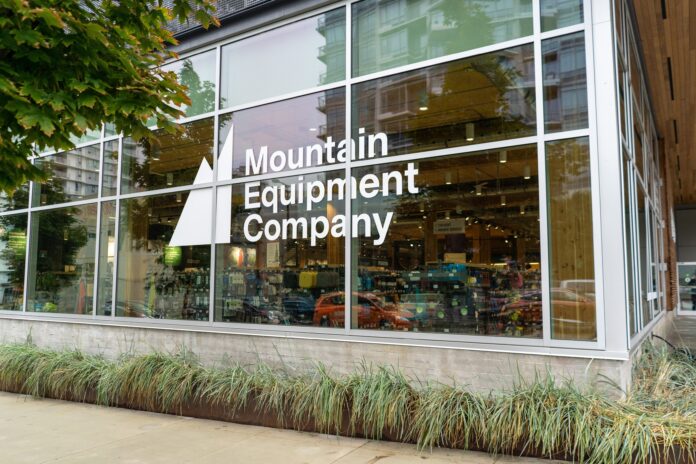
Mountain Equipment Company (MEC) has been acquired by a group of private Canadian investors with deep industry experience and a vision of reshoring some manufacturing to Canada, says the retailer.

 
This transaction shifts MEC’s ownership to a Canadian group with domain expertise, a deep belief in MEC’s purpose and a long-term vision for the business, it said.

Tim Gu
Tim Gu

“The new investor group is led by Tim Gu, who brings a deep background in Canadian retail, manufacturing, and investment. Tim is Chairman of Unisync Corp. (TSX: UNI), a publicly traded Canadian uniform and workwear company, as well as an investor in Canadian heritage brands including Tilley and Roots. He founded and operates E.star International Inc, a Toronto-based apparel manufacturing facility established in 1999, which supports Canadian jobs and champions “Made in Canada” production — values that closely align with MEC’s heritage and mission,” said MEC in a statement.

“Partnering with Tim strengthens MEC’s ability to reinvest in domestic manufacturing and enhance the authenticity, quality, and innovation of the MEC Label product line.


“MEC represents the best of Canadian spirit — adventure, resilience, and community,” said Gu. “As a lifelong believer in Canadian manufacturing and innovation, I’m proud to join MEC’s journey. Together, we’ll strengthen its foundation, expand its reach, and ensure that MEC remains an essential part of Canada’s outdoor culture for generations to come.”

Other Canadian investors joining Gu in the ownership group include MEC’s Chief Executive
Officer, Peter Hlynsky
, as well as Chief Merchandising Officer Chris Speyer, both longtime
members, making this a partial management buyout. This underscores how much the leadership believes in the future of the company, it said.

Peter Hlynsky
Peter Hlynsky

“There has never been a better time to celebrate being Canadian” said Hlynsky. “Today marks
the beginning of MEC’s next chapter, grounded in the values that built MEC from the start. We
will continue to evolve and innovate in order to stay relevant to the next generation of outdoor enthusiasts, and we will remain true to what sets MEC apart: expert staff who live and breathe the outdoors, stores that are anchors for outdoor communities and an unwavering commitment to providing the best assortment of outdoor gear found anywhere. MEC being back in Canadian hands means we are more committed than ever to equip Canadians for all trails ahead.”

Alex Wolf
Alex Wolf


“Kingswood is pleased with the investments we’ve made in the business over the past four
years and the resulting growth in MEC’s brand offerings and private label,” said Alex Wolf,
Managing Partner of Kingswood Capital Management.
“Turning it over to Tim and his team
makes sense at this juncture and positions MEC to grow its presence across Canada.”

The company has been Canada’s leading outdoor specialty retailer since 1971, built on a legacy of expert staff, community connection, and a passion for the outdoors. Its purpose is to equip Canadians for a lifetime outdoors.

With 24 stores and over 6 million members nationwide, the brand is more than a retailer—it’s a community for outdoor enthusiasts.Whitby was most recent opening in July 2024.

It was founded in 1971. Mountain Equipment Co-op filed for court protection from creditors and was acquired by Kingswood Capital Management in 2020, which ended the brand’s 49-year history as a co-operative.

Related Retail Insider stories:
CORE Shopping Centre partners with Brown Bagging for Calgary’s Kids

Source: CORE Shopping Centre

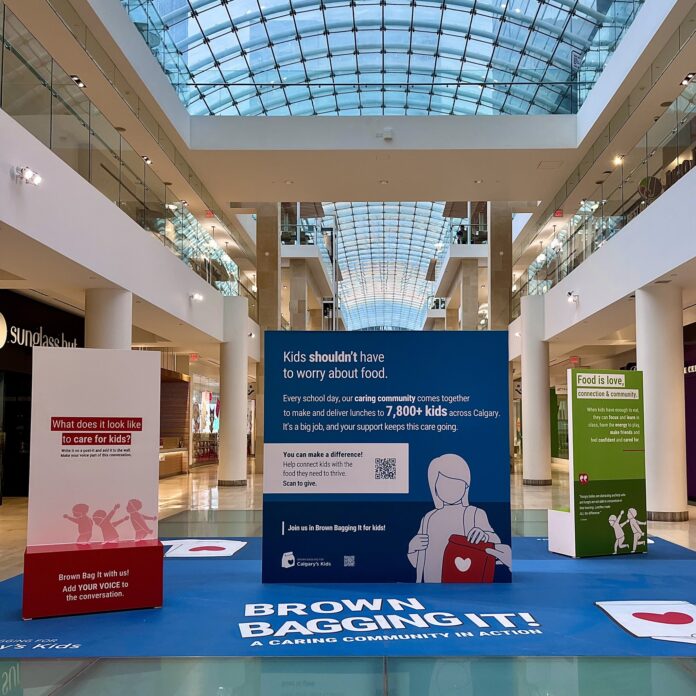
For the third consecutive year, The CORE Shopping Centre has partnered with Brown Bagging for Calgary’s Kids (BB4CK) to shine a spotlight on the growing issue of food insecurity affecting thousands of children in Calgary.

Centered around the theme “Learn the Facts. Take Action. A Caring Community in Action,” this year’s initiative features an interactive display and community donation drive to spark meaningful conversations, dispel common myths and amplify the voices of local families navigating food insecurity, according to a news release.

Throughout the month of May, The CORE Shopping Centre invites visitors to engage with an interactive pop-up display that highlights the vital work of Brown Bagging for Calgary’s Kids (BB4CK). Designed to raise awareness about food insecurity in Calgary, the installation empowers visitors to take meaningful action by learning about the challenges faced by families and kids in our city. To further enrich the experience, BB4CK volunteers will be on-site during lunchtime activations throughout the campaign, distributing signature Brown Bag postcards, answering questions and encouraging participation in the display. To maximize the campaign’s impact, long-time BB4CK partner ARC Resources Ltd. will generously match all monetary donations made throughout the campaign, up to a total of $50,000,” it said.

Stephanie Gauthier
Stephanie Gauthier

“This display is a way to bring the conversation out into the open. Brown Bagging It Month is about increasing awareness about food insecurity and the work we, as a community, do to support over 7,800 kids every school day,” said Stephanie Gauthier, Brown Bagging for Calgary’s Kids Executive Director. “Our partnership with The CORE gives us the chance to bring those conversations into a public space in a meaningful way — right in the heart of the city.” 

Officials say shoppers looking to make a direct and meaningful impact are encouraged to donate kid-friendly snack items at the designated collection area on Level 2 of The CORE Shopping Centre.

“These donations will support BB4CK’s School Lunch and Summer Programs, providing nourishment to children who would otherwise go without. Adding a fun and creative twist, The CORE’s retail tenants will participate in a Brown Bag Decoration Contest, each receiving a plain brown bag to artistically express what community, food or kindness means to them. Designs will be showcased on social media, and the winning design will be featured in a dedicated post on BB4CK’s Instagram,” they say.

Kaitlan Caldwell
Kaitlan Caldwell

“What began as Brown Bagging It Day — a national day celebrated each year on May 25 — has grown into a month-long movement, and we’re proud to continue our partnership with this amazing organization,” said Kaitlan Caldwell, Marketing Manager at The CORE Shopping Centre. “We can’t wait to welcome everyone to the pop-up, share in the fun activities and rally even more support through our donation drive!”

The CORE is located in the heart of downtown Calgary along Stephen Avenue. It has four levels and 600,000 square feet of retailers, restaurants, services, and events space.

Brown Bagging for Calgary’s Kids (BB4CK) is a community-funded charity dedicated for over 30 years to ensuring kids in our city have access to the food they need to thrive. Together with its BB4CK community – volunteers, parents, school staff, and donors – it connects kids to food through the school lunch program, summer camps, and by supporting families with grocery cards. It is committed to providing low-barrier, dignified access to food, ensuring kids feel cared for and supported by their community.

Related Retail Insider stories:

Source: CORE Shopping Centre

Healthy Planet brings wellness to Niagara Falls with new store opening

Healthy Planet Yonge Dundas (Image: Dustin Fuhs)

Healthy Planet, Canada’s largest health and wellness e-commerce website and retail chain, is expanding its footprint in Ontario with the opening of its first-ever Niagara Falls location. The new store, located at 7481 Oakwood Drive, is set to open its doors on Friday, June 13.

This marks a key milestone for the fast-growing brand as it continues to bring its affordable, high-quality health products to more communities across the province, said the company.

Muhammad Mohamedy
Muhammad Mohamedy

“We are excited to expand into Niagara Falls and continue to share our passion for health and wellness with this vibrant community,” says Muhammad Mohamedy, General Manager of Healthy Planet. “We believe everyone deserves access to affordable, high-quality products that support a healthier lifestyle, and Healthy Planet is proud to bring that to Niagara Falls.”

The new store will offer a wide range of health and wellness products, including organic foods, vitamins, supplements, natural beauty products, sports nutrition, and eco-friendly household items. Unique to the Niagara Falls location is a selection of premium, fresh organic produce, giving shoppers even more access to clean, natural options—all under one roof.

Healthy Planet is known for being a trusted destination for health-conscious Canadians, offering a curated mix of vegan, gluten-free, and organic products. Customers will also have access to dietary professionals and naturopaths in-store to help guide them on their wellness journey.

“Our mission is to simplify the path to wellness by offering a wide range of trusted products, expert guidance and a strong focus on Canadian-made options, so every customer feels supported in their health goals,” adds Mohamedy.

To celebrate the grand opening, Healthy Planet is inviting the Niagara Falls community to visit the new store and discover its full range of wellness offerings—from natural skincare and supplements to sports nutrition and eco-conscious household goods.

Founded from humble beginnings as a small kiosk in a strip mall, Healthy Planet now operates 38 locations across Ontario and continues to grow. With its in-store holistic nutritionists, free health seminars, and Canada’s largest online health store, Healthy Planet is on a mission to help Canadians live healthier, naturally.

Relate Retail Insider stories:

Canada Quietly Rolls Back U.S. Food Tariffs

Photo: EssFeed

Bloomberg reported on Thursday that Canada’s food industry is now facing fewer counter-tariffs when importing products from the United States, except for orange juice, coffee and alcohol. For many, this came as a surprise. According to the federal government’s own records, on April 16 — in the middle of the election campaign — Mark Carney, not yet elected, opted to eliminate most of the retaliatory tariffs imposed by his predecessor, Justin Trudeau.

What’s more, the tariff remissions took effect on May 7, the day after Carney’s first official meeting as Prime Minister with President Trump in Washington.

For the food industry and consumers alike, this is welcome news. The “dollar-for-dollar” tariff response that Trudeau championed was always a high-risk strategy against the world’s largest economy. These countermeasures may have fit a political narrative — propping up nationalism under slogans like “Elbows Up” — but they were economically counterproductive. Tariffs on key food ingredients and finished goods raised costs for Canadian importers, manufacturers, and ultimately consumers.

The contrast with the United States is stark. Despite imposing tariffs on food products from Canada, Mexico, and other countries, the U.S. saw food inflation fall to 2.0% in April. In Canada, food inflation continues to rise. Our unemployment rate is ticking upward. The U.S. jobless rate remains stable. The policy gap — and its consequences — are increasingly visible.

Still, the Carney government’s lack of transparency is concerning. On April 10, during the election campaign, Carney briefly paused his campaign to convene a cabinet committee meeting on tariffs. At the time, the move raised eyebrows. Now, it’s clear he was preparing to walk back Ottawa’s retaliatory measures. Yet the public was not informed, at least not openly. No formal announcement was made during the campaign. Voters were left in the dark — arguably to avoid alienating the Elbows Up base.

Good policy? Yes. Transparent leadership? Not quite.

The other concern is how grocers, particularly Loblaw, are handling the tariff conversation. Loblaw has been warning Canadians of an imminent wave of price hikes due to tariffs, marking affected products with a “T” symbol in stores. According to Loblaw’s communications team, the symbol applies only to finished goods still subject to tariffs — items like pasta, rice, soap, and shampoo. About half of these items are food products.

They add that the government’s decision to lift tariffs on U.S. ingredients used in Canadian-made goods — like granola bars — is a relief. Fair enough. But it raises the question: Why continue to escalate public messaging about tariff-related inflation when the federal government is clearly moving away from that approach?

Yes, some retaliatory tariffs remain. But the list is shrinking, not growing. The tone from Ottawa has shifted. And so should the narrative from grocers.

In the U.S., Walmart is echoing similar concerns about price hikes, but that’s a different market with different dynamics. In Canada, where supply chains are already under strain and consumer confidence is fragile, this kind of messaging from industry leaders can easily veer into fear-mongering.

This entire episode — from opaque policymaking in Ottawa to corporate messaging campaigns — has been frustratingly opaque. But with a new government in place, there’s reason to believe that Canada’s approach to trade with the U.S. will be more strategic and less reactive.

What we need now is candour. The Trudeau era of performative economics is over. It’s time for both the Carney government and Canada’s grocers to level with Canadians. The politics of fear and slogans should give way to data, transparency, and a renewed focus on affordability and competitiveness.

More from Retail Insider:

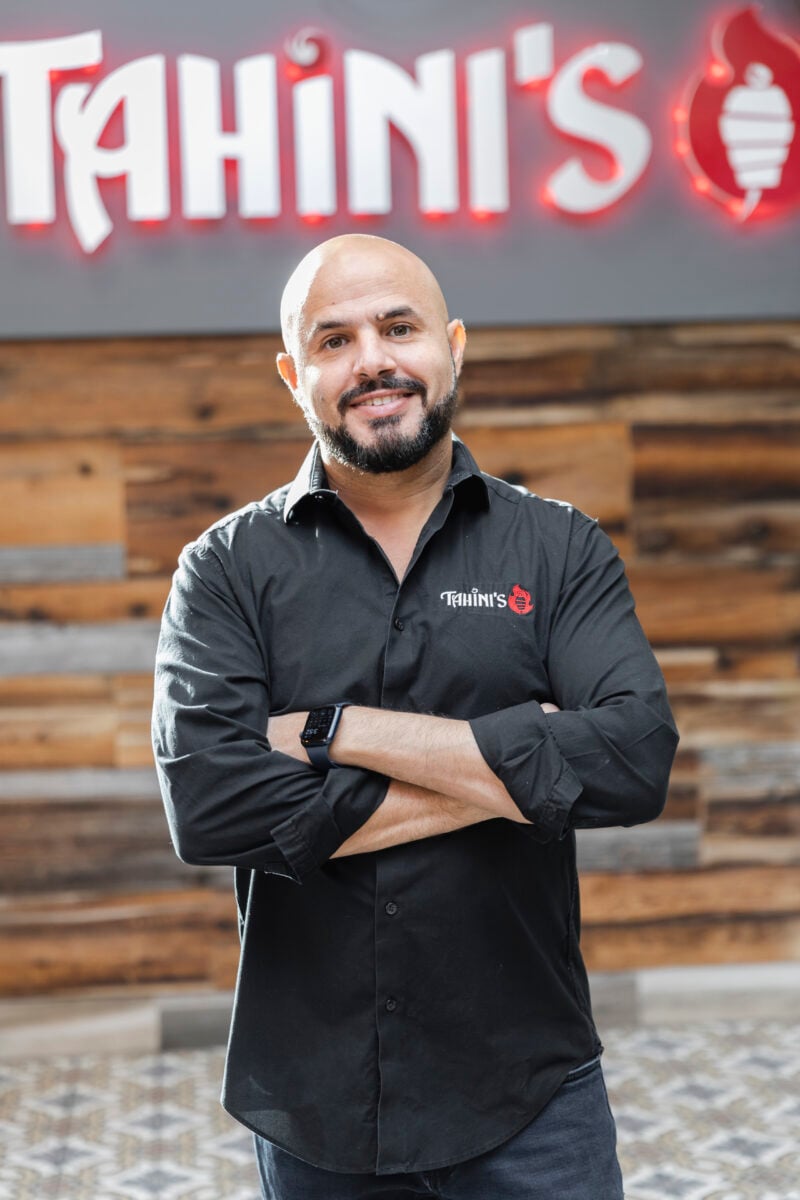
Tahini’s Expands in Ontario with Grand Openings in Toronto region

Image: Tahini's

Tahini’s Restaurants, one of Canada’s fastest-growing restaurant chains, has announced the grand openings of two new locations in Ontario this May: one in Toronto’s vibrant Queen and Spadina neighbourhood and another in the heart of Newmarket. These openings mark an exciting milestone for the Mediterranean fusion brand as it continues its rapid national expansion.

The Toronto location, situated at 430 Queen St. W., will officially open its doors on May 25. “Opening at Queen and Spadina is a huge milestone for us,” said Omar Hamam, Founder and CEO of Tahini’s. “This corner represents the heart of Toronto’s energy and culture, and we’re proud to now be part of such a vibrant and diverse community.”

Omar Hamam
Omar Hamam

The downtown Toronto restaurant is owned and operated by Charitha Gurram, a seasoned hospitality professional with a passion for bold flavours and exceptional service. “Opening this restaurant is a dream come true,” said Gurram. “It’s the result of vision, dedication, and a genuine love for creating memorable moments through food and service. We’re ready to make Tahini’s a local favourite on Queen Street.”

Just a week earlier, on May 18, Tahini’s will open its newest Newmarket location at 17480 Yonge St. “This is such an exciting milestone for Tahini’s as we continue expanding across Canada,” said Hamam. “Newmarket is a vibrant and fast-growing community, and we’re thrilled to introduce our fresh take on Mediterranean cuisine to the neighbourhood.”

The Newmarket location is operated by Kalyan and Anitha, a husband and wife duo whose shared love for food and community drives their work. “This opportunity means so much to us,” said Kalyan. “We’ve always dreamed of owning a restaurant that brings people together over great food, and Tahini’s allows us to do just that. We’re excited to welcome the community and share the bold flavours that make this brand so special.”

Tahini’s is widely recognized for its bold, globally inspired take on Mediterranean classics. Signature dishes include the Crispy Spice Shawarma, Jamaican Jerk Shawarma, and the newly launched Korean BBQ Shawarma, all made with fresh ingredients and packed with flavour.

With over 60 locations across Canada and plans to reach 100 by the end of 2025, Tahini’s is continuing to grow rapidly and is actively seeking franchise partners and area representatives to help bring its unique offerings to more communities.

For franchise opportunities, visit www.tahinis.com/franchise or contact Shawn Saraga at shawn@tahinis.com.

Founded in 2012, Tahini’s is a category-leading quick service restaurant group specializing in Mediterranean fusion. With locations across Canada, partnerships with FreshCo, and a line of retail products, Tahini’s has been fueled by nearly 2 billion views across its channels and is now preparing for international growth.

Related Retail Insider stories:

Canadian pride drives growth for Apollo Health and Beauty Care amid trade tensions

As global trade tensions and shifting consumer preferences continue to reshape the retail landscape, one Canadian company is not only weathering the storm — it’s thriving because of it. Toronto-based Apollo Health and Beauty Care, the country’s largest private label manufacturer in the health and beauty space, is seeing a significant uptick in demand for its Canadian-made products.

Founded in 1993, Apollo has grown into a manufacturing powerhouse supplying innovative personal care products across North America.

“We’re an absolute leader in the Canadian and North American landscape, manufacturing innovative products for Fortune 50 retail, for large consumer products goods companies, [and] for any number of interested parties who want to bring innovation, disruptive, beautiful product across a myriad of platforms to the marketplace,” said Charles Wachsberg, CEO of Apollo.

Charles Wachsberg
Charles Wachsberg

With facilities based in Canada and distribution spanning the U.S., Canada, and Mexico, Apollo operates within the framework of the United States-Mexico-Canada Agreement (USMCA), formerly NAFTA. That compliance has allowed the company to remain resilient in the face of international trade volatility.

“Our products are all USMCA compliant,” said Wachsberg. “We are operating in a tariff-free construct as an essential business and certainly as a compliant business to existing trade parameters existing between the U.S. and Canada.”

In 2023, the Canadian beauty market had an estimated revenue of $11 billion. This was projected to grow to $12.36 billion CAD in 2025, according to TFO Canada.

Despite global uncertainty, Apollo’s operations are unaffected by tariffs in its core markets. “There are no reciprocal tariffs both on the outbound or on the inbound within the Canadian marketplace and other markets,” he said. “Our USMCA status provides us with the umbrella of duty-free transactions.”

But it’s not just trade policy that’s fueling Apollo’s momentum. A new wave of consumer nationalism is playing an increasingly important role at the retail level.

“There has very much been a patriotic response in the U.S., and for the first time, Canadians are showing a patriotic bent that transcends beer and hockey,” said Wachsberg. “The support for Canadian innovation, Canadian production, [and] Canadian talent, which is plentiful, is changing behaviour at the register.”

According to Wachsberg, this trend is more than just a short-term reaction. “That behaviour, irrespective of what happens in the months and years to follow, may very well be a permanent shift,” he said. “It’s nice to be associated with that, and it’s nice to see Canadian pride and Canadian instincts running into the decision tree of what consumers purchase.”

Apollo’s operations span three core business pillars: private label manufacturing for major retailers, tolling services for large consumer brands, and the development of its own brands, which Wachsberg describes as “a holistic ecosystem of very prestigious, very unique products across all of the desired product platforms of constant use.”

In recent years, Apollo also played a critical role in public health, becoming “the largest manufacturer of PPE goods for Ontario” during the pandemic, and supplying disinfectants at scale.

Wachsberg believes that the loyalty to Canadian-made goods is strong enough that many consumers are even willing to make personal trade-offs.

“Canadians are prepared to make decisions even to the point of compromise,” he said. “We’re not going to buy bourbon because bourbon comes from regions outside of Canada, very specifically Kentucky.”

Yet when it comes to Apollo, compromise isn’t required.

“There is no compromise because we are a platform agent in the Canadian space. We’re truly a Canadian treasure,” said Wachsberg. “Apollo’s products would stand on merit as best in class and as unique on a global stage and it just so happens to be made by the ingenuity and innovation of Canadians.”

Related Retail Insider stories: