Home Blog Page 467

Navigating AI in the New Landscape of Content Creation

As the internet boom of the late ‘90s and early ‘00s occurred, suddenly, there was a vast expanse of digital territory that needed filling. Not dissimilarly, from the California Gold Rush of 1848, forward-thinking digital pioneers rushed to meet this bountiful new land of opportunities, and the concept of content creation was born. Thousands of websites came into existence over the next several years, each filling page after page of the internet’s databanks with the written word. However, in 2024, several decades later, things have changed substantially regarding content creation and online writing.

Artificial Intelligence (AI) has become an invaluable tool for so many industries, automating mind-numbing or mundane tasks to remove the toil of human workers. However, when it comes to writing, the mundane task that AI automates is the entirety of the job. Tools like Blaze are increasingly used in content creation, from generating articles to assisting with marketing copy.

Moreover, audiences are very much aware of the proliferation of AI-generated content. Entire websites that used to act as venues for authentic expressions of the human mind via writing now serve as conveyor belts for AI-generated work. Because of this work’s overwhelming quantity and often lackluster quality, maintaining authenticity in content is more important than ever for building trust with audiences. That’s why tools such as an AI writing detector are valuable resources in today’s digital marketplace.

Why Original, Authentic Content Matters in a Digital-First World

What is the point of writing? It’s a multi-faceted issue with an answer that is seemingly simple and deceivingly complex. Writing is one of the truest forms of human expression, as the writer takes the thoughts that reside solely within their head and transcribes them into a legible form so that these ideas might be communicated to others. Like other art forms such as painting, music, or filmmaking, writing is something that most people encounter daily. It is often taken for granted, especially in this modern digital age. But writing is a herculean feat that takes tremendous bravery and insight. To share one’s thoughts, which are not present anywhere else in the world other than in that specific writer’s head, is a deeply personal form of expression.

And yet, AI is none of these things, and we as humans are keenly aware of this. AI-generated writing has not been filtered through anyone’s lens of experience or perspective; it has no core values or ideals that it strives to grapple with, nor does it have any actual opinion on the matter upon which it is writing. Rather, AI functions as a digital blender, taking information that is put into it and repackaging it into a new product. Audiences are now more discerning than ever, valuing transparency and originality in their content.

Because of the chasm between AI-generated writing and handmade writing, businesses and creators can set themselves apart by prioritizing the genuine communication that comes with authentic writing and verifying the quality of their content. By emphasizing human touch, creativity, and intentionality, businesses and creators reinforce trust, connect more meaningfully with their audiences, and maintain a competitive advantage.

The Role of Technology in Verifying Authenticity

AI detection tools use plagiarism checkers, grammar tools, and AI writing detector software to help ensure content quality and authenticity. These tools have been engineered to better recognize and identify AI-generated content, helping audiences and content creators better understand exactly what AI-generated writing is, what it looks like, and its limitations.

These tools can identify AI-generated text and help creators verify that their content aligns with brand values and audience expectations. They help differentiate human creativity from automated output, encouraging transparency and trust across content platforms.

How an AI Writing Detector Works

An AI writing detector identifies text generated by machine learning models. These machine learning models are at the core of all AI-generated writing, as the AI generator takes from the information input into its system and repurposes it to a vaguely new effect in the work it generates. This has frequently resulted in extensive plagiarism in the past, as AI is driven by actual identifiable intelligence but is instead algorithmically driven, in much the same way your social media feed is. By identifying the kinds of grammar, word, and structural choices commonly made by these models, AI writing-detecting tools can parse AI-generated writing in effective ways. 

These tools are extremely useful in contexts like journalism, education, and content marketing, where originality and credibility are essential to the validity of the piece as a whole.

Best Practices for Authentic Content in the Age of AI

Some of the best practical tips for maintaining authentic content include balancing AI-assisted creation with human review and regularly auditing content quality. In this way, AI-generated content is ultimately filtered through a distinctly human lens, helping to eliminate any elements of plagiarism and giving the piece an actual sense of authorial ownership.

Using tools like an AI writing detector, even when you’re not using AI-generated writing, can be incredibly helpful in ensuring that the final product is accurate and genuine.

Embracing Tools to Support Content Integrity

As industries implement AI and struggle with the inherent growing pains that come with such innovation, using verification tools is becoming an industry best practice. Businesses leverage these tools to better protect their reputations, meet audience expectations, and ensure content authenticity. Adopting these tools now will help prepare brands and creators for future content standards and verification advancements as AI integration grows.

While these tools have room for improvement, they can be a beneficial tool to companies. It is important to realize detectors are not fully accurate, so they should be used with that in mind.

The Path to Quality Content in a High-Tech World

Using content verification tools to navigate the changing digital content landscape has never been more important. As AI implementation continues to spread throughout the digital landscape, tools such as AI detectors provide a meaningful way to combat and identify the symptoms of overwhelming AI generation.


Urban Barn expands across Canada with new Halifax store

Urban Barn at Park Royal in West Vancouver. Image: Urban Barn

Vancouver-based furniture and home décor retailer Urban Barn will be opening its 55th store in spring 2025. Located in Halifax, the expansion will officially make Urban Barn a cross-Canada brand. The retailer also recently relocated its store at Park Royal in West Vancouver. 

The new Park Royal location is in ‘Park Royal South’ at 723 Main Street at Taylor Way. The store offers a refreshed and elevated shopping experience, according to the company. With over 4,000 square feet of retail space, the new store features expansive windows, warm hardwood-like flooring, new lighting, and custom cabinetry, all designed to create an inviting atmosphere.

Ainslie Fincham, Director of Marketing at Urban Barn

“We are thrilled to share our new design concept with the North Shore and Lower Mainland. Come visit our new location and get ready to be inspired by timeless collections of furniture and décor that are designed for real life,” said Ainslie Fincham, Director of Marketing at Urban Barn.

The relocation reinforces Urban Barn’s longstanding presence in Park Royal, having served customers there for over a decade. According to Fincham, the move reflects the retailer’s commitment to brand elevation, with a store design that captures both modern aesthetics and functional appeal.

Catering to a Diverse Customer Base in West Vancouver

The Park Royal store draws a wide range of customers, including those from West Vancouver, North Vancouver, downtown Vancouver, and the Sea-to-Sky Corridor. The region’s affluent demographic, along with a growing population in areas like Squamish and Whistler, makes it a strategic location for Urban Barn. Fincham noted that the new Park Royal store aims to meet the needs of both primary residents and second-home owners in the area.

“Our customer base spans beyond West Vancouver and the North Shore to include customers from downtown and even up the corridor to Squamish and Whistler,” said Fincham. “There’s strong demand for quality home furnishings, and we’re proud to be a go-to source.”

Dining display at Urban Barn at Park Royal in West Vancouver. Image: Urban Barn

Halifax Expansion: Urban Barn’s Path to National Growth

Urban Barn’s expansion into Halifax, set for spring 2025, will further solidify its status as a national brand. The Halifax store will offer a large-format retail experience, enhancing Urban Barn’s capacity to serve the local market. The new location will also facilitate greater e-commerce capabilities, as the retailer will now have a regional presence to support logistics and delivery for larger furniture pieces.

Fincham highlighted that opening in Halifax is part of a broader strategy to expand in Eastern Canada. “We won’t make a market entry with just one location. We’re exploring additional opportunities in the East and Ontario as we continue to grow.”
Aurora Realty Consultants has handled lease negotiations for Urban Barn for years. The Halifax lease deal was negotiated by Aurora EVP Don Gregor and Aurora’s Director for Atlantic Canada, Peter Constable.

Bedroom at Urban Barn at Park Royal in West Vancouver. Image: Urban Barn

Omni-Channel Excellence: Blending In-Store and Online Experiences

Urban Barn’s approach to retail combines a seamless omnichannel experience, ensuring customers can shop both online and in-store. Fincham emphasized that many customers begin their journey online before visiting a store to experience the products in person. 

“We strive to create an omnichannel experience that supports customers wherever they prefer to shop. People often want to see and sit on furniture before making a purchase, which is where our in-store experience really stands out,” explained Fincham.

Inside Urban Barn at Park Royal in West Vancouver. Image: Urban Barn

New Store Design and Visual Merchandising Innovations

Urban Barn’s new store design, first introduced at its flagship location on South Granville in Vancouver, reflects a warm and inviting aesthetic with elements like hardwood-like flooring, custom cash desks, and branded cabinetry. The Park Royal store is the third to feature these updates, aimed at creating a cohesive and elevated shopping experience.

“Our visual merchandising team works hard to create beautifully curated displays that inspire customers to envision their own homes,” said Fincham. “We want customers to walk in, see something they love, and feel like they can take it all home.”

A History of Market Expansion and Commitment to Local Communities

Urban Barn entered the Quebec market in 2015 and now operates five stores in the province. The retailer’s success in Quebec is supported by a commitment to respecting local culture and providing French-language services. This thoughtful approach to market integration demonstrates Urban Barn’s dedication to community engagement across Canada.

“Our French translation team and community support efforts show that we’re dedicated to immersing ourselves in each market we enter,” said Fincham. “Being part of the local community is essential to us.”

Urban Barn Windsor (Image: Urban Barn)

Building on Pandemic-Driven Success

Like other home furnishings retailers, Urban Barn saw unprecedented demand during the COVID-19 pandemic as consumers focused on upgrading their living spaces. The company’s best years were recorded during this period, with heightened interest in key categories such as sofas and bedroom furniture. Fincham noted that this trend has continued, with strong performance in various product lines.

Background on Urban Barn

Urban Barn, a Canadian furniture and home décor retailer, was founded in 1990 by childhood friends Rick Bohonis and Craig Stewart. They opened their first store at 12th Avenue and Cambie Street in Vancouver, featuring rustic wooden floors and a barn-style door, which inspired the company’s name. 

Throughout the 1990s, Urban Barn expanded across Western Canada, establishing nine stores from British Columbia to Manitoba. In 2001, the company entered Ontario with a store on Queen Street West in Toronto, signaling its intent to reach a broader Canadian market. 

The Stern Group became the majority owner in 2007, providing resources for further growth. And in 2010, retail veteran Linda Letts joined as President, leading to accelerated expansion and a focus on enhancing the customer experience. During this period, the original founders retired. 

Urban Barn entered the Quebec market in 2015, opening two stores and launching its online store to reach a broader audience. A major brand refresh in 2020 introduced an updated logo, redesigned website, and modernized in-store experiences, all aimed at elevating the customer journey. 

As of 2024, Urban Barn operates 54 stores from British Columbia to Quebec, employing more than 650 team members. The retailer says it remains committed to offering thoughtfully designed furniture and home décor that resonate with Canadians’ diverse lifestyles and tastes.

More from Retail Insider:

Cadillac Fairview to Add Residential Towers at CF Carrefour Laval

Rendering of the new residential towers at CF Carrefour Laval. Image: Cadillac Fairview

Cadillac Fairview has announced the launch of an ambitious residential rental project at CF Carrefour Laval. The development includes 365 residential units housed in two towers—20 and 11 stories—connected by a six-storey podium. 

The project aims to transform the iconic shopping centre into a fully integrated community hub and further establishes Cadillac Fairview’s commitment to community-focused development across Canada.

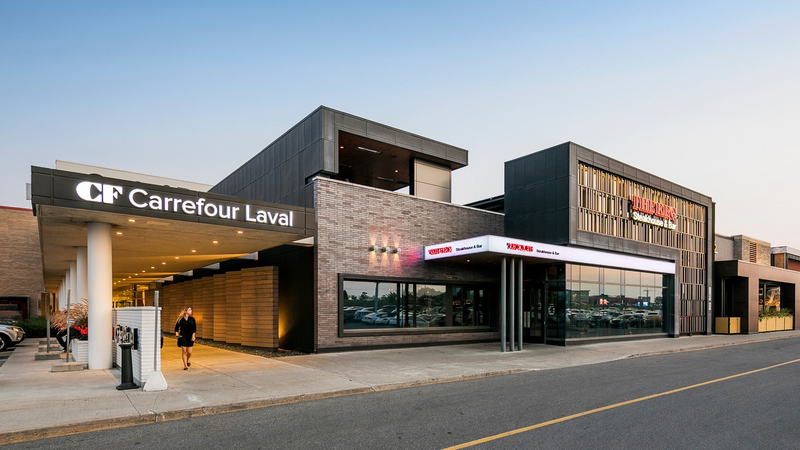
CF Carrefour Laval. Image: Cadillac Fairview

A Vision for Integrated Living at CF Carrefour Laval

Brian Salpeter, Executive Vice President of Development at Cadillac Fairview, underscored the importance of transforming CF Carrefour Laval into a vibrant mixed-use destination. “We’re excited to create a community where people can live, shop, and connect seamlessly,” Salpeter said. “This isn’t just about residential development; it’s about redefining how people experience life at CF Carrefour Laval.”

Brian Salpeter

Unlike many developments that place residential buildings at the edges of shopping centres, CF’s project is integrated directly into the existing retail complex. “The former Sears box footprint is now the foundation of this new residential development,” Salpeter explained. “This ensures that residents will have direct access to retail, public spaces, and community events, creating a unique living experience.”

Creating a Community Hub with Public Spaces

Central to Cadillac Fairview’s vision is a public plaza that will serve as a focal point for community activities, events, and social engagement. “We want this plaza to be a gathering space for both residents and visitors,” Salpeter said. “From festivals to art exhibits and concerts, it will be a place that brings people together.”

The residential towers and plaza aim to seamlessly blend modern architecture with the existing shopping centre. “It’s about creating something contemporary and vibrant, while respecting the character of the area,” Salpeter explained. “The new buildings and plaza will form a cohesive, beautiful environment.”

A groundbreaking ceremony took place on November 18, attended by Cadillac Fairview executives Sal Lacono (President and CEO), Brian Salpeter (Executive Vice President, Development), and Jeroen Henrich (Senior Vice President, Development). Joining them in the photo are Laval-des-Rapides MNA Céline Haytayan, Regional Minister Christopher Skeete, and Laval Mayor Stéphane Boyer. (Courtesy Photo)
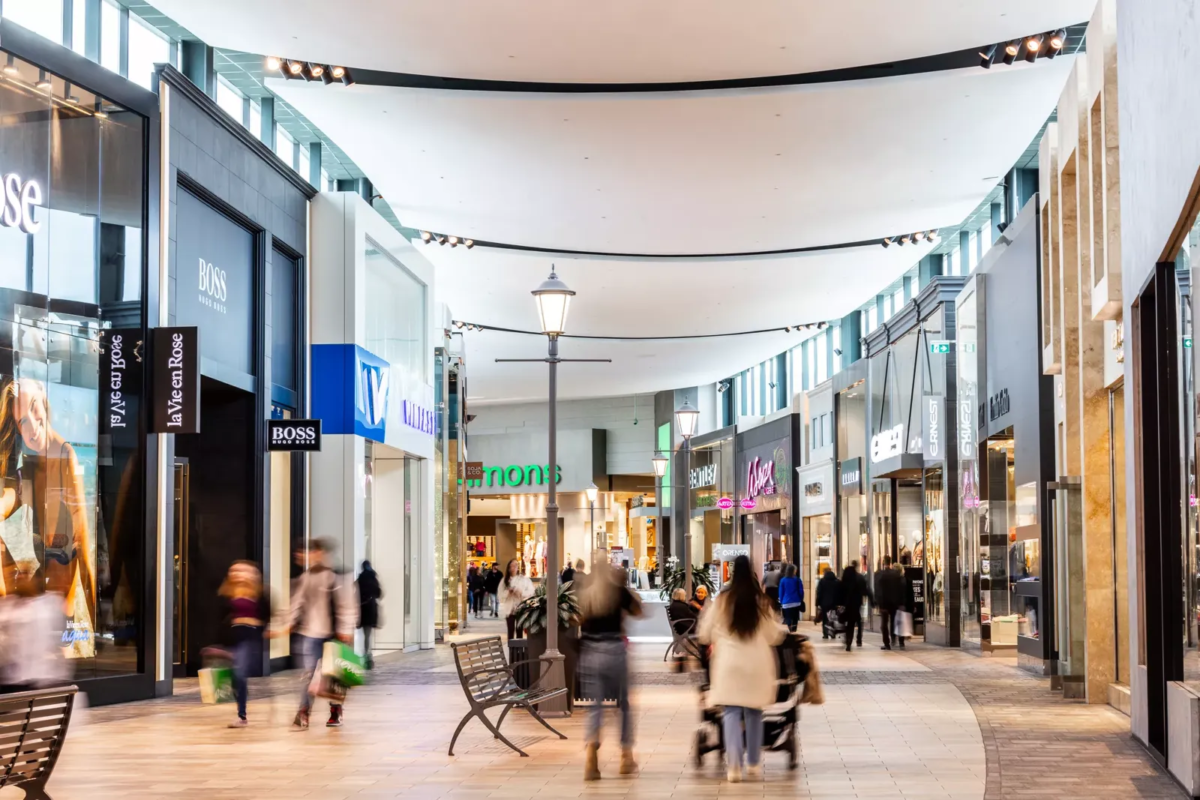
Inside CF Carrefour Laval. Image: Cadillac Fairview

Diverse Residential Offerings for Every Lifestyle at CF Carrefour Laval

The development will feature a mix of studio, one-bedroom, one-bedroom-plus-den, two-bedroom, and two-bedroom-plus-den units. “We’re focused on meeting a range of housing needs,” Salpeter said. “From young professionals to families, there is a home for everyone here. Our mix of units caters to different life stages, ensuring a balanced and diverse community.”

Ground-floor retail spaces will further enhance the living experience, while future phases may include additional essential services. “Laval already offers a rich food and beverage scene,” Salpeter noted. “Our goal is to complement it with targeted retail and services that benefit residents.”

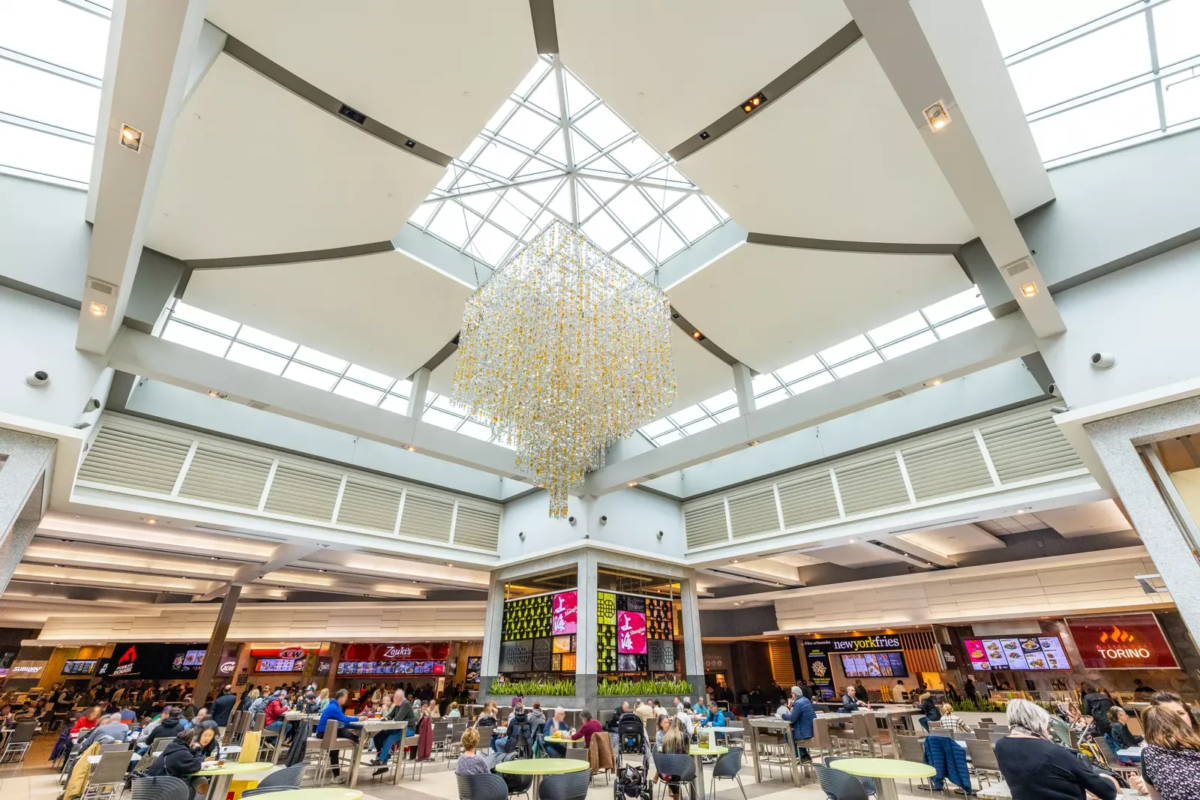
Inside CF Carrefour Laval. Image: Cadillac Fairview

Building on a Legacy of Community Development

CF Carrefour Laval, which opened in 1974, has been a cornerstone of the Laval community for 50 years. “We’ve been part of this community for decades, and this residential development is a natural extension of that commitment,” Salpeter remarked. “It’s about creating a place where people can live, shop, and connect in a meaningful way.”

The project is the first phase of a larger master plan, with future phases set to add thousands of residential units and enhance public spaces. “We’re not stopping here,” Salpeter said. “Our long-term vision is to create a dynamic downtown hub for Laval, with integrated public spaces, retail, and residential living.”

Inside CF Carrefour Laval. Image: Cadillac Fairview

Cadillac Fairview’s Broader Residential Ambitions

Cadillac Fairview’s initiative at CF Carrefour Laval is part of a broader strategy to address Canada’s housing needs through mixed-use developments. In addition to the Laval project, Cadillac Fairview is working on residential projects at several other major properties.

“We have a robust residential development pipeline,” Salpeter said. “In Ottawa, we’re developing 288 units at CF Rideau Centre, transforming an adjacent vacant parcel into a vibrant residential community. This project is well underway and is set for completion in 2026.”

CF Richmond Centre redevelopment. Image: Cadillac Fairview

Salpeter also highlighted the Quad Windsor development in downtown Montréal, which includes a 512-unit residential building as part of a larger mixed-use complex. “It’s located near Deloitte Tower and Windsor Station, contributing to the revitalization of this key urban area,” he noted.

Cadillac Fairview is also advancing residential projects at CF Richmond Centre in British Columbia, CF Fairview Mall in Toronto, and CF Chinook Centre in Calgary. “These developments are about more than just housing,” Salpeter emphasized. “They’re about creating vibrant, connected communities that meet the evolving needs of Canadians.”

More from Retail Insider:

More than $282 million economic impact expected from Taylor Swift Toronto concerts

Photo: Destination Toronto website

Over $282 million in economic impact and over $152 million in direct spending is expected during Taylor Swift | The Eras Tour presented by Rogers in Toronto through November 14, 15, 16, 21, 22, and 23. 

The estimated impact numbers released by Destination Toronto highlight the significant benefit that comes from visitors traveling to the city for a concert, or for any major event or conference.

Retailers, restaurants, hotels and a host of other local businesses are reaping the economic benefits from having such a mega star performing in the city.

Andrew Weir
Andrew Weir

“The Eras Tour is a great example of the impact major events have on our destination,” said Andrew Weir, CEO & President at Destination Toronto. “Whether it’s concerts like Taylor Swift, international meetings and conventions, or signature annual festivals like Pride, TIFF or Caribbean Carnival, events that draw visitors to our city also bring visitor spending that positively impacts our local economy and a wide range of businesses and jobs.”

Of the $152 million in direct spending, $141 million—nearly 93 per cent—is estimated to come from out-of-town visitors and $11 million is estimated to come from local Swifties. The direct and indirect tax impacts of the string of six concerts are expected to generate nearly 40 million in tax revenue across all levels of government, said Destination Toronto.

Photo: Destination Toronto
Michael Kehoe

Michael Kehoe, Broker of Record with Fairfield Commercial Real Estate, said large-scale events over the past 150 years dating back to the World Fairs of the late 1800’s and beyond and the arrival of the circus in the early 19th Century always had a positive economic impact on the host cities.

“Fast forward to the present day to a range of major events ranging from national championships like the Grey Cup or the Brier to FIFA, Stanley Cup final games all the way up to the spectacle of the Taylor Swift concerts, they create tremendous exposure for their host cities and countries through extensive media coverage,” he said.

“A major advantage for cities hosting large-scale entertainment or sporting events is the significant boost to tourism and related industries and a significant impact on the national and regional and local economies that generate revenue, attract visitors and boost local pride.

“The economic impact of these events that draw both domestic and international visitors who require accommodations, transportation, food & beverage and shop in retail stores have a significant trickle down effect that benefits many. The international recognition boosts national pride while attracting new visitors who may return in the future. The economic impact of the Taylor Swift circus in Toronto and Vancouver is truly a phenomenon. This Eras Tour is an economic ecosystem unto itself and the benefits will reverberate throughout the respective city and provincial economies into the immediate future.” 

Swift is playing at Vancouver’s BC Place Stadium December 6, 7 and 8.  

Liza Amlani
Liza Amlani

“The impact of the Swifties and the BeyHive to the economy is tremendous and I don’t think we give enough fans credit. From fashion to accessories and footwear to dining out during these concerts, the economic impact is substantial. It’s extraordinary and the lift in sales is not always forecasted so many brands come up empty. Leveraging market insights and events like these are critical in planning the product mix. Working closely with influencers alongside the performer’s marketing team will lead to an increase in sales, engagement and footfall leading up to the event. Meaning, sales will not only impact retail but also tourist hot spots, hotels and restaurants,” said Liza Amlani, Principal and Founder of the Retail Strategy Group.

“Toronto is saturated with pop ups and special events all around the city. It’s been an exciting time for Swifties and anyone that’s involved will reap the benefits.”

Bruce Winder

Bruce Winder, named to RETHINK Retail TOP Retail Experts List for 2024 and author of RETAIL Before, During & After COVID-19, said when a city hosts a major event there can be significant benefits and costs.

“On the benefit side, you have the incremental spend and tax on hotel and lodging, restaurants, parking, merchandise sales, transportation and other entertainment or sports taken in while in town and the potential goodwill built for the city (if they do a nice job hosting the event) that could lead to a future increase in tourism and visits,” he said.

“On the cost side, large events generate incremental cost for police and law enforcement, vehicle and pedestrian congestion, emergency and paramedics, clean up before and after the event, added wear and tear on city infrastructure and more.

“There will always be winners and losers for every large event, depending on who you are.”

George Minakakis. Photo: LinkedIn.

George Minakakis, Founder and CEO of the Inception Retail Group, said “Swifties” spend money. 

“Events like this are a magnet for future events. This proves that Canada is cool and cultured; its people want to be entertained and party. The Pandemic fears are behind us,” he said.

“The residual effect of Taylor Swift’s engagements in Toronto and Vancouver has a positive economic impact. Hotels, restaurants, transportation, and merchandise all benefit. For example, the New Orleans event brought in $500 million, a 900% increase. 

“It also has the potential to make Toronto and Vancouver bigger appeals for other entertainment events, which would drive more tourism. This could bring back a much-needed kick in the pants that being entertained, living, and working in the city is fun again. For sporting and other events to have the same impact, they must create FOMO (Fear of Missing Out). You need to have greater appeal for a similar residual effect. If the Toronto Argonauts signed Travis Kelce, we might need a bigger stadium.  But let’s keep it in perspective: Taylor Swift is more than a singer and entertainer; she’s a role model who has done it her way, and that’s a major appeal.” 

Avery Shenfeld
Avery Shenfeld

Avery Shenfeld, Chief Economist at CIBC Capital Markets, said in a research note “supposedly, the tourist spending tied to the Eras tour is giving Toronto a nearly $300 million economic lift, and if you added in the spending of those living here, and the Vancouver dates, you might easily double that.” 

“Technically, that could show up as few decimal places in monthly GDP over the November December period if measured on a gross spending basis. But there’s less than meets the eye when you boil these sorts of events down to their net impacts on economic activity,” he said.

“For one, many of these tourists are coming from other parts of Canada. The money that Emma and Claire saved up for flights to Toronto or Vancouver, tickets, meals and concert merch will eat into what they have left for other discretionary spending back home. Toronto’s gain might be Fredricton’s loss. Similarly, lucky Toronto and Vancouver ticket holders will have less to spend in upcoming months on other entertainment options.

Photo: Destination Toronto

“There’s also a strong import leakage from the gross spending figures, because, presumably, Taylor (and her entourage) are going to take their cut from the ticket sales back to America. Private jet flights to Kansas City Chief games don’t come cheaply. It’s unlikely that many of the t-shirts and friendship rings sold this week will have a made-in-Canada sticker.

“Gross spending on hotels and restaurants also overstates the net impact on the hospitality sector, because those rooms and tables wouldn’t otherwise have all sat empty. Some may have stayed away from the city to avoid elevated hotel rates and limited availability. Moreover, Toronto has placed restrictions on travel near the concert venue that could keep non-Swifties at home in fear of traffic or other hassles.”

He said the World Cup story will be similar, but with its own twist.

“For that event, the Toronto city government will be on the hook for nearly $400 million in costs, supposedly in return for a similarly-sized economic lift from tourism. But for the tourists coming from Canada, those funds might have been spent on other activities here, and the government will be using scarce tax dollars that would otherwise have flowed into the local economy on other programs. Once again, the net impact is much smaller than the gross impact,” he said.

“None of this is to downplay the joy that Swifties and soccer fans will reap if their favourite song gets played or their team wins. But generating economic growth requires activities that create jobs that last more than a few days, which create ongoing income that can add to spending on a sustained basis. One-off events might, if large enough, create a blip, but one that gets reversed when the event is over, and the event-goers’ depleted savings or credit card bills need attention.”

Destination Toronto said Swiftmania will be sweeping Toronto at a critical time of year when business travel is starting to wind down and holiday leisure travel has not quite picked up. 

Related articles:

Pinterest revolutionizes holiday shopping with new features and star-studded gift guides

Photo: Pinterest website

Pinterest is transforming holiday shopping with innovative features and curated gift guides. From personalized wishlists to celebrity-endorsed ideas, the platform aims to make gift-giving easier and more meaningful.

The platform has launched a bold new approach to shopping, blurring the lines between inspiration and action with over 1,000 curated, shoppable gift guides created by celebrities, brands, and publishers. This year, Pinterest users can also shop directly from the platform with new product features for those perfect gift ideas.

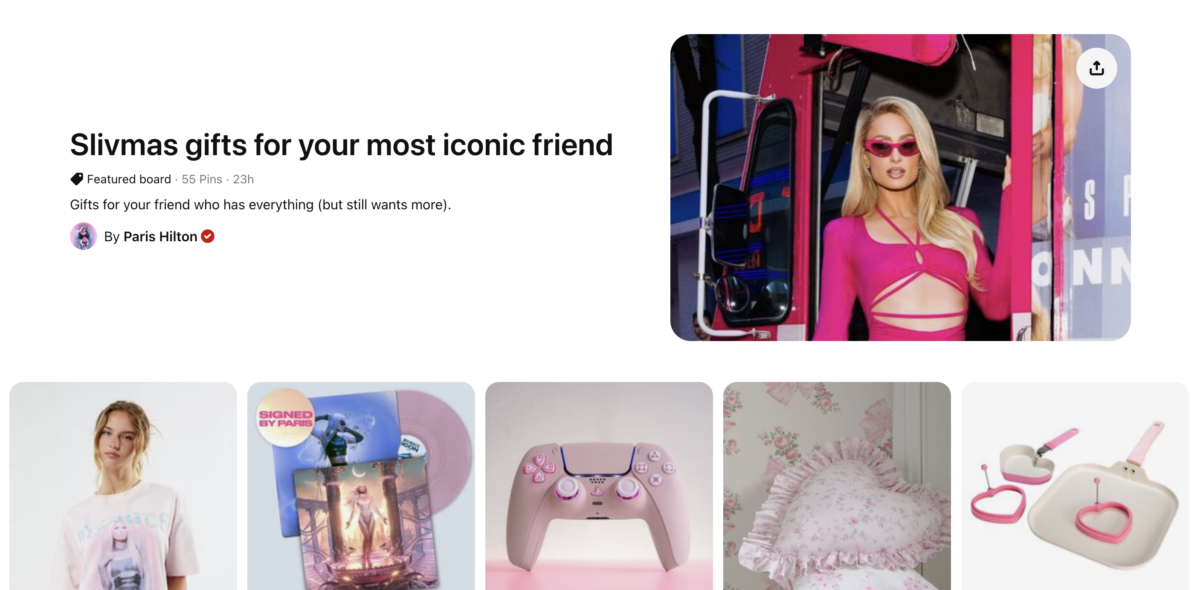
With celebrities like Paris HiltonRuPaulEmma Chamberlain and K-Pop girl group TWICE, Pinterest is the go-to platform to find a gift.

Erin Elofson
Erin Elofson

“Holiday shopping can be overwhelming, but Pinterest is here to make it simple, creative, and fun,” said Erin Elofson, Vice President of Canada and APAC at Pinterest.

Pinterest said now with the new “quick save” feature, consumers can find and save Pins from the gift guides with one tap. Pinterest will automatically pull those saved Pins into the consumer’s very own shoppable “wishlist.” Pinterest users can revisit and shop all of their saved gift ideas in their wishlists.

With the new “holiday finds” tab, Pinterest has expanded shopping on the platform with a personalized feed tailored to gifts it thinks consumers will love. This special shopping experience uses the consumer’s unique searches and saves to recommend relevant styles and ideas that are must-haves for the holidays.

Elofson said “we’re really capitalizing on all the excitement on Pinterest related to gifting.”

“We’ve launched this year 1,000 new gift guides where basically a series of creators and publishers and merchants produce guides that inspire people and as you experience a gift guide and you’re basically shopping just like you would in a mall and you see something you love you can quickly save with one tap that item to your shopping list, your wish list and then it’s very, very easy to purchase those items over time,” she said.

“So it’s a very, very curated way to think about the holiday experience in 2024.”

A retailer’s best friend

Elofson called Pinterest a retailer’s best friend.

“It’s really the only platform where people come and they can find inspiration, they can browse and shop all in the same place. People come to Pinterest with a very open mind but with a very clear intent to shop and buy something,” she said.

“So it really makes sense to capitalize on all that raw interest there is on Pinterest to shop and combine that with the holiday season with a format in this gift guide that really brings all these experiences today in a really fun and seamless way.”

With more than a thousand curated gift guides spanning across 27 categories – from fashion and beauty, to travel and gaming – Pinterest said it is making the platform the go-to place to search for gifts that are heartfelt, on-trend, or completely unexpected.

It has partnered with celebrities, creators and brands to hand pick nearly 40,000 of the best gifts so consumers don’t have to. From Alicia Keys’ “Gifts that fill your Soul,” to Emma Chamberlain’s “gifts that literally everyone will love,” to Las Culturistas Bowen Yang’s “Gifts for your pop culture-obsessed bestie,” Molly Baz’s, “Gifts for the biggest, baddest dinner party,” Laufey’s “Gifts for a very Laufey holiday,” RuPaul’s “Hey Sis, It’s Ru’s List”—Pinterest’s gift guides have something for everyone on their list. 

Pinterest gift guides include the latest deals and hidden gems from brands like Rare BeautySavage x FentySezaneMejuriCarharttFlamingo EstateREI, and hundreds more. It has also teamed up with leading publishers, including VogueThe StrategistGQAir MailRefinery29EaterPoosh, and Wirecutter, for their top holiday picks. 

“Creators, brands and publishers are really all at the heart of Pinterest,” said Elofson. “It’s really what drives our content ecosystem. If people go on Pinterest, they look for content that has a certain type of curation.”

On Pinterest, there have been over one billion searches for “gifts” or “presents.” Searches for “shopping wishlist” have increased over 950% compared to last year on Pinterest.

Photo: Pinterest website

Tools for retailers and advertisers

For retailers and advertisers, Pinterest has launched a suite of new tools powered by machine learning to better help advertisers highlight their holiday shopping discounts.

The first tool is Promotions, which allows advertisers to showcase promotions like free shipping, sitewide sales, and buy one, get one offers to users based on their taste and preferences, with very little additional effort on the advertiser’s side.

Second, it launched new deal ad modules, making ads with special offers more visible to users with a carousel format, helping brands stand out during sale moments.

“Pinterest is leveraging AI to provide personalized recommendations that are thoughtful and relevant,” said Elofson.

“More than half of the people who come to Pinterest come to shop. In our Gen Z (report) Pinterest is one of the first or first place they go to start their shopping experience and so people come and they are super keen to find visual inspiration . . . People come to Pinterest to shop because they know it’s the one place they can go and get this very curated set of visual pieces of inspiration that they can go immediately and transact on and bring it to life.

“Shopping is very endemic to the Pinterest experience . . . We’ve been working for the last two years on really making our shopping experience on Pinterest as actionable as possible as well as being inspirational.”

Related articles:

First Indigenous-Owned department store aaniin to open at CF Toronto Eaton Centre

Chelsee Pettit,
Chelsee Pettit,

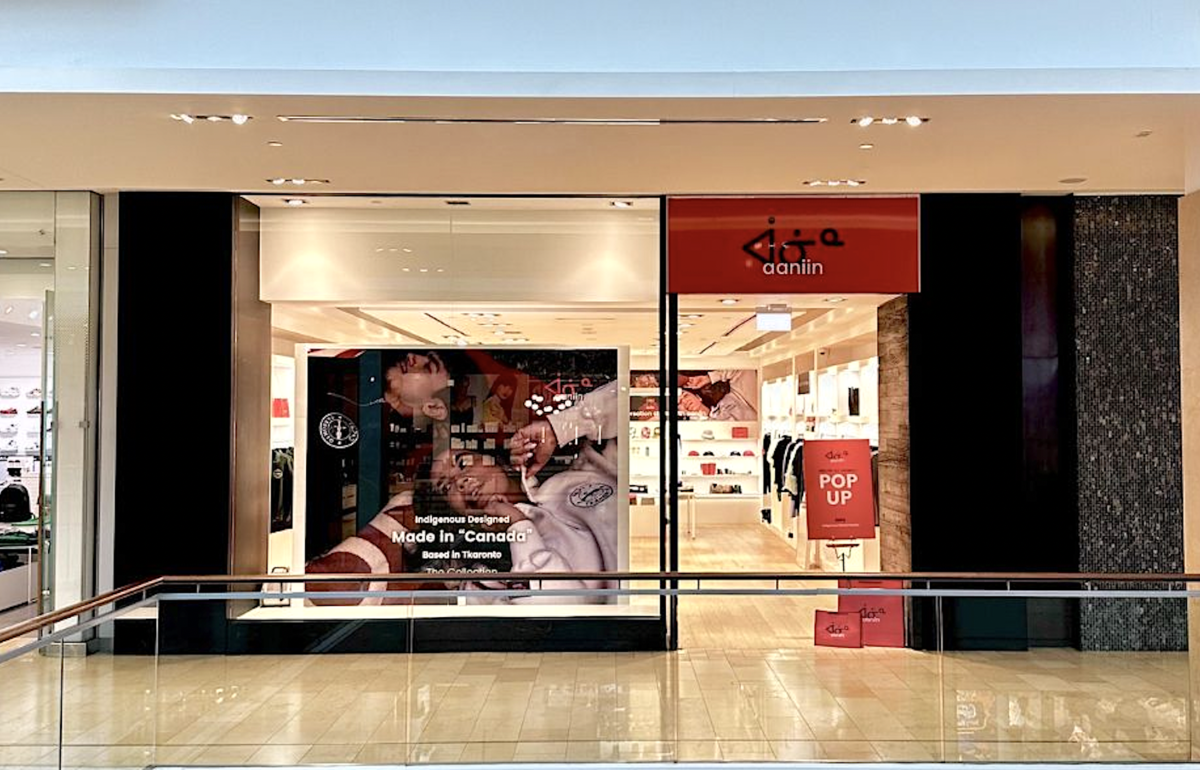
A transformative shopping experience is coming to downtown Toronto this holiday season. The first-ever 100% Indigenous-owned department store, aaniin, will open at the CF Toronto Eaton Centre from November 29 to December 31, marking a milestone for Indigenous entrepreneurship in Canada.

Occupying 6,500 square feet, the aaniin pop-up will feature over 40 Indigenous-owned brands, showcasing apparel, jewelry, accessories, wellness products, books, and artwork.

“Aaniin,” meaning hello in Ojibwe, is a pop-up store and in-house streetwear brand that will feature familiar and emerging “Canadian”-made, Indigenous-owned brands from across the country.

Notable Indigenous-owned brands include aaniin, Cheekbone BeautyLesley HamptonUrban Native EraMini Tipi (as seen on Dragon’s Den), Section 35, Kokom ScrunchiesDecolonial Clothing and many more. The pop-up will also highlight multiple Indigenous languages and Indigenous syllabics throughout the space, amplifying Indigenous voices and creating a place of visibility and respect. 

A Vision Rooted in Community

Chelsee Pettit, founder of aaniin and an Anishinaabe entrepreneur from Aamjiwnaag First Nation, sees the store as a space of inclusion, celebration, and economic empowerment.

Chelsee Pettit,
Chelsee Pettit,

“This store is a proof of concept for what Indigenous commerce can look like in the future,” said Pettit. “Every product, design, and interaction is about elevating Indigenous voices and stories. This pop-up is our biggest venture yet, and I’m excited to share this experience with the city during its busiest shopping season.

“This store is all about celebrating Indigenous creativity, and we’ve made supporting our community easier than ever in a way that’s powerful, accessible and inclusive. Every detail, every brand we feature, is here to share their stories and talent with the world this holiday season, and I couldn’t be more thrilled to share this experience with the downtown core.”

Pettit’s journey began in 2021, inspired by a moment in downtown Toronto when she mistook a pattern for Indigenous syllabics. This spark led to the creation of aaniin, which has grown through various storefronts and pop-ups, including a successful stint at Square One Mall in Mississauga, where Pettit generated nearly $100,000 in sales in just over four weeks as a solo operator.

“This time, we’re going even bigger, with a large team and more than triple the number of brands,” Pettit added. “We’re showing what’s possible when Indigenous talent is showcased on this scale.”

Highlighting Indigenous Excellence

The pop-up will feature established names and emerging talents from across Canada. Highlights include:

  • Cheekbone Beauty: Sustainable beauty products, with founder Jenn Harper offering mini-makeovers on select days.
  • Lodge Soy Candles: Medicine-infused soy candles blending Indigenous traditions with modern wellness.
  • Hand-Tufted Rugs by Rochelle: Unique, Y2K-inspired designs by Alberta-based artist Rochelle.
  • Books, artwork, and home goods will also be available for the first time.

Indigenous languages and syllabics will be prominently featured, emphasizing the cultural significance of each product and design.

This pop-up invites shoppers to rethink Indigenous commerce and join a movement of economic sovereignty and empowerment. By showcasing Indigenous excellence, aaniin challenges colonial perceptions of Indigenous business and creates space for brands to flourish. 

Photo: Aaniin
Barb Gamey
Barb Gamey

The success of this project has been made possible by the unwavering support of aaniin’s sponsors. As the first sponsor of this pop-up, the Co-Founder of Payworks, Barb Gamey, couldn’t be prouder: “Payworks applauds the powerful creativity, grit and determination shown by aaniin in reclaiming space for Indigenous-owned businesses. We’re honoured to support this initiative and Indigenous entrepreneurs from coast to coast.”  

Shortly after Payworks took up the mantle, MasterCard also agreed to become a partner, and their commitment has been invaluable throughout the planning of the Toronto pop-up event.  

Jennifer M Sloan
Jennifer M Sloan

“We are proud to partner with aaniin on this initiative to bring Indigenous brands into a pop-up at the Eaton Centre, one of Canada’s most popular retail spaces during the busy holiday season,” said Jennifer M Sloan, Senior Vice President, Policy and Stakeholder Engagement, Mastercard, Canada. “This initiative aligns with Mastercard’s ongoing commitment to foster and amplify economic empowerment and prosperity for Indigenous entrepreneurs. By celebrating and supporting Indigenous business and entrepreneurship, shoppers will have the opportunity to invest in a more inclusive and resilient Canadian economy.”  

Looking Ahead: Community Ownership and Expansion

While the Eaton Centre pop-up is a short-term venture, Pettit has bold plans for the future. She aims to secure $500,000 to $2 million in investments from Indigenous communities across Canada to create a community-owned business model and establish permanent spaces for Indigenous businesses in downtown Toronto.

“This is about more than retail—it’s about creating a legacy,” Pettit explained. “I want to establish physical spaces that support Indigenous entrepreneurs while building economic stability for our communities.”

Where to Find aaniin

The aaniin pop-up will be located on the second floor of the Eaton Centre, near Aritzia, in the former American Eagle space. It opens on Black Friday, November 29, and runs through December 31.

Free Shipping a Dealbreaker for Online Shoppers, FedEx Report Finds

Photo- FedEx
Photo- FedEx

As the e-commerce landscape heats up ahead of the holiday shopping season, a new white paper from FedEx and Morning Consult shines a spotlight on a trend retailers can’t afford to ignore: free shipping is no longer a luxury—it’s an expectation.

According to the report, “Bridging the e-Commerce Divide: Meeting Consumer Demands with Merchant Offerings”, a staggering 75% of consumers prioritize free shipping over fast delivery, and 81% are willing to spend more to meet minimum thresholds for free shipping. However, only 48% of retailers are meeting this demand.

Jason Brenner
Jason Brenner

“The consumer preference for free shipping over fast delivery—and their willingness to build bigger baskets to hit the threshold—is a significant behavioral shift,” said Jason Brenner, senior vice president, digital portfolio, FedEx. “As the holiday season approaches, the question is not whether retailers can afford to offer free shipping—it’s whether they can afford not to.”

Cart Conversion Hinges on Shipping Costs

Consumers surveyed revealed that free shipping outranks even price competitiveness, with 57% identifying it as a top priority in online shopping. Retailers, take note: shoppers are not just abandoning carts over high shipping fees—they’re actively looking for ways to maximize savings.

While consumers prefer no minimum threshold for free shipping, they’re not shy about spending more to avoid fees.

Convenience is Still King—At a Cost

Beyond free shipping, the report highlights consumers’ willingness to pay for convenience, with 55% of shoppers ready to shell out for same-day delivery and 45% for next-day delivery.

A Winning Formula for E-Commerce Success

The study outlines a roadmap for retailers to boost cart conversion:

  • Free shipping and returns to eliminate purchase barriers.
  • Accurate tracking to build trust.
  • On-time delivery to ensure customer satisfaction.

For merchants, the implications are clear. Consumers are increasingly savvy, willing to spend strategically for value and convenience. As competition tightens, the ability to adapt to these preferences could be the deciding factor for long-term success.

Retailers who ignore this call to action, especially during peak shopping periods, risk leaving money on the table—and alienating their customer base.

The full white paper can be accessed on the FedEx E-commerce Resources page.

Related articles:

Toronto-Based Startup Frate Pioneers AI-Driven Return Solution for Retailers

Lessons from D2C Retail Failures: Adapting Customer Value in Canada

Former Allbirds store at Yorkdale Shopping Centre in Toronto (Image: Allbirds)

Remember 2019? The retail landscape seemed poised for a revolution. Peloton studios were destined for every market, Away luggage would anchor our malls, and ThirdLove was set to dethrone Victoria’s Secret. The future of brick-and-mortar retail belonged to digital natives—or so some thought.


Five years later, that dream lies in tatters. Many of these once-promising digital natives are fighting for survival, let alone contemplating expensive physical retail expansions. While Warby Parker stands as a success story, it serves more as an exception that proves the rule than a blueprint for others to follow. The cruel irony? These disruptors fell victim to the same fate as the traditional retailers they sought to replace: failing to remain relevant in a rapidly evolving marketplace.

Misunderstanding Value Propositions in Retail

The error lies in a fundamental misunderstanding of their value proposition as retailers. Successful retail operates in one of three lanes: the lower end on price, the higher end on luxury and middle market on the unique value their product offers. Most D2C brands positioned themselves in the crowded middle market, competing on value, brand and the quality of their marketing. Bonobos promised to make you better dressed. Great Jones would transform you into an accomplished home chef. The product wasn’t just the product—it was a lifestyle, supposedly at an accessible price point.

But here’s the challenge: what consumers value inevitably shifts. Just ask Walmart, which acquired Bonobos for $310 million only to offload it for $75 million. Or Great Jones, which had decimated its workforce by late 2022 and was acquired by Meyer for pennies. The D2C emperor’s new clothes turned out to be just that—an illusion of value that couldn’t sustain itself in the physical retail space.

Former Peloton location at 969 Robson St in Vancouver — Roots will use the corner for its flagship. Photo: Lee Rivett

Middle Market Retail Success Stories

Yet the middle market isn’t dead—far from it. Look at Gap’s resurgence, Pet Valu’s expansion, or the continued success of retailers like Ulta Beauty, EQ3, and Tractor Supply. What separates these winners from the D2C and legacy retail casualties? Strategic renewal.

These successful retailers don’t just understand their current market: they actively engage with customers to anticipate how their values are evolving and map those evolving needs to their core capabilities. This continuous process of strategic renewal helps retailers understand not just how big their market is, but how big it could be — and how to capture it. While D2C brands staked everything on their brand value proposition, successful traditional retailers have been quietly mastering the art of evolving with their customers.

The D2C brands that failed in physical retail made a critical error: they assumed their digital success would automatically translate to brick-and-mortar. They relied heavily on brand cachet without developing the deeper value propositions that sustain physical retail.

Creating Value in Multi-Faceted Retail Markets

Successful middle market retailers think about “value” in multi-faceted terms. Customers do an internal calculation of price/experience/quality/functionality and others and all these elements need to balance. The key is to create a compelling product and experience that justifies a premium over discount retailers while remaining accessible to mainstream consumers.

If you over focus on one element of the calculation, like making an overly “cool” product that is low quality or a product that is too utilitarian for contemporary tastes, you will struggle. Had the D2C companies engaged in constant renewal of their value proposition, our malls and high streets might indeed be filled with their stores today.

Lessons for Canadian Retailers

The lesson for Canadian retailers is clear: success doesn’t require disruption or reinvention. It requires an unwavering focus on what your customers truly value—and the wisdom to know that this will change over time. The D2C dream may have faded, but it’s left us with valuable lessons about the fundamentals of retail success.

As we look to the future of Canadian retail, perhaps it’s time to stop chasing the next big disruption and instead focus on the timeless principle of understanding and adapting to customer value—and the growth this strategic renewal makes possible.

More from Jared Gordon:

Kevito Group strengthens leadership with appointment of two new executives

Photo credit: Chatime

Markham-based Kevito Group, a rising powerhouse in the Canadian quick-service restaurant (QSR) sector, has announced the appointment of two seasoned executives to its leadership team.

Stephen Czetyrbok joins as Chief Operations Officer (COO), while Kaan Sayiner steps into the role of Chief Commercial Officer (CCO).

The company, known for its innovative food and beverage brands including Bake Code, Atealier, Botrista, and the global bubble tea phenomenon Chatime, is gearing up for accelerated growth with these strategic hires, it said in a news release.

As COO, Czetyrbok will oversee Kevito’s retail operations, marketing, and franchise development efforts, while also supporting the company’s initiatives to bring new concepts to market.

Kenton Chan
Kenton Chan

“Stephen’s deep experience in scaling brands and his proven leadership in the food services sector will be instrumental in guiding Kevito’s next phase of growth,” said Kenton Chan, Founder and CEO of Kevito Group.

The company said Czetyrbok’s impressive career includes senior roles at Prime Restaurants and MTY Food Group, as well as being the driving force behind bringing Five Guys to Canada during his tenure with Cypress Five Star. Most recently, he served as CEO of Maker’s Pizza and COO of CraveIt Restaurant Group, where he played a pivotal role in expanding brands and leading profitable exits.

Stephen Czetyrbok
Stephen Czetyrbok

“I’m thrilled to join Kevito Group at such an exciting time,” said Czetyrbok. “With a portfolio of dynamic brands and an ambitious vision, we have a tremendous opportunity to redefine the QSR landscape in Canada.”

In his new role as CCO, Sayiner will focus on driving commercial growth, innovation, and guest experience across Kevito’s brands. With nearly 30 years of marketing and operations expertise, Sayiner has been recognized as one of Canada’s Top 10 Marketers and awarded the prestigious Forty Under 40 for business leadership and impact, said the company.

Thomas Wong
Thomas Wong

“Kaan’s remarkable track record in aligning marketing and operations to deliver measurable growth makes him a perfect fit for Kevito,” said Thomas Wong, Co-Founder and President.

Sayiner will also oversee insights, analytics, and product innovation, ensuring the company’s brands remain at the forefront of consumer trends. “Kevito’s commitment to global inspiration and premium offerings is unmatched,” said Sayiner. “I’m excited to contribute to shaping the future of these incredible brands.”

Kaan Sayiner
Kaan Sayiner

The addition of Czetyrbok and Sayiner comes as Kevito Group continues to expand its footprint, with over 100 retail locations already established.

“I believe we are more strongly positioned than ever before,” said Wong. “With Kaan and Stephen on the team, we are equipped for significant momentum in the market.”

Kevito Group said it is redefining Canada’s quick-service restaurant industry through its growing portfolio of premium, globally inspired food and beverage brands. Its innovative offerings include Chatime, Bake Code, Atealier by Chatime, and Botrista, all designed to bring unique flavors and exceptional experiences to consumers.

With bold leadership and an ambitious vision, Kevito said it is poised to lead the next wave of growth in the QSR sector.

Related articles: